2027 Best Online Biology Degree Programs Ranking in the Northeast

Co-Founder and Chief Data Scientist
Choosing the right biology degree program can feel overwhelming, especially with so many online options in the Northeast. This article presents the 2027 Best Online Biology Degree Programs Ranking in the Northeast, carefully crafted by the Research.com team of data scientists to guide you toward the programs worth exploring.
Reading this ranking will help you make an informed decision that aligns with your goals and lifestyle. A biology degree opens doors to exciting career paths and personal growth, making it a valuable investment in your future.
Key benefits of getting online biology degree in the Northeast
- Biology degree graduates in the Northeast can expect competitive salaries, with many biology-related jobs in the US averaging between $50,000 and $80,000 annually, providing a solid financial foundation for career growth.
- A biology graduate from Boston University, for example, can explore diverse career paths such as research scientist, environmental consultant, or lab technician, reflecting the versatility and demand for biology skills in many industries.
- Completing a biology degree online from a school like Northeastern University offers flexibility to balance work and study, enabling students to gain practical experience while advancing their education at their own pace.
- 2027 Best Online Biology Degree Programs Ranking in the Northeast
- What can I expect from online biology degree in the Northeast?
- Where can I work with online biology degree in the Northeast?
What can I expect from online biology degree in the Northeast?
Students pursuing an online biology degree in the Northeast often find tuition costs that are both manageable and worth every dollar invested in their future. For in-state students attending public universities in states like New York, Massachusetts, or Pennsylvania, annual tuition typically ranges from $10,000 to $25,000. Graduates from these programs frequently share how this investment opened doors to meaningful careers by providing both rigorous scientific education and flexible study options that fit their busy lives.
At institutions known for strong biology departments, such as public universities in well-populated Northeastern cities, students appreciate the blend of interactive virtual labs with real-world research opportunities. Many find motivation knowing their tuition supports programs accredited by reputable organizations, ensuring top-quality learning experiences. These graduates often recall the excitement of collaborating on capstone projects and internships linked to local research centers, confirming that the tuition paid leads to practical, career-ready knowledge and skills.
Where can I work with online biology degree in the Northeast?
Graduates with an online biology degree in the Northeast discover exciting career paths that bring science to life in vibrant, meaningful ways. Many find rewarding roles in renowned research institutions across Massachusetts and New York, supporting innovations in biotechnology and pharmaceuticals. Picture yourself contributing to groundbreaking medical studies or developing new healthcare solutions in a bustling Boston lab, just like countless alumni from top regional universities.
Others pursue fulfilling positions in healthcare settings, becoming vital medical laboratory technologists or health scientists in dynamic urban centers like New York City and Philadelphia. These roles offer daily opportunities to impact patient care and public health, fueling a sense of purpose and community connection.
Environmental agencies and nonprofits also welcome biology graduates eager to protect natural resources. Imagine analyzing ecosystems or managing wildlife programs through New York State's Department of Environmental Conservation, helping to preserve the region's rich biodiversity for future generations.
Many graduates balance careers in academia, working as research aides or lab instructors at prestigious Northeast colleges, often enjoying flexible or hybrid schedules. The Northeast's thriving biotech sector continues to expand, with roles in quality assurance and bioinformatics empowering graduates to shape the future of science with confidence and expertise.
Graduates with an online biology degree in the Northeast often find themselves stepping into rewarding careers with salaries reflecting the dynamic job market of the region. Entry-level biological technicians can expect to earn between $45,000 and $55,000 annually, especially in vibrant biotech hubs like Boston and New York City. Many graduates from well-known institutions such as Boston University and Cornell University have shared how these starting salaries helped them gain confidence as they launched their professional journeys.
Those advancing into specialized roles like biochemists or microbiologists enjoy even greater earnings-median salaries ranging from $90,000 to $110,000 per year. These figures highlight the Northeast's robust biotech and pharmaceutical sectors that value highly trained talent coming from top-tier universities. Graduates often find these positions fulfilling both financially and intellectually, working on cutting-edge research and innovation.
With experience or advanced degrees, moving into management or research leadership roles can push salaries above $120,000. The dense network of prestigious research hospitals and companies ensures that biology graduates have access to these exciting, well-compensated opportunities. The Northeast truly offers a fertile ground where ambition meets practical reward, inspiring many to pursue their passion for biology with optimism.
- The Northeast includes states like New York, New Jersey, Massachusetts, and Pennsylvania, which offer accredited online biology programs with topics such as genetics, ecology, and molecular biology.
- Tuition for an online biology bachelor's degree in the region ranges from $30,000 to $50,000, with public universities usually offering lower rates for in-state students.
- Starting salaries for biology graduates in the Northeast average between $45,000 and $55,000, increasing to $65,000-$85,000 with experience.
- Specialized biology roles like biomedical researchers often earn above typical salary ranges due to demand in life sciences and healthcare sectors.
- Biological scientist jobs in the Northeast are expected to grow by about 7% over the next decade, matching the national employment growth rate.
Completing an online biology degree in the Northeast is both achievable and rewarding, with most undergraduates finishing within two to four years. Graduates from well-known institutions like the University of Massachusetts and Syracuse University often share how flexible scheduling empowered them to balance family and work while steadily progressing toward their goals. Full-time students typically wrap up their studies in about four years, but many part-time learners take advantage of the region's adaptable programs, sometimes finishing in five years or more without ever sacrificing quality.
For those with previous college credits, like graduates from community colleges in the area, accelerated pathways can shorten this journey to as little as two to three years, making dreams of a biology career more accessible than ever. Graduate students pursuing master's degrees in fields like molecular biology or environmental science appreciate how online options allow them to earn their degrees within one to three years, fitting advanced learning around busy lives.
The supportive ecosystems at Northeast colleges foster a sense of accomplishment and motivate students to push past challenges, knowing flexible pacing and resources will guide them every step of the way.
Choosing between online and on-campus biology degrees in the Northeast opens exciting possibilities tailored to your lifestyle and goals. On-campus programs at well-known universities like Boston University or the University of Pennsylvania offer vibrant lab experiences where students eagerly collaborate over microscopes and research projects, creating lasting bonds with professors and peers. Graduates often recall those hands-on moments as pivotal to mastering complex biological concepts.
Meanwhile, online biology degrees from accredited Northeastern institutions bring unparalleled flexibility. Graduates appreciate how coursework fits their busy lives, whether balancing jobs or family, without sacrificing quality. Virtual labs and interactive simulations bring the science to life, while remote study groups build supportive communities. For example, a student in rural Maine pursuing an online biology degree from a New York public university enjoys high-caliber education without relocation.
Both paths nurture passion and expertise in biology, empowering students to thrive whether diving into campus ecosystems or exploring science from the comfort of home.
The average cost of online biology degrees in the Northeast is an important consideration for many aspiring students. On average, total expenses for online biology programs Northeast 2027 show a median total cost of around $30,900. For those who qualify as in-state residents, the median cost drops to about $12,540, making pursuing a respected biology degree more accessible for local students. Out-of-state students typically face a median cost of approximately $15,690, still representing a valuable investment in a region known for prestigious institutions. Graduates from renowned universities in the Northeast often reflect on how manageable costs paired with robust online program support allowed them to focus on their passion for biology and career growth.
Many biology students in the Northeast appreciate that the blend of theoretical knowledge and hands-on virtual labs prepares them effectively for the field. Real-life success stories emphasize the encouragement to pursue scholarships and financial aid, which enhance the affordability of these programs. By carefully researching costs and resources, students gain confidence in their educational journey, knowing they are making wise financial choices.
For those motivated by the exciting future in biology, exploring the highest paying biology jobs can be inspiring. Accessing expert insights on career pathways fuels ambition and motivates students to excel in their online biology coursework, turning their educational investment into rewarding professional success.
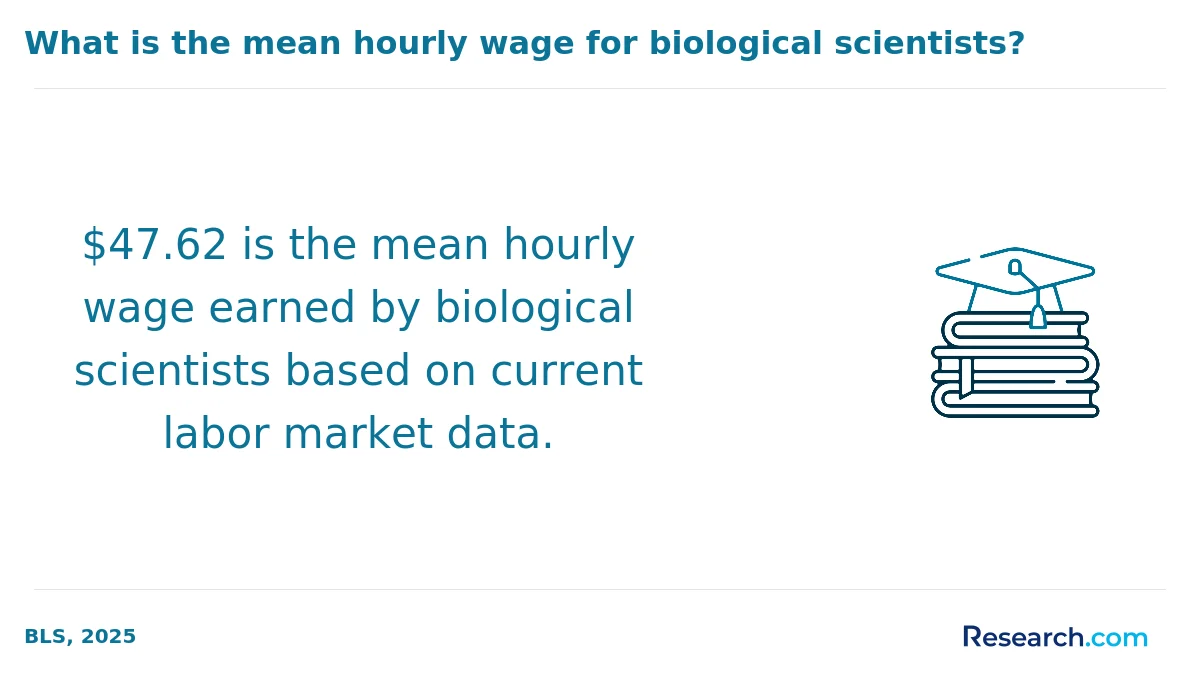
Online biology degrees in the Northeast should come from regionally accredited institutions to guarantee academic rigor and broad recognition. Accreditation impacts credit transfers, graduate school admission, and access to federal aid.
- Regional accreditation (e.g., NECHE, MSCHE) verifies institutional quality and continuous improvement.
- Federal recognition enables students to apply for FAFSA, Pell Grants, and other funding.
- Transfer-friendly credits support smooth transitions between colleges and programs.
- Employer and graduate school acceptance often hinges on the program’s accreditation status.
Graduates aiming for clinical research or pharmaceutical development may build on these credentials by pursuing a pharmacist degree.
Students pursuing an online biology degree in the Northeast have a wealth of financial aid options ready to turn dreams into reality. Graduates from colleges like the University of Massachusetts or SUNY often share how federal aid through FAFSA provided Pell Grants covering thousands of dollars-helping reduce tuition burdens while focusing on their studies.
State programs such as New York's TAP or Massachusetts' MassGrant have been game-changers, offering grants that make living and learning in these vibrant states more affordable. Many biology students find confidence knowing that their hard work in STEM fields unlocks institutional scholarships at their universities, rewarding academic excellence and passion.
For working adults balancing jobs and school, employer tuition reimbursement programs bring hope-allowing biology students employed by healthcare or biotech firms across the Northeast to grow their expertise without financial stress. Additionally, nonprofit scholarships from respected biology societies fuel ambition, supporting students who envision leading discoveries that improve lives.
Every step forward feels supported, with personalized aid options creating a brighter path for every aspiring biologist in the region.
Standardized tests like the SAT or ACT may be requested by some programs, but numerous Northeast colleges now embrace test-optional policies, making the path more accessible and encouraging diverse talents to shine. Graduates often share how this shift lifted pressure and allowed them to focus on showcasing their true potential through essays and recommendation letters.
For those aiming at graduate programs, holding a relevant bachelor's degree with strong coursework and a GPA around 3.0 can open doors. Many recall how articulating their passion through statements of purpose and highlighting research experiences enriched their applications, bridging their dreams with real-world impact.
Studying biology online in the Northeast combines rigorous academics with community support, where applicants feel empowered knowing their unique stories and strengths matter just as much as grades.
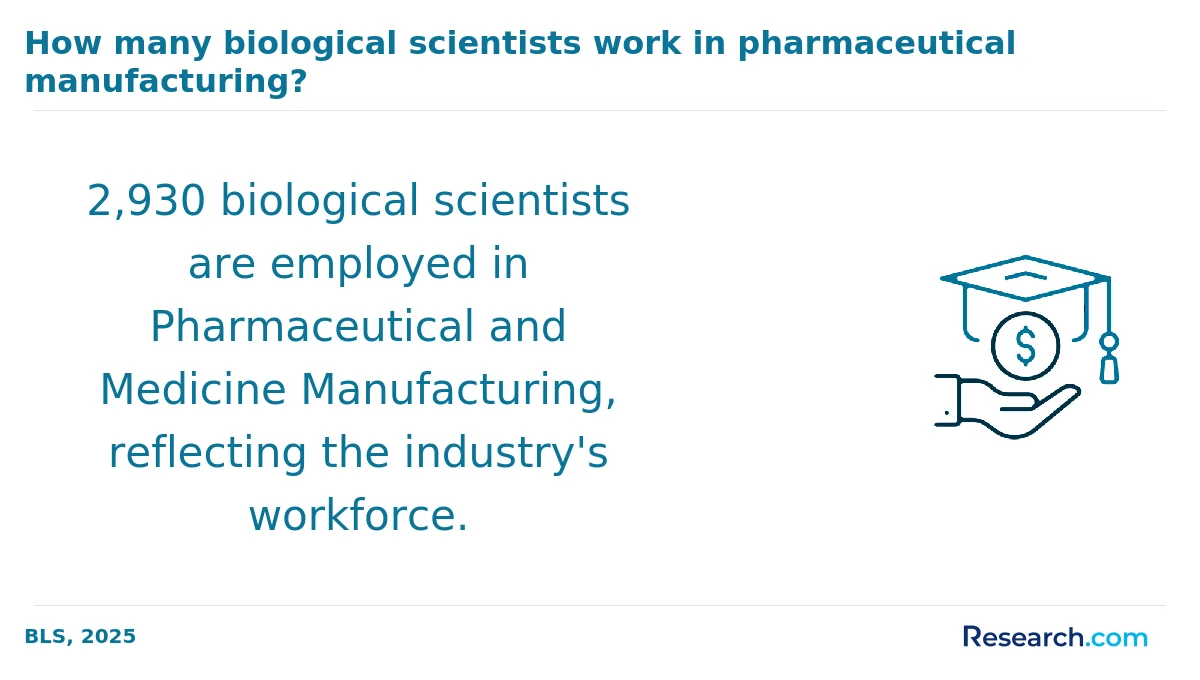
Students pursuing online biology degrees in the Northeast engage with a rich curriculum designed to ignite passion and curiosity about the living world. Core courses like cell biology, genetics, ecology, and physiology form the foundation, helping learners grasp how life functions at both micro and macro levels. Graduates from popular institutions find these classes challenge and inspire them, especially when they explore molecular biology and microbiology, which reveal the intricate details of life's building blocks.
Many programs also include biochemistry and evolutionary biology, inviting students to connect scientific concepts with real-world biological diversity. Northeast colleges uniquely ensure practical learning through virtual labs or local partnerships, allowing students to gain hands-on experience that feels immediate and relevant despite the online setting. This approach often brings excitement and confidence as learners simulate experiments or participate in regional environmental studies.
Courses in statistics and research methods empower students to analyze biological data effectively, a skill graduates recall as crucial for their research and career success. Electives such as marine biology or biotechnology enable students to tailor their education toward their dreams, often inspired by the Atlantic coastal environment surrounding many Northeast institutions.
Online biology degree specializations in the Northeast offer exciting pathways that ignite passion and curiosity. Graduates from well-known programs like University of Massachusetts Online and Penn State World Campus often share how focusing on molecular biology unlocked their fascination with genetics and biomedical research. Others find joy in environmental biology, where hands-on virtual experiences with the Northeast's diverse ecosystems deepen their commitment to conservation and sustainability.
Biotechnology students thrive in dynamic courses blending biology with cutting-edge technology, reflecting the region's booming biotech industry in states such as Massachusetts and Pennsylvania. Meanwhile, health sciences specialization inspires learners aiming at careers in healthcare or advanced medical fields, providing a solid foundation in human biology and anatomy through interactive online labs and expert faculty guidance.
Those exploring biology program concentrations in the Northeast appreciate how these tailored tracks connect directly to local opportunities and growing fields. If you're considering your future, explore the many options and success stories captured in biological science degrees online to find the perfect fit for your ambitions.
Choosing the best accredited online biology degrees northeast starts with confirming that your program is regionally accredited, ensuring your education meets top academic standards. Many students from well-known Northeastern universities appreciate how this quality translates into confidence when applying for jobs or graduate school.
Look for programs that offer engaging and flexible curricula rich in genetics, ecology, and biotechnology. Graduates often share how hands-on lab simulations and research opportunities helped them thrive, even from a distance. Affordable online biology programs in northeast schools also make pursuing your passion easier without overwhelming financial stress.
Consider the supportive environment: accessible faculty, career advising, and strong peer networks create motivation and fun learning experiences. Online learners benefit from intuitive platforms that connect them smoothly with professors and classmates, just like they would on campus. For those eager to accelerate their journey, exploring fastest biology degree online programs can be inspiring and practical.
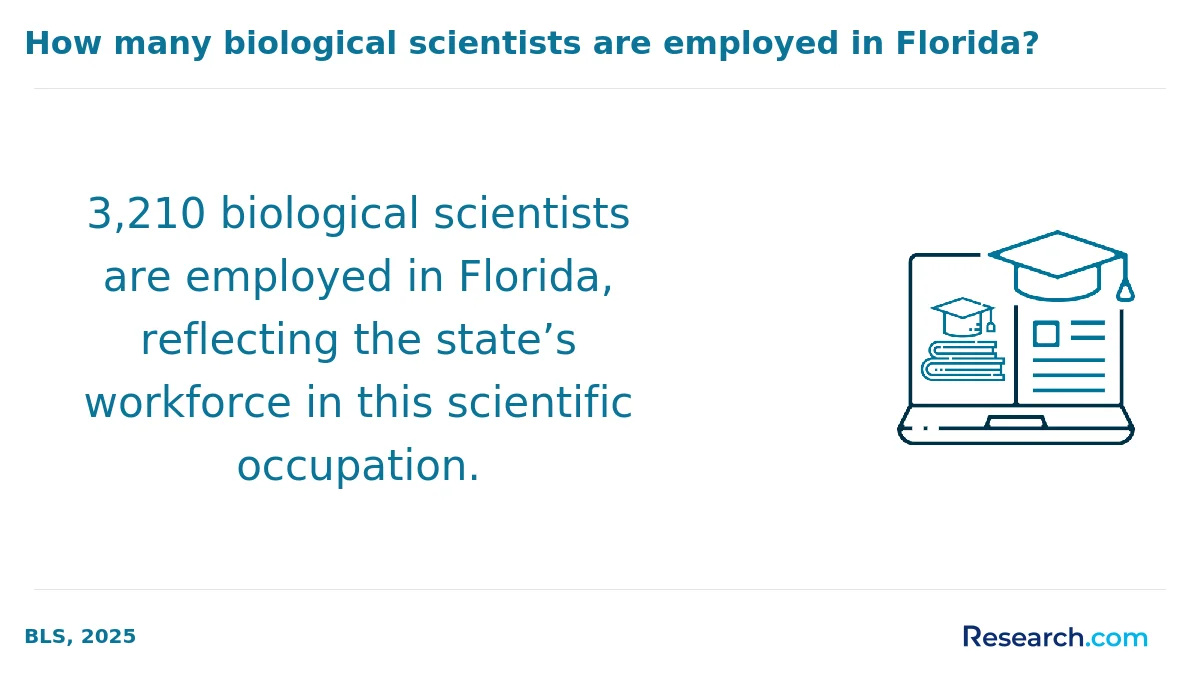
Graduates with an online biology degree in the Northeast find inspiring career paths in healthcare and medical research, environmental science, biotechnology, and education. Many biology degree holders from renowned institutions like Boston University and the University of Pennsylvania embark on fulfilling roles as clinical laboratory technologists, wildlife biologists, or pharmaceutical researchers, driven by a passion to innovate and solve real-world problems. These careers offer not only financial stability but also the rewarding feeling of contributing to critical advancements in medicine and environmental conservation.
Biotechnology hubs in Boston and New Jersey provide exciting opportunities for graduates to engage in genetic research or product development, industries rapidly growing with the region's demand for skilled professionals. Those pursuing biology degree job opportunities in Northeast schools also find joy in teaching or supporting academic research, sharing knowledge with the next generation. Flexible online programs help students balance education with life, making ambitions more achievable, especially when exploring options like the cheapest online bachelors biology programs.
The job market for graduates with an online biology degree in the Northeast is vibrant and full of promise. With strong biotech clusters in Boston and New York and healthcare sectors expanding rapidly, graduates find rewarding opportunities in research, pharmaceuticals, and environmental conservation. Many alumni from popular institutions in the region share inspiring stories of landing research assistant roles or advancing quickly within biotech firms in Cambridge and metropolitan New York, illustrating the benefits of pursuing an online biology degree in a region rich with industry connections.
Biology graduate employment opportunities Northeast are fueled by ongoing growth, with the BLS projecting a 7% increase in life scientist jobs through 2032. Starting salaries typically range from $50,000 to $65,000, with experienced professionals earning significantly more. Many graduates appreciate how their online programs emphasize practical experience and networking, vital for thriving in this competitive landscape.
For those wondering what are the requirements to become a biologist, the combination of flexible education and access to leading institutions makes an online biology degree in the Northeast an excellent choice for launching a fulfilling career.
2027 Best Online Biology Degree Programs Ranking in the Northeast
Investing in your education is a significant decision that can shape your future, and the Research.com team understands the importance of making informed choices. To assist prospective students in the Northeast, we have meticulously crafted the "2027 Best Online Biology Degree Programs Ranking in the Northeast." Our commitment to quality, credibility, and accuracy is reflected in the extensive research and analysis conducted to compile this ranking.
We utilized the following reputable data sources to ensure a comprehensive evaluation of biology programs:
By exploring this ranking, readers will gain valuable insights into the top online biology degree programs available in the Northeast, helping them make informed decisions about their educational paths. For more details on our methodology, please visit our Research.com methodology page.


Frequently Asked Questions About biology
Students pursuing online biology degrees in the Northeast can maximize their learning by actively engaging with virtual labs and simulation tools, which are increasingly incorporated in collegiate programs to replicate hands-on experiences. The Northeast hosts multiple accredited institutions recognized for robust biology curricula approved by the Middle States Commission on Higher Education.
Additionally, leveraging local internship opportunities with research centers or biotechnology firms can enhance practical skills and resume value. According to the National Science Foundation, the Northeast region accounted for over 30% of U.S. biological research funding in 2023, reflecting significant industry presence.
Building connections through online study groups and faculty office hours is also essential for success in a remote learning environment. Utilizing library resources and academic databases provided by local universities can further deepen understanding of complex biological topics.
The biology field is rapidly expanding into several emerging niches, particularly appealing to students pursuing online degrees in the Northeast. One key area is bioinformatics, which combines biology, computer science, and data analysis to interpret complex biological data, especially genomic sequences. According to the National Institutes of Health, demand for bioinformatics specialists is growing by over 15% annually.
Another niche is environmental genomics, with a focus on studying organisms in changing ecosystems, especially in the Northeast's diverse habitats. This specialization supports efforts in conservation and climate change mitigation, sectors receiving increased funding from institutions like the Environmental Protection Agency.
Synthetic biology and biotechnology also offer promising careers, emphasizing innovation in medicine and agriculture. The Northeast, with hubs in Boston and New York, hosts numerous research centers expanding opportunities for graduates.
These emerging fields reflect the Northeast's dynamic biology sector and offer exciting paths for online biology degree students.
After completing an online biology degree in the Northeast, preparing for the job market involves several key steps. First, students should seek internships and volunteer opportunities related to biology, which many universities and local research institutions in the region support. According to the Bureau of Labor Statistics (BLS), biology-related occupations in states like New York and Massachusetts are projected to grow by over 7% through 2030.
Networking is essential. Joining professional organizations such as the Northeastern Association of Biology Teachers can provide valuable contacts. Additionally, developing skills in data analysis and laboratory technologies increases employability.
Finally, obtaining certifications relevant to certain biology fields can distinguish candidates in a competitive market.
Employers in the Northeast value biology degree graduates who possess strong analytical and laboratory skills. Proficiency in data analysis software, such as R or Python, is increasingly important due to the rising use of bioinformatics in research and healthcare sectors. According to the National Science Foundation, 65% of biology-related jobs in the region demand experience with molecular biology techniques and experimental design. Effective communication skills, both written and verbal, are crucial for collaboration in multidisciplinary teams. Additionally, knowledge of environmental regulations and conservation practices is highly sought after given the Northeast's focus on ecological sustainability and public health initiatives.
Finding biology internships in the Northeast requires targeted research and networking. Start by exploring affiliations offered through your online biology program, as many universities partner with local research institutions, hospitals, and environmental organizations. The Northeast hosts major biology research hubs like the Broad Institute in Massachusetts and New York's Memorial Sloan Kettering Cancer Center.
Additionally, use online platforms like Handshake or Indeed to find internships specifically tagged for biology students in this region. According to the National Association of Colleges and Employers (NACE), about 60% of biology graduates gain internships through university career centers or faculty connections.
Local government agencies such as New York's Department of Environmental Conservation and state health departments also provide internship opportunities relevant to biology students.
In the Northeast, earning an online biology degree can significantly enhance career mobility and advancement. This region is home to numerous biotechnology firms, research institutions, and healthcare companies that value candidates with strong biological science backgrounds. According to the Bureau of Labor Statistics, employment in life, physical, and social science occupations is projected to grow by 5% from 2021 to 2031 in the Northeast, reflecting solid demand for biology graduates.
Online biology programs from accredited institutions offer flexible learning while maintaining rigorous curricula, which employers increasingly recognize. Graduates often find opportunities in research, environmental consulting, pharmaceuticals, and healthcare sectors.
The availability of internship and networking opportunities through regional partnerships further supports career growth, making online biology degrees a practical choice for professionals seeking advancement without relocating.
Studying for a biology degree online in the Northeast offers strong preparation for interdisciplinary roles by integrating diverse scientific fields. Many regional universities emphasize collaboration between biology, chemistry, environmental science, and data analysis. This approach mirrors workforce demands in sectors like biotechnology and health sciences, which grew by over 12% in the region from 2017 to 2022, according to the Bureau of Labor Statistics.
Students often engage with courses in genomics, bioinformatics, and ecology, blending lab techniques with computational skills. Access to local research hubs and virtual internships further connects learners to cross-disciplinary projects.
When choosing between a thesis and a non-thesis biology degree program in the Northeast, consider your career goals carefully. Thesis programs typically require original research and a written dissertation, which is ideal for those aiming at research roles or doctoral studies. Non-thesis options focus more on coursework and practical skills, better suited for immediate employment in fields like environmental science or biotechnology.
Data from the National Center for Education Statistics shows that about 40% of biology graduates in the Northeast pursue research-focused careers, highlighting demand for thesis experience. However, non-thesis programs often offer more flexibility for working professionals.
Review accreditation, faculty expertise, and research resources available online at Northeast institutions before deciding.
Students based in the Northeast seeking to study biology abroad through online programs have several pathways to consider. Many universities in the region partner with international institutions to offer joint online courses or study-abroad options integrated with their biology curriculum. For example, some programs allow students to complete fieldwork or lab components overseas during summer sessions.
Currently, the Northeast boasts a high concentration of accredited universities with strong biology departments, such as Boston University and Rutgers University, which frequently collaborate on research and exchange opportunities. According to the National Center for Education Statistics, over 15% of biology undergraduates in this region participate in study-abroad programs, often focusing on ecology and conservation biology.
Online biology students can therefore benefit from flexible study plans that incorporate international experiences without relocating permanently. This approach supports skill development in global scientific methods and biodiversity, key areas for modern biologists.
Students pursuing online biology degrees in the Northeast can benefit from part-time jobs that enhance their academic knowledge and practical skills. Positions such as laboratory assistants or research aides at local universities or medical centers provide valuable hands-on experience. The National Center for Education Statistics notes that these roles often align closely with biology coursework, supporting skills in data analysis and experimental techniques.
Additionally, environmental field technician roles with state agencies or nonprofits are common in the Northeast, given the region's diverse ecosystems. These jobs offer experience in ecology and conservation, complementing biology studies. According to the U.S. Bureau of Labor Statistics, these positions frequently pay between $15 and $20 per hour, offering both income and relevant experience.
Medical scribe or certified nursing assistant roles also serve biology students well, particularly those interested in health sciences. Such part-time work can improve understanding of human biology and healthcare systems, bridging academic concepts with real-world applications.
Online biology students in the Northeast benefit from diverse networking opportunities through regional professional organizations, university-sponsored events, and virtual conferences. Groups like the New England Biology Teachers Association and the Northeast Association of Biology Scholars offer forums where students can connect with peers and professionals.
Many colleges hosting online programs encourage participation in local internships and research partnerships, enabling students to gain real-world experience while expanding connections. Additionally, platforms such as LinkedIn feature active groups focused on biology careers in the Northeast, with over 10,000 members joining discussions and job postings as of 2023.
Virtual symposia and webinars sponsored by institutions like the American Society for Cell Biology often highlight regional research trends, facilitating interaction with experts based in the Northeast. These resources create valuable pathways for collaboration and mentorship, critical for career development in biology fields.
Alumni networks for online biology degree students in the Northeast offer significant professional advantages. Many universities in this region, like those in Massachusetts and New York, have extensive graduate communities that facilitate job placement and career mentoring. According to the National Association of Colleges and Employers (NACE), 70% of jobs are secured through networking, making alumni connections crucial for biology students.
These networks also provide access to specialized industry events, internships, and research collaborations in local biotech hubs such as Cambridge, MA. Furthermore, alumni often share job leads and advice tailored to regional opportunities in healthcare, environmental science, and pharmaceuticals.
Many online biology degree programs in the Northeast allow students to tailor their studies to specific career goals. Common customization options include choosing concentrations such as molecular biology, environmental science, or biotechnology. This flexibility is vital, as the region hosts diverse industries like pharmaceuticals and ecological research.
Students can often select electives and research projects aligned with their interests, gaining relevant skills. Schools may also offer internships or partnerships with local agencies, enhancing practical experience. According to the National Center for Education Statistics, about 45% of biology-related degrees in the Northeast offer such specializations, providing strategic advantages in job markets.
Advisors play a key role by helping students map coursework to careers, ensuring relevant certifications and advanced opportunities.
Online biology students in the Northeast commonly face challenges related to limited hands-on lab experience, which is crucial for mastering biological concepts. While many programs offer virtual simulations, these do not fully replace in-person experiments. According to the National Center for Education Statistics, about 65% of biology students in this region report concerns over practical skill development.
Additionally, time zone differences can affect real-time participation in synchronous classes, especially for students balancing work or family responsibilities. Technical issues and varying internet quality also pose barriers, particularly in rural areas.
Networking opportunities remain limited compared to on-campus programs, making it harder to build professional connections essential for future careers in biology.
With an online biology degree, professionals in the Northeast can pursue a range of certifications to enhance their credentials and career prospects. Common options include the Certified Biological Technician (CBT) offered by the American Society for Clinical Pathology, which validates skills in laboratory and field biology.
Another valuable certification is the Registered Environmental Professional (REP), often sought by those working in environmental science and conservation sectors prevalent in the region.
Additionally, graduates can consider certifications in specialized fields such as Clinical Research Professional (CRP) for those involved in medical studies, or Laboratory Animal Technician (LAT) for positions related to veterinary research.
To write a winning application for an online biology program in the Northeast, start by carefully reviewing each school's specific admission requirements. Highlight your academic achievements, especially in biology and related sciences, as Northeast programs often emphasize STEM readiness. Many institutions look for a strong GPA-typically above 3.0-and relevant coursework.
Include a compelling personal statement that explains your passion for biology and how the online format suits your goals. Northeast universities, such as those listed by U.S. News & World Report, value applicants who demonstrate clear career plans in biological sciences.
Letters of recommendation from science instructors or professionals can greatly enhance your application.
Biology careers have a significant global impact, with the United States playing a leading role in research and innovation. Professionals trained in biology contribute to solutions for health, environmental, and agricultural challenges worldwide.
In the Northeast, online biology degrees benefit from access to top research institutions and robust job markets in biotechnology and healthcare. According to the Bureau of Labor Statistics, the region shows steady job growth for biological scientists, projecting a 7% increase by 2030.
Global collaborations are common, with research often crossing borders to address pandemics, climate change, and biodiversity loss. Graduates with biology degrees from the Northeast are well-positioned to join this international effort, leveraging regional strengths and a growing network of scientific partnerships.
Gaining practical experience while studying for an online biology degree in the Northeast is essential for career readiness. Many accredited programs partner with local research institutions, labs, and environmental organizations to provide internship opportunities. For example, students often collaborate with universities like Rutgers or SUNY on fieldwork or lab projects.
Virtual labs and simulations also play a growing role, allowing hands-on learning remotely. According to the National Science Foundation, 65% of biology-related internships in the Northeast occur in healthcare, environmental science, or biotech sectors, where students can gain valuable skills.
Volunteering for regional conservation groups or participating in citizen science initiatives offers additional real-world experience to complement coursework.
Choosing the right concentration within an online biology degree program in the Northeast depends on your career goals and interests. Popular options include molecular biology, environmental science, biotechnology, and ecology. According to the National Center for Education Statistics, biology degree programs in this region often emphasize research opportunities tied to local industries, such as pharmaceuticals in New Jersey and environmental conservation in New England.
Consider job market trends: The U.S. Bureau of Labor Statistics projects 5% growth for biological scientists nationwide, with notable demand in biotech hubs like Boston and Philadelphia. Align your concentration with regional strengths to enhance employability.
Investigate each program's curriculum, faculty expertise, and available internships or lab work to ensure practical experience, crucial for STEM fields.
- How to Earn an Online Biology Degree https://www.straighterline.com/blog/how-to-earn-an-online-biology-degree
- Bachelor's in Biology - Degrees - Online Colleges https://www.onlinecolleges.net/degrees/biology/
- Turn Your Passion for Science Into a Rewarding Career ... https://uncf.org/the-latest/a-biology-degree-can-open-the-door-to-life-and-living
- Undergraduate Online Financial Aid https://www.bushnell.edu/financial-aid/undergraduate-online/
- Online Bachelor's in Biology: Find Top Schools & Programs https://www.edumed.org/online-schools/biology-degrees/
- Get to Know Biology Education Program https://www.ums.ac.id/en/news/our-stories/get-to-know-biology-education-program-overview-courses-and-career-opportunities
- Biology, AS https://www.ntcc.edu/academics/programs-study/natural-sciences/biology/biology
- Biology https://northeast.edu/degrees-and-programs/biology
- Biology Transfer Major https://www.nicc.edu/academics/programs/biology/
- Biology, BS https://www.nec.edu/biology