2027 Best Online Biology Degree Programs Ranking in the West

Co-Founder and Chief Data Scientist
Choosing the right biology degree program can shape your future in exciting ways. Our 2027 Best Online Biology Degree Programs Ranking in the West, developed by the Research.com team of data scientists, helps you discover top programs designed for your success.
This article simplifies your search by highlighting options that are reputable, flexible, and aligned with your goals. Whether you're starting fresh or advancing your career, a biology degree opens doors to rewarding opportunities in science and healthcare.
Explore the ranking and find the program that fits your passion and lifestyle perfectly.
Key benefits of getting online biology degree in the West
- Biology graduates in the US can expect average salaries around $60,000 to $80,000 annually, depending on their specific career path, offering a solid financial foundation for entering scientific fields.
- Graduates from universities like the University of California often find diverse career options in research, healthcare, environmental science, and biotechnology, making a biology degree versatile and rewarding.
- Online biology degrees from institutions such as Oregon State University provide flexible schedules and lower costs, allowing students to balance work and study while gaining quality education equivalent to traditional programs.
- 2027 Best Online Biology Degree Programs Ranking in the West
- What can I expect from online biology degree in the West?
- Where can I work with online biology degree in the West?
What can I expect from online biology degree in the West?
The average cost of an online biology degree in the Western United States varies significantly depending on the institution and residency status. Public universities, such as those within the University of California system and Oregon State University, often offer in-state tuition rates that range from approximately $5,000 to $15,000 per year for online students. Out-of-state tuition can increase costs to between $15,000 and $30,000 annually. Graduates from these programs frequently report satisfaction with the balance of cost and quality, emphasizing the value of accredited curriculums and access to cutting-edge virtual labs and faculty expertise.
Many students benefit from financial aid options, including federal aid and STEM-specific scholarships that lower the effective cost. For example, biology students at California's Bay Area universities often find support enabling them to pursue rigorous coursework without overwhelming debt. The flexibility of asynchronous courses and occasionally required in-person sessions help manage expenses related to travel or housing.
Overall, the investment in an online biology degree in the West provides practical and employable skills, particularly in expanding sectors like biotechnology and environmental science, where graduates thrive in dynamic, well-paying careers.
Where can I work with online biology degree in the West?
Graduates with an online biology degree from well-known Western institutions like Oregon State University or the University of Washington frequently secure roles in environmental science sectors. For example, many find employment in California or Washington focusing on wildlife management and ecosystem restoration, supported by data from the California Employment Development Department, which notes 3,500 zoologists and wildlife biologists in California alone with a 5% growth forecast through 2030.
Others leverage their degrees in bustling biotech hubs such as San Francisco or Seattle. Employers, including biotech firms prevalent in California-home to about one-third of U.S. biotech companies-hire graduates as lab technicians, research associates, or quality control analysts, reflecting a strong industry demand.
Additionally, some graduates pursue teaching at high schools or community colleges in Western states, combining their degrees with teacher preparation programs to meet licensure requirements. This path responds to steady demand for STEM educators, as highlighted by the National Center for Education Statistics.
Healthcare roles like clinical laboratory technologists or research coordinators are also attainable, especially in Arizona and Nevada, where healthcare job growth aligns with biological expertise needs, according to the U.S. Bureau of Labor Statistics.
This diverse range of career opportunities allows graduates to apply their biological knowledge meaningfully within the region's dynamic job markets.
Graduates holding an online biology degree in the Western U.S. often see starting salaries between $40,000 and $60,000, especially in states like California, Washington, and Oregon where demand is higher. Entry-level roles such as lab technicians or research assistants typically earn within this range, offering a solid foundation for those who studied at institutions popular in the region, including the University of California system or Oregon State University.
With further education, like a master's or doctorate pursued after online studies, graduates report accessing roles in biotechnology or pharmaceutical research that pay significantly more, often between $80,000 and $120,000 annually. Many graduates find it encouraging to combine their biology degrees with skills in data analysis or health sciences, leading to even stronger salary offers from employers who value these cross-disciplinary capabilities.
Specialized professions such as environmental consultants and wildlife biologists in Western states offer median salaries nearing $75,000, growing past $100,000 with experience. Graduates who adapt their knowledge to these fields often express satisfaction not just with pay but with the meaningful impact of their careers in regional ecosystems.
Acceptance of accredited online biology degrees by Western employers attests to the value of these programs, empowering graduates to confidently pursue ambitious roles while benefiting from competitive regional salaries.
- Online biology degrees in the Western U.S. cover topics like genetics, ecology, microbiology, and biochemistry through virtual lectures and digital labs.
- Bachelor's degrees typically cost between $20,000 and $40,000 in total tuition, with lower rates at public universities for state residents.
- Starting salaries for biology graduates range from $45,000 to $50,000 annually, increasing to around $70,000 or more with experience and advanced degrees.
- Top biotechnology job markets are in California, Washington, and Oregon, with strong demand for skilled graduates in healthcare, environmental, and agricultural sectors.
- Regional accreditation by agencies like NWCCU and WSCUC is important for program recognition and quality assurance.
- Students need reliable internet and computer access to use virtual simulation and lab software for successful online learning.
Completing an online biology degree in the Western U.S. typically spans two to four years, depending on whether students enroll full- or part-time. For example, learners at institutions like Oregon State University and Arizona State University usually finish their bachelor's programs in about four years by completing approximately 120 semester credits. Graduates often express satisfaction with the flexibility that allows them to balance work or family alongside studies.
Associate degrees, which take around two years, provide a faster route for those eager to enter the workforce or transfer into a bachelor's track. Some students at community colleges like Santa Monica College find this approach practical and rewarding.
Accelerated bachelor's tracks are increasingly popular among motivated students aiming to graduate in three years by taking summer classes or heavier course loads. Such programs work well for recent graduates or working professionals wanting to advance quickly.
Master's degrees typically add one to two years, offering specialization opportunities while accommodating diverse schedules.
Online biology degrees in the Western US, such as those offered by public universities in California and Washington, emphasize flexibility through virtual coursework, allowing students to balance jobs or family commitments while advancing their education. Graduates from these programs often highlight the convenience of studying on their own schedule, though they acknowledge challenges in replicating hands-on lab experiences fully. In contrast, on-campus biology students at institutions like the University of Oregon enjoy direct access to state-of-the-art laboratories and face-to-face collaboration, which many find invaluable for mastering complex biological techniques.
Financially, online programs can reduce costs by 10-30% by eliminating expenses like commuting and housing, with annual in-state tuition for Western public universities averaging between $9,500 and $15,000. Accredited by WASC, both formats uphold rigorous curriculum standards. However, on-campus learners tend to report stronger networking opportunities through in-person interactions with professors and peers, which can enhance career prospects. Online students compensate by actively engaging in virtual discussions and sometimes visiting campus for practical labs.
The average cost of an online biology degree in the West is approximately $24,045, positioning it as a moderate investment compared to other degree options. Graduates from well-known public universities in California and Washington often report tuition costs closer to this median, reflecting the competitiveness and affordability of these programs. These institutions typically offer in-state tuition discounts that make earning a degree accessible for residents. For many, this cost feels manageable, especially when coupled with flexible scheduling and the ability to study remotely.
Affordability plays a significant role when choosing an online program, and students interested in affordable online biology degree programs Western US can find options ranging from $5,000 to $30,000 per year based on residency and degree level. Master's level degrees and private university programs naturally cost more, sometimes exceeding $40,000, but many institutions provide financial aid targeting online learners, which alleviates some of the financial pressure. Students balancing work and study appreciate this support, helping them progress without overwhelming debt.
Additional expenses include lab kits and technology fees, critical for biology majors needing hands-on experience even in virtual settings. Exploring scholarships and grants becomes an essential step for prospective students seeking to reduce total costs while gaining crucial skills. Many graduates emphasize how thoughtful planning around these financial aspects contributed to a rewarding educational journey.
Choosing the right online biology degree also relates to future career prospects. Students often consider the value of their investment by researching the highest paid biology jobs after graduation, aligning their education costs with long-term professional goals.
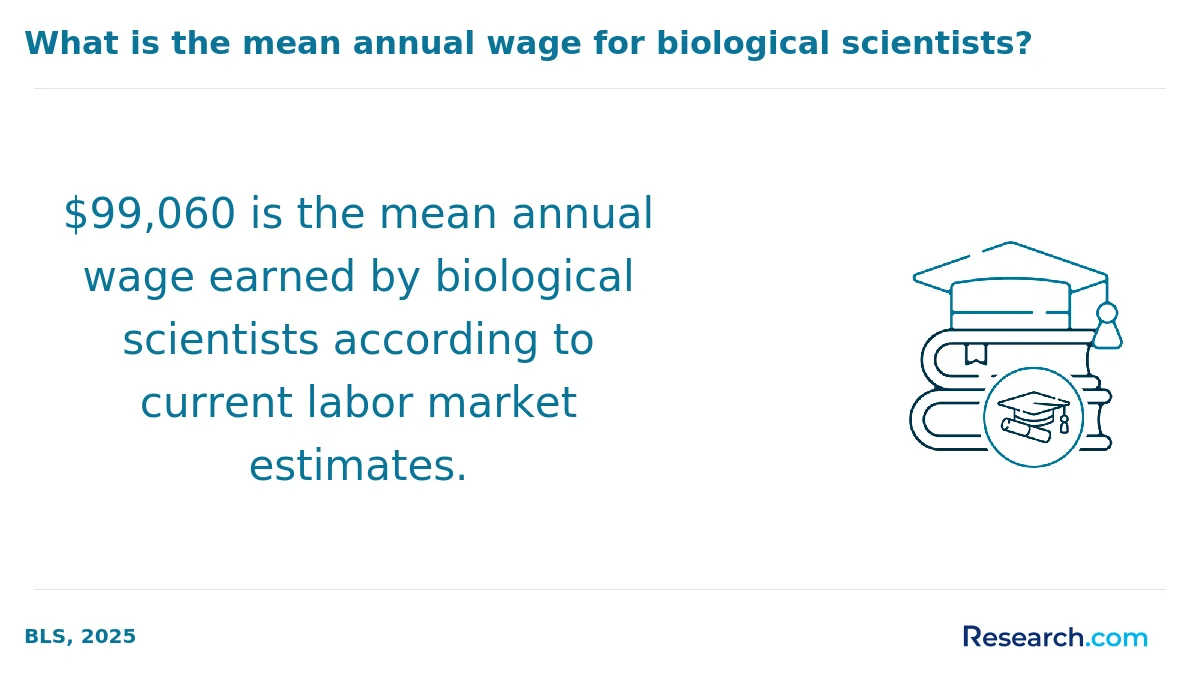
Students pursuing online biology degrees in the Western United States typically rely on a combination of federal, state, and institutional financial aid to manage costs. For instance, graduates from well-known programs at universities like the University of Washington have utilized Pell Grants, which can provide up to $7,395 annually, significantly lowering tuition expenses. Federal student loans with low interest rates often complement these grants, making education more accessible.
State-specific aid is also crucial, particularly in California, where the Cal Grant can offer up to $12,570 to qualifying undergraduates attending public universities such as California State University. Many biology students in Oregon and Washington benefit from similar state scholarships designed to support residents in online degree programs.
Institutional scholarships targeted at biology or STEM students provide additional relief. Graduates from these programs often recall how merit-based awards based on academic achievement helped them focus on studies rather than finances.
Employer tuition reimbursement is another common source, especially for working professionals in biotechnology and environmental sectors, who report feeling encouraged and supported by their employers' investment in their education.
Applicants to online biology degree programs in the Western United States must hold at least a high school diploma or equivalent, with many successful students reporting prior coursework in biology, chemistry, and physics as essential for easing their transition. For example, graduates from institutions like Arizona State University and Oregon State University emphasize the importance of strong foundational knowledge, especially in mathematics such as algebra and statistics, which supports skills in biological data analysis.
Graduate program candidates typically need a bachelor's degree in biology or a closely related field, often maintaining a minimum GPA of 3.0 to qualify. Letters of recommendation and clear statements of purpose are frequently required to highlight motivation and relevant experience, experiences echoed by alumni who found these elements crucial for admission.
Technical readiness is another key prerequisite, with reliable computers and stable internet essential due to the virtual nature of coursework. Some students enrolled in popular programs at California State University, Northridge, share how local lab partnerships enhanced their learning by combining online theory with practical application.
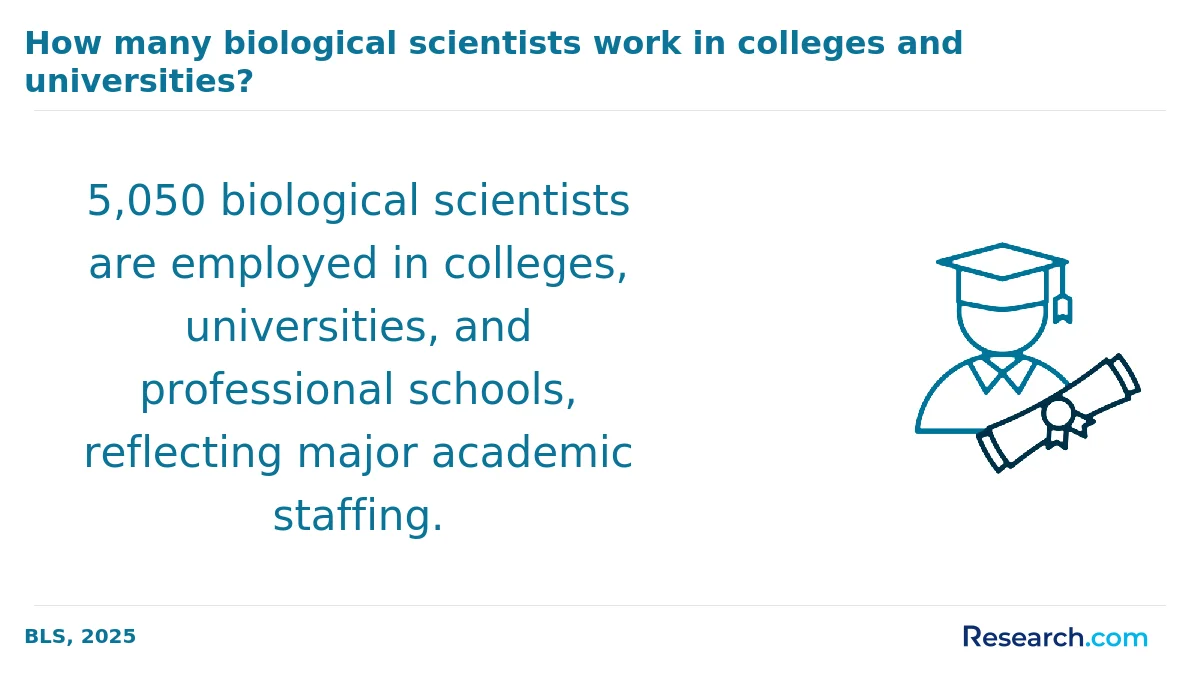
Online biology degrees in the Western U.S. typically feature core courses such as cell biology, genetics, ecology, and biochemistry, forming a foundational understanding of life sciences. Graduates from universities like Oregon State and University of Washington often reflect on how cell biology classes helped them vividly grasp cellular structures, making complex processes feel tangible.
Additionally, programs require chemistry and physics courses, including general and organic chemistry, alongside introductory physics. These science prerequisites are crucial for students aiming to comprehend biochemical reactions and physiological mechanisms, as many graduates attest to the confidence gained in labs and research projects.
Specialized electives such as microbiology, marine biology, and environmental science allow students to tailor learning to interests aligned with Western ecological diversity and biotechnology trends. Incorporating statistics and research methods courses equips learners with practical data analysis skills, essential for careers in research and applied biology.
Many biology students appreciate the balance of theoretical study and innovative lab experiences offered virtually or on-campus, enhancing real-world application, especially in institutions well-known in the region.
Online biology degree specializations in the West typically include Molecular and Cellular Biology, Environmental Biology and Ecology, Microbiology, Marine Biology, Botany and Plant Sciences, and Wildlife Biology. Graduates from popular Western universities often highlight the relevance of these programs to local ecosystems and industries. For instance, those studying Marine Biology at coastal institutions in California find hands-on opportunities to connect theory with ocean research, fostering a deep enthusiasm for marine conservation.
Environmental Biology and Ecology specializations align well with the diverse landscapes of Western states, preparing students to work effectively in natural resource management and conservation efforts. Students pursuing these paths value the integration of regional environmental challenges into their coursework, which enhances practical understanding and career readiness. Additionally, biotechnology-related tracks like Molecular and Cellular Biology emphasize careers in genetics and biomedical fields, a growing sector in Western technology hubs.
Students looking for comprehensive options can explore a wide range of the best biology majors offered online Western US, benefiting from flexible formats and regional focus. For those seeking further guidance, resources such as biological science degree online programs provide detailed program comparisons that help align academic choices with career goals.
Choosing the best online biology degree in the West requires prioritizing accreditation and curriculum depth. Graduates from Western universities such as Oregon State University value programs accredited by agencies like the Western Association of Schools and Colleges (WASC), which ensures rigorous academic standards. A well-rounded curriculum includes molecular biology, genetics, and physiology, balanced with practical opportunities such as virtual labs or local partnerships that replicate lab experience for distance learners.
Affordable biology degrees Western US offer significant savings compared to private institutions, with average annual tuition for public universities ranging from $7,000 to $12,000 for residents. However, students must consider additional fees like technology charges and textbooks. Alumni report that flexible scheduling and access to academic advising at universities like the University of Arizona greatly enhance their educational journey and career readiness.
For specialization, exploring options in biotechnology or environmental science can expand job prospects in the region's growing healthcare and environmental sectors. Prospective students may also explore accelerated tracks, such as an accelerated online biology program, to complete degrees faster while maintaining quality.
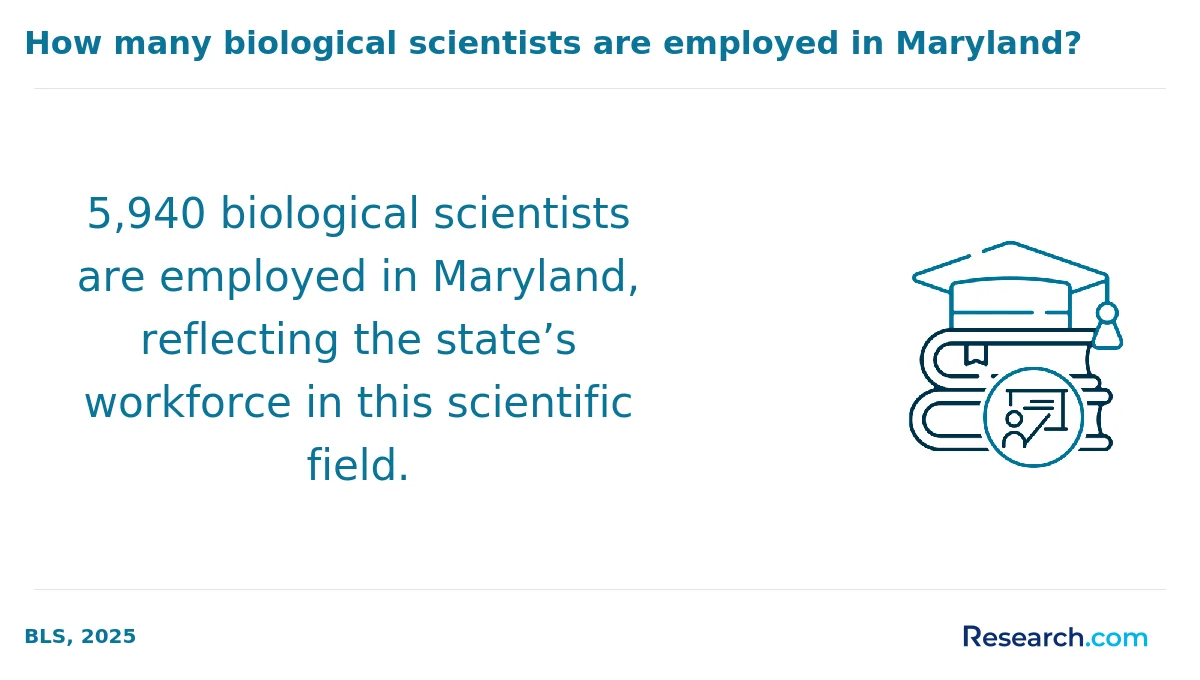
Graduates of an online biology degree in the West can pursue a variety of career paths that align with the region's expanding biological sciences sector. Research roles in universities or government agencies such as the EPA are common, providing hands-on experience in molecular biology and ecology. Graduates from popular Western colleges often report satisfaction working in these dynamic environments where their analytical skills are valued. Healthcare-related careers also attract biology majors, either through allied health roles or as a stepping stone toward medical, dental, or pharmacy school. This pathway is highly relevant in the Western states, where healthcare systems are rapidly evolving.
Environmental science jobs are particularly prevalent in the West, given the region's diverse ecosystems and committed state-led conservation efforts. Wildlife biology and sustainability consulting are frequent destinations for alumni who appreciate the direct impact of their work on natural resource management. Additionally, the booming biotech industry, especially strong in California and Washington, offers opportunities in quality control and laboratory technology. Many graduates find these roles both challenging and rewarding within this innovative sector. For those weighing costs and career outcomes, programs like the affordable online bachelor biology degrees provide strategic value in advancing their professional goals in the West.
The job market for graduates with an online biology degree in the Western US remains strong, buoyed by expanding industries in biotechnology, environmental science, and healthcare. Graduates from well-known institutions such as the University of Washington or California State University often find opportunities with biotech firms in California, which hosts over 5,700 companies and roughly 300,000 industry workers. The online biology degree job outlook West reflects this regional concentration of skilled employers seeking professionals with up-to-date scientific knowledge and practical lab skills.
Biology career opportunities in the Western US span roles in pharmaceutical companies, environmental agencies, and healthcare research centers. Salaries for entry-level graduates typically range from $45,000 to $60,000, but mid-career positions near hubs like San Francisco or Seattle can exceed $75,000, accounting for living costs. Many graduates praise online programs for affordability and flexibility, highlighting how hands-on internships and research - often arranged through local universities - bolster their competitiveness.
Prospective students can explore how to become biologist resources to navigate this evolving landscape and maximize employment prospects in the Western region's dynamic biology sectors.
2027 Best Online Biology Degree Programs Ranking in the West
Investing in your education is a significant decision that can shape your future, and the Research.com team understands the importance of making informed choices. To support prospective students in the Western United States, we have carefully developed the "2027 Best Online Biology Degree Programs Ranking in the West." Our dedication to quality, credibility, and accuracy is evident in the thorough research and detailed analysis behind this ranking.
We utilized the following reputable data sources to ensure a comprehensive evaluation of biology degree programs:
By exploring this ranking, readers will gain valuable insights into the top online biology degree programs in the West, enabling them to make well-informed decisions about their education and career paths. For a deeper understanding of how this ranking was created, please visit our Research.com methodology page.

# 3 position
Northern Arizona University
Bachelor of Health Sciences, Allied Health, Diagnostic Medical Imaging and Therapy



Frequently Asked Questions About biology
Students pursuing online biology degrees in the Western US can enhance their learning by actively engaging with interactive course materials and virtual labs. Many accredited universities in this region offer research opportunities through partnerships with local institutions, which provide practical experience beyond theoretical knowledge. Utilizing academic support services such as tutoring and advising is also crucial; roughly 65% of Western online biology students report improved outcomes through these resources (National Center for Education Statistics, 2023). Joining online study groups and professional organizations can foster collaboration and networking, which are vital for understanding complex biological concepts and career development in biology fields.
The biology field in the Western United States is expanding into several emerging niches, especially within the context of online education. One prominent area is synthetic biology, which combines engineering principles with biology to design new biological parts and systems. Programs focusing on this are becoming more common as the biotech industry grows, particularly in California's innovation hubs.
Another rising niche is bioinformatics-integrating biology, computer science, and statistics to analyze large data sets. The demand for bioinformatics specialists is expected to grow by 15% through 2030, according to the U.S. Bureau of Labor Statistics.
Environmental genomics is also gaining traction, driven by regional interest in ecosystems and biodiversity conservation. This niche is especially popular in online biology degrees offered by Western universities that emphasize ecological health.
Graduates with an online biology degree in the West can enhance job prospects by gaining practical experience through internships or volunteer work in labs, research centers, or healthcare settings. According to the U.S. Bureau of Labor Statistics, biology-related jobs are expected to grow about 5% from 2021 to 2031, indicating steady demand in the region.
Networking is crucial; joining professional organizations like the American Institute of Biological Sciences can connect graduates with mentors and job openings. Additionally, acquiring certifications in specialized areas, such as biotechnology or environmental science, can provide a competitive edge.
Developing strong skills in data analysis and familiarity with software like R or Python is increasingly important, given the growing role of bioinformatics. Continuing education, including graduate studies or workshops, often boosts employability and career advancement in this evolving field.
Employers in the Western US highly value biology graduates with strong analytical and laboratory skills. According to the Bureau of Labor Statistics, approximately 70% of biology-related roles require proficiency in data analysis and scientific research methods.
Communication skills are essential, as biology professionals must present complex information clearly to diverse audiences. Critical thinking is also highly sought after, enabling graduates to solve problems effectively in various settings.
Technical familiarity with bioinformatics tools and software is increasingly important in the West. This reflects growing emphasis on genetics and biotechnology industries in the region. Lastly, teamwork and adaptability remain vital, given the collaborative nature of biological research and development.
Finding internships in the Western United States relevant to a biology degree involves strategic research and networking. Many universities in this region, such as those in California, Oregon, and Washington, offer partnerships with local research institutions and biotech companies. The California Life Sciences Association reports that California alone hosts over 1,500 life science companies, making it a hotspot for internship opportunities.
Students should use university career centers and online platforms like Handshake, which often list internships specific to biology. Additionally, professional organizations such as the American Institute of Biological Sciences provide internship listings and resources.
Reaching out directly to labs affiliated with online biology programs or nearby universities can also lead to valuable unpaid or paid internships.
Obtaining an online biology degree in the Western United States can significantly enhance career mobility and advancement. According to the Bureau of Labor Statistics, biological scientists in California, Oregon, and Washington enjoy above-average employment growth rates, reflecting strong regional demand. An online degree offers flexibility, allowing working adults to upskill without relocating, which is crucial in the competitive job market.
Many employers in the West recognize accredited online programs from reputable universities, making these degrees valuable for entry-level positions and promotions. Skills gained through online biology programs, such as data analysis and lab techniques, align with industry needs in biotechnology and environmental science sectors.
Additionally, networking opportunities via virtual platforms help graduates connect with regional employers and research institutions, fostering professional growth. This adaptability supports career shifts within various biology-related fields across the Western states.
Studying for a biology degree online in the Western United States offers robust preparation for interdisciplinary roles by integrating diverse scientific fields. Many programs emphasize cross-disciplinary skills, linking biology with chemistry, environmental science, and data analysis. According to the National Center for Education Statistics, over 40% of biology graduates in the West pursue careers involving biotechnology, healthcare, or environmental policy.
Western institutions often include coursework in bioinformatics and molecular biology, equipping students with expertise that applies to technology-driven industries. These programs foster critical thinking and problem-solving skills essential for roles that require collaboration across scientific disciplines.
Additionally, partnerships between universities and local research institutions enhance practical learning, enabling students to engage in real-world projects that span various fields such as ecology and biomedical engineering.
Choosing between a thesis and a non-thesis online biology degree program in the West depends on your career goals and learning preferences. Thesis programs typically require original research and a written dissertation, suitable for students aiming for research roles or doctoral studies. According to the National Center for Education Statistics, roughly 40% of Western biology master's graduates complete a thesis.
Non-thesis options focus on coursework and practical skills, often appealing to professionals seeking advancement without research commitments. These programs may include a capstone project or comprehensive exams instead of a thesis. The Western region hosts many accredited universities offering both paths, so consider your future plans carefully.
Students based in the Western United States seeking online biology degrees have access to a range of accredited institutions offering flexible programs. Many Western universities, including those in California, Oregon, and Washington, provide fully online bachelor's and master's degrees in biology or related fields.
For example, Oregon State University offers a reputable online Bachelor of Science in Biology that includes virtual labs and fieldwork options. According to the National Center for Education Statistics, enrollment in online science programs in the West has grown by over 15% in recent years, reflecting increased demand.
These programs are often designed to accommodate working professionals and graduates by allowing asynchronous study. Students can engage with regional biodiversity topics, ensuring the content is relevant to local ecosystems.
Additionally, students in the West may explore cross-border study options through collaborations between U.S. and Canadian universities, many of which now support online delivery tailored for international students.
Students pursuing online biology degrees in the Western United States can consider several part-time jobs that enhance their education and build relevant experience. Laboratory technician roles are common, often available at universities, research institutes, and healthcare facilities. According to the U.S. Bureau of Labor Statistics (2023), lab technicians in this region earn a median hourly wage of approximately $18.50, offering practical skills in data collection and experiment management.
Field assistant positions, especially within environmental organizations in states like California and Oregon, provide hands-on experience in ecology and conservation. Additionally, roles such as science tutoring or teaching assistantships at community colleges or online platforms allow students to reinforce their biology knowledge while earning income.
Online biology students in the Western US have growing networking opportunities despite the remote format. Many universities offer virtual student organizations and biology clubs that enable peer interaction and collaboration. For example, the University of California system hosts online events connecting students with faculty and professionals.
Students can also attend regional conferences like the Western Society of Naturalists annual meeting, which attracts biologists and researchers from across the West Coast.
Additionally, internships and research partnerships arranged by universities provide valuable connections with labs and biotech companies headquartered in states like California and Washington.
Access to LinkedIn groups focused on biology careers in the West further supports professional networking.
Alumni networks play a crucial role in supporting online biology degree students in the Western United States. These networks connect current students with graduates who work in various biology-related fields, providing valuable mentorship and career guidance. According to a 2023 report by the National Association of Colleges and Employers, students engaged with alumni networks have a 37% higher chance of securing internships or jobs in their field.
In the West, where biotechnology and environmental research industries are prominent, alumni connections often lead to internships at leading companies and research institutions. These networks also facilitate knowledge sharing about regional job trends and graduate programs.
Customizing an online biology degree program in the Western United States starts with selecting a school that offers flexible curricula and various concentrations. Many accredited universities in this region provide options such as molecular biology, environmental biology, or biotechnology, enabling students to align their studies with specific career goals.
Students can often choose elective courses, independent research projects, and internships that match their interests. For example, California State University and the University of Washington are known for programs that integrate local ecological studies and lab experiences remotely.
Advisors play a key role by helping students tailor their coursework to careers in healthcare, research, or conservation. According to the National Center for Education Statistics, around 35% of biology students in the West opt for specialization tracks, enhancing job readiness.
Online biology students in the Western United States often face significant challenges related to hands-on laboratory experience. Biology is a lab-intensive discipline, and many programs struggle to replicate these experiences virtually. According to the National Science Foundation, about 62% of biology graduates in the US reported difficulties accessing adequate lab resources during remote learning phases.
Additionally, time management proves challenging for students balancing online study with work or family commitments. Many report feeling isolated, lacking the peer interaction found in traditional settings. The Western region's diverse geography can further complicate access to regional internship opportunities crucial for biology careers.
Technical issues, such as unreliable internet, also disproportionately affect rural students in Western states.
With an online biology degree, graduates can pursue several professional certifications to enhance career prospects in the western United States. Popular options include the Certified Biological Safety Professional (CBSP) credential, which validates expertise in laboratory safety practices. The American Society for Clinical Pathology offers the Molecular Biology Certification, valuable for those interested in clinical lab work.
Environmental biology graduates may seek certification as a Registered Environmental Professional (REP) through regional boards in states like California or Washington. Additionally, certification in biotechnology or bioinformatics is possible through specialized programs recognized by industry groups.
According to the National Center for Education Statistics, biology majors in the West often pursue these certifications to meet regional job market demands and regulatory standards.
Applying to an online biology degree program in the West requires a clear and focused approach. Start by carefully reviewing admission requirements, which often include transcripts showing strong performance in biology and related sciences. Many Western universities value applicants with lab experience or relevant internships, even for online programs.
Highlight your motivation for choosing biology and your career goals in a well-structured personal statement. Use specific examples to demonstrate your passion and qualifications. According to the National Center for Education Statistics, STEM programs in the West have seen a 12% enrollment increase, indicating growing competition.
Secure strong letters of recommendation from instructors or employers familiar with your scientific abilities. Lastly, double-check your application for accuracy before submission to ensure you meet all deadlines and prerequisites.
The global demand for biology professionals is growing, reflecting increased investment in healthcare, environmental science, and biotechnology. In the United States, biology remains one of the most popular STEM fields, with the Bureau of Labor Statistics projecting a 7% growth in biological technician jobs from 2022 to 2032. This growth is driven by advances in medical research and environmental conservation efforts.
Studying biology online in the West offers flexible pathways into diverse careers, including pharmaceuticals, genetics, and ecology. American institutions emphasize practical skills and research experience, preparing students for both domestic and international opportunities.
According to the National Science Foundation, U.S. biology-related research funding exceeded $8 billion in 2023, supporting innovation and job creation. This strong financial backing underlines the country's leadership and appeal for biology graduates globally.
Gaining practical experience while pursuing an online biology degree in the West is essential to complement theoretical learning. Many accredited universities partner with local laboratories, research centers, and environmental organizations to provide internship opportunities. These placements allow students to apply biological concepts in real-world settings and build professional networks.
Additionally, some programs incorporate virtual labs and simulation software, enabling hands-on experiments remotely. According to the Western Association of Schools and Colleges, nearly 65% of online biology programs in California include such practical components to enhance skills.
Students can also volunteer in community science projects or collaborate with faculty on research to deepen their practical knowledge.
Choosing the right concentration within an online biology degree program in the Western US involves understanding your career goals and interests. Popular options include molecular biology, ecology, marine biology, and biotechnology, each offering distinct paths. According to the National Center for Education Statistics, programs in the West often emphasize environmental biology due to the region's diverse ecosystems.
Research job market trends; for instance, California leads in biotech employment, making related concentrations valuable. Additionally, consider faculty expertise and available resources like virtual labs. Many universities in the West offer flexibility in specialization, allowing students to tailor coursework to emerging scientific fields, improving future job prospects.
- Online Bachelor's Degrees in Biology: Top Schools & Programs https://www.edumed.org/online-schools/biology-degrees/
- Careers Guidance https://www.rsb.org.uk/career-guidance.html
- Careers in Biology https://www.aibs.org/careers/
- Best Online Biology Degrees 2025 https://www.onlineu.com/degrees/biology
- Careers in Biological Sciences: Opportunities, Skills, and the Future of Work https://www.hyperec.com/blog/careers-in-biological-sciences-opportunities-skills-and-the-future-of-work/
- What Can You Do With a Biology Degree? https://willamette.edu/academics/college/biology/career-options
- How to Create a Biology Course Plan for Accelerated Degree Completion https://www.straighterline.com/blog/how-to-create-an-efficient-biology-course-plan-for-accelerated-degree-completion
- How To Become A Biologist | Biology Degrees And Careers https://www.learnhowtobecome.org/science-technology-careers/biology/
- Biology/Biomedical Placements/Internships | Gradcracker - Careers for STEM Students https://www.gradcracker.com/search/science/biology-biomedical-work-placements-internships
- Biology Major Jobs: Careers in the Biological Sciences | Houston Christian University https://hc.edu/articles/biology-major-jobs-careers-in-the-biological-sciences/