2027 Best Online Master's in Biology Degree Programs Ranking in the South

Co-Founder and Chief Data Scientist
Pursuing a master's degree in biology opens doors to exciting career opportunities and deeper scientific understanding. For students in the South, choosing the right program is an important step toward success.
This article presents the 2027 Best Online Master's in Biology Degree Programs Ranking in the South, thoughtfully created by the Research.com team of data scientists. It offers a clear, data-driven guide to help you identify quality programs that fit your goals.
By exploring this ranking, you'll gain confidence in making an informed choice and move closer to advancing your career in biology.
Key benefits of getting online biology degree in the South
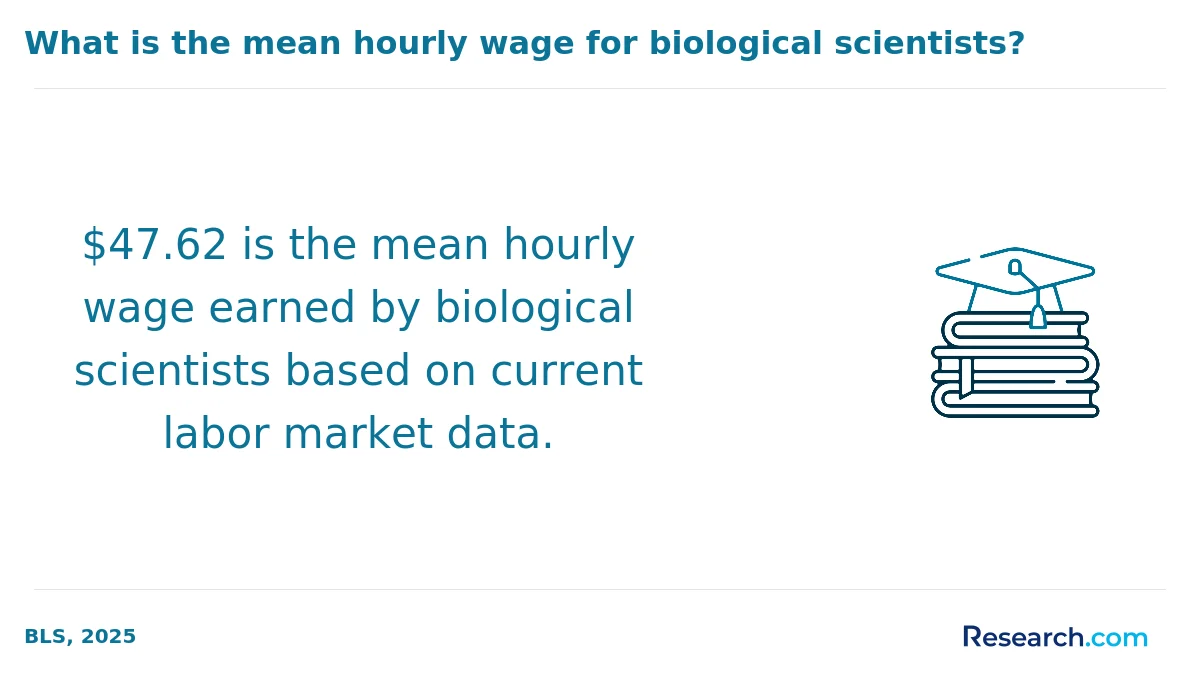
- Biology degree graduates in the South typically find rewarding careers with average salaries around $60,000 to $80,000 annually, depending on the specific role and experience.
- Graduates from popular Southern universities often pursue careers in environmental science, healthcare, or research, offering diverse opportunities to make a real impact on communities and nature.
- Completing a biology degree online provides flexible scheduling and lower costs, which many Southern students appreciate for balancing work, family, and education effectively.
- 2027 Best Online Master's in Biology Degree Programs Ranking in the South
- What can I expect from online biology degree in the South?
- Where can I work with online biology degree in the South?
What can I expect from online biology degree in the South?
When diving into the cost of an online biology degree in the South, expect a friendly yet varied financial landscape. Graduates from places like the University of Florida often share that tuition hovers around $15,000 to $25,000 for the entire program, a sweet spot compared to national averages. This range eases the journey for many balancing work and study in states rich with ecosystems like the Everglades or Appalachian foothills.
These programs blend affordability with quality, partly because Southern universities prioritize accessibility for nontraditional students who crave flexible schedules. Imagine logging in after a day's work while immersed in digital labs simulating Gulf Coast wetlands, all without breaking the bank.
Graduates recall feeling empowered as they navigated curricula tailored to local biodiversity, supported by institutions accredited by SACSCOC-assuring value for every dollar invested. The balance of cost, convenience, and connection to Southern environmental riches makes the price feel less like a tally and more like an investment in a vibrant future.
Where can I work with online biology degree in the South?
Graduates from online biology programs at Southern institutions like the University of Florida or Texas A&M often find themselves diving into vibrant careers that feel as dynamic as the ecosystems they studied. Imagine stepping into a bustling hospital lab in Houston, where you help decode the mysteries of diseases as a clinical laboratory technologist, feeling the pulse of healthcare innovation firsthand. Or picture yourself trekking through the wetlands of Georgia, crafting strategies for wildlife conservation that keep delicate ecosystems thriving, just like graduates from the University of North Carolina do.
Other alumni find joy in the fast-paced biotech hubs of Raleigh-Durham, where their work in research and regulatory affairs fuels groundbreaking discoveries, sparking hope and excitement. Some become passionate educators, shaping curious minds at community colleges across the South, transforming online studies into hands-on inspiration.
Government gigs are no different in their allure-whether supporting agricultural resilience in Alabama or managing wildlife in Tennessee, biology degree holders play vital roles weaving science into the fabric of the region's future.
Picture this: a graduate from a trusted Southern university launches their career as a biological technician, earning between $40,000 and $50,000. This role is the perfect stepping stone, offering hands-on lab experience and a solid paycheck while exploring the vibrant research landscapes of cities like Atlanta or Raleigh. These early days are exciting-a blend of discovery and growing expertise in one of the South's steadily expanding scientific hubs.
Advance a little further, and the scene shifts. Imagine biochemists and biophysicists flourishing amid burgeoning biotech firms and university research centers, drawing salaries around $70,000 to $90,000. These roles are not just jobs but fulfilling adventures through the frontiers of living science, with employers ranging from universities to government agencies.
Graduate voices recall the thrill of entering healthcare biotech-a booming sector offering $80,000+ annually. They emphasize how internships and certifications, often encouraged by Southern institutions, turbocharge employability and earning potential. Here, your online biology degree becomes a passport to a rewarding career finely tuned to the dynamic Southern job market.
- Online biology degrees in the South typically take two to four years for a bachelor's and one to two years for a master's degree when studied full-time.
- In-state tuition at public universities ranges from $10,000 to $25,000 per year, while private institutions can charge up to $35,000 annually.
- Starting salaries for biology graduates in the South are around $45,000 to $50,000 per year, with mid-career salaries reaching $65,000 to $80,000.
- Key industries hiring biology graduates include healthcare, agricultural research, pharmaceutical development, and environmental conservation.
- Programs often focus on genetics, microbiology, and environmental biology to align with regional job market demands.
Envision completing your online biology degree somewhere vibrant like the University of Florida or Texas A&M, where the journey typically stretches from two to four years for undergraduates. Imagine a part-time student navigating the academic jungle alongside a full-time job, stretching those years into a six-year adventure filled with late-night study sessions and weekend lab simulations. For master's candidates, especially those with prior credits or a fierce determination, the path can be a thrilling sprint-12 to 18 months of intense, focused exploration through ecosystems of knowledge.
Graduates from Southern institutions often share stories of balancing life's complex ecosystem-family, work, and study-while embracing the flexibility of self-paced courses. The dynamic pace, whether full-time or part-time, molds a personalized timeline, where each credit earned is a stepping stone through the rich biological landscape of the South.
Picture yourself logging in from Georgia's subtropical glow or amid the pine forests of North Carolina, folding your unique experiences into coursework that respects your rhythm. This is a degree shaped by life's flow, not constrained by a rigid clock.
Imagine juggling work and family while diving deep into genetics from your cozy porch in Georgia-this is the charm of an online biology degree in the South. Graduates from institutions like the University of Florida celebrate the freedom to pause lectures between daily chaos, appreciating how digital platforms break geographic chains without sacrificing quality. Yet, those same graduates recount the thrill of summer lab sessions, hands immersed in soil samples or peering through microscopes, proving Southern schools blend virtual flexibility with real-world science.
On-campus students at places like Louisiana State University thrive on the electric buzz of lecture halls and spontaneous lab discoveries, buoyed by direct access to professors and buzzing research centers. They relish the camaraderie and instant feedback that zoom calls can't replicate. Still, the online biologist marvels at minimizing costs-skipping campus fees and commutes-while tapping into hybrid models crafted precisely for Southern ecosystems.
Both paths map similar academic terrain, yet the journey's flavor shifts-whether savoring face-to-face mentorship or crafting a personalized rhythm between Zoom and beakers.
Imagine stepping into the vibrant world of biology through the lens of a Southern university's online program, where the average cost of an online biology degree in the South hovers around $25,320. Graduates from popular institutions often recall balancing the excitement of virtual labs with the challenge of tuition that ranges widely, but consistently rewards persistence and passion. Resident students typically enjoy a sweeter deal, with costs near $11,628, reflecting in-state rates that make dreaming of a biology degree much more accessible.
For those venturing beyond state lines or enrolling at private colleges, the total price for Southern online biology master's programs rises, with out-of-state costs averaging close to $26,208. This investment covers more than just virtual lectures; it includes specialized online lab components, where interactive software simulates real experiments, a feature many alumni fondly remember as a pivotal part of their education.
Biology students in the South often share stories about finding scholarships and financial aid, unlocking pathways to affordable schooling while fueling their enthusiasm for fields ripe with discovery. Exploring programs at flagship Southern universities reveals how these costs relate meaningfully to the quality of education, fostering a community where studying life sciences online feels both attainable and exciting. For those curious about the future payoff, checking out the best paying jobs in biology after graduation provides inspiring motivation to dive in.
Imagine unlocking the door to your online biology degree at a Southern university like the University of Georgia or Texas A&M, where federal aid is your trusty key. Graduates recall how filing the FAFSA unleashed Pell Grants that felt like surprise gifts-free money easing their financial burdens. For those deeper into their studies, the Grad PLUS Loan stepped in quietly, offering affordable support without the loud clatter of high-interest debt.
Then there's the Southern charm of state-specific scholarships, crafted just for STEM dreamers in places like North Carolina and Georgia. One graduate's story shines with the Southern Regional Education Board scholarships, which felt like a handshake among Southern scholars, encouraging persistence.
Online biology students also tap into the hidden gem of institutional aid. From assistantships at Florida State University that paired teaching duties with tuition waivers, to emergency funds for remote learners juggling unpredictability, Southern schools weave financial lifelines tailored for the virtual classroom.
And beyond campus borders, private scholarships from groups like AIBS or SACNAS offer nationwide support that feels like a community hug, reminding students they're part of something bigger while navigating the biology frontier from their home desks in the South.
Online biology programs balance theory with hands-on learning through:
- Virtual labs: interactive simulations for genetics, microbiology and biochemistry
- Lab kit shipping: consumable materials delivered to your home
- Local lab partnerships: access to regional universities or research centers
- Short on-campus residencies: intensive workshops for specialized techniques
- Fieldwork placements: guided projects in Southern ecosystems (wetlands, forests, coastlines)
Technology and equipment needs are minimal: reliable internet, a computer with webcam and basic lab software. Always confirm specific kit fees and residency schedules with your program advisor. Many programs model their lab structures on online health science degrees-our pharmacist degree section outlines similar arrangements for clinical training.
Diving into an online biology degree in the South often means you'll bring more than just enthusiasm-you'll pack a solid academic toolkit. Graduates from popular Southern schools like the University of Florida or Texas A&M recall how having a bachelor's degree, usually in biology or a close cousin like environmental science, made all the difference. Sometimes, if your degree veers elsewhere, don't fret; prerequisite courses in general biology with lab work, chemistry (both organic and general), physics, and math like calculus and statistics can bridge the gap.
Imagine prepping for your first virtual lab brandishing knowledge of microscopes and cell structures earned through these foundational classes-many have found this reassuring as they transitioned to advanced studies. Some universities still peek for GRE scores, though it's becoming a rarer hurdle.
Application packets get personal: transcripts, heartfelt letters of recommendation, and a statement of purpose capturing your research dreams paint your readiness. Financial considerations hover, with tuition running $10,000 to $20,000 annually for in-state students, but scholarships or assistantships often sweeten the journey.
Imagine diving into the microscopic worlds of cell biology or untangling the complex threads of genetics and genomics, all from your cozy home in the South. Online biology degrees here mirror the rich mix of courses you'd find walking the halls of a Southern university, like those at the University of Florida or Texas A&M. Graduates often recall virtual labs where they manipulated DNA sequences or conducted ecology experiments reflecting the vibrant ecosystems of the region.
Core courses weave together mysteries of human anatomy, microbiology, and evolutionary biology, helping students connect textbook knowledge to real-life organisms thriving in Southern wetlands or forests. Many describe the thrill of learning biostatistics and data analysis, skills they later used studying local population dynamics or disease spread.
- Introduction to Cell and Molecular Biology
- Genetics and Genomics
- Ecology and Environmental Biology
- Human Anatomy and Physiology
- Microbiology
- Biostatistics and Data Analysis
- Evolutionary Biology
- Bioinformatics or Computational Biology
Some took advanced dives into neurobiology or plant sciences, tuning their studies to regional conservation challenges. These courses don't just teach-they ignite curiosity and a passion for solving Southern ecological puzzles through science.
Online biology degree specializations in the South are like a vibrant palette for curious minds eager to dive into the mysteries of life. Graduates from popular Southern colleges often rave about immersing themselves in Cell and Molecular Biology, where tiny chromosomes come alive through virtual labs and genetics puzzles that spark their scientific imagination. Others find themselves drawn to the lush study of Ecology and Environmental Biology, understanding the intertwined lives of Southern wetlands and forests through interactive courses that feel like a stroll in a nature reserve.
Microbiology enthusiasts, buzzing with excitement, explore the invisible battles between pathogens and the immune system, a field growing ever more thrilling given recent global health challenges. For students near coastal areas, Marine Biology offers a window into the marine wonders of the Gulf of Mexico, imagining salty waves and coral reefs while analyzing ecosystems online.
Human Anatomy and Physiology captivates those with a passion for health sciences, setting them on paths toward advanced care careers with a deep understanding of the human body. Southern regional biology degree concentration options like these blend rigorous science with local ecological richness, making studies feel grounded and personally relevant. Many discover more about these paths through reading about the best biological science degree online programs, which reinforce the profound and practical nature of these specializations.
Choosing the best online biology degree in the South feels like mapping out your own scientific expedition-start by anchoring yourself to an institution with solid accreditation, like those recognized by SACSCOC, which Southern graduates often praise for their sturdy academic ship. Imagine a graduate from a major Southern university sharing how the flexible, asynchronous courses allowed them to balance family life while diving deep into molecular biology, turning their kitchen table into a personal lab.
Cost whispers loudly here; public universities typically offer affordable online biology master's degrees Southern US students cheer for, with tuition less than $15,000 annually. Private programs might stretch your budget but sometimes bring niche specializations that spark passion. One alum recalls choosing a program because their coursework aligned perfectly with environmental biology career dreams, proving how vital it is to match curriculum with your own path.
Don't overlook the magic found in faculty expertise and online research opportunities-these are like hidden trails that lead to professional networks. For those craving speed and intensity, check out accelerated biology degree online options that Southern students rave about for their efficient pace and immersive focus.
Pursuing an online biology degree in the South unlocks an adventurous spectrum of career paths where nature's puzzles meet cutting-edge science. Imagine graduates from universities in Georgia or North Carolina diving into bustling biotech labs in Houston or Raleigh, where they innovate in molecular genetics or pharmaceutical testing. Others find joy working alongside coastal ecosystems in Florida, protecting wildlife habitats and battling environmental challenges with hands-on roles in conservation. The dynamic job market here radiates opportunities-from biomedical research in Atlanta's hospitals to agricultural biology supporting Southern crop science, where a student's passion for plants meets real-world impact.
Job opportunities for biology graduates in Southern US also thrive in academic settings, where teaching and research at colleges spark curiosity and discovery. Many graduates express a deep satisfaction entering public health roles, applying biology to epidemiology and disease prevention, especially relevant in growing urban centers. For those seeking versatile pathways, science communication is a vibrant outlet for sharing biological wonders with diverse communities.
Affordability plays a role too; many find that the cost-effective programs encourage enrollment and career exploration. Students often consult resources like affordable bachelor degree online biology opportunities to balance education and budget, fueling their passion with practical planning.
The job market for online biology degree holders in the South hums with opportunity. Graduates emerging from popular Southern universities often find themselves stepping straight into dynamic labs or bustling environmental firms in places like North Carolina's vibrant Research Triangle Park. Picture a recent graduate juggling remote study with real-world research, later landing a role as a laboratory technician or environmental consultant where their skills shape local conservation projects. This lively ecosystem mirrors the broader job outlook for online biology degrees in the South, where industries from biotech startups in Texas to public health departments in Georgia eagerly seek bright minds.
Employment opportunities with online biology degree South graduates often blossom due to regional investments in health and ecology. Master's degree holders, especially from recognized online programs, secure roles as clinical researchers or biological scientists with salaries tipping past $70,000. Many graduates thrive by blending their education with hands-on initiatives, learning what it truly means to become a biologist in a landscape fueled by innovation and growth.
2027 Best Online Master's in Biology Degree Programs Ranking in the South
Investing in your education is a significant decision that can shape your future, and the Research.com team understands the importance of making informed choices. To assist prospective students in the southern United States, we have meticulously crafted the "2027 Best Online Master's in Biology Degree Programs Ranking in the South." Our commitment to quality, credibility, and accuracy is reflected in the extensive research and analysis conducted to compile this ranking.
We utilized the following reputable data sources to ensure a comprehensive evaluation of biology master's programs online:
By exploring this ranking, readers will gain valuable insights into the best online master's in biology programs available in the South, empowering them to make well-informed decisions about their educational paths. For more details on our methodology, please visit our Research.com methodology page.

# 2 position
University of Florida
Master of Microbiology and Cell Science: Medical Microbiology and Biochemistry


Frequently Asked Questions About biology
Students pursuing online biology degrees in the South can enhance their learning by actively engaging with virtual labs and simulation tools common in accredited programs. Universities such as the University of Florida and Texas A&M provide access to cutting-edge resources that replicate hands-on experiences. Additionally, joining online study groups and participating in regional biology organizations like the Southern Appalachian Botanical Society can foster collaboration and networking.
Utilizing local research opportunities, such as internships at regional ecological centers or health institutions, complements online coursework. According to the National Center for Education Statistics, Southern states have seen a 12% growth in online STEM enrollments, reflecting strong program availability.
The biology field is rapidly evolving, with several emerging niches gaining prominence in the South. Areas like bioinformatics, which combines biology and computer science, are expanding due to increased data from genetic research. Environmental biology and conservation are also growing, driven by regional concerns such as coastal ecosystem management and climate change impacts.
Another key niche is biotechnology, especially connected to agriculture, an important Southern industry. Medical biology focusing on personalized medicine and infectious diseases is advancing, supported by research institutions in states like North Carolina and Georgia. According to the National Science Foundation, Southern universities are increasingly investing in these specialties to meet workforce demand.
Preparing for the job market after completing an online biology degree in the South requires strategic planning. First, gaining practical experience through internships or research projects is crucial; Southern universities often collaborate with regional industries and labs, providing valuable opportunities.
Next, networking remains essential-join professional associations like the Southern Association of Biology Teachers or local chapters of national biology societies. These connections can lead to job leads and mentorship.
Additionally, consider obtaining certifications relevant to biology fields, such as laboratory techniques or environmental compliance. According to the U.S. Bureau of Labor Statistics, biology-related jobs in Southern states like Texas and Florida are projected to grow by 7-9% through 2030, highlighting a competitive market.
Finally, enhance your resume with strong communication and data analysis skills to meet employer expectations.
Employers in the Southern US value biology degree graduates who demonstrate strong analytical and research skills. According to the Bureau of Labor Statistics, proficiency in laboratory techniques and data interpretation is crucial, as many roles require hands-on experimentation and problem-solving.
Communication skills are also highly sought after, especially the ability to write clear reports and present findings effectively. The Southern region's growing biotech and healthcare industries emphasize teamwork and cross-disciplinary collaboration, making interpersonal skills essential.
Technical expertise with software tools for data analysis, such as statistical programs and bioinformatics applications, is increasing in demand. Additionally, knowledge of environmental regulations and biodiversity conservation aligns with regional priorities highlighted by the Southeast Environmental Research Center.
Finding internships relevant to a biology degree in the South involves leveraging local universities, research institutions, and industry connections. Many Southern universities, such as the University of North Carolina and Texas A&M, offer partnerships with nearby labs and environmental organizations that frequently seek biology interns.
The Southern region hosts numerous federal and state agencies involved in environmental conservation and health sciences, including the U.S. Fish and Wildlife Service, which offers internships beneficial for biology students. According to the National Science Foundation, these agencies often target students from regional programs for internship opportunities.
Students should also explore online platforms like Handshake and Symplicity, used by Southern colleges to list internships specifically for biology majors. Networking through local scientific societies, such as the Southern Appalachian Botanical Society, can further increase internship prospects.
In addition, contacting career services at your online program's institution can provide tailored internship leads aligned with your biology focus in the South.
Obtaining an online biology degree in the South significantly enhances career mobility and advancement opportunities. The growing biotechnology and healthcare sectors in states like North Carolina, Texas, and Georgia create strong demand for qualified biology professionals. According to the U.S. Bureau of Labor Statistics, biological scientists in the Southern region are expected to see employment growth of approximately 7% through 2031, aligning with national averages.
Online degrees offer flexibility, allowing professionals to balance work while gaining skills valued by employers. Accredited Southern universities providing online biology programs ensure graduates meet regional industry standards, improving access to roles in research, pharmaceuticals, and environmental management.
Studying for a biology degree online in the South offers strong preparation for interdisciplinary roles by integrating diverse scientific fields. Many Southern universities emphasize collaboration between biology, environmental science, chemistry, and technology. This approach reflects regional priorities like agriculture, marine biology, and healthcare.
Programs often include coursework in data analysis, bioinformatics, and lab techniques, essential for careers that blend biology with technology or policy. According to the National Science Foundation, Southern states have seen growth in biotech employment, highlighting demand for versatile biology graduates.
Furthermore, online programs provide practical skills and access to regional research partnerships, enabling students to engage with real-world challenges in environmental management and public health.
Choosing between a thesis and a non-thesis biology degree program in the South depends largely on your career goals and learning style. A thesis option emphasizes original research, ideal for students aiming for doctoral programs or research careers. According to the Southern Association of Colleges and Schools, many Southern universities allocate 30-50% of biology master's students to thesis tracks.
Non-thesis programs focus more on coursework and applied learning, suiting those pursuing professional roles in biotech, healthcare, or education. They usually require fewer credit hours, allowing faster completion. Data from the National Center for Education Statistics shows a growing trend toward non-thesis degrees in Southern states due to workforce demands.
Consider faculty expertise, laboratory access, and internship opportunities when making your decision.
Students based in the South interested in studying biology abroad often explore partnerships between their home institutions and foreign universities. Many Southern universities participate in exchange programs, allowing biology majors to study overseas for a semester or a year while earning credits toward their degree.
While fully online biology degrees with an international campus component remain limited, some programs include virtual collaborations with global research centers. This is especially true for schools accredited by the Southern Association of Colleges and Schools Commission on Colleges (SACSCOC), ensuring recognized credit transfer.
Additionally, organizations like the Institute for International Education report that Southern students represent a growing segment of U.S. participants in study abroad, with biology frequently among the popular STEM fields chosen.
Students pursuing online biology degrees in the South can benefit from various part-time job opportunities that enhance their academic knowledge and practical skills. Positions such as laboratory assistants in universities or medical facilities provide hands-on experience with biological research and data analysis. According to the U.S. Bureau of Labor Statistics, lab technicians in the Southeast earn an average hourly wage of $18 to $22, making it a viable option for students.
Internships with local environmental organizations or wildlife rehabilitation centers also offer valuable fieldwork, particularly in states like Florida and Texas, known for rich biodiversity. Additionally, positions as research aides on university projects can complement coursework and networking.
Online biology students in the South benefit from diverse networking opportunities despite the virtual format. Many Southern universities, such as Texas A&M and the University of Florida, offer access to student organizations and research seminars tailored to biology majors. These institutions often provide virtual meetups and guest lectures, connecting students with faculty and professionals in the field.
Regional conferences like the Southern Appalachian Botanical Society meetings present occasions for online students to engage with local experts and peers. Additionally, platforms like LinkedIn groups specific to Southern biology professionals help foster connections beyond campus. According to the National Center for Education Statistics, 42% of biology graduates find jobs through networking within regional networks.
Internship programs affiliated with Southern research centers and governmental agencies also create valuable in-person and remote networking experiences for online learners.
Alumni networks offer significant advantages to students pursuing online biology degrees in the South. These networks create connections between current students and graduates, fostering mentorship opportunities that can guide career development. In southern states like North Carolina and Georgia, strong ties between alumni and local biotechnology companies often lead to internship and job placements.
Statistics from the Southern Regional Education Board indicate that 68% of graduates in STEM fields found employment through alumni referrals within six months of degree completion. Furthermore, alumni events and online groups provide ongoing professional development through workshops and seminars tailored to biology careers.
These networks also enhance research collaboration, especially important in areas rich with environmental and agricultural biology research such as Florida and Texas. By tapping into alumni resources, students gain valuable insights and industry connections essential in competitive biology sectors.
Customizing an online biology degree in the South to match your career goals is increasingly feasible thanks to flexible program designs. Many universities offer concentrations such as ecology, molecular biology, or biotechnology, allowing you to specialize based on your professional interests.
Southern schools frequently provide electives and research opportunities remotely, which can enhance your practical skills. According to the National Center for Education Statistics, institutions in states like Florida, Georgia, and Texas have expanded their online biology offerings to include internship placements and collaborative projects.
You should review the curriculum options carefully and consult academic advisors to align courses with your target sector, whether healthcare, environmental conservation, or academia.
Online biology students in the South often face challenges related to limited access to hands-on laboratory experiences. Biology as a science relies heavily on practical skills, which can be difficult to simulate fully through remote learning.
Additionally, regional internet connectivity issues affect some rural areas in the South, complicating access to live lectures and digital resources. According to the Federal Communications Commission, nearly 20% of households in Southern states still lack high-speed internet.
Students also contend with fewer local research or internship opportunities compared to those studying on campus, impacting practical exposure and networking.
Finally, balancing coursework with work and family responsibilities remains a common concern among adult learners pursuing online biology degrees in this region.
With an online biology degree, graduates in the South can pursue several professional certifications to enhance their career prospects. Popular options include the Certified Biological Safety Professional (CBSP) credential, valuable for roles in laboratories and research institutions. Another option is obtaining certification as a Certified Environmental Scientist (CES), which aligns with growing environmental work in states like Georgia and North Carolina, where biology-related jobs are expanding.
The American Society for Clinical Pathology offers the Medical Laboratory Scientist certification, which often requires a degree in biology or a related field. Additionally, many professionals enter teaching and can get state-specific certifications for secondary science education.
Sources such as the Bureau of Labor Statistics highlight the steady demand for certified biological professionals in the Southern US, especially in healthcare and environmental sectors.
Applying for an online biology program in the South requires careful preparation. Start by researching schools accredited by the Southern Association of Colleges and Schools Commission on Colleges (SACSCOC), as accreditation ensures recognized degree quality.
Highlight your academic background in biology or related sciences. Many programs prefer applicants with a strong GPA-typically above 3.0-showing readiness for graduate-level coursework. Include any relevant work or research experience in biology fields to strengthen your application.
Personal statements should clearly explain your motivation for studying biology online and how this degree fits your career goals. Tailor essays to reflect knowledge of regional biology issues or research opportunities popular in Southern institutions.
Finally, secure strong letters of recommendation from professors or employers who can attest to your academic abilities and passion for biology. Meeting application deadlines and submitting all required materials correctly is essential for success.
Biology careers offer diverse opportunities shaped by global scientific advancements and environmental challenges. In the United States, and specifically the South, biology professionals contribute to areas like biotechnology, healthcare, and environmental conservation. According to the U.S. Bureau of Labor Statistics, employment for biological scientists is projected to grow 5% from 2021 to 2031, reflecting steady demand.
Globally, biology experts collaborate on issues such as disease control and climate change, requiring intercultural understanding and interdisciplinary skills. Southern states benefit from a rich ecosystem for biological research, with institutions like the University of Florida and Emory University leading in conservation biology and medical research.
Online biology degrees from southern universities prepare students for these global roles by combining regional ecological knowledge with modern scientific methods.
Gaining practical experience while pursuing an online biology degree in the South is essential for career readiness. Many Southern universities offering online biology programs provide access to local lab partnerships or fieldwork opportunities. For example, institutions often collaborate with regional research centers or environmental organizations to facilitate internships.
Students can also seek positions at nearby hospitals, biotech firms, or wildlife reserves to apply their knowledge in real-world settings. According to the National Science Foundation, Southern states like Texas and Florida have growing bioscience industries, increasing local internship availability.
Furthermore, virtual labs and simulation software supplement hands-on learning, helping students develop laboratory skills remotely.
Choosing the right concentration within an online biology degree program in the South depends on your career goals and interests. Popular options include ecology, molecular biology, biotechnology, and environmental science. According to the National Center for Education Statistics, Southern states like Texas and Florida offer diverse online programs reflecting local industry needs, such as agriculture and healthcare.
Consider regional job markets; for example, biotechnology hubs in North Carolina may support biotech-focused studies. Also, review program curriculum and faculty expertise to ensure alignment with your aspirations. Accreditation and research opportunities play key roles in program quality and post-graduate success.
- Online Degree vs. Traditional | University of Arkansas Grantham https://www.uagrantham.edu/blog/pros-cons-online-degree-vs-traditional-university/
- Online Bachelor's Degrees in Biology: Top Schools & Programs https://www.edumed.org/online-schools/biology-degrees/
- Trainees and interns https://www.embl.org/careers/internships/
- How a Strong Alumni Network Can Benefit Students https://www.pacificu.edu/blog/how-strong-alumni-network-can-benefit-students
- PROBLEMS AND CHALLENGES IN 21ST CENTURY ... https://journal.lppmunindra.ac.id/index.php/RDJE/article/download/26534/7915
- EVENTS https://thebiosa.org/events/
- These Jobs Rock With a Degree in Biology https://www.keuka.edu/vi/node/10739
- Careers in Biological Sciences: Opportunities, Skills, and the Future of Work https://www.hyperec.com/blog/careers-in-biological-sciences-opportunities-skills-and-the-future-of-work/
- Majoring in Biology: How to Determine which Colleges Offer the Best Fit - Collegiate Gateway https://collegiategateway.com/majoring-in-biology-how-to-determine-which-colleges-offer-the-best-fit/
- Get to Know Biology Education Program: Overview, Courses, and Career Opportunities | Universitas Muhammadiyah Surakarta https://www.ums.ac.id/en/news/our-stories/get-to-know-biology-education-program-overview-courses-and-career-opportunities