2027 Most Valuable Online Master's in Biology Degree Programs Ranking in the South

Co-Founder and Chief Data Scientist
Are you considering advancing your education with a master's degree in biology? Choosing the right online program can be a challenging decision, especially with so many options available across the South.
This article features the 2027 Most Valuable Online Master's in Biology Degree Programs Ranking in the South, developed by the Research.com team of data scientists. It's designed to help you make an informed choice by highlighting programs that provide strong value and opportunities.
Exploring these programs can open doors to exciting careers and personal growth in a thriving field. Let this guide support your journey toward a rewarding future in biology.
Key benefits of getting online biology degree in the South
- Biology degree graduates in the South often pursue careers in healthcare, research, and environmental science, with many starting salaries ranging from $50,000 to $70,000 annually based on regional job markets.
- Graduates from schools like the University of Florida have diverse career options including lab technician, wildlife biologist, and pharmaceutical researcher, offering exciting opportunities to make a real-world impact.
- Completing a biology degree online from institutions such as the University of South Carolina provides flexible study schedules and lower costs, making it easier for students balancing work or family to advance their education successfully.
- 2027 Most Valuable Online Master's in Biology Degree Programs Ranking in the South
- What can I expect from online biology degree in the South?
- Where can I work with online biology degree in the South?
What can I expect from online biology degree in the South?
Students pursuing online biology degrees in the South typically encounter tuition costs ranging between $10,000 and $25,000 per year. This broad spectrum reflects differences among institutions, credit requirements, and residency status. For example, graduates from well-known Southern universities often appreciate how in-state tuition benefits can significantly reduce expenses, making these programs feel more accessible and manageable alongside other life priorities.
Many find the financial aid options and scholarships offered by Southern schools to be a considerable relief, easing the burden without compromising educational quality. Some graduates relay a sense of reassurance from the transparent cost structures and the flexibility to balance coursework with work or family.
However, it is important to recognize that price alone doesn't capture the full value; online programs at universities in states like Florida or Texas often integrate cutting-edge virtual labs and faculty expertise in regional fields like marine biology or biotechnology, which may justify higher tuition levels. Prospective students should weigh these factors carefully against their budget and career goals.
Where can I work with online biology degree in the South?
Graduates with an online biology degree in the South often find employment across diverse fields, though outcomes can vary based on individual interests and local industry strength. For instance, biology students from the University of Florida frequently share experiences working with conservation agencies managing Florida's unique wetlands and wildlife refuges, where hands-on environmental monitoring is key.
Others from institutions like Texas A&M report entering rapidly growing healthcare and biotech sectors, particularly in hubs such as Houston and Austin. These roles might include clinical trial coordination or lab research, reflecting the region's expanding medical industries. However, some graduates note that competition for these positions can be intense, requiring not just a degree but related internships or certifications.
In North Carolina, graduates often engage with academia or government labs around Research Triangle Park, supporting research projects or educational outreach. Alumni from Duke University highlight rewarding experiences in connecting science with the community, emphasizing diverse skill sets beyond lab work.
Biology graduates also find opportunities in Southern agriculture, especially in states like Georgia, where expertise in crop science and pest biology supports the $130 billion farming economy. Many report satisfaction in contributing to sustainable agriculture, though the work can demand adaptability to evolving technologies and market needs.
Overall, an online biology degree in the South offers various real-world career paths, yet success often hinges on pairing education with practical experience tailored to regional industries and personal aspirations.
Graduates of online biology degree programs in the South often navigate a varied salary landscape influenced by location, experience, and specialization. For instance, those entering the workforce as biological technicians usually see starting salaries between $40,000 and $50,000 annually. This is a realistic figure for many recent graduates from institutions such as the University of Florida or Texas A&M, where flexible online biology programs are popular. These graduates share that while entry-level pay may feel modest, it reflects the practical starting point within Southern job markets.
Advancing to a master's degree often translates into increased earnings, typically in the $55,000 to $70,000 range. Many alumni mention that completing advanced coursework online allowed them to maintain work-life balance while enhancing credentials essential for higher-paying roles in biotechnology hubs like Houston or Raleigh.
Beyond degree level, regional industry presence matters. Graduates in Texas and Florida report salaries pushing past $75,000 mid-career, especially in healthcare and biotech sectors. However, professionals in more rural Southern areas face lower median pay, a trade-off noted by some who value community ties over peak earnings.
Specialized skills, such as bioinformatics, can notably increase earning potential, occasionally reaching above $90,000. These figures reflect a realistic earning spectrum while encouraging students to consider how their geographic and academic choices influence career outcomes.
- Tuition for online biology degrees in Southern universities ranges from $10,000 to $25,000 per year, with public schools offering lower rates for in-state students.
- Job opportunities for biology graduates in the South are strong, especially in healthcare, environmental science, biotechnology, and education sectors.
- Entry-level salaries for biology degree holders in the South typically range from $40,000 to $50,000 annually, increasing to $60,000-$80,000 or more with experience.
- Many Southern online biology programs offer flexible part-time options and include recorded lectures, virtual labs, and occasional on-campus sessions.
- It is important to choose schools with regional accreditation recognized by the U.S. Department of Education to ensure quality and eligibility for federal aid.
Completing an online biology degree in the South generally takes about four years for full-time bachelor's students, mirroring traditional campus timelines. Graduates from schools like the University of Florida often describe balancing their coursework with family and work as challenging but rewarding, especially when they can progress steadily within this timeframe. Part-time students, who account for nearly a third of online biology enrollees in the region, frequently take up to six years due to their need to juggle multiple responsibilities.
Master's programs, such as those offered by North Carolina State University, typically require around two years of full-time study. Some graduates appreciate the option to accelerate their progress by taking summer courses, which can significantly reduce their time to completion.
Flexibility is a key benefit highlighted by students, allowing them to adapt their schedules based on credit transfers or program requirements. However, this flexibility also means that completion times can vary widely depending on individual circumstances and financial considerations.
Online biology master’s programs in the South balance theory with practical experience, offering:
- Virtual lab simulations that replicate molecular and cellular experiments
- Local partnerships enabling short on-campus intensives or nearby lab access
- Faculty-mentored capstone research projects tied to real-world challenges
- Fieldwork modules exploring regional ecosystems like wetlands or forests
- Networking through virtual seminars and collaborative research cohorts
These offerings often draw on resources from broader health sciences departments, similar to curricula at online pharmacy school, ensuring rigorous lab training and research mentorship.
The primary distinction between online and on-campus biology degrees in the South lies in how students engage with coursework and practical experiences. Graduates from programs at institutions like the University of Florida report that while online coursework offers flexibility for balancing family or work, replicating hands-on lab work remotely can feel challenging. Some online programs address this by requiring short, intensive lab sessions on campus, allowing Southern students to still benefit from in-person training without relocating.
On-campus students at schools such as Louisiana State University often highlight the immediate access to research labs and face-to-face mentorship, which enrich their understanding through direct collaboration. Yet, online learners appreciate asynchronous classes that fit their schedules better-a critical factor, especially in the South where commuting can be time-consuming.
Both formats maintain accreditation through regional bodies like SACSCOC, so degree recognition remains consistent. Students often find that their choice depends less on program quality and more on personal circumstances, valuing either the flexibility of online study or the immersive campus environment.
Choosing an online biology master’s program with strong accreditation ensures your degree is respected by employers, graduate schools, and licensing boards. Just like leading online pharmacy school programs, the best Southern biology degrees meet rigorous quality standards and offer reliable student support.
- Regional accreditation by SACSCOC guarantees credit transferability and federal aid eligibility
- Faculty credentials include PhDs, active research agendas, and industry experience
- Program-level recognition from bodies like the American Society for Biochemistry and Molecular Biology
- Robust virtual lab platforms with real-time simulations, proctoring, and 24/7 tech support
- Comprehensive online resources: digital libraries, writing centers, and dedicated career services
For students pursuing an online biology degree in the South, the average cost reflects a significant but manageable investment. The median total cost generally lands around $25,320, with in-state students benefiting from a median total closer to $11,628. Graduates from public universities in Southern states often recall that these programs balanced quality and affordability well, especially compared to more expensive private options. A college known for strong biology programs in the region provides an example where in-state students experienced affordable tuition without sacrificing access to vital lab simulations or expert faculty support. This underscores why understanding the average cost of online biology degree programs in the South is crucial for budgeting and planning.
Out-of-state learners usually face slightly higher expenses, with median costs near $26,208, reflecting tuition differences and associated fees. However, these students have expressed satisfaction with the flexibility and resources available, such as digital labs that cut down on traditional material costs. Private universities, offering smaller class sizes or specialized tracks, often quote higher tuition, which some graduates found worthwhile for the personalized learning experience. Such distinctions highlight the importance of looking beyond price to evaluate what aligns best with your educational goals.
Students also benefit from exploring financial aid options including scholarships, grants, and employer tuition reimbursement programs frequently offered by Southern public institutions. Many online learners appreciated how these supports made obtaining a biology degree more financially feasible. When researching, prospective students should consider the total cost of online biology master's degrees southern states, as this holistic view can reveal savings that pure tuition figures might miss.
For those aiming at careers informed by recent trends, insights into the best paying jobs in biology may provide motivation to view the investment as a stepping stone toward rewarding opportunities. Graduates often report that weighing the true cost against career potential helped them choose programs offering the best value and satisfaction.
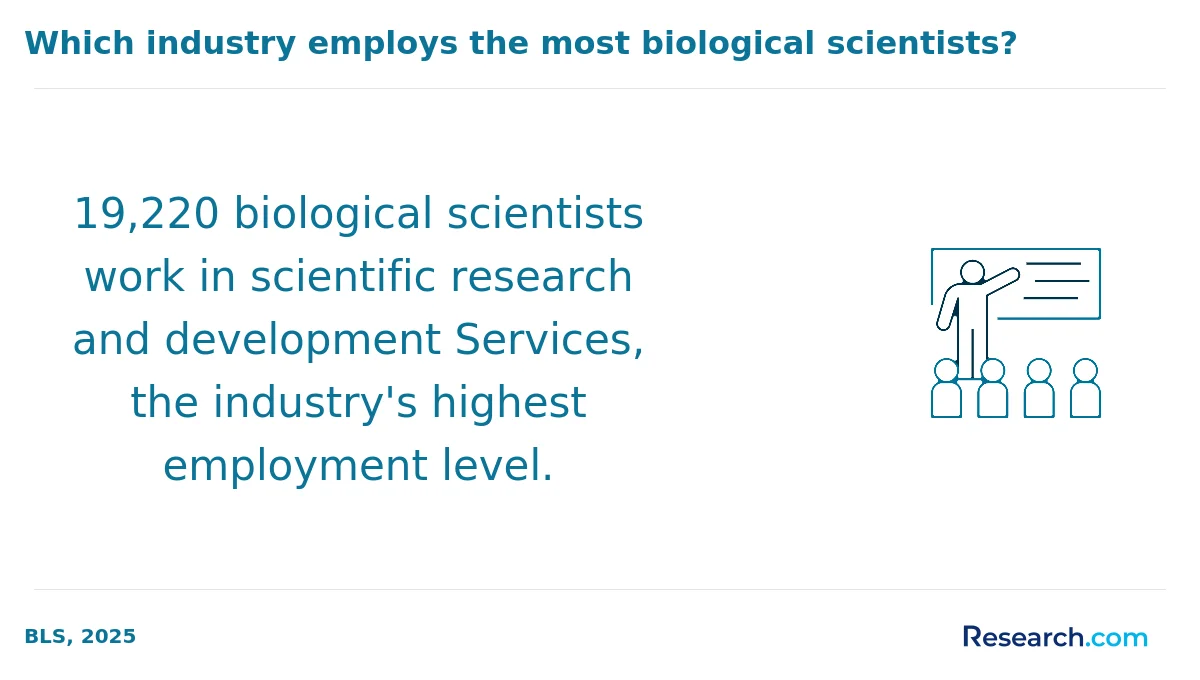
Measuring ROI ensures your time and tuition translate into real career gains.
- Tuition Investment: Southern programs average $13,710 in-state and $25,724 total cost.
- Salary Increase: Graduates report starting salaries of $55K–$75K and mid-career earnings of $70K–$95K.
- Payback Period: Most students recoup expenses within 3–5 years based on salary growth.
- Value Beyond Earnings: Accredited credentials, professional networks, and flexible online formats boost long-term prospects.
For insights on comparing program costs and outcomes, explore our online pharmacy school guide.
Students pursuing online biology degrees in the South often rely on federal aid, accessed through FAFSA, to secure grants and loans. Graduates from universities like the University of Florida have shared how Direct Unsubsidized Loans eased their financial burden during remote studies, allowing focus on challenging coursework without constant stress. While Pell Grants primarily benefit undergraduates, some master's candidates might qualify, offering unexpected relief.
State-specific programs also play a pivotal role. Biology students at institutions such as Texas A&M appreciate the Texas Public Education Grant (TPEG), which helped reduce out-of-pocket expenses. Similarly, Georgia residents enrolling at Georgia State University benefit from the HOPE Scholarship, motivating many to maintain strong academic performance.
Scholarships from organizations like the National Science Foundation or departmental awards provide additional support, rewarding research interests and merit. Many biology graduates recall how receiving such scholarships bolstered both their confidence and financial stability.
Employer tuition reimbursement is another path becoming increasingly common, especially in biotech hubs across the South. Yet, caution is advised with private loans due to their high interest, something graduates advise future students to consider carefully before committing.
Accreditation is the cornerstone of program credibility, signaling that your online biology master’s meets rigorous academic and institutional standards. In the South, most universities hold regional accreditation through SACSCOC, ensuring consistency across coursework, faculty qualifications and student support services. Some programs pursue additional reviews by discipline-specific bodies to validate specialized curriculum standards.
- Validates curriculum quality and faculty expertise
- Unlocks eligibility for federal financial aid and student grants
- Facilitates seamless transfer of credits for further study
- Ensures employer, research institution and licensing board recognition
Always confirm accreditation details on the university’s official site. For comparison in a related health field, see the accreditation process for an online pharmacy school.
Enrolling in an online biology degree program in the South typically requires meeting clear academic prerequisites, though the specifics can vary by institution. Graduates from popular universities in the region often highlight the expectation of a solid foundation in high school science and math-courses like biology, chemistry, physics, and algebra help ensure readiness. For example, students at well-known Southern colleges have found that maintaining a GPA between 2.5 and 3.0 is common, reflecting a balanced yet competitive entry point.
Some programs may still request standardized test scores like the SAT or ACT, but many Southern schools have adopted test-optional policies, which can ease the burden for those focusing on holistic applications. Graduate-level applicants generally need a completed bachelor's degree with relevant coursework, alongside items like recommendation letters and a statement of purpose, which former students often describe as opportunities to showcase passion and commitment rather than just credentials.
Financially, Southern public universities tend to offer in-state tuition between $8,000 and $12,000 annually, making online study an attractive and accessible option. Former students appreciate how institutions in the South balance academic standards with flexibility, such as waiving GRE scores, to support diverse educational goals and backgrounds.
Beyond academics, applicants may need to provide transcripts and demonstrate English proficiency, especially for non-native speakers. Many recall being pleased with how these clear prerequisites helped them feel prepared to succeed in the dynamic online learning environments offered by Southern colleges.
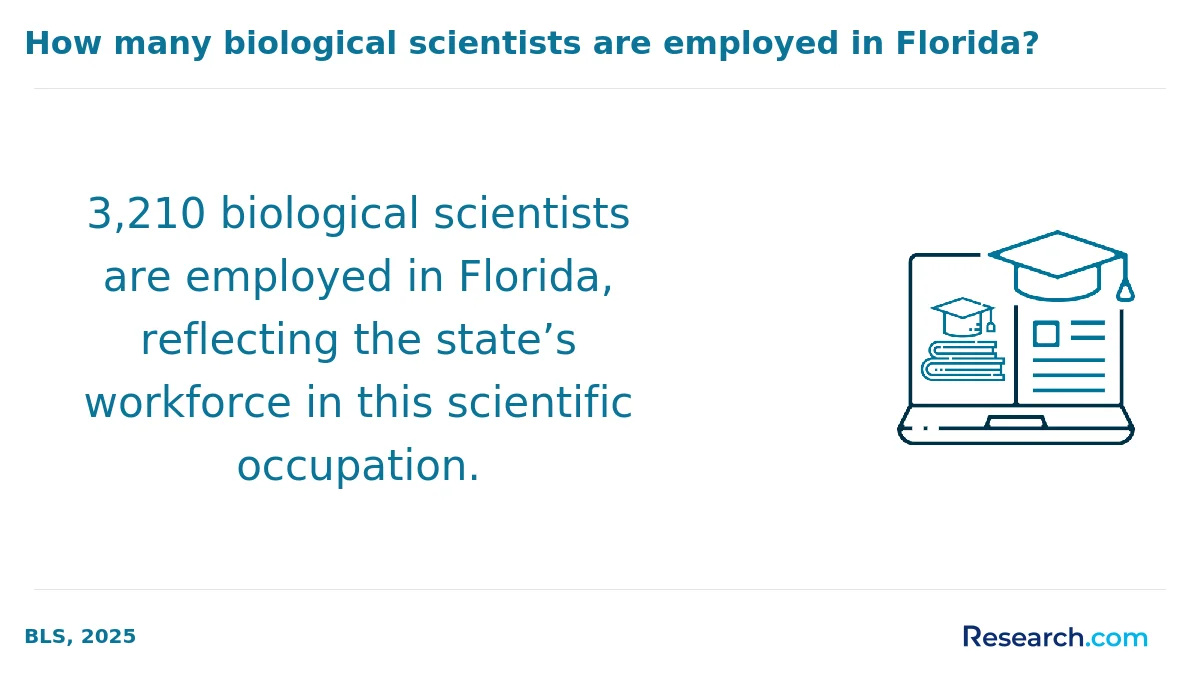
Accreditation is your guarantee of academic rigor, credit transferability, and eligibility for federal financial aid.
- Regional accreditation by the Southern Association of Colleges and Schools Commission on Colleges (SACSCOC) ensures institutions meet high standards.
- Programmatic reviews confirm online biology curricula cover essential competencies and learning outcomes.
- Faculty hold advanced degrees and engage in active research, keeping course content up to date.
- Industry and laboratory partnerships provide hands-on experiences aligned with employer expectations.
For insights into comparable quality standards across online science programs, see our online pharmacy school resource.
Online biology degrees in the Southern United States typically include a foundational set of courses such as cellular biology, genetics, and ecology, essential for understanding life's complexities. Graduates from universities like the University of Florida or Texas A&M often reflect positively on how these core subjects prepare them for hands-on scientific work despite studying remotely. For instance, cellular biology courses commonly integrate virtual labs or local partnerships, making abstract concepts tangible through interactive simulations or community-based projects.
Beyond these basics, students encounter specialized disciplines like microbiology, evolutionary biology, environmental biology, and human anatomy. Many appreciate courses focused on regional ecological issues-marine biology along the Gulf Coast or Appalachian forestry-because they directly connect lessons to local environments, enhancing relevance and engagement.
Additionally, bioinformatics and biotechnology are included to address evolving scientific technologies. Southern programs emphasize statistics and data analysis, enabling students to interpret research confidently. Graduates consistently highlight how these offerings blend theory with practical application, fostering excitement about contributing to biology fields from anywhere in the South.
Online biology degree specializations in the South typically reflect the region's unique ecosystems and economic activities, offering targeted paths such as Marine Biology, given the proximity to the Atlantic and Gulf Coastlines. Graduates from universities like the University of Florida often praise the hands-on approach to studying coastal conservation and marine ecosystems, which feel relevant and energizing in real-world settings. Other popular focuses include Molecular and Cellular Biology, which prepares students for research-intensive careers, and Ecology and Environmental Biology, appealing to those passionate about biodiversity and environmental policy.
Students in South regional online biology programs specializations frequently highlight access to programs at institutions like Texas A&M University, where Agricultural Sciences inspire studies in Plant Biology and Botany, reflecting the South's agricultural strengths. Biomedical Sciences also attract those eager to impact human health. Rising interest in bioinformatics signals a shift toward technologies influencing the life sciences sector.
For those carefully comparing programs, exploring options listed among the best biological science degree online programs can illuminate how specializations cater to diverse career outcomes and foster enthusiasm in learners pursuing biology online in the South.
When choosing the best online biology degree in the South, accreditation should be your first checkpoint. Graduates from popular universities like those in North Carolina have found that programs accredited by agencies such as SACSCOC ensure academic rigor and smooth credit transfers, especially if considering graduate education later. Cost is equally important; Southern institutions tend to offer more affordable online options, and many students report relief from the financial burden by attending in-state colleges that provide tuition savings alongside scholarships tailored for biology majors.
Flexibility is another critical factor. Many online learners juggling work and family appreciate asynchronous classes offered by reputable Southern schools, which let them balance life while progressing at their own pace. Graduates often highlight programs with faculty experts in molecular biology or ecology, which enrich the learning experience with real-world insights. For those seeking affordable online biology master's degrees Southern US institutions can be very competitive in tuition while maintaining quality.
Finally, reputation and career support matter. Programs affiliated with research universities provide virtual labs or internships, which alumni say boosted their confidence entering the job market. Considering regional job growth in biotech hubs like Georgia, selecting a curriculum aligned with local industry demands is wise. For a curated list, students can explore options via accelerated biology degree online, helping to streamline the decision process.
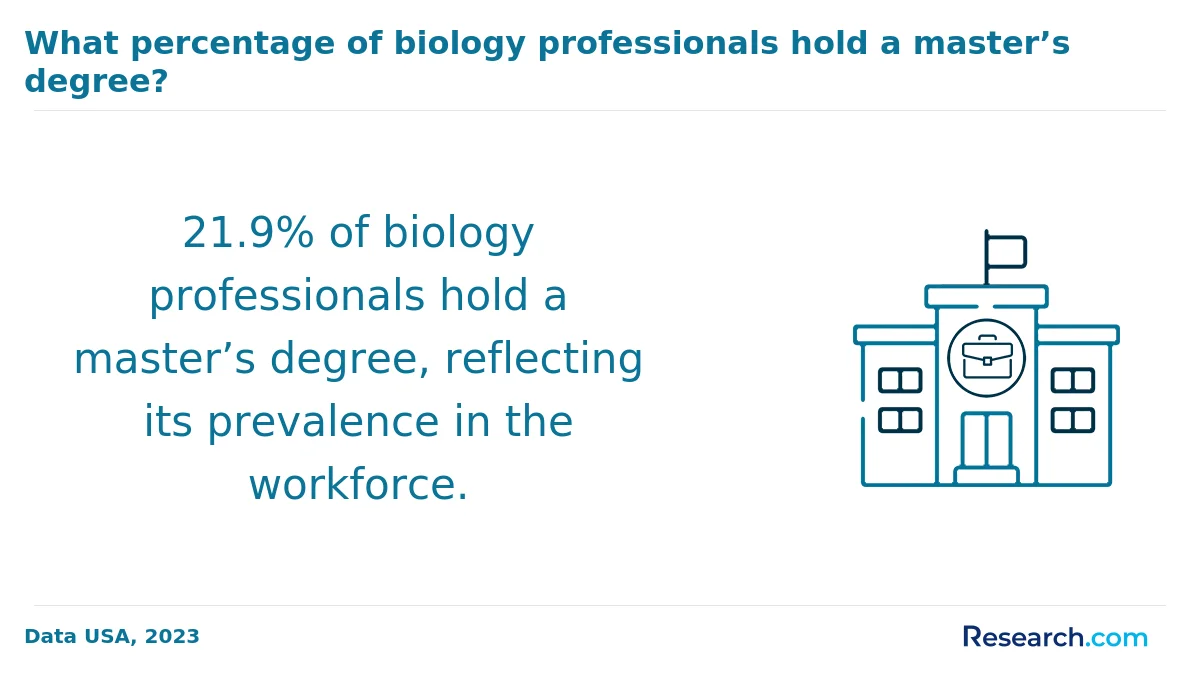
Graduates with an online biology degree in the South often find diverse career paths reflecting the region's growing industries. Many pursue roles in healthcare, such as clinical laboratory technologists or public health specialists, where a strong foundation in biology supports meaningful work that directly impacts communities. For instance, graduates from universities known for robust online biology programs describe rewarding experiences working in Florida's expanding healthcare sector. This highlights how biology job opportunities Southern states offer can align well with students' desire to make a tangible difference.
Others gravitate toward biotechnology and environmental fields, especially given hubs like North Carolina's Research Triangle. Alumni have secured research assistant roles or positions in pharmaceutical sales, often citing the dynamic environment and potential for innovation as motivating factors. Additionally, some graduates find fulfillment in environmental consulting and conservation, helping preserve the South's rich ecosystems. These examples illustrate how online biology degree careers in the South can vary widely, depending on individual interests and regional needs.
Finally, many graduates choose academic and teaching pathways, leveraging online degrees paired with master's studies to educate the next generation. Institutions popular in the South support such transitions, providing flexible, cost-effective options. For prospective students considering costs, exploring affordable bachelor degree online biology programs can be a smart first step toward these varied career options.
The job market for online biology degrees in the South offers promising opportunities, though it requires careful navigation. Graduates from well-regarded Southern universities, such as those in Texas and North Carolina, often report positive outcomes when entering fields tied to environmental science, pharmaceuticals, or healthcare. The South's unique ecosystems offer real-world settings for careers in conservation biology, while expanding hospital systems create demand for clinical research roles-illustrating the dynamic nature of biology career opportunities in Southern US online programs.
Many graduates share experiences of leveraging internships and practical skill-building to complement their online studies, a crucial step since employers across the South value hands-on expertise alongside theoretical knowledge. Salary expectations vary widely; for example, median wages reported in Atlanta range between $55,000 and $75,000, reflecting both entry-level and advanced positions. While some worry about the competitiveness of online degrees, those who choose accredited programs find their credentials increasingly respected.
For students exploring biology as a career, it's helpful to understand what it takes to become a biologist and how Southern market demands shape job prospects. The job outlook for online biology degrees in the South remains steady, bolstered by regional economic growth and sector-specific needs, but success hinges on combining online education with applied experience.
2027 Most Valuable Online Master's in Biology Degree Programs Ranking in the South
Investing in your education is a significant decision that can profoundly impact your future, and the Research.com team is fully aware of the importance of making well-informed choices. To help prospective students in the South, we have carefully developed the "2027 Most Valuable Online Master's in Biology Degree Programs Ranking in the South." Our dedication to quality, credibility, and accuracy is demonstrated through thorough research and detailed analysis undertaken to create this ranking.
We utilized the following reputable data sources to ensure a comprehensive evaluation of online master's biology programs:
By exploring this ranking, readers will gain valuable insights into the most valuable programs available in the region, enabling them to make confident decisions about their educational journey. For further details on how this ranking was created, please visit our Research.com methodology page.

# 2 position
University of Florida
Master of Microbiology and Cell Science: Medical Microbiology and Biochemistry

# 3 position
University of Maryland Global Campus
Master of Biotechnology: Bioinformatics


Frequently Asked Questions About biology
Students pursuing online biology degrees in the South can maximize their learning by actively engaging with virtual labs and simulation tools offered by many programs. These resources help translate theoretical knowledge into practical skills, which is crucial in biology.
Networking with peers and faculty via forums and video conferences enhances understanding and provides professional connections. The Southern Association of Colleges and Schools Commission on Colleges (SACSCOC) accredits most regional programs, ensuring quality education aligned with local and national standards.
Additionally, students should explore regional research initiatives, such as those supported by the National Science Foundation's investments in southeastern states, to supplement coursework with current biological studies.
The biology field is rapidly evolving, with several emerging niches gaining importance, particularly in the South. One key area is bioinformatics, which combines biology with data science to analyze genetic information. Southern universities, like those in Georgia and North Carolina, are expanding programs to meet growing industry demand.
Another significant niche is environmental biology, focusing on local ecosystems such as the Appalachian region and Gulf Coast. As climate change impacts grow, expertise in conservation and sustainability is increasingly valuable.
Additionally, synthetic biology is emerging as a cutting-edge discipline, with researchers developing new biological systems and technologies. According to the National Science Foundation, jobs in these specialized biology sectors are expected to grow by over 15% by 2030 in southern states.
After completing an online biology degree in the South, students should focus on gaining practical experience to enhance their employability. Internships with local research institutions or healthcare facilities are valuable for applying theory to real-world settings. The Southern Regional Education Board notes that biology-related jobs in the South are projected to grow by about 8% from 2022 to 2032, especially in biotechnology and environmental science sectors.
Networking is crucial; joining regional professional organizations such as the Southern Association of Biology Students can provide connections and job leads. Additionally, obtaining relevant certifications, such as Laboratory Technician or Environmental Specialist credentials, can improve competitiveness in the local job market.
Developing strong communication and data analysis skills is also recommended, as employers value graduates who can interpret complex biological data and present findings clearly.
Employers in the South highly value biology graduates who demonstrate strong analytical and laboratory skills. Proficiency in data analysis tools like R and Python is increasingly important, as many research roles demand statistical competence. According to the U.S. Bureau of Labor Statistics, biology-related occupations in Southern states often require experience with molecular biology techniques and fieldwork.
Communication skills, particularly the ability to write clear scientific reports, are also critical. Southern employers in biotech and environmental sectors seek graduates who can collaborate effectively with multidisciplinary teams. Additionally, problem-solving and critical thinking are consistently ranked among the top soft skills for biology professionals in regional surveys by the National Science Foundation.
Finding internships in the South related to a biology degree involves several practical steps. Start by exploring university career centers, which often maintain partnerships with regional research institutions, hospitals, and environmental organizations.
Look for opportunities with state agencies like the Georgia Department of Natural Resources or the Texas Parks and Wildlife Department, as they frequently offer internships focused on biology and ecology. Additionally, organizations like the Southeastern Plant Environmental Cooperative provide specialized programs that may fit online students.
Online platforms such as Handshake and Indeed also list internships in biology fields and often allow location filtering to the Southern states. Networking through local scientific societies, such as the Southern Association of Marine Laboratories, can connect you to valuable contacts in your area.
According to the National Science Foundation, biology-related internship availability in the South has grown by 12% over the last five years, driven by expanding environmental and health research projects.
An online biology degree in the South can significantly enhance career mobility and advancement opportunities. According to the U.S. Bureau of Labor Statistics, the Southern states have seen steady growth in biology-related fields, including biotechnology and environmental science, which drives demand for skilled professionals. An accredited online biology program allows students to gain specialized knowledge while maintaining flexibility, a critical factor for working adults. Employers increasingly recognize online degrees from reputable institutions, especially when paired with relevant experience. Graduates often qualify for higher-paying roles in research, healthcare, and education, which can accelerate career progression within the region's expanding scientific sectors.
Studying for a biology degree in the South uniquely positions students for interdisciplinary roles by combining strong foundational science with regional ecological and biomedical research opportunities. Southern universities often emphasize practical skills in biotechnology, environmental science, and health sciences, reflecting the region's diverse ecosystems and growing medical industries.
Many programs offer collaborative projects involving biology, chemistry, computer science, and public health, preparing graduates to work across fields effectively. According to the National Science Foundation, Southern states contribute significantly to biology-related research funding, fostering innovation in interdisciplinary studies.
This approach equips students for careers in fields like bioinformatics, conservation, and healthcare, all of which require integrating knowledge from multiple disciplines.
When choosing between a thesis and a non-thesis biology degree program in the South, consider your career goals and learning preferences. Thesis programs typically require original research and are suited for students aiming for doctoral studies or research roles. Non-thesis options focus more on coursework and practical knowledge, appealing to those seeking industry jobs or administrative positions.
Southern universities often offer flexible online formats for both pathways, accommodating working professionals.
According to the Southern Regional Education Board, 40% of biology graduates in the South pursue research-intensive careers, indicating demand for thesis programs. Meanwhile, the non-thesis route remains popular due to its shorter completion time and broad applicability.
Evaluate faculty expertise, research opportunities, and available resources before deciding. This ensures the program aligns with your professional ambitions and personal circumstances.
Students based in the South who seek to study biology abroad while enrolled in online programs have several options through partnerships between U.S. universities and international institutions. Many Southern universities offer online biology degrees that include study-abroad opportunities, such as semester exchanges or research projects, often in countries with strong biological research sectors. According to the National Center for Education Statistics, approximately 15% of students in Southern biology programs participate in international study experiences. These programs provide real-world exposure without compromising the flexibility of online learning. Popular destinations include the Caribbean and European countries with established ties to Southern universities, enhancing cross-cultural and scientific collaboration.
Part-time job opportunities that complement online biology degrees in the South often include roles in research labs, environmental consulting, and healthcare support positions. Many Southern universities and research institutions offer assistant positions where students can gain hands-on lab experience while continuing their studies.
Additionally, the region's diverse ecosystems create demand for environmental technicians and wildlife surveyors, providing practical fieldwork opportunities related to biology education.
Healthcare jobs such as phlebotomy techs or medical scribes also align well with biological sciences knowledge and can enhance a student's resume.
According to the U.S. Bureau of Labor Statistics, these roles often require part-time flexibility and offer valuable exposure to biological applications.
Online biology students in the South benefit from numerous networking opportunities despite remote learning formats. Many Southern universities offer virtual clubs and organizations focused on biology and related sciences, enabling students to connect with peers and faculty. For example, institutions like the University of Florida and Texas A&M host online seminars and guest lectures that encourage interaction and professional growth.
Regional scientific associations, such as the Southern Appalachian Botanical Society and the Texas Academy of Science, also provide accessible conferences and workshops. These events often include online participation options, allowing students to build networks with researchers and professionals across the Southern states.
Additionally, Southern employers and research centers frequently collaborate with universities for internships and mentoring programs. These connections help online learners gain real-world experience and access local job markets. According to the National Center for Education Statistics, 35% of online biology students in Southern states engage in internships or research projects during their studies, enhancing career prospects through practical networking.
Alumni networks provide crucial benefits for online biology degree students in the South by fostering professional connections and career growth. Graduates often gain access to exclusive job postings and internships in regional research institutions, such as those affiliated with the Southeastern Conference (SEC) universities. According to the National Science Foundation, strong networking significantly improves employment outcomes for biology graduates in southern states.
These networks support mentorship opportunities, allowing current students to receive guidance from experienced alumni working in fields like environmental biology and biotechnology. This guidance helps students navigate local job markets and research opportunities tailored to the South's unique ecosystems.
Additionally, alumni events-whether virtual or regional-encourage collaboration on projects and continued education, enriching students' professional development beyond coursework.
Customizing an online biology degree program in the South allows students to align their education with specific career goals. Many Southern universities offer elective courses and specialization tracks such as genetics, ecology, or biotechnology. These options help tailor learning to emerging fields. Additionally, students can often choose research projects or internships related to regional industries, including agriculture, environmental science, and healthcare.
Some programs provide flexibility in pacing and credit transfers, enabling professionals to integrate prior experience. According to the Southern Regional Education Board, online degree enrollments in STEM fields, including biology, have grown by over 20% in recent years, reflecting increasing program adaptability. Carefully selecting concentrations and experiential learning opportunities is key to customizing your education.
Online biology students in the South often face unique challenges related to access and resources. Many rural areas in Southern states still struggle with reliable high-speed internet, which can hinder participation in virtual labs and live lectures. According to the Federal Communications Commission, around 22% of rural households in the South lack broadband access, affecting learning quality.
Another challenge is the limited availability of hands-on lab experiences. Biology is a practical science, and online programs sometimes require students to find local labs or complete fieldwork independently, which can be difficult without nearby facilities.
Finally, balancing coursework with work and family responsibilities is especially common among Southern students, where non-traditional learners make up a large portion of the online student body, as reported by the National Center for Education Statistics.
With an online biology degree, graduates in the South can pursue various professional certifications to enhance their careers. One notable option is the Certified Biological Technician (CBT) credential offered by the National Association of Biological Technicians, which validates skills in laboratory and field biology.
Additionally, those interested in environmental biology might seek the Certified Environmental Scientist (CES) certification to better qualify for roles in natural resource management. The Southern regional job market values these credentials, given the area's rich biodiversity and environmental initiatives.
For careers in healthcare or clinical research, certifications such as Clinical Laboratory Technician (CLT) are also viable options. These certifications typically require both education and specific work experience.
Applying to an online biology program in the South requires a clear, well-structured approach. Start by highlighting your academic background in science, especially biology or related fields. Southern universities often look for strong GPA scores; aim for at least a 3.0 on a 4.0 scale. Include any laboratory experience or research projects to demonstrate practical skills.
Personal statements should focus on your motivation for studying biology online and how this degree supports your career goals. Mention specific interests like ecology or molecular biology, which are prominent research areas in Southern institutions, according to the National Science Foundation.
Letters of recommendation from professors or employers who understand your scientific aptitude and work ethic are essential. Finally, ensure your application materials are free from errors and tailored to each program's requirements.
A career in biology holds a strong global appeal, with increasing demand for expertise in health, environmental science, and biotechnology. In the U.S., especially in the South, online biology degrees are growing in popularity due to flexible learning and expanding job markets. According to the U.S. Bureau of Labor Statistics, biological scientists in the Southeast earn a median annual wage around $75,000, reflecting steady growth. Globally, biology professionals contribute to critical fields such as disease control, conservation, and agriculture, reinforcing the value of their skills across borders. This global demand influences curriculum standards in U.S. programs, including those offered online in the South.
Students pursuing an online biology degree in the South can gain practical experience through internships and research partnerships with local universities and organizations. Many Southern institutions, such as the University of Florida and Georgia Tech, offer remote internship opportunities in biological research and environmental science.
Additionally, students may engage with local hospitals, labs, or environmental agencies that collaborate with their schools to provide hands-on learning. According to the Southern Regional Education Board, over 65% of biology graduates in the South participated in some form of experiential learning during their studies.
Online learners can also utilize virtual labs and simulations designed specifically for remote biology education.
Choosing the right concentration within an online biology degree in the South starts by assessing your career goals and interests. Many Southern universities offer diverse options such as molecular biology, ecology, or biotechnology, reflecting regional industry demands.
For example, states like Georgia and Texas have growing biotech sectors, making biotechnology concentrations appealing. The U.S. Bureau of Labor Statistics highlights that biology-related jobs in these states are projected to grow by over 8% through 2030, above the national average.
Consider programs accredited by recognized bodies to ensure quality and relevance. Reviewing faculty expertise and research opportunities can further guide your choice, aligning academic strengths with local job markets.
- Top 15 Highest‑Paying Pharmacy Jobs in the UK 2025 (Including Salaries) https://apexlearning.org.uk/highest-paying-biology-degree-jobs-2025-2026/
- Online Bachelor's Degrees in Biology: Top Schools & Programs https://www.edumed.org/online-schools/biology-degrees/
- Careers in Biology https://www.aibs.org/careers/
- How To Become A Biologist | Biology Degrees And Careers https://www.learnhowtobecome.org/science-technology-careers/biology/
- Biology Major Jobs: Careers in the Biological Sciences | Houston Christian University https://hc.edu/articles/biology-major-jobs-careers-in-the-biological-sciences/
- Free Online Biology Course for College Credit- No Books or Tuition https://www.onlinedegree.com/free-courses/biology-organisms-ecosystems/
- Turn Your Passion for Science Into a Rewarding Career With a Biology Degree - UNCF https://uncf.org/the-latest/a-biology-degree-can-open-the-door-to-life-and-living
- write a letter of application for the position of teacher biology - Brainly.in https://brainly.in/question/57038693
- Careers Guidance https://www.rsb.org.uk/career-guidance.html
- PROBLEMS AND SOLUTIONS IN BIOLOGY EDUCATION ... https://uniconflix.com/index.php/ICLT/en/article/download/2740/1493/3000