2027 Most Valuable Online Master's in Biology Degree Programs Ranking in Maryland

Co-Founder and Chief Data Scientist
Choosing the right online master's in biology program can be overwhelming, especially in Maryland's competitive educational landscape. This article introduces the 2027 Most Valuable Online Master's in Biology Degree Programs Ranking in Maryland, created by the Research.com team of data scientists to guide students toward the best options.
Reading this ranking will help you identify programs that offer strong value, balancing quality and affordability. Earning a biology degree opens doors to exciting career paths and personal growth. We're here to support your journey in making an informed decision that fits your aspirations.
Key benefits of getting online biology degree in Maryland
- Biology degree graduates in Maryland can explore rewarding careers such as environmental scientists or medical technologists, where the average annual salaries in the US range from around $50,000 to $75,000, reflecting strong earning potential.
- Graduates from the University of Maryland often pursue diverse fields like research, healthcare, and conservation, showcasing the degree's flexibility and broad career opportunities in biology-related sectors.
- Obtaining an online biology degree from institutions like Maryland's Towson University offers the convenience of learning at your own pace and balancing work or family life while earning a respected credential.
- 2027 Most Valuable Online Master's in Biology Degree Programs Ranking in Maryland
- What can I expect from online biology degree in Maryland?
- Where can I work with online biology degree in Maryland?
What can I expect from online biology degree in Maryland?
When considering the average cost of an online biology degree in Maryland, many students find that tuition varies significantly depending on the institution. Graduates from well-known schools like the University of Maryland often share that in-state tuition offers considerable savings, sometimes bringing the total cost closer to $10,000 to $15,000 for the full degree. Private colleges or out-of-state students might experience higher fees, often ranging up to $25,000 or more.
One graduate reflected on how financial aid and scholarships were essential in making their education affordable, a common experience among Maryland biology students. The availability of in-state tuition rates combined with support services eased the financial burden while allowing them to focus on their studies and virtual lab work.
Choosing a program that is MSCHE accredited also ensures that the investment is worthwhile, equipping students with credentials respected locally and nationally. Many alumni emphasize that this balance between cost and quality made their journey in Maryland both manageable and rewarding.
Where can I work with online biology degree in Maryland?
Graduates with an online biology degree from Maryland institutions often find themselves energized by the vast career options available locally. Many seize opportunities within the bustling biotechnology sector in the Baltimore-Washington area, working in research or product development roles at notable organizations like NIH or Johns Hopkins University. These experiences bring a real sense of purpose, knowing their work contributes to life-changing innovations.
Others thrive in Maryland's healthcare system, taking on roles as laboratory technicians or clinical research coordinators. Graduates report feeling confident entering this growing field, supported by the state's expanding hospitals and medical research centers. The steady job growth projected by the BLS reassures many who choose this path.
A significant number also find rewarding careers with environmental agencies such as the Maryland Department of Natural Resources. They appreciate hands-on work protecting coastal ecosystems and managing wildlife, connecting deeply with the state's unique natural heritage.
Teaching and science communication roles in Maryland's STEM-focused schools and museums provide another fulfilling path, allowing graduates to inspire the next generation while remaining engaged with biology.
Graduates with an online biology degree in Maryland often find themselves stepping into roles with salaries that reflect both their education and the state's robust biotech sector. For instance, those who start with a bachelor's degree might take on positions such as laboratory technicians or environmental science technicians, with salaries typically ranging from $45,000 to $60,000 annually. This aligns with what many recent graduates from institutions like the University of Maryland Baltimore County have experienced.
Advancing to a master's degree can open doors to higher-paying roles, particularly in pharmaceutical research or biotechnology firms clustered around Baltimore and the Washington D.C. metro area. Salaries here tend to span $65,000 to $85,000, with Maryland's top research places offering competitive pay that often excites students who once studied biology online. These figures underscore the value of continuing education and the state's strong research infrastructure.
Experienced professionals and those with doctoral training frequently earn over $100,000, a testament to both dedication and opportunity. Working as senior biologists or project managers in Maryland's vibrant life sciences scene can bring financial rewards that feel well-earned after years of study and perseverance.
- Maryland offers accredited public and private institutions with fully or partially online biology degree programs for undergraduate and graduate students.
- Undergraduate in-state tuition typically ranges from $8,000 to $15,000 per year, while out-of-state tuition can exceed $25,000 annually; graduate programs range from $10,000 to $30,000 per year.
- The average starting salary for biology graduates in Maryland is about $49,000, with mid-career salaries ranging from $75,000 to $85,000 depending on specialization.
- Biological science jobs in Maryland are expected to grow by about 7% over the next decade, especially in healthcare, environmental science, pharmaceuticals, and research sectors.
- Online programs include virtual labs or local partnerships to provide necessary practical lab experience for students.
Completing an online biology degree in Maryland usually takes about four years for full-time students, mirroring the experience of many graduates at institutions like the University of Maryland Global Campus (UMGC). These students often balance coursework with work or family commitments, appreciating the program's flexibility that allows part-time study to extend up to five or six years without pressure. This pacing lets students absorb foundational and advanced biology concepts deeply while managing their lives.
Master's students in Maryland find their path can range from 18 months to three years, based on whether they enroll full-time or part-time and if they must complete a thesis or capstone project. Many graduate alumni describe feeling accomplished as they navigate specialized biology subjects with guidance tailored to their schedules.
Graduates often recall how leveraging prior credits or enrolling in summer sessions accelerated their progress, easing the journey. In Maryland, the combination of flexible online options and supportive programs makes pursuing biology degrees not just achievable but also rewarding.
Accreditation guarantees program quality and ensures your degree is recognized by employers and graduate schools. Look for:
- Regional accreditation from bodies like the Middle States Commission on Higher Education
- Programmatic endorsements or research partnerships validating specialized biology curricula
- Transparent credit-transfer agreements with other accredited institutions
- Alignment with industry standards and licensure requirements, similar to those for a pharmacy degree online
The difference between online and on-campus biology degrees in Maryland often comes down to the learning environment and hands-on opportunities. Graduates from the University of Maryland, for example, recall how on-campus labs gave them a tactile understanding of cellular processes that's hard to replicate online. In contrast, alumni who completed their degrees remotely appreciated the flexibility to manage coursework around jobs or family, especially since Maryland's online programs sometimes partner with local labs for essential practical sessions.
Many students find the face-to-face interactions at schools like Towson University invaluable for mentoring and networking. These moments spark collaborations and friendships that feel immediate and organic. Online learners, on the other hand, learn to be proactive, connecting through virtual seminars or joining Maryland-based scientific groups, nurturing a different kind of community.
Cost also factors heavily: while online tuition may be similar or slightly less, as reported by Maryland students, technology fees and occasional campus visits add complexity. Ultimately, the choice reflects a balance between the rich, interactive campus life and the empowering autonomy of online study.
The average cost of an online biology degree in Maryland reflects a blend of in-state affordability and the broader spectrum of tuition fees across institutions. Graduates from public universities, especially those residing in Maryland, have shared how the in-state tuition-around $18,500 for the entire biology program-made the pursuit of an online master's degree financially feasible. This figure aligns well with the typical Maryland online master's in biology tuition fees, embodying the value students receive from state-supported schools.
One graduate from a well-known Maryland public university described feeling encouraged by how manageable the costs were without sacrificing quality. In contrast, those attending private colleges experienced higher fees but often appreciated the smaller class sizes and personalized attention. Tuition for private online biology degrees here can reach upwards of $23,700, yet many students find that the investment pays off through specialized courses and networking opportunities.
Beyond tuition, it's important to consider additional expenses such as technology fees and materials, which several students have noted when budgeting for their degrees. However, online formats significantly reduce costs tied to commuting and housing, making education more accessible.
Maryland residents exploring financing options often benefit from scholarships targeting STEM fields, which can ease funding concerns. For those curious about future pathways, exploring careers with a biology degree might help clarify the long-term return on investment, turning tuition costs into stepping stones for fulfilling professional journeys.
When pursuing an online biology degree in Maryland, many students find relief through federal aid like Pell Grants and low-interest federal student loans. Graduates often recall how filling out the FAFSA became a gateway to receiving these funds, which eased the stress of tuition fees significantly, especially since Pell Grants do not require repayment. This practical support helped students focus more on mastering their courses rather than financial worries.
State-specific programs from the Maryland Higher Education Commission have also been a financial lifeline. For instance, biology students attending institutions like the University of Maryland Global Campus or Towson University often benefit from Delegate and Senatorial Scholarships. These awards, based on residency and merit, provide crucial partial funding, making the dream of education more attainable.
Institutional scholarships and assistantships further enhance aid options. Many biology students share how grants aimed at supporting STEM diversity or research opportunities created both financial and academic growth. Working professionals juggling studies appreciate employer tuition assistance programs, which often bridge gaps that other aids don't cover, making the journey smoother and more hopeful.
Enrolling in an online biology degree in Maryland often means demonstrating a solid academic foundation that reflects the interdisciplinary nature of biology. Graduates from well-known institutions like the University of Maryland or Towson University recall that having completed high school-level biology, chemistry (including organic chemistry), and math courses such as statistics or calculus was essential before starting their programs.
Many found that this preparation was crucial, especially as biology integrates knowledge from physics and chemistry, shaping a clearer understanding of living systems. In practice, this meant confidently engaging with online labs and complex research concepts early in their studies.
Standardized tests like the SAT or ACT may be required for bachelor's admissions, though some Maryland colleges waive these scores, making it easier for dedicated applicants to move forward. Graduate programs can ask for GRE scores, but this varies.
Successful applicants typically submit transcripts, personal statements, and recommendation letters, reflecting their passion and readiness. Hearing from alumni, showing genuine interest and relevant experience often opened doors, even when standardized test requirements were flexible.
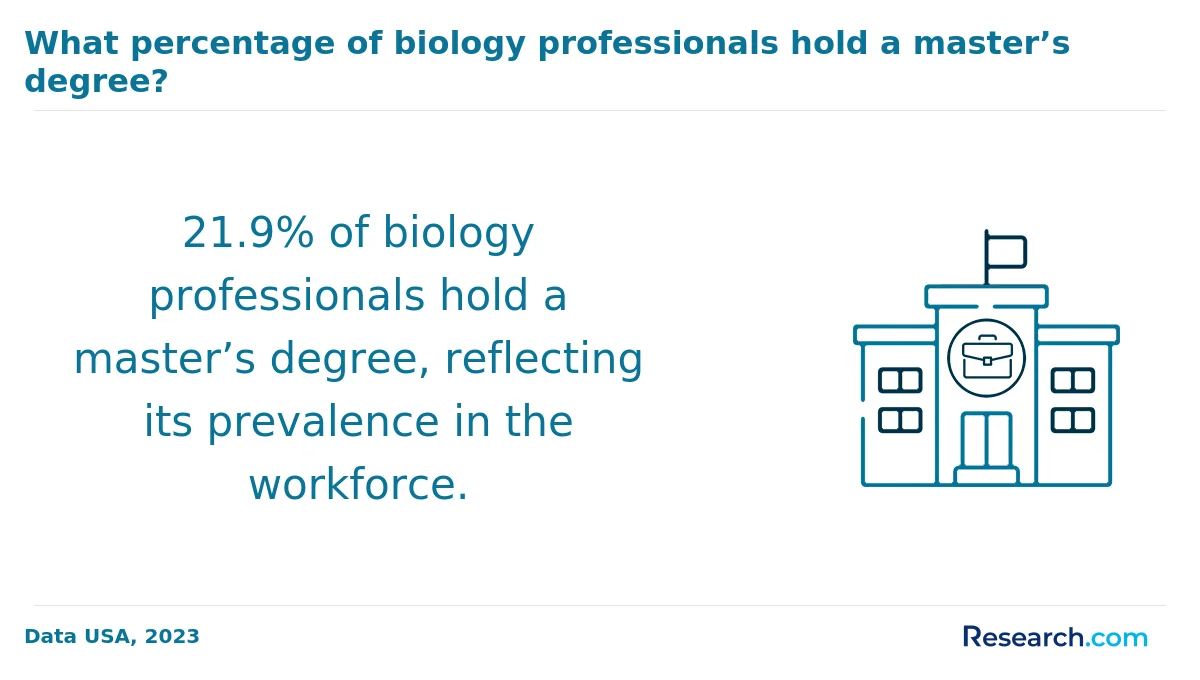
Students pursuing online biology degrees in Maryland often find themselves immersed in foundational courses like General Biology, which beautifully unravels the mysteries of cell biology, genetics, and evolution. Graduates from well-known institutions such as the University of Maryland share how this core knowledge helped them confidently navigate advanced topics and real-world applications.
The inclusion of Biology Laboratory courses-even in virtual or hybrid formats-ensures learners develop essential hands-on skills, bridging theory with practice. This adaptability is frequently praised by alumni who balanced coursework with personal and professional commitments.
Beyond basics, courses cover specialized fields such as genetics and genomics, ecology and environmental biology, microbiology, and biochemistry. For instance, students at Towson University express enthusiasm for exploring ecosystems in their local Maryland environments through virtual labs and projects, making learning deeply relevant.
Electives in bioinformatics or molecular biology allow personalization according to career goals. Many graduates appreciate how these options help them stay aligned with current scientific advancements while managing the flexibility that online study offers.
Online biology degree specializations in Maryland offer a remarkable variety of paths that reflect both regional strengths and student aspirations. Graduates from key institutions often highlight how specializations like Cell and Molecular Biology, Environmental Biology, or Microbiology open doors to exciting careers in biotechnology firms around Baltimore or conservation efforts near Chesapeake Bay. These focused tracks bring biology to life, whether it's analyzing genetic sequences in a lab or engaging in wildlife preservation projects local to Maryland's rich natural habitats.
Students pursuing a Maryland biology master's program concentrations find that options like Biotechnology and Biomedical Sciences align closely with the state's thriving healthcare sector. Many who pursued these concentrations appreciate the blend of theoretical knowledge and practical internships, allowing a seamless transition into research or clinical roles. The availability of these varied specializations helps tailor learning experiences and supports diverse career trajectories within the state's scientific community.
For those navigating their choices, comprehensive platforms such as biology online degrees provide clear insights into these offerings, underscoring Maryland's unique position in providing flexible and impactful education experiences.
Choosing the best online biology degree program in Maryland often begins with checking the institution's accreditation and curriculum depth. Graduates from popular Maryland colleges often highlight how well-designed courses in molecular biology and ecology prepared them for real-world challenges. Programs that offer flexibility, like asynchronous classes and opportunities to transfer credits, help students balance studies with life's demands. Reflecting on experiences shared by alumni, those who took programs tied to Maryland's thriving biotech sector appreciated the networking and hands-on research possibilities, even remotely.
Another key insight comes from considering affordability. Many students find that affordable online biology masters Maryland programs at public universities provide excellent value without compromising quality. Comparing tuition, fees, and available scholarships is crucial. Students who pursued programs with strong career support felt confident moving into jobs or graduate school after graduation. For those weighing options, exploring easiest online biology degrees can also reveal programs balancing academic rigor with manageable workloads.
Graduates with an online biology degree in Maryland often find themselves drawn to a variety of fulfilling career paths that reflect the state's vibrant scientific community. Those who studied at well-known schools like the University of Maryland or Towson University frequently share how hands-on research experiences and internships helped them secure roles as biomedical researchers or environmental scientists, particularly studying the Chesapeake Bay's unique ecosystem. The presence of federal institutions such as NIH and FDA nearby creates ample opportunities for clinical laboratory technologists and biotechnology specialists to thrive in innovation-driven environments.
One common story among alumni is their transition into science education, where they inspire the next generation while continuously deepening their own understanding. Others pivot toward emerging fields like bioinformatics or public health analysis, benefiting greatly from the flexible schedules offered by an online biology degree. For students exploring online learning options, a biology bachelor degree online can open doors that align well with Maryland's growing life science sector and meet the demand highlighted in online biology degree job opportunities Maryland.
The job market for graduates with an online biology degree in Maryland is notably strong, especially due to the state's vibrant life sciences and biotechnology sectors. Graduates from institutions like the University of Maryland and Towson University often share that opportunities abound near the Baltimore-Washington corridor, where federal agencies and private companies frequently seek skilled biological scientists. These roles vary from research positions at the National Institutes of Health to environmental consulting and pharmaceutical work, reflecting the diverse pathways available in biological science careers in Maryland.
Many graduates appreciate how Maryland's focus on biotech innovation and environmental health creates a dynamic employment landscape. One common experience is transitioning from online studies to roles supported by federal research funding, a resource that notably benefits local job creation. Additionally, students find that flexible online programs reduce costs and scheduling conflicts, making degree completion more achievable while maintaining work or family commitments.
For those curious about specific career paths after earning their degree, becoming an aquatic biologist is one promising option that graduates explore through resources like become an aquatic biologist. This illustrates the practical advantages of pursuing an online biology degree in Maryland, where growth in biological fields is tangible and rewarding.
2027 Most Valuable Online Master's in Biology Degree Programs Ranking in Maryland
Investing in your education is a significant decision that can shape your future, and the Research.com team understands the importance of making informed choices. To assist prospective students in Maryland, we have meticulously crafted the "2027 Most Valuable Online Master's in Biology Degree Programs Ranking in Maryland." Our commitment to quality, credibility, and accuracy is reflected in the extensive research and analysis conducted to compile this ranking.
We utilized the following reputable data sources to ensure a comprehensive evaluation of biology programs:
By exploring this ranking, readers will gain valuable insights into the most valuable online master's in biology programs in Maryland, enabling them to make confident and well-informed decisions regarding their educational paths. For more details on our methodology, please visit our Research.com methodology page.
# 1 position
University of Maryland Global Campus
Master of Biotechnology: Bioinformatics


Frequently Asked Questions About biology
Online biology degree students in Maryland can maximize their learning experience by actively using campus resources available virtually, such as library databases and research journals. Maryland's public universities often provide free access to platforms like JSTOR and PubMed, essential for up-to-date biology research. Engaging with faculty during virtual office hours helps clarify complex topics and fosters networking.
Students should participate in online study groups and discussions, which enhance understanding through peer collaboration. Maryland hosts several biology-related research centers, including the University of Maryland's Institute for Bioscience and Biotechnology Research, offering internship and volunteer opportunities to online learners.
Furthermore, balancing theoretical study with practical lab simulation software can improve comprehension of biological processes, which is crucial since many Maryland schools require lab components for accreditation.
The biology field is rapidly evolving, with several emerging niches gaining prominence, especially for students pursuing online biology degrees in Maryland. Areas such as bioinformatics, which combines biology and computer science, have seen strong growth due to advances in data analysis technologies. Maryland's proximity to major research institutions supports opportunities in environmental biology and biomanufacturing.
Additionally, synthetic biology is becoming a key discipline, focusing on designing new biological parts and systems. According to the Maryland Department of Labor, jobs in biotechnology and life sciences are projected to grow by over 10% through 2030, highlighting strong demand in these areas.
Preparing for the job market after completing an online biology degree in Maryland involves several key steps. Graduates should pursue internships or research assistant roles to gain practical experience, as Maryland hosts many biotech firms and research institutions like Johns Hopkins University. Building a professional network through platforms such as LinkedIn and attending local scientific conferences enhances job prospects.
Additionally, Maryland's biotechnology sector grew by 8% from 2020 to 2023, signaling a strong job market, especially in areas like molecular biology and environmental science (Maryland Department of Labor).
Acquiring certifications in specialized areas like bioinformatics or lab management can also improve employability.
Employers in Maryland increasingly value biology graduates who possess strong analytical and laboratory skills. Proficiency in data analysis software and molecular biology techniques is essential, as Maryland hosts numerous biotech firms and research institutions. Communication skills, both written and verbal, are critical for effectively presenting research findings and collaborating across multidisciplinary teams.
Problem-solving abilities and critical thinking are top priorities, reflecting industry demands for innovation and adaptability. According to the Maryland Department of Labor, the biotechnology sector expects employment growth of 12% through 2030, emphasizing the need for graduates who can contribute immediately.
Experience with bioinformatics tools and regulatory knowledge specific to U.S. health standards is also highly sought after by local employers and federal agencies based in the state.
Finding internships in Maryland relevant to a biology degree involves several strategic steps. Start by exploring opportunities through state universities and research institutions, such as the University of Maryland and Johns Hopkins University, known for their strong biology and life sciences programs. The Maryland Department of Natural Resources and local biotech firms also offer internships that provide practical experience in ecology, genetics, and bioinformatics.
Students should use online platforms like Handshake and LinkedIn, which frequently list internships specifically in the Maryland area. Networking with faculty and attending local science fairs or conferences can also uncover hidden internship opportunities.
According to the Maryland Workforce Exchange, biology-related internships often increase student employability by 20% post-graduation.
Obtaining an online biology degree in Maryland can significantly enhance career mobility and advancement within the state's growing life sciences sector. Maryland hosts a robust biotechnology and biomedical research community, including renowned institutions like the National Institutes of Health (NIH) and Johns Hopkins University. According to the Maryland Department of Labor, jobs in biological sciences are projected to grow by 7% through 2030, outpacing many other fields.
Online biology programs equip graduates with essential skills in research, data analysis, and laboratory techniques. This foundation allows individuals to qualify for higher-level positions in healthcare, environmental science, or biotech firms.
Moreover, flexibility in online learning enables professionals to continue working while upgrading their credentials, thereby improving promotions and salary prospects without interrupting their careers.
Studying for an online biology degree in Maryland equips students with skills that extend beyond traditional biology. Maryland's universities often emphasize interdisciplinary learning, integrating fields such as data science, environmental policy, and healthcare. This approach mirrors the local economy, where biomedical research and environmental consulting are prominent.
Biology programs in Maryland also incorporate practical experiences through virtual labs and collaborative projects, helping students develop critical thinking and problem-solving abilities applicable across disciplines. For example, the state's extensive biotechnology sector, which employed over 30,000 people in 2022 according to the Maryland Department of Commerce, highlights the need for professionals who understand both biology and technology.
These programs also address emerging fields like bioinformatics, combining biology with computer science, preparing graduates for roles in research, medicine, and environmental science.
When choosing between a thesis and a non-thesis biology degree program in Maryland, consider your career goals and learning preferences. A thesis program typically requires independent research culminating in a written document, which may be essential for students aiming for doctoral studies or research roles. Non-thesis programs focus more on coursework and practical knowledge, often suited for those pursuing professional work in fields like healthcare or environmental management.
In Maryland, universities such as the University of Maryland offer both options, reflecting diverse student needs. According to the National Center for Education Statistics, about 40% of biology master's students nationwide choose thesis paths, favoring research opportunities.
Evaluate the time commitment required; thesis programs may take longer due to research phases, while non-thesis tracks often allow faster completion. Maryland's growing biotech industry also values research experience, which might influence your decision.
Students based in Maryland seeking to study biology abroad have a variety of options through partnerships between Maryland universities and international institutions. Many Maryland schools with strong biology programs offer exchange or dual-degree arrangements that allow students to gain global experience while earning credits applicable to their degree. For example, the University of Maryland system often collaborates with universities in Europe and Asia for study abroad opportunities focused on biological sciences.
Online biology degree programs in Maryland may also include international research projects or virtual internships, providing global perspectives without requiring travel. According to the Maryland Higher Education Commission, about 12% of biology students participate in some form of study abroad or international engagement, reflecting growing interest in global biology education.
Maryland offers several part-time job opportunities well-suited to students pursuing online biology degrees. Laboratory assistant positions at research institutions and hospitals provide hands-on experience with biological samples and data collection. Johns Hopkins University and the NIH, both located in Maryland, regularly offer these roles to students.
Field technician roles in environmental agencies allow students to apply fieldwork skills while studying. The Maryland Department of Natural Resources often hires part-time technicians for ecological surveys and habitat monitoring.
Additionally, tutoring in biology or related subjects is a flexible job option on many Maryland campuses and online platforms, supporting student learning while reinforcing one's own knowledge.
According to the Maryland Workforce Exchange, biology-related part-time jobs in the state have grown 8% over the past five years, highlighting expanding opportunities.
Online biology students in Maryland benefit from various networking opportunities despite the virtual format of their education. Many Maryland universities with online biology programs offer access to faculty research groups and virtual seminars that connect students with experts in the field.
Professional organizations such as the Maryland Academy of Sciences and the Chesapeake Biological Laboratory provide local networking events, internships, and collaborative projects. Students can often participate in webinars, workshops, and conferences either virtually or in person.
Additionally, Maryland's proximity to federal agencies like the National Institutes of Health offers unique chances for internships and professional connections, which online students can pursue. According to the Maryland Department of Commerce, the state employs over 35,000 bioscience professionals, facilitating a strong network for career growth.
Alumni networks provide valuable connections for online biology degree students in Maryland. These networks help students access mentorship from professionals experienced in fields like biotechnology, environmental science, and healthcare, all key industries in Maryland. According to the Maryland Higher Education Commission, many graduates leverage alumni contacts to find internships and job opportunities within the state's robust life sciences sector.
Networking through alumni also offers insight into current research trends and career pathways specific to Maryland's biology landscape. Members often share job openings and collaborate on projects, which can be essential for remote students seeking local engagement. Strong alumni ties increase students' chances of employment in competitive biology fields by up to 30%, as reported by the National Association of Colleges and Employers.
Ultimately, these networks enhance both professional growth and community belonging for online biology students across Maryland.
Customizing an online biology degree in Maryland allows students to tailor their education to align with specific career goals. Many Maryland institutions offer elective courses, concentrations, or certificate options in areas like molecular biology, environmental science, or biotechnology. This flexibility helps students focus on skills demanded in growing local industries, such as biotechnology firms around Baltimore and government research agencies in the region.
Advisors typically guide students to choose internships, research projects, or lab work remotely with Maryland-based organizations, increasing practical experience relevant to local job markets. Maryland's strong life sciences sector, supported by the Maryland Department of Commerce, emphasizes applied learning, benefitting degree customization.
Online biology students in Maryland often face challenges related to limited access to hands-on laboratory experiences. Biology programs emphasize lab work, which is difficult to replicate virtually, potentially hindering practical skill development. According to the Maryland Higher Education Commission, many online students must supplement studies with in-person lab sessions, which can be inconvenient.
Another challenge is balancing coursework with work or family commitments. Since Maryland has a growing biotech industry, students may work full-time jobs in related fields, making time management crucial. Additionally, some report difficulty engaging fully in collaborative projects due to the remote format.
Technology access and reliable internet connectivity can also impact student success, especially in rural areas of Maryland where broadband coverage is less comprehensive.
With an online biology degree, Maryland students can pursue several professional certifications that enhance career prospects in fields such as biotechnology, environmental science, and healthcare. Popular certifications include the Certified Biological Technician (CBT) and the Certified Environmental Scientist (CES), both recognized nationally. These certifications validate technical skills and laboratory proficiency.
Additionally, those focusing on healthcare or pharmaceuticals might seek credentials like the Registered Behavior Technician (RBT) or Clinical Research Professional certifications. Maryland's growing biotech industry, particularly around Baltimore and the I-270 corridor, supports strong demand for certified professionals, according to the Maryland Department of Labor.
Obtaining certification often requires passing exams and completing relevant experience, which can complement an online biology education effectively.
Writing a winning application for an online biology program in Maryland requires clear focus and preparation. Begin by thoroughly researching the specific program's admission requirements to align your application accordingly. Highlight your academic achievements, particularly in biology and related sciences, as Maryland biology programs often emphasize strong foundational knowledge.
Include any relevant laboratory experience or research, as practical skills are valued. According to the Maryland Higher Education Commission, many online biology programs here seek applicants with a GPA of 3.0 or higher. Craft a compelling personal statement explaining your career goals and why you chose Maryland's online format.
Additionally, secure strong letters of recommendation from professors or employers familiar with your scientific capabilities. Lastly, review your application carefully to ensure all materials meet deadlines and are error-free, increasing your chance of acceptance.
Biology careers hold a broad global appeal due to their relevance in addressing critical issues like health, environment, and biotechnology. In the United States, especially Maryland, the demand for biologists is growing, reflecting trends seen worldwide. According to the U.S. Bureau of Labor Statistics, biology-related jobs are projected to grow about 6% from 2021 to 2031, faster than average for all occupations.
Maryland is a hub for biological research and life sciences, housing institutions such as the National Institutes of Health and numerous biotech companies. This regional strength enhances career opportunities for biology graduates locally and internationally.
Online biology degrees from Maryland schools prepare students to engage in global scientific conversations, emphasizing interdisciplinary skills and real-world applications. The curriculum often integrates global health concerns and sustainability, reflecting worldwide priorities in biology careers.
Students pursuing an online biology degree in Maryland can gain practical experience through several avenues. Many programs offer virtual lab simulations that replicate real-world experiments, supporting hands-on learning remotely. Additionally, Maryland's extensive network of research institutions, including the University of Maryland and Johns Hopkins University, often provides virtual internships or collaborative projects for online learners.
Local government agencies and biotech companies in Maryland, a state with a strong life sciences sector, sometimes sponsor remote internships or volunteer opportunities. Connecting with professional organizations such as the Maryland Biology Scholars Association can also help students find mentorships and fieldwork.
Engaging in these experiences enhances practical skills and strengthens resumes, essential for careers in biology and related fields.
Choosing the right concentration within an online biology degree program in Maryland involves understanding your career goals and interests. Popular concentrations include molecular biology, ecology, biotechnology, and environmental science. Maryland hosts significant research institutions like Johns Hopkins University and the University of Maryland, offering strong programs that align with these fields.
The Maryland Department of Labor reports growing opportunities in biotechnology and health sectors, reflecting high demand for expertise in molecular and cellular biology. Exploring concentrations tied to local industries may increase job prospects post-graduation.
Additionally, consider curriculum flexibility, faculty expertise, and available research or internship opportunities when selecting a concentration that best fits your professional aspirations.
- 2027 Most Valuable Online Master's in Biology Degree Programs Ranking in Pennsylvania
- 2027 Most Valuable Online Master's in Biology Degree Programs Ranking in Massachusetts
- 2027 Most Valuable Online Master's in Biology Degree Programs Ranking in Indiana
- 2027 Most Valuable Online Master's in Biology Degree Programs Ranking in Texas
- Biology/Biomedical Placements/Internships | Gradcracker - Careers for STEM Students https://www.gradcracker.com/search/science/biology-biomedical-work-placements-internships
- Biology https://www.mcdaniel.edu/academics/departments/biology/biology
- What Can You Do With a Biology Degree? https://willamette.edu/academics/college/biology/career-options
- Trainees and interns https://www.embl.org/careers/internships/
- Online Biology Degrees https://mycollegeguide.org/online-biology-degrees/
- Online Degree vs. Traditional: Choosing the Right Path https://beal.edu/online-degree-vs-traditional/
- Online Colleges in Maryland https://www.onlineschools.org/guides/maryland/
- Careers in Biological Sciences: Opportunities, Skills, and the Future of Work https://www.hyperec.com/blog/careers-in-biological-sciences-opportunities-skills-and-the-future-of-work/
- How a Strong Alumni Network Can Benefit Students https://www.pacificu.edu/blog/how-strong-alumni-network-can-benefit-students
- Best Online Biology Degrees 2025 https://www.onlineu.com/degrees/biology