2027 Fastest Online Master's in Biology Degree Programs Ranking in Massachusetts

Co-Founder and Chief Data Scientist
For students in Massachusetts seeking to advance their education in biology, this article offers valuable guidance. It introduces the 2027 Fastest Online Master's in Biology Degree Programs Ranking in Massachusetts, developed by the Research.com team of data scientists to help you find the best programs efficiently.
Choosing the right program can shape your future career in biology and open exciting opportunities. This ranking highlights programs that combine speed and quality, making it easier for you to reach your goals.
Explore your options with confidence and take a step closer to earning a meaningful degree in biology.
Key benefits of getting online biology degree in Massachusetts
- Biology graduates in Massachusetts often pursue careers such as biological technicians, earning a median annual wage of approximately $47,000, providing a solid starting salary for new professionals.
- Graduates from schools like the University of Massachusetts Amherst enjoy diverse career paths including research, healthcare, and environmental science, offering exciting opportunities to make a real-world impact.
- Completing a biology degree online from institutions such as Worcester State University offers flexibility and convenience, allowing students to balance studies with work or family commitments while gaining valuable skills.
- 2027 Fastest Online Master's in Biology Degree Programs Ranking in Massachusetts
- What can I expect from online biology degree in Massachusetts?
- Where can I work with online biology degree in Massachusetts?
What can I expect from online biology degree in Massachusetts?
The average cost of an online biology degree in Massachusetts typically ranges from $15,000 to $35,000 for a full bachelor's program, though this varies based on the institution and whether it is a public or private university. Graduates from popular schools often mention how financial aid and flexible payment plans helped manage expenses, making the investment feel more manageable alongside work or family commitments.
For example, students attending well-known Massachusetts colleges appreciate transparent tuition rates combined with opportunities for scholarships tailored to biology majors. Many find relief in choosing programs that allow them to complete coursework online, saving on commuting and housing costs, which can significantly reduce overall expenses compared to traditional on-campus study.
Veterans and working professionals share that employers sometimes offer tuition reimbursement, further easing financial pressure. Additionally, some programs offer affordable laboratory sessions scheduled locally to balance quality training with cost efficiency. These real-life strategies support students in successfully navigating the financial demands of earning an accredited online biology degree in Massachusetts.
Where can I work with online biology degree in Massachusetts?
With an online biology degree in Massachusetts, graduates find wide-ranging opportunities in thriving sectors like biotechnology, healthcare, and environmental science. Many secure roles at large biotech firms such as Biogen, Genzyme, or Moderna, where they engage in research, lab work, and data analysis. Graduates often describe the excitement of contributing to cutting-edge projects through internships or entry-level positions connected to their studies at institutions like Harvard or MIT.
Others pursue careers in public health or environmental protection, joining agencies like the Massachusetts Department of Public Health or Department of Environmental Protection. Here, biology knowledge directly supports important community initiatives and resource management, giving a strong sense of purpose and impact.
Academic research is another common path, especially for graduates from the University of Massachusetts system, who find opportunities as research assistants or coordinators. These roles build practical skills and connect students with influential researchers, fostering career growth within Massachusetts' celebrated life sciences ecosystem.
Graduates with an online biology degree in Massachusetts typically start their careers earning between $50,000 and $65,000 annually in entry-level roles such as lab technicians, research assistants, or environmental consultants. These figures reflect experiences shared by graduates from well-known institutions like UMass Amherst and Boston University, where students have transitioned into biotech firms or healthcare settings.
As these professionals gain experience or specialize-whether in molecular biology, bioinformatics, or pharmaceutical research-their earnings can rise significantly. In Boston's thriving biotech sector, for example, salaries commonly range from $85,000 to $95,000, echoing the city's competitive market and abundance of industry leaders.
Graduates working in public institutions or environmental agencies in Massachusetts often see salaries around $60,000 to $75,000. Obtaining advanced degrees or certifications further boosts earning potential, with many biology researchers reaching six-figure incomes in managerial or regulatory roles.
This positive earning trajectory underscores how an online biology degree from Massachusetts provides a strong foundation for a rewarding, well-compensated career in various scientific fields.
- Online biology degrees in Massachusetts cover core topics like molecular biology, genetics, ecology, and biochemistry with flexible learning options.
- Undergraduate tuition ranges from $15,000 to $25,000 per year at public universities and $30,000 to $50,000 at private institutions.
- Online master's programs typically cost between $20,000 and $40,000 in total tuition depending on credits and length.
- Entry-level biology graduates earn $50,000 to $60,000 annually, with experienced professionals making $80,000 or more.
- Massachusetts offers a strong job market in biotech, pharmaceuticals, environmental science, and healthcare research.
- Programs may include access to local internships and research partnerships supporting practical experience and job placement.
Completing an online biology degree in Massachusetts typically takes about four years for a bachelor's when studying full-time at popular schools like UMass Amherst or Boston University. Graduates often share that balancing coursework with part-time jobs and family life is manageable thanks to flexible online schedules. For those who need more time, part-time enrollment can extend the degree to five or six years, allowing students to progress steadily without overwhelming stress.
Some students at institutions such as Northeastern University choose accelerated paths by taking extra courses each semester or attending summer sessions, finishing in as little as three years. Master's degrees commonly require around two years full-time, but hybrid programs combining online and occasional campus visits can speed this up slightly.
Using previously earned credits or selecting concentrated tracks can also shorten completion time. Staying organized and setting a consistent study routine-as many successful graduates report-helps maintain momentum and keeps motivation high throughout the program.
Understanding application requirements and deadlines helps you secure a spot in a fast-track biology master’s program.
- Research program deadlines (often 10–12 months before your intended start date).
- Gather official transcripts, GRE scores (if required) and proof of prerequisite coursework.
- Draft a concise statement of purpose that highlights your career goals and relevant experience.
- Request two to three recommendation letters from academic or professional contacts.
- Complete the online application form, upload documents and pay the application fee.
- Check your email regularly for admission decisions and instructions for enrollment.
Planning at least six months in advance ensures you meet all requirements and start on time. Applicants exploring health-science pathways can find similar guidance for pharmacy school online.
Online biology degrees in Massachusetts, such as those offered by the University of Massachusetts Amherst, provide flexibility that works well for students balancing work or family. Graduates often appreciate being able to study lectures and complete assignments on their own schedules, which makes it easier to maintain a steady pace without giving up income or personal time.
On the other hand, traditional on-campus programs like Boston University's provide direct access to modern laboratories and hands-on research, enriching the learning experience with real-time experiments. Graduates highlight how this immersive environment fosters confidence in practical skills, something many find motivating and rewarding.
While online students sometimes miss out on spontaneous campus interactions, many report feeling supported through virtual forums and occasional in-person residencies arranged by Massachusetts institutions. When choosing between formats, think about your need for flexible study versus the desire for direct lab experiences and face-to-face networking within the Massachusetts biology community.
To finish your degree sooner, focus on these tactics:
- Transfer eligible credits early by requesting evaluation of previous coursework to reduce required credits
- Enroll in accelerated 6- to 8-week sessions to maintain momentum and complete core courses faster
- Maintain continuous enrollment-including summer terms-to avoid breaks that extend timelines
- Leverage prior learning assessments to earn credit for lab certifications or professional experience
- Explore intensive healthcare tracks exemplified by pharmacy school online to apply proven strategies in your program
In Massachusetts, the average cost of an online biology degree varies based on the type of institution and program level. Public universities typically charge between $13,000 and $18,000 annually for in-state students pursuing online biology degrees. Graduates from these programs often highlight how the blend of quality education and local pricing made their studies feel like a worthwhile investment. For example, students from the University of Massachusetts system appreciate the accessible tuition paired with solid science curricula.
Meanwhile, private universities like Boston University and Northeastern University tend to have higher tuition-often between $25,000 and $35,000 per year for graduate-level biology programs. Many biology graduates from these schools reflect on the valuable networking opportunities and research exposure they gained, which helped them pursue rewarding careers.
When searching for affordable online master's biology programs Massachusetts offers, it's important to also consider financial aid, scholarships, and employer tuition assistance programs. These can significantly reduce your net cost. Some students have successfully used these resources to manage tuition while benefiting from reputable online programs.
Considering Massachusetts' strong focus on biotech and life sciences, students may also explore programs with competitive pricing or grants. Exploring options closely can help balance quality and affordability. To better understand career outcomes, you can review resources about the highest paying jobs in biology, guiding choices that align with education investment.
Validates your online biology degree and supports career and licensure requirements. To ensure quality:
- Verify regional accreditation (e.g., New England Commission of Higher Education) covers both institution and program
- Check for programmatic approval from recognized science or professional bodies
- Confirm state authorization for online offerings in Massachusetts
- Review accreditor websites for current status and reports
Benefits of accredited programs:
- Access to federal and state financial aid
- Credit transfer and employer acceptance
- Curriculum vetted by independent experts
For a model of transparent accreditation practices in online science fields, see pharmacy school online
Students pursuing an online biology degree in Massachusetts have access to a range of financial aid options that can make their education more affordable and less stressful. Many rely on federal aid by completing the FAFSA to qualify for the Pell Grant, which provides need-based funding that never needs to be repaid, and federal loans with low interest rates. Graduates from institutions like the University of Massachusetts Amherst often highlight how federal work-study programs helped them gain valuable experience while easing tuition costs.
State-specific awards like the Massachusetts Grant Program and the John and Abigail Adams Scholarship offer vital support for in-state biology students enrolled at schools such as Boston University and Northeastern University. These grants reward academic achievement or financial need, enabling students to focus on their studies instead of constantly worrying about money.
Additionally, institutional scholarships and assistantships are widely available at Massachusetts colleges with strong biology departments. Many biology students share how these awards, combined with employer tuition reimbursement, created a realistic path to completing their degrees online while balancing work and family commitments.
Private scholarships from biological societies also boost financial resources, offering hopeful students extra relief and motivation to excel in their programs.
Ensuring your online biology degree is accredited protects your investment and career prospects:
- NECHE (New England Commission of Higher Education) regional accreditation
- ASBMB (American Society for Biochemistry and Molecular Biology) programmatic recognition
- CHEA (Council for Higher Education Accreditation) listings
Always verify accreditation on official accreditor websites before applying. Whether you’re comparing online biology programs or exploring pharmacy school online, this step guarantees academic rigor and widespread employer acceptance.
To enroll in an online biology degree program in Massachusetts, you'll need a solid academic foundation, especially in math and science. Graduates from well-known Massachusetts colleges often share they felt well-prepared thanks to strong high school coursework in biology, chemistry, and algebra. Most programs expect a high school diploma and a GPA around 2.5 to 3.0, with more competitive schools asking for higher grades.
Many students found submitting official transcripts and proof of residency straightforward steps during their application. Some programs also request personal statements or recommendation letters, helping applicants showcase their passion for biology. For master's degrees, holding a relevant bachelor's degree with coursework in fields like biochemistry or environmental science is essential.
Several graduates recall that having experience with lab work or research projects really strengthened their applications. While GRE scores are less commonly required, make sure to check specific schools like UMass Amherst or Boston University, as requirements can vary. Technical readiness, such as reliable internet, is also crucial for success in these online programs.
Choosing an accredited online biology master’s program safeguards academic quality, credit transferability, and professional credibility.
- Regional accreditation (NECHE, SACSCOC) verifies overall institutional standards
- State authorization confirms legal approval to enroll Massachusetts students
- Discipline-specific reviews or professional endorsements ensure curriculum rigor
- Transparent data on graduation rates and faculty credentials enables informed decisions
If you’re exploring accredited health science programs beyond biology, consider pharmacy school online for affordable, recognized doctoral options.
Online biology degree programs in Massachusetts typically include essential courses such as General Biology, where students learn about cell structure and metabolism-skills graduates recall vividly when working in research labs at popular schools like UMass Amherst. Genetics courses dive into DNA and heredity, which many alumni found crucial for careers in healthcare and biotech firms throughout the state.
Programs also offer Microbiology, enabling students to explore microorganisms impacting health and the environment, often through virtual labs that replicate hands-on experience at institutions like Northeastern University. Specialized courses such as Ecology and Evolutionary Biology help students understand ecosystems, a favorite among those who intern at Massachusetts' renowned nature reserves and conservation projects.
Many students praise courses in Biochemistry and Biotechnology and Bioinformatics, reflecting the industry demand in Massachusetts' biotech hubs. Graduates highlight how these classes empowered them with cutting-edge knowledge to thrive in this competitive job market.
Electives like bioethics and environmental science allow personalization, making studies more engaging and career-focused, which is especially motivating for students balancing work and school life.
Online biology degree specializations in Massachusetts offer tailored paths such as Cell and Molecular Biology, Ecology and Environmental Biology, Microbiology, Biotechnology, Human Anatomy and Physiology, Genetics and Genomics, and even Marine Biology. Graduates from popular schools in the state often share how studying Biotechnology at a Massachusetts university connected them directly with the region's thriving biotech industry, boosting their confidence and employment prospects.
For practical application, many students choose Ecology and Environmental Biology to engage with local conservation projects, making their learning both impactful and personally rewarding. The best biology master's programs Massachusetts online frequently customize these tracks to reflect the state's strengths, helping students specialize in areas like molecular biology or genetics that match local job market demands. To explore programs aligning with your goals, consider reviewing comprehensive options on biological sciences degree platforms.
When choosing the best online biology degree in Massachusetts, start by confirming the program is accredited by the New England Commission of Higher Education. Graduates from well-known universities in the state often highlight how accreditation boosted their confidence in the degree's value during their job searches. Look closely at curriculum specialties that align with your career ambitions-whether it's molecular biology or environmental science-as Massachusetts schools typically offer diverse, research-driven courses reflecting local industry strengths.
Affordability matters too. Many students appreciate programs that offer financial aid or reduced tuition for Massachusetts residents, helping manage the often higher costs found in this region. For example, those seeking an affordable online biology master's Massachusetts residents can realistically pursue without excessive debt. Flexibility counts as well; inquire about virtual lab setups or hybrid options, which former students say made balancing work, family, and studies much more manageable.
Finally, investigate post-graduation outcomes by reviewing job placement data and alumni feedback. The state's biology graduates frequently secure rewarding roles in healthcare and biotech sectors. To find the fastest biology programs online that fit your needs, consider programs in Massachusetts that combine strong reputations with tailored support services for online learners.
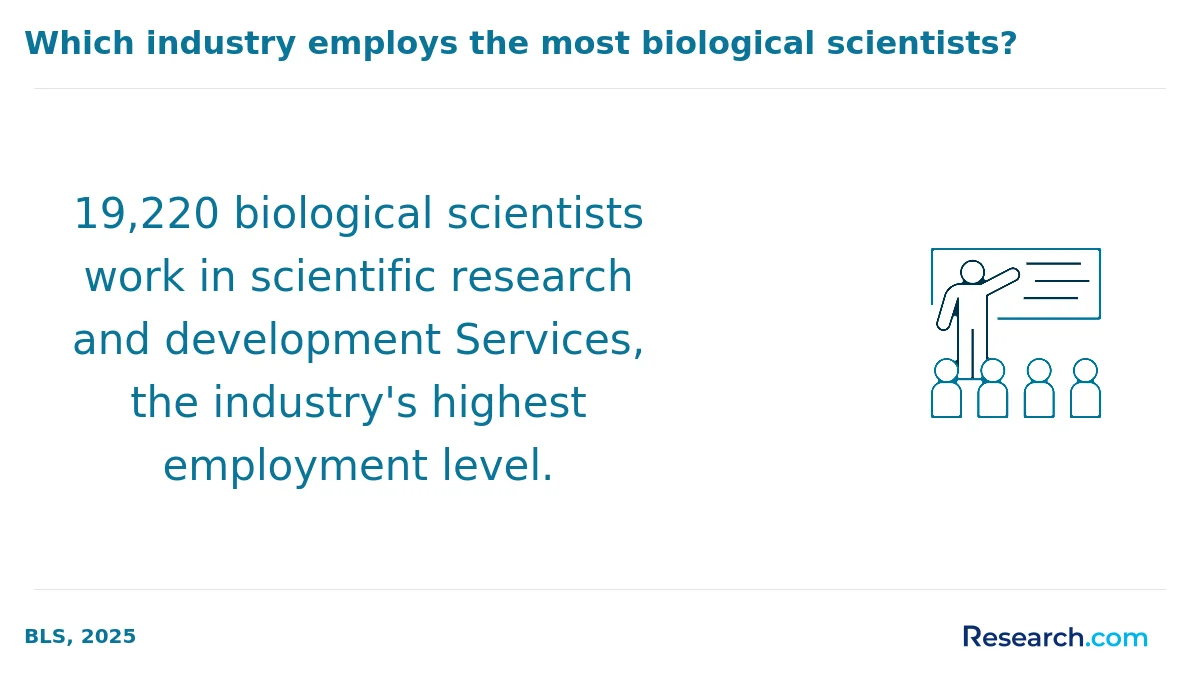
Graduates pursuing an online biology degree careers Massachusetts can explore diverse roles, especially within the state's thriving biotech and healthcare sectors. Many find rewarding opportunities in research and development at institutions linked to major universities, where hands-on lab experience as technicians or research associates fuels career growth. Graduates from renowned Massachusetts colleges often share how their online biology degree opened doors to positions in clinical labs or genetic counseling, reflecting strong biology graduate job prospects Massachusetts.
Healthcare roles such as public health analysts benefit from the state's vast medical networks, while biotechnology companies offer jobs ranging from quality control analysts to regulatory specialists. A biology degree holder from a Massachusetts university may also transition smoothly into teaching at secondary or postsecondary levels, combining academic knowledge with practical application.
Those interested in environmental science can collaborate with nonprofits and government agencies working to protect Massachusetts' rich ecosystems. For students budgeting their education, researching the cheapest online biology degree program options helps make these career paths accessible and sustainable.
Graduates with an online biology degree in Massachusetts often find promising opportunities thanks to the state's leading biotechnology sector and numerous research institutions. Those who studied at popular colleges like UMass Amherst or Boston University benefit from strong connections to local biotech companies, which frequently seek candidates for roles in biotechnology research, environmental science, and healthcare laboratories. A graduate recently shared how their flexible online program allowed them to build practical skills while networking remotely, leading to a job in pharmaceutical quality control shortly after graduation.
For students weighing costs, Massachusetts offers relatively affordable in-state tuition for public universities, typically around $14,000 per year, which helps maintain access to quality education without excessive debt. Employment growth in areas related to biology is expected to be about 8% over the next decade, a strong indicator of sustained demand.
To better understand the career journey, visit what does it take to become a biologist. Tailoring your studies to roles in healthcare or environmental conservation can be a smart move in the local job market for online biology degree Massachusetts graduates.
2027 Fastest Online Master's in Biology Degree Programs Ranking in Massachusetts
Investing in your education is a significant decision that can profoundly impact your future, and the Research.com team recognizes the importance of providing reliable guidance. To support prospective students interested in biology, we have carefully developed the "2027 Fastest Online Master's in Biology Degree Programs Ranking in Massachusetts." Our dedication to quality, credibility, and accuracy is demonstrated through thorough research and analysis.
We utilized the following reputable data sources to ensure a comprehensive evaluation of these programs:
By exploring this ranking, readers will gain valuable insights to choose online biology master's programs that offer quality education delivered efficiently. For more information on our approach, please visit our Research.com methodology page.


Frequently Asked Questions About biology
Online biology degree students in Massachusetts can enhance their learning by actively engaging with virtual labs and simulations, which are crucial for understanding complex biological processes. Many Massachusetts institutions offer cutting-edge digital resources that replicate hands-on experiences. Students should also leverage access to local research centers, such as those affiliated with the Massachusetts Life Sciences Center, for networking and potential internships. Joining study groups or professional biology organizations online helps maintain motivation and deepen knowledge. Additionally, Massachusetts ranks among the top states for biotechnology employment, so staying informed about regional industry trends can align academic goals with career opportunities.
Emerging niches within the biology field reflect advancements in technology and societal needs. In Massachusetts, bioinformatics and computational biology are rapidly growing due to the state's strong biotech industry, notably in Cambridge. These areas focus on analyzing large biological data sets, crucial for genetic research and personalized medicine.
Environmental biology, especially related to climate change impact studies, is gaining relevance as Massachusetts invests in sustainability. Marine biology is also prominent because of the state's extensive coastline and active research centers such as the Woods Hole Oceanographic Institution.
Additionally, synthetic biology is emerging, combining engineering principles with biology to design new biological parts and systems. According to the Massachusetts Life Sciences Center, jobs in these niches are projected to grow by over 15% through 2028.
Preparing for the job market after completing an online biology degree in Massachusetts involves strategic planning and practical experience. Graduates should seek internships and research opportunities, which are often available through local universities and biotech companies in the state. The Massachusetts Biotechnology Council reports that the biotech industry employs over 80,000 people here, making it a key job market for biology majors.
Networking is essential - attending professional events and connecting with alumni can open doors. Additionally, acquiring skills in data analysis, laboratory techniques, and regulatory knowledge will increase employability. Massachusetts' emphasis on life sciences offers strong opportunities, but candidates must demonstrate practical capabilities beyond academic achievements.
Employers in Massachusetts prioritize a combination of technical and soft skills in biology degree graduates. Strong laboratory skills, including proficiency in molecular biology techniques and data analysis, are essential due to the state's leading biotech industry. According to MassBio, a key industry group, 85% of employers seek candidates with hands-on experience using modern lab equipment and software like CRISPR systems and bioinformatics tools.
Critical thinking and problem-solving abilities are highly valued as well, enabling graduates to interpret complex biological data. Communication skills, both written and verbal, are important for collaborating within multidisciplinary teams common in Massachusetts research environments.
Finally, a solid understanding of regulatory standards and research ethics is expected in this heavily regulated sector.
Finding internships in Massachusetts relevant to a biology degree involves several strategic steps. Start by exploring local universities with strong biology programs, such as Boston University and the University of Massachusetts system, which often offer internship listings or cooperative education opportunities.
Massachusetts has a robust biotechnology sector, home to over 1,000 biotech companies according to the Massachusetts Biotechnology Council, making it an ideal place to find industry internships. Additionally, state-run research institutions like the Broad Institute provide practical experience in genomics and biomedical research.
Utilize online platforms such as Handshake and LinkedIn, which frequently post internship openings specifically for biology students in Massachusetts. Networking with faculty and attending career fairs at online degree partner institutions also significantly increase internship prospects.
Obtaining an online biology degree in Massachusetts can significantly enhance career mobility and opportunities for advancement in the life sciences sector. Massachusetts is a national hub for biotechnology and healthcare, employing over 90,000 professionals in these fields as of 2023, according to the Massachusetts Biotechnology Council. An advanced degree broadens eligibility for specialized roles in research, environmental consulting, and pharmaceutical development.
The flexibility of online programs allows working professionals to upskill without interrupting their careers, making it easier to transition into leadership or research-intensive positions. Employees with master's degrees in biology often see salary increases of 15% to 25%, based on state labor statistics.
Moreover, many Massachusetts employers value regionally accredited online degrees, especially those aligned with local industry needs, thus strengthening professional networks and job prospects.
Studying for a biology degree in Massachusetts offers strong preparation for interdisciplinary roles due to the state's rich network of research institutions and biotech companies. Many online programs integrate coursework in chemistry, environmental science, and data analysis, reflecting the diverse skills needed in today's job market. According to the Massachusetts Biotechnology Council, the region hosts over 1,000 life sciences companies, creating opportunities where biology expertise meets technology and business.
Students also benefit from Massachusetts' emphasis on innovation and collaboration, often applying biology concepts to public health, bioinformatics, and pharmaceutical development. This multidisciplinary approach equips graduates to work across sectors effectively.
Choosing between a thesis and a non-thesis biology degree program in Massachusetts depends largely on your career goals and learning preferences. A thesis option requires conducting original research and writing a detailed paper, which can enhance skills in scientific inquiry and is often preferred for students aiming at doctoral programs or research careers.
Non-thesis programs typically focus on coursework and practical applications, allowing students to complete the degree faster. This route suits those targeting professional roles in healthcare, education, or industry, where immediate application of knowledge is prioritized.
Data from Massachusetts Department of Higher Education indicates that 40% of biology master's students choose thesis tracks, reflecting strong research emphasis in the state.
Consider faculty expertise and available resources at online programs, as Massachusetts hosts several top-tier research universities supporting robust thesis options.
Students based in Massachusetts seeking to study biology abroad through online programs have several pathways to consider. While Massachusetts itself offers robust biology education, pursuing a degree abroad online can provide unique global perspectives and access to specialized biological fields. Many international universities partner with U.S. institutions, allowing students to enroll in accredited biology programs without relocating.
Institutions like the University of Massachusetts emphasize global research collaborations. According to the National Center for Education Statistics, about 12% of Massachusetts graduate biology students engage in international study or research, often supported by online coursework. This trend highlights growing opportunities to combine local instruction with international biological sciences expertise remotely.
For Massachusetts students, verifying program accreditation through recognized U.S. bodies ensures degree recognition and quality. Popular destinations include universities in Australia, the UK, and the Netherlands, which offer fully online master's degrees in biology accessible internationally. These programs often align with Massachusetts' academic standards, facilitating credit transfer and professional advancement.
Students pursuing online biology degrees in Massachusetts can benefit from various part-time job opportunities that enhance their practical knowledge. Laboratory technician roles in research hospitals and biotech firms offer hands-on experience with biological samples, essential for mastering lab techniques. According to the Massachusetts Biotechnology Council, the state hosts over 1,000 life sciences companies, creating demand for entry-level lab assistants and interns.
Positions such as wildlife or environmental field assistants also complement biology education, allowing students to apply ecological and conservation principles locally. Massachusetts's diverse ecosystems provide ample work for interns with state agencies like the Department of Environmental Protection.
Moreover, tutoring biology subjects to undergraduate students can reinforce academic concepts and improve communication skills, valuable for future research or healthcare careers.
Online biology students in Massachusetts have several valuable networking opportunities despite the virtual nature of their studies. Many state universities with online programs offer virtual career fairs, industry webinars, and alumni networking events focused on life sciences. These platforms help students connect with professionals working in fields like biotechnology, healthcare, and environmental science, which are strong sectors in Massachusetts.
Additionally, students can join local chapters of national organizations such as the Massachusetts Biology Teachers Association and the New England Chapter of the American Society for Microbiology. These groups often host meetings, conferences, and workshops that welcome remote participants.
Research institutions in Massachusetts, including Harvard and MIT, provide online seminars accessible to the public, creating further chances to engage with cutting-edge biology research.
Alumni networks play a crucial role for online biology degree students in Massachusetts by offering valuable connections within the scientific and academic communities. These networks provide mentorship opportunities, helping students navigate career paths in emerging fields such as biotechnology and environmental science, which are prominent industries in Massachusetts.
Members of alumni groups often share job leads and internship opportunities in renowned institutions like the Broad Institute and Massachusetts General Hospital. According to the Massachusetts Biotechnology Council, the state hosts over 1,000 life sciences companies, making alumni networks essential for professional growth.
Networking through alumni can also foster collaborations on research projects and grant applications, enriching students' academic and practical experiences.
Students pursuing an online biology degree in Massachusetts can tailor their programs by selecting relevant electives and specializations aligned with career goals. Many universities offer concentrations such as molecular biology, environmental science, or biotechnology, allowing learners to focus on desired fields.
Additionally, some programs provide opportunities for research projects or internships with local organizations, enhancing practical experience. Massachusetts hosts a robust biotech industry, employing over 100,000 workers, which benefits students seeking industry-related connections (MassBio, 2023).
Online learners should also consult academic advisors to create personalized degree paths that incorporate certification preparation or interdisciplinary courses, such as bioinformatics, improving job market readiness within the state's evolving biology sector.
Online biology students in Massachusetts commonly face challenges related to lab work and hands-on experiences, which are essential components of biology education. Many programs require local internships or lab access, which can be difficult to coordinate remotely. According to the Massachusetts Department of Higher Education, students may struggle with limited availability of local facilities for practical learning.
Additionally, online learners often encounter difficulties balancing coursework with professional or personal commitments, especially since biology courses can be time-intensive with complex material. Connectivity and technology issues may also disrupt learning, despite Massachusetts having strong internet infrastructure overall.
Finally, networking opportunities and peer collaboration can be limited in online settings, impacting student engagement and professional growth.
With an online biology degree, graduates in Massachusetts can pursue several professional certifications that enhance career prospects in research, healthcare, and environmental sectors. Popular certifications include the American Society for Clinical Pathology (ASCP) certification for clinical laboratory scientists, which is valued in medical labs statewide.
Additionally, becoming a Certified Biological Safety Professional (CBSP) or obtaining a Wildlife Society certification can open doors in environmental and conservation work, fields growing in importance across Massachusetts due to its rich biodiversity.
Massachusetts employers often recognize certifications that demonstrate specialized expertise alongside degrees, improving job competitiveness and salary potential.
To write a winning application for an online biology program in Massachusetts, start by clearly demonstrating your academic preparedness. Highlight any relevant coursework in biology, chemistry, or related sciences. Massachusetts values rigorous education, so strong GPA and standardized test scores can improve your chances.
Next, tailor your personal statement to reflect your interest in biology and how it fits local research or industry trends, such as biotech hubs around Cambridge and Boston. Express your professional goals and how the online format meets your needs.
Include letters of recommendation from professors or employers familiar with your scientific skills.
Official transcripts and documentation of any lab or field experience can also strengthen your application.
The global perspective on a biology career highlights its increasing importance in addressing health, environmental, and technological challenges. In the United States, including Massachusetts, biology graduates benefit from a strong research ecosystem and numerous job opportunities in biotech and healthcare sectors.
Massachusetts is a national leader in biotechnology, with over 1,000 biotech companies and research institutions, offering a vibrant landscape for biology professionals (MassBio, 2023). This creates global collaboration opportunities and career growth in fields such as genetics, ecology, and medical research.
Studying biology online in Massachusetts connects students to this dynamic environment, preparing them for careers recognized worldwide. The demand for skilled biologists is expected to grow 8% nationally by 2030, reflecting the field's global relevance (U.S. Bureau of Labor Statistics, 2023).
Gaining practical experience while pursuing an online biology degree in Massachusetts is essential for career readiness. Many programs encourage internships at local research institutions, hospitals, or environmental organizations. For example, Massachusetts is home to renowned research centers like the Broad Institute and the Marine Biological Laboratory, which often offer internship opportunities.
Students can also participate in virtual labs or seek volunteer positions at nearby universities to complement their online coursework. Additionally, state regulations support cooperative education and experiential learning, allowing credits for hands-on work.
Networking with Massachusetts' strong biotech community can also lead to valuable fieldwork and research projects. Checking school-specific partnerships is advised.
Choosing the right concentration within an online biology degree program in Massachusetts depends on your career goals and interests. Popular concentrations include molecular biology, ecology, biotechnology, and bioinformatics. Each area offers distinct opportunities in research, healthcare, or industry.
Massachusetts hosts many leading biotech companies and research institutions, making biotechnology and molecular biology highly relevant concentrations for local job markets, according to the Massachusetts Life Sciences Center. Ecology and environmental biology focus on Massachusetts' diverse ecosystems, with potential roles in conservation and sustainability.
Check program curriculum, faculty expertise, and internship opportunities in Massachusetts to align your studies with local demand and personal aspirations.
- 2027 Fastest Online Master's in Biology Degree Programs Ranking in Pennsylvania
- 2027 Fastest Online Master's in Biology Degree Programs Ranking in Maryland
- 2027 Fastest Online Master's in Biology Degree Programs Ranking in Indiana
- 2027 Fastest Online Master's in Biology Degree Programs Ranking in Texas
- Online Learning Programs | Massachusetts Bay Community College https://www.massbay.edu/academics/online-learning/programs
- Online Bachelor's Degrees in Biology: Top Schools & Programs https://www.edumed.org/online-schools/biology-degrees/
- PROBLEMS AND SOLUTIONS IN BIOLOGY EDUCATION ... https://uniconflix.com/index.php/ICLT/en/article/download/2740/1493/3000
- Best Online Biology Degrees https://www.affordablecollegesonline.org/biology-programs/
- Biology Major Jobs: Careers in the Biological Sciences | Houston Christian University https://hc.edu/articles/biology-major-jobs-careers-in-the-biological-sciences/
- Turn Your Passion for Science Into a Rewarding Career With a Biology Degree - UNCF https://uncf.org/the-latest/a-biology-degree-can-open-the-door-to-life-and-living
- Online Biology Degrees | Bachelor's in Biology https://www.onlinecolleges.net/degrees/biology/
- Trainees and interns https://www.embl.org/careers/internships/
- Careers in Biology https://www.aibs.org/careers/
- Home Page | UMassOnline https://online.massachusetts.edu/