2027 Best Online Biology Degree Programs Ranking in the South

Co-Founder and Chief Data Scientist
Choosing the right biology degree program can shape your future, especially if you're studying online in the South. This article features the 2027 Best Online Biology Degree Programs Ranking in the South, created by the Research.com team of data scientists. It's designed to help you find programs that match your goals and learning style.
Exploring this ranking empowers you to make confident, informed decisions about your education. A biology degree opens doors to exciting careers and personal growth, making your investment truly worthwhile.
Key benefits of getting online biology degree in the South
- While specific regional salary data is unavailable, biology graduates in the US commonly earn competitive wages, with many entry-level roles starting around $45,000 annually and increasing with experience.
- Graduates from Southern universities often explore diverse careers such as environmental consulting, healthcare research, and biotechnology, opening doors to exciting and impactful job opportunities.
- Completing a biology degree online in the South offers flexibility to balance work and study, often allowing students to gain practical experience concurrently, which can boost confidence and career readiness.
- 2027 Best Online Biology Degree Programs Ranking in the South
- What can I expect from online biology degree in the South?
- Where can I work with online biology degree in the South?
What can I expect from online biology degree in the South?
The average cost of an online biology degree in the South typically ranges from $5,000 to $15,000 per year, depending on whether the institution is public or private. Many students at prominent schools like those in Florida and Texas find that in-state tuition offers considerable savings, making quality education more accessible. Graduates often share how this affordability lets them focus more on immersive learning experiences without the heavy burden of debt.
One graduate recalls how their virtual lab simulations and regionally tailored coursework deepened their connection to Southern ecosystems, all while enjoying a flexible schedule that accommodated their job. As online programs in states such as Georgia expand, students increasingly benefit from partnerships with local research centers, enhancing hands-on experiences despite remote learning.
Emerging trends suggest that with continued investment in digital resources and infrastructure, future online biology students in the South might see even more competitive pricing alongside innovative learning tools that blend affordability with academic excellence.
Where can I work with online biology degree in the South?
Graduates with an online biology degree from popular Southern institutions often find themselves stepping into dynamic roles within healthcare hubs like Houston and Miami, where they support cutting-edge medical research and diagnostic services. Many share how starting as lab technicians or research assistants in bustling hospitals fueled their passion for advancing treatments and patient care.
Environmental biology is another vibrant path, with graduates engaging in hands-on conservation projects across Florida's wetlands or Georgia's forests. Alumni describe rewarding experiences collaborating with agencies such as the Florida Fish and Wildlife Conservation Commission, contributing to wildlife preservation and ecological restoration that directly impact regional biodiversity.
The biotech boom in areas like North Carolina's Research Triangle Park offers emerging professionals exciting opportunities to innovate in genetics and molecular biology. Graduates often highlight the thrill of working in startups focused on breakthrough therapies, combining scientific knowledge with entrepreneurial energy.
Teaching remains a fulfilling option, with many expressing joy in inspiring future scientists at Southern high schools or universities, where demand for qualified biology educators continues to grow. These diverse career options show how an online biology degree equips students to shape the South's evolving life science landscape.
Graduates with an online biology degree in the Southern US typically see earning potential ranging from $55,000 to $75,000 annually, reflecting the diverse industries thriving in this region. For example, those completing programs at well-known institutions like the University of Florida or Texas A&M often step into roles such as environmental scientists or healthcare technologists, where salaries generally align with this range.
Many graduates share stories of starting as laboratory technicians earning close to $55,000, then quickly advancing their careers to roles paying $65,000 or more after gaining experience. In states like Texas and Florida, biotechnology and healthcare sectors drive stronger salary growth, while more rural states may offer slightly lower wages but often balance this with a lower cost of living.
Future trends suggest that online biology graduates who pursue certifications or advanced degrees may unlock higher-paying opportunities, especially in medical research and pharmaceuticals. The evolving demands in Southern biotechnology hubs create promising pathways, encouraging graduates to envision long-term career growth and stability.
- The cost of online biology degrees in the South ranges from $10,000 to $25,000, with public universities offering lower tuition for in-state students.
- Entry-level salaries for biology graduates in the South range from $40,000 to $50,000 annually, increasing to $60,000 to $75,000 with experience.
- The job market for biology graduates in the South is growing by about 10% over the next decade, supported by healthcare, environmental, agriculture, and biotechnology sectors.
- Programs often include region-specific topics like coastal ecosystems, forestry, and agricultural biology through practical internships.
- Financial aid and scholarships are commonly available to online biology students in the Southern states.
Completing an online biology degree in the South generally takes about four years for full-time students, mirroring the timeline of traditional campus programs at universities in states like Florida, Texas, and Georgia. Graduates often share how flexible course scheduling helped them balance study with personal and work commitments, extending their journey to five or six years without losing momentum.
Many Southern online biology programs offer accelerated 8-week courses or summer sessions, popular among students eager to finish faster while maintaining quality. However, the lab-intensive nature of biology means some hands-on experiences remain essential, which can slightly slow down completion compared to less practical majors.
Students from renowned Southern institutions reveal that the more affordable tuition ranging between $6,000 and $12,000 per year often reduces financial stress, allowing them to focus wholeheartedly and possibly graduate sooner. With evolving online lab tech and adaptable learning models, future Southern biology students might see even shorter or more personalized program lengths tailored to their unique pace and goals.
Online biology degrees in the South increasingly blend flexibility with cutting-edge technology, appealing to students balancing work and family. Graduates from Southern schools such as the University of Florida often describe how virtual labs and interactive lectures help them stay engaged despite physical distance. These programs allow learners to progress at their own pace, an advantage for those managing busy schedules.
In contrast, on-campus biology students at institutions like the University of Georgia emphasize the value of hands-on lab work and real-time collaboration. The vibrant campus environment energizes their studies, and immediate access to research facilities fosters a deeper understanding of complex biological processes. Many recount the excitement of group projects and spontaneous study sessions that remote formats can struggle to replicate.
Looking ahead, hybrid models popular in the South may evolve to combine these strengths-integrating online adaptability with scheduled in-person labs. This fusion could redefine biology education by offering rich, personal experiences alongside the convenience of remote learning, creating new pathways for Southern students aspiring to thrive in fast-changing scientific fields.
The average cost of an online biology degree in the South reflects a balance between affordability and quality education, with median total costs around $33,120. For many students attending public universities such as the University of Florida or Texas A&M University, the experience blends affordable tuition rates-often near the median in-state total of approximately $15,501-with the flexibility of remote study. Graduates from these programs often share positive experiences about how manageable expenses allowed them to focus on their studies and career goals without overwhelming financial stress.
Out-of-state students may encounter costs closer to $33,157, yet many find value in choosing programs with strong reputations and available financial aid. Private institutions generally command higher fees, but some offer innovative funding options or technology that enhances the online learning experience, making the investment worthwhile for ambitious learners. The total expenses for online biology programs southern US typically include additional fees related to lab components or specialized coursework, yet some universities innovatively provide virtual labs or partner with local facilities to reduce these costs.
Stories from recent biology graduates highlight how taking advantage of scholarships, employer tuition reimbursement, and community college pathways can significantly ease financial burdens. Those seeking ideas on career pathways after graduation often explore what to do with biology degree, framing their education as a valuable and exciting investment in their futures.
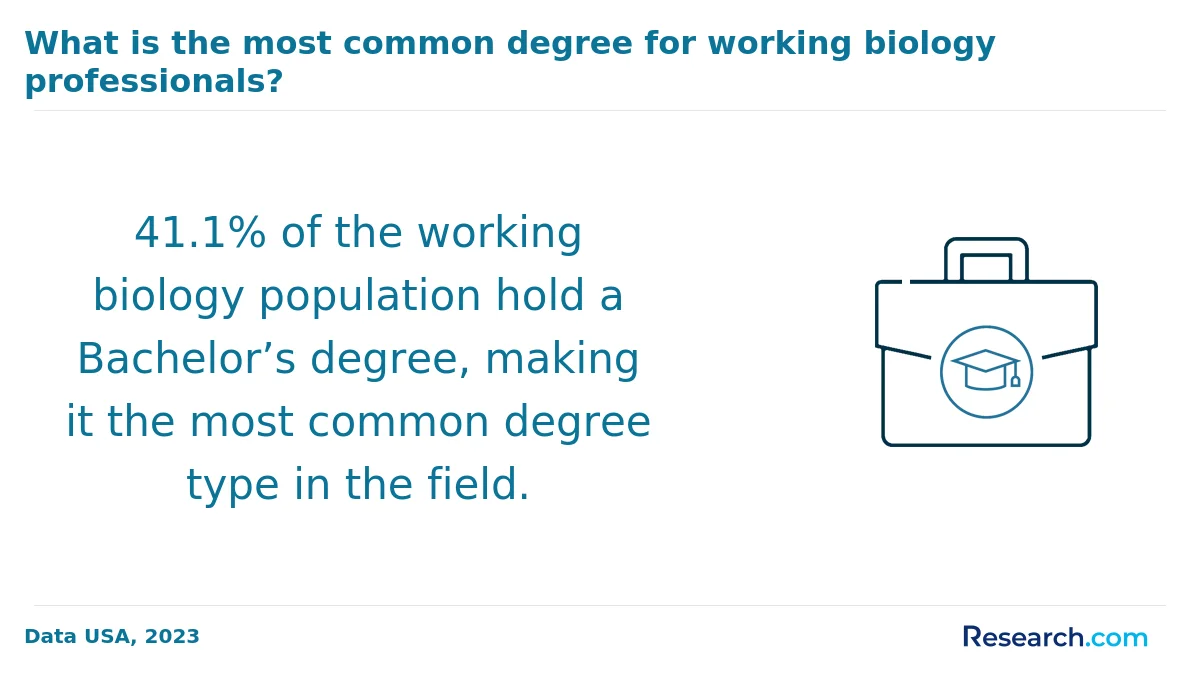
Students pursuing an online biology degree in the South often find essential financial aid through federal programs like Pell Grants, which can provide up to $7,395 annually. Graduates from institutions such as the University of Florida share how this aid lifted the weight of tuition, making remote learning manageable and more hopeful. State grants, like Texas's Texas Grant and Georgia's HOPE Scholarship, also play a vital role, fostering a positive sense of achievement as recipients maintain academic standards to keep their funding.
Many Southern universities, including the University of Georgia and North Carolina State University, offer merit-based scholarships that encourage students to excel academically while engaging with biology's expanding fields. Graduates attest to how these scholarships felt like recognition of their hard work, fueling their passion. Professional biology organizations are increasingly offering targeted fellowships, making it easier for online students to connect with real-world biology careers.
Looking ahead, employer tuition assistance programs in healthcare and environmental sectors are broadening, helping online learners balance work and study commitments. Such support often brings relief and motivation, signaling a promising future for Southern biology students seeking advanced degrees.
To enroll in an online biology degree in the South, students typically need a high school diploma or GED, complemented by strong foundations in biology, chemistry, and math. Graduates from well-known Southern universities often reflect on how early preparation in these subjects made tackling virtual labs and interactive modules feel manageable and even exciting.
Many programs now emphasize more than just academics-reliable internet and tech skills are becoming essential. For instance, students balancing family life in Texas or Florida have praised how mastering online tools early helped them stay engaged and confident despite remote learning challenges.
Transfer students usually submit official transcripts showing previous college coursework, with many programs expecting at least a 2.5 GPA. Some Southern institutions are evolving to become test-optional, easing barriers while still focusing on readiness. This shift encourages hopeful learners who might have excelled in non-traditional ways.
Looking ahead, it's likely Southern universities will integrate even more personalized admission criteria, using holistic assessments to identify passionate biology students ready to thrive online. This evolution will make these degrees more accessible and tailored to individual strengths, reassuring prospective learners eager to begin their science journey.
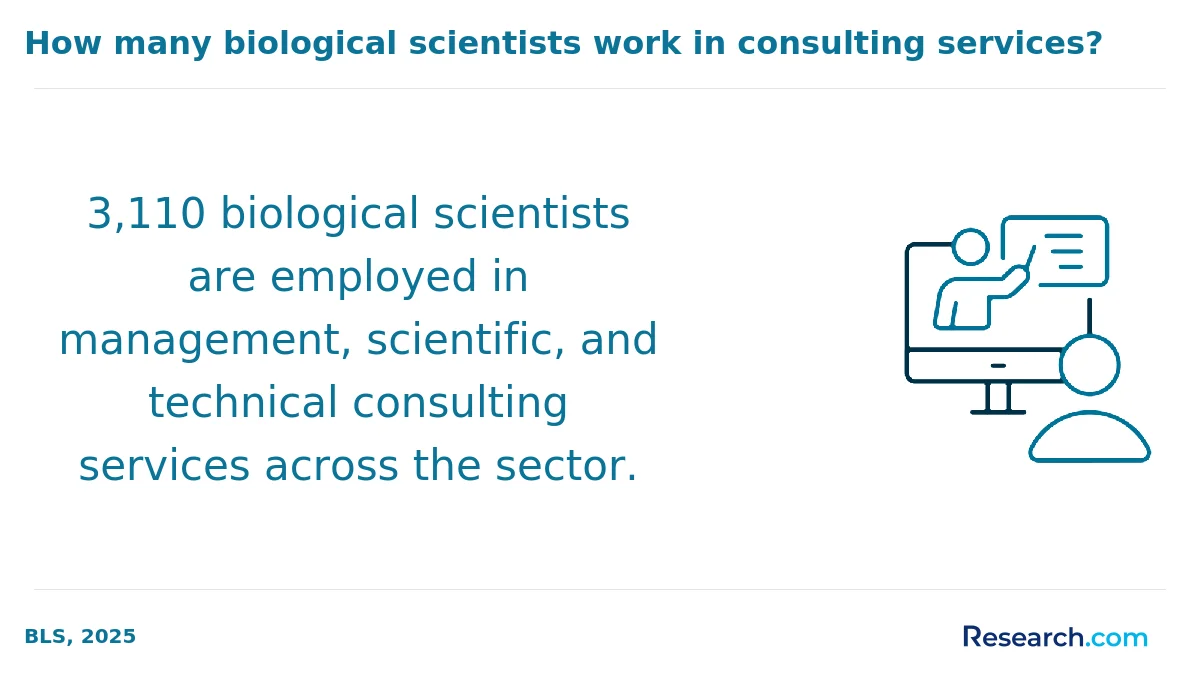
Online biology programs in the South pair rigorous curriculum with comprehensive support to help you succeed from enrollment through graduation. These services help you stay on track, deepen your learning and connect with peers and professionals.
- Academic advising and personalized study plans to guide course selection and career goals.
- 24/7 tech support and user tutorials for your learning management system and online tools.
- Access to digital libraries, research databases and writing centers for robust scientific research.
- Virtual lab simulations, some shared with pharmacy school online cohorts, for hands-on practice without in-person visits.
- Career services including resume reviews, interview prep and networking workshops tailored to biology fields.
- Peer mentoring and online student communities to foster collaboration and support.
Online biology degree programs in the South typically include core courses like cellular and molecular biology, genetics, ecology, and physiology. Graduates from well-known Southern universities often express enthusiasm about how these classes build a strong foundation for understanding both microscopic life processes and broader ecosystems unique to the region.
Many students appreciate the inclusion of chemistry courses, such as general and organic chemistry, which deepen their grasp of biological mechanisms. Math courses-particularly statistics-are valued for enhancing analytical skills, helping learners confidently interpret real-world data, whether studying coastal marine environments or agricultural ecosystems common in the South.
Electives bring exciting opportunities to explore specialized areas. Popular choices in Southern programs include biotechnology, environmental biology, and microbiology, often with a regional twist. Students frequently mention gaining hands-on experience through hybrid labs or virtual simulations, blending flexibility with practical skills vital for future research or careers.
Such tailored coursework prepares online biology students for meaningful roles connected to Southern industries, sparking both pride and anticipation for their professional journeys.
Online biology degree specializations in the South evolve alongside regional demands, with programs often highlighting fields like Biomedical Science, Environmental Biology, and Biotechnology. Graduates from universities such as those in Texas or Florida frequently share how Biomedical Science tracks open doors to healthcare research careers, fueled by the South's growing medical hubs. At coastal colleges, students specializing in Marine Biology describe immersive virtual labs complementing their passion for ocean ecosystems. These experiences not only build expertise but also strong emotional connections to their fields.
Southern region biology degree concentration options increasingly include emerging areas like forensic biology and plant biology, reflecting the South's diverse ecosystems and agricultural significance. Many students appreciate how online flexibility blends with in-state tuition benefits, making these advanced studies accessible and affordable. This dynamic encourages learners to explore personalized pathways while aligning with regional industry growth, as seen in biotechnology and environmental conservation sectors.
For those researching future online options, recent graduates recommend exploring online degrees biology focused on these specializations, emphasizing practical applications that prepare them for tangible career opportunities within the South.
Choosing the best online biology degree programs in the South involves envisioning how each program's unique strengths align with your personal and professional aspirations. Graduates from popular Southern universities often describe the satisfaction of immersing themselves in specialized curricula, such as marine biology near the Gulf Coast or environmental biology tailored to Texas's ecosystems. Their stories reveal how accreditation and faculty expertise create a solid foundation for advancing in research or industry.
Affordability plays a crucial role in this choice. Many prospective students weigh options carefully, hunting for affordable online biology degrees Southern states offer that do not compromise quality. These programs frequently blend flexibility with strong support services, enabling learners to balance studies with work or family life, fueling motivation and pride. Innovative course formats and asynchronous learning models are continually improving, making education more accessible and engaging for diverse learners.
Future-focused students also explore programs offering rich post-graduate opportunities connected to Southern research institutions. These pathways often include internships and career counseling that empower graduates to thrive locally or beyond. For anyone navigating these options, reviewing resources such as easy online degrees in biology can spark ideas about manageable, supportive routes into the field.
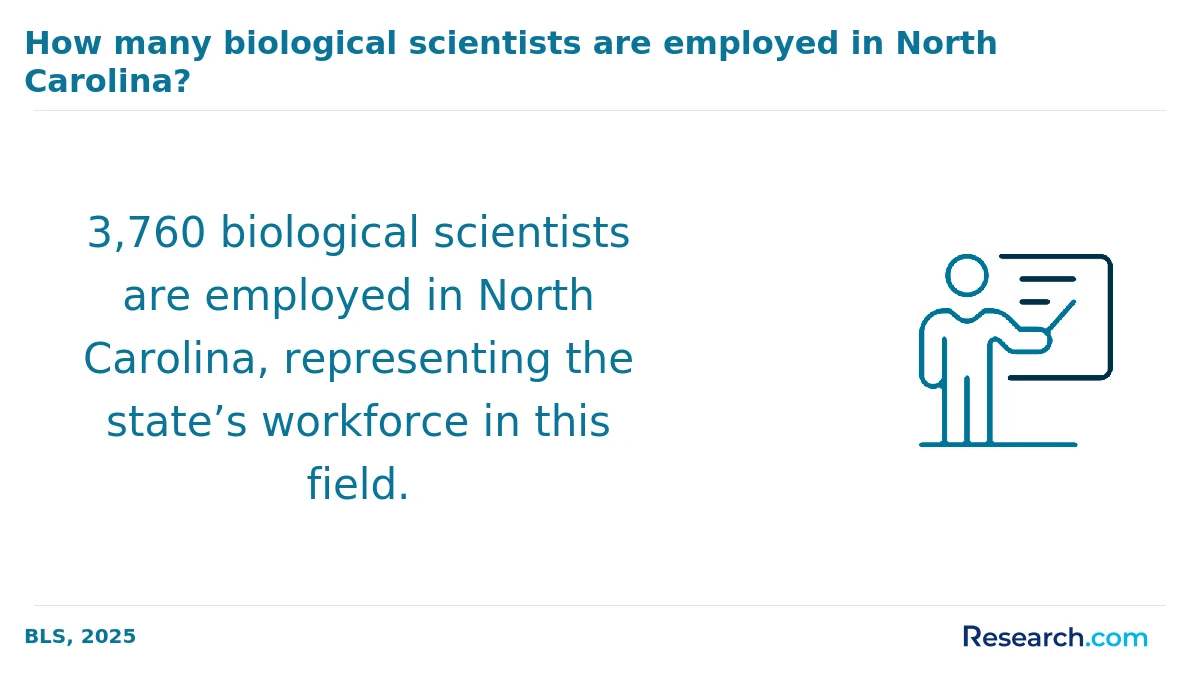
Graduates with an online biology degree in the South find themselves at the forefront of diverse and evolving career paths. Many recent alumni from prominent Southern universities enthusiastic about healthcare have stepped into roles as medical technologists or lab technicians, fueling growing healthcare sectors in states like Texas and Florida. Their experiences highlight how the online biology bachelor degrees they pursued align perfectly with these expanding job markets.
Others embrace environmental science opportunities, drawn by the South's rich biodiversity. Graduates working near North Carolina and Georgia report fulfilling careers as conservation scientists and environmental consultants, actively contributing to regional preservation efforts. This reflects a shift toward sustainability-focused roles that online biology degree career options in the South increasingly emphasize.
Southern states' booming biotech industry further inspires graduates to explore research and pharmaceutical development positions. Those entering academia share excitement about shaping future scientists through teaching, often combining online training with certifications. These Southern states biology degree job opportunities showcase how versatile and promising the path ahead is for students ready to engage with cutting-edge biological fields.
The job market for online biology degree graduates in the South is dynamic and full of potential. Graduates from institutions like the University of Florida and North Carolina State University often find themselves well-prepared for roles in booming sectors, including healthcare, pharmaceuticals, and environmental research. Many alumni report exciting career beginnings in metropolitan hubs such as Miami and Research Triangle Park, where biotechnology companies are rapidly expanding.
Biology careers and salary trends Southern states reveal that entry-level positions offer solid starting salaries around $40,000, with experienced professionals in specialized roles earning upwards of $70,000 annually. These opportunities continue to grow as regional industries emphasize sustainability and technological innovation. Graduates frequently highlight the value of internships and lab partnerships embedded in online programs, which enhance hands-on experience and job readiness.
Students considering these degrees often explore what education do you need to become an aquatic biologist as part of their broader career planning, reflecting strong interest in diverse biological disciplines emerging in the South.
The increasing demand for skilled biological scientists combined with affordable tuition in public Southern universities suggests a promising future for those entering the field through online biology degrees.
2027 Best Online Biology Degree Programs Ranking in the South
Investing in your education is a significant decision that can shape your future, and the Research.com team understands the importance of making informed choices. To assist prospective students in the South, we have meticulously crafted the "2027 Best Online Biology Degree Programs Ranking in the South." Our commitment to quality, credibility, and accuracy is reflected in the extensive research and analysis conducted to compile this ranking.
We utilized the following reputable data sources to ensure a comprehensive evaluation of biology programs:
By exploring this ranking, readers will gain valuable insights into the best online biology degree programs available in the South, enabling them to make well-informed decisions about their educational journeys. For more details on how this ranking was created, please visit our Research.com methodology page.

# 2 position
University of Florida
Master of Microbiology and Cell Science: Medical Microbiology and Biochemistry


# 8 position
University of Maryland Global Campus
Master of Biotechnology: Bioinformatics



Frequently Asked Questions About biology
Online biology degree students in the South can maximize their learning by actively engaging with virtual labs and simulations, which many Southern universities include to replicate hands-on experiences. According to the Southern Regional Education Board, over 60% of students in online science programs benefit from interactive content. Students should also participate in online discussion forums to deepen understanding through collaboration, as peer interaction enhances critical thinking skills.
Seeking internships or research opportunities at local institutions can provide valuable practical exposure outside the virtual classroom. The Council on Undergraduate Research highlights that Southern biology students involved in research have a 25% higher graduation rate. Additionally, utilizing campus resources like academic advising and tutoring, even remotely, strengthens academic success.
Emerging niches within the biology field reflect rapid advances in technology and growing societal needs. In the South, fields like bioinformatics and computational biology are expanding due to increased demand for data analysis in genetics and health research. According to the Southern Regional Education Board, enrollment in these areas has grown by over 15% in recent years.
Environmental biology focusing on coastal and marine ecosystems is another key niche, given the South's extensive coastlines. This includes research on climate change impacts and conservation strategies. Additionally, the biotech industry in states like North Carolina and Georgia fuels interest in molecular biology and biomanufacturing careers.
After earning an online biology degree in the South, preparing for the job market means focusing on both practical skills and networking. Employers in states like Texas and Florida often seek candidates with hands-on lab experience, so consider internships or volunteer work at local research centers or environmental agencies.
Building a strong professional network is crucial. Joining regional organizations like the Southern Association of Biology Educators can provide helpful connections and job leads. Additionally, developing proficiency with data analysis software or laboratory technology increases employability.
According to the U.S. Bureau of Labor Statistics, job growth for biological scientists in the South is projected to grow by 8% through 2030, reflecting steady opportunities across healthcare, conservation, and biotech industries.
Employers in the Southern United States highly value biology graduates who possess strong analytical and laboratory skills. According to the National Science Foundation, proficiency in data analysis and experimental design remains top priority, especially in industries like biotechnology and environmental science.
Effective communication is also crucial. Biology professionals must clearly explain complex scientific concepts both in writing and verbally. This skill supports collaboration across diverse teams typical in Southern research institutions.
Additionally, problem-solving abilities and adaptability rank high. The dynamic nature of biological research, along with regional focuses such as agricultural innovation and marine biology, requires graduates to quickly apply knowledge in practical settings.
Technical skills with bioinformatics tools and familiarity with regulatory compliance further enhance job prospects in Southern biology-related fields.
Finding internships relevant to a biology degree in the South involves several key steps. Start by exploring university career centers, as many Southern schools maintain partnerships with local research facilities, healthcare institutions, and environmental organizations offering paid and unpaid internships.
State agencies such as the Georgia Department of Natural Resources and the Texas Parks and Wildlife Department often provide internship opportunities for biology students. Additionally, platforms like Handshake and LinkedIn allow students to search specifically for internships in Southern states.
Networking through professional organizations, such as the Southern Society for Clinical Investigation, can also connect students to internship openings and mentorships.
Online biology programs affiliated with accredited Southern universities usually support students by sharing region-specific internship listings and guidance tailored to the local job market. According to the National Association of Colleges and Employers, biological sciences internships in the South have grown by around 8% over the past five years.
An online biology degree from institutions in the South offers significant career mobility and advancement opportunities. According to the National Center for Education Statistics, Southern states such as North Carolina and Georgia have seen a 15% growth in biology-related job openings since 2020. Employers increasingly value the flexibility and technical skills gained through online programs, especially as biology fields incorporate more data analysis and remote research methods.
The Southern region hosts key industries like biotechnology, healthcare, and environmental science, where degree holders can advance into roles such as laboratory managers, research coordinators, or quality control specialists. Online degrees accredited by Southern universities meet regional workforce demands, aiding graduates in climbing the professional ladder.
Furthermore, Southern universities often partner with local employers, enhancing internship and job placement rates for online students. This networking supports practical experience, which is vital for career growth.
Online biology degree programs in the South are designed to prepare students for interdisciplinary careers by integrating diverse scientific fields. Many Southern universities emphasize collaboration between biology, environmental science, and biotechnology, reflecting regional economic strengths such as agriculture and healthcare. According to the Southern Regional Education Board, these programs often include coursework in data analysis, chemistry, and computer science, key skills for interdisciplinary roles.
Additionally, Southern institutions frequently offer research opportunities linked to local industries, promoting practical experience. This cross-disciplinary training equips graduates to work in areas like bioinformatics, public health, and environmental consulting, where biological knowledge intersects with technology and policy.
Choosing between a thesis and a non-thesis biology degree program depends largely on your career goals and time commitment. Thesis programs, common in research-focused schools like those in North Carolina and Georgia, require conducting original research and writing a detailed paper. This path suits students aiming for graduate studies or research careers.
Non-thesis programs emphasize coursework and practical skills, ideal for those pursuing industry jobs or teaching roles. They often take less time to complete. According to the Southern Regional Education Board, 60% of Southern biology programs offer both options.
Consider your preferred learning style, professional goals, and the specific program's curriculum when deciding.
Students based in the South seeking to study biology abroad often explore partnerships between Southern universities and international institutions. These collaborations allow online biology students to participate in exchange programs or complete part of their degree overseas while maintaining enrollment at their home school.
According to the Southern Regional Education Board, several universities in the region emphasize study abroad opportunities even within online degree structures, especially in regions with strong biological research facilities. For example, students might engage in fieldwork or internships in countries with unique ecosystems.
However, it is important to note that most accredited online biology degrees from the South require a mix of virtual coursework and in-person labs, which can limit extended study abroad options. Prospective students should discuss these possibilities directly with program advisors to understand specific international opportunities related to their biology curriculum.
Students pursuing online biology degrees in the South can find various part-time job opportunities that enhance their academic experience. Common options include laboratory technician roles in local universities, hospitals, or biotech firms, offering hands-on experience with biological research methods. According to the U.S. Bureau of Labor Statistics, the Southeast has seen a 7% growth in biological technician jobs between 2020 and 2023.
Additionally, positions such as environmental field assistants are prevalent in states like Georgia and North Carolina, where biodiversity and conservation projects are active. Internships in public health agencies or agricultural organizations also complement biology studies while providing networking chances within Southern industries.
Online biology students in the South have several networking opportunities despite the distance learning format. Many Southern universities offer virtual events, webinars, and online forums where students can connect with peers, faculty, and biology professionals. For example, institutions like the University of Florida and Texas A&M provide access to alumni networks and career services, which are vital for professional growth.
Regional biology organizations such as the Southern Appalachian Botanical Society and the Southeastern Ecology and Evolution Conference also host annual meetings and online sessions that help students engage with experts and researchers in their field. According to data from the National Center for Education Statistics, 45% of biology students in Southern states participated in at least one virtual networking event in 2023.
Students are encouraged to join LinkedIn groups focused on biology careers in the South, which can offer job leads and mentorship opportunities. Additionally, some programs include virtual internships with local research labs and environmental organizations, enhancing students' practical experience and professional contacts within the region.
Alumni networks offer significant benefits to students pursuing online biology degrees in the South. These networks provide valuable connections with graduates working in fields like environmental science, healthcare, and biotechnology, which are strong industries in Southern states.
Through alumni associations, students gain access to mentorship opportunities and job leads, helping them navigate the competitive biology job market. According to the Southern Regional Education Board, schools with active alumni communities report up to 30% higher employment rates among graduates.
Networking events and online forums also facilitate knowledge sharing and collaboration on research projects relevant to the region's unique ecosystems.
Such engagement enhances professional growth and increases students' chances of successful careers after graduation.
Customizing an online biology degree in the South allows students to align their education with specific career goals. Many Southern universities offer concentrations such as biotechnology, environmental science, or health sciences, which help focus learning on relevant career paths. Students can often select electives, internships, or research projects that enhance practical skills.
Programs accredited by regional agencies, like the Southern Association of Colleges and Schools Commission on Colleges (SACSCOC), ensure quality education recognized by employers. According to the National Center for Education Statistics, over 40% of biology-related degrees in Southern states offer specialization options.
Advisors play a key role in helping students create individualized plans that match industry demands and graduate competencies in biology careers.
Online biology students in the South often face unique challenges tied to both the nature of the subject and regional factors. One major difficulty is the limited access to local laboratory facilities. Biology demands hands-on experiments, which online programs attempt to simulate but cannot fully replace. This hands-on gap can impact skill development and understanding of complex biological concepts.
Additionally, students sometimes struggle with slower internet speeds in rural Southern areas, hindering participation in live lectures or video demonstrations. According to the Federal Communications Commission, nearly 22% of rural Southern households lack broadband access suitable for online learning.
Another issue involves fewer networking and internship opportunities compared to in-person students. Regional industries and research institutions may have limited partnerships available for remote learners, affecting career readiness.
Finally, balancing coursework with work or family duties remains a common concern, amplified in the South by economic and social factors influencing student demographics, as reported by the Southern Regional Education Board.
With an online biology degree, graduates in the South can pursue several professional certifications that enhance career prospects. Common certifications include the Certified Biological Safety Professional (CBSP) and the American Society for Clinical Pathology's (ASCP) certifications for laboratory professionals.
Additionally, certifications in environmental biology or wildlife management, such as those offered by the National Environmental Health Association (NEHA), are valued in Southern states rich in biodiversity. Many institutions also recommend obtaining project management or data analysis certifications to complement biological expertise.
These certifications can improve employment opportunities in research, healthcare, and environmental sectors, where biology-related jobs in the South grew by 12% from 2018 to 2023, according to the U.S. Bureau of Labor Statistics.
Applying to an online biology program in the South requires a clear, organized approach to stand out. First, highlight your academic achievements, especially in biology and related sciences, since Southern universities value strong STEM backgrounds. Many programs prefer a minimum GPA of 3.0, so emphasize your grades and any relevant coursework.
Next, articulate your motivation for studying biology online and how it fits your career goals. Programs such as those at the University of Florida and Texas A&M recommend including specific interests like ecology or biotechnology.
Letters of recommendation strengthen your application, ideally from science professors or supervisors who can attest to your capabilities and commitment. Be concise and professional in your personal statement, addressing any gaps or unique experiences.
The global perspectives on a biology career highlight its growing importance due to advancements in health, environment, and technology. In the United States, biology graduates from southern universities benefit from strong ties to research institutions and industries focused on biotechnology and medicine. According to the National Science Foundation, the South has seen a 12% growth in biological science jobs since 2019, reflecting expanding opportunities.
Students pursuing online biology degrees in this region gain skills applicable worldwide, including genetics, ecology, and biomedicine. The global demand for specialists in these fields continues to increase, especially with challenges like pandemics and climate change affecting health and ecosystems globally.
Gaining practical experience while studying for an online biology degree in the South is essential for career readiness. Many Southern universities incorporate virtual labs and simulation tools to mimic lab work, providing hands-on learning at a distance.
Students can also seek internships with local research institutions, healthcare facilities, or environmental agencies. According to the Southern Regional Education Board, over 65% of biology students in the region participate in internships or cooperative education programs during their studies.
Volunteering for fieldwork with organizations studying the diverse ecosystems in the South, such as the Everglades or Appalachian regions, offers valuable experience. Additionally, some schools partner with Southern biotech companies, offering remote research projects to online students.
Choosing the right concentration within an online biology degree program in the South begins with understanding your career goals and interests. Popular concentrations include biotechnology, environmental biology, and molecular biology. According to the National Center for Education Statistics, Southern universities offer a wide variety of specialized courses reflecting regional industry needs, such as agriculture and marine biology.
Consider job market demands in Southern states: for example, Texas and Florida have growing biotechnology sectors, while coastal states emphasize environmental science. Research each program's curriculum and faculty expertise to ensure alignment with your goals. Also, verify that your chosen concentration prepares you for relevant certifications or graduate study if desired.
- How to Create a Biology Course Plan for Accelerated Degree Completion https://www.straighterline.com/blog/how-to-create-an-efficient-biology-course-plan-for-accelerated-degree-completion
- PROBLEMS AND SOLUTIONS IN BIOLOGY EDUCATION ... https://uniconflix.com/index.php/ICLT/en/article/download/2740/1493/3000
- Online Biology Degrees https://mycollegeguide.org/online-biology-degrees/
- Biology/Biomedical Placements/Internships | Gradcracker - Careers for STEM Students https://www.gradcracker.com/search/science/biology-biomedical-work-placements-internships
- Online Degrees and Programs | South University https://www.southuniversity.edu/online
- Turn Your Passion for Science Into a Rewarding Career With a Biology Degree - UNCF https://uncf.org/the-latest/a-biology-degree-can-open-the-door-to-life-and-living
- 4 Types of Biology Concentrations | University of Bridgeport https://www.bridgeport.edu/news/biology-concentrations/
- Biology Bachelor's Degree | Salem University Career Paths & Flexible Programs https://www.salemu.edu/biology-bachelor-degree-career-paths-salem-university/
- write a letter of application for the position of teacher biology - Brainly.in https://brainly.in/question/57038693
- EVENTS https://thebiosa.org/events/