2027 Fastest Online Master's in Biology Degree Programs Ranking in the USA

Co-Founder and Chief Data Scientist
Choosing the right online master's program in biology can shape your future career and open exciting opportunities. Our 2027 Fastest Online Master's in Biology Degree Programs Ranking in the USA, created by the Research.com team of data scientists, offers a clear guide to help you make an informed choice.
Explore programs that combine quality education with flexibility and speed. Whether advancing in research, healthcare, or environmental fields, a biology degree equips you with valuable skills for today's evolving job market.
Reading this article empowers you to select programs that fit your goals and lifestyle with confidence.
Key benefits of getting online biology degree in America
- Biology graduates can pursue fulfilling careers in healthcare, research, or environmental science, with many professionals earning median annual salaries around $60,000 to $90,000 in the U.S., providing a stable and rewarding income.
- Graduates from universities like the University of Florida often explore diverse career paths such as genetic counseling, wildlife conservation, or laboratory technology, offering exciting opportunities to impact science and society.
- Online biology degrees, like those from Oregon State University, offer flexibility and affordability, allowing students to balance work or family while earning a respected credential without compromising quality.
- 2027 Fastest Online Master's in Biology Degree Programs Ranking in the USA
- What can I expect from online biology degree in America?
- Where can I work with online biology degree in America?
What can I expect from online biology degree in America?
The average cost of an online biology degree in America can vary widely depending on the institution, but many students find programs ranging from $10,000 to $30,000 in total tuition. For example, graduates from well-regarded public universities often report paying closer to the lower end of this spectrum, benefiting from in-state tuition rates and financial aid options, while private colleges may be at the higher end. This investment opens doors to a flexible education that fits busy lives, much like students at renowned schools such as Arizona State University or University of Florida have experienced.
Many online biology students balance their studies with jobs or family commitments, making cost-effectiveness and financial planning essential. Knowing that scholarships and federal aid are available helps lift financial concerns, allowing them to focus on mastering subjects like genetics or molecular biology.
It's inspiring to hear from graduates who leveraged affordable, accredited programs to advance careers in biotech or environmental science without sacrificing quality or hands-on experiences through virtual and local lab partnerships.
Where can I work with online biology degree in America?
Graduates with an online biology degree from respected American institutions, like the University of Florida or Oregon State, find a universe of opportunities waiting for them. Many step confidently into healthcare roles, working as research assistants in cutting-edge labs or as technicians supporting vital clinical trials. Imagine collaborating on life-changing pharmaceutical developments in bustling hospital settings, where every day brings new discoveries and challenges.
Others channel their passion into environmental science, joining agencies such as the EPA to protect natural habitats or combat pollution. Graduates from well-known colleges often share inspiring stories of hands-on fieldwork conserving wildlife or educating communities about sustainability.
Biotechnology and agriculture also attract skilled biology alumni, with companies conducting genetic research and advancing crop science. Here, you might find yourself innovating bioengineered treatments or ensuring food safety for millions-real-world impact born from your studies.
For those drawn to teaching, online biology degree holders frequently become instructors or lab coordinators at community colleges and universities, mentoring the next generation of scientists. Many who continue graduate studies unlock faculty positions and research breakthroughs.
With an online biology degree in America, you can realistically expect a rewarding salary that reflects your dedication and expertise. Graduates from respected programs, like those at the University of Florida or Arizona State University, often start in roles such as biological technicians, earning about $48,000 annually. This provides a solid foundation while gaining valuable hands-on experience in labs or research facilities.
As you grow in your career or pursue further education, your earnings typically increase. Many graduates who advanced to specialized positions like microbiologists or biochemists report median salaries above $95,000, especially when employed in thriving biotech hubs such as Boston or San Francisco.
Those who pursued a master's through online programs notice a tangible boost in their starting pay, often around $61,000, highlighting the advantage of higher education. Imagine working for a pharmaceutical company or federal research agency, both known for competitive pay and benefits-these are attainable goals that make your online biology degree a powerful investment in your future.
- Online biology degrees in the US offer flexible study options with programs covering genetics, ecology, microbiology, and biochemistry.
- Tuition for online bachelor's degrees ranges from $20,000 to $50,000, with public universities generally cheaper than private ones.
- Master's programs cost between $15,000 and $45,000 for fully online enrollment.
- Biological science jobs are expected to grow by about 8% from 2022 to 2032, in line with the average job growth rate.
- Starting salaries for biology graduates are around $45,000 to $55,000, with experienced professionals earning between $60,000 and $90,000 annually.
- Internships or research projects are often required or encouraged in online programs to help build practical skills.
Completing an online biology degree in America generally takes about four years for full-time students, especially those enrolled at well-known institutions like the University of Florida or Arizona State University. Many graduates find this timeline manageable, as it mirrors the traditional on-campus pace but with the added flexibility to balance work or family.
Part-time students often take longer, sometimes five or six years, creating a schedule that fits their unique lives-like a parent finishing courses after bedtime or a professional studying during weekends. This personalized approach is common at colleges such as Oregon State University, where online biology programs support diverse lifestyles.
For those pursuing a master's in biology, expect 18 months to three years. Accelerated tracks at schools like Johns Hopkins University allow motivated students to dive deep into advanced concepts while maintaining career momentum. Graduates proudly share how this structured yet adaptable journey sharpened their skills without sacrificing personal goals.
Remember, your completion time is shaped by your credit load, transfer credits, and any fieldwork. Embracing this flexibility lets you achieve your degree on your terms, making your biology career dreams attainable no matter your circumstances.
To finish your biology master’s faster, apply these effective tactics:
- Enroll in programs offering year-round or 8-week sessions to stack credits quickly
- Transfer eligible graduate credits or request professional experience assessments
- Balance workload by taking core and elective courses simultaneously when possible
- Opt for accelerated thesis or capstone tracks to shorten research timelines
- Sequence courses early and work closely with advisors to avoid scheduling gaps
- Plan ahead if you intend to pursue a pharmacist degree by aligning prerequisites and credits
Choosing between an online and an on-campus biology degree in America comes down to how you want to experience your education. Imagine a student at the University of Florida who loves the freedom to study after work-online programs shine here, offering flexible schedules and remote access to lectures and assignments. However, hands-on lab work remains crucial in biology. Graduates from on-campus programs like those at the University of California, Berkeley often recall the value of immediate access to well-equipped labs and face-to-face guidance from professors, which deeply enriches their practical skills.
Cost is another real factor. On-campus students might pay around $10,000 annually in state schools, sometimes much more at private colleges like Stanford. Online programs can cut down costs related to housing and commuting but may still charge similar tuition.
Networking feels naturally easier on campus, where group projects and internships often lead to lifelong connections in biology careers. That said, ambitious online learners frequently seek out local internships or virtual research projects to bridge that gap, proving flexibility can meet opportunity with the right approach.
To shave months off your online biology master’s, consider these proven tactics:
- Transfer eligible undergraduate or graduate credits (usually 6–12 credits) to reduce coursework.
- Enroll in back-to-back terms (fall, spring and summer) to maintain momentum and finish faster.
- Opt for competency-based modules that let you progress as soon as you demonstrate mastery.
- Combine research or capstone credits into a single thesis project to streamline requirements.
- Explore integrated or dual-track programs-some universities even offer fast-track paths similar to a pharmacist degree-to accelerate graduation without extra semesters.
The average cost of an online biology degree in America varies depending on factors like residency and the type of institution you choose. On average, students pursuing a bachelor's online biology degree can expect total tuition and fees around $24,448. Those studying as out-of-state students often face slightly higher costs, typically near $25,376, whereas in-state students benefit from reduced rates, averaging about $12,540. For example, graduates from renowned public universities with strong biology programs often remark on how the in-state tuition made their educational journey more financially manageable without sacrificing quality.
It's important to consider that while private universities and colleges generally charge more, they frequently offer additional resources and networking opportunities that can enrich your experience. Many graduates from such institutions feel that the investment was worthwhile for the personalized support and career preparation, which might influence your decision if flexibility and reputation matter. When budgeting, remember that additional expenses like technology fees and course materials can add to the total cost.
For those considering postgraduate studies, the total tuition and fees for online biology master's USA programs typically fall between $12,000 and $30,000, with costs per credit hour ranging from $400 to $800 depending on the program length. Many students find that financial aid, scholarships, and employer tuition assistance provide crucial support, easing the financial burden.
When selecting an online biology degree, weighing the average cost of online biology degree USA with factors like program reputation and flexibility is essential. Former students often recommend exploring different institutions and using available resources to find a balance that fits your goals. Additionally, it helps to learn about careers with a biology degree early in your journey to align your studies with your aspirations.
- Confirm transfer credits early to reduce the total number of required courses
- Choose programs with flexible term schedules or accelerated session options
- Plan a balanced course load that fits your work and personal commitments
- Use Prior Learning Assessment or competency-based credits when available
- Establish a consistent weekly study routine and stick to deadlines
- Leverage virtual labs and simulation tools to satisfy lab requirements efficiently
- Meet regularly with academic advisors to map out an optimal completion timeline
- Explore complementary certifications like a pharmacist degree for broader career opportunities
When pursuing your online biology degree in America, financial aid can be a game-changer, making your educational journey more affordable and less stressful. Many students at popular schools like the University of Florida or Arizona State University start by completing the FAFSA to unlock federal grants and loans. Pell Grants, for instance, have been lifesavers for graduates who balanced work and study, offering up to $7,395 a year without repayment worries.
State grants also provide essential support, especially for those attending public universities within their home state. For example, students in California or Texas often find these grants tailored to online degree paths, easing tuition costs significantly.
Scholarships from scientific organizations, such as the American Society for Microbiology, empower many biology majors to cover expenses like textbooks and lab fees. Graduates frequently mention how institutional aid programs from their universities create opportunities to thrive without financial distractions.
Plus, if you're working, employer tuition assistance programs can dramatically reduce your expenses, with some companies offering partial or full reimbursement aligned with your biology studies.
Speeding up your degree without sacrificing quality involves strategic planning and program selection:
- Maximize Transfer Credits: Submit transcripts early for up to 9–12 graduate credit hours from prior biology or related coursework.
- Enroll in Continuous Sessions: Take fall, spring, and summer terms back-to-back to eliminate breaks and finish sooner.
- Select Competency-Based Courses: Demonstrate mastery through assessments instead of traditional seat time to reduce credit requirements.
- Choose a Non-Thesis Option: Skip lengthy research projects by opting for a capstone course, shaving months off your timeline.
- Utilize Prior Learning Assessments: Earn credit for professional experience, certifications, or military training in biological sciences.
- Consider Advanced Healthcare Tracks: Some programs allow biology credits to count toward an accelerated pharmacist degree.
To enroll in an online biology degree in America, you'll need to meet specific prerequisites that set you up for success. For undergraduate programs, a high school diploma or GED is essential, with strong emphasis on completing core courses like biology, chemistry, and algebra. Graduates from well-known universities often recall how this foundation made advanced topics more approachable, turning challenges into exciting discoveries rather than obstacles.
For master's programs, having a bachelor's degree in biology or a related field is typically required. Schools like the University of Florida or Arizona State University value applicants who've built a strong GPA-usually 3.0 or higher-and completed prerequisite coursework. Even if your background isn't strictly in biology, relevant experience or prior coursework can open doors, just as many successful students have experienced.
Beyond transcripts, expect to provide letters of recommendation, a personal statement showing your passion for biology, and sometimes standardized test scores like the GRE-though more programs are recognizing diverse talents and waiving this. International students should prepare for transcript evaluations and English proficiency tests, ensuring a smooth start in their biology journey.
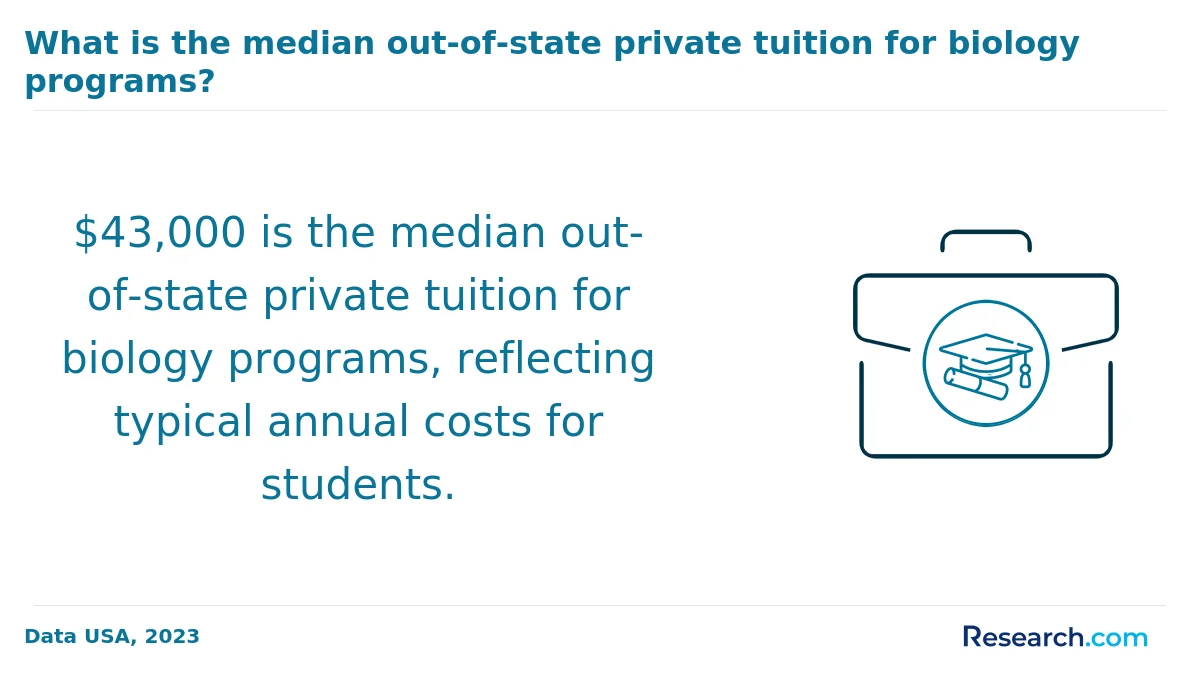
Completing practical lab work is crucial in an online biology master’s program. Top schools blend virtual tools with real-world experiences to build your skills and confidence.
- Virtual Lab Simulations
Gain proficiency with interactive platforms that replicate core experiments in genetics, microbiology, and ecology.
- Home Lab Kits
Receive mail-order kits containing essential materials for hands-on practice in molecular techniques and microscopy.
- Local Lab Partnerships
Collaborate with nearby universities or research centers to access advanced equipment and supervised bench time.
- Faculty-Led Research Projects
Contribute to ongoing studies under expert mentors, often resulting in publishable findings or conference presentations.
- Data Analysis and Bioinformatics Tools
Learn to process large datasets using industry-standard software, preparing you for careers in biotech and environmental science.
Many top biology programs, similar to the structure offered for a pharmacist degree, ensure accreditation and robust lab experiences that align with industry standards.
Online biology degrees in America often guide you through essential courses like cell biology, genetics, and ecology-courses that graduates from universities such as the University of Florida or Arizona State University recall as foundational to their understanding of life sciences. Imagine unraveling the mysteries of heredity or exploring the intricate relationships in ecosystems from your own home, all while balancing work or family life.
As you advance, you'll dive into molecular biology and biochemistry, subjects that bring to life the invisible chemical processes fueling organisms, much like graduates from popular colleges who found these lessons helped them connect theory with real-world applications. Physiology courses, covering both plant and animal systems, open doors to understanding how life functions on multiple levels.
Many students benefit from microbiology and immunology classes, reflecting the growing demand in healthcare and research fields. Electives like bioinformatics and biotechnology, often highlighted by students at renowned institutions, equip you with cutting-edge skills needed for today's job market. Virtual labs and local partnerships make hands-on experience possible, turning your online learning into tangible expertise.
When exploring an online biology degree in America, you'll find a variety of specializations designed to match your passions and professional goals. Graduates from top programs at universities like the University of Florida or Arizona State University often share how focusing on molecular biology opened doors to research careers and pharmaceutical roles, blending genetics and biochemistry in ways that made their studies exciting and deeply relevant.
Others gravitate toward ecology or environmental biology, inspired by the urgent need to protect ecosystems. Programs at schools such as Oregon State University allow students to engage with real-world conservation challenges, fueling a sense of purpose that resonates well beyond the classroom. These paths are great examples of the best biology concentration options in America.
For those drawn to aquatic life, hybrid marine biology degrees offer a rare chance to combine online learning with hands-on fieldwork, reflecting the diverse formats available. Meanwhile, biotechnology tracks, popular at institutions known for innovation, prepare students for the rapidly growing biotech industry. To explore these varied avenues further, check out biology online degrees that make these ambitions within reach.
When choosing the best online biology degree in America, start by verifying the program's accreditation to ensure your education holds value nationwide. Graduates from well-regarded schools like Arizona State University or University of Florida often praise how regional accreditation opened doors for transfers and job opportunities. Look for biology programs that cover essential topics such as genetics, ecology, and biochemistry while offering specializations that ignite your passion. Many students find that enrolling in schools known for strong research opportunities, similar to those at Oregon State University, enriches their practical learning and boosts confidence.
Cost plays a major role, especially for those seeking affordable online biology master's degrees America offers. Consider tuition plus books and fees to avoid surprises. Flexibility is key for busy professionals; asynchronous classes allow study on your own time, a feature many students appreciate at institutions like Penn State World Campus. Also, prioritize programs providing virtual labs or access to respected scientific journals to stay engaged and inspired.
Exploring options can feel overwhelming, but resources like easiest online biology degrees guide you to programs that balance quality and accessibility, helping you build a biology education that truly fits your ambitions.
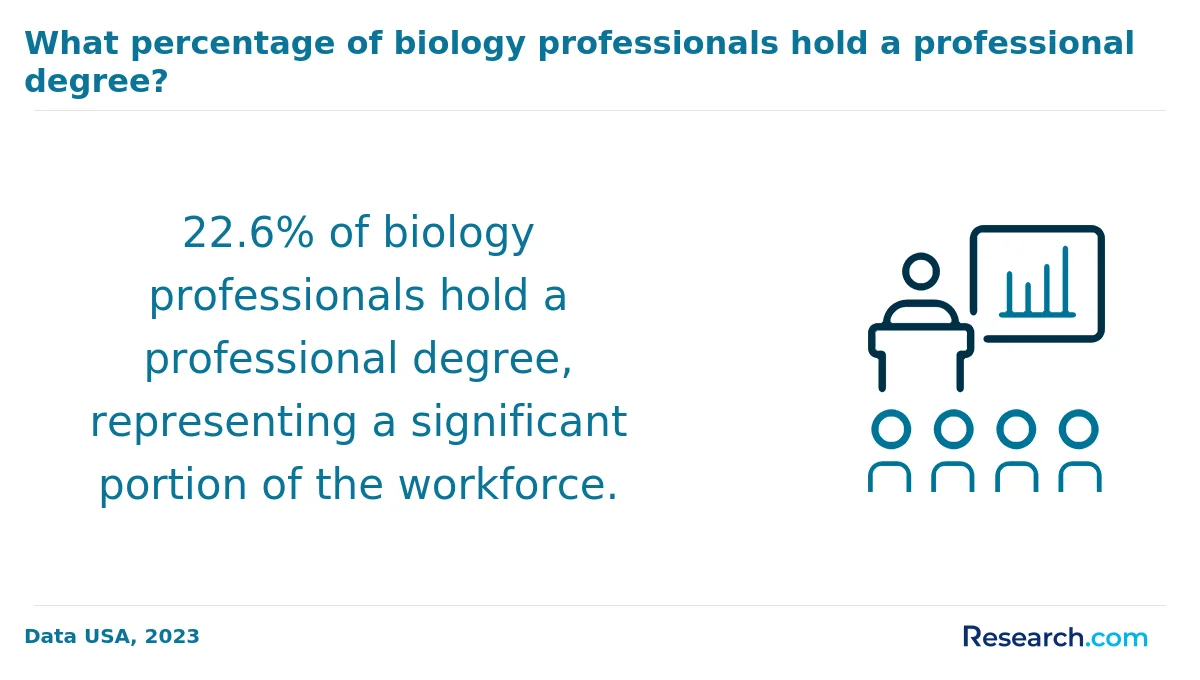
Graduates holding an online biology degree in America often discover diverse career paths that align with their passions and goals. Many find rewarding roles as clinical laboratory technologists or medical technologists, applying their skills in healthcare settings, where the opportunity to impact patient care every day is deeply fulfilling. Others channel their curiosity into research, working as biological technicians in labs across academic institutions or growing biotech hubs, such as those near top universities like the University of California or the University of Michigan. This real-world engagement helps deepen their expertise and builds confidence for future success.
Environmental sciences also beckon many biology graduates, leading them to work with government agencies or non-profits to protect natural resources-imagine crafting policies or fieldwork that directly benefits ecosystems. For those passionate about education, teaching high school biology or pursuing postsecondary instruction offers a chance to inspire the next generation, often reflecting on their own experience studying at respected programs. Many graduates utilize their strong foundation to enter pharmaceutical, biotechnology, or regulatory affairs roles, where science meets innovation and impact. If you are exploring biology bachelor degree online, these job opportunities with online biology degree in America offer both growth and purpose.
The online biology degree job market USA shows steady growth, with a variety of rewarding career opportunities. Graduates from popular programs like those at Arizona State University or Oregon State University often find roles in fields such as environmental science, biotechnology, and healthcare. Many employers increasingly accept online degrees, especially from regionally accredited schools, making the degree more valuable than ever.
Biology degree career opportunities America presents include positions as microbiologists, lab technicians, and research assistants. Graduates share how internships and real-world collaborations offered by their online programs helped boost their confidence and job readiness. Some found employment in metropolitan hubs like Boston or San Francisco, where biotech industries offer competitive salaries, sometimes exceeding $100,000 for experienced professionals.
For those interested, exploring specialized paths can be advantageous. For example, you can become an aquatic biologist, a promising area tied to both environmental and biological sciences. The key is gaining relevant skills through online courses complemented by hands-on experience to thrive in this evolving job market.
2027 Fastest Online Master's in Biology Degree Programs Ranking in the USA
Investing in your education is a significant decision that can profoundly impact your career, and the Research.com team recognizes the need for accurate and trustworthy information to guide you. In creating the "2027 Fastest Online Master's in Biology Degree Programs Ranking in the USA," we have taken great care to ensure quality, credibility, and precision through rigorous research and data analysis. We relied on multiple authoritative data sources to deliver a well-rounded and reliable ranking:
By exploring this ranking, readers will gain valuable insights into the fastest online master's in biology programs available nationwide, empowering them to make informed decisions aligned with their educational and professional goals. For a detailed explanation of our approach and criteria, please visit our Research.com methodology page.




# 9 position
University of Florida
Master of Microbiology and Cell Science: Medical Microbiology and Biochemistry


# 13 position
University of Maryland Global Campus
Master of Biotechnology: Bioinformatics


Frequently Asked Questions About biology
Students pursuing online biology degrees in America can enhance their learning by actively engaging with interactive course materials and virtual labs. According to the National Center for Education Statistics, about 35% of biology undergraduates incorporate online learning tools, which supports skill retention and application.
Joining online study groups and discussion forums helps replicate classroom collaboration, fostering critical thinking. Additionally, connecting with professors during virtual office hours improves understanding of complex topics like genetics or molecular biology.
Leveraging reputable American research databases such as PubMed and accessing resources from institutions like the American Society for Cell Biology enrich knowledge beyond coursework. Lastly, balancing studies with internships or local lab work, when possible, provides practical experience beneficial for future careers.
The field of biology is rapidly evolving, creating new opportunities for students pursuing online biology degrees in America. Emerging niches include computational biology, which combines biology with data science to analyze complex datasets. According to the National Science Foundation, computational biology job openings grew by over 20% between 2019 and 2023.
Another growing area is synthetic biology, focused on designing and constructing new biological parts. It has significant applications in healthcare and agriculture. Additionally, environmental genomics is gaining traction as it studies organisms' genetic material to monitor ecosystem health.
These niches align with advancements in technology and funding priorities within the U.S. research community, offering promising career paths for biology graduates.
Preparing for the job market after earning an online biology degree in America involves strategic steps beyond graduation. First, gaining relevant experience through internships or research projects is essential. According to the National Science Foundation, nearly 70% of biology-related jobs value hands-on research experience.
Networking is equally important. Joining professional organizations like the American Institute of Biological Sciences can connect you with employers and job opportunities.
Moreover, developing skills in data analysis and biotechnology tools enhances employability. The U.S. Bureau of Labor Statistics projects a 5% growth in biological science jobs through 2031, highlighting competitive, specialized skill sets.
Staying updated with certifications relevant to your biology field also improves prospects.
Employers in America highly value biology graduates who demonstrate strong analytical and research skills. According to the National Association of Colleges and Employers (NACE), 85% of employers seek candidates with the ability to analyze complex data effectively.
Communication skills are equally important. Biology professionals must explain scientific concepts clearly to both technical and non-technical audiences, a necessity emphasized by the American Institute of Biological Sciences.
Practical laboratory experience is often required, reflecting the hands-on nature of biology careers in healthcare, environmental science, and biotechnology sectors.
Additionally, proficiency with data analysis software and familiarity with current biotechnology techniques increase employability, as highlighted in a 2023 report by the Bureau of Labor Statistics.
Finding internships relevant to a biology degree in America involves several strategic steps. First, students should utilize their university's career services, which often maintain partnerships with local research institutions, hospitals, and biotech companies. According to the National Association of Colleges and Employers, over 60% of internships are secured through such networks.
Online biology students can also explore federal programs such as those offered by the National Institutes of Health (NIH), which provides paid internships in biomedical research. Additionally, platforms like USAJOBS list biology-related internships in government agencies.
Networking through professional organizations like the American Institute of Biological Sciences can increase visibility to internship opportunities in academia and industry.
Lastly, proactively contacting laboratories or companies within the biological sciences field and preparing a strong CV can improve chances of selection.
Online biology degrees in America have become valuable tools for career mobility and advancement. According to the U.S. Bureau of Labor Statistics, employment in biological sciences is projected to grow 5% between 2021 and 2031, faster than average for all occupations. Earning a biology degree online offers flexibility, allowing working professionals to upskill without pausing their careers.
Graduates with online biology degrees can access roles in research, healthcare, environmental science, and biotechnology. Many employers recognize reputable online programs, especially those accredited regionally, enhancing hiring prospects.
Furthermore, online degree holders often qualify for higher-level positions, management roles, and specialized fields, which can increase earning potential significantly.
Studying for a biology degree in America provides strong interdisciplinary preparation by integrating diverse scientific fields. Biology programs often include coursework in chemistry, physics, mathematics, and computer science, equipping students with broad technical skills. According to the National Center for Education Statistics, about 45% of biology bachelor's graduates move into fields like biotechnology, environmental science, and healthcare, all requiring multifaceted knowledge.
Online biology degrees emphasize critical thinking and research skills, often involving data analysis and bioinformatics. These programs prepare students to collaborate across fields such as genetics, ecology, and medical technology. Universities typically incorporate applied projects and internships that simulate real-world interdisciplinary challenges.
This diverse skill set increases graduates' employment flexibility and adaptability in evolving scientific careers, aligning well with demands in American biotech and healthcare industries.
When choosing between a thesis and a non-thesis online biology degree in America, consider your career goals first. A thesis program focuses on original research, preparing students for doctoral studies or research-intensive roles. According to the National Center for Education Statistics (NCES), approximately 30% of biology master's graduates in the U.S. pursue research careers requiring theses.
In contrast, non-thesis programs emphasize coursework and practical skills, ideal for those seeking industry jobs or teaching roles. They typically require fewer credits, allowing faster completion. The choice depends on whether you prefer research depth or applied knowledge in biology.
Students based in America seeking to study biology abroad through online degrees have several options. Many U.S. universities offer collaborative programs or partnerships with international institutions, allowing students to access global curricula without leaving their home country. According to the National Center for Education Statistics, over 40% of biology students participate in study abroad or exchange programs, some of which include online components. These opportunities enable learners to gain diverse perspectives on biological sciences and global research methodologies. Additionally, some accredited foreign universities provide fully online biology degrees accessible to U.S. residents, expanding choices beyond American institutions.
Part-time job opportunities that complement biology degree education in America are diverse and valuable for students. Common roles include laboratory assistants, where students support research and gain hands-on experience with scientific equipment. According to the U.S. Bureau of Labor Statistics (BLS), such positions often pay between $12 and $18 per hour.
Positions like pharmacy aides or medical scribes also provide relevant exposure to biological and medical terminology, improving practical knowledge.
Other options include working in environmental consulting firms, assisting with fieldwork or data collection, which aligns well with ecology and environmental biology studies.
These jobs not only enhance resumes but also offer networking opportunities in the biological sciences sector.
Online biology students in America have a variety of networking opportunities that enhance their academic and professional growth. Many universities offer virtual student organizations and biology clubs where students can connect with peers and faculty. According to the National Center for Education Statistics, about 70% of U.S. colleges provide online discussion forums and collaborative projects to encourage community-building among remote learners.
Professional biology associations, like the American Institute of Biological Sciences, offer virtual conferences and webinars designed for students. These platforms allow learners to engage with professionals and researchers nationwide. Additionally, LinkedIn groups and specialized online forums serve as informal networks where students share internships, job leads, and research opportunities.
Some universities partner with local research labs, giving online students access to internships and mentorships, crucial for career advancement in biology fields. Employing these resources increases chances of building meaningful professional connections despite the physical distance.
Alumni networks offer significant benefits for students pursuing online biology degrees in America. These networks connect current students with graduates who work in various biology fields, providing valuable mentorship and career guidance. According to the National Association of Colleges and Employers (NACE), 85% of jobs are filled via networking, highlighting the importance of these connections.
Through alumni networks, students gain access to exclusive job postings and internship opportunities not publicly advertised. They can also join professional biology organizations introduced by former students, which strengthens industry ties.
Furthermore, alumni often share insights about emerging research trends and funding opportunities, helping students stay updated with the fast-evolving biology sector in the US.
Customizing an online biology degree in America allows students to align their education with specific career goals. Many universities offer flexible curricula where you can choose electives or concentrations such as molecular biology, ecology, or biotechnology. This approach helps tailor your skills toward industries like healthcare, research, or environmental science.
Additionally, students can often engage in virtual labs and research projects that reflect their interests. According to the National Center for Education Statistics, about 70% of biology graduates find related jobs within six months, making targeted specializations valuable. Consulting academic advisors early ensures your course selection supports certifications or graduate studies relevant to your career path.
Online biology students in America often face challenges related to the practical nature of their discipline. Labs and hands-on experiences are critical in biology, yet many online programs struggle to provide comparable virtual or local alternatives. According to the National Center for Education Statistics, only about 30% of biology programs offer comprehensive remote lab options. This can limit skill development vital for future careers.
Another challenge is the need for strong self-motivation and time management. Biology curricula are demanding, and without in-person class structures, students may find it difficult to stay engaged. Connectivity issues and access to research resources also pose barriers, especially for students in rural areas.
An online biology degree in America can open doors to various professional certifications that enhance career prospects. Graduates often pursue certifications such as the Certified Biological Safety Professional (CBSP) offered by the American Biological Safety Association, which focuses on lab safety and risk management. Another common option is the Registered Clinical Laboratory Scientist (RCLS) certification, administered by the American Society for Clinical Pathology, valuable for those aiming toward clinical lab work.
Additionally, biology graduates interested in environmental fields may seek the Certified Ecologist (CE) credential through the Ecological Society of America. These certifications require a combination of education, work experience, and passing an exam. According to the U.S. Bureau of Labor Statistics, certified professionals often enjoy higher salaries and better job security in biology-related fields.
When applying to an online biology program in America, start by thoroughly researching accredited universities to ensure program quality and recognition. According to the U.S. Department of Education, accreditation is key for federal aid and degree credibility. Highlight relevant academic achievements, especially in science courses like biology, chemistry, and statistics, as these demonstrate preparedness. Many programs require a minimum GPA of 3.0, so emphasize your strongest grades.
Write a clear personal statement explaining your interest in biology, career goals, and why an online format suits your needs. Use specific examples to show passion and commitment.
Include strong letters of recommendation from professors or professionals who know your scientific skills well. Also, some programs may ask for GRE scores, so prepare accordingly and check if your target schools require it. Lastly, detail any research or lab experience, even if limited, to stand out in the application process.
A biology career offers broad opportunities informed by global challenges such as climate change, healthcare, and biotechnology. In the United States, biology professionals contribute significantly to fields like environmental science, medicine, and pharmaceuticals. According to the U.S. Bureau of Labor Statistics, employment for biological scientists is projected to grow 5% from 2021 to 2031, reflecting steady demand.
Worldwide, collaborative research is crucial, promoting an exchange of innovations and techniques. American-trained biologists often engage in international projects, emphasizing biodiversity conservation and disease prevention. This global perspective enhances career prospects and underscores the importance of advanced education, including online biology degrees that accommodate working professionals seeking to participate in this evolving field.
Gaining practical experience while studying for an online biology degree in America can be achieved through internships, research projects, and lab partnerships. Many universities collaborate with local research institutions, biotech companies, or hospitals to offer remote or hybrid internships. According to the National Science Foundation, approximately 15% of biology undergraduates participate in research activities during their studies, increasing their job prospects.
Additionally, virtual labs and simulation software allow students to practice experimental techniques safely at home. Students are encouraged to seek opportunities in citizen science programs or volunteer for environmental agencies to enhance fieldwork skills. Networking with faculty can also lead to valuable research assistant positions.
Choosing the right concentration within an online biology degree program in America involves assessing your career goals and interests. Popular concentrations include biotechnology, environmental biology, molecular biology, and marine biology. The Bureau of Labor Statistics reports that jobs in biological sciences are expected to grow by 8% from 2020 to 2030, emphasizing the importance of selecting a specialization aligned with emerging fields.
Consider how each concentration matches industry demand and potential salary; for example, biotechnology roles often offer higher pay and more opportunities in pharmaceuticals and research. Research programs' curriculum and faculty expertise to ensure quality education.
Accreditation and hands-on lab components in online formats are also critical for a thorough learning experience.
- Biology Major Jobs: Careers in the Biological Sciences | Houston Christian University https://hc.edu/articles/biology-major-jobs-careers-in-the-biological-sciences/
- Turn Your Passion for Science Into a Rewarding Career With a Biology Degree - UNCF https://uncf.org/the-latest/a-biology-degree-can-open-the-door-to-life-and-living
- Careers Guidance https://www.rsb.org.uk/career-guidance.html
- EVENTS https://thebiosa.org/events/
- Online Degree vs. Traditional: Choosing the Right Path https://beal.edu/online-degree-vs-traditional/
- How to Create a Biology Course Plan for Accelerated Degree Completion https://www.straighterline.com/blog/how-to-create-an-efficient-biology-course-plan-for-accelerated-degree-completion
- Online Biology Degrees | Bachelor's in Biology https://www.onlinecolleges.net/degrees/biology/
- Trainees and interns https://www.embl.org/careers/internships/
- How To Become A Biologist | Biology Degrees And Careers https://www.learnhowtobecome.org/science-technology-careers/biology/
- Best Online Biology Degrees https://www.affordablecollegesonline.org/biology-programs/