2027 Most Valuable Online Master's in Biology Degree Programs Ranking in Indiana

Co-Founder and Chief Data Scientist
Are you considering advancing your education with an online master's in biology? Choosing the right program can feel overwhelming, especially when aiming for value and quality. This article introduces the 2027 Most Valuable Online Master's in Biology Degree Programs Ranking in Indiana, created by the Research.com team of data scientists to help you make an informed decision.
By exploring this ranking, you'll discover programs that balance cost, reputation, and career impact, making your investment worthwhile. A biology degree offers exciting opportunities to grow personally and professionally, opening doors to meaningful careers.
Key benefits of getting online biology degree in Indiana
- Biology degree graduates in Indiana can expect a median annual salary around $60,000 to $80,000 in typical biology-related roles, reflecting solid earning potential in healthcare, research, and environmental fields.
- Graduates from Indiana University have diverse career options such as research scientist, environmental consultant, or healthcare professional, offering flexibility and rewarding opportunities.
- Online biology degrees from universities like Purdue offer convenience, lower costs, and the ability to balance work and study, making education accessible without sacrificing quality.
- 2027 Most Valuable Online Master's in Biology Degree Programs Ranking in Indiana
- What can I expect from online biology degree in Indiana?
- Where can I work with online biology degree in Indiana?
What can I expect from online biology degree in Indiana?
The average cost of pursuing an online biology degree in Indiana tends to align closely with in-state tuition rates at public universities, such as Purdue University Global or Indiana University. Graduates often reflect on the affordability compared to traditional on-campus programs, emphasizing savings on commuting and housing expenses. While tuition itself can vary, many find the overall investment manageable due to accessible financial aid, scholarships, and employer tuition reimbursement programs frequently offered in the state.
One graduate from Indiana University's online biology program mentioned appreciating the balance between cost and quality, noting that the virtual labs and interactive coursework justified the tuition spent. Another from Purdue University Global highlighted the convenience of studying from home without sacrificing access to comprehensive biology training, making the expense feel worthwhile.
Still, prospective students should critically evaluate the total cost, factoring in fees, technology requirements, and any additional supplies. Costs may differ based on program specifics, so researching individual institutions remains essential to fully understanding the financial commitment.
Where can I work with online biology degree in Indiana?
Graduates with an online biology degree in Indiana often find themselves working in healthcare settings like Indiana University Health or St. Vincent Health, where roles in clinical research and laboratory technology are common. One graduate shared how hands-on projects during their Purdue University studies prepared them to support medical research teams effectively, boosting their confidence entering the workforce.
Environmental science careers are another realistic path, with agencies such as the Indiana Department of Environmental Management offering opportunities to work on wildlife conservation and water quality projects. Alumni from Indiana University-Purdue University Indianapolis describe how fieldwork integrated into their curriculum helped them engage with local ecosystems, making their job search feel purposeful and connected to community impact.
While some biology graduates thrive in agriculture by joining research centers or extension services, the path requires sustained interest in crop science and innovations like genetic modification. Others pursue education roles in schools and museums, where passion for science communication fuels rewarding experiences teaching younger generations.
Biotechnology firms like Eli Lilly attract biology majors for roles in R&D and quality control, but competition can be high, requiring strong practical skills often honed through internships. Overall, Indiana's diverse economy provides multiple avenues, yet individual success hinges on leveraging university resources and practical experience.
Graduates with an online biology degree in Indiana can anticipate an average annual salary around $68,000, based on 2023 data from the U.S. Bureau of Labor Statistics. This figure aligns closely with the national median, showing that working in Indiana offers competitive compensation for biological scientists.
Many biology alumni from well-regarded Indiana institutions, such as Indiana University Bloomington or Purdue University, begin their careers in roles like laboratory technicians or research assistants, earning between $40,000 and $50,000. These entry-level salaries provide a solid foundation, especially when hands-on experience gained in local research facilities or biotech companies is considered.
As graduates gain experience, particularly those engaged in metropolitan centers like Indianapolis, salaries typically rise to between $60,000 and $80,000. For example, mid-career professionals working with environmental agencies or healthcare labs often report feeling motivated by both the community impact and financial rewards.
Graduates' earnings can increase further with advanced degrees, reflecting employers' strong preference for specialized expertise. The combination of Indiana's educational resources and thriving scientific sectors creates promising pathways for those passionate about biology.
- Online biology degrees in Indiana offer flexibility with accredited programs from public and private institutions, sometimes requiring limited in-person labs or practicums.
- The annual cost for in-state students at public universities ranges from $10,000 to $25,000, while private programs can exceed $35,000 per year.
- Graduate programs typically cost between $15,000 and $30,000 total, depending on university and credits taken.
- Starting salaries for biology graduates in Indiana usually range from $45,000 to $50,000 annually, with growth to around $70,000 or more in 5 to 10 years.
- Key employment sectors include biomedical research, environmental science, biotechnology, manufacturing, and pharmaceuticals.
Completing an online biology degree in Indiana typically depends on the level of study and personal circumstances. For many full-time students at well-known institutions like Indiana University or Purdue University Global, obtaining a bachelor's degree usually takes about four years, covering roughly 120 credit hours. Part-time students often take longer, sometimes five to six years, balancing coursework with jobs or family responsibilities.
Master's programs, popular at several Indiana colleges, generally require 30 to 36 credit hours beyond a bachelor's and can take between 1.5 to 3 years. Some graduates have shared that accelerated options or summer courses allowed them to finish sooner, a positive aspect of flexible online platforms.
Doctoral degrees in biology are less frequently offered fully online in Indiana but typically require 3 to 5 years after the master's. Research demands often call for some on-site work, which can influence completion time.
Ultimately, varied enrollment statuses, transfer credits, and internship demands shape each student's timeline, making the process both manageable and adaptable to different lifestyles.
Online and on-campus biology degrees in Indiana differ mainly in delivery and experience. Online students from institutions like Indiana University often appreciate the flexibility to balance work and family while completing lectures and assignments remotely. Yet, they sometimes miss hands-on lab work that on-campus students at Purdue participate in regularly, gaining practical skills through in-person experiments and fieldwork.
Graduates from both paths acknowledge that Indiana's regional accreditation ensures solid academics regardless of format. However, those on campus highlight valuable face-to-face mentorship and immediate access to advanced equipment, which can be critical for research-intensive studies. Meanwhile, online learners enjoy virtual discussion boards and occasional on-site sessions to foster connections but find these less spontaneous than everyday campus interactions.
Cost and scheduling also differ: online programs may reduce commuting expenses but require investment in technology and sometimes proctored exams. On-campus students face housing and transport costs but benefit from immersive social engagement, often describing a strong sense of community vital for networking in biology careers within Indiana.
The average cost of an online biology degree in Indiana tends to hover around $11,264 for in-state students, though this figure can fluctuate based on the institution and program level. Graduates from well-known public universities in Indiana report that tuition per credit hour averages between $300 and $400, making these schools more financially accessible. For instance, a student completing an affordable online biology master's program in Indiana might find the overall tuition ranging closer to the median figure, which makes pursuing this degree both practical and rewarding.
Private colleges present a contrasting cost scenario, often charging between $500 and $900 per credit hour. This translates to a total tuition that might approach $35,000 or higher. Yet, many students appreciate the additional resources and potential scholarships available at private institutions, making their higher price point less of a barrier. Graduates from these programs often share positive stories about the support they received, reinforcing the value of their investment.
Beyond tuition, students should also consider supplementary expenses like lab kits, textbooks, and technology fees, which can add $500 to $1,500 throughout the program. Understanding these factors helps avoid surprises and enables informed budget planning. Overall, Indiana's online biology offerings provide multiple paths depending on financial and academic goals. Exploring specific programs, including those at popular universities and colleges, emphasizes careful research over assumption.
For those curious about potential career avenues following a biology degree, examining careers with biology major can provide valuable clarity and motivation for their educational investment.
Students pursuing an online biology degree in Indiana often rely on a mix of financial aid sources to make education affordable. Federal options like Pell Grants provide meaningful support-for example, a biology student at Indiana University shared how a Pell Grant covering up to $7,395 eased their tuition burden, allowing focus on studies without overwhelming debt. Meanwhile, Indiana's 21st Century Scholars Program offers full-tuition scholarships that have transformed educational opportunities for many high school graduates entering schools like Purdue University Global.
State grants such as the Frank O'Bannon Grant also play a crucial role. Graduates from Ball State University recall this grant making a significant difference by supplementing their federal aid, particularly when combined with institution-specific scholarships targeting STEM majors. These localized scholarships, designed to attract biology students, can substantially lower out-of-pocket costs.
Some students have positively experienced flexible payment plans and employer tuition assistance, which help balance work and study commitments. Veteran students attending online programs appreciate discounts that recognize their service, further reflecting the diverse financial pathways available in Indiana.
Enrolling in an online biology degree program in Indiana typically means meeting clear academic prerequisites that reflect more than just paperwork. Graduates from well-known state universities often recall needing solid foundations in high school biology and chemistry, with grades that show genuine understanding, not just rote memorization. For example, those at Indiana University highlight how completing algebra or even precalculus helped them grasp complex biological models easier during their studies.
Transcripts are carefully reviewed to ensure students aren't stepping into advanced topics unprepared. Some schools still ask for SAT or ACT scores, though many have shifted to a test-optional approach, recognizing that standardized tests don't always capture a student's potential.
Postsecondary experience also matters; applicants with prior college coursework in natural sciences usually find smoother entry. Master's program hopefuls at Purdue often needed a biology-related bachelor's degree or, alternatively, coursework proving strong biology fundamentals, demonstrating that flexibility exists but solid groundwork remains essential.
The positive outcome shared by many who met these prerequisites is not just academic success but growing confidence in tackling rigorous subjects online-especially when balancing busy personal lives.
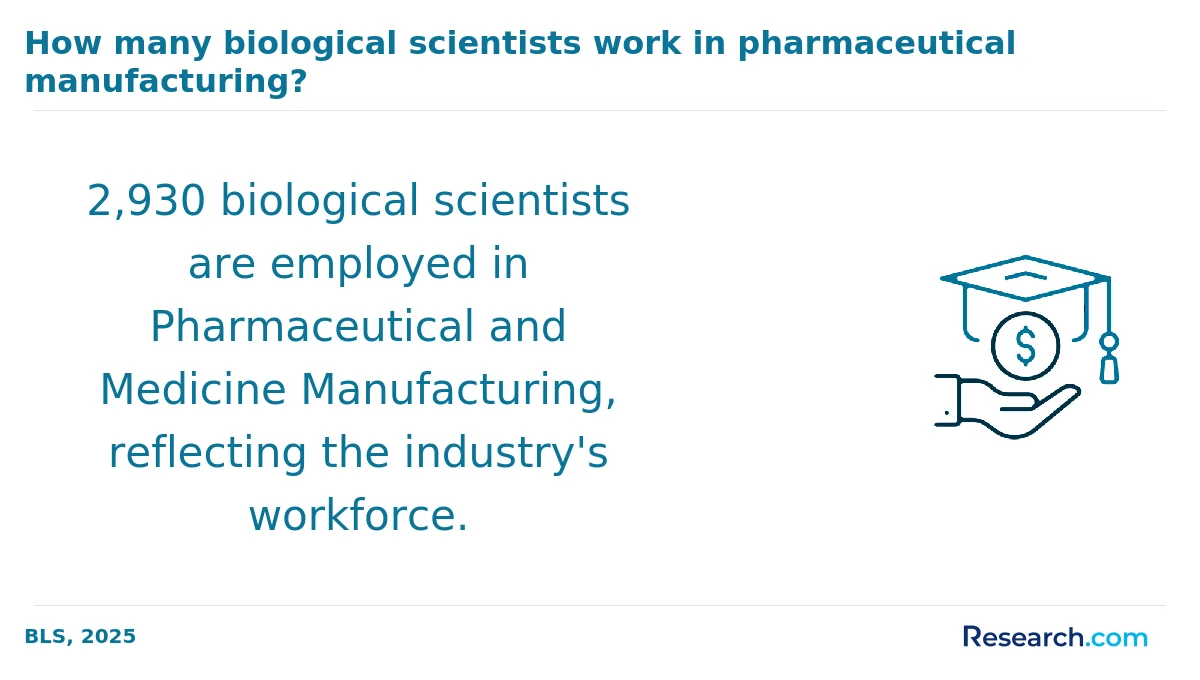
Online biology degree programs in Indiana typically include a mix of essential and specialized courses that offer both breadth and depth. Graduates from institutions like Purdue University and Indiana University often recall starting with foundational classes such as cell biology, genetics, and evolution, which shape a clear understanding of life's basic processes. These courses provide a solid base before moving into more focused subjects like microbiology and biochemistry, crucial for grasping life at molecular and cellular levels.
Many students appreciate how programs integrate ecology and environmental biology, reflecting Indiana's rich natural environments. This connection allows learners to relate concepts like ecosystem dynamics and conservation directly to local habitats, making their education feel tangible and relevant.
Hands-on experience remains vital, even online. Graduates mention virtual labs and at-home kits that help develop practical skills, with some programs partnering with local labs to offer in-person experiences. Electives in areas such as bioinformatics, molecular biology, and wildlife biology enable students to tailor their studies according to evolving career goals and interests.
Online biology degree specializations in Indiana typically include Environmental Biology, Molecular and Cellular Biology, Microbiology, Human Anatomy and Physiology, and Biotechnology. Graduates from popular institutions such as Indiana University-Purdue University Indianapolis often highlight how Environmental Biology prepares them to engage with local conservation efforts, connecting classroom theory to Indiana's unique ecosystems. Others pursuing Molecular and Cellular Biology appreciate the rigorous focus on genetics and pharmaceutical research, which aligns well with Indiana's expanding biotech sector.
Students in Microbiology programs frequently mention the practical relevance of studying microbes in relation to public health challenges faced in urban and agricultural communities across the state. Human Anatomy and Physiology concentrations appeal strongly to those aiming for healthcare careers, with many graduates reflecting positively on how their online courses balanced deep theoretical knowledge with case studies simulating real patient scenarios.
For those assessing the best online biology master's tracks Indiana offers, the inclusion of internships and research opportunities helps make online study feel immersive rather than detached. Such program features, combined with flexibility, resonate with students striving to integrate hands-on skill development with busy personal schedules. Resources like online bachelor biology guides can further aid in navigating these options.
Choosing the best online biology degree in Indiana requires careful evaluation of multiple aspects beyond just tuition or convenience. Accreditation, such as from the Higher Learning Commission, is often the first checkpoint for many graduates. For example, students who completed biology programs at popular institutions like Indiana University or Purdue University emphasize how accreditation provided reassurance about the program's credibility and helped secure internships despite the online format.
Curriculum flexibility is equally important. Graduates frequently mention the value of programs that offer specializations, such as molecular biology or ecology, and incorporate real-world research opportunities even remotely. Considering the job market, especially for those seeking an affordable online biology master's Indiana, balancing cost with educational quality and practical experience is essential. Tuition fees between $10,000 and $12,000 are typical, but comparing fee structures thoughtfully is wise.
Technology and student support also shape the experience. Graduates laud schools that provide strong online platforms facilitating easy access to labs and faculty engagement, which helps maintain motivation and connection in virtual learning. When exploring options, be sure to review programs against employment data and salary outcomes. For insight into alternatives, exploring easiest online biology programs can provide perspective on balancing demands and success.
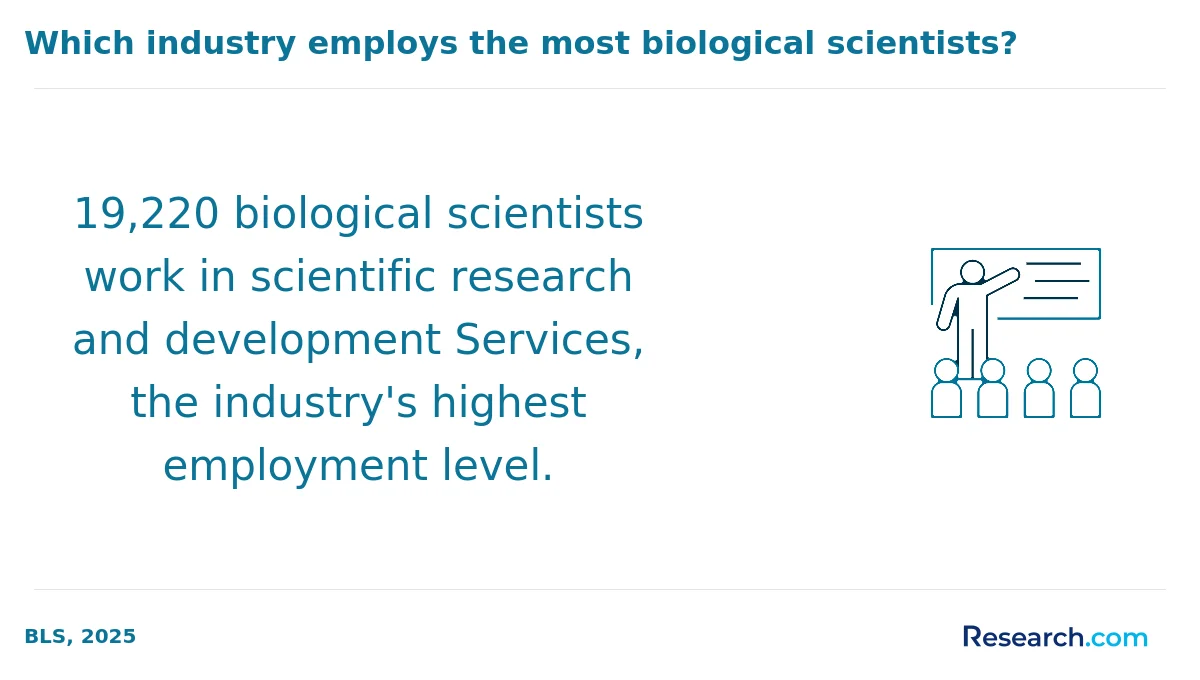
Graduates who complete an online biology degree in Indiana often find diverse career paths reflecting the state's unique economic and ecological landscape. Many who studied at popular institutions such as Indiana University or Purdue University share positive experiences about entering healthcare roles-becoming clinical research associates or biomedical technologists at local hospitals and research centers. These roles align with Indiana's strong medical infrastructure and ongoing demand in public health and biomedical research, offering not only employment but meaningful contributions to community wellbeing. This example illustrates one of the practical applications of the online biology degree careers Indiana provides.
Others emphasize rewarding work in environmental science, capitalizing on Indiana's rich ecosystems. Graduates frequently engage with state conservation projects or environmental consulting, where they monitor wildlife or assess ecological impacts, reflecting how robust biology knowledge translates into real-world environmental stewardship. Some also pursue education roles-teaching biology in public schools or developing curriculum-filling critical gaps acknowledged by the Indiana Department of Education. These outcomes highlight the multiple avenues available and the sustained need for qualified professionals.
There is also growing interest among graduates in Indiana's burgeoning biotechnology and pharmaceutical sectors. Those skilled in molecular biology or genetics often secure positions in product development or research labs. However, it is important to consider that competition for these roles can be intense, requiring ongoing education or specialization to stand out.
For prospective students weighing options, exploring a biology degree online bachelor program in Indiana can open doors to these varied opportunities while accommodating diverse learning needs and lifestyles.
The job market for graduates with an online biology degree in Indiana offers a variety of roles in sectors like healthcare, environmental science, and biotechnology, with employers ranging from local life sciences companies to government agencies. Graduates from Indiana universities often find themselves well-prepared for positions such as biological technicians, clinical laboratory scientists, or environmental specialists thanks to strong industry connections provided by their programs. Those enrolled in popular Indiana colleges frequently highlight the value of internships and networking in biotech hubs like Indianapolis and Bloomington, which boost their career prospects in this competitive field.
While the outlook is generally stable, with growth rates of 5% to 7% predicted for key job categories, students should realistically weigh their career ambitions and consider earning a master's degree to improve opportunities. For example, biology graduates who pursue advanced studies notice improved salary potential and job security, a critical perspective echoed among those exploring Indiana biology master's job outlook. Additionally, students can enhance their understanding by consulting resources like education requirements to be an aquatic biologist, which detail specific skills valued in the field.
2027 Most Valuable Online Master's in Biology Degree Programs Ranking in Indiana
Investing in your education is a significant decision that can shape your future, and the Research.com team understands the importance of making informed choices. To assist prospective students in Indiana, we have meticulously crafted the "2027 Most Valuable Online Master's in Biology Degree Programs Ranking." Our commitment to quality, credibility, and accuracy is reflected in the extensive research and analysis conducted to compile this ranking.
We utilized the following reputable data sources to ensure a comprehensive evaluation of biology master's programs:
By exploring this ranking, readers will gain valuable insights into Indiana's most valuable online biology master's degree programs, helping them make informed decisions about their educational investment. For more details on our methodology, please visit our Research.com methodology page.


Frequently Asked Questions About biology
Online biology degree students in Indiana can maximize their learning experience by actively engaging with virtual labs and simulation tools. Many Indiana universities incorporate these digital resources to replicate hands-on experiments, crucial for mastering biological concepts.
Additionally, joining online study groups or forums helps students connect with peers and instructors, fostering collaboration and deeper understanding. Indiana's proximity to research institutions, such as the Indiana Biosciences Research Institute, offers networking opportunities that students should leverage.
Students benefit from accessing resources like the Indiana State Library's digital collections, which provide scientific journals and research databases relevant to biology. Regular communication with academic advisors ensures coursework aligns with career goals.
Emerging niches in biology reflect the evolving scientific landscape, with several areas showing growth and innovation. In Indiana, bioinformatics is gaining importance as researchers analyze large biological data sets, supporting medical and agricultural advances. Environmental biology also stands out due to the state's commitment to conservation and sustainable farming practices.
Another growing field is synthetic biology, where scientists design and build new biological parts and systems. This niche has potential in healthcare and bio-manufacturing. Additionally, neurobiology continues to expand, aided by Indiana's research institutions focusing on brain health and disorders.
These specializations align with national trends, offering Indiana students promising career paths in biology.
Preparing for the job market after completing an online biology degree in Indiana involves strategic planning and skill development. Graduates should gain hands-on experience through internships or research projects, which are often offered by local universities and research centers. According to the Indiana Department of Workforce Development, employment in biological sciences in Indiana is projected to grow by 5% from 2022 to 2032, highlighting the importance of practical experience.
Networking is also crucial. Joining professional organizations such as the Indiana Academy of Science can provide valuable connections and job leads. Additionally, developing skills in data analysis and biotechnology tools can increase employability in Indiana's growing healthcare and agricultural sectors.
Finally, obtaining certifications relevant to biology or laboratory techniques can give candidates an edge in Indiana's competitive job market.
Employers hiring biology degree graduates in Indiana prioritize a blend of technical expertise and soft skills. Proficiency in laboratory techniques, data analysis, and familiarity with bioinformatics tools remain fundamental. According to the Indiana Department of Workforce Development, demand is strong for candidates skilled in molecular biology and environmental science, reflecting local industry needs.
Communication and critical thinking are also highly valued, as biologists often work in multidisciplinary teams. Problem-solving abilities and adaptability help graduates contribute effectively to research and applied science roles. Additionally, experience with statistical software and scientific writing increases job prospects in Indiana's healthcare and agricultural sectors.
Finding internships in Indiana relevant to a biology degree starts with exploring opportunities at local universities, research institutions, and healthcare facilities. Indiana hosts notable biology research hubs such as Indiana University and Purdue University, which offer connections to internships in environmental science, healthcare, and biotechnology. Students should also consult the Indiana Internnet database, a state-supported portal listing internship positions, including those in biology-related fields.
Additionally, many biology internships in Indiana are available through state agencies like the Indiana Department of Natural Resources and nonprofit organizations focusing on conservation and ecology. Networking through local biology societies and career fairs can improve chances of placement.
Online biology students should use their institution's career services, which often provide internship listings specifically tailored for remote or hybrid opportunities in Indiana.
Obtaining an online biology degree in Indiana can significantly enhance career mobility and advancement for professionals in the life sciences sector. The state's growing biotech and healthcare industries offer diverse job opportunities for graduates with specialized biological knowledge. According to the Indiana Department of Workforce Development, employment in biological and biomedical sciences is projected to increase by 7% through 2030, faster than the average growth rate across all occupations.
Online biology degrees provide flexible access to quality education, allowing students to gain relevant skills without relocating. This flexibility supports working professionals seeking promotions or career changes. Moreover, degrees from accredited Indiana institutions often meet the educational requirements for roles in research, environmental science, and biotechnology firms across the state.
Networking and internship opportunities via online programs can also facilitate connections with Indiana employers, helping graduates transition smoothly into advanced roles. Overall, an online biology degree aligns well with Indiana's expanding science-related job market, enabling graduates to pursue diverse career paths more effectively.
Studying for a biology degree in Indiana offers strong preparation for interdisciplinary roles by integrating knowledge from various scientific fields. Indiana universities often emphasize collaborations between biology, chemistry, environmental science, and data analysis. This approach equips students with versatile skills needed in healthcare, biotechnology, and environmental management sectors.
Indiana's focus on applied research and internships allows students to work on real-world projects involving multiple disciplines. According to the Indiana Commission for Higher Education, about 60% of biology graduates engage in cross-disciplinary work within five years of graduation. This reflects the degree's adaptability and relevance in today's job market.
Additionally, many Indiana institutions foster partnerships with local industries, enhancing students' exposure to interdisciplinary careers in areas such as pharmaceutical development and agricultural science.
Choosing between a thesis and a non-thesis biology degree program in Indiana depends largely on your career goals and learning preferences. A thesis program requires conducting original research and writing a detailed report, making it ideal for students aiming for doctoral studies or research positions. According to the Indiana Commission for Higher Education, about 40% of biology graduate students in Indiana pursue thesis options to deepen their expertise.
Non-thesis programs focus on coursework and practical skills, appealing to professionals seeking immediate entry into industry or education roles without the extended research commitment. The choice also affects program length-thesis degrees may take longer due to research demands.
Consider faculty expertise at Indiana's universities and available research facilities when deciding, as these influence the quality of thesis supervision and resources. Evaluating your long-term job market objectives can ensure alignment with either path.
Students based in Indiana interested in studying biology abroad have several options, primarily through partnerships between Indiana universities and international institutions. Although fully online biology degrees with an abroad focus are limited, many programs offer study-abroad components or international research collaborations.
Indiana University and Purdue University, for example, support biology students in participating in global research projects or exchange programs in Europe, Asia, and Latin America. According to the National Center for Education Statistics, nearly 12% of Indiana undergraduates engage in some form of study-abroad, enhancing their global perspective in fields like biology.
Additionally, students can consider accredited online biology degrees from institutions with established global networks, allowing for virtual internships or research abroad experiences. This hybrid model helps Indiana students gain international exposure without relocating permanently.
Students pursuing online biology degrees in Indiana can find several part-time job opportunities that enhance their education and practical skills. Positions such as laboratory assistants at local universities or research institutions allow students to apply theoretical knowledge in real-world settings. The Indiana Department of Natural Resources often hires part-time field technicians to assist with environmental monitoring and wildlife surveys, providing valuable hands-on experience.
Additionally, internships or assistant roles in healthcare facilities and biotech companies located in Indianapolis or Bloomington offer exposure to applied biology. According to the Indiana Economic Development Corporation, these roles frequently lead to networking and future career pathways relevant to biology graduates.
Online biology students in Indiana have several networking opportunities to enhance their academic and professional growth. Many Indiana universities offering online biology degrees integrate virtual events, webinars, and discussion forums that connect students with faculty and peers.
Additionally, organizations like the Indiana Academy of Science provide student memberships that facilitate access to conferences and workshops tailored to biology students. These events allow students to engage with local researchers and professionals in the biological sciences.
Moreover, Indiana's robust life sciences sector, including over 200 biotechnology companies statewide according to BioCrossroads, offers potential internship and job networking opportunities through university career services and alumni networks.
Alumni networks provide significant benefits to online biology degree students in Indiana by fostering professional connections and support. Graduates can access a pool of experienced professionals working in Indiana's robust life sciences industry, which contributes over $2 billion annually to the state economy according to BioCrossroads. This network often enables mentorship, internships, and job opportunities tailored to local employers.
Indiana-based alumni groups also share research advancements and local industry trends, valuable for students seeking to stay updated. Engaging with alumni helps online students overcome geographical barriers, offering a community and career resources similar to on-campus programs.
Students pursuing an online biology degree in Indiana can tailor their education to match specific career goals by selecting electives and specialized courses within their programs. Many Indiana universities offer options such as molecular biology, environmental science, or biotechnology, allowing students to focus on areas aligned with their interests.
Advisors often help design course plans that incorporate internships, research projects, or lab work, even in an online setting, to gain practical experience. The Indiana Commission for Higher Education highlights that flexibility in curriculum helps meet local workforce needs in sectors like healthcare and agriculture, which are significant employers in the state.
Choosing coursework based on local industry trends and potential certifications can enhance employability upon graduation.
Online biology students in Indiana often face challenges related to the hands-on nature of the subject. Biology programs typically require lab work, which can be difficult to replicate through online platforms. Many schools address this by offering hybrid models or requiring occasional campus visits. Additionally, students may struggle with finding local resources for research or internships, which are vital for real-world experience.
Another challenge is the digital divide; some students may lack reliable high-speed internet or updated technology, impacting their ability to access virtual labs and course materials smoothly. Time management is also critical, as balancing coursework with work or family commitments can be demanding for many.
Finally, ensuring accreditation and program quality remains a concern. According to the Indiana Commission for Higher Education, students should verify that programs meet appropriate standards to maintain credibility and future career prospects.
With an online biology degree in Indiana, graduates can pursue several professional certifications that enhance their career opportunities. One notable credential is the Certified Biological Safety Professional (CBSP), valuable for those working in labs or research settings. Additionally, certification as a Laboratory Animal Technician (LAT) is recognized in biomedical research fields, which are active in Indiana's life sciences sector.
For those interested in environmental biology, the National Registry of Environmental Professionals offers certification that may open doors in state agencies. Indiana's Department of Environmental Management often prefers candidates with such credentials. Obtaining teaching licensure through Indiana's Department of Education is also an option for biology graduates aiming to teach at the secondary level.
To write a winning application for an online biology program in Indiana, start by carefully reviewing the program's specific admission requirements. Most programs require a bachelor's degree with coursework in biology and related sciences. Highlight your academic background, emphasizing biology-related classes, research experience, and any relevant certifications.
Strong letters of recommendation from professors or employers who know your scientific abilities can improve your chances. Indiana's online biology programs often value practical experience, so showcasing internships or lab work is beneficial.
Write a clear, concise personal statement that explains your motivation to study biology and your career goals in the field.
According to data from the Indiana Commission for Higher Education, Indiana universities enrolling online students prioritize applicants who demonstrate both academic readiness and a genuine interest in biological sciences.
The global outlook on a biology career emphasizes diverse opportunities in research, healthcare, conservation, and biotechnology. For students in Indiana pursuing online biology degrees, understanding this broad demand is vital. The U.S. Bureau of Labor Statistics projects a 5% growth in biological science occupations nationwide from 2022 to 2032, reflecting steady global demand for biologists.
Indiana's strong biotechnology sector, with companies like Cook Medical and Eli Lilly, highlights local industry relevance to global biological science trends. Graduates can engage in fields ranging from genetic research to environmental biology, both domestically and internationally.
Studying biology online in Indiana equips students with skills that align with international research standards, increasing global career mobility.
Gaining practical experience while pursuing an online biology degree in Indiana is essential for career readiness. Many Indiana universities with online biology programs offer lab kits mailed to students, allowing hands-on experiments at home. Additionally, local internships and research assistantships at Indiana universities, hospitals, and environmental organizations provide real-world experience. The Indiana University Kelley School of Business reports strong partnerships with state research centers, which often welcome online students for fieldwork or lab work.
Volunteering with Indiana-based environmental agencies or health departments is another way to build practical skills. These opportunities enable students to apply biological concepts in professional settings, strengthening resumes.
Choosing the right concentration within an online biology degree program in Indiana depends on your career goals and interests. Indiana's economy includes strong sectors in healthcare, agriculture, and environmental science, which can guide your focus. For example, concentrations in molecular biology or biotechnology align well with Indiana's growing pharmaceutical industry, centered around companies like Eli Lilly.
Consider the job market: the Indiana Department of Workforce Development notes a steady demand for biologists in research and environmental management. Concentrations in ecology or environmental biology may be ideal if you want to work in conservation or natural resource management.
Evaluate the curriculum and faculty expertise of each program, ensuring it offers courses relevant to your preferred field. Many Indiana universities offer specialized tracks online, allowing flexibility while targeting your desired sector.
- 2027 Most Valuable Online Master's in Biology Degree Programs Ranking in Pennsylvania
- 2027 Most Valuable Online Master's in Biology Degree Programs Ranking in Maryland
- 2027 Most Valuable Online Master's in Biology Degree Programs Ranking in Massachusetts
- 2027 Most Valuable Online Master's in Biology Degree Programs Ranking in Texas
- Study Biology Abroad | Go Overseas https://www.gooverseas.com/study-abroad/biology
- Future of Biology: Emerging Technologies & Breakthroughs https://www.fbae.org/the-future-of-biology-emerging-discoveries-technologies-and-scientific-breakthroughs/
- 2026 Top Online Schools for Biology https://www.collegeaffordabilityguide.org/subjects/biology/online/
- 2026's Best Online Biology Degree Programs https://www.findbestdegrees.com/online-biology-degree/
- Thesis vs. Non-Thesis Master's Programs: Which is Right for You? https://potomac.edu/thesis-vs-non-thesis-masters/
- PROBLEMS AND CHALLENGES IN 21ST CENTURY ... https://journal.lppmunindra.ac.id/index.php/RDJE/article/download/26534/7915
- 50 Most Supportive Alumni Networks – Features Rankings https://www.collegeconsensus.com/rankings/best-college-alumni-networks/
- Remote Teaching Science Biology Jobs Indiana https://www.virtualvocations.com/q-remote-teaching-science-biology-jobs-indiana.html
- What Can You Do With a Biology Degree? https://willamette.edu/academics/college/biology/career-options
- What Can You Do With a Biology Degree? 15+ Careers (2026) | Extern https://www.extern.com/post/what-can-you-do-with-a-biology-degree-career-guide