2027 Most Affordable Online Biology Degree Programs Ranking in Texas

Co-Founder and Chief Data Scientist
Looking to start or advance your education in biology without leaving Texas? This article offers a carefully crafted 2027 Most Affordable Online Biology Degree Programs Ranking in Texas created by the Research.com team of data scientists. It's designed to help you navigate your options with confidence and find programs that fit your budget and goals.
Choosing the right biology degree can open doors to exciting career opportunities and personal growth. Reading this ranking will equip you with valuable insights to make an informed decision and take the next step toward a rewarding future.
Key benefits of getting online biology degree in Texas
- Biology degree graduates in Texas can expect varied career options, with general biology-related careers in the US offering mean annual salaries typically around $60,000 to $80,000, depending on the role and experience.
- A graduate from the University of Texas might pursue careers in research, environmental science, healthcare, or biotechnology, showcasing the degree's versatility and strong job prospects.
- Obtaining a biology degree online from a university like Texas A&M allows for flexible scheduling and lower costs, making it easier to balance work and study while accessing quality education from home.
- 2027 Most Affordable Online Biology Degree Programs Ranking in Texas
- What can I expect from online biology degree in Texas?
- Where can I work with online biology degree in Texas?
What can I expect from online biology degree in Texas?
The average cost of an online biology degree in Texas typically ranges from $6,000 to $12,000 per year for in-state students. For example, students enrolled at Texas A&M University-Commerce and Lamar University, two well-regarded institutions offering accredited programs, often report that this price point makes earning a Bachelor of Science in biology both accessible and manageable alongside work or family commitments.
Graduates frequently express satisfaction with balancing affordability and quality education. They highlight how virtual labs and interactive simulations provided through these programs replicate hands-on learning, enhancing their grasp of complex topics like genetics and cellular biology without needing to travel to campus.
This pricing structure combined with Texas' expected 7% growth in biological sciences employment through 2030 encourages many to invest in online biology degrees. Affordable tuition paired with rising job prospects in biotechnology and environmental sectors creates a hopeful and motivating environment for students pursuing science careers remotely in Texas.
Where can I work with online biology degree in Texas?
Graduates with an online biology degree in Texas frequently secure roles in healthcare settings, such as clinical laboratory technicians or research assistants, where their analytical and critical thinking skills are vital. The Texas Workforce Commission reports healthcare is among the fastest-growing sectors statewide, reflecting strong ongoing demand. For example, graduates from the University of Texas Rio Grande Valley express confidence entering medical support roles, appreciating the degree's preparation for practical lab work.
Environmental agencies in Texas also employ biology degree holders to conduct resource monitoring and conservation projects. At Texas A&M University, students often highlight internships with local wildlife agencies, blending fieldwork and data analysis, which suits the state's diverse ecosystems from deserts to coastlines.
Biotech and pharmaceutical companies in Houston, Dallas, and Austin hire graduates for R&D and quality control. Graduates from Texas Tech University have praised the networking opportunities that led to positions at these expanding companies centered around research hubs.
Education and outreach careers, including roles in museums and technical schools, offer rewarding paths, particularly for graduates seeking to inspire public understanding of biology. State-level organizations like Texas Parks and Wildlife employ graduates in research and policy roles, where expertise in Texas-specific environmental laws is key.
Graduates holding an online biology degree in Texas can anticipate annual earnings typically ranging from $45,000 to $85,000, reflecting diverse career paths and experience levels. For instance, biological technicians-often employed by research institutions and healthcare facilities around Austin or Houston-earn a median salary near $47,000. These entry-level positions provide valuable hands-on experience that many University of Texas biology graduates describe as career-launching.
More specialized professionals like conservation scientists, commonly working in Texas' vast environmental sectors, see average wages closer to $72,000. Meanwhile, biochemists and biophysicists, whose roles frequently require advanced study from institutions such as Texas A&M University, command median salaries near $95,000. Networking with alumni reveals that those who leverage internships or research opportunities during their online studies tend to access these higher-paying roles more readily.
Supplementing an online biology degree with certifications or graduate education often moves graduates into medical scientist or genetic counselor roles. In Texas' competitive job market, especially around medical hubs, these jobs may offer salaries exceeding $100,000, rewarding those who pursue continued learning and specialization.
- Annual tuition for in-state students pursuing an online biology degree in Texas ranges from about $7,000 to $15,000.
- Biology graduates in Texas typically start with salaries between $40,000 and $50,000 per year, with mid-career earnings from $60,000 to $75,000 or higher.
- Strong job markets in biomedical research, pharmaceuticals, environmental conservation, and agriculture offer many opportunities in Houston, Dallas, and Austin.
- Many programs include internships or practicums to help students gain practical experience alongside virtual labs or on-campus visits.
- Regional accreditation is crucial for program quality, and financial aid such as scholarships and grants is often available for Texas residents.
Completing an online biology degree in Texas generally takes between two to four years, with most full-time students finishing in about four years. For example, a graduate from a well-known Texas university often begins with no prior college credits and follows a semester system, enrolling in 12 to 15 credit hours per term to meet the roughly 120-130 credit hours required. This path aligns with statewide norms and national standards, allowing students to efficiently progress through their coursework.
Students transferring credits from Texas community colleges frequently finish faster, in two to three years, benefiting from prior coursework in biology-related associate degrees. This approach not only reduces time but also cuts costs since community colleges typically charge less per credit hour.
Part-time students juggling jobs or family may take 6 to 9 credit hours per semester, extending their degree to five years or more, as shared by graduates managing full lives alongside studies. Some find summer courses helpful to accelerate their timeline, though such options vary by institution.
Online and on-campus biology degrees in Texas differ mainly in delivery, cost, and student experience. For example, students at the University of Texas at Austin often praise the on-campus program's direct access to state-of-the-art labs and face-to-face mentoring, which enrich hands-on learning. In contrast, Texas A&M's online biology students value the flexibility to balance coursework with work or family, using virtual labs and live-streamed lectures to keep pace without commuting.
Tuition for public biology degrees in Texas typically ranges from $9,000 to $12,000 annually for in-state students, whether online or on-campus. However, online learners at institutions like the University of Houston often save additional costs by avoiding transportation and housing fees.
Graduates from on-campus programs highlight easier networking with faculty and peers, which can boost job prospects in research-heavy roles. Meanwhile, online graduates emphasize gaining practical skills through arranged lab sessions or simulations, feeling confident navigating biology careers despite fewer in-person interactions.
The average cost of an online biology degree in Texas varies depending on residency and institution type. For in-state students at public universities, the median total cost is approximately $8,844, which makes affordable online biology programs Texas tuition options quite competitive. Graduates from schools such as Texas A&M and the University of Texas Rio Grande Valley often share that paying closer to this median cost allows them to pursue their studies without excessive financial burden, enabling them to focus more on their academic and career goals.
Out-of-state students face higher average costs, roughly $22,254 total, reflecting the difference between in-state and non-resident tuition fees. This pricing gap is typical, but many students find financial aid or scholarships helpful to offset these expenses, making a biology degree accessible despite the higher sticker price. The total cost aligns with the typical 120 credit hours required for completion and averages tuition per credit hour that fits well within the anticipated budget for most online learners.
Additional expenses such as textbooks, lab materials, and technology fees should be considered. Many Texas-based biology students appreciate programs that combine online coursework with local lab partnerships, which provide hands-on experience but may add separate costs. Those weighing their options may find it helpful to explore the best paying jobs in biology to understand potential returns on investment from their degree choices.
These insights into the average cost of online biology degree Texas programs highlight the value and considerations present for students pursuing their passions in this field while staying within budget.
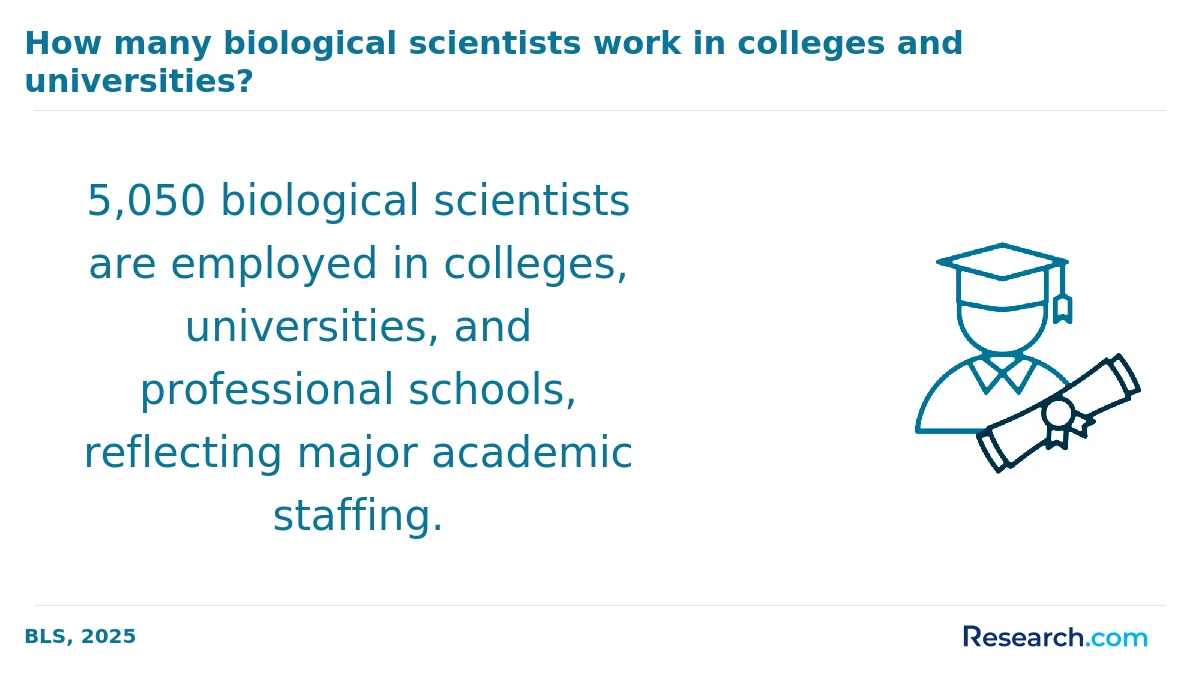
Students pursuing online biology degrees in Texas benefit from several financial aid options that help manage costs ranging between $7,000 and $20,000 annually at public universities like the University of Texas at Austin or Texas A&M. Federal aid is a major resource, with Pell Grants offering up to $7,395 for eligible students based on financial need, significantly easing tuition burdens. Many biology graduates recall how these grants made their education financially feasible without the stress of excessive debt.
State-specific programs like the Texas Public Education Grant (TPEG) and the Texas Educational Opportunity Grant (TEOG) provide additional tuition reductions for qualifying students at institutions such as Texas Tech University. These grants require maintaining satisfactory academic progress, encouraging students to stay focused and motivated.
Institutional scholarships targeted at biology or STEM majors are common at schools including the University of Houston, often rewarding merit or supporting underrepresented groups. Alumni frequently share that employer tuition assistance programs supplemented their funding when balancing work and study.
Lastly, competitive external scholarships from biology organizations add another layer of financial support, further enabling students to invest in their education and future careers with confidence.
Enrolling in an online biology degree program in Texas generally requires a solid academic foundation. For undergraduates, most popular institutions like the University of Texas at Austin or Texas A&M University ask for a high school diploma or GED, with strong grades in biology, chemistry, and math. Many graduates recall how their early exposure to lab sciences and algebra helped them confidently tackle online labs and data analysis assignments.
Graduate applicants typically need a bachelor's degree from an accredited university, often with coursework in genetics, microbiology, or biochemistry. For example, students at Texas Tech University frequently share how submitting detailed transcripts and recommendation letters showcasing their biology core knowledge increased their admission chances.
Additionally, Texas public universities follow Texas Success Initiative guidelines, testing readiness in reading, writing, and math, which reassures students they are prepared for college-level biology. Such pragmatic prerequisites help ensure smooth transitions and sustained success for online biology learners in Texas.
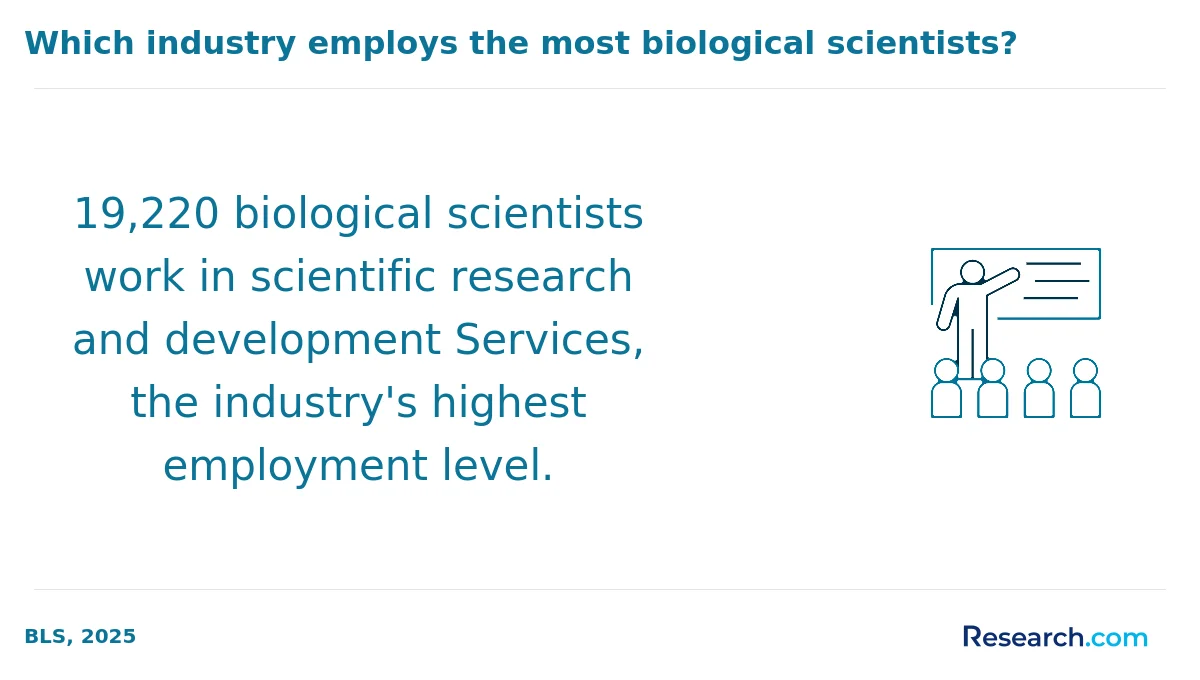
Online biology degrees blend virtual and in-person experiences to build essential lab skills and meet accreditation standards. Expect a mix of:
- Virtual lab simulations covering microscopy, DNA extraction, and experimental design
- Regional partnerships that let you complete wet-lab exercises at approved facilities near you
- Optional on-campus intensives or weekend lab workshops scheduled by many Texas universities
- Research practicums or internships coordinated remotely to provide real-world project experience
Knowing these requirements up front helps with planning travel, budgeting, and time management. Students comparing online science programs, such as a pharmacy degree online, appreciate this clarity before enrolling.
Online biology degree programs in Texas commonly include foundational courses such as General Biology, Microbiology, Genetics, and Ecology. These classes provide students with essential knowledge about cellular processes, heredity, and interactions within ecosystems. Graduates from institutions like the University of Texas at Austin and Texas A&M reflect on how these courses created a clear understanding of living organisms, helping them feel confident when applying biological concepts to real-world situations, such as analyzing local Texan ecosystems.
Many students appreciate the inclusion of Human Anatomy and Physiology and Biostatistics, which equip them with practical skills relevant to medical and research careers. Laboratory components, often delivered through virtual labs or remote kits, simulate hands-on experience despite the online format, leaving students feeling well-prepared and engaged.
Electives in specialized fields like marine biology or environmental science further personalize the learning journey, allowing students at Texas Tech University or Texas State University to align their studies with career aspirations, enhancing their enthusiasm and commitment to their programs.
Online biology degree specializations in Texas commonly include General Biology, Environmental Biology, Microbiology, Bioinformatics and Biotechnology, and Marine Biology. Graduates from prominent Texas universities often emphasize how General Biology builds a solid foundation in genetics, ecology, and molecular biology, preparing them for advanced studies or professional careers. Environmental Biology is especially relevant given Texas's vast ecosystems; students utilize local parks and reserves, enhancing learning with real-world conservation scenarios. Microbiology offers connections to Houston and Austin's booming biotech industries, which energize career prospects in health sciences and agriculture.
Bioinformatics and Biotechnology attract data-driven students eager to engage in genetic research and pharmaceutical development, capitalizing on the state's expanding biotech sector. Marine Biology leverages Texas's Gulf Coast, enabling students to study aquatic ecosystems and coastal sustainability. Many embrace these fields easily because Texas affordable biology degree tracks allow specialization without steep extra costs. For those investigating further options, the best biological science degree online programs include tailored courses that meet both academic and workforce demands.
Choosing the best online biology degree in Texas requires prioritizing program accreditation, particularly by the Southern Association of Colleges and Schools Commission on Colleges (SACSCOC), to ensure your degree holds value with employers and graduate programs. Graduates from Texas A&M and the University of Texas Rio Grande Valley often highlight how accredited programs with experienced faculty bolstered their understanding and career readiness. Curriculum flexibility is crucial; successful students appreciate schools offering asynchronous courses and specialized tracks in areas like molecular biology or ecology that align with their interests.
Cost efficiency also guides many decisions. While the College Board reports average public in-state tuition around $10,500 annually, several affordable online biology degree Texas programs offer rates below $7,000, making education accessible without sacrificing quality. This cost advantage combined with financial aid options can greatly ease the journey for working professionals.
For those seeking career growth, programs that provide robust career support, internships, and industry connections within Texas significantly enhance job prospects. To explore options tailored for swift advancement, consider these accelerated biology degree online programs backed by data-driven insights.
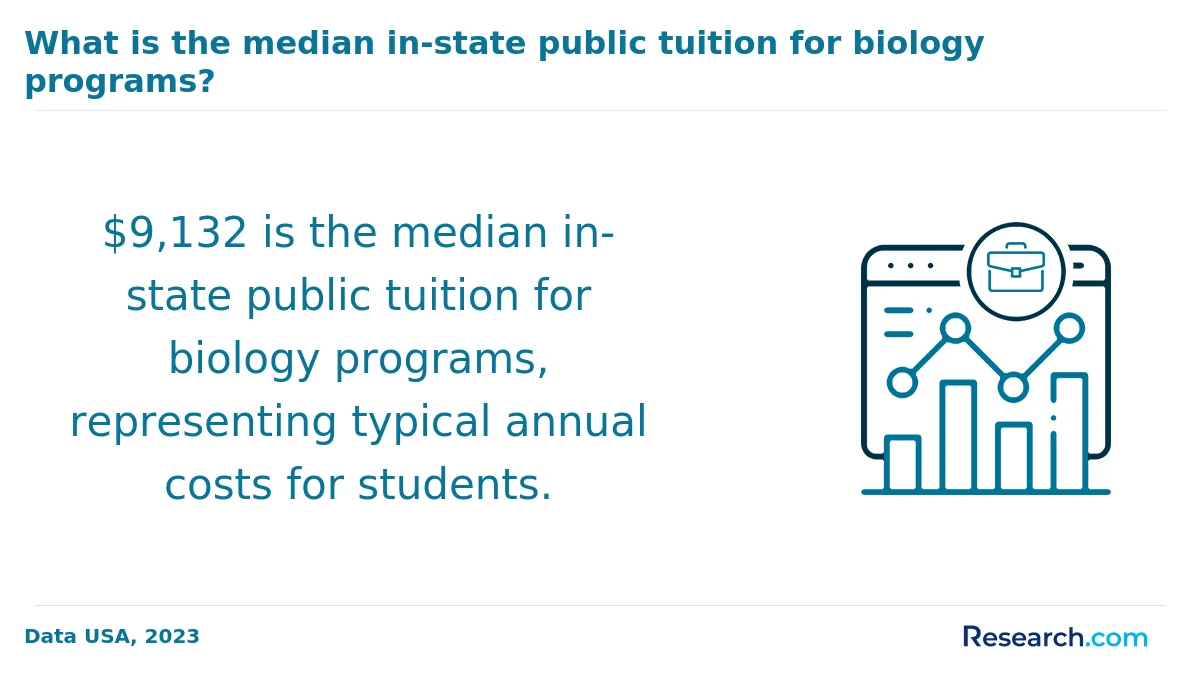
Graduates holding an online biology degree in Texas can access diverse career paths across science, healthcare, education, and industry sectors. For example, biology students from popular institutions like the University of Texas at Austin often move into roles in research and development, focusing on pharmaceuticals, environmental science, or genetics laboratories. The Texas Workforce Commission highlights that demand for life scientists is growing steadily, fueled by advances in bioinformatics and medical research.
Healthcare remains a prominent sector, where many use their biology degree as a foundation to enter medical or veterinary schools. Graduates benefit from Texas's extensive healthcare networks, including the Texas Medical Center in Houston, where internships and employment prospects abound. This reflects a common career trajectory among Texas biology degree job opportunities, as students gain hands-on experience in clinical and hospital settings.
Additional careers include environmental consulting for agencies like the Texas Commission on Environmental Quality, teaching with proper certification, and roles in the rapidly expanding biotech industry. Texans pursuing an online degree often appreciate the flexibility to balance work and study while preparing for these promising careers. Exploring options for an affordable bachelor degree online biology can be a strategic start to enter these fields efficiently.
The job market for graduates with an online biology degree in Texas demonstrates steady growth, particularly in healthcare, biotechnology, and environmental sectors. Several graduates from popular Texas universities report securing positions in metropolitan hubs like Houston and Austin, where clinical laboratory science and pharmaceutical companies thrive. These employers highly value skills obtained through accredited online programs that focus on genetics, microbiology, and applied ecological knowledge, making such degrees a practical investment. This optimistic outlook for online biology degree job outlook Texas is supported by an 8% projected growth in biological scientist employment from 2022 to 2032, with salaries ranging from $60,000 to over $90,000 based on specialization.
Students pursuing biology degrees online in Texas also appreciate in-state tuition costs between $9,000 and $12,000, which provide affordability that attracts many motivated learners. Graduates often find themselves well prepared to meet licensure requirements or pursue further certifications necessary for advancing in their careers. For those eager to become a biologist in Texas, these educational and job market conditions create promising pathways forward.
Biology degree career opportunities in Texas extend beyond healthcare, with real-world examples showing employment in environmental management agencies and research labs focused on conservation efforts. These varied roles reflect the state's diverse ecosystems and industrial needs, offering graduates rewarding and impactful positions across the region.
2027 Most Affordable Online Biology Degree Programs Ranking in Texas
Investing in your education is a significant decision that can shape your future, and the Research.com team understands the importance of making informed choices. To assist prospective students in Texas, we have carefully developed the "2027 Most Affordable Online Biology Degree Programs Ranking in Texas." Our dedication to quality, credibility, and accuracy guided the thorough research and analysis behind this ranking.
We utilized the following reputable data sources to ensure a comprehensive evaluation of online biology programs:
By exploring this ranking, readers will gain valuable insights into the most affordable and credible online biology degree programs in Texas, empowering them to make well-informed educational decisions. For more information on our rigorous methodology, please visit our Research.com methodology page.


Frequently Asked Questions About biology
Online biology degree students in Texas can maximize their learning by actively engaging with course materials and utilizing available university resources. Many Texas universities offer virtual labs and simulation tools that provide hands-on experience despite the remote format. Students should also form or join online study groups to enhance understanding through peer discussions.
Leveraging Texas-based research databases and accessing materials from institutions like the University of Texas or Texas A&M can deepen knowledge with locally relevant scientific studies. According to the Texas Higher Education Coordinating Board, students who participate in interactive online activities have higher retention rates.
Lastly, scheduling regular sessions with academic advisors or faculty can provide personalized guidance, aligning studies with career goals in biology fields prevalent in Texas, such as biotechnology and environmental science.
Emerging niches within the biology field reflect advances in technology and growing environmental concerns. In Texas, areas like bioinformatics and computational biology are expanding rapidly, driven by a strong demand for data analysis in genetic research and healthcare. According to the Bureau of Labor Statistics, jobs in these tech-related biology sectors are projected to grow faster than average through 2030.
Environmental biology, particularly focused on conservation and sustainability, is also critical in Texas due to its diverse ecosystems. Specialists working on climate change impact and renewable resources are increasingly sought after. Additionally, synthetic biology is emerging, where organisms are engineered for medical and industrial applications.
After earning an online biology degree in Texas, preparing for the job market requires targeted steps. Networking within Texas' growing biotechnology and healthcare sectors can open valuable opportunities. According to the Texas Workforce Commission, biology-related occupations in the state are expected to grow by 15% through 2030, highlighting increased demand.
Internships and volunteer positions with local research institutions or environmental agencies enhance practical experience and resumes. Additionally, joining professional organizations like the Texas Academy of Science can connect graduates to mentorships and job listings. Familiarity with laboratory technologies and data analysis tools remains crucial, often sought by employers in Texas' research and pharmaceutical industries.
Finally, consider pursuing certifications relevant to specialized fields, such as biotechnology or environmental biology, to increase marketability in Texas' competitive science job market.
Employers seeking biology degree graduates in Texas prioritize several key skills that align with current industry demands. Critical thinking and analytical skills top the list, enabling graduates to interpret complex biological data effectively. According to the Texas Workforce Commission, employers also value strong laboratory techniques, including proficiency with modern equipment and scientific protocols.
Communication skills are essential, as graduates must clearly present research findings to diverse audiences. Additionally, familiarity with bioinformatics and data analysis software is increasingly important due to advances in biotechnology. Finally, teamwork and adaptability are crucial, reflecting the collaborative nature of scientific research in Texas' growing biotech sector.
Finding internships in Texas relevant to a biology degree involves targeted research and networking. Start by exploring resources at Texas universities offering online biology programs, such as the University of Texas or Texas A&M, which often maintain internship databases.
State agencies like the Texas Parks and Wildlife Department or Texas Department of State Health Services provide opportunities for biology students in environmental science and public health fields. Connecting with professional bodies such as the Texas Academy of Science can also be valuable.
Online job platforms like Handshake or Indeed allow filtering internships by location and field, showcasing hundreds of openings annually in Texas biology-related sectors. According to the Texas Workforce Commission, biology internships in Texas increased by 15% from 2020 to 2023, reflecting growing demand.
An online biology degree can significantly enhance career mobility and advancement in Texas, especially as the state's biotechnology and healthcare sectors continue to grow. According to the Texas Workforce Commission, jobs in biological science-related fields are expected to increase by 10% through 2030, signaling strong demand for qualified professionals.
Online programs from accredited Texas institutions offer flexibility for working adults, enabling them to gain up-to-date skills without relocating. This accessibility can lead to faster promotions and salary increases.
Additionally, many employers in Texas recognize accredited online degrees, which can open doors to roles in research, environmental consulting, and pharmaceutical industries.
Studying for a biology degree in Texas offers strong preparation for interdisciplinary roles by blending core biological concepts with applied sciences. Many Texas institutions design their online biology programs to include coursework in chemistry, environmental science, and data analysis, reflecting the state's growing biotech and healthcare sectors.
Texas is home to research hubs like the Texas Medical Center, promoting collaboration across fields such as genetics, computational biology, and public health. According to the Texas Higher Education Coordinating Board, nearly 40% of biology graduates in the state pursue careers that integrate technology and interdisciplinary skills.
Online programs also encourage skills in communication and critical thinking, essential for roles bridging biology and other scientific disciplines.
When choosing between a thesis and a non-thesis online biology degree in Texas, consider your career goals first. Thesis programs typically require original research and are suited for students aiming for doctoral studies or research careers. Non-thesis options focus more on coursework and practical skills, appealing to those seeking immediate employment in industry or education.
Many Texas universities offer both paths; for example, Texas A&M and University of Texas systems provide thesis and non-thesis tracks. According to the Texas Higher Education Coordinating Board, students in research-focused programs often receive more funding opportunities. However, non-thesis degrees may take less time to complete, usually around 1.5 to 2 years online.
Evaluate your interest in research versus applied work and check specific program requirements before deciding.
Students based in Texas interested in studying biology abroad have multiple pathways through U.S. institutions with global partnerships. Many Texas universities offer exchange programs or study abroad opportunities focused on biological sciences, allowing students to gain international experience without interrupting their enrollment.
Additionally, some Texas schools provide online biology degrees with components or collaborations involving foreign research centers. These programs enable practical exposure to global biological diversity and research practices remotely.
According to the Texas Higher Education Coordinating Board, nearly 15% of biology undergraduates participate in study abroad options nationwide, reflecting growing interest in international experience within STEM fields.
Residency requirements vary, so students should consult their Texas institution's study abroad office for specific eligibility and credit transfer policies.
Students pursuing online biology degrees in Texas can benefit from various part-time job opportunities aligned with their studies. Common roles include laboratory assistants in university or private research labs, where tasks involve preparing samples and maintaining equipment. These positions offer practical experience valuable in biotechnology and healthcare sectors.
Additionally, field technician roles assisting environmental scientists or agencies such as the Texas Commission on Environmental Quality provide hands-on ecological research exposure. Many students find internships in local hospitals or clinics, supporting medical staff with specimen collection and data entry, gaining insight into biomedical applications.
The Texas Workforce Commission reports steady growth in biological and environmental technician jobs, projecting 7% increase through 2030, reflecting strong demand in the state.
Online biology students in Texas benefit from various networking opportunities despite the remote nature of their studies. Many Texas universities offering online biology degrees provide virtual events, discussion forums, and group projects to foster connections among students. Additionally, students can join statewide professional organizations such as the Texas Chapter of the American Society for Microbiology, which hosts conferences and workshops.
Students also have access to career support services with employer networking events focused on biology-related fields. According to the Texas Higher Education Coordinating Board, these efforts continue to expand to enhance student engagement and professional growth within the state's strong biotechnology and healthcare industries.
Alumni networks play a crucial role for online biology degree students in Texas by connecting them with experienced graduates working across various biology-related fields. These networks provide opportunities for mentorship, internships, and job referrals that can be vital in the competitive Texas job market. According to the Texas Higher Education Coordinating Board, graduates with strong alumni connections tend to find employment more quickly, especially in sectors like biotechnology and environmental science.
Furthermore, alumni often share insights about industry trends and professional development, helping current students stay informed. Engaging with successful alumni also builds a sense of community and support despite the remote nature of online programs.
Customizing an online biology degree in Texas to fit your career goals begins with selecting a program that offers flexible electives and specializations. Many Texas universities provide concentrations such as ecology, molecular biology, or biotechnology, allowing students to focus on areas aligned with industry needs. According to the Texas Higher Education Coordinating Board, incorporating internships or research projects, even virtually, enhances practical skills valuable to employers statewide.
Advisors often support students in tailoring course loads and choosing subjects that lead to certifications or graduate study. Engaging with Texas-based professional organizations can also inform your educational path, boosting career readiness in the competitive biology sector.
Online biology students in Texas face several notable challenges during their studies. One major issue is limited access to laboratory experiences, which are essential for mastering biological techniques. Although some schools offer virtual labs or local partnerships, these options may not fully substitute in-person practice.
Additionally, Texas students often navigate time zone differences and flexible scheduling, which can affect live class participation and timely communication with instructors. According to the Texas Higher Education Coordinating Board, nearly 40% of online learners report difficulty balancing coursework with work and family responsibilities.
Finally, some students encounter technological barriers such as unreliable internet access, especially in rural areas, impacting their ability to access course materials and submit assignments promptly.
With an online biology degree from Texas, graduates can qualify for several professional certifications that enhance career opportunities. One common certification is the Certified Biological Safety Professional (CBSP), valued in laboratory and research settings. Another option is the Certified Environmental Scientist (CES), which is relevant for roles in environmental consulting and compliance.
Additionally, Texas students may pursue the Registered Environmental Health Specialist (REHS) certification, especially valuable given Texas's focus on environmental health due to its large industrial and agricultural sectors.
Certifications like these often require a combination of education, work experience, and passing an exam. According to the Texas Higher Education Coordinating Board, biology professionals with certifications can see improved job prospects and salaries across the state.
To write a winning application for an online biology program in Texas, begin by highlighting your academic background, especially in science courses like chemistry and biology. Texas universities often look for strong GPA scores, typically above 3.0 for competitive programs.
Include any relevant experience such as laboratory work, internships, or volunteer activities in medical or research settings, as this demonstrates practical knowledge and commitment. Reference Texas-specific data: employment in Texas's biological sciences sector grew by 7.5% from 2019 to 2021, showing growing opportunities (U.S. Bureau of Labor Statistics).
Craft a clear personal statement outlining your goals and reasons for choosing biology, emphasizing your interest in Texas's biotech and environmental sectors. Also, secure strong recommendation letters from professors or professionals familiar with your scientific skills. Lastly, adhere strictly to application deadlines and requirements, as many Texas institutions like Texas A&M and University of Texas prioritize timely, complete applications.
The field of biology offers diverse career opportunities from research to healthcare, with a growing emphasis on global challenges such as climate change and pandemics. For students in Texas pursuing online biology degrees, understanding international perspectives is crucial as biology careers often involve collaboration across borders.
Globally, biologists work on issues like biodiversity conservation, genetic research, and public health, requiring knowledge of different ecosystems and populations. In Texas, home to major research universities, biology graduates can engage in interdisciplinary work linked to these global efforts.
According to the Texas Workforce Commission, employment for life scientists in Texas is projected to grow by 13.5% from 2021 to 2031, highlighting rising demand.
Many biology careers now require familiarity with international standards and technologies, reflecting the global nature of science today.
Gaining practical experience while pursuing an online biology degree in Texas is essential for career readiness. Many Texas universities offering online biology programs encourage students to participate in local internships at hospitals, research centers, or environmental organizations. The Texas Workforce Commission reports strong growth in biological and life sciences jobs, indicating high demand for hands-on skills.
Fieldwork opportunities may include partnering with state parks or wildlife agencies where students can engage in ecological studies. Additionally, some programs incorporate virtual labs and simulations to complement real-world practice.
Networking through Texas-based scientific societies can also connect students with mentors and internships. Combining online coursework with these practical experiences helps build a competitive resume for biology careers.
Choosing the right concentration within an online biology degree program in Texas begins with understanding your career goals. Biology offers diverse fields like ecology, molecular biology, or biotechnology, each suited for different professions in healthcare, research, or environmental sciences.
Texas has a growing biotech industry, employing over 250,000 people statewide, according to TEConomy Partners. This makes biotechnology concentrations attractive for students aiming for lab or pharmaceutical careers. Alternatively, environmental biology might appeal to those interested in Texas's natural resources and conservation efforts.
Review Texas institutions' program curricula closely to ensure they align with your interests. Also, consider faculty expertise and internship opportunities that match your concentration choice.
- 2027 Most Affordable Online Biology Degree Programs Ranking in Florida
- 2027 Most Affordable Online Biology Degree Programs Ranking in Indiana
- 2027 Most Affordable Online Biology Degree Programs Ranking in Wisconsin
- 2027 Most Affordable Online Biology Degree Programs Ranking in Maryland
- 2027 Most Affordable Online Biology Degree Programs Ranking in Pennsylvania
- 2027 Most Affordable Online Biology Degree Programs Ranking in Massachusetts
- EVENTS – Biology Students' Association https://thebiosa.org/events/
- Biological Sciences (BS to MS) Accelerated https://www.etamu.edu/programs/biological-sciences-accelerated/
- Bachelor's in Biology - Degrees - Online Colleges https://www.onlinecolleges.net/degrees/biology/
- Bachelor of Science (B.S.) Major in Biology https://mycatalog.txstate.edu/undergraduate/science-engineering/biology/biology-bs/
- Best Online Colleges In Texas 2026 https://www.affordablecollegesonline.org/online-colleges/texas/
- Alumni Network https://ssp.org/alumni-network/
- Bachelor of Science in Biomedical Sciences at UNT Health https://www.unthealth.edu/college-of-biomedical-and-translational-sciences/degree-programs/bs-biomedical-sciences/bs-in-biomedical-sciences.html
- Biology https://www.texascollege.edu/biology
- B.S. in Biology| Affordable Science Degree https://www.utpb.edu/academics/programs/biology/bs-biology
- 2026 Best Online Biology Degrees https://www.onlineu.com/degrees/biology