2027 Best Online Master's in Biology Degree Programs Ranking in the USA

Co-Founder and Chief Data Scientist
Choosing the right online master's in biology program can feel overwhelming. To help, this article presents the 2027 Best Online Master's in Biology Degree Programs Ranking in the USA, created by the Research.com team of data scientists. Their thorough analysis offers reliable insights to guide your decision.
With a biology degree, you open doors to exciting career opportunities in healthcare, research, and environmental science. Exploring top-ranked programs ensures you invest your time and resources wisely. This article is here to support your aspirations and inform your path to success.
Key benefits of getting online biology degree in America
- Biology degree graduates in the US often pursue careers such as environmental scientists, who earn a mean annual wage around $79,000, providing a stable and rewarding income.
- Graduates from well-known universities like the University of California often find diverse opportunities in research, healthcare, and education, making biology a versatile and exciting field.
- Online biology degrees, like those from Arizona State University, offer flexible scheduling and lower costs, giving students a convenient way to advance their careers without sacrificing work or personal life.
- 2027 Best Online Master's in Biology Degree Programs Ranking in the USA
- What can I expect from online biology degree in America?
- Where can I work with online biology degree in America?
What can I expect from online biology degree in America?
The average cost of an online biology degree in America can vary significantly, but many students attending well-known institutions like the University of Florida or Arizona State University report tuition ranging from $15,000 to $35,000 for the entire program. Graduates often reflect on the value of this investment, noting that while it may seem steep initially, the flexibility to study remotely while balancing jobs or family commitments often makes the expense feel justified. Such students appreciate how the curriculum mirrors traditional on-campus rigor, allowing them to absorb complex subjects like genetics or bioinformatics without sacrificing their current lifestyle.
One graduate described the experience as deeply rewarding, emphasizing how virtual labs and discussions with faculty brought theory into real-world context despite the physical distance. The sense of connection through online mentorship and collaborative projects shifted their perspective on online learning from a compromise to a strategic advantage, especially considering the strong job market for biology professionals in America, which helps justify tuition costs over time.
Where can I work with online biology degree in America?
Graduates with an online biology degree from institutions like the University of Florida or Arizona State University often discover their careers extend far beyond a lab bench. Many find themselves contributing to critical research at places like the NIH or EPA, unraveling mysteries that impact public health and environmental policies. Imagine working alongside leading scientists in bustling urban centers, where the pulse of innovation never stops.
Others transform their passion into healthcare roles-clinical laboratory technologists in hospitals or private labs-playing a direct part in diagnosis and patient care. Alumni from major programs frequently describe the rewarding challenge of translating complex biology into real-world healing.
Environmental careers also flourish, with biologists partnering with the U.S. Fish and Wildlife Service or nonprofits to protect ecosystems. One can picture walking through forests or wetlands, gathering data to safeguard endangered species.
Education is another vibrant pathway. Graduates often share how teaching biology in high schools or museums revitalizes their passion, inspiring the next generation despite certification hurdles.
These diverse opportunities illustrate how an online biology degree in America unlocks doors to meaningful, impactful work across society's frontlines.
Graduates with an online biology degree in America often find themselves surprised by the salary realities that await. While exact government salary data is lacking, general figures paint an intriguing picture: biological scientists typically earn a median wage of about $83,570 annually. Consider alumni from respected schools like the University of Florida or Arizona State University who enter roles as biological technicians, starting around $45,000 to $55,000. Far from stagnating, many advance into higher-paying jobs with pharmaceutical companies or environmental firms, where salaries can reach between $70,000 and $120,000.
The story doesn't end with degree level alone. Those with a master's, obtained online from institutions such as Oregon State University, often see starting salaries 20% higher. A graduate with skills in molecular biology or data analysis might find doors opening in biotech hubs like California or Massachusetts, commanding wages above $95,000. This blend of education, skill, and geography reshapes what an online biology degree truly means for earning potential.
- Online biology degrees offer fully online bachelor's and master's programs, ideal for working professionals and those with geographic limitations.
- Tuition for online biology bachelor's degrees ranges from $15,000 to $40,000, with graduate programs costing between $20,000 and $50,000.
- The median annual salary for biological scientists is about $85,000, with entry-level jobs starting near $50,000 and experienced professionals earning over $110,000.
- Employment for biology graduates is projected to grow 5-8% over the next decade, covering roles like research scientist, environmental consultant, and biotechnologist.
- Programs usually include courses in molecular biology, genetics, ecology, and bioinformatics, sometimes with virtual labs or in-person requirements.
Completing an online biology degree in America isn't a one-size-fits-all journey. For many, a bachelor's degree stretches across about four years of full-time study, mirroring traditional campus timelines but with the welcoming flexibility of asynchronous classes. Imagine a graduate from Oregon State University juggling kids, work, and lab simulations on evenings and weekends - the freedom to pace their learning reshapes what "four years" really means.
Others choose a part-time path, extending completion to as long as six years, blending credits steadily alongside life's demands. At Colorado State University, master's students often find themselves amazed at completing programs in just 1.5 to 3 years, accelerated through clear, focused credit requirements between 30 and 45 hours.
This nonlinear timeline challenges the myth that faster is always better. Internships, virtual labs, and prior coursework influence the pace too. The reality? You craft a degree experience that fits your unique life, making biology not just a subject but a personal triumph.
Online and on-campus biology degrees in America offer distinct experiences that go beyond just location. Graduates from universities like Arizona State often praise the online format for its flexibility, allowing them to balance family or work while studying at their own pace. Yet, some reflect on missing the vibrant campus atmosphere found at institutions like the University of California, Berkeley, where face-to-face access to labs and in-person mentorship deeply enriches their learning.
Consider the challenge of hands-on lab work: on-campus students dive straight into well-equipped laboratories, collaborating with peers in real time. Meanwhile, online learners might rely on virtual labs or occasional campus visits, which can feel less immersive yet still meaningful when supported by strong digital resources.
Cost is another reality check. Many online students find relief in reduced commuting and housing expenses, sometimes enjoying more affordable tuition structures compared to the roughly $12,000 annual in-state tuition for traditional biology programs. This financial flexibility often empowers those who might otherwise delay or forego higher education.
Ultimately, choosing between the two requires reflecting on which learning environment aligns best with personal responsibilities and career aspirations in the competitive field of biology.
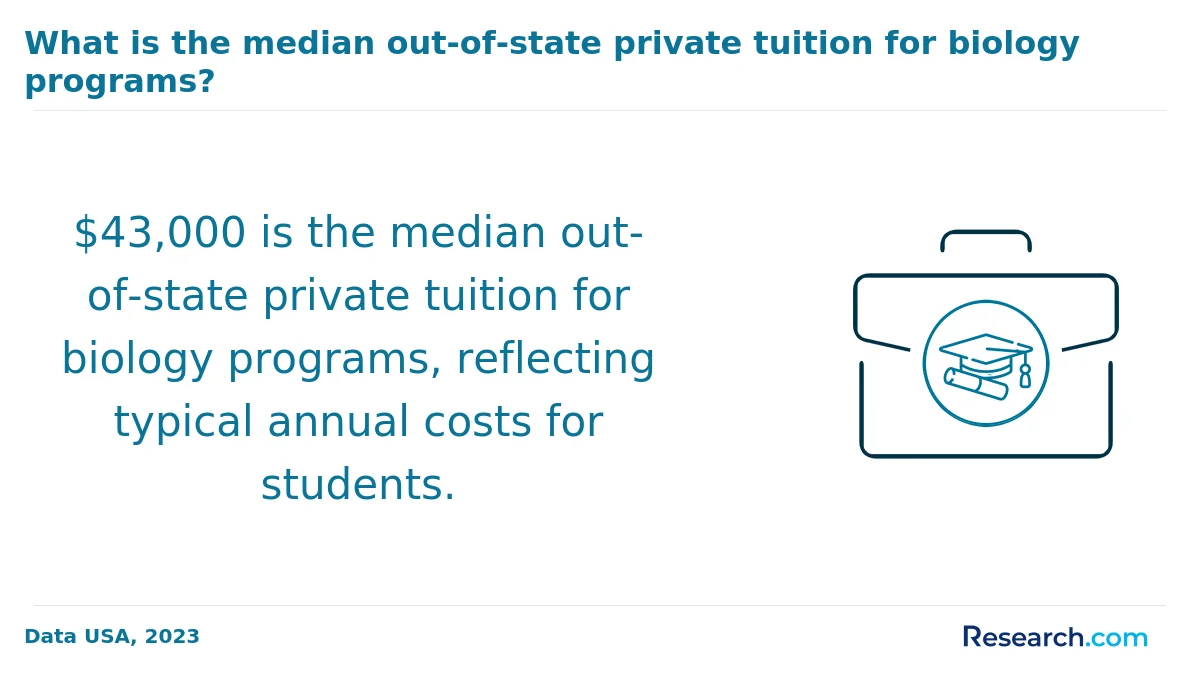
The average cost of an online biology degree in America reflects a balance between opportunity and investment. Across popular colleges known for their biology programs, graduates report that the median total cost settles around $24,448, though it can range significantly based on residency status. In-state students often find a more affordable path, with median costs near $12,540, while out-of-state students face median totals closer to $25,376. These figures challenge the assumption that online education is always cheaper; many online students at well-regarded universities pay tuition on par with traditional campus fees.
Consider a biology student at a respected state university enrolling online: careful budgeting is essential since tuition per credit varies widely. Master's degree candidates, in particular, confront complexities as total tuition might stretch from $12,000 to over $40,000, depending on credit-hour rates and additional fees. This reality makes the total tuition and fees for biology master's programs USA an important consideration when planning finances, especially as technology fees specific to online courses often add several hundred dollars per term.
Graduates rave about the flexibility and accessibility of their programs, which allow them to pursue career goals without relocating or pausing life commitments, making the investment emotionally rewarding despite the cost. As you explore biology degrees, examining the tuition structure alongside aid options can lead to a sustainable path. For those curious about how such degrees translate to careers, checking resources like biology careers can provide clarity and inspire confidence.
Admissions for online biology master’s programs usually require planning several months in advance. Deadlines vary by school, but many programs have Fall intake deadlines from November–January and Spring intake deadlines from August–October.
- Identify target schools and confirm program fit, accreditation, state authorization, tuition, lab requirements, and application deadlines.
- Request official undergraduate transcripts from every institution attended.
- Prepare a focused statement of purpose that explains your academic background, research interests, career goals, and reason for choosing online study.
- Ask for 2–3 strong letters of recommendation from faculty, supervisors, laboratory mentors, or professional contacts who can speak to your scientific ability and readiness for graduate work.
- Update your CV or resume to highlight lab experience, internships, publications, fieldwork, teaching, data analysis, or related professional experience.
- Complete the online application and check whether you qualify for fee waivers or priority financial aid consideration.
- Track your application status and respond quickly if the admissions office requests additional materials.
A practical timeline is to begin at least six months before your intended start term. Students applying to competitive programs should start earlier, especially if they need prerequisite coursework, recommendation letters, transcript evaluations, or financial aid documents.
For students comparing biology with adjacent health-science pathways, it may also be useful to review online pharmd programs.
Many students pursuing online biology degrees at institutions like Arizona State University or the University of Florida find financial aid indispensable in managing costs that can easily exceed $10,000 annually for public in-state programs. Federal aid, especially Pell Grants up to $7,395, often feels like a lifeline, easing the burden without the stress of repayment. Graduates recall how this funding turned daunting expenses into manageable steps, keeping their focus on mastering complex biological sciences rather than financial strain.
Federal loans, such as Direct Subsidized and Unsubsidized Loans, also play a crucial role. Graduate students pursuing advanced biology degrees appreciate being able to borrow up to around $20,500 per year, yet many emphasize responsible borrowing to avoid debt traps. This pragmatic approach empowers them to invest in their futures without compromising financial health.
Beyond federal aid, state scholarships for STEM fields and university-specific grants frequently fill gaps, often requiring strong academic performance. Working professionals benefit from employer tuition assistance, while veterans access military benefits like the GI Bill-resources that widen access to biology education for diverse learners.
Enrolling in an online biology degree program in America demands more than just a high school diploma or a bachelor's degree; it calls for a readiness to engage deeply with scientific concepts. At institutions like Arizona State University or the University of Florida, undergraduates often share how completing courses in biology, chemistry, and math before applying was essential. These prerequisites aren't arbitrary-they prepare you for the analytical and lab challenges you'll face remotely.
Graduate programs, like those at Johns Hopkins or the University of California, require not only a related bachelor's degree but also evidence of academic excellence through transcripts and sometimes letters of recommendation. Many students reflect on how these steps, although rigorous, made them feel confident stepping into advanced research from day one.
Technical requirements, such as reliable internet and comfort with virtual labs, shape the experience. These aren't just hoops but tools helping you connect theory with practical application, just like students at public universities in states like Texas or North Carolina have found inspiring and motivating.
Online biology degree programs in America typically immerse students in foundational courses like cell biology, genetics, and molecular biology, revealing the intricate workings inside living cells and the role of DNA. Graduates from popular universities often describe their excitement when unraveling the mysteries of life at a microscopic level, something they accessed even through virtual labs.
Many find that microbiology courses deepen their appreciation for the unseen world of microorganisms affecting health and environment, an eye-opening experience shared by those studying at renowned public universities known for their strong biology departments.
Ecology and evolution classes challenge students to see beyond textbooks, connecting them emotionally to natural ecosystems and species survival-subjects that graduates recall as inspiring, especially when working on real-life projects in collaboration with local environments.
Human anatomy and physiology courses offer a rewarding dive into the human body's functions, fueling the passion of those aiming for healthcare careers. Lab experiences, whether virtual or local partnerships, provide hands-on confidence that graduates note as essential for their scientific growth.
When exploring online biology degree specializations USA offers, it's clear that the variety challenges the one-size-fits-all notion of biology education. Students from renowned institutions such as the University of Florida or Arizona State University often share how pursuing Molecular Biology helped them dive deep into gene expression and protein function, ultimately fueling careers in cutting-edge pharmaceuticals. Others find their passion in Ecology and Environmental Biology, working on real-world conservation projects that protect ecosystems, a path highlighted by graduates from the University of Massachusetts who apply their knowledge to shape government policy.
Microbiology graduates, frequently from institutions like Oregon State University, describe the excitement of studying microorganisms integral to public health-especially relevant in today's pandemic-aware world. Biotechnology, another popular focus, combines biology and technology to invent new biofuels or diagnostic tools. These experiences illustrate how an individual's choice among these specializations can profoundly steer their professional journey within biology's vast landscape.
For those curious about pursuing a bachelor's degree biology online, understanding these diverse focus areas can ignite a more personalized and empowered approach to learning.
Choosing the best online biology degree in America means looking beyond rankings and flashy brochures. Graduates from well-known universities often emphasize the importance of accreditation-regionally accredited programs from institutions like the University of Florida or Arizona State University have opened doors for them in both the job market and graduate studies. The appeal lies not just in name recognition but in the rigorous, well-rounded curriculum that blends theory with hands-on lab experiences, even when delivered online.
Cost is another real-world factor; many students juggle budgets and value programs where tuition aligns with the typical $10,000 to $15,000 range for in-state public colleges. Those seeking flexibility appreciate how top accredited online biology degrees America offer recorded lectures and interactive assignments allowing balance with busy lives. Reflecting on peers' success stories, strong faculty mentorship and active student support prove pivotal in shaping fulfilling academic journeys.
When you consider post-graduation outcomes, remember biology's promising job growth and how choosing the right program influences your future. For a practical list of options, exploring easiest biology degree online programs can provide surprising insights into accessible paths that still command respect.
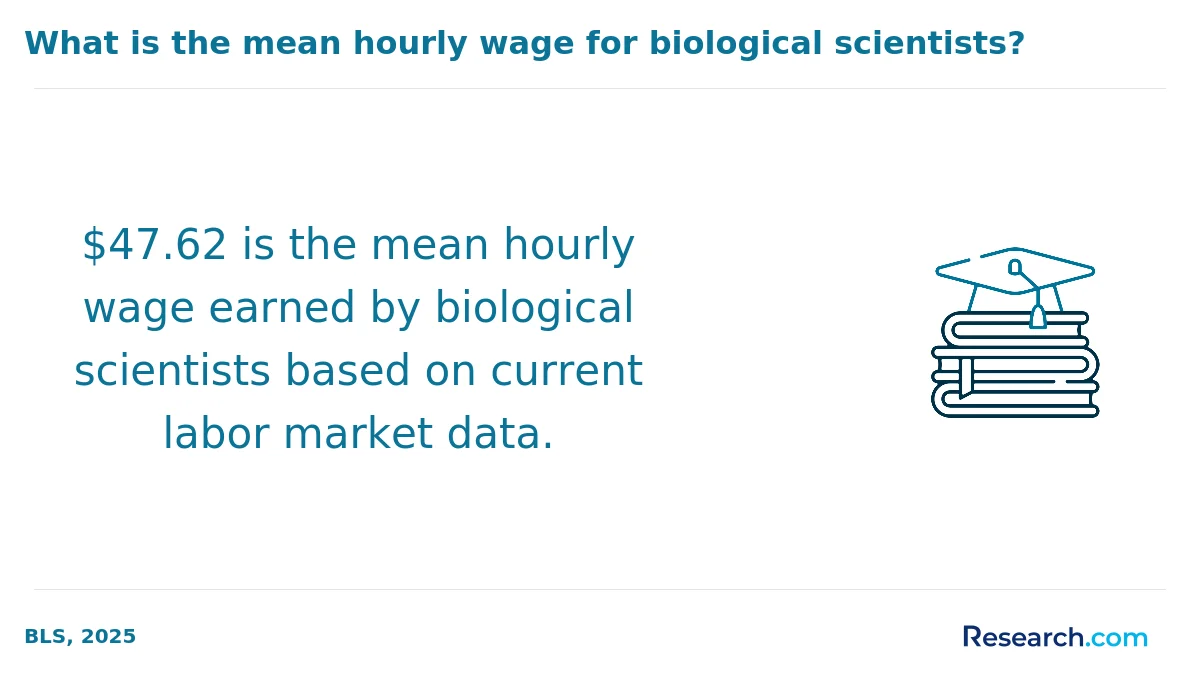
Graduates of online biology degree programs in America often find themselves at the crossroads of diverse career paths that challenge the traditional view of biology as purely a lab science. Many alumni from renowned institutions, including those studying bachelor biology online, describe their journeys shifting beyond familiar research roles into exciting sectors such as healthcare, environmental policy, and biotech innovation. The reality for biology graduates in America is far richer than commonly assumed. They become vital players in public health initiatives or pioneers in ecological conservation, addressing urgent climate issues.
Consider the biology graduates from flagship public universities who actively engage in data-driven conservation work or enter regulatory affairs influencing biotechnology patents. Such versatile employment options highlight the dynamic employment landscape and the promising online biology degree career opportunities USA that open doors beyond conventional expectations.
For those who relish storytelling, science communication adds a meaningful dimension, transforming complex biological data into inspiring narratives that influence education and policy. This blend of science and communication seems to be a natural evolution for biology graduates job prospects in America pushing the boundaries of what a biology degree traditionally means.
The job market for graduates with an online biology degree in America reflects a dynamic and growing landscape, challenging the notion that online studies limit career prospects. Graduates from popular institutions like Arizona State University or Oregon State University report entering fields such as environmental science and biotechnology with confidence, supported by a flexible education that fits alongside other life commitments. This adaptability enhances employability in sectors hungry for biological expertise.
Exploring the job outlook for online biology degree in USA reveals that positions range from biological technicians to health services managers, each offering distinct opportunities. Graduates appreciate the ability to pivot quickly into roles that align with evolving industries. For example, some find rewarding work in pharmaceutical research, while others contribute to environmental conservation efforts, often inspired by their online coursework.
Many find that pursuing advanced study or gaining specialized certifications enhances their career trajectory, and online programs increasingly integrate real-world applications. For those interested in specific pathways like aquatic biology, understanding the aquatic biologist career path adds valuable insight into niche markets.
2027 Best Online Master's in Biology Degree Programs Ranking in the USA
Investing in your education is a significant decision that can shape your future, and the Research.com team understands the importance of making informed choices. To assist prospective students nationwide, we have meticulously crafted the "2027 Best Online Master's in Biology Degree Programs Ranking in the USA." Our commitment to quality, credibility, and accuracy is reflected in the extensive research and analysis conducted to compile this ranking.
We utilized the following reputable data sources to ensure a comprehensive evaluation of biology programs:
By exploring this ranking, readers will gain valuable insights into the best online biology master's programs available across the USA, supporting well-informed educational decisions. For more details on our methodology, please visit our Research.com methodology page.

# 2 position
University of Florida
Master of Microbiology and Cell Science: Medical Microbiology and Biochemistry




Frequently Asked Questions About biology
Students pursuing online biology degrees in America can maximize their learning by actively engaging with course materials and faculty. Research from the National Center for Education Statistics shows that interaction with instructors significantly improves outcomes for online learners.
Participating in virtual labs and simulations is vital since biology heavily relies on practical experience. Many accredited programs now incorporate these tools to replicate hands-on learning.
Forming study groups through online forums or social media helps deepen understanding and provides peer support. According to a 2023 report by the Online Learning Consortium, collaborative learning increases retention rates by up to 20%.
Lastly, students should seek internships and research opportunities with US institutions to gain real-world experience and enhance their resumes.
The field of biology is rapidly evolving with emerging niches attracting growing interest among students and professionals. One prominent area is synthetic biology, which combines engineering and biology to design new biological parts and systems. According to the National Science Foundation, synthetic biology-related research funding increased by over 20% between 2019 and 2023 in the US.
Another expanding niche is bioinformatics, where biology meets data science. The US Bureau of Labor Statistics projects a 15% growth in bioinformatics jobs by 2030. This field supports genomic research, drug development, and personalized medicine.
Additionally, environmental biology focused on climate change and biodiversity conservation is gaining greater emphasis in academic programs nationwide.
Preparing for the job market after completing an online biology degree in America involves focused career planning and skill development. Graduates should seek internships or research opportunities during their studies to gain practical experience, which employers highly value. According to the U.S. Bureau of Labor Statistics, biology-related jobs are projected to grow 5% from 2021 to 2031, indicating steady demand.
Networking is essential; joining professional organizations like the American Institute of Biological Sciences can provide connections and job leads. Additionally, consider developing skills in data analysis and laboratory techniques, as these are frequently required in biology roles. Certifications in specialized areas may also enhance employment prospects.
Employers in America prioritize a mix of technical expertise and transferable skills when hiring biology degree graduates. Core competencies include strong laboratory skills, such as proficiency in molecular biology techniques and data analysis, which are essential for research and development roles. According to the Bureau of Labor Statistics, critical thinking and problem-solving abilities rank highly among sought-after skills in the life sciences sector.
Communication skills are also vital; graduates must effectively present complex scientific information to both technical and non-technical audiences. Additionally, familiarity with bioinformatics and statistical software is increasingly important as biology fields integrate more technology. Teamwork and adaptability remain crucial as projects often involve interdisciplinary collaboration.
Finding internships relevant to a biology degree in America involves several strategic steps. Start by leveraging your university's career services, which often maintain partnerships with local research institutions, hospitals, and biotech companies. According to the National Association of Colleges and Employers (NACE), nearly 60% of internships are secured through university connections.
Online platforms such as Handshake and internships.com list numerous biology-related opportunities nationwide. Target organizations like the American Society for Microbiology and the Society for the Advancement of Biology Education Research that frequently post internships for biology students.
Networking with professors and attending virtual career fairs can uncover hidden opportunities. Gaining practical experience through internships significantly boosts employability in biology fields, as shown by the Bureau of Labor Statistics' data on biological scientists' career growth.
Obtaining an online biology degree in America can significantly enhance career mobility and advancement. According to the U.S. Bureau of Labor Statistics, employment in biological science occupations is projected to grow 8% from 2020 to 2030, faster than the average for all occupations. An online degree allows working professionals to gain relevant skills without interrupting their careers. It also broadens access to specialized fields such as biotechnology, environmental science, and healthcare.
Employers increasingly recognize accredited online biology degrees as credible, valuing candidates for their ability to manage digital learning and adapt to evolving technologies. This flexibility often leads to promotions or transitions into research, education, or managerial roles. Furthermore, institutions like the National Center for Education Statistics report rising enrollment in online graduate programs, reflecting growing acceptance and demand in the job market.
Studying for a biology degree in America equips students with a strong foundation in scientific principles and research methods essential for interdisciplinary work. Many programs emphasize collaboration across fields such as environmental science, biotechnology, and healthcare. The National Center for Education Statistics reports that biology graduates often develop skills in data analysis, critical thinking, and experimental design, valuable in roles intersecting with chemistry, computer science, and public health.
Online biology degrees also integrate coursework in bioinformatics and molecular biology, preparing students for emerging fields like genomic research. Accredited U.S. programs often provide opportunities for virtual labs and team projects that build communication skills necessary for interdisciplinary careers.
When choosing between a thesis and a non-thesis online biology degree program in America, consider your career goals first. Thesis programs usually require original research and a written dissertation, which are ideal if you plan to pursue a PhD or work in research-intensive roles. According to the National Center for Education Statistics, about 30% of biology master's graduates in the U.S. enter doctoral studies, making thesis experience valuable for this path.
Non-thesis programs tend to emphasize coursework and practical skills, suitable for students aiming for professional roles in healthcare, education, or industry. These programs often have a faster completion time and may require a comprehensive exam or project instead.
Students based in America seeking to study biology abroad have several pathways, including online partnerships with foreign universities and international campuses operated by US institutions. Many American universities offer exchange programs or dual degrees, allowing students to earn credits abroad while enrolled at their home university.
According to the Institute of International Education, about 3.5% of US STEM undergraduates participate in study abroad programs, with biology being a popular field. Online biology degrees with international components are emerging, providing access to global expertise without relocating. Prospective students should verify accreditation and curriculum alignment to ensure their degree is recognized in the US.
In the United States, part-time jobs in laboratories are especially valuable for students pursuing online biology degrees. Positions such as lab assistants or research aides provide hands-on experience with scientific techniques and data analysis, directly complementing academic learning.
Other relevant opportunities include working as a biological technician, where students help in experiments or maintain lab equipment. According to the U.S. Bureau of Labor Statistics, biological technician roles are expected to grow 6% from 2022 to 2032, signaling steady demand.
Additionally, roles in healthcare settings, such as phlebotomy or medical coding, can enhance understanding of human biology and medical terminology, useful for various biology specializations.
Engaging in such positions helps build practical skills and networking connections within American scientific communities.
Online biology students in America have several networking opportunities to connect with peers and professionals despite the virtual format. Many accredited programs offer virtual events, discussion boards, and group projects that encourage collaboration. Additionally, professional organizations such as the American Institute of Biological Sciences provide student memberships with access to conferences, webinars, and mentoring programs.
Students can also engage in regional biology societies and online platforms like LinkedIn to build networks. According to the National Center for Education Statistics, over 50% of biology graduate students participate in research networks, helping them find internships and job connections. These resources are essential for career growth in biology fields.
Alumni networks play a crucial role in supporting online biology degree students in America. These connections provide access to experienced professionals who can offer guidance on career paths, research opportunities, and internships. According to the National Association of Colleges and Employers, 85% of jobs are filled through networking, highlighting its importance.
Many universities foster active biology alumni groups that share job openings, host webinars, and organize virtual meetups. These engagements help students expand their professional contacts beyond the classroom.
Furthermore, alumni often mentor current students, helping them navigate the competitive fields of biotechnology, environmental science, and healthcare. This practical advice enhances employability for graduates in biology-related careers.
When customizing an online biology degree program in America, students should start by selecting a specialization that aligns with their career goals. Popular tracks include molecular biology, ecology, biotechnology, and bioinformatics. Many accredited universities offer elective courses or concentrations that allow this flexibility.
Students can also benefit from integrating internships or research projects, which are often available through partnerships with local institutions. According to the National Center for Education Statistics, over 60% of biology master's students pursue applied research or lab experience to boost employability.
Additionally, some programs provide options for technical certifications or dual degrees, enhancing both academic depth and practical skills essential in growing biology fields like genetics or environmental science.
Online biology students in America often face challenges related to practical learning. Biology requires hands-on lab experience, which can be difficult to replicate virtually. Many programs address this with limited in-person requirements, but that adds travel and scheduling obstacles. According to the National Center for Education Statistics, about 20% of STEM online programs still require campus visits for labs.
Another significant challenge is access to high-quality research opportunities. In-person students benefit from immediate lab access and faculty mentorship, while online learners may struggle to find equivalent experiences.
Technical issues also affect students; reliable internet access and advanced software are essential for virtual simulations and data analysis, which not all students possess.
Lastly, some online biology students report feeling isolated, lacking the peer interaction that supports motivation and collaboration in scientific study.
An online biology degree in the USA opens doors to several professional certifications that can enhance career opportunities. Graduates often pursue credentials such as the Certified Biological Safety Professional (CBSP), which validates expertise in lab safety and compliance. Another option is the American Society for Clinical Pathology (ASCP) certification, crucial for roles in medical laboratories. For those interested in ecological work, the Wildlife Society offers Certified Wildlife Biologist status, recognized nationwide.
Such certifications require specific educational backgrounds and sometimes work experience. According to the U.S. Bureau of Labor Statistics, certified professionals typically have higher job prospects and salaries within biology-related fields. Staying informed about credential requirements helps leverage an online degree effectively.
Applying to an online biology program in America requires careful preparation of your application materials. Highlight your academic background, especially coursework in biology, chemistry, and related sciences. According to the National Center for Education Statistics, about 20% of graduate students in STEM fields choose online study, reflecting growing acceptance.
Strong letters of recommendation from faculty or employers familiar with your scientific skills can set you apart. Also, articulate a clear statement of purpose explaining your goals in biology and why online study fits your career path. Many programs value applicants detailing relevant research or lab experience.
Ensure your GPA meets program thresholds, often around 3.0 or higher. Some schools may require GRE scores, though this is becoming less common. Always check specific admission requirements.
Lastly, submit transcripts early and proofread all documents thoroughly. Attention to detail signals professionalism and commitment to success in biology graduate studies.
The field of biology offers diverse career opportunities across the globe, and its importance is growing steadily in America. According to the U.S. Bureau of Labor Statistics, biology-related jobs are expected to grow about 5% from 2021 to 2031, slightly faster than the average for all occupations.
Globally, biological research addresses crucial issues like climate change, health, and food security, making trained biologists vital worldwide. U.S. online biology degrees prepare students for roles in biotechnology, environmental science, and healthcare, fields with increasing international collaboration.
Studying biology in America also benefits from access to cutting-edge research institutions and resources verified by organizations like the National Science Foundation, enhancing global competitiveness.
Gaining practical experience while studying for an online biology degree in America is essential for career readiness and skill development. Many programs encourage or require internships at local research labs, hospitals, or environmental agencies. These internships provide hands-on training in techniques like molecular biology, ecology, or biotechnology.
Students can also participate in virtual labs and simulations offered by accredited university programs, which replicate real-world biological experiments.
Additionally, joining professional organizations such as the American Institute of Biological Sciences can open opportunities for networking and fieldwork.
According to the National Science Foundation, nearly 60% of biology students in the US gain practical experience through internships or cooperative education before graduation.
Choosing the right concentration within an online biology degree program in America depends on your career goals and interests. Biology offers diverse fields such as molecular biology, ecology, genetics, and biotechnology. According to the National Center for Education Statistics, programs with specialized concentrations tend to attract more students, reflecting workforce demands.
Consider which sector you aim to join-healthcare, research, environmental science, or education. For example, molecular biology is essential for careers in biomedical research, while ecology suits those interested in conservation. Look for programs accredited by recognized agencies to ensure quality education.
Review course offerings and faculty expertise carefully, as these affect your learning and networking opportunities. Additionally, check if the program provides internships or lab experiences, which are critical for practical skills. Finally, comparing graduation outcomes and employment rates in your preferred concentration can guide your decision effectively.
- Turn Your Passion for Science Into a Rewarding Career With a Biology Degree - UNCF https://uncf.org/the-latest/a-biology-degree-can-open-the-door-to-life-and-living
- Top 30 Biology Scholarships to Apply to in December 2025 https://bold.org/scholarships/by-major/biology-scholarships/
- Remote Biology Jobs: Work From Home Guide https://outlier.ai/blog/work-remotely-with-biology-degree
- Fast Way to Get an Online Biology Degree | Straighterline https://www.straighterline.com/blog/how-to-earn-an-online-biology-degree
- Careers in Biological Sciences: Opportunities, Skills, and the Future of Work https://www.hyperec.com/blog/careers-in-biological-sciences-opportunities-skills-and-the-future-of-work/
- Careers in Biology https://www.aibs.org/careers/
- Best Online Biology Degrees 2025 https://www.onlineu.com/degrees/biology
- Contemporary Trends and Challenges in Biology Education https://avesis.marmara.edu.tr/yayin/c5420711-9298-4a8a-8afc-ce9ba8809b1c/contemporary-trends-and-challenges-in-biology-education-preparing-students-for-21st-century-scientific-citizenship
- 4 Types of Biology Concentrations | University of Bridgeport https://www.bridgeport.edu/news/biology-concentrations/
- Majoring in Biology: How to Determine which Colleges Offer the Best Fit - Collegiate Gateway https://collegiategateway.com/majoring-in-biology-how-to-determine-which-colleges-offer-the-best-fit/