2027 Fastest Online Biology Degree Programs Ranking in Indiana

Co-Founder and Chief Data Scientist
Choosing the right biology degree program can be challenging, especially when balancing quality and speed. This article presents the 2027 Fastest Online Biology Degree Programs Ranking in Indiana created by the Research.com team of data scientists to help you make an informed decision.
By exploring this ranking, you'll discover programs that combine efficiency with excellent education, perfect for busy students. Pursuing a biology degree opens exciting career opportunities in health, research, and environmental fields. Let this guide inspire and support your journey toward a rewarding future.
Key benefits of getting online biology degree in Indiana
- Biology degree graduates in Indiana can explore diverse career paths such as environmental scientist, healthcare professional, or educator, drawing inspiration from programs like Indiana University's biology graduates who find opportunities in research and conservation.
- Online biology degrees from institutions like Purdue Global offer flexible schedules and lower costs, allowing students to balance work and study effectively while earning a respected credential.
- Although specific salary data for biology graduates in Indiana is unavailable, biology-related careers in the US typically offer competitive salaries, often ranging from $50,000 to $80,000 annually, providing a rewarding future.
- 2027 Fastest Online Biology Degree Programs Ranking in Indiana
- What can I expect from online biology degree in Indiana?
- Where can I work with online biology degree in Indiana?
What can I expect from online biology degree in Indiana?
The average cost of an online biology degree in Indiana varies but generally falls within a range that balances quality and affordability, especially for in-state students. Many graduates from institutions like Indiana University or Purdue University have found that tuition for fully online bachelor's programs typically ranges from $10,000 to $20,000 per year, depending on credit load and specific program fees. This makes pursuing a biology degree both accessible and cost-effective compared to on-campus options.
For example, some students delight in how they can manage tuition costs through in-state rates and financial aid, easing the burden while focusing on captivating subjects like genetics or microbiology. Others appreciate the flexibility of completing lab work locally or during intensive weekends on campus, blending adventure with convenience.
Those enrolled often emphasize how affordable tuition paired with strong academic support from recognized Indiana universities opens doors to exciting careers in environmental science or biotechnology without the stress of overwhelming debt.
Where can I work with online biology degree in Indiana?
With an online biology degree in Indiana, you can dive into exciting careers that truly make a difference. Graduates from schools like Indiana University often find themselves in cutting-edge roles at pharmaceutical companies in Indianapolis, where their work helps develop life-saving medications. Imagine working alongside experts at Eli Lilly and Company, contributing to breakthroughs in drug research or quality control.
Others choose paths in environmental science, exploring Indiana's rich ecosystems through roles in natural resource management or pollution control. Those from Purdue University have shared how rewarding it feels to engage in hands-on conservation efforts, protecting wildlife and stewarding the land.
For those passionate about teaching, biology graduates with proper certification light up classrooms at Indiana's high schools and community colleges, inspiring the next generation of scientists. Research opportunities also abound at top institutions, where online learners have joined university labs, tackling innovative projects in biotechnology and ecology.
Networking through groups like the Indiana Academy of Science opens doors, making the journey from virtual classroom to real-world impact both thrilling and attainable.
If you're diving into an online biology degree in Indiana, the financial horizon is both exciting and promising. Graduates from popular programs at universities like Indiana University or Purdue often find themselves stepping into roles where starting salaries range from $40,000 to $50,000 annually, particularly in research or laboratory settings. Imagine working in a campus lab or local biotech company, applying what you've learned and seeing your paycheck grow as you gain experience.
Many graduates share the thrill of moving beyond entry-level, advancing to salaries around $75,000 to $80,000 as life scientists within the state. Some who specialize as biological technicians enjoy average wages near $45,000, while those who venture into biomedical engineering can anticipate earnings closer to $85,000.
With a spark for innovation and advanced studies, alumni often leap into roles offering $90,000 to $120,000, especially in government or pharmaceutical sectors. The vibrant academic environments of Indiana's colleges fuel this upward trajectory, making the journey from study to rewarding career a truly adventurous exploration.
- Online biology degrees in Indiana offer flexible learning, with some programs requiring occasional in-person lab work or testing.
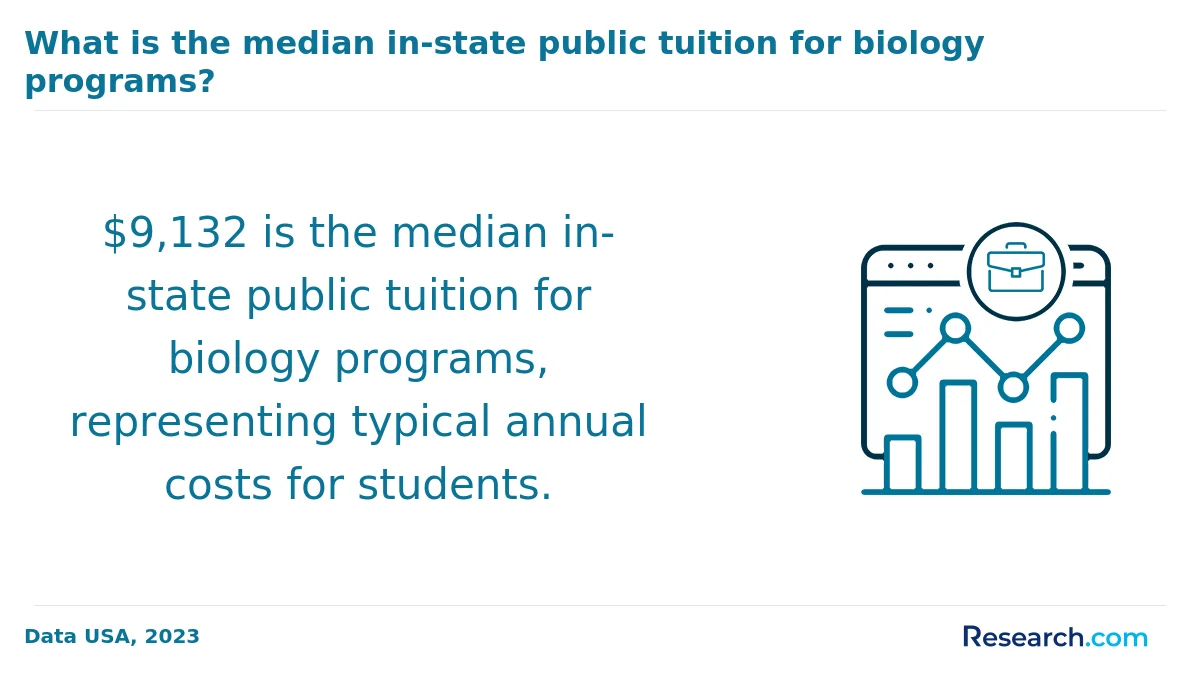
- Tuition for in-state students at public universities ranges from $9,000 to $12,000 per year, while private institutions often charge over $20,000 annually.
- Additional costs such as textbooks, lab fees, and technology expenses should be considered when budgeting for an online biology degree.
- Starting salaries for biology graduates in Indiana range from $45,000 to $50,000 annually, with potential to rise above $70,000 in specialized fields.
- The job market is positive, especially in biotechnology, healthcare, and environmental sectors, but some positions may require further certification or postgraduate education.
- Programs should be regionally accredited to ensure professional standards and eligibility for licensure exams.
Alternatively, part-time learners weaving their studies around work and family often take five or six years. A graduate from Butler University, for instance, might cherish the flexibility that allowed them to explore biology deeply without sacrificing life's demands. Factors like program design, credit transfers, and internship commitments also color each student's unique timeline, making the journey as dynamic as biology itself.
Choosing between an online and on-campus biology degree in Indiana opens an exciting door to different learning vibes. Imagine a student at Indiana University Bloomington diving into hands-on lab experiments-carefully observing specimens under microscopes, surrounded by peers and professors sharing insights in real time. This face-to-face energy immerses learners in a community where spontaneous questions spark discoveries and friendships.
On the flip side, envision a Purdue graduate juggling family, work, and studies by logging into courses at their own pace. Online programs effortlessly layer flexibility into busy lives, letting students absorb lectures whenever inspiration strikes and save hours by skipping the daily commute. That freedom often sparks motivation, fueling a unique adventure in self-driven learning.
Both routes offer solid science foundations, but only on-campus setups in Indiana guarantee frequent, interactive lab work essential for mastering biology's intricate techniques. Meanwhile, online learners can enhance their experience by seeking local internships or virtual research collaborations, creatively blending convenience with real-world skills.
The average online biology degree cost Indiana students encounter is closer to $11,264 for in-state learners, while out-of-state students often pay around $14,958. These figures reflect a realistic view beyond sticker prices, capturing what many graduates from popular universities like Indiana University and Purdue University have discovered after navigating their programs. Imagine the relief of students who found these costs manageable, given the flexibility of studying online and the support available through scholarships and grants.
Many biology students share stories of balancing their courses with everyday life, appreciating how the Indiana biology degree total cost online feels like an investment rather than a burden. The tuition often breaks down around $350 to $450 per credit hour, aligning well with the state's public university rates. This affordability opens doors for learners eager to explore life sciences without the overwhelming financial pressure typically associated with private schools, where annual tuition can soar much higher.
Beyond tuition, some graduates recall budgeting for textbooks, lab fees, and technology costs, which add modest additional expenses, yet still keep the journey attainable. Those intrigued by potential career paths often research high paying jobs biology degree graduates pursue, fueling their motivation through real-world possibilities that these degrees unlock.
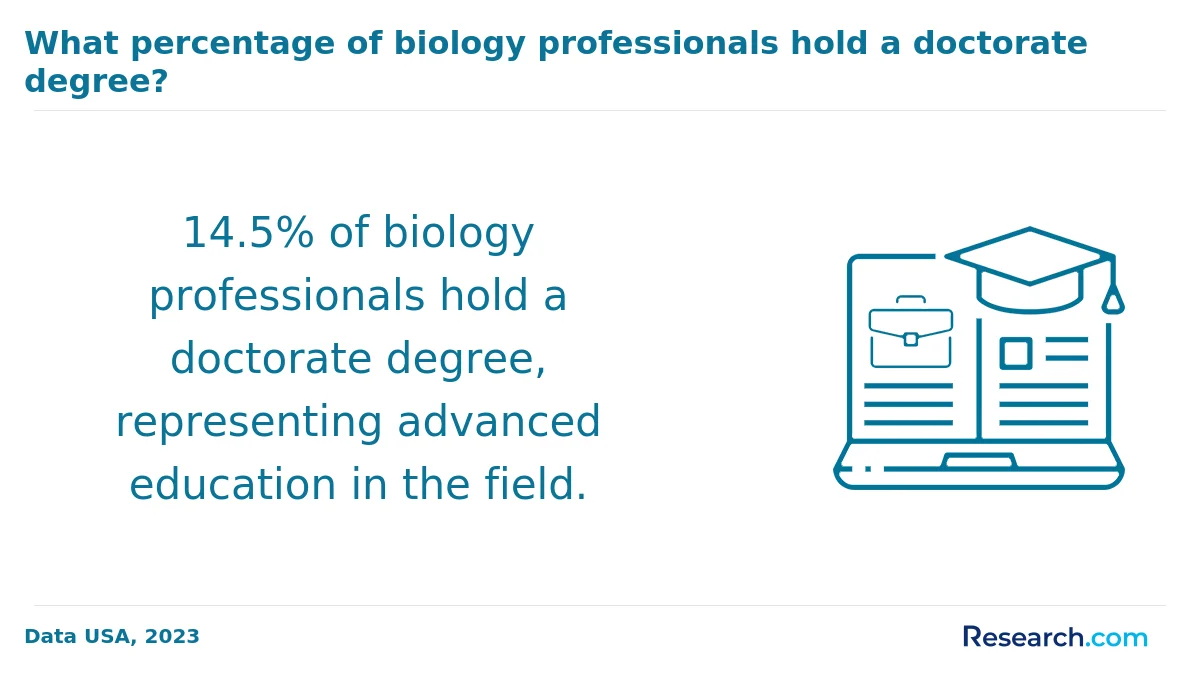
Imagine starting your online biology degree at Indiana University, feeling excited but wondering how to cover those tuition costs. Many biology students find a lifeline through Pell Grants, which can offer up to $7,395 per year-covering a significant chunk of the $11,000 average tuition for in-state learners. This federal aid feels like a breath of fresh air, turning financial worry into focused study time.
Beyond federal support, the 21st Century Scholars program is like a secret treasure chest for Indiana's low-income students, providing early funding and mentorship to guide them through their biology studies. Graduates from Purdue University often recall how this state grant lifted a huge weight off their shoulders.
On top of grants, many students tap into federal Direct Loans with friendlier interest rates than private ones, or institutional scholarships from their schools that reward academic passion in biology and science. Plus, some working students unlock employer tuition assistance, making the journey smoother while juggling a job.
Nonprofit scholarships focused on STEM fields also brighten the path, showing that in Indiana, the financial aid options feel like an adventurous map leading students boldly toward their biology degree dreams.
Diving into an online biology degree in Indiana means embracing some key prerequisites that set you on the path to success. Graduates from well-known Indiana institutions often recall that having a high school diploma or GED was just the start. Many found that their background in biology, chemistry, and algebra helped them confidently tackle foundational courses from day one.
Strong academic performance is another common thread. A GPA around 2.5 to 3.0 on a 4.0 scale is usually expected, reflecting the program's rigor and the university's commitment to quality education. Official transcripts are a must, providing a snapshot of your journey so far.
For those seeking advanced studies, like a master's level at Indiana University or Purdue, a related bachelor's degree and occasionally GRE scores open doors to deeper exploration.
Imagine logging in for your first online lab simulation with reliable internet and feeling ready thanks to a brief tech orientation-just like many Indiana students did. This blend of preparedness and easy access fuels a thrilling educational adventure.
Imagine diving into cell biology from your own living room while enrolled in an online biology program at a well-known Indiana university. Graduates often recall how courses like Introductory Biology unraveled the mysteries of cell structure and biochemical processes, making the invisible world inside us come alive. Others fondly remember exploring genetics, where learning inheritance patterns and molecular genetics felt like solving nature's own puzzles.
Ecology and Evolution courses take you beyond the virtual classroom, encouraging observation of local ecosystems around Indiana, bringing textbook concepts to life. Microbiology introduces fascinating microorganisms that quietly impact health and the environment, studied through interactive labs designed for remote learners at prominent colleges statewide.
Human Anatomy and Physiology lets students visualize the human body's complex systems, linking theory with hands-on experiences coordinated via university partnerships. Plus, Biostatistics and Research Methods equip students with essential tools to analyze data and design experiments, key skills that recent graduates treasure as they step confidently into research or careers in Indiana's growing biotech landscape.
Indiana's online biology degree specializations open doors to exciting fields where curiosity leads every lesson. Imagine diving into Molecular and Cellular Biology, uncovering the mysteries of life at a microscopic level like many graduates from Indiana University who found joy in mastering genetic codes. Or picture yourself exploring Environmental Biology through online courses that bring Indiana's diverse ecosystems right to your screen, connecting theory with real-world conservation efforts.
Indiana biology degree concentration options online also include vibrant tracks like Biotechnology, where students harness cutting-edge techniques applicable to medicine and agriculture-a favorite path for Purdue University Global learners eager to blend biology with innovative technology. Microbiology enthusiasts study invisible life forms impacting health and environment, while Wildlife Biology offers a thrilling glimpse into animal habitats and behaviors, sparking passion among nature lovers.
For those drawn to healthcare, Health Sciences or Pre-Medical Biology specializations prepare students to step confidently toward medical careers. Exploring these pathways enriches your studies and keeps you aligned with career trends, as highlighted in the best online degrees in biological science.
Choosing the best online biology degree in Indiana feels like embarking on a thrilling expedition through the natural world itself. Imagine graduates from popular institutions like Indiana University or Purdue sharing how accreditation made their degrees widely respected, opening doors to careers in healthcare or environmental science. In Indiana, many students appreciate programs with strong faculty expertise and hands-on virtual labs, which bring subjects like cellular biology and biochemistry vividly to life.
Financial considerations spark the practical side of this journey. Affordable online biology degrees Indiana offer a mix of state-supported tuition benefits and some private options, with in-state public universities averaging $10,000 to $12,000 yearly. Graduates often recall balancing work and study, praising programs that offer asynchronous classes and solid student support-key for keeping motivation high and tackling challenging topics.
Exploring connections to Indiana's biotech industry can transform your learning adventure. Discover more about accelerated biology online programs to customize your pathway and dive deeper into this vibrant field.
Indiana's online biology degree opens doors to thrilling career paths fueled by curiosity and discovery. Graduates often find themselves in healthcare roles like clinical laboratory technologists or medical services managers, where they apply their knowledge to real-world patient care in bustling Indiana hospitals. For those drawn to the excitement of scientific inquiry, working as biological technicians or research assistants at institutions such as Indiana University School of Medicine offers hands-on experience with genetics and molecular biology projects.
Environmental conservation careers also beckon, with opportunities as wildlife biologists or environmental consultants helping to protect Indiana's natural habitats. Biotechnology enthusiasts can dive into roles managing labs or ensuring quality control, tapping into the state's rapidly growing pharma and agricultural sectors-a testament to the promising biology degree job prospects Indiana proudly supports.
Education holds its own charm, too; graduates often enjoy inspiring future generations in classrooms or museums throughout the state. If you're curious about exploring these versatile opportunities, consider programs listed among the affordable biology degree online options tailored for Indiana students.
The job market for graduates with an online biology degree in Indiana is a vibrant landscape filled with opportunity and growth. Many graduates from popular institutions like Indiana University and Purdue University find themselves stepping confidently into roles such as biological technicians, environmental scientists, and clinical laboratory technologists. For those exploring online biology degree job opportunities Indiana offers a unique blend of academic excellence and industry connections that open doors to hospitals, pharmaceutical companies, and research labs.
Graduates often share how internships and hands-on projects in local healthcare systems or agricultural sectors have fueled their passion and sharpened their skills. Salary expectations typically range from $40,000 to $55,000 for entry-level positions, with some clawing paths toward $70,000+, especially in specialized fields. For students navigating their journey from home, the question of how do you become a biologist naturally arises, encouraging them to seek certifications and real-world experience to stay competitive in Indiana's evolving biological sciences career outlook Indiana.
2027 Fastest Online Biology Degree Programs Ranking in Indiana
Investing in your education is a significant decision that can shape your future, and the Research.com team understands the importance of making informed choices. To assist prospective students in Indiana, we have meticulously crafted the "2027 Fastest Online Biology Degree Programs Ranking in Indiana." Our commitment to quality, credibility, and accuracy is reflected in the extensive research and analysis conducted to compile this ranking.
We utilized the following reputable data sources to ensure a comprehensive evaluation of biology degree programs:
By exploring this ranking, readers will gain valuable insights into the fastest online biology degree programs available in Indiana, helping them make informed decisions about their educational paths. For more details on our methodology, please visit our Research.com methodology page.


Frequently Asked Questions About biology
Online biology degree students in Indiana can enhance their learning by actively engaging with their course materials and faculty. Utilizing virtual labs and simulations, which many Indiana universities offer, helps replicate hands-on experiences crucial for understanding biological concepts. According to the Indiana Commission for Higher Education, about 40% of biology students benefit from such interactive tools.
Joining online study groups or forums within the university community supports collaboration and deeper comprehension. Indiana's robust network of academic resources, including access to digital libraries like those at Purdue University Global, provides students with up-to-date research and data.
Additionally, students should pursue internships or volunteer opportunities at local research centers or hospitals to gain practical skills. Aligning coursework with Indiana's biotechnological industry trends increases employability after graduation.
The biology field is expanding into several emerging niches that show strong potential for growth, especially for students pursuing online biology degrees in Indiana. One significant area is bioinformatics, which blends biology with data science to analyze complex genetic information. Indiana's growing tech sector supports this niche by increasing demand for professionals skilled in computational biology.
Another promising specialty is environmental biology, reflecting Indiana's focus on conservation and sustainable agriculture. With the state's diverse ecosystems, students can explore roles in habitat restoration and wildlife management.
Additionally, biotechnology and molecular biology remain vital due to Indiana's investment in pharmaceutical and medical research industries. According to the Indiana Department of Workforce Development, jobs in life sciences are expected to grow by 6% through 2028, highlighting these niches as important paths for biology graduates.
After completing an online biology degree in Indiana, preparing for the job market involves building relevant skills and networking within the local scientific community. According to the Indiana Department of Workforce Development, biology-related jobs, including environmental scientists and biological technicians, are projected to grow by 8% through 2030. Gaining hands-on experience through internships or research projects-even remotely-can significantly improve employability.
It is also important to develop proficiency in data analysis and laboratory technologies, as many Indiana employers seek candidates familiar with bioinformatics and modern equipment. Joining professional organizations like the Indiana Academy of Science offers networking and continuing education opportunities.
Finally, tailoring resumes to highlight both academic achievements and practical skills relevant to Indiana's key sectors, such as agriculture and healthcare, enhances job prospects in the competitive biology field.
Employers in Indiana seeking biology degree graduates highly value strong analytical skills. Graduates must be adept at interpreting scientific data, which aids research and development in local industries such as agriculture and healthcare.
Communication skills are essential, as biology professionals often collaborate across multidisciplinary teams and present findings clearly. According to Indiana's Department of Workforce Development, effective teamwork and technical writing ability rank among top employer demands.
Proficiency in laboratory techniques, including molecular biology and biostatistics, is also critical. Indiana's expanding biotech sector requires graduates to handle advanced equipment competently and adapt to evolving technologies.
Lastly, problem-solving and critical thinking are key, enabling graduates to contribute to innovations and address challenges in environmental and medical biology fields.
Finding internships in Indiana relevant to a biology degree involves leveraging multiple local resources. Start by exploring opportunities offered through Indiana's public universities and community colleges, which often have partnerships with hospitals, research labs, and environmental organizations. For example, Indiana University's Career Development Center provides listings and support for biology-related internships. Students can also consult the Indiana Department of Natural Resources for internships in conservation and biodiversity projects.
Networking through professional associations such as the Indiana Academy of Science can open doors to research internships. Online platforms like Handshake and the Indiana Internships portal offer searchable listings tailored to Indiana students. Combining these resources enhances chances of securing valuable, hands-on biology experience.
Obtaining an online biology degree in Indiana can significantly enhance career mobility and advancement opportunities. The state's growing biotech and agricultural sectors value candidates with strong biology backgrounds, especially those with flexible learning formats. According to the Indiana Department of Workforce Development, jobs in biological sciences are expected to grow by about 7% through 2030, indicating solid demand for qualified professionals.
Online degrees offer accessibility for working adults, enabling them to upskill without relocating. This flexibility supports career shifts or promotions within research institutions, healthcare, and environmental agencies prevalent in Indiana.
Employers increasingly recognize accredited online biology degrees as equivalent to traditional degrees, broadening job prospects. Overall, an online biology degree can be a strategic asset for ongoing career development in Indiana's evolving job market.
Studying for a biology degree in Indiana offers students a strong foundation that prepares them for interdisciplinary roles in industries such as healthcare, environmental science, and biotechnology. Indiana's online programs emphasize collaboration between biology and fields like chemistry, data science, and engineering.
Most programs incorporate courses in bioinformatics, genetics, and ecological systems, helping students develop versatile skills applicable in multiple contexts. According to the National Center for Education Statistics, Indiana awarded over 1,200 biology-related bachelor's degrees in 2021, reflecting a growing interest in life sciences.
Local research institutions and companies often partner with universities to provide hands-on research opportunities, essential for interdisciplinary career paths.
When choosing between a thesis and a non-thesis online biology degree in Indiana, consider your career goals first. A thesis program involves conducting original research, which suits students aiming for research roles or doctoral studies. According to the National Center for Education Statistics, about 40% of biology graduates pursue advanced research careers. Non-thesis programs focus on coursework and practical skills, ideal for those seeking immediate employment in healthcare, education, or industry.
Also, thesis programs often take longer to complete due to research requirements, while non-thesis options may allow faster graduation. Tuition and financial aid vary by institution, so review specific Indiana schools' offerings carefully. Choosing depends on your time availability, professional ambitions, and preference for hands-on research versus applied learning.
Students in Indiana seeking to study biology abroad often explore exchange programs or partnerships facilitated by their home institutions. While fully online biology degrees typically do not include international study components, some Indiana universities collaborate with foreign universities for short-term study abroad opportunities.
Indiana's strong public university system, including Indiana University and Purdue University, offers students access to study abroad programs in countries known for biological research, such as Australia and the United Kingdom. These experiences can supplement online curriculum but usually require in-person participation.
According to the Indiana Commission for Higher Education, roughly 10% of undergraduate biology students engage in national or international study experiences to enhance their education. This reflects moderate interest and available support for biology students interested in global perspectives.
Students pursuing online biology degrees in Indiana can benefit from various part-time job opportunities that enhance their academic knowledge and build practical skills. Positions such as laboratory assistants in universities or healthcare facilities offer hands-on experience with biological techniques and equipment. According to the Indiana Department of Workforce Development, lab technicians in the state earn an average hourly wage of $18.50, helping students support themselves financially while gaining relevant expertise.
Additionally, roles like environmental field technicians provide work in conservation and wildlife studies, important areas in Indiana's diverse ecosystems. Part-time jobs in local zoos, botanical gardens, and clinics also complement biology studies by offering real-world exposure to animal care and plant sciences.
Online biology students in Indiana have access to several networking opportunities despite the distance learning format. Many universities, such as Indiana University and Purdue University, offer virtual career fairs and biology-focused webinars that connect students with industry professionals and researchers. According to the Indiana Department of Workforce Development, the state employs over 12,000 biological scientists, making networking with these professionals valuable for internships and job placements.
Regional organizations like the Indiana Academy of Science provide virtual meetings and conferences that online students can attend. Additionally, online biology programs often encourage participation in student clubs and research groups via online platforms, fostering peer connections and mentorship.
Alumni networks play a significant role in supporting online biology degree students in Indiana by providing valuable connections and resources. These networks often include graduates working in various fields such as healthcare, research, and environmental science, creating mentorship opportunities for current students.
Since Indiana houses numerous biotech firms and research centers, alumni connections can help students access internships and job openings tailored to biology graduates. According to the Indiana Biosciences Research Institute, effective networking contributes to higher employment rates among recent graduates.
Furthermore, alumni often share advice on navigating the local job market and continuing education pathways, enhancing career readiness for online biology students.
Students pursuing an online biology degree in Indiana can often tailor their programs through elective courses and specialized tracks. Many Indiana institutions offer options such as molecular biology, environmental science, or biotechnology to align study with specific career paths. For example, Indiana University provides flexible curricula that allow students to focus on research, healthcare, or conservation careers. Additionally, internships and lab-based experiences can sometimes be included remotely or locally, enhancing practical skills.
Advisors play a key role in helping customize program plans based on industry demand. According to the Indiana Commission for Higher Education, biology-related jobs in Indiana are expected to grow by 7% from 2020 to 2030, especially in healthcare and environmental sectors. This growth encourages students to select coursework that matches workforce needs.
Online biology students in Indiana often face unique challenges related to hands-on laboratory experience. Biology programs typically require in-person lab work, which can be difficult to complete remotely. Students must find ways to fulfill these requirements, sometimes traveling to campus or partnering facilities.
Another challenge is staying engaged with complex scientific material outside traditional classroom settings. The lack of direct interaction with instructors can impact understanding of detailed subjects like genetics or ecology.
Internet connectivity issues in rural parts of Indiana may also affect smooth access to course content and live discussions, posing an additional hurdle for some learners.
Finally, balancing coursework with personal and professional responsibilities is common among online biology students, requiring strong time-management skills and self-motivation.
An online biology degree from Indiana opens pathways to various professional certifications that enhance career prospects. Graduates often pursue certifications such as the Certified Biological Technician (CBT), offered by the American Society for Clinical Pathology (ASCP), which validates skills in laboratory settings.
Other options include certifications in environmental science, like the Certified Environmental Scientist (CES) credential, which aligns with roles in Indiana's natural resource management agencies. Additionally, biology graduates interested in education can obtain teaching licenses through the Indiana Department of Education, qualifying them to teach biology at secondary schools.
Certifications like those for clinical research coordinators also suit biology degree holders planning to work in Indiana's growing biomedical industry, according to data from the Indiana Economic Development Corporation.
To write a winning application for an online biology program in Indiana, begin by demonstrating strong academic performance, particularly in science and math courses, as these are foundational for biology studies. According to the Indiana Commission for Higher Education, maintaining a GPA of 3.0 or higher improves admission chances. Highlight any relevant experience, such as lab work or research projects, to show practical skills.
Include a well-crafted personal statement explaining your interest in biology and how the online format fits your goals. Tailor your application to reflect knowledge of Indiana's biology-related industries, such as biomedical research or environmental science, which are growing sectors in the state. Finally, secure strong recommendation letters from instructors or professionals familiar with your abilities.
The global perspective on a biology career highlights strong growth driven by advances in healthcare, environmental science, and biotechnology. In the United States, biology remains a popular major, with the Bureau of Labor Statistics projecting a 5% employment growth for biological scientists from 2021 to 2031. Indiana offers various online biology degree options that prepare students for these expanding fields.
Indiana's life sciences industry is significant, employing over 47,000 people and contributing $15 billion annually to the state economy, according to BioCrossroads. This reflects opportunities for biology graduates locally and beyond.
Internationally, biology careers focus on solving global challenges such as disease control and climate change, making skills learned in Indiana's online programs transferable worldwide. The emphasis on research, data analysis, and lab techniques aligns with global standards, fostering job mobility.
Gaining practical experience while studying for an online biology degree in Indiana is achievable through a variety of methods. Many Indiana colleges with online biology programs facilitate local internships or lab partnerships for remote students. These opportunities often involve collaborations with hospitals, research centers, or environmental organizations statewide.
Students may also participate in virtual labs and simulations, which provide hands-on learning through digital platforms endorsed by Indiana universities. Additionally, joining local biology or scientific societies, such as the Indiana Academy of Science, can connect students with fieldwork and networking events.
Completing an internship in Indiana can enhance your resume and build essential skills, often fulfilling degree requirements. According to the National Center for Education Statistics, about 60% of online STEM students in Indiana undertake internships during their studies, boosting job placement rates after graduation.
Choosing the right concentration within an online biology degree program in Indiana depends on your career goals and interests. Common concentrations include molecular biology, environmental biology, and biotechnology. Indiana's diverse ecosystems and thriving pharmaceutical industry make programs focusing on environmental science and biotech particularly valuable. According to the Indiana Commission for Higher Education, job growth in life sciences is expected to rise by 7% through 2030, emphasizing specialized skills.
Research program faculty and course offerings to ensure they align with your aspirations. Also, check for internship or research opportunities with local institutions like Indiana University or Purdue University.
- 2027 Fastest Online Biology Degree Programs Ranking in Wisconsin
- 2027 Fastest Online Biology Degree Programs Ranking in Pennsylvania
- 2027 Fastest Online Biology Degree Programs Ranking in Florida
- 2027 Fastest Online Biology Degree Programs Ranking in Maryland
- 2027 Fastest Online Biology Degree Programs Ranking in Massachusetts
- 2027 Fastest Online Biology Degree Programs Ranking in Texas
- Colleges With the Best Alumni Networks https://www.collegexpress.com/lists/list/colleges-and-universities-with-the-best-alumni-networks/3464/
- Turn Your Passion for Science Into a Rewarding Career With a Biology Degree - UNCF https://uncf.org/the-latest/a-biology-degree-can-open-the-door-to-life-and-living
- Best Online Biology Degrees in Indiana | 2026 Rankings https://bestonlinecollege.org/programs/biology/states/indiana
- Master of Science (M.S.) Major in Biology (Non-thesis Minor Option) https://mycatalog.txstate.edu/graduate/science-engineering/biology/biology-nonthesis-minor-ms/
- Can Online Biology Courses Replace In-Person Labs? https://www.straighterline.com/blog/can-online-biology-courses-replace-in-person-labs
- 50 Most Supportive Alumni Networks – Features Rankings https://www.collegeconsensus.com/rankings/best-college-alumni-networks/
- Biology Study Abroad Programs https://www.worldendeavors.com/natural-sciences/biology/
- Online Degrees vs. Traditional Degrees: Key Differences https://edu.expert2lab.com/article.php/online-degrees-vs-traditional-degrees-which-one-is-better
- B.S. Biology | Indiana Wesleyan University https://www.indwes.edu/program/division-of-natural-sciences/bs-biology
- Careers Guidance https://www.rsb.org.uk/career-guidance.html