2027 Easiest Online Bachelor's in Biology Degree Programs Ranking in the USA

Co-Founder and Chief Data Scientist
Exploring a biology degree can open doors to exciting careers in science, healthcare, and environmental fields. Choosing the right program is key to making your educational journey smoother and more rewarding.
This article presents the 2027 Easiest Online Bachelor's in Biology Degree Programs Ranking in the USA, created by the Research.com team of data scientists. It's designed to help you find biology programs that match your needs and learning style without unnecessary stress.
Discover helpful insights that can guide your decision and support your goals in this dynamic field.
Key benefits of getting online biology degree in America
- Biology degree graduates in the US often find rewarding careers in healthcare, environmental science, and research, with average annual salaries ranging from about $50,000 to $80,000, offering solid financial stability.
- Graduates from popular universities have diverse career options including roles as biologists, lab technicians, and conservation scientists, allowing for exciting work in fields that protect health and the environment.
- Completing a biology degree online offers flexible scheduling and accessibility, making it easier for students to balance studies with personal and work commitments while still gaining quality education from respected institutions.
- 2027 Easiest Online Bachelor's in Biology Degree Programs Ranking in the USA
- What can I expect from online biology degree in America?
- Where can I work with online biology degree in America?
What can I expect from online biology degree in America?
The average cost of an online biology degree in America generally falls between $5,000 and $15,000 per year at public universities, especially for in-state students. For example, graduates from state schools like the University of Florida or Texas A&M often praise how affordable their tuition was, allowing them to balance work and study without excessive debt. On the other hand, private institutions like Johns Hopkins or Stanford can charge above $30,000 annually, which many students offset through scholarships or employer tuition assistance.
Students emphasize that understanding these costs early helps plan finances effectively. Those enrolled in online programs benefit from flexible payment plans or federal aid, making the investment manageable. Comparing costs alongside accreditation and program quality ensures students get value for their money while preparing well for careers in biology-related fields. These practical steps enable students to focus on engaging coursework, virtual labs, and building hands-on skills essential for success.
Where can I work with online biology degree in America?
Graduates with an online biology degree from colleges like Arizona State University or Oregon State often find clear pathways into healthcare roles, such as laboratory technicians or clinical research coordinators, at hospitals and biotech firms. These positions offer steady growth and hands-on work that feels impactful day-to-day.
Others leverage their biology background to become environmental consultants or wildlife biologists, working with agencies like the EPA or nonprofits focused on conservation. This path suits those motivated by protecting natural ecosystems and offers diverse field and office experiences.
Graduates interested in education frequently start as lab assistants or tutors in community colleges, gaining direct interaction with students while pursuing certification. This tangible teaching experience helps build confidence in communication skills valuable in many career contexts.
Research roles in genetics or microbiology labs, often found at universities known for STEM like the University of Florida, provide opportunities to contribute to cutting-edge science as research assistants. Here, early career professionals engage with data analysis and experimentation.
Finally, agricultural and food science jobs-such as crop biotechnologists-allow graduates to support sustainable farming efforts, translating classroom knowledge into everyday practices that improve food safety and production efficiency.
Graduates with an online biology degree in America typically start their careers earning between $45,000 and $60,000 annually. For example, a recent graduate from a well-known institution like the University of Florida working as a laboratory technician or research assistant might begin within this range, gaining valuable hands-on experience.
As experience builds, salaries rise. Mid-career professionals with a master's degree or specialized certifications-such as those from Oregon State University-often earn between $70,000 and $100,000. Positions in biotech firms or environmental consulting roles in states like California tend to offer even higher pay, thanks to industry demand and regional funding.
Graduates pursuing roles in pharmaceuticals or environmental science report some of the most rewarding outcomes, with salaries sometimes exceeding $110,000 as they move into senior positions. Combining online study with internships or technical skills can make a measurable difference in earning potential, providing confidence and a clear path forward in America's competitive job market.
- Online biology degrees usually require about 120 credit hours and take around four years to complete, with part-time options extending the timeline.
- Tuition costs for in-state students at public universities range from $7,000 to $15,000 per year, while out-of-state or private institutions can charge over $25,000 annually.
- The median annual salary for biological scientists was approximately $83,000 in 2022, with starting salaries generally between $50,000 and $60,000.
- Jobs in biological sciences are expected to grow by about 5% over the next decade, with stronger demand in biotechnology and environmental sectors.
- Accreditation is crucial for degree credibility, and some programs may require hybrid or local lab sessions for hands-on experience.
Online biology degrees in America typically take about four years to complete for full-time students following a traditional bachelor's curriculum. Graduates from institutions like the University of Florida or Ohio State University often report finishing their coursework within this timeframe, meeting the usual 120 to 130 credit hour requirement. This duration aligns closely with on-campus programs because online courses maintain the same academic standards.
Many students who balance work or family responsibilities choose part-time enrollment, extending their studies to six years or more. For example, graduates from Arizona State University appreciate the self-paced options that allow them to progress steadily without sacrificing job commitments. Others leverage transfer credits from community colleges or previously earned credentials to shorten their degree timeline significantly.
Accelerated courses offered by schools such as Purdue University Global provide another pathway, enabling motivated students to complete classes faster than a traditional semester. These flexible formats help students turn the challenge of scheduling into an opportunity for earlier graduation and quicker entry into their biology careers.
Understanding what makes a program user-friendly helps you choose wisely:
- Flexible, asynchronous course schedules with multiple start dates
- Generous transfer credit policies recognizing past coursework
- Virtual lab options or reduced lab requirements to save time
- Robust student support like tutoring, tech help, and career services
- Clear, streamlined degree pathways with minimal extra prerequisites
For insights on affordable healthcare degrees, compare with a pharmd degree program.
The main difference between online and on-campus biology degrees in America lies in how you experience learning. For example, a biology graduate from the University of Florida recalls the convenience of online lectures that allowed studying after work, which suited their busy schedule. In contrast, a graduate from the University of California, Berkeley appreciated the face-to-face lab sessions that built hands-on skills essential for fieldwork.
Online programs commonly use digital platforms for accessing lectures, assignments, and exams anytime, offering great flexibility. Many also arrange in-person labs at approved centers or provide virtual simulations, tackling one common concern: practical experience. On-campus students, meanwhile, get direct access to campus labs and clubs, making networking and research easier but requiring a fixed daily schedule.
Tuition costs show a practical difference as well. Graduates from public universities with online biology options often saved thousands compared to those attending private campuses, benefiting from lower fees and no commuting costs. This approach can make biology degrees more affordable without sacrificing core learning.
Building on an online biology bachelor’s, graduates often pursue advanced programs to deepen expertise and boost career prospects:
- Medical and dental schools for roles as physicians or dentists
- Doctor of Pharmacy (pharmd degree) for careers in pharmacology and patient care
- Master’s or Ph.D. programs in molecular biology, ecology, bioinformatics and related fields
- Professional certifications in laboratory techniques, clinical research or environmental assessment
These pathways strengthen subject mastery, expand leadership opportunities and position biology majors for impactful roles in healthcare, research and industry.
The average cost of an online biology degree in America varies significantly depending on residency and institution type, but understanding these figures is critical for any pragmatic planner. Median total tuition is about $57,240, with in-state students typically paying significantly less-around $26,470-compared to out-of-state students who face costs near $63,097. This aligns with experiences shared by graduates from popular universities like Arizona State University and Oregon State University, where in-state tuition remains more affordable, often charged per credit hour.
For those seeking affordable online bachelor's biology programs USA especially, targeting public institutions can be beneficial, since they often offer lower tuition for residents alongside flexible credit-based pricing. Graduates report that by transferring credits or accelerating coursework, they could reduce expenses while maintaining program quality. Also, while private university costs may exceed $50,000 for the full biology degree, many students find scholarships and financial aid that ease the financial burden without compromising their academic goals.
Additional expenses such as lab kits, books, and technology fees typically add a few thousand dollars to the overall budget, so it's wise to include these in your financial planning. Meanwhile, exploring employer tuition reimbursement programs can prove a game-changer for working students. Many have successfully balanced work and study, ultimately opening doors to high earning potential in biology fields. You can learn more about high paying jobs with biology bachelor's degree to realize the return on investing in an online biology degree.
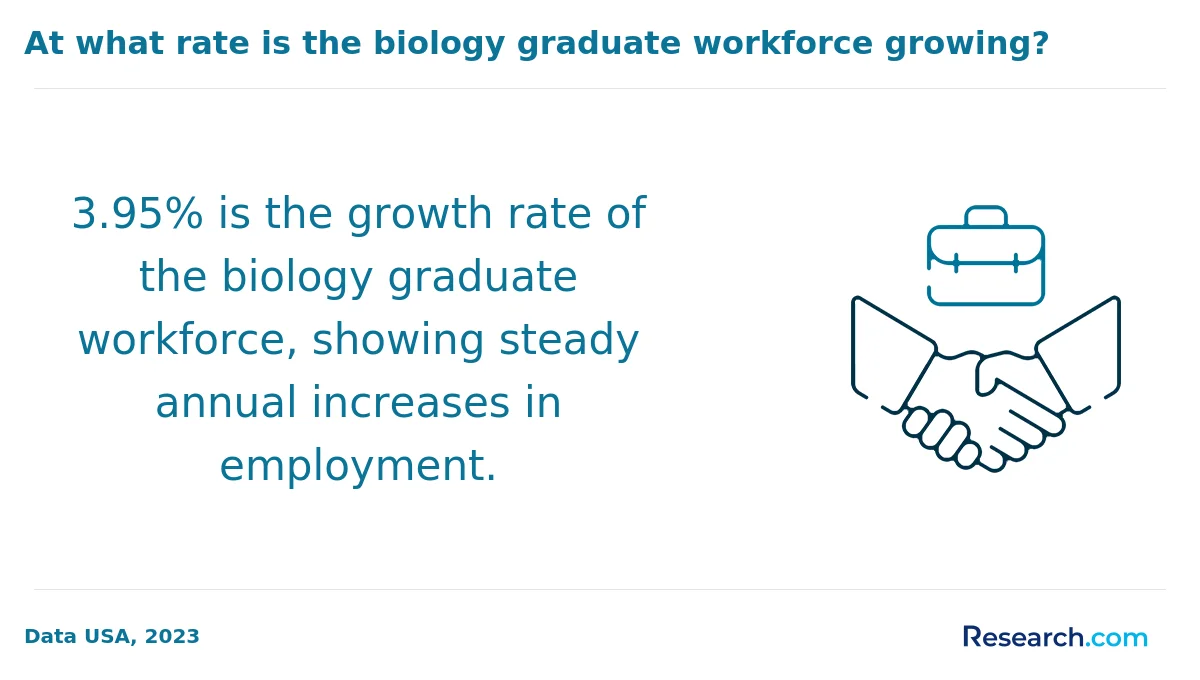
After earning your online biology bachelor’s, consider these paths to deepen expertise and boost career prospects:
- Master’s programs in Molecular Biology, Ecology or Biotechnology for advanced research roles
- Doctoral studies (PhD) focusing on original research and leadership in academia or industry
- Professional degrees, such as the pharmd degree, for clinical pharmacy and patient-care careers
- Teaching certifications to qualify for K–12 or community college instruction
- Industry certifications and micro-credentials in bioinformatics, lab management or regulatory affairs
For students pursuing an online biology degree in America, several financial aid options make education more affordable. Many graduates from popular universities like Arizona State University have relied heavily on federal aid programs such as Pell Grants, which can provide up to $7,395 annually without repayment. These grants cover a large portion of tuition costs, easing financial pressure.
Direct subsidized and unsubsidized federal loans are common aids too, offering lower interest rates than private loans. Subsidized loans are especially helpful as the government pays interest while you're studying. State-specific grants and scholarships also make a big difference; for example, residents attending the University of Florida's online biology program often receive tailored state funding.
Scholarships from organizations like the American Society for Cell Biology provide targeted support, helping students demonstrate their research passion and academic success. Institutional merit scholarships and employer tuition assistance further reduce costs, making it realistic for working professionals to juggle study and career.
Finally, federal tax credits such as the American Opportunity Tax Credit provide valuable financial relief when filing taxes, putting money back in students' pockets.
Choosing an “easy” program isn’t just about relaxed grading-it’s about alignment with your life and learning style. Look for:
- Low minimum GPA or test-optional admissions
- Flexible lab requirements, like virtual simulations or local lab partnerships
- Fully asynchronous courses that fit around work or family commitments
- Generous transfer credit policies to shorten time to degree
- Robust student support: dedicated advisors, tutoring centers, and tech help
- Intuitive learning platforms with clear navigation and mobile access
- Rolling admissions and multiple start dates for maximum scheduling freedom
These factors reduce academic hurdles and streamline your path to a bachelor’s in biology. With the right mix of flexibility and support, you can focus on mastering core concepts and preparing for advanced study-whether that leads you toward research roles or even a pharmd degree.
To enroll in an online biology degree program in America, you'll first need a high school diploma or GED. Graduates from universities like the University of Florida often mention how crucial solid grades in science and math classes were for their admission. Focus on taking biology, chemistry, and math courses such as algebra or geometry, since these build a strong foundation and meet typical prerequisites.
Many schools require SAT or ACT scores, though some, like Arizona State University, have adopted test-optional policies, easing this requirement for many applicants. If you're transferring from another college, expect to submit official transcripts showing your completed coursework-this can expedite your degree progress by gaining transfer credits.
Some programs might ask for letters of recommendation or a personal statement, but these are less common for fully online programs. Graduates often share that preparing these documents helped them reflect on their passion for biology and stand out.
Budgeting for tuition is practical too-public colleges average about $10,900 yearly in-state, though online options sometimes come at reduced costs with financial aid opportunities making biology degrees accessible to many.
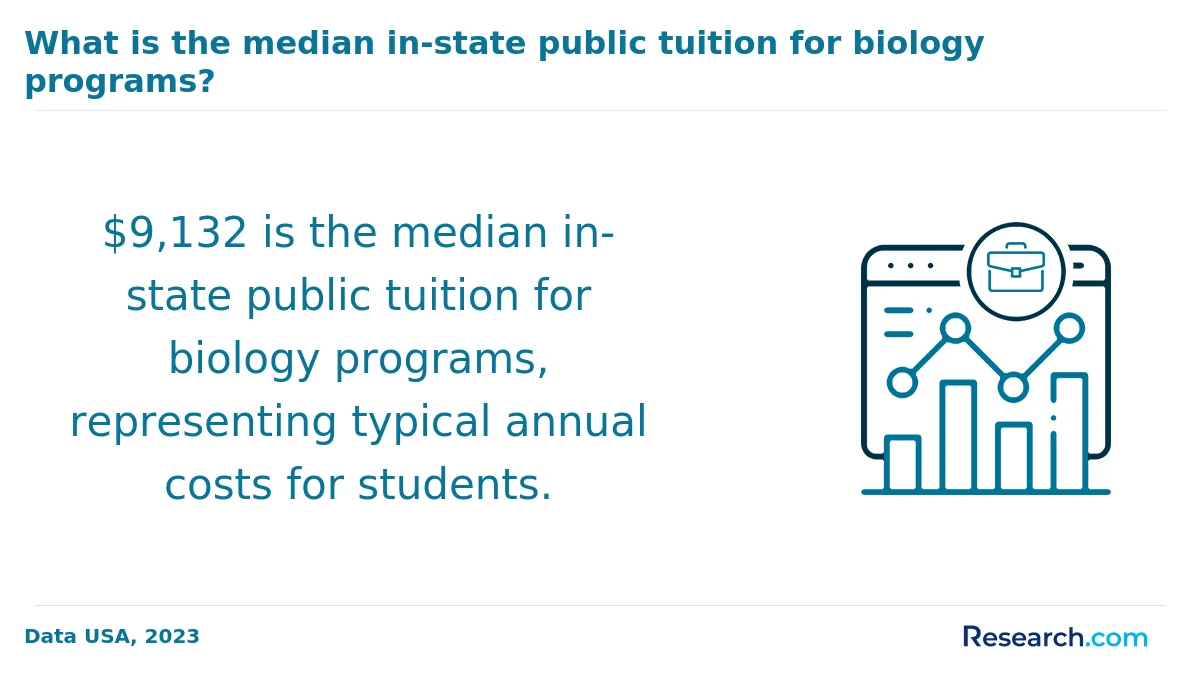
Students seeking the most accessible biology bachelor’s programs should evaluate elements that streamline learning and boost completion rates:
- Flexible, fully asynchronous courses allowing study at any time
- Low admission thresholds (e.g., minimum GPA of 2.5–3.0)
- Generous transfer-credit and prior-learning policies
- Virtual labs or limited on-campus requirements
- Robust student support (tutoring, tech help, academic advising)
For related guidance on affordable healthcare pathways, see our pharmd degree guide.
When pursuing an online biology degree in America, you'll typically encounter a well-rounded set of courses designed to build both foundational knowledge and practical skills. Expect to start with core subjects like cell biology, genetics, microbiology, and ecology, which many graduates from popular institutions like Arizona State University and Oregon State University highlight as essential for understanding the living world.
Hands-on experience is handled creatively through virtual labs or partnerships with local facilities, allowing you to practice laboratory techniques despite studying remotely. You'll often take anatomy and physiology classes, especially if you're aiming for a healthcare-related career path, which past students have found helpful when moving into nursing or pre-medical programs.
Many programs also include supporting studies like organic chemistry, physics, and biostatistics. These courses equip you with critical analytical skills. For example, graduates from the University of Florida online biology program frequently mention how biostatistics made interpreting research data feel achievable.
In essence, your curriculum will cover everything from molecular biology to environmental challenges, preparing you thoroughly for careers ranging from research to biotechnology.
Online biology degree specializations in the USA commonly include molecular biology, ecology, biotechnology, environmental biology, and microbiology. Graduates from well-known universities like the University of Florida or Arizona State University often highlight how molecular biology deepened their understanding of genetics and cell processes, crucial for roles in research or pharmaceuticals. Ecology and environmental biology appeal to those passionate about conservation and ecosystem management, with students frequently sharing stories of fieldwork and virtual labs that prepared them for environmental careers.
Specialized biology majors available online in America also offer biotechnology, blending biology with technology expertise for jobs in agricultural biotech or medical device sectors. Many programs include microbiology, focusing on microbes critical for healthcare and immunology careers, which graduates find highly rewarding when tackling infectious disease challenges. Students at colleges known for their online biology programs appreciate electives like bioinformatics, often tailoring their education to emerging industry needs.
Considering these options, it's smart to explore the best undergraduate biological science programs online to find the right specialized track that aligns with your career goals and budget.
Start by verifying accreditation from a U.S. Department of Education-recognized agency, such as the Higher Learning Commission. Graduates from well-known schools like the University of Florida or Arizona State University often highlight how accredited programs added credibility when applying for jobs or graduate studies. Next, focus on curriculum depth-programs that cover essential biology fields like genetics, microbiology, and ecology, accompanied by hands-on virtual labs or local partnerships, provide a stronger foundation. Many students pursuing easy online biology degree programs USA appreciate schools that offer flexible, asynchronous courses paired with strong academic advising and career support. Cost is a major factor; public universities usually offer more affordable rates around $9,000 annually, while private schools can be much pricier. Compare tuition carefully, including any tech fees. Check graduation and retention rates, aiming for programs above 50%. For a smart start, explore accelerated online biology degree programs that balance affordability and convenience.
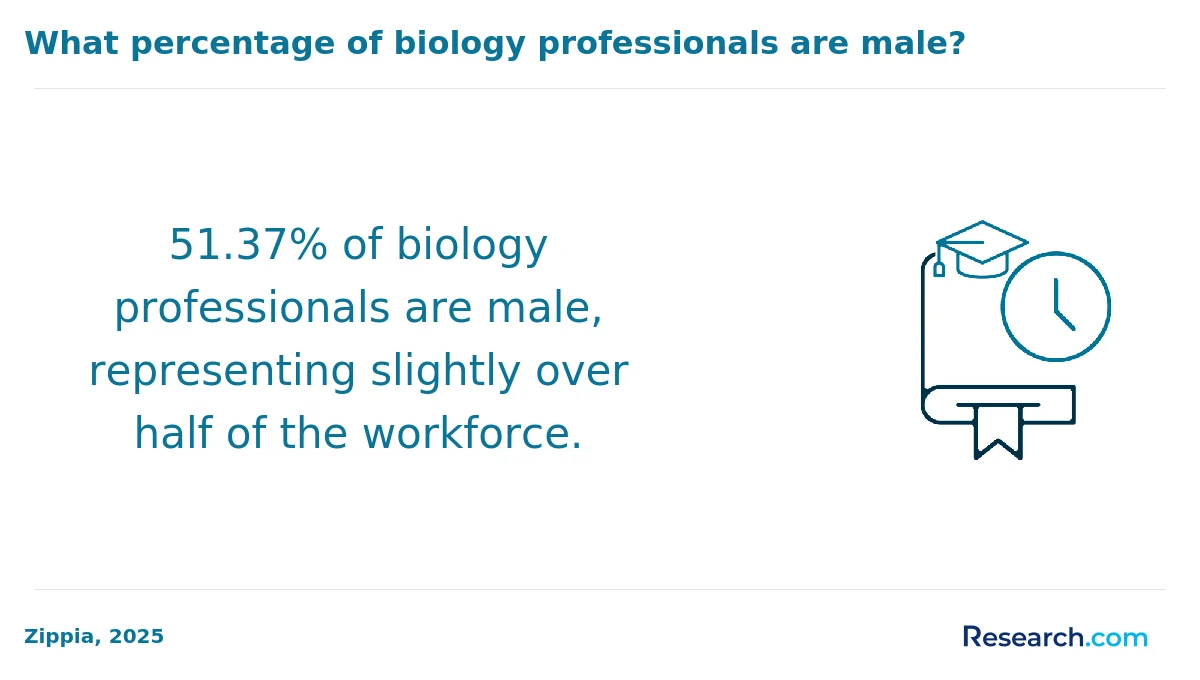
Graduates with an online biology degree in America have diverse biology degree job prospects in America, from healthcare roles such as laboratory technicians and clinical research coordinators to environmental biology focused on conservation and ecosystem monitoring. Many students from well-known colleges find rewarding careers working alongside agencies like the EPA or entering biotechnology sectors in research and product development.
Popular universities known for practical biology programs often have alumni thriving in pharmaceutical industries, using skills in genetics and molecular biology to advance medicine. Others pursue teaching careers in community colleges or high schools, addressing the steady demand for science educators across the U.S.
To explore affordable biology online degrees, many students turn to programs that balance cost and quality, often earning degrees while maintaining work or family commitments. Additional paths like genetic counseling, forensic science, or food safety provide exciting alternatives with strong growth potential.
Careful planning and choosing the right online program can help you join these expanding career fields and meet your goals effectively. Learn more about affordable biology online degrees to get started.
The job market for online biology degree holders in America is stable and growing, with a projected increase of about 5% from 2021 to 2031. Graduates from popular universities offering strong online biology programs, such as Arizona State University and Oregon State University, often find roles in healthcare, environmental agencies, and biotech firms. Practical skills like data analysis and lab techniques learned through these programs make graduates competitive candidates.
Career opportunities for biology graduates in America are diverse, including jobs as research scientists, microbiologists, and pharmaceutical sales representatives. Many biology students report that internships, even when coordinated remotely, significantly boost their employability in these sectors.
Students considering an online biology degree should balance quality education with cost since public universities typically charge around $9,400 annually for in-state tuition, offering a practical route to affordability. For insights into compensation, students often reference how much money does a biologist make, noting starting salaries generally range from $46,000 to $65,000, with advanced roles paying substantially more.
2027 Easiest Online Bachelor's in Biology Degree Programs Ranking in the USA
Investing in your education is a significant decision that can shape your future, and the Research.com team understands the importance of making informed choices. To assist prospective students in identifying the most accessible and reputable biology degree programs, we have meticulously created the "2027 Easiest Online Bachelor's in Biology Degree Programs Ranking in the USA." Our dedication to quality, credibility, and accuracy is demonstrated through thorough research and analysis. We utilized the following reputable data sources to ensure a comprehensive evaluation of these programs:
By exploring this ranking, readers will gain valuable insights into the easiest online biology bachelor's degree programs, enabling them to make informed decisions about their education and career paths. For more details on how this ranking was developed, please visit our Research.com methodology page.
# 1 position
University of Maryland Global Campus
Bachelor of Biotechnology


# 3 position
Northern Arizona University
Bachelor of Health Sciences, Allied Health, Diagnostic Medical Imaging and Therapy





# 10 position
Thomas Edison State University
Bachelor of Biology

Frequently Asked Questions About biology
Online biology degree students in America can maximize their learning by actively engaging with digital resources. Accessing virtual labs and simulations enhances understanding of complex biological processes. According to the National Center for Education Statistics, about 35% of biology undergraduates participate in research, which online students can replicate through remote internships or projects.
Joining online study groups and discussion forums helps foster collaboration and deeper comprehension. Utilizing university-provided academic support, such as tutoring and writing centers, can improve retention. Scheduling consistent study times and setting clear goals also align with best practices for online learners identified by the Online Learning Consortium.
Finally, students should leverage networking opportunities with faculty and professionals to gain insight into the evolving biology job market in the U.S., where employment for biological scientists is projected to grow 5% from 2021 to 2031, per the U.S. Bureau of Labor Statistics.
The biology field in America is expanding with emerging niches that reflect technological advances and societal needs. One key area is bioinformatics, which combines biology, computer science, and data analysis to understand genetic information. According to the Bureau of Labor Statistics (BLS), jobs in this sector are projected to grow 15% from 2021 to 2031, faster than average.
Another growing niche is synthetic biology, focusing on designing new biological parts for medical and environmental applications. Environmental biology also sees increased demand due to climate change concerns, with roles improving by 8% over the next decade as per BLS data.
Additionally, personalized medicine, which tailors treatments to individual genetic profiles, is rapidly advancing in the U.S., offering promising career paths for biology graduates.
Preparing for the job market after completing an online biology degree in America requires strategic planning and active engagement. According to the U.S. Bureau of Labor Statistics, the biological sciences field is projected to grow by about 8% from 2022 to 2032, creating opportunities but also requiring strong skills.
Internships and research experiences are critical. Many programs encourage students to pursue virtual or local internships to gain hands-on skills. Networking through professional organizations, such as the American Institute of Biological Sciences, can connect graduates to job openings and mentorship.
Additionally, developing technical skills like data analysis and laboratory techniques enhances employability. Certificates in bioinformatics or environmental science can also make candidates stand out.
Employers in America highly value biology graduates who possess strong analytical and laboratory skills. According to the National Association of Colleges and Employers (NACE), problem-solving ability and proficiency with modern biotech tools rank among the top competencies sought in the biological sciences field.
Critical thinking is essential, as many biology roles require interpreting complex data and designing experiments. Communication skills are also crucial; graduates must effectively present their findings both in writing and verbally.
Other in-demand skills include familiarity with bioinformatics, data analysis software, and teamwork. The U.S. Bureau of Labor Statistics highlights adaptability and technological literacy as key traits for success in biology-related careers.
Finding internships relevant to a biology degree in America requires targeted research and proactive outreach. Many universities offer dedicated internship offices that connect biology students with opportunities in research labs, healthcare facilities, and environmental organizations. According to the National Association of Colleges and Employers (NACE), internships increase employment prospects by over 60%.
Online students should explore databases such as the American Institute of Biological Sciences (AIBS) internship listings and government portals like USAJOBS for research assistant roles. Networking through professional biology associations, such as the Society for Integrative and Comparative Biology, can also open doors.
Applying early, tailoring resumes to highlight relevant coursework, and securing faculty recommendations are critical for competitive positions. The U.S. Bureau of Labor Statistics highlights growing biology-related fields like biotechnology, emphasizing internships as essential experience for entry-level roles.
Obtaining an online biology degree from an accredited American institution can significantly enhance career mobility and advancement opportunities. According to the U.S. Bureau of Labor Statistics, biology-related occupations are expected to grow 5% from 2021 to 2031, faster than the average for all jobs. This growth increases demand for qualified candidates with formal education.
Online biology degrees offer flexibility, allowing working professionals to upskill without leaving their current roles. This can lead to promotions or transitions into specialized fields such as biotechnology, environmental science, or health care.
Employers increasingly recognize accredited online degrees as valid credentials, particularly when programs emphasize hands-on laboratory skills and research experience. Graduates often leverage their degree to sit for certifications, enhancing credibility.
In addition, career services offered by many online programs provide networking and job placement assistance, further supporting career progression.
Studying for a biology degree in America equips students with a strong foundation in life sciences while emphasizing interdisciplinary skills. Many programs integrate courses from chemistry, physics, computer science, and environmental science, reflecting the interconnected nature of modern biology. According to the National Center for Education Statistics, over 65% of biology graduates pursue careers or further study in related fields, highlighting the versatility of their training.
Online biology degrees often include research methods and data analysis, preparing students for roles in biotechnology, healthcare, and environmental policy. This broad exposure fosters critical thinking and adaptability-key traits for interdisciplinary collaboration in scientific and professional settings.
When choosing between a thesis and a non-thesis biology degree program in America, consider your long-term goals. A thesis program typically involves conducting original research and writing a detailed paper, which suits students aiming for graduate school or research careers. According to the National Center for Education Statistics, about 30% of U.S. biology bachelor's programs offer a thesis option.
Non-thesis programs focus more on coursework and practical skills, ideal for students seeking immediate employment in healthcare, education, or biotechnology sectors. Online programs often allow flexibility for working adults. Understanding faculty expertise and program structure is essential to make an informed choice aligned with your career path.
Students in America interested in studying biology abroad through online programs have several options, though these are relatively limited compared to domestic offerings. Many US institutions partner with foreign universities to offer joint online degrees or study-abroad opportunities that integrate international coursework with virtual biology studies.
Some universities provide remote access to global research projects or labs, enhancing practical experience without travel. Additionally, programs accredited by recognized bodies like the Council for Higher Education Accreditation (CHEA) ensure that international online biology degrees meet US standards.
According to the National Center for Education Statistics (NCES), less than 10% of US biology students pursue degrees abroad, but online platforms may increase this in coming years.
Part-time job opportunities that complement a biology degree in America often involve roles in research, healthcare, and environmental sectors. Many students work as laboratory assistants, which helps develop practical skills essential for biology careers. According to the U.S. Bureau of Labor Statistics, such positions typically require some college education and offer valuable hands-on experience.
Internships or technician roles in hospitals and clinics provide exposure to medical biology fields, aiding students interested in health sciences. Jobs in environmental agencies or non-profits also align well with biology studies, focusing on conservation and ecology.
These roles not only support education but also strengthen resumes for future employment.
Online biology students in America have growing networking opportunities through virtual platforms offered by many universities. These include online discussion boards, group projects, and live webinars that connect students across states. The American Institute of Biological Sciences (AIBS) and the National Association of Biology Teachers (NABT) provide online memberships that grant access to conferences, forums, and mentorship programs specifically designed for biology students. Additionally, LinkedIn groups focused on biology and life sciences allow students to build professional networks and explore internships or job openings. According to the National Center for Education Statistics, over 30% of biology undergraduates participate in these online communities nationwide.
Alumni networks offer significant benefits to students pursuing online biology degrees in America. These networks connect current students with graduates working in various biology-related fields, such as healthcare, research, and environmental science. According to the National Association of Colleges and Employers (NACE), 85% of jobs are filled through networking, highlighting the value of alumni connections.
Access to mentorship is another key benefit. Alumni can provide guidance on career paths, internships, and graduate school opportunities, especially vital for online students lacking on-campus support. Many universities also host virtual networking events, fostering relationships that can lead to job referrals and collaborations.
Through alumni networks, students gain industry insights and stay updated on trends in biotechnology, ecology, and molecular biology, enhancing their academic and professional growth within the competitive biology job market in the U.S.
Customizing an online biology degree program in America allows students to align their education with specific career goals. Many universities offer concentrations or specializations such as molecular biology, ecology, biotechnology, or environmental science. Selecting relevant electives can deepen expertise in these areas.
Students may also combine their biology studies with complementary fields like chemistry, data analysis, or health sciences to expand career options. Internship opportunities, though virtual or local, can provide practical experience.
According to the National Center for Education Statistics, about 30% of biology undergraduates choose specialized tracks to tailor their education toward fields with strong job growth.
Online biology students in America often face unique challenges compared to traditional on-campus learners. One major issue is the limited access to hands-on laboratory experience, which is vital for mastering biological concepts. Although virtual labs and simulations exist, they cannot fully replace physical experiments.
Additionally, many students report difficulties with time management and self-discipline due to the flexible nature of online courses. According to the National Center for Education Statistics, nearly 30% of online students struggle to stay engaged without in-person interaction.
Technical issues and inconsistent internet access can further hinder learning, especially in rural areas.
Finally, networking opportunities and direct mentorship with faculty may be less accessible, affecting professional growth.
Graduates with an online biology degree in the United States can pursue several professional certifications to enhance their career opportunities. Among the most recognized is the Certified Biological Safety Professional (CBSP) credential, offered by the American Biological Safety Association. This certification demonstrates expertise in biosafety procedures, important for roles in labs and research facilities.
Another option is the Certified Wildlife Biologist (CWB) designation through The Wildlife Society, which is valuable for those interested in conservation and environmental biology careers. Additionally, individuals working with laboratory animals may seek certification such as the Registered Biological Safety Professional (RBSP).
These certifications typically require a combination of education, relevant work experience, and passing an exam, aiming to validate specialized knowledge and skills in biology-related fields.
Writing a winning application for an online biology program in America requires clear demonstration of your passion and academic readiness. Start by highlighting relevant coursework in biology, chemistry, and math; programs often seek students with strong STEM backgrounds. According to NCES data, many biology programs receive over 1,000 applicants annually, so a well-crafted personal statement explaining your motivation can set you apart.
Include any hands-on experience such as lab work or research internships, even if virtual. Submit official transcripts showing competitive GPA, typically above 3.0 for top programs. Letters of recommendation from science instructors can enhance credibility. Lastly, meet all application deadlines and carefully follow submission guidelines provided by each institution.
Biology careers in the United States are increasingly influenced by global scientific collaboration and environmental challenges. With over 19% job growth predicted for biological scientists from 2022 to 2032, according to the U.S. Bureau of Labor Statistics, demand reflects worldwide emphasis on health, sustainability, and biotechnology.
American biologists often work on international projects addressing climate change, disease control, and biodiversity. U.S. institutions collaborate frequently with European and Asian partners, highlighting biology's global nature.
Online biology degrees prepare students to engage with these global issues by focusing on both foundational knowledge and emerging fields such as genomics and bioinformatics, in alignment with international scientific trends.
Gaining practical experience while studying for an online biology degree in America is essential for career preparation. Many universities offer virtual labs and simulations that replicate hands-on experiments. Additionally, students can seek internships or volunteer positions at research institutions, hospitals, or environmental organizations near their location.
The American Society for Microbiology and the National Science Foundation provide resources to help students find opportunities for fieldwork or lab work.
Some programs include required capstone projects or collaborative research, allowing students to apply their knowledge in real-world scenarios. According to the National Center for Education Statistics, about 40% of biology undergraduates participate in internships before graduation.
Choosing the right concentration within an online biology degree program in America depends on your career goals and interests. Many programs offer specializations such as molecular biology, ecology, or biotechnology. According to the National Center for Education Statistics, concentrations in health-related biological sciences are growing in popularity due to job demand in healthcare and research fields.
Consider how each concentration aligns with industries that employ biology graduates, like pharmaceuticals or environmental conservation. Research typical job roles and salaries for each focus area using sources like the U.S. Bureau of Labor Statistics, which reports median wages of about $82,000 annually for life scientists.
Also, evaluate the curriculum carefully. Look for programs with coursework and labs emphasizing your chosen concentration's skills to increase your employability after graduation.
- Biology/Biomedical Placements/Internships | Gradcracker - Careers for STEM Students https://www.gradcracker.com/search/science/biology-biomedical-work-placements-internships
- Turn Your Passion for Science Into a Rewarding Career With a Biology Degree - UNCF https://uncf.org/the-latest/a-biology-degree-can-open-the-door-to-life-and-living
- Best Online Biology Degrees https://www.affordablecollegesonline.org/biology-programs/
- 4 Types of Biology Concentrations | University of Bridgeport https://www.bridgeport.edu/news/biology-concentrations/
- How To Become A Biologist | Biology Degrees And Careers https://www.learnhowtobecome.org/science-technology-careers/biology/
- How to Create a Biology Course Plan for Accelerated Degree Completion https://www.straighterline.com/blog/how-to-create-an-efficient-biology-course-plan-for-accelerated-degree-completion
- What Can You Do With a Biology Degree? https://willamette.edu/academics/college/biology/career-options
- How a Strong Alumni Network Can Benefit Students https://www.pacificu.edu/blog/how-strong-alumni-network-can-benefit-students
- Careers Guidance https://www.rsb.org.uk/career-guidance.html
- Biology Major Jobs: Careers in the Biological Sciences | Houston Christian University https://hc.edu/articles/biology-major-jobs-careers-in-the-biological-sciences/