2027 Easiest Online Bachelor's in Biology Degree Programs Ranking in the South

Co-Founder and Chief Data Scientist
Choosing the right online biology degree can feel overwhelming, especially with so many options in the South. This article presents the 2027 Easiest Online Bachelor's in Biology Degree Programs Ranking in the South, crafted by the Research.com team of data scientists to guide you toward programs that match your goals.
Exploring this ranking helps you focus on programs that balance quality and accessibility, making your path smoother. A biology degree opens doors to exciting careers and personal growth-this guide aims to support you every step of the way.
Key benefits of getting online biology degree in the South
- While specific salary data for biology graduates in the South is unavailable, biology-related careers in the US often offer competitive pay, with roles like biological technicians earning around $47,000 per year on average.
- Biology graduates from Southern universities, such as the University of Florida, frequently pursue diverse careers including environmental science, healthcare, research, and education, providing strong job flexibility.
- Completing a biology degree online from institutions like the University of South Carolina offers flexible learning schedules, reduces commuting stress, and allows students to balance work and study efficiently.
- 2027 Easiest Online Bachelor's in Biology Degree Programs Ranking in the South
- What can I expect from online biology degree in the South?
- Where can I work with online biology degree in the South?
What can I expect from online biology degree in the South?
The average cost of an online biology degree in the South typically ranges from $15,000 to $30,000 for the entire program, depending on the institution and whether the student is an in-state resident. For example, graduates from programs at the University of Florida have noted that tuition fees are notably lower than on-campus options, making the degree more accessible financially. Similarly, Texas A&M's online biology bachelor's program offers competitive pricing paired with flexible payment plans, easing the financial burden for working adults.
Many Southern universities provide state-specific scholarships and financial aid packages designed to reduce costs further, especially for residents. Students report feeling relieved and encouraged by these opportunities, which allow them to pursue their education without overwhelming debt. Additionally, the integration of virtual labs and remote coursework eliminates commuting expenses, adding to overall savings.
Ultimately, the affordability combined with program quality attracts a diverse group of students seeking careers in expanding fields like biotechnology and environmental science across the Southern region.
Where can I work with online biology degree in the South?
Graduates with an online biology degree in the South have access to diverse employment opportunities across healthcare, environmental science, agriculture, and research sectors. The U.S. Bureau of Labor Statistics projects a 7% job growth in biological sciences in this region between 2022 and 2032, signaling solid career prospects.
Many graduates find roles in healthcare settings such as hospitals and public health departments. For instance, biology graduates from universities like Emory and Duke often work as laboratory technicians or clinical research coordinators, contributing directly to patient care and medical trials. This hands-on involvement in cutting-edge health research offers fulfilling career experiences.
Environmental consulting, wildlife biology, and conservation science are other viable paths, especially in states like Texas and Florida. Graduates frequently join agencies like the U.S. Fish and Wildlife Service, addressing real-world challenges such as coastal ecosystem management and pollution control.
Agricultural careers also thrive in the South's farming hubs like Alabama and Mississippi. Biology alumni engage in pest management and biotechnology roles within agricultural firms and government programs, reflecting the region's emphasis on sustainable farming and crop innovation.
Research institutions, including the University of Florida and Texas A&M, employ biology graduates as lab assistants and project coordinators. These positions offer dynamic environments to apply biological expertise and support scientific advancement in both academic and applied contexts.
Graduates holding an online biology degree in Southern states like Texas, Florida, and Georgia can anticipate annual earnings ranging from about $40,000 to $75,000, depending largely on their specialization and work environment. For instance, biological technicians typically earn between $40,000 and $55,000, reflecting entry to mid-level positions often pursued by recent graduates. Those focusing on research roles in medical or environmental fields, especially around metropolitan hubs such as Houston or Atlanta, may see salaries exceeding $80,000.
Graduates from well-known Southern institutions offering online biology programs often share experiences highlighting these salary ranges as realistic and enabling a comfortable lifestyle in the region. The cost-of-living advantages present in many Southern cities enhance the earning value, allowing alumni to balance career growth with quality of life. Pursuing certifications or advanced degrees can further accelerate income progression, supporting positive outlooks for long-term success.
Common career paths, including wildlife biology or environmental science, typically offer salaries between $50,000 and $70,000. South Carolina, North Carolina, and Texas stand out for their expanding biotech sectors, providing both attractive pay and ample job availability to online biology graduates ready to launch their careers in dynamic local industries.
- Public universities in the South typically charge $6,000 to $12,000 per year for in-state online biology students.
- Private institutions usually have tuition fees ranging from $20,000 to $30,000 annually.
- Entry-level salaries for biology graduates in the South range from $40,000 to $50,000 per year, increasing to $60,000 to $80,000 or more with experience.
- States like Texas, Florida, and North Carolina show consistent job growth in biology-related fields such as healthcare and biotechnology.
- Online biology programs in the South generally have regional accreditation, ensuring credit transferability and employer recognition.
- Most programs combine asynchronous learning with occasional live sessions, offering flexibility without reducing academic rigor.
The typical completion time for an online biology degree in the South aligns closely with the national average, requiring approximately four years of full-time study to complete around 120 credit hours. Graduates from well-known Southern institutions like the University of Florida and Florida State University often report finishing their degrees within this timeframe when attending full-time, balancing coursework and personal commitments effectively.
Part-time enrollment, common among adult learners juggling work or family, tends to extend the timeline to five or six years. Many students appreciate the flexibility provided by these programs, as it allows them to progress steadily without sacrificing other responsibilities.
For example, online biology students at the University of Alabama often leverage summer sessions or accelerated courses to reduce overall study duration by several months. Transfer credits from community colleges also play a crucial role in shortening degree completion time, enabling students to bypass introductory classes and focus on advanced topics sooner.
This tailored approach by Southern universities creates a positive, adaptable learning environment, giving students control over their pace of study and fostering graduation success.
Planning your application well in advance ensures you don’t miss key dates and gives you time to gather all materials. Most Southern online biology programs follow a similar annual cycle:
- Fall Enrollment
- Applications open: September – November
- Deadline: December 1 – January 15
- Admissions decisions: February – March
- Spring Enrollment
- Applications open: March – May
- Deadline: June 1 – July 15
- Admissions decisions: August – September
- Rolling or Summer Terms
- Submit at least six weeks before course start
- Decisions usually within three weeks of submission
Key tips for a smooth process: submit transcripts early, prepare any required essays or recommendations at least two months before the deadline, and verify technical requirements. Planning ahead-similar to best practices in online pharmacy school applications-helps you stay on track and reduces last-minute stress.
Online biology degrees in the South offer significant flexibility that appeals to working adults and students in rural areas where commuting to campus is challenging. Graduates from programs like the University of Florida's online track often describe the ability to access lectures and submit assignments on their own schedules as a game-changer, allowing them to balance studies with jobs or family commitments. This convenience comes from virtual classrooms and digital discussion boards, making education accessible wherever students live.
In contrast, on-campus biology programs at schools such as Texas A&M provide critical hands-on laboratory experiences that online formats struggle to replicate. Graduates frequently highlight how face-to-face interactions with professors and access to specialized research equipment deepened their understanding of cellular biology and genetics. While some online courses include virtual labs or require brief in-person visits, these are less immersive than traditional labs.
Cost differences also matter. On-campus tuition for in-state students typically ranges from $7,000 to $10,000 annually, but online degrees might add fees for technology or lab kits, as reported by the University of Central Florida. Overall, online programs excel in accessibility, while on-campus degrees offer richer experiential learning and stronger networking opportunities crucial for research careers.
Online biology bachelor’s degrees balance online coursework with essential laboratory experiences. Review these key elements to ensure you can complete practical components smoothly:
- Virtual labs offer interactive simulations covering topics like cell culture, microscopy and DNA analysis.
- Lab kits shipped to your home include equipment and materials for experiments in genetics and ecology.
- On-campus residencies or regional lab days may require 1–3 short visits per year for hands-on instruction.
- Local lab partnerships allow you to fulfill practicum hours at approved facilities near you.
Many institutions streamline lab logistics by collaborating with programs similar to an online pharmacy school, ensuring kit quality and technical support are readily available.
The average cost of an online biology degree in the South reflects a balance between affordability and quality education. Median total costs for these programs hover around $60,990, with in-state students benefiting from a significantly reduced median total cost of $26,470. Out-of-state students typically face a slightly higher median total cost near $63,097. These figures underline why many prospective students prioritize finding affordable online biology bachelor's programs southern states provide, often tailoring their choices based on residency status and institutional offerings.
Graduates from well-known Southern universities, such as those in Texas, Florida, and North Carolina, frequently recall the value of competitive in-state tuition rates combined with accessible online formats. For example, one recent biology graduate appreciated how enrolling at a public university allowed them to pay between $200 and $400 per credit hour, making the pursuit of a 120-credit-hour bachelor's degree manageable within their budget. These schools also often extend benefits like scholarships and tuition payment plans, alleviating financial stress throughout the program.
Students describe how these savings enable them to focus on learning rather than finances, and to consider future career opportunities with optimism. Access to support services and technology fees included in the curriculum ensures a smooth educational experience. For those seeking career growth post-graduation, exploring high paying jobs in biology can justify the investment in a quality biology degree from the South.
To find the most accessible degree path, look for these features:
- Structured pacing with clear weekly milestones and course outlines
- Flexible scheduling through asynchronous lectures and recorded labs
- Transfer-friendly credit policies and recognition of prior learning
- Virtual labs or at-home kits that minimize travel for hands-on work
- Dedicated online support, including tutoring and academic advising
- Comparison with related programs, such as online pharmacy school, to assess overall accessibility
Online biology students in the South can access a broad spectrum of financial aid tailored to regional needs and program formats. For example, graduates from universities like the University of Florida or the University of Texas often highlight the critical role of Federal Pell Grants, which provide up to $7,395 annually, in alleviating tuition burdens. These grants, awarded based on financial need via the FAFSA process, are a foundational resource for many learners aiming to reduce out-of-pocket expenses.
State-sponsored scholarships further support students, with programs such as Texas's Tuition Equalization Grant (TEG) and Florida's Bright Futures Scholarship offering substantial tuition relief to in-state online learners. Graduates frequently share how these awards made online study viable while balancing work and family commitments.
Institutional aid at southern colleges often includes both merit-based and need-based scholarships specific to online learners, recognizing their unique challenges. Employer tuition assistance programs also provide valuable financial support for those employed in sectors related to biology and healthcare, enabling working adults to pursue degrees without sacrificing income.
Borrowers should note, however, that total biology program costs vary significantly-from $30,000 to $100,000-so federal student loans remain an option but require careful planning. With Direct Subsidized and Unsubsidized Loans available, graduates report manageable repayment experiences that align with the scientific career paths they enter post-degree.
Online biology programs blend theoretical study with essential lab skills. Knowing how hands-on components work can help you choose the easiest path to degree completion.
- Virtual lab simulations: access experiments online any time, perfect for busy schedules
- Lab kits and shipped materials: perform at-home experiments with clear instructions
- Local lab partnerships: fulfill practicums at nearby universities or research centers
- On-campus residencies: intensive, short stays for advanced techniques and networking
- Cost considerations: factor in fees for kits, shipping, or facility use
Review program tech requirements (hardware, software, internet speed) and available support services before enrolling. For related life science programs, see our online pharmacy school.
To enroll in an online biology degree program in the Southern United States, candidates must primarily hold a high school diploma or an equivalent, such as a GED. Graduates from universities like those in Georgia or North Carolina often reflect on how their solid background in high school biology, chemistry, and occasionally physics propelled their confidence when starting the coursework.
Many Southern institutions still consider standardized test scores like the SAT or ACT, though an increasing number, influenced by policies in Tennessee and beyond, are adopting test-optional admissions. Transfer students commonly provide official transcripts showing completion of general education and foundational science courses, with a GPA threshold usually around 2.5 to 3.0 ensuring academic readiness.
Successful online learners also emphasize the importance of stable internet access and proficiency with digital platforms. These technical prerequisites are vital to fully engage in Southern colleges' virtual labs and lectures, fostering a positive and empowering learning experience despite physical distance.
Many Southern online biology programs let you fast-track degree completion by transferring existing credits and leveraging accelerated term structures. Understanding these options can significantly shorten your path to graduation.
- Transfer Credits
- Institutions often accept up to 60–90 credits from accredited colleges.
- AP, IB and CLEP exam credits may satisfy general education requirements.
- Early transcript evaluation helps you map remaining courses and avoid surprises.
- Accelerated Terms
- 8-week and summer sessions allow you to take more courses per year.
- Overlapping accelerated courses reduce downtime between semesters.
- Competency-based models enable self-paced progression through core subjects.
Discussing credit policies with admissions advisors ensures you maximize prior learning and maintain momentum. For those exploring related health degrees, an online pharmacy school program may offer similar fast-track options.
Online biology degree programs in the South typically include foundational courses such as General Biology, Genetics, Ecology, and Microbiology. Graduates from popular Southern universities often highlight how General Biology's focus on cell structure and processes builds a solid base for understanding complex life systems. Genetics courses, emphasizing DNA structure and gene expression, prepare students for careers in healthcare and research.
Ecology studies are particularly relevant in Southern programs, where understanding regional biodiversity shapes practical skills used in environmental management. For example, students interested in coastal biology benefit from electives like marine biology, which is significant in states like Florida and Louisiana. Microbiology courses explore microorganisms with applications in agriculture and industry, favoring students aiming for biotech fields.
In addition, many Southern online biology programs integrate anatomy, physiology, biostatistics, and research methods, helping students develop analytical skills through virtual labs. Graduates often report that this combination of theory and applied learning makes the program feel engaging and relevant to their goals, especially with flexible online formats that suit diverse lifestyles.
Online biology degree specializations in the South typically include molecular biology and biotechnology, focusing on genetics and its medical and agricultural applications. Graduates from popular institutions such as those near North Carolina's Research Triangle often highlight practical experiences with cutting-edge biotech sectors, enhancing their career readiness.
Ecology and environmental biology is a major concentration, addressing conservation and ecosystem management tailored to the South's diverse environments like Appalachian forests and coastal wetlands. Students often engage in region-specific case studies, benefiting those aiming for roles in natural resource management.
Other common South region biology degree concentration options include microbiology, which covers microorganisms' impact on health and industry, and marine biology, leveraging proximity to the Gulf Coast for hands-on research opportunities. Interdisciplinary tracks like bioinformatics and health sciences also respond to rising regional demand for data analysis and healthcare skills.
Prospective students can explore these fields through some of the best undergraduate biological science online programs, which combine flexibility and specialization to meet evolving scientific career paths.
To choose the best online biology degree in the South, prioritize regionally accredited programs from universities known for strong biology departments and graduate success. Many graduates from Southern colleges appreciate programs that offer concentrations in fields like environmental or molecular biology, enhancing their career readiness. Cost is another key factor; with in-state tuition averaging $9,200 annually for public institutions, comparing online tuition rates and additional fees is essential for finding affordable online biology bachelor's programs southern US.
Flexibility in program length is crucial for working students or those with family commitments. Some Southern schools provide part-time options or accelerated tracks that allow learners to complete their degrees faster. Graduates often mention that strong online academic support, such as tutoring and career advising, made a significant difference in their experience. If you want to explore accelerated online options, visit accelerated biology degree programs for detailed choices tailored to those aiming for faster completion.
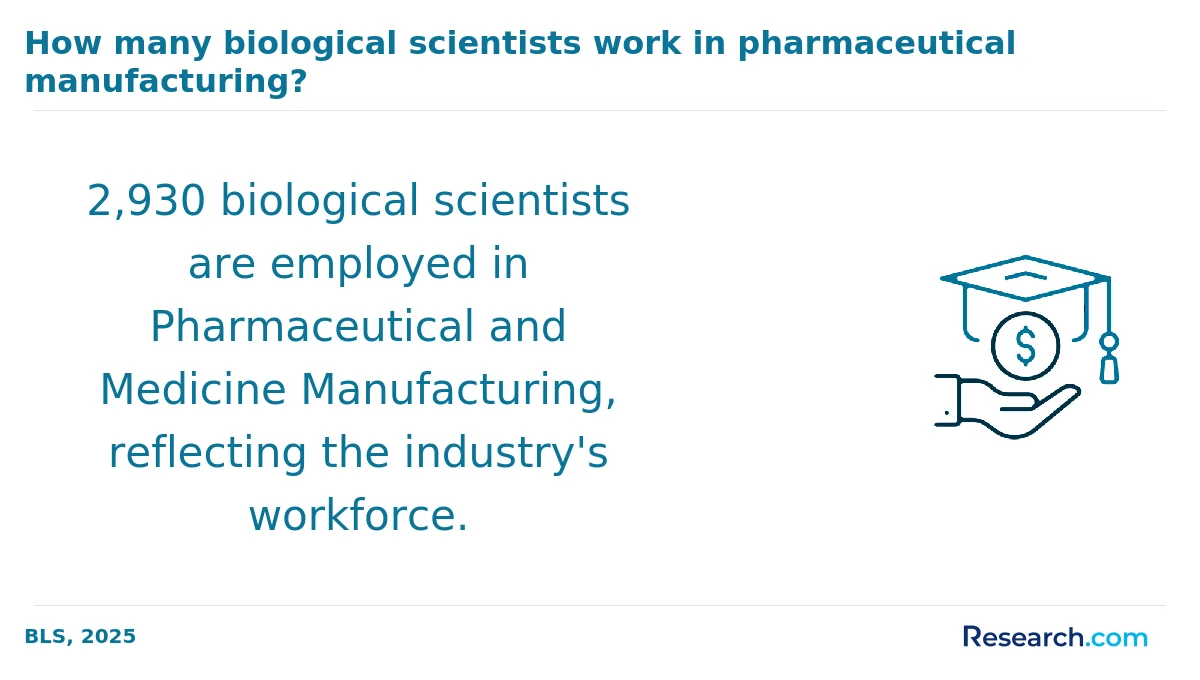
Graduates with an online biology degree in the South find diverse biology degree career opportunities in the South, particularly in healthcare, environmental science, biotechnology, and education. Many have secured roles as medical laboratory technologists or clinical research coordinators in healthcare hubs like Texas and Florida, where BLS data forecasts a 16% job growth from 2021 to 2031. Others pursue environmental roles in conservation agencies managing wetlands and forests, crucial ecosystems in states such as Georgia and South Carolina. Biotechnology and pharmaceutical sectors in North Carolina and Tennessee also offer positions as research associates and quality control analysts, benefiting from steady industry growth reported by the National Science Foundation.
Biology graduates from popular Southern colleges often share positive experiences transitioning into well-paid careers, some leveraging their degree as a stepping stone toward teaching or research assistantships. Given the competitiveness and cost-effectiveness, many opt for an affordable biology online bachelor degree to enter expanding fields. These real-world online biology jobs in southern states demonstrate promising pathways aligned with regional economic trends.
The job market for graduates with an online biology degree in the South remains robust, supported by growing healthcare, environmental, and biotechnology sectors. Graduates from popular Southern institutions, such as those in Texas and Florida, find opportunities in clinical research centers and pharmaceutical companies expanding in metropolitan areas. The region's natural biodiversity also fuels demand within environmental agencies focused on conservation efforts, particularly in states like North Carolina and Louisiana. This favorable landscape illustrates strong biology career opportunities Southern US students can expect.
Many graduates report positive early-career experiences, thanks in part to competitive salaries that range from $60,000 to $75,000 annually in states like Alabama and Tennessee. These figures align with the lower cost of living, making entry-level positions accessible. Affordable online biology degree programs in the South, with tuition averaging $10,000 to $15,000, further enhance this pathway by reducing financial barriers.
Students often leverage resources at public universities while navigating the expanding job market. Prospective students should explore detailed insights on how much do biologists make to understand realistic expectations for their future careers focused on online biology degree jobs in the South.
2027 Easiest Online Bachelor's in Biology Degree Programs Ranking in the South
Investing in your education is a significant decision that can shape your future, and the Research.com team understands the importance of making informed choices. To support prospective students seeking biology degrees in the South, we have carefully developed the "2027 Easiest Online Bachelor's in Biology Degree Programs Ranking in the South." Our dedication to quality, credibility, and accuracy is demonstrated through rigorous research and data analysis.
We utilized the following reputable data sources to ensure a comprehensive evaluation of biology programs:
By reviewing this ranking, readers will gain valuable insights into accessible and flexible online biology degree options available in the South, empowering them to make informed decisions about their educational journey. For more information on how we created this ranking, please visit our Research.com methodology page.

# 2 position
University of Maryland Global Campus
Bachelor of Biotechnology




Frequently Asked Questions About biology
Online biology degree students in the South can maximize their learning by actively engaging with virtual labs and simulation tools, which many Southern universities now incorporate. According to the Southern Regional Education Board, online programs often include interactive elements that strengthen practical skills.
Students should also connect with faculty during office hours and participate in discussion forums to deepen understanding. Accessing local research opportunities or partnerships, such as those offered by institutions like the University of Florida or Texas A&M, can complement online study with hands-on experience.
Finally, maintaining a disciplined study schedule and utilizing regional academic resources can significantly enhance learning outcomes in biology degrees obtained online.
The biology field in the South is experiencing growth in several emerging niches that align with current scientific trends. One such area is bioinformatics, which combines biology with computer science to analyze large sets of biological data. Southern universities increasingly offer specialized courses in this field.
Another fast-growing niche is environmental biology, focusing on conservation and sustainability, particularly important in the South due to its diverse ecosystems. Research from the Southern Association of Colleges and Schools highlights rising student interest in these topics.
Additionally, biotechnology and genetic counseling are expanding, driven by regional healthcare needs and investment in medical research hubs like Houston and Atlanta. These niches represent promising opportunities for online biology students seeking relevant and growing career paths.
After earning an online biology degree in the South, preparing for the job market requires strategic planning. Start by gaining hands-on experience through internships or volunteer work, which many Southern universities encourage and partner with local biotech and environmental organizations to provide.
Networking is essential. Join regional professional groups such as the Southern Association of Biological Scientists to connect with employers and experts.
Developing technical skills in data analysis and laboratory techniques relevant to fields like biotechnology or environmental science can enhance employability. According to the U.S. Bureau of Labor Statistics, biology-related jobs in Southern states are expected to grow around 7% through 2031, highlighting continued demand.
Employers in the South seek biology graduates with a solid foundation in scientific knowledge and practical skills. Key abilities include laboratory techniques, data analysis, and proficiency with bioinformatics tools. According to the Southern Regional Education Board, critical thinking and problem-solving skills are highly valued, as biology roles often require independent research and adaptation to new technologies.
Communication skills are equally important, as graduates must effectively present scientific findings to diverse audiences. Familiarity with environmental regulations and regional ecosystems can also give candidates an edge, especially for jobs in conservation and public health sectors prevalent in Southern states.
Finding internships in the South relevant to a biology degree involves exploring opportunities with universities, research institutions, and organizations focused on environmental and biomedical sciences. Many southern states, including Texas and Florida, have strong biotech and healthcare industries that offer valuable internship positions. According to the National Association of Colleges and Employers, approximately 60% of biology students find internships through university career centers.
Students should use online job portals like Handshake or inquire at schools offering online biology programs. Local government agencies, such as state departments of health or wildlife, often provide internships tied to biology research and conservation.
Networking through professional groups like the Southern Association of Vertebrate Biologists also increases chances of landing internships with research labs or fieldwork in the region.
Obtaining an online biology degree in the South can significantly enhance career mobility and advancement opportunities. Many Southern states host growing biotech and healthcare sectors, increasing demand for qualified biology graduates. According to the U.S. Bureau of Labor Statistics, jobs in biological sciences are expected to grow faster than average in states like Texas and North Carolina through 2030.
The flexibility of online programs allows students to balance work and study, enabling professionals to upskill without leaving their current positions. Graduates from accredited Southern institutions often find increased access to research roles, environmental agencies, and pharmaceutical companies.
Moreover, regional employers value the practical and theoretical knowledge that biology degrees provide, often linking degree attainment with higher earning potential and promotions.
Studying for a biology degree in the South offers purposeful interdisciplinary training, blending biological sciences with regional strengths like agriculture, environmental science, and health care. Many programs emphasize hands-on experiences combined with online learning, preparing students for roles that require collaboration across biology, technology, and policy.
Southern universities often incorporate partnerships with local industries and research centers, such as those focused on coastal ecosystems or biotechnology. According to the Southern Regional Education Board, biology graduates in this region frequently work in cross-disciplinary fields, merging biology with data analysis or public health.
This approach is especially relevant given the South's diverse ecosystems and growing biotech sectors, equipping students to innovate in areas like conservation, bioinformatics, and medical research. Overall, biology programs in the South foster versatile skills essential for emerging interdisciplinary careers.
Choosing between a thesis and a non-thesis biology degree program in the South depends on your career goals and learning style. Thesis programs emphasize original research, ideal for students aiming for graduate studies or research roles. Non-thesis options focus more on coursework and practical skills, suiting those pursuing immediate employment in fields like environmental science or healthcare.
Southern universities often provide flexibility in online biology degrees. For example, the University of Florida offers thesis and non-thesis tracks, catering to diverse student needs. Costs and time commitments also differ; thesis programs usually require more hours to complete due to research demands. According to the Southern Association of Colleges and Schools, thesis work can enhance critical thinking and scientific writing skills valuable in research jobs.
Students in the South interested in studying biology abroad face limited direct online degree options from foreign institutions. Most US-based online biology degrees focus on domestic accreditation and regional programs. However, partnerships between Southern universities and international schools sometimes offer study-abroad components or dual degrees, enhancing global exposure while completing core coursework online.
According to the National Center for Education Statistics, over 30% of Southern biology undergraduates engage in study-abroad experiences, though these are often short-term and integrated with their US degree. For fully online biology studies abroad, students typically must navigate credit transfer challenges and accreditation verification.
Students pursuing online biology degrees in the South can find several part-time job opportunities that complement their education. Laboratory technician positions at local universities or medical facilities provide valuable hands-on experience with biological research and data analysis. Additionally, wildlife rehabilitation centers often seek assistants, ideal for those interested in ecology and conservation.
Internships or assistant roles in environmental consulting firms, common in states like Texas and Florida, allow students to apply biological principles to real-world problems. According to the U.S. Bureau of Labor Statistics, biology-related jobs are projected to grow by 7% through 2032, particularly in the Southern region's healthcare and environmental sectors.
Online biology students in the South benefit from diverse networking opportunities despite the virtual format. Many Southern universities offering online biology degrees provide access to regional biology associations and virtual career fairs. Groups like the Southern Appalachian Botanical Society and local chapters of the American Society for Microbiology often welcome student participation. These platforms allow students to connect with professionals and peers in related fields across states like Georgia, Texas, and Florida.
Some schools also facilitate internships and volunteer placements with nearby research institutions and environmental agencies. According to the National Center for Education Statistics, Southern states have shown a 12% growth in biology-related jobs, emphasizing the value of these connections for career development.
Alumni networks offer valuable support to students pursuing online biology degrees in the South. These connections provide access to professionals working in diverse biology fields, from environmental science to healthcare. Networking through alumni groups can lead to internships, job opportunities, and mentorships, which are crucial for career advancement.
Southern universities often maintain active alumni chapters with regional events and online platforms. According to the National Association of Colleges and Employers (NACE), 70% of jobs are obtained through networking, highlighting alumni networks' impact.
For biology students in the South, these networks bridge the gap between virtual learning and real-world experience.
Students pursuing an online biology degree in the South can often tailor their programs to align with specific career goals through elective courses and concentrations. Many Southern universities allow specializing in areas like environmental biology, biotechnology, or marine science, which are prominent fields in states such as Florida and North Carolina.
Customization is supported by flexible course schedules and access to internships or research opportunities with regional industries. According to the Southern Regional Education Board, about 60% of biology programs offer such options to online students. This flexibility helps students gain skills relevant to local job markets, including healthcare, agriculture, and conservation.
Additionally, advising services assist online learners in selecting courses that match career aspirations, ensuring practical and theoretical knowledge balance essential for successful employment.
Online biology students in the South often face challenges related to limited access to specialized laboratory experiences. Biology is a hands-on science, and virtual labs may not fully replicate in-person practical work, which is essential for skill development. According to the National Science Foundation, students in online STEM fields report lower confidence in lab skills.
Another issue is the technological disparity in rural Southern areas, where internet connectivity can be unreliable. The Federal Communications Commission reports that nearly 22% of rural Southern households lack high-speed internet, complicating access to online lectures and resources.
Additionally, fewer regional internships and research opportunities in biology can limit practical experience compared to on-campus programs. This gap affects networking and career readiness.
With an online biology degree, students in the South can pursue various professional certifications to enhance their career prospects. Common certifications include the Certified Biological Safety Professional (CBSP), which focuses on lab safety and is valued in research institutions throughout the region. Another option is the Certified Wildlife Biologist (CWB), offered by The Wildlife Society, important for those interested in conservation roles common in Southern states like Florida and Georgia.
For those interested in clinical or laboratory work, certification as a Medical Laboratory Technician (MLT) is available through the American Society for Clinical Pathology. Many Southern universities also support preparation for the Graduate Record Examination (GRE), enabling entry into specialized biological fields. According to the U.S. Bureau of Labor Statistics, these certifications can boost employment chances in biology-related fields by up to 20% in Southern metropolitan areas.
Applying to an online biology program in the South requires clear articulation of your passion for the field. Focus on your academic achievements, especially in science courses like biology, chemistry, and math. Highlight any hands-on experiences such as internships or lab work, as Southern universities often value practical exposure alongside theory. According to the National Center for Education Statistics, biology remains one of the top five popular majors in Southern states.
Make sure to tailor your personal statement to each school's program strengths and regional environmental research interests. Southern programs may emphasize ecology, marine biology, or agricultural science due to local ecosystems. Mention relevant skills like data analysis and remote collaboration, which are crucial for online learning success. Finally, submit strong letters of recommendation from instructors familiar with your scientific ability and motivation.
Biology careers offer broad opportunities both in the United States and worldwide, reflecting the global importance of life sciences. In the South, online biology degrees align well with growing job markets in healthcare, environmental science, and biotechnology. According to the U.S. Bureau of Labor Statistics, jobs for biological scientists are expected to grow 8% from 2020 to 2030, a positive trend echoed globally due to increasing demand for research and innovation.
Globally, biological research focuses on solving vital issues like disease control, climate change, and sustainable agriculture. For Southern students, this means that an online biology degree can connect them to careers that impact not only the U.S. but international efforts.
Universities in the South often collaborate on research with global partners, expanding career networks beyond regional borders. This enhances employability across scientific fields from academic research to industry roles.
Gaining practical experience while pursuing an online biology degree in the South is crucial for career readiness. Many programs partner with local research institutions, healthcare facilities, and environmental organizations to offer internships and lab practicums. For example, universities in states like North Carolina and Georgia have affiliations with the Research Triangle Park and the CDC, providing hands-on opportunities.
Students can also participate in virtual labs and simulation software approved by the American Society for Microbiology to enhance their technical skills remotely. Additionally, volunteering with regional conservation groups or medical centers offers valuable field experience. According to the National Science Foundation, Southern states saw a 12% increase in biology job placements linked to internships in 2022.
When choosing a concentration within an online biology degree program in the South, consider your career goals first. Popular concentrations include ecology, molecular biology, and biotechnology, each aligning with different industries like environmental management or healthcare. Research local job markets; for example, Texas and Florida report growing biotechnology sectors, according to the U.S. Bureau of Labor Statistics.
Accreditation and faculty expertise are essential-opt for programs recognized by the Southern Association of Colleges and Schools Commission on Colleges (SACSCOC). Also, examine whether concentrations offer research opportunities or internships that connect you with Southern employers. Finally, check course flexibility to ensure it fits your schedule and learning preferences.
- Online Bachelor's in Biology: Find Top Schools & Programs https://www.edumed.org/online-schools/biology-degrees/
- Bachelor of Science in Biology https://scsu.edu/academics/programs/biology.php
- Top 15 Highest Paying Biology Degree Jobs 2025-2026 https://apexlearning.org.uk/highest-paying-biology-degree-jobs-2025-2026/
- Turn Your Passion for Science Into a Rewarding Career ... https://uncf.org/the-latest/a-biology-degree-can-open-the-door-to-life-and-living
- Undergraduate Online Financial Aid https://www.bushnell.edu/financial-aid/undergraduate-online/
- Bachelor's in Biology - Degrees - Online Colleges https://www.onlinecolleges.net/degrees/biology/
- These Jobs Rock With a Degree in Biology https://www.keuka.edu/vi/node/10739
- Get to Know Biology Education Program https://www.ums.ac.id/en/news/our-stories/get-to-know-biology-education-program-overview-courses-and-career-opportunities
- 2026 Best Online Biology Degrees https://www.onlineu.com/degrees/biology
- Online Biology Degrees https://mycollegeguide.org/online-biology-degrees/