2027 Fastest Online Biology Degree Programs Ranking in the USA

Co-Founder and Chief Data Scientist
The 2027 Fastest Online Biology Degree Programs Ranking in the USA offers a clear guide for students exploring biology degrees. Created by Research.com's team of data scientists, this ranking helps you find programs that combine quality with speed, so you can start your career sooner.
Whether you're passionate about the natural world or aiming for a rewarding profession, this article highlights programs worth your attention. Understanding your options empowers you to make informed choices and take confident steps toward a bright future in biology.
Key benefits of getting online biology degree in America
- Biology degree graduates can explore diverse careers such as environmental scientists and biological technicians, with biological technicians earning a median annual wage around $48,000 in the US.
- A graduate from a well-known university might pursue roles in research, healthcare, or biotechnology, benefiting from strong networks and hands-on learning experiences.
- Online biology degrees offer flexible schedules and accessibility, allowing students to balance work and study effectively, as shown by successful graduates from top online programs.
- 2027 Fastest Online Biology Degree Programs Ranking in the USA
- What can I expect from online biology degree in America?
- Where can I work with online biology degree in America?
What can I expect from online biology degree in America?
The average cost of an online biology degree in America typically ranges from $300 to $600 per credit hour at public institutions. For a full degree requiring about 120 credit hours, students can expect total tuition costs between $36,000 and $72,000. Graduates from well-known universities like the University of Florida or Arizona State University often share how financial aid and scholarships significantly eased their expenses, making such programs more accessible.
Many students appreciate the flexibility of paying per credit, allowing them to balance work and study without overwhelming debt. Plus, some universities offer accelerated courses or credit for prior learning, further reducing total costs and time commitment. It's common to find programs supported by federal financial aid, helping to cover tuition fees and related expenses.
Understanding these costs upfront helps prospective students plan their budgets effectively and make informed choices about which online biology degree aligns best with their financial situation and career goals.
Where can I work with online biology degree in America?
Graduates with an online biology degree from well-known American institutions often find themselves working as biological technicians or research assistants in dynamic lab environments at universities, hospitals, or private companies. For example, many who studied biology online at reputable schools feel confident stepping into entry-level roles where they contribute directly to groundbreaking research, earning a median wage of around $49,600 per year.
Others leverage their degree to enter healthcare-related careers such as genetic counseling or pharmaceutical sales. Graduates from colleges with strong science programs report satisfaction applying their biology knowledge in roles that impact patient care, with genetic counselors making upwards of $85,000 annually. These paths offer a blend of scientific engagement and interpersonal connection.
Environmental science roles are also popular; graduates often work for government agencies like the EPA, managing sustainability projects or studying wildlife, with median salaries near $79,100. Online biology students from top state universities feel motivated contributing to real-world conservation efforts.
Biotech firms and pharmaceutical companies, buoyed by rapid growth, actively seek biology graduates for roles in product development and quality control. Many alumni working in biotech hubs share enthusiasm about their hands-on involvement in developing innovative products.
Finally, teaching biology at the high school level or engaging in science communication represents a meaningful career for online biology graduates who enjoy sharing knowledge and inspiring future scientists.
Graduates of online biology degree programs in America can expect starting salaries generally between $50,000 and $65,000, especially in roles like research assistants or laboratory technicians. For example, biology students from universities such as the University of Florida or Arizona State University report landing entry-level positions earning within this range, which provides valuable experience and a solid income foundation.
Specializing in fields like microbiology or biotechnology can boost earnings to around $85,000 annually. Graduates with advanced degrees or certifications often secure senior roles in federal agencies or private biotech firms, where salaries can surpass $110,000. Many alumni from institutions like the University of California, San Diego, highlight the positive impact of internships and research opportunities on reaching these higher salary brackets.
Location also plays a key role in salary potential. States like California and Massachusetts, with dense biotech hubs, offer increased pay reflecting their market demand, though living costs there are higher. Staying adaptable and pursuing certifications can help maximize your earnings as you grow in your biology career.
- Online biology degrees require about 120 to 130 credit hours, including core courses, labs, and general education.
- Tuition for online biology degrees ranges from $10,000 to over $30,000 per year depending on whether the institution is public or private.
- Starting salaries for biology graduates typically range from $45,000 to $55,000 per year, with advanced roles offering $65,000 to $90,000 annually.
- The job market for biological scientists is expected to grow by about 5% through the mid-2020s, especially in genetics, molecular biology, and environmental conservation.
- Many programs focus on skills like data analysis, lab techniques, and scientific communication, which are valuable across multiple career paths.
Completing an online biology degree in America typically takes about four years for full-time students, matching the on-campus timeline at popular schools like the University of Florida or Arizona State University. Many graduates share how staying on this schedule gave them a clear path to enter the workforce without delay. If you have work or family commitments, part-time options available at institutions such as Oregon State University can extend the duration to five or six years, allowing you to balance life and study comfortably.
Some students take advantage of accelerated programs offered by universities like Northeastern University, which let you finish in as little as three years by taking year-round courses and transferring prior credits. These options can be especially rewarding, reducing overall costs and boosting motivation as you see progress quickly.
Graduate online biology degrees require an additional 1.5 to 2 years, with flexible pacing perfect for professionals advancing their careers. Remember, labs and clinicals might need local scheduling, but many programs partner with near you to keep everything convenient.
To ensure rigorous practical experience, most online biology degrees integrate hands-on learning through:
- Virtual laboratory simulations replicating core experiments in genetics, microbiology, and ecology
- At-home lab kits containing materials and detailed instructions for foundational experiments
- Regional lab partnerships allowing students to complete in-person sessions at local universities or community colleges
- Short on-campus intensives, such as weekend or week-long labs, for high-level equipment training
Accredited programs use these methods to meet industry and academic standards-approaches also found in other distance-focused fields like the pharmd degree.
Online and on-campus biology degrees in America differ primarily in how you engage with the material. For instance, a graduate from a well-known public university shared that their online program offered flexible schedules through video lectures and virtual labs, ideal for balancing work and study. Yet, they noted missing the hands-on microscope labs that on-campus students at places like the University of California enjoy, where direct faculty guidance enhances practical skills.
Cost is another key factor. Many students appreciate that online biology programs at state universities often have lower tuition than private on-campus options like those at Boston College, saving thousands annually. However, ordering lab kits for home experiments can offset some savings.
Social and academic support varies too. On-campus students often thrive with in-person study groups and advising, while those online report positive experiences using virtual office hours and discussion forums tailored for distance learners. Choosing depends on whether you prioritize lab access and campus life or flexibility and budget.
Succeeding in an online biology degree requires more than logging in-it’s about creating a structured, engaging learning environment.
- Establish a consistent study schedule that aligns with your peak focus times
- Actively participate in virtual labs and discussion forums to reinforce concepts
- Build connections with peers and instructors through group projects and office hours
- Use campus resources-online libraries, tutoring centers and tech support-for deeper understanding
- Prepare for hands-on activities by securing reliable internet, necessary software and lab kits
- Plan your career path early and explore related advanced degrees, like a pharmd degree, to broaden future opportunities
The average cost of an online biology degree in America varies widely but tends to center around key median totals: approximately $12,928 for in-state students, $26,208 for out-of-state, and a median total cost near $27,425 overall. These figures align closely with experiences of graduates from popular schools such as the University of Florida or Arizona State University, where students often balance cost with program quality and flexibility. Many find that investing in an in-state program significantly reduces expenses without sacrificing opportunities.
Public universities typically charge between $250 and $600 per credit hour for online biology courses, while private institutions may ask for $500 to $1,200 or more. Given a typical 120-credit requirement, tuition can range from roughly $30,000 to upwards of $72,000 for public schools, and even higher for private universities. Graduates report that seeking out financial aid, scholarships, or payment plans offered by their schools eases the budget strain and makes their education more accessible.
Students pursuing online biology degrees often consider practical strategies such as transferring previously earned credits or enrolling in accelerated programs to reduce the total tuition and fees for biology degree online 2027. Beyond just cost, exploring career paths through resources like best paying jobs with biology degree ensures the investment in education has strong future returns, making their academic journey feel rewarding and worthwhile.
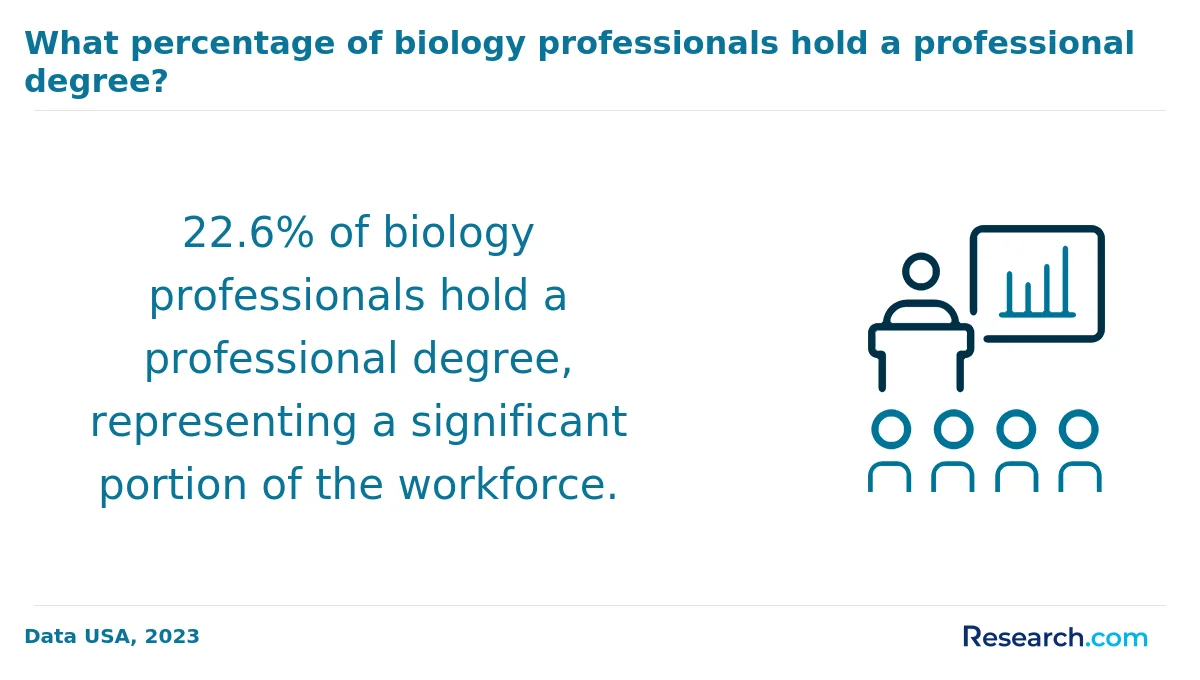
Online biology degree programs replicate hands-on lab work through flexible, technology-driven approaches that satisfy accreditation standards and build real-world skills.
- Interactive virtual lab simulations allow you to perform experiments in cell biology, genetics and ecology with instant feedback and data analysis tools.
- Mail-out lab kits include microscopes, reagents and safety gear so you can conduct core biology exercises at home under guided video instruction.
- Regional or affiliated campus partnerships offer optional on-site intensives or proctored sessions for advanced techniques like tissue dissection or water quality testing.
Most programs provide clear equipment lists, tech support and dedicated lab instructors. Students interested in applied science degrees may also explore a pharmd degree for immersive pharmacy lab experiences.
Online biology students in America commonly rely on federal student aid for financial support, accessed through the FAFSA. Many receive Federal Pell Grants worth up to $7,395 for the 2023-2024 year, which can significantly lower tuition costs at universities like the University of Florida or Arizona State University. Some also participate in Federal Work-Study programs, balancing study with part-time jobs to cover expenses.
State grants are another key resource. For example, students enrolled in biology programs at the University of California campuses benefit from Cal Grants, while those at Georgia State University might qualify for the HOPE Scholarship. These grants often cover a substantial portion of in-state tuition, making education more affordable.
Institutional scholarships at popular schools like the University of Michigan provide merit-based aid for biology majors, which many online learners have found crucial. Private scholarships from organizations like the American Institute of Biological Sciences further supplement costs.
Additionally, professionals studying biology online can access employer tuition reimbursement, easing financial pressure and enabling career growth.
Online biology programs balance virtual coursework with practical experiences to build lab skills, critical thinking, and professional connections.
- Virtual laboratory simulations that replicate core experiments in genetics, microbiology, and ecology
- Partnerships with local research centers, zoos, parks, or healthcare facilities for in-person fieldwork or lab rotations
- Faculty-led research projects and remote assistantships that contribute to published studies
These opportunities help students:
- Apply theoretical knowledge in real-world settings
- Network with industry professionals and potential employers
- Demonstrate hands-on expertise on resumes and graduate school applications
Many programs also offer pre-professional pathways, allowing biology students to explore related fields through dual enrollment. For example, some institutions enable enrollment in a pharmd degree track, unlocking specialized pharmaceutical research internships.
To enroll in an online biology degree program in America, the primary prerequisite is a high school diploma or equivalent like a GED. Graduates from universities such as the University of Florida or Arizona State University often emphasize how completing foundational science courses like biology, chemistry, and algebra in high school prepared them for the rigorous content ahead.
Many programs also recommend or require physics or AP science classes. For example, students have found that taking AP Biology helped them grasp complex molecular concepts when starting college-level biology online. This background builds confidence and reduces initial learning hurdles.
Maintaining a GPA around 2.5 to 3.0 is another common expectation, ensuring readiness for the coursework. Some colleges, especially competitive ones, may also ask for placement tests or interviews to assess fit and motivation.
Applicants with previous college credits can often transfer them, speeding up the degree path and cutting costs-something many online students appreciate as it eases financial pressure.
Overall, preparing with relevant high school courses and strong grades eases admission and boosts success in online biology programs across America.
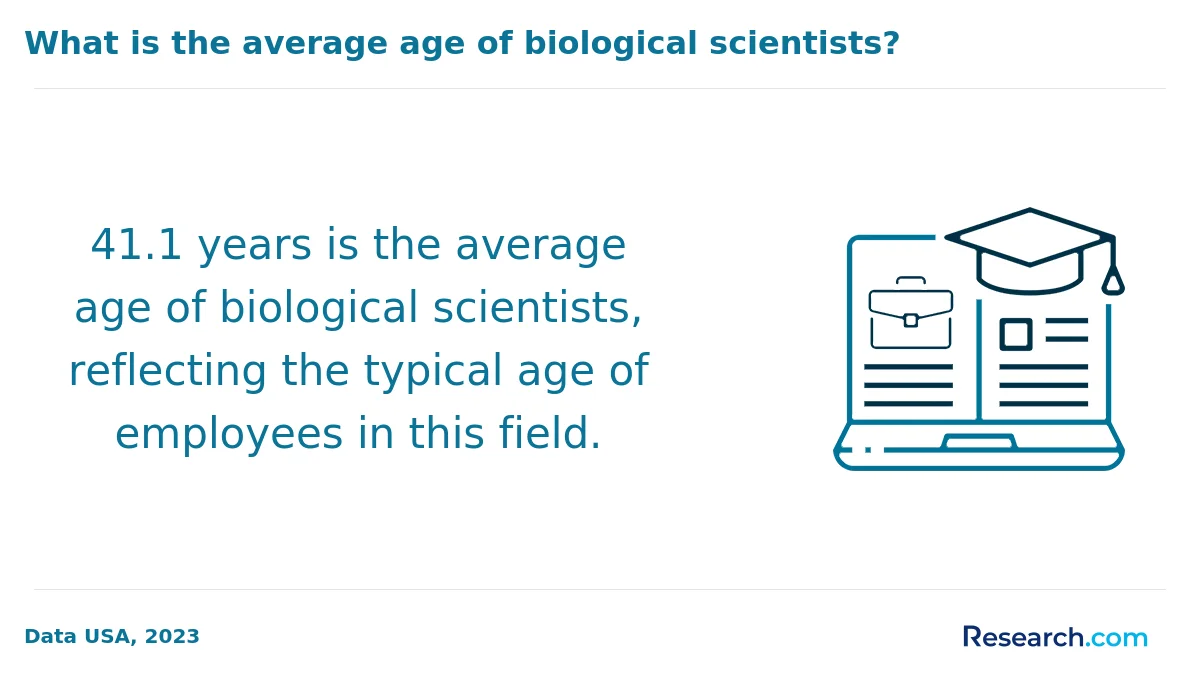
Expand your career by pairing a biology degree with advanced credentials tailored to your interests:
- Master’s degrees in molecular biology, ecology or bioinformatics for specialized research roles and higher earning potential.
- Doctoral (PhD) programs targeting academic, government or industry leadership positions and cutting-edge scientific discoveries.
- Professional qualifications like a pharmd degree to transition into pharmaceutical research, clinical pharmacology or regulatory affairs.
- Industry certifications (e.g., Certified Biological Safety Professional, Bioinformatics Certificate) to validate skills and stay competitive in evolving science and technology sectors.
Online biology degree programs in America often include foundational courses such as cell biology, genetics, microbiology, and ecology, which many graduates from well-known universities find essential for building a strong scientific base. For example, learners from institutions like the University of Florida appreciate how cell biology courses dive deeply into understanding cell structures and functions, turning abstract concepts into relatable knowledge about human health and disease.
Additional courses in biochemistry and physiology enable students to grasp chemical processes and organism functions, helping graduates feel confident applying this knowledge practically-whether working in healthcare or environmental fields. Ecology classes, commonly emphasized at universities such as Oregon State, offer vivid insights into the complex relationships between organisms and their surroundings, making environmental challenges tangible and relevant.
- Fundamentals of Cell Biology
- Genetics and Molecular Biology
- Microbiology
- Ecology and Environmental Biology
- Biochemistry
- Animal and Plant Physiology
- Evolutionary Biology
- Biostatistics and Research Methods
- Bioinformatics and Biotechnology
Many online programs also highlight molecular biology, biotechnology, and evolutionary biology, which graduates cherish for preparing them to engage in cutting-edge research and practical lab work-often simulated virtually. Students often share that gaining skills in data analysis and scientific writing equips them to confidently tackle real-world biological problems, making their online study both practical and motivating.
When exploring an online biology degree in America, students commonly find a variety of specializations tailored to diverse interests and career paths. Popular biology major concentration options in America include Molecular and Cellular Biology, which dives into genetics and cellular processes; Ecology and Environmental Biology, for those passionate about conservation and ecosystems; and Microbiology, focusing on bacteria, viruses, and healthcare applications. Graduates from universities like the University of Florida and Arizona State University often share how these specializations prepared them for both immediate job opportunities and further education.
Additional in-demand options include Bioinformatics, a fusion of biology and computer science ideal for analyzing genetic data, and Biotechnology, which applies biological knowledge to innovative tech development in pharmaceuticals. Marine Biology also attracts students captivated by ocean life and environmental research. The flexibility of many programs allows working students to complete labs online or locally, a key benefit highlighted by recent graduates at schools such as Oregon State University.
For a comprehensive look at available options, prospective students should review the best biological sciences undergraduate programs offered online in the US.
Begin by verifying that the online biology program has regional accreditation recognized by the U.S. Department of Education, which ensures your degree is respected by employers and graduate schools. Graduates from well-known institutions like the University of Florida often praise the rigorous standards and valuable credentials their programs provide. Many students emphasize the importance of affordable online biology degrees in America; public universities typically offer cost-effective tuition rates around $350 to $450 per credit. Consider programs that balance asynchronous lectures with synchronous labs, as flexibility allows working professionals to study effectively. For instance, graduates from Arizona State University appreciate how virtual labs and local partnerships helped them gain hands-on experience despite studying remotely. Salary prospects matter too-biology majors in the U.S. enjoy median wages near $65,000, motivating many to choose programs with strong internship supports. Explore more options on accelerated biology degree programs online to find the best online biology degree programs USA to fit your goals.
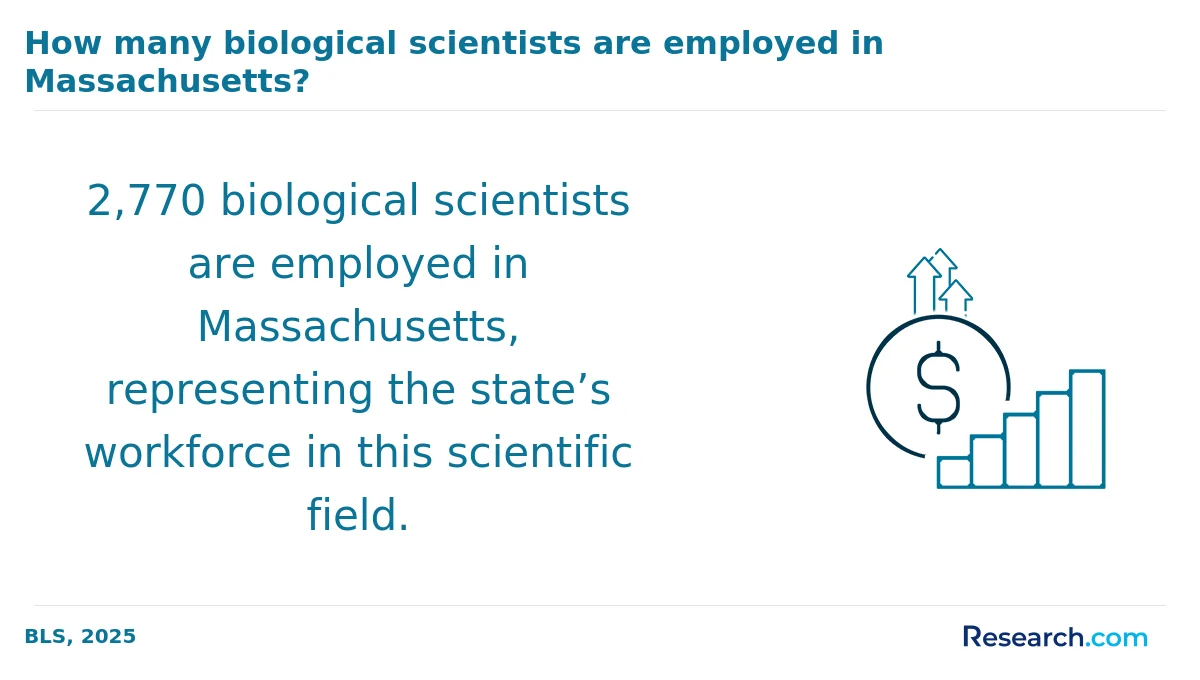
Career options with online biology degree USA span healthcare, environmental science, education, and biotech sectors. Graduates from popular colleges like the University of Florida or Arizona State University often find roles as microbiologists or clinical lab technicians, engaging in hands-on work with living organisms in hospitals and labs. These positions offer employment growth and rewarding experiences improving human health.
Jobs for online biology graduates in America also include environmental biology roles focused on wildlife and ecosystem conservation. Graduates working with agencies such as the EPA apply their knowledge to promote sustainability and combat climate change, enjoying competitive salaries that support a positive lifestyle. Those interested in education can leverage their degrees to teach high school biology, often requiring certification but yielding fulfilling careers shaping future scientists.
Other pathways involve biotechnology, forensic science, and pharmaceutical sales, where biological expertise and strong communication merge. Many students find flexible, affordable options by researching affordable bachelors biology online programs, which balance quality education with manageable costs while preparing them for diverse roles matching their career goals.
The online biology degree job market USA offers promising opportunities across healthcare, environmental science, and biotechnology sectors. Graduates from popular programs at universities like Arizona State or Oregon State often secure entry-level roles such as biological technicians or research assistants, benefiting from virtual labs that strengthen their practical skills. Many report feeling confident entering the workforce due to the program's focus on real-world applications and interactive coursework.
Biology degree career opportunities America presents include positions in environmental consulting and laboratory work, with growth driven by increasing demand in pharmaceuticals and sustainability fields. Networking, internships, and volunteer experiences within respected programs significantly boost job prospects. Graduates who combine their degree with certificates or hands-on experience often see higher wages and more senior roles.
Students should plan finances carefully, considering in-state versus private tuition costs, while seeking financial aid. For detailed career pathways and salary insights, exploring resources about biologist how to become can guide informed decisions and enhance career readiness.
2027 Fastest Online Biology Degree Programs Ranking in the USA
Investing in your education is a significant decision that can shape your future, and the Research.com team understands the importance of making informed choices. To aid prospective students in selecting the fastest online biology degree programs in the USA, we have carefully compiled the "2027 Fastest Online Biology Degree Programs Ranking." Our dedication to quality, credibility, and accuracy is demonstrated through rigorous research and analysis undertaken to develop this ranking.
We utilized the following reputable data sources to ensure a comprehensive evaluation of online biology programs:
By reviewing this ranking, readers will gain valuable insights into the fastest online biology degree programs, empowering them to make well-informed decisions tailored to their educational goals. For further information on how this ranking was created, please visit our Research.com methodology page.


# 4 position
Northern Arizona University
Bachelor of Health Sciences, Allied Health, Diagnostic Medical Imaging and Therapy




# 10 position
University of Florida
Master of Microbiology and Cell Science: Medical Microbiology and Biochemistry


# 15 position
University of Maryland Global Campus
Master of Biotechnology: Bioinformatics


# 17 position
University of Maryland Global Campus
Bachelor of Biotechnology


Frequently Asked Questions About biology
Students pursuing online biology degrees in America can enhance their learning by actively engaging with course materials and virtual labs. According to the National Center for Education Statistics, interactive content improves retention in science courses. Students should also participate in discussion boards and form study groups to deepen understanding and foster collaboration.
Utilizing university resources such as academic advising and career services helps tailor studies to individual goals. Gaining practical experience through internships or research opportunities connected with local institutions strengthens knowledge application. Staying updated with developments from organizations like the American Institute of Biological Sciences supports academic and professional growth in biology fields.
Emerging niches within the biology field reflect the rapid advances in science and technology, offering exciting opportunities for online biology students in America. Fields like synthetic biology are growing quickly, combining engineering principles with biology to design new biological parts. According to the National Science Foundation, funding for synthetic biology research has increased by over 20% annually in recent years.
Another key area is bioinformatics, which uses computer science to analyze biological data. The U.S. Bureau of Labor Statistics projects a 15% growth in bioinformatics jobs by 2030. Additionally, environmental biology focusing on climate change impacts is gaining importance as agencies like the EPA invest more in ecological research.
These niches represent innovative paths within biology, ideal for students pursuing online degrees with an interest in the future of life sciences.
After completing an online biology degree in America, preparing for the job market requires focused strategies. Graduates should build practical experience through internships or research opportunities, as the U.S. Bureau of Labor Statistics highlights that employers favor hands-on skills. Networking is also essential; joining professional associations like the American Institute of Biological Sciences can open doors.
Additionally, enhance technical skills such as lab techniques and data analysis using software like R or Python, which are in high demand. Pursuing certifications related to specialized fields can improve employability. According to the National Center for Education Statistics, biology graduates with relevant experience have better job prospects in the competitive U.S. market.
Employers in America highly value biology graduates who possess strong analytical and laboratory skills. According to the National Association of Colleges and Employers (NACE), 85% of employers seek candidates with experience in data analysis and scientific research methods. Proficiency in using lab technologies and software, such as PCR machines and bioinformatics tools, is increasingly important.
Critical thinking and problem-solving abilities are essential, as biology professionals often interpret complex data to support healthcare, environmental, or biotech projects. Communication skills also rank high; nearly 73% of employers expect graduates to effectively present scientific information in both written and oral forms.
Understanding interdisciplinary collaboration and adapting to new scientific developments further enhance employability for biology degree holders.
Finding internships in America relevant to a biology degree involves multiple strategies. Start by exploring university career centers, as many colleges offer partnerships with local research institutions and biotech companies. According to the National Association of Colleges and Employers (NACE), about 60% of biology majors secure internships through such campus resources.
Online platforms like Handshake and LinkedIn also list biology internships specifically in research labs, hospitals, and environmental agencies. Additionally, the American Society for Microbiology and the Society for Conservation Biology offer internship listings and networking opportunities for students.
Networking at scientific conferences or joining biology-related student organizations can also open doors to internships with government bodies like the NIH or EPA. Early application and a tailored resume highlighting relevant coursework improve chances significantly.
Online biology degrees in America have become valuable for enhancing career mobility and advancement. Many employers now accept accredited online degrees equally to traditional ones, expanding job opportunities in research, healthcare, and environmental fields. According to the National Center for Education Statistics, over 30% of biology-related bachelor's degree holders pursue graduate studies, which online programs often prepare students for. Additionally, online degrees provide flexible schedules, allowing working professionals to upskill without career breaks.
Data from the Bureau of Labor Statistics shows biology-related jobs are expected to grow 7% from 2021 to 2031, faster than average. Graduates with online degrees can compete for positions in biotech firms, public health, and pharmaceuticals, sectors with steady demand for skilled workers.
Studying for a biology degree in America equips students with a strong foundation in life sciences, essential for interdisciplinary careers. Programs often combine biology with chemistry, physics, and computer science, reflecting trends in national research priorities. According to the National Center for Education Statistics, over 30% of biology graduates pursue STEM-related interdisciplinary fields like bioinformatics, environmental science, and biotechnology.
American universities emphasize critical thinking and laboratory skills, preparing students to collaborate across disciplines. Online biology degrees incorporate data analysis and research methodology, enabling graduates to work on complex problems involving genetics, ecology, and health sciences. This flexibility supports careers in emerging sectors such as biomedical engineering and pharmaceutical development.
When choosing between a thesis and a non-thesis biology degree program in America, consider your career goals and time commitment. Thesis programs require original research and a written document, which suits students interested in careers in research or planning to pursue a PhD. According to the National Science Foundation, about 70% of biology doctoral students engage in thesis work, highlighting its importance in academia.
Non-thesis programs focus more on coursework and practical skills, ideal for those aiming for industry jobs or teaching at community colleges. These programs often take less time to complete and may fit better with professionals balancing work and study.
Evaluate your learning style and long-term plans carefully before deciding.
Students based in America interested in studying biology abroad have various online options through partnerships between US institutions and international universities. Many American colleges offer study-abroad programs or dual degree opportunities, allowing students to earn credits online while engaging with global biology curricula. For example, institutions accredited by the Council for Higher Education Accreditation (CHEA) often collaborate internationally to expand biology course offerings. Additionally, platforms like Coursera and edX provide access to biology courses from reputable foreign universities, though these usually supplement rather than replace a US degree.
According to the National Center for Education Statistics, over 20% of American undergraduates participate in some form of study abroad, including online or hybrid programs. These allow biology students to explore diverse ecosystems and research methodologies abroad without leaving the US physically. However, careful accreditation verification and credit transfer policies must be considered when selecting such programs.
Part-time jobs that complement biology degree education in America often focus on research assistance, laboratory technician roles, and environmental fieldwork. According to the U.S. Bureau of Labor Statistics, the demand for biological technicians is expected to grow 6% from 2022 to 2032, making this a valuable opportunity for students.
Positions in clinical labs help students gain hands-on experience with biological samples and data analysis. Similarly, internships in environmental consulting firms allow for direct application of ecological and environmental biology concepts learned online.
Working as a tutor or teaching assistant in biology courses can also strengthen understanding while providing valuable communication skills, important for future scientific careers.
Online biology students in America have access to a range of networking opportunities despite studying remotely. Many accredited programs offer virtual career fairs and webinars featuring professionals from research institutions, healthcare, and environmental organizations. According to the National Science Foundation, about 19% of bachelor's degrees earned in biological sciences in the U.S. are awarded via online programs, increasing the importance of digital networking.
Students can join national organizations such as the American Institute of Biological Sciences (AIBS) and the National Association of Biology Teachers (NABT), which provide online forums, mentoring, and conference access. Universities often facilitate student clubs and regional meetups, helping students build connections beneficial for internships and job placement.
Alumni networks play a crucial role in supporting online biology degree students in America. These networks connect current students with graduates who have practical experience in biology-related fields. According to the National Association of Colleges and Employers, 85% of jobs are filled through networking, emphasizing the importance of alumni connections.
For biology students, alumni can offer mentorship, career advice, and internship opportunities, helping bridge the gap between academic knowledge and real-world application. Many American universities also organize virtual events and workshops, making it easier for online students to engage with alumni.
Such networks often provide access to exclusive job boards and research collaborations, increasing students' chances of employment in competitive biology sectors like biotechnology and environmental science.
Customizing an online biology degree in America often means selecting electives and concentrations aligned with your career goals. Many accredited universities offer specializations such as molecular biology, environmental science, or biotechnology, allowing students to tailor their studies.
Students can also engage in internships or research projects remotely, building practical experience. According to the National Center for Education Statistics, over 60% of biology degrees include some form of hands-on work or lab experience, vital for many science careers.
Additionally, consulting with academic advisors helps ensure chosen courses meet professional certification or graduate school requirements. Online programs frequently provide flexible pacing, enabling you to combine work and study effectively.
Online biology students in America often face challenges related to the hands-on nature of their field. Biology programs typically require laboratory work, which can be difficult to replicate virtually. According to the National Science Foundation, over 70% of biology degrees include lab components that are crucial for skill development.
Another common challenge is balancing rigorous coursework with personal and professional responsibilities. Many online biology students are working adults, and managing time effectively can be difficult. The difficulty of mastering complex scientific concepts without in-person support or immediate professor feedback also adds to the struggle.
Additionally, technical issues such as unreliable internet access or limited access to specialized software can hinder progress. The American Council on Education notes that these barriers can affect retention rates among online STEM students.
With an online biology degree in the United States, graduates can pursue numerous professional certifications to enhance their career prospects. Popular certifications include the Certified Biological Safety Professional (CBSP) and the American Society for Clinical Pathology (ASCP) certifications for laboratory professionals.
The National Registry of Environmental Professionals (NREP) offers credentials relevant to environmental biology roles. For those interested in teaching, state-specific teaching certificates for biology at the secondary level are available.
According to the U.S. Bureau of Labor Statistics, certified professionals often see higher median wages and better job stability in biology-related fields.
Professional certifications validate expertise and improve job market competitiveness for online biology graduates nationwide.
Writing a winning application for an online biology program in America requires careful attention to detail and clear communication of your academic strengths and goals. Start by highlighting your prior coursework in biology, chemistry, and related sciences, as many programs look for a strong foundation in STEM subjects.
Include a compelling personal statement that explains your interest in biology and how the online format fits your educational and career goals. Admissions committees value clarity, passion, and a demonstrated commitment to the field.
Additionally, strong letters of recommendation from science instructors or employers can enhance your application. According to the National Center for Education Statistics, biology remains one of the most popular STEM majors, so demonstrating uniqueness is crucial.
Make sure your application materials are error-free and submitted before deadlines, as timely submission is often strictly required by US institutions.
The global perspective on a biology career often highlights opportunities for research, healthcare, environmental protection, and biotechnology. In the United States, biology graduates benefit from strong connections between academic programs and global scientific communities. According to the U.S. Bureau of Labor Statistics, employment for biological scientists is projected to grow 5% from 2021 to 2031, reflecting steady demand.
American universities offering online biology degrees often emphasize global health challenges and sustainable development, preparing students for international collaboration. The integration of molecular biology, genetics, and ecology allows graduates to contribute worldwide.
Moreover, U.S.-trained biologists frequently participate in global initiatives addressing pandemics and climate change, marking biology as a career with worldwide impact.
Gaining practical experience while pursuing an online biology degree in America is essential for developing critical skills. Many accredited programs offer virtual labs, allowing students to conduct simulated experiments remotely.
Additionally, students can seek internships or research assistant positions at local universities, research institutions, or healthcare facilities. According to the National Science Foundation, nearly 60% of biology students engage in research opportunities during their studies.
Volunteer work in environmental organizations or health departments also provides hands-on experience relevant to biology careers. Networking with professors and professionals can open doors to these opportunities.
Many schools help facilitate such placements, ensuring students gain valuable, real-world insights alongside their online coursework.
Choosing the right concentration within an online biology degree program in America depends on your career goals and interests. Common concentrations include molecular biology, ecology, biotechnology, and microbiology. According to the National Center for Education Statistics, biology programs often allow specialization to better prepare students for specific fields.
Consider future job demand; for instance, biotechnology jobs are expected to grow by 11% from 2022 to 2032, per the U.S. Bureau of Labor Statistics. Research your preferred concentration's curriculum and look for programs affiliated with reputable accreditation bodies such as the Higher Learning Commission.
Speak with academic advisors and review faculty expertise to ensure alignment with your ambitions.
- What can I do with a biology degree? https://targetjobs.co.uk/careers-advice/career-ideas/what-can-i-do-biology-degree
- Roadmap to Biology https://www.researchgirl.org/post/roadmap-to-biology
- Careers in Biology https://www.aibs.org/careers/
- Top 30 Biology Scholarships to Apply to in December 2025 https://bold.org/scholarships/by-major/biology-scholarships/
- Best Online Biology Degrees https://www.affordablecollegesonline.org/biology-programs/
- Online Degree vs. Traditional: Choosing the Right Path https://beal.edu/online-degree-vs-traditional/
- Careers in Biological Sciences: Opportunities, Skills, and the Future of Work https://www.hyperec.com/blog/careers-in-biological-sciences-opportunities-skills-and-the-future-of-work/
- Study Biology Abroad | Go Overseas https://www.gooverseas.com/study-abroad/biology
- Online Biology Degrees | Bachelor's in Biology https://www.onlinecolleges.net/degrees/biology/
- write a letter of application for the position of teacher biology - Brainly.in https://brainly.in/question/57038693