2027 Easiest Online Biology Degree Programs Ranking in the South

Co-Founder and Chief Data Scientist
If you're considering pursuing a biology degree online in the South, this article is here to help. We share the 2027 Easiest Online Biology Degree Programs Ranking in the South, created by the Research.com team of data scientists. It's designed to guide you through the best options without any guesswork.
Reading this will give you clear insights into programs that balance quality with accessibility. Earning a biology degree opens doors to exciting careers and personal growth. Let us help you find the path that fits your goals and lifestyle.
Key benefits of getting online biology degree in the South
- While specific regional salary data is unavailable, biology-related careers in the US generally offer competitive wages, with many roles providing opportunities for growth and stability.
- Graduates from universities in the South often pursue careers in healthcare, environmental science, or biotechnology, reflecting diverse and rewarding job options in local industries.
- Completing a biology degree online provides flexibility for working students, allowing them to balance life and study, often leading to successful careers comparable to traditional graduates.
- 2027 Easiest Online Biology Degree Programs Ranking in the South
- What can I expect from online biology degree in the South?
- Where can I work with online biology degree in the South?
What can I expect from online biology degree in the South?
When considering the average cost of an online biology degree in the South, students often find tuition remarkably more approachable than national averages. Graduates from universities like the University of Florida or the University of North Carolina system report that in-state tuition for their online biology programs typically ranges between $6,000 and $12,000 per year, a figure that eases financial stress significantly compared to private institutions elsewhere.
Many students appreciate this affordability, which opens doors to advanced education without the burden of overwhelming debt. One graduate recalled balancing part-time work while studying online, made feasible by the lower tuition fees and flexible course schedules.
Moreover, Southern schools often package financial aid and targeted scholarships that specifically support STEM learners, amplifying accessibility. This pragmatic cost structure encourages more learners to pursue biology, fueling regional growth in healthcare, environmental sciences, and biotechnology careers.
The cost savings do not come at the expense of quality; students benefit from fully accredited programs that integrate virtual labs and fieldwork aligning with real-world applications, validating the value offered by Southern online biology degrees.
Where can I work with online biology degree in the South?
Graduates with an online biology degree in the South often find themselves at the crossroads of dynamic and impactful career opportunities. For many from institutions like the University of Florida or Texas A&M, working in healthcare facilities-ranging from bustling hospitals to cutting-edge medical labs-allows them to apply their skills directly to patient care and groundbreaking research. The sense of contributing to community health in fast-growing states like Florida and Texas sparks pride and motivation.
Others are drawn to the region's rich environmental landscapes, such as those studied by students at Appalachian State University. These graduates engage with conservation efforts, protecting diverse ecosystems like the Everglades, which instills a fulfilling connection to place and purpose. The South's biotech hubs, including Research Triangle Park, also offer entry points for recent graduates eager to join innovative teams, even without advanced degrees.
Teaching biology at Southern high schools and colleges provides yet another rewarding path, where graduates see firsthand the excitement of inspiring future scientists. Meanwhile, agriculture and food science roles support longstanding Southern farming traditions, enhancing sustainability and food security. Each of these paths offers meaningful work that challenges expectations and invites ongoing growth.
Graduates with an online biology degree in the South often encounter starting salaries in the range of $45,000 to $55,000, especially when stepping into roles like laboratory technicians or environmental science assistants. For example, individuals who studied through prominent Southern institutions, such as universities in North Carolina or Texas, have shared how early hands-on experiences helped them confidently secure jobs near this entry-level range.
As they grow in experience or specialize in high-demand areas like biotechnology or public health, they frequently see salaries rise to between $70,000 and $85,000, particularly in cities with thriving biotech sectors like Houston or Raleigh-Durham. Many graduates feel a sense of accomplishment as they move into research coordinator or senior technician roles, where the connection between their online education and real-world impact becomes clear.
While these salaries might seem modest compared to national averages, the flexibility of an online biology degree allows graduates to pursue opportunities across the South or beyond, opening pathways to more competitive pay and exciting career growth. The real challenge lies in leveraging Southern university networks and emerging regional biotech hubs to maximize earning potential and professional fulfillment.
- Tuition for online biology degrees in Southern public universities ranges from $20,000 to $30,000 for in-state students.
- Entry-level salaries for biology graduates in the South average around $45,000 per year.
- Mid-career salaries typically increase to between $60,000 and $70,000 annually depending on experience and specialization.
- Strong job opportunities exist in agriculture, biotechnology, environmental conservation, and health sciences across the Southern states.
- Many programs require hands-on lab experience through internships, research, or hybrid options despite being primarily online.
- Southern universities offering these degrees are usually regionally accredited by agencies like SACSCOC, ensuring quality and broader acceptance.
Completing an online biology degree in the South usually takes about four years of full-time study, matching what many students at universities like the University of Florida or Texas A&M experience. But this traditional timeframe doesn't capture the full story. Graduates often recall balancing work, family, and studies by opting for part-time enrollment, stretching their journey to five or six years, yet feeling empowered by the flexibility to learn at their own pace.
Many Southern programs embrace this flexibility, allowing students to tailor their course loads-some even finish accelerated master's degrees in biology within 12 to 18 months. Imagine a student tackling labs online while managing a busy life, knowing that an extra semester isn't a setback but rather a deliberate choice to deepen understanding and reduce stress.
Transfer credits from previous studies also play a huge role, speeding up completion for some learners. For those pursuing a graduate degree, two years is typical, but the South's diverse online offerings help students find paths that fit their rhythms and ambitions.
Online biology degrees in the South balance flexibility with essential hands-on learning. Here’s how programs ensure you gain practical lab skills:
- Virtual lab simulations that cover core techniques (microscopy, DNA extraction, enzyme assays)
- Shipped lab kits for at-home experiments, complete with detailed protocols and materials
- Short on-campus residencies or local lab partnerships for in-person practicums
- Flexible scheduling options to fit virtual and in-person components around work or family commitments
Fees for lab kits or residency days vary by institution, so check program details early. If you’re exploring life sciences beyond biology, consider a pharmacy degree online for expanded clinical lab opportunities.
Choosing between an online and on-campus biology degree in the South often feels like weighing freedom against tradition. Graduates from institutions like the University of Florida praise online programs for the flexibility to balance family life and full-time jobs while still engaging with rigorous coursework. They describe late-night lab simulations and local internships that bring science to life without stepping foot on campus.
Conversely, peers from Duke University highlight the irreplaceable energy of face-to-face labs, where the buzz of campus and real-time collaboration spark deeper curiosity. These students appreciate hands-on experiments and spontaneous debates with professors that online formats can struggle to replicate.
Yet, both paths share a common promise: accredited southern universities ensure quality education with comparable outcomes. The subtle difference lies in how you experience biology-whether through digital connection and self-discipline or immersive, campus-driven discovery, each shapes your journey uniquely in the Southern academic landscape.
Programs labeled “easiest” minimize barriers without sacrificing quality:
- Flexible course loads and self-paced modules
- Low or no residency and lab requirements
- Open admissions or lower GPA thresholds
- Robust online support services and advising
- Streamlined credit-transfer policies
For students comparing accessible science pathways, explore a pharmacy degree online as another low-barrier option.
The average cost of an online biology degree in the South typically centers around $33,120 in total, with in-state students benefiting from significantly lower expenses-often closer to $15,501. Graduates from public universities in well-known Southern institutions frequently describe the financial relief of paying in-state rates, which can make pursuing their passions much more accessible. These affordable online biology degrees southern US offer a path not only to academic achievement but also to a practical financial strategy, especially when compared to private institutions with far higher tuition fees.
Consider a student pursuing biology at a popular university in the South who balances studies with work and saves thousands by attending in-state. Their experience highlights a crucial aspect often overlooked: the value of residency status on cost. Out-of-state learners frequently encounter fees nearly double that of their in-state peers, challenging the assumption that online degrees automatically eliminate geographic cost differences.
Additional costs such as technology and lab fees add to overall expenses but remain manageable with institutional support and financial aid. Many graduates emphasize that leveraging scholarships targeted at STEM fields or employer tuition reimbursement programs can substantially reduce the burden, allowing students to stay motivated through their journey.
For anyone curious about the practical outcomes of investing in these programs, exploring what jobs can you get with a biology degree provides insightful clarity. The financial commitment often feels worthwhile when grounded in attainable career goals linked to reputable Southern institutions.
Ultimately, scrutinizing the average cost of online biology degree programs in the South alongside factors like residency and financial aid invites a more informed, confident decision about this educational path.
When evaluating the most accessible online biology degrees in the South, focus on programs that streamline learning and support student success:
- Generous credit-transfer policies to maximize prior coursework
- Fully asynchronous courses with flexible deadlines
- Virtual lab simulations paired with local lab partnerships
- Dedicated academic advising and 24/7 technical support
- Clearly structured curricula with moderate credit loads per term
Many Southern institutions that emphasize ease of completion also showcase affordable science pathways and accessible education, including their popular pharmacy degree online offerings.
Many biology students in the South, attending schools like the University of Florida or Texas A&M, discover that federal financial aid is often their lifeline. Completing the FAFSA opens doors to grants like the Pell Grant, which can cover a large part of tuition, easing the stress of rising costs. One graduate fondly recalled how this grant transformed what seemed like an impossible dream into an achievable reality. State-specific scholarships, such as Texas's Educational Opportunity Grant or Georgia's HOPE Scholarship, further lighten the financial load, especially for those staying in-state and pursuing online biology degrees.
Institutional aid from Southern universities offers merit scholarships that reward academic excellence and need-based awards specifically for STEM fields, providing hope to driven students balancing studies and personal challenges. Many students find private scholarships through biology associations a surprising but welcome boost, turning applications into moments of empowerment.
Federal loans exist but require caution; a graduate from a well-known Southern college recalls managing a 5.5% interest rate carefully to avoid overwhelming debt, underscoring the importance of thoughtful borrowing amidst financial opportunities.
Many Southern online biology programs are designed for accessibility, with straightforward admissions and generous transfer policies. Understanding these factors can help you choose the “easiest” program that still meets academic standards.
- Most schools accept 70 %–85 % of applicants, making acceptance relatively high compared to in-demand STEM fields.
- Minimum GPA requirements often range from 2.5 to 3.0; some institutions offer conditional admission for applicants who fall slightly below.
- Test-optional policies are common, removing SAT/ACT barriers and streamlining the application process.
- Transfer credit limits typically allow up to 60 transferable undergraduate credits, helping you finish faster if you’ve completed prior coursework.
- Rolling admissions and multiple start dates (fall, spring, summer) give you flexibility in planning your academic timeline.
If you’re comparing entry requirements across disciplines, note how these biology programs differ from more competitive tracks-like a pharmacy degree online-so you can make an informed choice.
To enroll in an online biology degree program in the South, applicants must demonstrate more than just basic academic qualifications-they need a foundation built on relevant science and math coursework. Graduates from universities like Florida State and the University of Georgia often recall how completing high school biology and chemistry was vital in easing their transition to demanding online curricula.
The expectation isn't simply about ticking boxes; it's about readiness for a challenging biological sciences journey. Many programs require proficiency in subjects such as algebra, biology, and even introductory college-level courses like general chemistry or statistics, especially for transfer students aiming to catch up or advance smoothly.
Technical readiness is just as critical. Students who succeed remember the relief of having reliable internet and familiarity with digital platforms to engage confidently in virtual labs and lectures. Online studies at respected Southern colleges highlight that these tools don't just facilitate learning-they transform it.
Financial preparedness also shapes enrollment choices. Graduates often reflect on tuition ranges typical in the South-public institutions charging closer to $7,000 to $10,000 yearly for residents, while private schools can push $20,000 to $35,000. This awareness is crucial for planning and persistence.
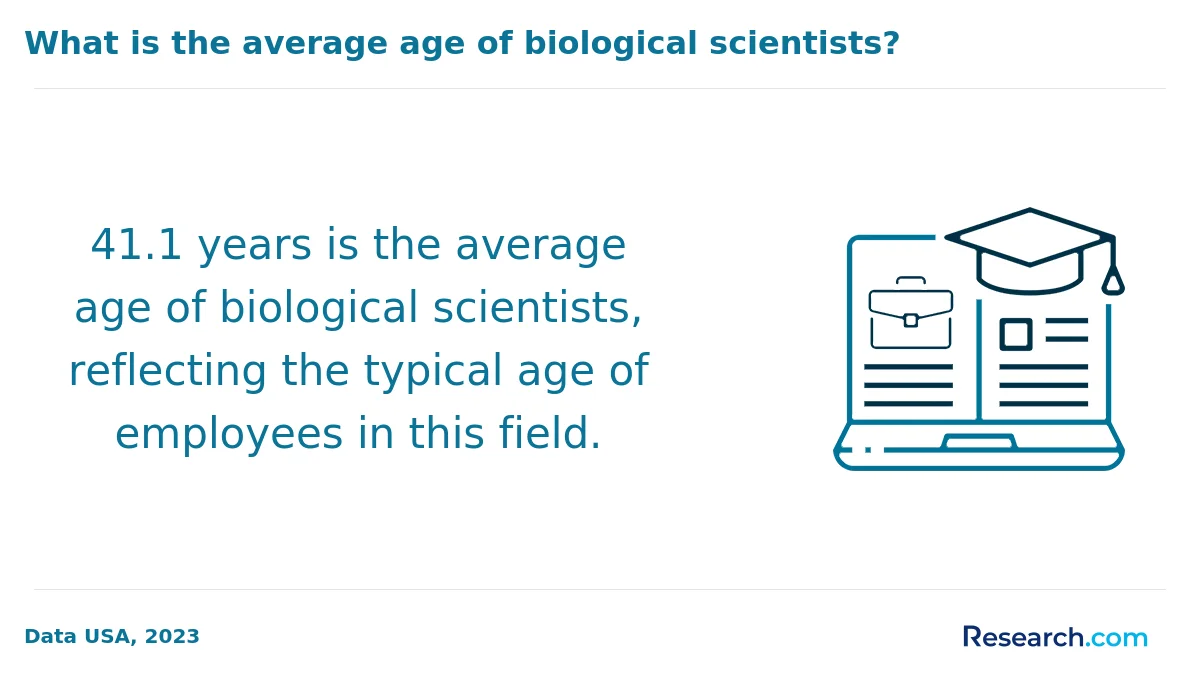
Choosing an online biology degree in the South unlocks unique advantages that cater to diverse learner needs. These programs combine rigorous science curricula with regional industry strengths, offering:
- Flexibility to balance work, family, and coursework
- Lower tuition rates for in-state residents and streamlined credit transfers
- Access to virtual labs and local research partnerships for hands-on experience
- Strong regional networks in biotech hubs like Research Triangle and Austin
- Exposure to health science pathways similar to top online pharmacy degree online offerings
Students pursuing online biology degrees in the South often find themselves immersed in a curriculum that goes beyond textbook theory, featuring courses like General Biology I and II that break down cell structure and organismal function with clarity. Graduates from popular institutions such as the University of Florida or Louisiana State University reflect on how these fundamental courses laid a solid foundation for understanding life's complexity.
Organic and Inorganic Chemistry classes open eyes to the biochemical processes that animate cells, while Genetics courses challenge students to think deeply about heredity and DNA-topics that resonate with those fascinated by life's blueprint. Ecology and Evolution, especially relevant in Southern coastal states, invite learners to explore local ecosystems firsthand or virtually, reinforcing knowledge with practical insights.
Microbiology and Human Anatomy and Physiology speak directly to future healthcare workers, providing relatable context through real-world examples shared by alumni who balanced work and study. Courses like Biostatistics sharpen critical thinking by using data to solve pressing biological questions, making the learning journey both rigorous and rewarding.
Exploring online biology degree specializations in the South reveals a landscape shaped by both local ecosystems and career ambitions. Graduates from coastal universities often recount how marine biology courses deepened their connection to vibrant aquatic habitats, turning abstract textbook concepts into vivid encounters with dolphins or coral reefs. Meanwhile, those focusing on environmental biology appreciate how Southern states' diverse natural environments make conservation efforts feel urgent and personal. This regional focus challenges the idea that biology is a one-size-fits-all study.
Students choosing Southern US biology degree concentration options often highlight the blend of traditional fields like microbiology with emerging areas such as biotechnology, which reflect the South's growing healthcare and biotech sectors. Graduates from well-known Southern colleges mention how pre-medical biology tracks perfectly aligned their online studies with medical school ambitions, despite remote learning limitations.
For those figuring out their path, resources like the online bs biology degree guides expose the spectrum of specializations, pushing students to envision careers beyond the obvious. This approach invites a deeper understanding of how biology education in the South uniquely prepares students for meaningful impact.
Choosing the best online biology degree in the South goes beyond just scanning tuition fees or cursorily checking accreditation. Graduates from prominent Southern universities often reflect on how regional accreditation, like from SACSCOC, assured them that their credits transferred smoothly and their degrees held weight in the job market. It's not just about the school name but how the curriculum's depth and flexibility resonate with your own goals-some found emphases in environmental biology or biotechnology crucial for landing jobs post-graduation.
Consider how real students balanced busy lives through asynchronous classes, appreciating programs that respected their time yet occasionally required on-site labs, a trade-off many embraced to gain hands-on skills. When hunting for affordable biology degrees online Southern US options stand out, often offering scholarships tailored to STEM fields. Reflect on your priorities: would you sacrifice convenience for richer faculty interaction or career placement support?
For those uncertain, exploring an easy online biology program can provide a practical launching point, especially if juggling work and study. Ultimately, examining post-graduation success stories from these regional schools can illuminate which programs transform passion into a rewarding career.
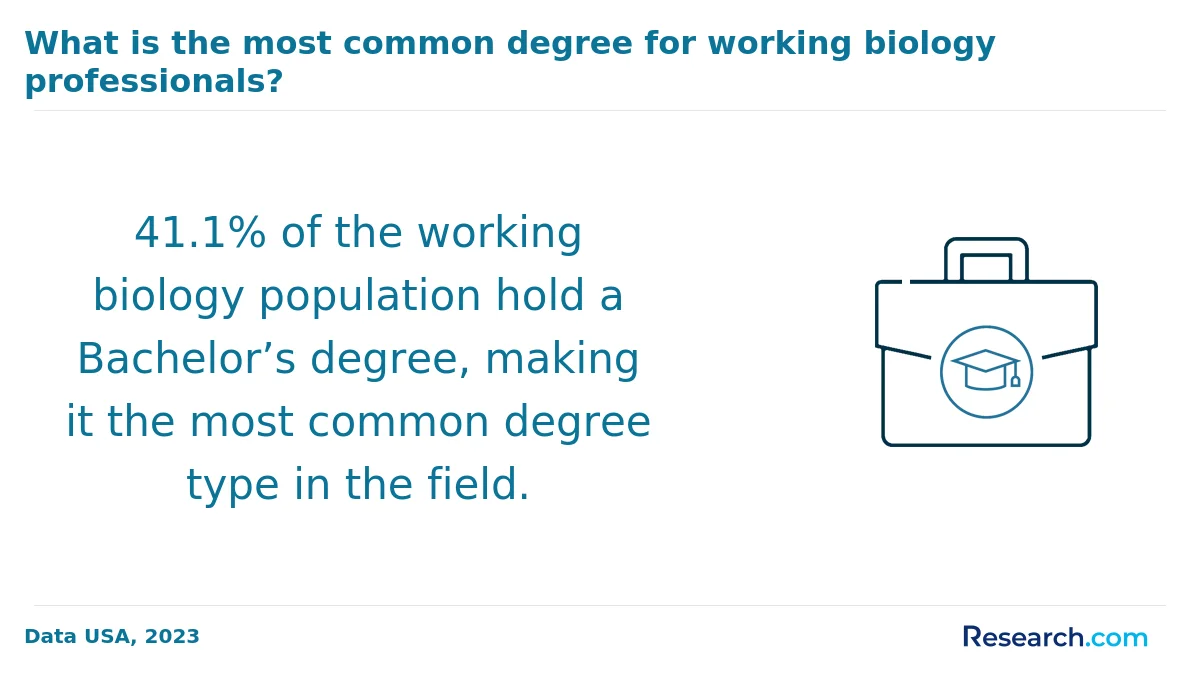
Graduates of an online biology bachelor degree in the South find themselves navigating a landscape of career paths that extend far beyond simplistic roles. Many biology students from popular institutions, such as the University of Florida or Texas A&M, witness how their education morphs into lifelines for healthcare sectors bustling with opportunity. Whether stepping into clinical laboratory technologist positions or advancing toward specialized healthcare roles, they feel empowered by the vibrant health systems in states like Texas and Florida. This perspective challenges the idea that biology degrees are too narrow or theoretical, instead revealing a dynamic, living profession fueled by real-world impact.
Reflecting on online biology degree careers in the South, it's clear they're not limited to hospitals. Some graduates embrace environmental conservation, driven by a passion for protecting rich Southern biodiversity. Experiences working in state parks or with agencies like the EPA illuminate how biology knowledge becomes hands-on stewardship. This deeper connection fosters a sense of purpose, inviting students to imagine themselves as frontline defenders of natural resources rather than mere observers.
South region biology degree job opportunities often surprise those who assume biotech is confined to distant tech hubs. The Research Triangle in North Carolina serves as a thriving incubator where graduates apply their skills in labs and research facilities, proving that innovation pulses vibrantly in the South. Instructors and scientists alike reflect on the satisfaction derived from contributing to breakthroughs in pharmaceuticals and agriculture, making the conventional wisdom-that cutting-edge science is limited to coastal mega-cities-seem incomplete.
For many, the journey extends into education, a path infused with enthusiasm and commitment. Biology graduates from Southern universities find joy in inspiring young minds, leveraging their online biology degree to secure teaching positions or further credentials. Their stories reveal a rewarding cycle: the more they teach, the more deeply they connect with their own understanding of biology, amplifying their impact on Southern communities eager for strong STEM educators.
The job market for graduates with an online biology degree in the South is vibrant, shaped by the region's booming healthcare and biotechnology sectors. Graduates from popular Southern universities often find themselves quickly employed as biological technicians, environmental scientists, or laboratory assistants, especially in metropolitan hubs like Houston, Atlanta, and Miami. The demand here is driven not only by traditional healthcare institutions but also by innovative biotech firms spread throughout Texas and Florida. This dynamic scene provides real opportunities beyond the usual expectations.
Many students pursuing an online biology degree in the South appreciate the affordability of local public universities, which keeps them motivated to continue despite financial pressures. Graduates often share how they transitioned smoothly into roles related to public health and environmental management, areas growing due to increased urbanization and environmental challenges in the region. For those curious about more specialized paths, exploring what do you study to become an aquatic biologist offers insight into niche career routes.
Job opportunities in the South reflect a broad picture: biology career opportunities Southern US are not limited to labs but extend to conservation and sustainability efforts, where professionals tackle real ecological problems daily. Though starting salaries range between $40,000 and $55,000, the steady growth projected by the U.S. Bureau of Labor Statistics fuels confidence among students embracing an online biology degree job outlook South. This growth signals not just jobs but meaningful careers impacting the South's future.
2027 Easiest Online Biology Degree Programs Ranking in the South
Investing in your education is a significant decision that can shape your future, and the Research.com team understands the importance of making informed choices. To assist prospective students in the South, we have meticulously crafted the "2027 Easiest Online Biology Degree Programs Ranking in the South." Our commitment to quality, credibility, and accuracy is reflected in the extensive research and analysis conducted to compile this ranking.
We utilized the following reputable data sources to ensure a comprehensive evaluation of online biology degree programs:
By exploring this ranking, readers will gain valuable insights into accessible and high-quality biology degree options tailored for online learning in the South, enabling well-informed decisions about their educational journey. For more details on our methodology, please visit our Research.com methodology page.


# 3 position
University of Maryland Global Campus
Master of Biotechnology: Bioinformatics

# 4 position
University of Florida
Master of Microbiology and Cell Science: Medical Microbiology and Biochemistry

# 6 position
University of Maryland Global Campus
Bachelor of Biotechnology




Frequently Asked Questions About biology
Students pursuing online biology degrees in the South can enhance their learning by actively engaging with university resources such as virtual labs and tutoring services. Many Southern universities, including those in North Carolina and Georgia, offer state-of-the-art online platforms tailored to biology majors, helping students grasp complex topics like genetics and ecology.
Networking with peers and faculty through discussion boards and virtual study groups is also beneficial. According to the National Center for Education Statistics, online biology enrollment in Southern states has grown by 15% in recent years, reflecting increased access to specialized academic support.
Additionally, students should seek internships or research opportunities locally to apply theoretical knowledge practically.
The biology field is expanding rapidly with several emerging niches gaining attention, especially within the Southern United States. One growing area is bioinformatics, which combines biology and computer science to analyze genetic data. According to the National Science Foundation, the South has seen a 15% increase in bioinformatics job postings over the past five years.
Another developing niche is environmental biology, focusing on conservation and sustainable ecosystems. Southern universities often partner with local agencies to study regional biodiversity and climate effects.
Additionally, biotechnology related to medical research, particularly in biopharmaceutical development, is thriving thanks to hubs in states like North Carolina and Georgia.
After completing an online biology degree in the South, preparing for the job market involves several key steps. Networking plays a vital role; joining local biology organizations such as the Southern Appalachian Botanical Society or regional chapters of the American Biological Society can provide connections and job leads.
Internships or research opportunities, even remote, strengthen practical experience. According to the National Center for Education Statistics, Southern states have growing biotech sectors, especially in North Carolina and Georgia, highlighting increased demand for skilled graduates.
Updating your resume with relevant skills, like bioinformatics or lab techniques, and seeking certification where applicable improves employability. Engaging in continuous learning through online courses or workshops ensures skills stay current in this evolving field.
Employers in the South highly value biology graduates with strong analytical and laboratory skills. Proficiency in data analysis and using scientific software is essential, as Southern biotech and healthcare industries rapidly incorporate technology. According to the Bureau of Labor Statistics, demand for biological scientists in states like Texas and North Carolina is expected to grow by over 10% through 2030, emphasizing the need for adaptable skills.
Communication abilities are also critical. Graduates must effectively present complex scientific information to diverse audiences, including team members and stakeholders. Problem-solving and critical thinking are equally important, enabling graduates to contribute to research or environmental conservation efforts which are prominent in the Southern region.
Finding internships in the South related to biology requires leveraging multiple resources. Many southern universities offer internship listings through their career centers, which often connect students with local research labs, environmental organizations, and healthcare facilities.
Online biology students should explore partnerships between their schools and regional institutions like the U.S. Fish and Wildlife Service offices in the Southeast or biotech companies in North Carolina's Research Triangle Park.
Sites such as Handshake and Indeed frequently list biology internships by location. Additionally, professional societies like the Southern Association of Biology Teachers provide networking opportunities that can lead to internships.
According to the National Association of Colleges and Employers, about 60% of internships in science fields convert into job offers, making them critical for career development.
Online biology degrees in the South significantly enhance career mobility and advancement by providing flexible learning tailored to regional workforce needs. According to the Southern Regional Education Board, over 60% of biology-related jobs in southern states like Georgia and North Carolina are expected to grow through 2030.
Many employers in healthcare, environmental sciences, and biotechnology value accredited online biology degrees, recognizing their rigorous curriculum. This acceptance broadens job opportunities beyond local limits and supports upward career moves.
Additionally, online degree programs often include industry partnerships and internships with southern research institutions, increasing networking possibilities and practical experience, which are critical for advancement.
Overall, the combination of accessibility, relevant skills training, and regional demand makes online biology degrees a powerful tool for career progression in the South.
Studying for a biology degree in the South offers a strong foundation for interdisciplinary roles by integrating diverse scientific fields. Many Southern universities emphasize collaborative learning, combining biology with fields like environmental science, biotechnology, and public health.
For example, institutions in states such as Florida and Georgia often incorporate regional ecological studies, preparing students to address real-world challenges in agriculture, conservation, and healthcare. According to the National Center for Education Statistics, Southern schools award roughly 30% of the nation's biology degrees, showing their regional strength.
This interdisciplinary approach equips graduates with practical skills and adaptability for roles beyond traditional biology careers.
Choosing between a thesis and a non-thesis biology degree program in the South depends on your career goals and learning preferences. Thesis options typically require original research and a formal written document, preparing students for doctoral studies or research roles.
Non-thesis programs focus more on coursework and practical skills, which suits students aiming for immediate employment in fields like environmental consulting or biotechnology. According to the National Center for Education Statistics, Southern universities increasingly offer flexible online formats to accommodate working professionals.
Consider if you prefer hands-on research or applied knowledge. Also, check if your target schools emphasize faculty mentorship or project-based learning in their biology departments.
Students based in the South who want to study biology abroad while enrolled in U.S. programs have several options. Many Southern universities with online biology degrees, such as the University of Florida and the University of Alabama, offer study abroad opportunities through partnerships with international institutions.
These programs typically allow students to complete coursework online and participate in short-term research or fieldwork abroad during summer or winter sessions. According to the Institute of International Education, over 25% of U.S. biology students engage in study abroad programs, often enhancing their understanding of global biodiversity and conservation.
Additionally, students can explore virtual exchange programs facilitated by Southern schools, combining remote learning with international collaboration. This approach is growing increasingly popular due to budget and travel constraints.
Part-time jobs that complement biology degree education in the South often include laboratory assistants, wildlife technicians, and teaching aides. These roles provide practical experience aligned with coursework. According to the U.S. Bureau of Labor Statistics, the Southern states report steady demand for lab techs, particularly in medical and environmental labs.
Wildlife technicians are common in Southern states with rich biodiversity, such as Florida and Georgia, where state agencies and conservation groups hire part-time help. These roles offer hands-on fieldwork experience crucial for biology students.
Academic tutoring or assisting biology professors is another popular option, often available at universities offering online programs. This work reinforces biological concepts and builds communication skills.
Online biology students in the South benefit from various networking opportunities despite the remote format. Many Southern universities offer virtual events, such as webinars, guest lectures, and online career fairs specifically targeting biology majors. For example, institutions like the University of Florida and Texas A&M frequently host digital meetups connecting students with faculty and industry professionals.
Students can also join regional chapters of national biology organizations, such as the American Institute of Biological Sciences or the Southeastern Ecological Society, which hold conferences and online forums promoting professional connections.
Additionally, Southern states have strong biotechnology and agricultural sectors, providing virtual internships and research collaborations accessible to online learners.
Alumni networks provide valuable support for online biology degree students in the South by fostering connections that enhance career opportunities. Graduates often gain access to industry professionals and job openings through these networks, increasing employment prospects in a competitive field. According to the Southern Regional Education Board, Southern universities emphasize alumni engagement to strengthen student career paths.
Such networks offer mentorship programs, where experienced alumni guide current students on navigating the biology job market or graduate studies. They also provide platforms for exchanging research insights and regional job market trends important for biology professionals in states like Texas and Florida.
Overall, active alumni communities help online biology students build résumés and professional contacts vital for success in the Southern US biology sector.
Customizing an online biology degree program in the South to fit your career goals often involves selecting specialized courses and elective options. Many Southern universities offer tracks in areas like environmental biology, biotechnology, or marine biology. For example, institutions in states such as Florida and Texas provide electives tailored to regional ecosystems and industries.
Students can also pursue internships or research projects remotely or locally, aligning their experience with targeted careers. According to the National Center for Education Statistics, about 30% of online biology programs in the South allow such customization. Advisors typically help students design plans that meet professional certifications or graduate study prerequisites.
Online biology students in the South often face challenges related to access and resource availability. Many universities have limited lab components online, which can hinder hands-on learning essential to biology. According to the National Center for Education Statistics, Southern states report slower adoption of hybrid or virtual labs compared to other regions.
Connectivity issues also impact students in rural Southern areas, where broadband access remains limited. The Federal Communications Commission notes nearly 18% of Southern households lack high-speed internet, directly affecting online study quality.
Additionally, time zone differences and less local support can make interactions with professors and peer collaboration more difficult. Students may also struggle to find relevant internships or research opportunities nearby due to fewer regional partnerships offered virtually.
With an online biology degree, graduates in the South can pursue several professional certifications that enhance their career prospects.
Common options include the Certified Biological Safety Professional (CBSP) and the Registered Biological Technician (RBT), both recognized across the United States.
For those interested in environmental biology, the Certified Environmental Scientist (CES) offered by the National Association of Environmental Professionals is valuable.
Additionally, certifications such as the Medical Laboratory Scientist (MLS) credential are popular for biology graduates seeking roles in clinical settings. According to the Southern Regional Education Board, biology-related certifications contribute to higher employability rates in Southern states.
These certifications often require passing exams, relevant experience, or continuing education.
Writing a winning application for an online biology program in the South requires clear communication, strong academic records, and relevant experience. Emphasize your passion for biology by detailing any laboratory work, research, or internships you have completed, especially those related to Southern ecosystems or regional health issues. Southern universities often value a connection to local environmental or agricultural topics.
Highlight your GPA, aiming for at least a 3.0, as many programs set this as a baseline. Strong letters of recommendation from science instructors or employers can bolster your chances. Additionally, address the program's unique features in your essay, demonstrating why studying biology online in the South aligns with your career goals. According to the Southern Regional Education Board, online enrollment in biology-related degrees grew 12% from 2020 to 2023, reflecting rising demand.
The global perspective on a biology career recognizes its growing importance in addressing critical challenges such as health, agriculture, and environmental sustainability. In the US South, biology professionals contribute significantly to these fields, supported by robust online degree programs tailored for flexible learning.
According to the Bureau of Labor Statistics, biological scientists employed in the South saw a 7% job growth from 2019 to 2029, slightly above the national average. This regional demand reflects the global need for experts in biotechnology, conservation, and medical research.
Online biology degrees allow students in the South to engage with international scientific developments while focusing on localized issues like biodiversity in the Gulf Coast or agricultural innovations in Georgia. Such programs prepare graduates for global collaboration and competitive employment.
Gaining practical experience while pursuing an online biology degree in the South is crucial for career readiness. Many universities partner with local organizations and research centers to offer internships and lab opportunities. For example, several Southern institutions collaborate with state parks, conservation groups, and medical facilities to provide hands-on work related to biology fields.
Students can also engage in virtual labs and simulation software, which have grown significantly in use, especially since 2020. According to the National Association of Biology Teachers, 65% of Southern biology programs incorporate remote lab experiences.
Additionally, volunteering for community science projects or citizen science initiatives in Southern states offers real-world skills and networking benefits. These efforts help bridge the gap between theory and applied biology for online learners.
Choosing the right concentration within an online biology degree program in the South starts with understanding your career goals. Biology concentrations can vary from environmental science and biotechnology to healthcare and zoology. Each offers specialized skills relevant to different industries.
Consider regional demand: states like Texas and Florida have growing biotechnology and healthcare sectors, which may influence job availability after graduation. According to the National Science Foundation, Southern states show a 5% growth in biological research jobs through 2028.
Review program curricula carefully. Look for concentrations that provide hands-on lab simulations or partnerships with local research institutions. Accreditation and faculty expertise also matter.
Ultimately, choose a concentration that aligns with both your interests and the evolving job market in the South.
- Bachelor of Science in Biology https://scsu.edu/academics/programs/biology.php
- write a letter of application for the position of teacher biology - Brainly.in https://brainly.in/question/57038693
- Trainees and interns https://www.embl.org/careers/internships/
- Biology/Biomedical Placements/Internships | Gradcracker - Careers for STEM Students https://www.gradcracker.com/search/science/biology-biomedical-work-placements-internships
- Online Biology Degrees | Bachelor's in Biology https://www.onlinecolleges.net/degrees/biology/
- These Jobs Rock With a Degree in Biology https://www.keuka.edu/vi/node/10739
- What Can You Do With a Biology Degree? https://willamette.edu/academics/college/biology/career-options
- Biology Major Jobs: Careers in the Biological Sciences | Houston Christian University https://hc.edu/articles/biology-major-jobs-careers-in-the-biological-sciences/
- Top 15 Highest‑Paying Pharmacy Jobs in the UK 2025 (Including Salaries) https://apexlearning.org.uk/highest-paying-biology-degree-jobs-2025-2026/
- Careers Guidance https://www.rsb.org.uk/career-guidance.html