2027 Easiest Online Biology Degree Programs Ranking in the USA

Co-Founder and Chief Data Scientist
Choosing the right online biology degree can feel overwhelming, but it doesn't have to be. Our article introduces the 2027 Easiest Online Biology Degree Programs Ranking in the USA, carefully crafted by the Research.com team of data scientists. This ranking is designed to help you make informed decisions without the guesswork.
Exploring biology offers exciting career opportunities in health, research, and the environment. By reading this article, you'll discover programs that fit your lifestyle and goals, making your educational journey smoother and more rewarding.
Key benefits of getting online biology degree in America
- Biology degree graduates often pursue careers like environmental scientists or biological technicians, with average salaries around $73,230 and $48,750 per year respectively, providing solid earning potential.
- A graduate from a well-known university, such as the University of California, Berkeley, can explore diverse paths including research, healthcare, and wildlife conservation, offering exciting opportunities to make a real-world impact.
- Online biology degrees, like those from Arizona State University, offer flexible scheduling and allow students to balance work and study, making education more accessible and convenient without sacrificing quality.
- 2027 Easiest Online Biology Degree Programs Ranking in the USA
- What can I expect from online biology degree in America?
- Where can I work with online biology degree in America?
What can I expect from online biology degree in America?
The average cost of an online biology degree in America varies, but public universities typically charge between $8,000 and $15,000 per year for in-state students. Graduates from well-known institutions like the University of Florida or Arizona State University often share how affordability and flexible schedules made it possible to balance work and family while completing their degrees.
Out-of-state or private institutions can charge significantly more, sometimes upwards of $25,000 annually. Many students find financial aid options-such as federal grants, scholarships, and employer tuition assistance-crucial to managing these costs. For example, biology students at popular schools like Oregon State University report using such aid to reduce their expenses and focus on hands-on learning experiences provided through virtual labs or occasional campus visits.
Considering total costs, including books and lab fees, budgeting realistically is necessary. Exploring schools' financial aid offices early can help map out a clear payment plan and maximize available support, making the goal of earning a biology degree practical and achievable.
Where can I work with online biology degree in America?
Graduates with an online biology degree from American universities like Arizona State University or University of Florida often enter healthcare roles such as medical technologists or clinical laboratory technicians. These positions provide hands-on experience and steady demand, with growth prospects supported by data from the U.S. Bureau of Labor Statistics.
Others find fulfilling careers in environmental science, working for state agencies or nonprofits focused on conservation. Imagine applying your skills to protect national parks or manage wildlife habitat, common paths for graduates from schools like Oregon State University.
Many biology alumni from institutions such as Penn State also thrive in biotechnology or pharmaceutical companies, particularly in industry hubs like California and Massachusetts. Their roles might include research support or quality assurance, leveraging their scientific background to contribute to medical advances.
Teaching is another rewarding outlet. Graduates have shared success stories working as high school science teachers or museum educators, turning complex biology topics into exciting lessons.
Finally, entry-level research assistant positions at government labs or universities offer practical lab experience, often within reach after completing an online biology degree. This trajectory offers a solid foundation for future specialization or graduate studies.
Graduates with an online biology degree in America can expect starting salaries typically around $50,000 annually, as reported by the National Association of Colleges and Employers. For instance, a graduate from a well-regarded program like Arizona State University's online biology track might begin in a technician role, earning between $45,000 and $50,000, supporting research teams or assisting in labs. This starting range fits many entry-level positions in biological sciences across the country.
With experience, moving into specialized roles can significantly boost earnings. Graduates progressing to biochemist or biophysicist positions often see median salaries near $102,000, while biomedical engineering jobs, common for biology majors expanding their skill sets, average about $97,000 annually. Many graduates from popular programs such as the University of Florida or Oregon State University report reaching these figures after gaining certifications or advanced degrees.
Location also impacts earning potential. Graduates working in states like California or Massachusetts frequently earn 15-20% more due to thriving biotech industries. Online students who leverage internships and networking at renowned colleges often find these regional advantages improve salary prospects, making the extra effort worthwhile.
- Online biology degrees in the US cover key subjects like genetics, ecology, microbiology, and biochemistry with flexible online or hybrid formats.
- Tuition costs range from $15,000 to $40,000 for bachelor's programs, with public universities generally offering lower rates than private schools.
- Entry-level salaries for biology graduates start around $50,000 per year, while experienced specialists can earn $100,000 or more.
- The job market for biological scientists is expected to grow about 6% from 2022 to 2032, with demand in biotechnology, pharmaceuticals, and environmental fields.
- Accreditation from recognized bodies like the Higher Learning Commission is important for transferability and employer recognition.
Completing an online biology degree in America typically takes about four years when studying full-time. Graduates from schools like the University of Florida or Arizona State University often share how maintaining full-time enrollment helped them stick to this timeline and feel confident progressing steadily. If you start as a full-time student, plan for roughly four years to finish, reflecting the standard credit requirements universities follow, even online.
Part-time study is common for busy adults balancing work or family, and those graduates might take longer-sometimes up to five or six years. For example, students at popular programs such as Oregon State University appreciate the flexibility but understand it extends their graduation date.
Some students shorten their path by transferring credits from community colleges or AP classes, finishing faster at institutions like the University of Central Florida. Others take advantage of accelerated or year-round courses offered by certain universities to graduate in under four years. These options bring a sense of achievement and motivation for those eager to enter the workforce sooner.
The easiest online biology programs share key characteristics that reduce barriers and support timely graduation.
- Flexible admission policies, often requiring a minimum GPA of 2.0–2.5 and no SAT/ACT scores
- Generous credit-transfer agreements, allowing up to 90 credits from accredited institutions
- Self-paced, asynchronous courses with on-demand video lectures and interactive virtual labs
- Robust student support, including dedicated advisors, tutoring services, and tech assistance
- Streamlined lab requirements via virtual simulations or local partnership labs
For a similar emphasis on program flexibility in health sciences, see pharmacy school online.
When choosing between online and on-campus biology degrees in America, the core difference lies in how hands-on experiences are delivered. On-campus programs at universities like the University of California or University of Florida provide in-person labs, where students use microscopes, analyze specimens, and participate in fieldwork-key activities that many graduates recall as essential for building confidence and practical skills.
Online degrees, such as those offered by Arizona State University or Oregon State University, offer flexible schedules fitting busy lives. These programs combine video lectures with virtual labs or at-home kits, allowing students to engage with biology concepts remotely. Some require occasional on-site lab sessions at local facilities, balancing convenience with essential practical experience.
Graduates from both formats appreciate their unique benefits: on-campus students value networking with professors and peers on campus, while online students celebrate managing work and study alongside family commitments seamlessly. Tuition costs vary but online options can reduce expenses related to housing and transport, making them appealing for budget-conscious learners.
Online biology programs bridge theory and practice through flexible lab options that fit diverse schedules. Many schools combine virtual simulations with local partnerships to deliver real-world skills:
- Regional lab partnerships let you book in-person sessions at nearby facilities for activities like microscopy and DNA analysis.
- At-home lab kits include materials and clear instructions, enabling safe experiments in cell biology, ecology, or microbiology.
- Virtual simulations use interactive software to model complex processes such as enzyme reactions or ecological surveys.
- Fieldwork components, common in environmental biology tracks, offer guided projects-like water quality testing-near your community.
Many programs blend virtual and in-person labs, similar to some hybrid pharmacy school online models, ensuring you graduate with the hands-on experience employers expect.
The average cost of an online biology degree in America typically centers around a median total of $27,425. For many students attending popular public universities known for strong biology programs, such as those in state university systems, in-state tuition can be as low as about $12,928 in total. Out-of-state students, however, often face higher fees, averaging near $26,208 overall. These figures help provide a realistic financial framework when researching tuition and fees for biology degree online in the USA.
Graduates from well-regarded programs often share that while tuition is a significant factor, additional expenses like lab kits or software occasionally add to the total price. Yet, some students have found success enrolling in online biology degrees at universities incorporating virtual labs, which greatly reduce these extra costs. This practical approach to managing expenses resonates well, especially for those balancing work or family obligations.
Many find encouragement knowing that financial aid and scholarships for biology majors are available and can notably ease the burden. A number of students pursuing online degrees in biology report obtaining support specific to science fields, which later translated into positive experiences transitioning into the workforce. For those considering careers in the field, exploring jobs for biology majors early on can be both motivating and insightful.
Online biology degrees balance virtual learning with essential hands-on components to ensure practical competence.
- Local Lab Partnerships: Complete in-person wet labs at approved facilities near you.
- Home Lab Kits and Simulations: Practice core techniques with mailed kits and interactive software.
- Field Study Modules: Conduct ecological or research projects in your area under remote supervision.
Review lab fees and scheduling flexibility before enrolling. For related online science pathways, see our guide to pharmacy school online.
When pursuing an online biology degree in America, start by completing the FAFSA to unlock federal student aid such as Pell Grants, which provide up to $7,395 per year without repayment. Many biology students at universities like the University of Florida have found this grant crucial in easing tuition costs, especially since biology programs often range from $15,000 to over $50,000 annually.
Federal student loans, especially subsidized ones, are another practical option. They don't accumulate interest while you're enrolled, helping reduce your overall debt burden. Work-study opportunities also help-you can earn while gaining experience in labs or research remotely, similar to peers at schools like Indiana University.
Don't overlook state grants and scholarships. For instance, California State University offers scholarships specifically for online biology majors, which many online students combine with federal aid to lower costs. Private scholarships from organizations like the American Society for Microbiology reward academic merit and research commitment, often making a big difference to biology students nationwide.
Finally, some online programs provide institutional scholarships or discounted tuition for transfer credits or professional experience, making it easier for those with prior biology backgrounds to advance affordably.
- Establish a consistent study routine with clear weekly goals and deadlines.
- Set up a dedicated workspace with reliable internet, necessary lab software, and minimal distractions.
- Actively participate in virtual labs, discussion forums, and study groups to deepen understanding and stay engaged.
- Schedule regular check-ins with instructors and peers for feedback, mentorship, and accountability.
- Pursue hands-on experience through local internships or explore related healthcare paths like pharmacy school online programs.
To enroll in an online biology degree in America, you first need a high school diploma or GED. Many successful biology students from large public universities emphasize how a strong foundation in math and science classes-especially chemistry and physics-made a big difference in their ability to thrive in the program.
Standardized tests like the SAT or ACT may still be required, although some schools have moved to test-optional policies, easing the path if you have a solid GPA of around 2.5 to 3.0. A graduate from a well-known state university shared that crafting a personal statement explaining their passion for biology helped strengthen their application beyond grades alone.
If your high school background is missing key science courses, be prepared to take prerequisite classes like introductory chemistry before jumping into upper-level biology. Transfer students attending community colleges often find that articulation agreements with four-year institutions simplify credit transfers and expedite their degree progress.
Online biology degrees are judged “easiest” based on factors that reduce barriers and support student success:
- Flexible admission: low GPA, no SAT/ACT, generous transfer credit
- Self-paced, asynchronous coursework with extended deadlines
- Virtual labs or local partnerships minimizing on-site requirements
- Credit for prior learning through exams or professional experience
- Dedicated support services: 24/7 tech help, tutoring, and academic advising
- Pass/fail grading options and open-book assessments
- Transparent costs and financial aid guidance (see pharmacy school online for similar flexible pricing in health fields)
Online biology degree programs in America typically start with foundational courses that build essential knowledge. Graduates from popular universities like Arizona State and Oregon State often highlight courses such as General Biology, covering cell structure, function, and genetics, Human Anatomy and Physiology, Microbiology, and Ecology and Evolution. These courses create a solid science base necessary for diverse career paths.
Many students appreciate that these programs also include Biochemistry, blending biology and chemistry concepts to deepen understanding. Core courses are supplemented by electives like Genetics, Molecular Biology, and Environmental Science, allowing students to align their studies with personal interests, whether planning to work in healthcare or environmental fields.
Laboratory experience, though challenging to complete online, is typically secured through virtual labs or occasional in-person sessions. This hands-on approach helps students develop critical problem-solving skills, a vital step shared by graduates from well-known programs, contributing to their confidence and employability after graduation.
Online biology degree programs in America commonly offer specializations that align with students' career goals and interests. Practical options include molecular biology and genetics, where students explore DNA and gene functions, preparing for roles in biotechnology or medical research. Graduates from Arizona State University praise how this specialization opened doors to lab-based jobs. Another popular track is environmental biology or ecology, ideal for those passionate about wildlife conservation and sustainability, with University of Florida alumni sharing success stories in environmental consulting. Microbiology suits students eyeing health sciences; it focuses on bacteria and viruses, enabling careers in pharmaceuticals or public health.
Physiology and anatomy are favored by those aiming for healthcare professions, emphasizing body functions relevant to biomedical research, a path many Oregon State University online graduates have taken. Finally, bioinformatics merges biology with computer science, appealing to students excited about genomic data analysis and personalized medicine. For a comprehensive overview of these options and guidance on top programs, consider exploring the online bachelor of biology degree, which highlights the best biology majors in America online and details on online biology degree specializations USA.
Begin by confirming the program's accreditation through reputable bodies like the Southern Association of Colleges and Schools Commission on Colleges (SACSCOC). Graduates from state universities often praise how accredited programs ease credit transfers and strengthen resumes, especially when pursuing advanced degrees or employment in biology-related fields.
Next, evaluate faculty expertise. In popular biology programs at well-known American colleges, instructors commonly hold PhDs and maintain active research projects. Former students report that access to such faculty with real-world experience enriched their learning and opened networking doors.
Consider tuition carefully. Public universities typically charge about $10,000 annually for in-state students, while private institutions can be as high as $35,000. Many online biology degree programs offer affordable options aligned with these figures, and it's wise to sum tuition with costs like lab kits and technology fees to understand the full expense.
Look for comprehensive curricula featuring core subjects like genetics, ecology, and cell biology, plus electives that suit your interests. Some schools supplement virtual labs with partnerships for hands-on sessions. This blend has been highly valued by graduates ready to enter competitive fields.
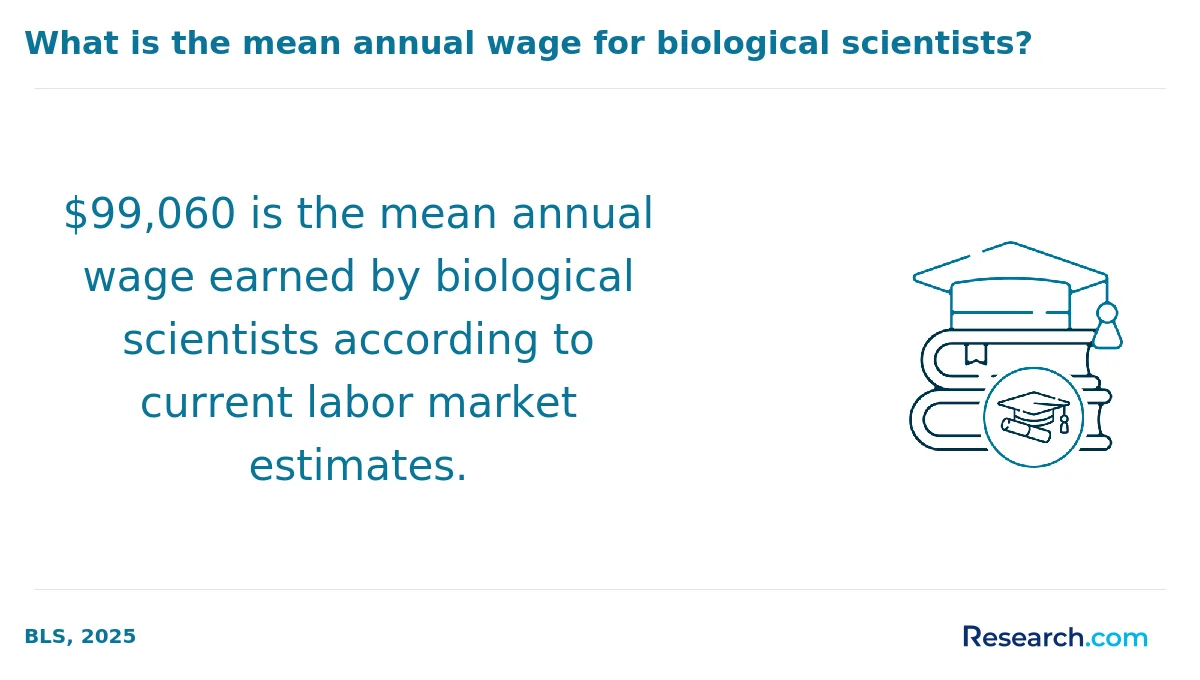
Finally, research career outcomes by exploring graduation rates and internship support. Employment for biological scientists is expected to grow, making well-supported programs practical choices. For those seeking simplicity, exploring options at easy biology degree online programs can be a strategic first step toward your goal of enrolling in the best online biology degree programs USA.
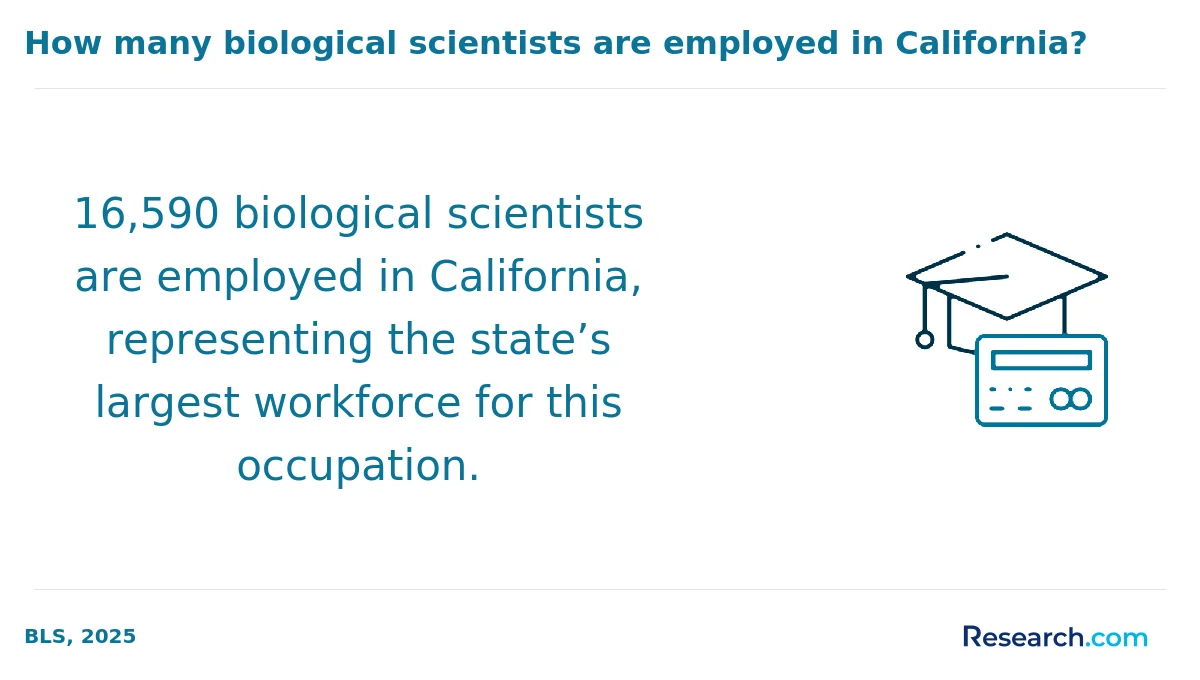
Graduates with an online biology degree in America can find diverse career paths tailored to various interests and industries. Many step into research roles in labs, assisting in genetics or pharmaceutical developments, as seen among graduates from institutions like the University of Florida or Arizona State University. Others pursue healthcare-related roles, becoming clinical laboratory technologists or health scientists, taking advantage of the growing demand in medical fields. For those drawn to environmental science, careers as wildlife biologists or environmental scientists are accessible, particularly with agencies focused on climate initiatives.
Biotech and pharmaceutical companies offer opportunities as research associates or quality control analysts, with graduates from well-known colleges reporting positive job experiences. Additionally, many pursue further education, such as master's degrees in public health or bioinformatics, boosting career potential. If you're considering where to start, exploring an online bachelor biology degree program can be a strategic step, balancing affordability and quality of education relevant to job prospects in America.
Understanding these options helps you chart a practical path aligned with your passion and the demands of biology degree job prospects America.
The job market for graduates with an online biology degree in America remains promising, especially for those from well-regarded schools like Arizona State University or the University of Florida. Graduates often find roles as laboratory technicians, research assistants, or environmental consultants, leveraging flexible online studies alongside local internships to gain practical experience. Many discover that the ability to tailor their education around work or family commitments gives them a competitive edge in securing positions within biotechnology and healthcare sectors.
For those exploring the easiest online biology degree jobs USA, entry-level positions such as lab technicians typically offer starting salaries between $40,000 and $55,000, while more specialized roles can earn significantly more. Graduates who continue with advanced degrees or certifications improve their chances in competitive markets. Some complement their qualifications by exploring career pathways like aquatic biology; you can learn more about how do you become an aquatic biologist to expand your options.
Given the biology degree career outlook United States-wide, consistent growth in research and environmental fields supports steady job availability. Students report that choosing accredited online programs not only reduces costs but also opens doors to hands-on projects in their communities, which proves invaluable in interviews and on the job.
2027 Easiest Online Biology Degree Programs Ranking in the USA
Investing in your education is a significant decision that can have a lasting impact on your career and personal growth, and the Research.com team fully recognizes the importance of making well-informed choices. With this in mind, we have carefully developed the "2027 Easiest Online Biology Degree Programs Ranking in the USA" to help prospective students identify accessible and quality programs that fit their needs. Our dedication to quality, credibility, and accuracy guided our extensive research and analysis throughout the ranking process.
We utilized the following reputable data sources to ensure a comprehensive and reliable evaluation of online biology degree programs:
Readers of this ranking will gain valuable insights into the easiest online biology degree programs, enabling them to make confident and informed decisions regarding their education paths. For more information about how this ranking was created, please visit our Research.com methodology page.
# 1 position
University of Maryland Global Campus
Master of Biotechnology: Bioinformatics

# 2 position
University of Maryland Global Campus
Bachelor of Biotechnology



# 8 position
University of Florida
Master of Microbiology and Cell Science: Medical Microbiology and Biochemistry


# 18 position
Northern Arizona University
Bachelor of Health Sciences, Allied Health, Diagnostic Medical Imaging and Therapy



Frequently Asked Questions About biology
Online biology degree students in America can maximize their learning experience by actively engaging with course materials and virtual labs. Many accredited programs offer interactive simulations that mimic in-person experiments, which are crucial since biology is a hands-on science. Students should also seek out opportunities for research collaborations or internships, which enhance practical skills and can be found through university partnerships with local institutions.
Time management is essential; setting a consistent study schedule helps balance coursework and other commitments. According to the National Center for Education Statistics, about 38% of biology graduates participate in internships, showing the importance of real-world experience.
Furthermore, joining online student groups or professional organizations like the American Society for Microbiology can provide networking and mentorship. These connections are invaluable for career growth in biology-related fields.
The biology field is rapidly evolving, with several emerging niches gaining attention in the US. One notable area is synthetic biology, which combines engineering principles with biology to design new biological parts and systems. According to the National Science Foundation, synthetic biology research funding has increased by over 40% in recent years.
Another growing niche is bioinformatics, which uses computer science to analyze biological data. The US Bureau of Labor Statistics projects a 15% job growth for bioinformatics specialists by 2030. Additionally, environmental genomics, which studies organisms' genetic responses to environmental changes, is becoming essential in conservation efforts.
These areas offer promising career paths for students earning online biology degrees.
After completing an online biology degree in America, preparing for the job market involves several strategic steps. First, gaining practical experience is crucial; internships and research assistant roles help develop essential laboratory and analytical skills valued by employers.
Networking plays a key role as well. Joining professional organizations like the American Institute of Biological Sciences can connect graduates with industry experts and job openings.
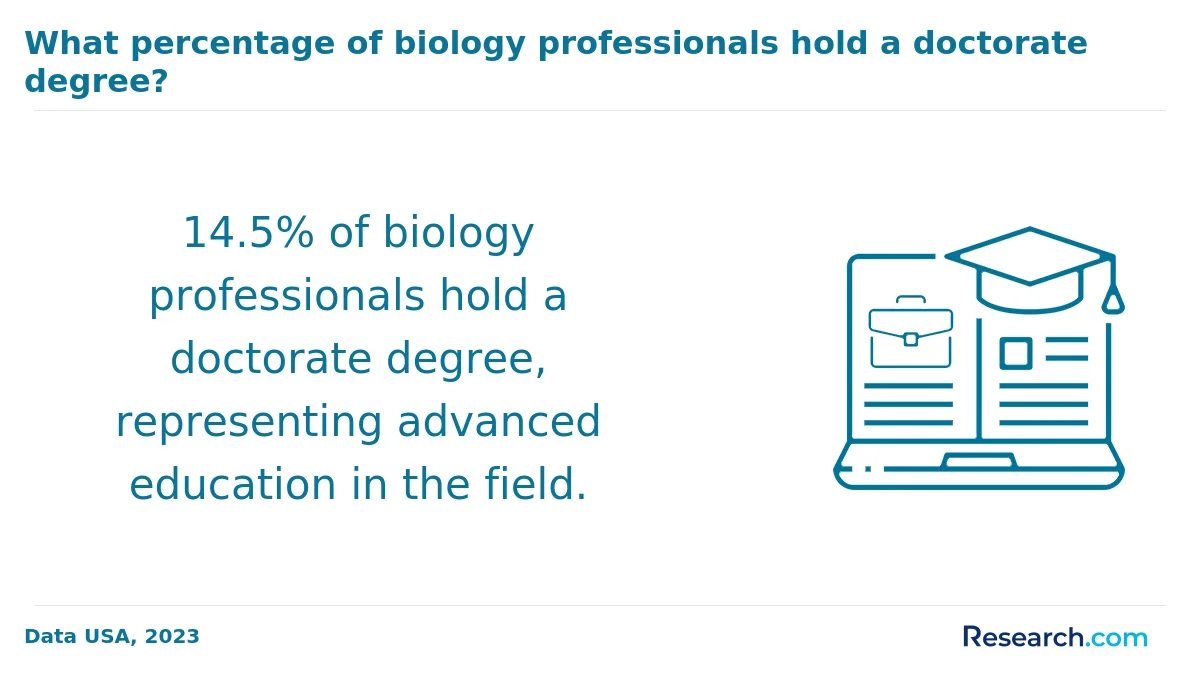
According to the U.S. Bureau of Labor Statistics, biology-related occupations are expected to grow 8% from 2022 to 2032, indicating steady demand. Graduates should also consider obtaining certifications in specialized areas such as biotechnology or environmental science to increase employability.
Employers in America highly value biology degree graduates who possess strong analytical and research skills. According to the National Association of Colleges and Employers (NACE), employers seek candidates able to apply scientific methods to solve complex biological problems.
Communication skills are also essential, as biologists must clearly explain findings both in writing and orally. The Bureau of Labor Statistics notes that teamwork and collaboration skills are crucial, especially in lab or field research settings.
Technical proficiency with laboratory equipment and data analysis software, including statistics tools like SPSS or R, is increasingly important. Knowledge of molecular biology techniques and bioinformatics is also frequently requested by employers in biotechnology and healthcare sectors.
Finding internships relevant to a biology degree in America involves several strategic steps. First, students should explore university career centers, where connections with local labs and biotech firms are common. According to the National Association of Colleges and Employers (NACE), biology-related internships have grown by 12% in the past five years, reflecting increased industry demand.
Online platforms like Handshake and Indeed also list internships specifically for biology students. Government agencies such as the National Institutes of Health (NIH) offer paid summer internships, providing valuable research experience. Networking through professional organizations like the American Institute of Biological Sciences can further expand opportunities.
In America, an online biology degree significantly enhances career mobility and advancement. The U.S. Bureau of Labor Statistics projects a 5% growth in biological science occupations from 2022 to 2032, which means more job opportunities for graduates. Earning a degree online offers flexibility, allowing students to gain skills and credentials without pausing their careers. Employers increasingly recognize online degrees from accredited institutions, especially in STEM fields like biology.
Graduates can access roles in research, healthcare, environmental science, and biotechnology. According to the National Center for Education Statistics, biology remains one of the most in-demand majors, helping students advance to specialized or leadership positions. Online programs also often provide networking opportunities and internships vital for career growth.
Studying for a biology degree in America equips students with a broad scientific foundation essential for interdisciplinary roles. Many programs emphasize collaboration across fields such as environmental science, biotechnology, and healthcare technology. According to the National Center for Education Statistics, over 75% of biology graduates work in roles that require integrating knowledge from multiple disciplines.
Online biology programs typically include coursework in chemistry, data analysis, and bioinformatics, preparing students for diverse careers. The interdisciplinary approach reflects real-world applications where biology intersects with computer science, engineering, and public health.
This versatile training enhances problem-solving skills and adaptability, valuable in research, industry, and policy development.
When choosing between a thesis and a non-thesis biology degree program in America, consider your career goals first. Thesis programs require original research and writing, ideal for those aiming for PhD studies or research careers. Non-thesis options emphasize coursework and may include a capstone project, better suited for students pursuing professional roles or immediate employment.
The US Bureau of Labor Statistics projects 5% growth for biological scientists through 2031, highlighting a competitive job market. Schools accredited by regional bodies often offer both tracks, so research program structure and faculty expertise. Online programs may have different requirements for research, so review those carefully.
Financial and time commitments vary: thesis pathways often take longer due to research obligations. Clarify funding availability if opting for thesis work, as grants and assistantships are more common in research tracks. Consulting academic advisors at your chosen institutions is crucial for informed decisions.
American students interested in studying biology abroad often consider online degree programs offered by international universities that partner with US institutions. These programs allow students to earn a recognized degree without relocating, combining global curriculum perspectives with flexible study schedules. Many schools in Europe, Australia, and Canada provide accredited online biology degrees accessible to US residents.
Programs often emphasize molecular biology, ecology, and biotechnology, reflecting current US job market demands highlighted by the Bureau of Labor Statistics, which predicts 5% growth in biological science jobs through 2031.
It is important for students to verify accreditation and ensure credits transfer smoothly to US institutions if planning further education or professional certification.
Part-time jobs that complement biology degree education in America often involve laboratory and research support roles. Positions such as lab assistants or research aides in university or private labs provide practical experience with scientific methods, enhancing academic learning. According to the U.S. Bureau of Labor Statistics (BLS), these roles can provide hourly wages ranging from $13 to $20, depending on location and employer.
Additionally, roles in environmental consulting or wildlife rehabilitation allow students to apply ecological and biological concepts in real-world contexts. Many biology students also find work as pharmacy technicians or medical scribes, which builds relevant skills for health-related careers.
These part-time opportunities provide valuable experience, directly supporting academic and professional growth within the biology field.
Online biology students in America have access to various networking opportunities despite the virtual format. Many universities offer virtual career fairs, connecting students with employers in fields like biotechnology, environmental science, and healthcare. According to the National Science Foundation, about 20% of biology graduates engage in internships or research projects, often facilitated through online program partnerships.
Student organizations, such as the American Institute of Biological Sciences, provide online events and forums for collaboration. Additionally, professional platforms like LinkedIn enable students to join biology-focused groups and connect with alumni and industry professionals nationwide.
Some programs also encourage participation in regional conferences or virtual symposiums, enhancing peer-to-peer and faculty interactions.
Alumni networks play a crucial role for online biology degree students in America by offering access to a broad community of professionals and graduates. These networks provide valuable opportunities for mentorship, career advice, and job referrals within the competitive biology field, which is expected to grow by 9% from 2020 to 2030 according to the U.S. Bureau of Labor Statistics.
Through alumni events and online platforms, students can connect with experienced biologists working in research, healthcare, or environmental science. Such connections often lead to internships or research collaborations, enhancing practical experience.
Furthermore, alumni support fosters a sense of belonging despite the remote nature of online education, which can improve student engagement and success.
Customizing an online biology degree in America allows students to align their education with specific career paths. Many programs offer concentrations such as molecular biology, environmental biology, or biotechnology. Choosing relevant electives and research projects can deepen expertise in these areas.
Students can also gain practical experience through virtual labs, internships, or partnerships facilitated by the university. According to the National Center for Education Statistics, over 60% of biology degrees include specialized coursework, reflecting this trend. Additionally, selecting a program accredited by recognized bodies like ABET ensures quality and employer recognition in the U.S. job market.
Advisors play a key role in tailoring course selections to meet professional goals, and many schools provide career counseling services online to support this process.
Online biology students in America often face unique challenges due to the hands-on nature of the discipline. Practical lab work is a crucial part of biology education, and replicating this experience virtually can be difficult. Many programs require occasional on-site visits or at-home lab kits, which may add travel costs or extra expenses. According to the National Center for Education Statistics, about 30% of biology undergraduates have reported difficulty accessing adequate lab resources online.
Technical issues also pose barriers. Reliable internet and advanced software are essential for virtual simulations and lectures, but not all students have consistent access. Additionally, students may struggle with time management without the structure of in-person classes. These factors, combined with limited direct interaction with professors and peers, can affect student engagement and performance.
With an online biology degree in the United States, graduates can pursue several professional certifications to enhance their career prospects. Common certifications include the Certified Biological Scientist (CBS), offered by the American Institute of Biological Sciences. This credential validates proficiency and commitment to biology careers.
Other options include certifications in laboratory techniques, such as the American Society for Clinical Pathology's Medical Laboratory Scientist certification. Additionally, fields like environmental biology offer certifications through the National Registry of Environmental Professionals.
These certifications often require specific coursework or experience beyond the degree but can boost employability in competitive job markets.
Writing a winning application for an online biology program in America requires careful preparation. First, emphasize your academic background in biology or related sciences, as many programs expect a strong foundation. Highlight relevant experiences, such as lab work or research projects, especially if they demonstrate your ability to succeed in a virtual environment.
Include a clear, well-written personal statement explaining your motivation for studying biology online. According to the National Center for Education Statistics, over 6 million American students enrolled in distance education in 2021, so articulating your commitment is crucial.
Strong recommendation letters from science instructors or employers can enhance your application. Additionally, ensure your resume details any biology-related skills or certifications. Lastly, verify all application materials adhere strictly to the program's guidelines to avoid disqualification.
The field of biology offers diverse career opportunities worldwide, with growing demand for skilled professionals. In the United States, biology-related jobs are projected to grow 8% from 2020 to 2030, according to the U.S. Bureau of Labor Statistics. This growth reflects a global emphasis on addressing health, environmental, and technological challenges.
International collaboration in biology research is common, making global perspectives valuable for U.S. students. Understanding different ecosystems, diseases, and biotechnology trends helps graduates work effectively in global teams. Many American online biology degrees emphasize current scientific issues with worldwide relevance.
Career paths in biology often extend beyond the laboratory, including roles in education, conservation, and policy. The U.S. is a leader in biological research funding, which supports innovative career options domestically and abroad.
Gaining practical experience while pursuing an online biology degree in America is essential for success in the field. Many programs encourage students to complete internships at research labs, hospitals, or environmental organizations. These experiences provide hands-on skills that online courses alone cannot offer.
Additionally, some universities collaborate with local institutions to offer lab classes or fieldwork opportunities near the student's residence. Alternatively, virtual labs have become more common, allowing students to simulate experiments online, although they cannot fully replace physical experience.
The National Center for Education Statistics reports that about 65% of biology undergraduates participate in internships or research projects before graduation.
Choosing the right concentration within an online biology degree program in America depends on your career goals and interests. Popular concentrations include molecular biology, environmental biology, and biotechnology, each opening different job opportunities.
Research from the National Center for Education Statistics shows that biology-related employment in the U.S. is expected to grow 5% through 2031, highlighting the importance of specialization.
Consider the curriculum offered, internship opportunities, and faculty expertise. Some programs focus on research techniques, while others emphasize applied skills, so select what aligns with your aspirations.
Additionally, check if the concentration prepares you for certifications or graduate study if that is your plan.
- How to Create a Biology Course Plan for Accelerated Degree Completion https://www.straighterline.com/blog/how-to-create-an-efficient-biology-course-plan-for-accelerated-degree-completion
- EVENTS https://thebiosa.org/events/
- What Can You Do With a Biology Degree? https://willamette.edu/academics/college/biology/career-options
- Biology/Biomedical Placements/Internships | Gradcracker - Careers for STEM Students https://www.gradcracker.com/search/science/biology-biomedical-work-placements-internships
- Best Online Biology Degrees https://www.affordablecollegesonline.org/biology-programs/
- 4 Types of Biology Concentrations | University of Bridgeport https://www.bridgeport.edu/news/biology-concentrations/
- Online Degree vs. Traditional: Choosing the Right Path https://beal.edu/online-degree-vs-traditional/
- Careers in Biological Sciences: Opportunities, Skills, and the Future of Work https://www.hyperec.com/blog/careers-in-biological-sciences-opportunities-skills-and-the-future-of-work/
- Top 30 Biology Scholarships to Apply to in December 2025 https://bold.org/scholarships/by-major/biology-scholarships/
- Turn Your Passion for Science Into a Rewarding Career With a Biology Degree - UNCF https://uncf.org/the-latest/a-biology-degree-can-open-the-door-to-life-and-living