
2027 Tax Attorney Careers: Guide to Career Paths, Options & Salary

Co-Founder and Chief Data Scientist
Choosing a career in tax law means deciding whether you want to work at the intersection of money, regulation, business strategy, and public policy. The field is demanding because tax rules change, clients face real financial consequences, and mistakes can trigger audits, penalties, or litigation. It is also a career path with durable relevance: individuals, corporations, estates, nonprofits, and governments all need tax guidance.
This guide explains what tax attorneys and related tax professionals do, how to enter the field, what degrees and credentials may help, and how to compare tax law with adjacent careers in accounting, compliance, consulting, and financial planning. It is designed for students considering law school, accounting majors weighing specialization options, paralegals exploring tax work, and professionals deciding whether to complete an accounting degree before pursuing tax-focused legal work.
- Why pursue a career in tax law?
- Tax Law Career Outlook
- Required Skills for Tax Law
- How to Start Your Career in Tax Law
- How can I advance my career in tax law?
- Alternative Career Options for Tax Law
- Affordable Educational Pathways to Becoming a Tax Attorney
- What emerging trends are shaping the future of tax law?
- The Role of Technology in Modern Tax Law
- What Are Common Challenges in Tax Law Careers?
- How Can I Evaluate the Financial Impact of Pursuing an Accounting Degree?
- How Can Networking and Mentorship Accelerate Your Tax Law Career?
- Is the Financial Investment in a Tax Law Career Worth It?
- Practical Steps to Build a Career in Tax Law
- What Opportunities Are Available for Further Education in Tax Law?
- Can an Associate’s Degree Propel Your Career in Tax Law?
- Are Professional Certifications Important to Complement a Tax Law Career?
- Is Location a Critical Factor in Tax Law Career Success?
Quick Answer: Is Tax Law a Good Career Path?
Tax law can be a strong career path for people who are comfortable with legal analysis, financial documents, deadlines, and complex rules. It is especially suitable for students who enjoy research, writing, accounting concepts, and client advisory work. According to BCG Attorney Search, approximately 731,340 practicing attorneys nationwide work with public and private companies to support legal compliance, and tax attorneys are part of that broader legal workforce.
The career can lead to roles in law firms, corporate legal departments, government agencies, accounting firms, nonprofits, and consulting practices. However, becoming a tax attorney usually requires more than an undergraduate degree. Students typically need a bachelor’s degree, legal education, bar admission, and, for some advanced roles, specialized tax training such as an LLM in taxation. Those who prefer tax work without practicing law may consider tax accounting, tax preparation, compliance, or advisory roles instead.
What Does a Tax Attorney Do?
A tax attorney advises clients on how tax laws apply to business decisions, personal finances, estates, transactions, disputes, and compliance obligations. Unlike tax preparers who primarily prepare and file returns, tax attorneys focus on legal interpretation, risk management, controversy resolution, planning, and representation in disputes with tax authorities.
Common responsibilities include interpreting federal, state, and local tax rules; advising on business transactions; representing clients during audits or tax controversies; helping structure mergers, acquisitions, estates, and trusts; drafting legal opinions; and coordinating with accountants, executives, financial planners, and government agencies.
| Tax Role | Main Focus | Best Fit For |
| Tax Attorney | Legal advice, tax disputes, planning, representation, and risk analysis | Students willing to complete legal training and pursue attorney licensure |
| Tax Accountant | Tax reporting, return preparation, financial records, and planning support | Students who prefer accounting, finance, and compliance over litigation |
| Tax Compliance Professional | Ensuring individuals or organizations follow tax rules and reporting duties | Detail-oriented professionals interested in regulation, audits, and controls |
| Tax Consultant | Strategic tax planning, advisory work, and issue-specific analysis | Professionals with tax experience who want client-facing advisory roles |
Why pursue a career in tax law?
Tax law is a practical specialization because taxation touches nearly every area of economic life. Individuals file returns, companies manage payroll and corporate obligations, estates require planning, investors face reporting requirements, and governments rely on tax revenue to fund public services. As long as tax systems exist, trained professionals will be needed to interpret rules, reduce compliance risk, and help clients respond to disputes.
For students comparing accounting specializations, tax law is one of the options that can combine legal reasoning with financial analysis. Some students begin with accounting coursework or graduate accounting programs before moving toward law school or tax-focused advisory roles.
Fiscal policy also keeps tax law in public view. In fiscal year 2024, individuals paid $2.4 trillion in income taxes, with projections showing individual income tax revenues at 8.8 percent of GDP in 2025. These figures show why tax policy, enforcement, and compliance remain central to government operations and economic planning.
Tax attorneys may also work in public service. Professionals interested in policy, enforcement, or regulation can pursue roles connected to the Treasury Department, the IRS, and other government agencies. These positions may involve interpreting legislation, developing guidance, reviewing disputes, or supporting compliance initiatives.
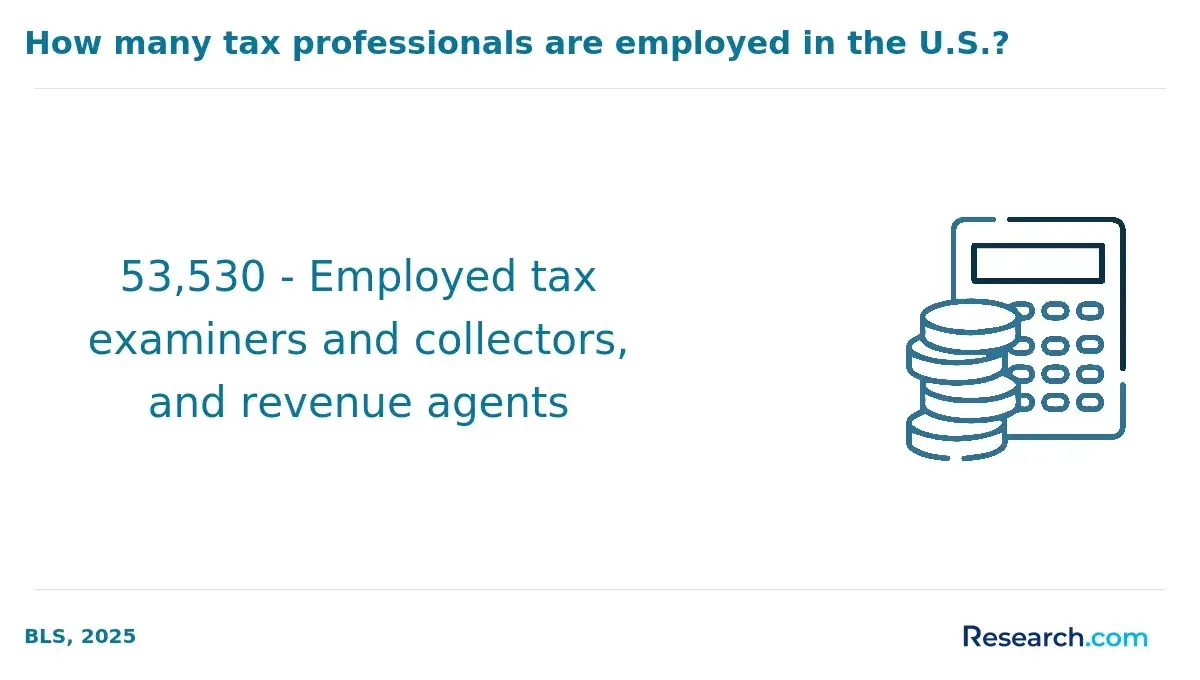
Compensation is another reason many people consider this field. Zippia reports that the median tax law salary is $85,681 per annum or $41 per hour. The top 10% makes more than $146,000 per annum, while the last 10% makes under $50,000 per annum. Actual pay varies by credentials, location, employer type, experience, specialization, and business development ability.
Tax law also has public significance. Research by Bernadette A. M. O’Hare and co-researchers, published in PLOS Global Public Health, connected tax abuse with lost public revenue and development outcomes. The study estimated that if government revenue increased by an amount equivalent to tax abuse over ten years, on average, 572,000 people, including 99,000 children and 135,000 women, would gain access to basic drinking water; 724,000 people, including 125,000 children and 170,000 women, would gain access to basic sanitation; and 63,000 children would attend school for an additional year. The researchers concluded that reducing tax abuse could support progress toward Sustainable Development Goals.
Tax Law Career Outlook
Tax law is a specialized segment of the legal profession, and demand is influenced by business activity, regulatory change, tax enforcement, estate planning needs, international commerce, and corporate transactions. The BLS forecasts that lawyer employment will increase by 4%. For tax-focused attorneys, opportunities may be stronger when employers need help interpreting complex regulations, structuring transactions, or managing disputes with tax authorities.
Specialization can affect career prospects. Attorneys who build expertise in estate planning, corporate tax, international taxation, tax controversy, mergers and acquisitions, or nonprofit tax issues may be better positioned than generalists in competitive legal markets.
| State | Number of Tax Attorney Jobs | Median Salary |
| California | 1,806 | $110,620 |
| Texas | 1,044 | $80,138 |
| New York | 780 | $114,283 |
| Florida | 764 | $69,751 |
| Illinois | 628 | $80,265 |
| Pennsylvania | 466 | $71,843 |
| Georgia | 429 | $70,634 |
| Ohio | 428 | $64,797 |
| North Carolina | 397 | $69,315 |
| Massachusetts | 390 | $113,933 |
How to read location and salary data
State salary figures can help you compare markets, but they should not be treated as guarantees. A higher salary market may also have higher living costs, stronger competition, or greater expectations for long work hours. Before relocating, compare employer type, cost of living, court and agency access, local business activity, and the availability of mentors in your chosen tax niche.
Required Skills for Tax Law
Tax law rewards professionals who can combine technical precision with practical judgment. The work often involves reading statutes, reviewing financial records, translating legal rules into client advice, and spotting risks that non-specialists may miss. The Internal Revenue Service has identified the complexity of the tax code as one of the top problems plaguing taxpayers today, which helps explain why strong tax professionals remain valuable.
Technical Skills Tax Law Professionals Need
- Accounting and quantitative reasoning. Tax attorneys do not always need to be accountants, but they must understand financial statements, income recognition, deductions, entity structures, estate issues, and transaction documents. Students who need a stronger accounting base can explore a certificate in accounting.
- Legal and factual research. Tax questions rarely stop at reading one rule. Attorneys must examine statutes, regulations, agency guidance, court decisions, client records, and transaction history before giving advice.
- Clear legal writing. Tax professionals write client memos, letters, legal opinions, settlement materials, audit responses, and internal guidance. Strong writing reduces confusion and supports defensible recommendations.
- Technology and accounting systems. Tax work increasingly depends on secure platforms, document management, data review, and accounting software and tools. Comfort with technology helps professionals work faster and reduce manual errors.
Professional Skills That Matter
- Analytical judgment. Tax professionals must interpret complex rules and determine how they apply to specific facts.
- Attention to detail. Small errors in dates, figures, entity names, or filing requirements can create major consequences.
- Problem-solving. Clients often come to tax attorneys because the answer is unclear, costly, or disputed.
- Time management. Tax calendars, audit deadlines, court filings, and transaction timelines require disciplined planning.
- Client communication. A technically correct answer is not enough. Clients need advice they can understand and act on.
How to Start Your Career in Tax Law
A tax law career usually begins with undergraduate study, but students have several starting points. You may study accounting, finance, economics, political science, business, legal studies, or another major that develops research, writing, and quantitative skills. If you are unsure about a major vs degree, remember that the degree is the credential you earn, while the major is the field of concentration within that credential.
Students who want to practice law should plan beyond the bachelor’s degree. A bachelor’s degree alone does not authorize someone to work as a licensed attorney. It can, however, prepare you for law school, tax internships, paralegal work, tax preparation, compliance roles, or accounting-related positions.
| Tax Law Path | Tax Accounting Path | Tax Compliance Path | |
| Primary Work | Responsible for providing tax-related advice to clients and representing them in tax inquests. | Responsible for preparing and filing tax returns and providing tax planning advice. | Responsible for ensuring that individuals and businesses comply with tax laws. |
| Entry Level Jobs | Tax Law Clerk ($50,000+) | Tax Preparer ($45,000+) | Tax Examiner ($55,000+) |
| Junior Management Level Jobs | Tax Law Associate ($130,000+) | Tax Accountant ($70,000+) | Tax Compliance Manager ($90,000+) |
| Middle Management Jobs | Tax Law Partner ($166,000+) | Tax Manager ($110,000+) | Tax Compliance Officer ($130,000+) |
| Senior Management Jobs | Tax Law Director ($200,000+) | Tax Director ($160,000+) | Chief Compliance Officer ($180,000+) |
What can I do with an associate’s degree in tax law?
An associate’s degree can help you enter tax support work, especially if the program includes accounting, business law, tax preparation, spreadsheets, and office technology. It is not enough to become a licensed attorney, but it can be a lower-cost first step toward a bachelor’s degree or a practical route into tax operations.
Tax Preparer
Tax preparers help individuals and small businesses complete and file tax returns. They review client documents, apply filing rules, check calculations, and help ensure returns are submitted accurately and on time.
Median salary: $47,550
Tax Technician
Tax technicians support tax professionals by gathering documents, assisting with research, communicating with clients, preparing preliminary materials, and helping offices manage filing-season workflows.
Median salary: $47,932
Tax Examiner
Tax examiners review returns and supporting records to determine whether taxpayers have followed applicable rules. Many work in government settings, including IRS-related roles, and focus on verification, compliance, and audits.
Median salary: $57,490
What can I do with a bachelor’s degree in tax law?
A bachelor’s degree can prepare you for tax-related business, accounting, compliance, or pre-law work. If your goal is to become a tax attorney, use the bachelor’s degree to build a strong GPA, writing ability, accounting literacy, internship experience, and law school readiness.
Tax Attorney
Tax attorneys advise individuals, companies, and organizations on tax law, planning, controversy, compliance, and representation. This role generally requires legal education and attorney licensure, not just a bachelor’s degree.
Median salary: $126,930
Tax Accountant
Tax accountants prepare tax documents, support compliance, advise on tax planning, and help clients understand reporting obligations. They may work with individuals, businesses, nonprofits, or public accounting firms.
Median salary: $73,560
Tax Manager
Tax managers oversee tax reporting and compliance processes, coordinate teams, communicate with clients or executives, and help design tax strategies that follow legal requirements.
Median salary: $103,804
Can you get a tax law job with just a certificate?
A certificate can help you qualify for certain tax support, preparation, bookkeeping, paralegal, or compliance roles, especially if you already have related experience. It is less likely to qualify you for attorney-level legal work because tax attorneys must meet legal education and licensure requirements.
Certificates are most useful when they fill a specific skills gap: individual tax preparation, business taxation, accounting systems, legal research, bookkeeping, or paralegal procedures. If you need to move quickly toward an undergraduate credential, an option such as a bachelor’s degree online fast may be worth comparing with shorter certificate programs.
Students interested in legal support work may also consider the best online paralegal certificate program as a bridge into law firm or corporate legal department experience.
How can I advance my career in tax law?
Advancement in tax law usually depends on a mix of education, licensure, specialization, client trust, technical skill, and professional reputation. Some professionals move from tax preparation into accounting or compliance. Others complete law school, pass the bar, and build careers in tax controversy, corporate tax, estate planning, or government service. Advanced roles may require master’s- or doctorate-level study, which connects to broader questions such as “What are the 4 types of degrees?”
What can I do with a master’s in tax law?
Tax Consultant
Tax consultants advise clients on planning, compliance, risk reduction, and dispute prevention. They may specialize in corporate tax, individual taxation, international issues, estates, or industry-specific tax concerns.
Median salary: $80,000+
Tax Director
Tax directors manage an organization’s tax strategy, reporting obligations, compliance procedures, risk management, and coordination with internal and external advisors.
Median salary: $160,000+
What kind of job can I get with a doctorate in tax law?
Tax Law Professor
Tax law professors teach legal principles, supervise student learning, publish research, and contribute to academic and policy discussions about taxation.
Median salary: $102,000+
Tax Law Researcher
Tax law researchers analyze statutes, regulations, litigation, policy proposals, and compliance issues for law firms, corporations, universities, think tanks, or government entities.
Median salary: $91,000+
Tax Law Partner
Tax law partners are senior attorneys who advise clients on complex tax matters such as mergers and acquisitions, tax controversies, audits, investigations, and strategic planning.
Median salary: $197,000+
Which certification is best for tax law?
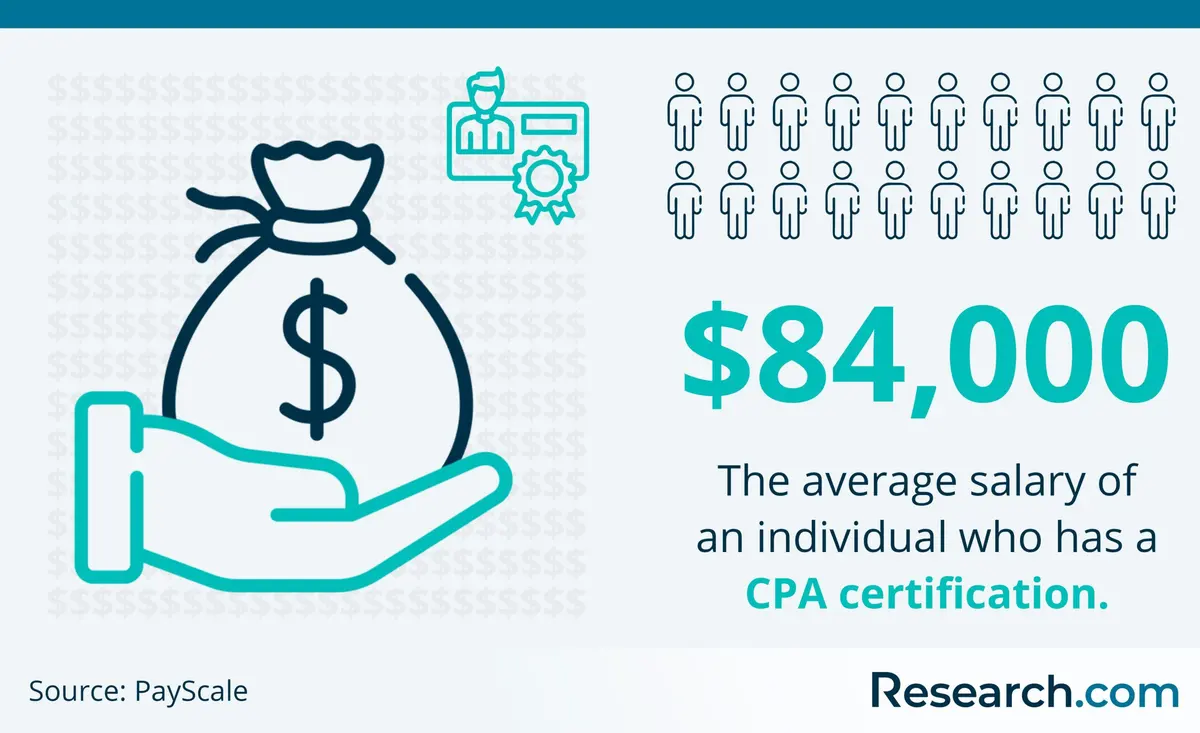
No single certification is best for every tax career. The right credential depends on whether you want to practice law, prepare returns, advise on accounting matters, or specialize in financial planning. The Certified Public Accountant credential is widely recognized for accounting and tax planning roles. CPA requirements are set by each state’s Board of Accountancy and include passing the Uniform CPA exam, meeting education and experience requirements, and following professional standards.
Other tax-focused credentials may support non-attorney advisory work. The Institute of Business and Finance offers the Certified Tax Specialist credential, and the Accreditation Council for Accountancy and Taxation offers the Accredited Tax Advisor certification.
Alternative Career Options for Tax Law
Tax law training develops transferable skills in statutory interpretation, financial analysis, negotiation, compliance, writing, and risk assessment. If you decide not to practice as a tax attorney, or if you want a related career with different licensing requirements, several paths may still use your tax knowledge.
What else can a tax attorney do?
- Financial Planner. Financial planners help clients make decisions about investments, retirement, estate planning, and tax-efficient strategies. A tax law background can strengthen planning advice, especially for complex clients.
- Corporate Counsel. Corporate counsel advise businesses on contracts, compliance, transactions, governance, and litigation risk. Tax knowledge is valuable when companies face regulatory or transaction-related tax issues.
- Trusts and Estate Attorney. Trusts and estate attorneys help clients plan asset transfers, draft estate documents, and reduce tax exposure when legally appropriate.
- Government Regulator. Regulators in agencies such as the SEC, IRS, or state revenue departments enforce rules, review compliance, and help interpret complex tax and financial issues.
Affordable Educational Pathways to Becoming a Tax Attorney
Tax law can require a substantial education investment, so students should plan the pathway carefully. The goal is not simply to choose the cheapest option; it is to choose a credible, accredited, transferable, and career-aligned program that does not create unnecessary debt.
Start with a cost-conscious bachelor’s degree
A bachelor’s degree is typically the first academic step for future attorneys. Students often choose accounting, business, economics, finance, political science, legal studies, or related majors. Affordable online or public university options can reduce costs while still building the academic record needed for law school applications.
Use community college strategically
Starting at a community college may lower the cost of general education coursework. Before enrolling, confirm that credits transfer to the bachelor’s program you plan to attend and that your intended law school will accept the academic pathway without concerns.
Compare accelerated and combined programs carefully
Some institutions offer accelerated or combined bachelor’s and JD pathways. These can reduce time in school, but students should compare tuition, scholarship rules, bar preparation support, academic workload, and whether the compressed format fits their learning style.
Look for scholarships, grants, and employer support
Scholarships and grants may reduce out-of-pocket costs. Opportunities may come from law schools, state programs, bar associations, tax organizations, and private donors. Examples include:
- The Tax Section of the American Bar Association Scholarship
- The National Tax Association’s Student Research Forum Scholarship
- State-based grants and merit-based scholarships
Consider lower-cost advanced study
Some tax attorneys pursue an LLM in Taxation or another advanced credential after law school. If graduate study is part of your plan, compare tuition, bar outcomes, employer recognition, faculty expertise, and program flexibility. Students comparing online graduate options can review Cheapest master’s degree online programs as part of a broader affordability search.
Ask whether your employer will help pay
Law firms, accounting firms, corporations, and government employers may offer tuition assistance or professional development benefits. Read the conditions carefully because some programs require continued employment after completion.
What emerging trends are shaping the future of tax law?
Tax law is changing because commerce, technology, work arrangements, and government enforcement methods are changing. Students entering the field should expect continuous learning rather than one-time mastery.
- Digital economy taxation. Online services, e-commerce, cross-border sales, and digital assets create new questions about sourcing, reporting, nexus, and jurisdiction.
- Environmental taxes and green incentives. Governments continue to use tax policy to influence energy, emissions, investment, and sustainability-related behavior.
- Tax technology and automation. Tax teams increasingly rely on automated workflows, data tools, and secure platforms to manage filings, research, and compliance.
- Global tax reform and compliance. Multinational businesses must monitor rules connected to transfer pricing, profit shifting, disclosure, and international reporting.
- Tax transparency and reporting. Governments continue to focus on stronger reporting systems intended to reduce evasion and avoidance.
- Remote work tax issues. Distributed workforces can create state tax nexus, payroll, residency, and cross-border tax questions for employers and employees.
The Role of Technology in Modern Tax Law
Technology is changing how tax lawyers research issues, review documents, collaborate with clients, and manage compliance risk. It is not eliminating the need for legal judgment, but it is changing what clients expect from tax professionals.
Automated compliance and filing tools
Automation can reduce repetitive filing tasks, flag missing information, and help tax teams manage high-volume workflows. Tax attorneys who understand these systems can better supervise work, identify legal issues, and focus on strategy rather than routine data handling.
Data analytics and predictive modeling
Data tools can help tax professionals review large sets of transactions, identify potential risks, and model possible outcomes. In corporate and international tax work, analytics may support planning across jurisdictions and improve the quality of advice.
Blockchain and cryptocurrency taxation
Digital assets raise questions about reporting, income recognition, capital gains, transaction tracing, and regulatory compliance. Tax professionals who work with cryptocurrency need to follow guidance closely and understand both the technology and the legal reporting obligations.
Artificial intelligence in tax planning
AI tools can help summarize documents, identify patterns, draft preliminary research, and support scenario analysis. However, tax attorneys remain responsible for verifying accuracy, protecting confidentiality, identifying legal nuance, and giving final advice. Professionals who want broader leadership skills may also compare interdisciplinary programs, including options such as the easiest management degree, when the goal is to manage teams or organizations rather than practice tax law directly.
What Are Common Challenges in Tax Law Careers?
Tax law can be intellectually rewarding, but it is not an easy field. Professionals must manage rule changes, high-pressure deadlines, complex client facts, and sometimes adversarial disputes. Filing seasons, audits, transactions, and litigation timelines may create uneven workloads.
Students should also be realistic about the education path. Law school is demanding, bar admission requires preparation, and tax specialization may involve additional study. Some applicants look for accessible law pathways such as the easiest law degree, but ease should not be the only criterion. Accreditation, bar eligibility, academic quality, and career outcomes matter more.
| Common Challenge | Why It Matters | Better Approach |
| Underestimating complexity | Tax issues often involve law, accounting, facts, deadlines, and documentation. | Build both legal research and accounting literacy early. |
| Choosing a program only by price | A low-cost program may not provide transferability, bar preparation, or employer recognition. | Compare accreditation, outcomes, faculty, support, and total cost. |
| Assuming online study always meets career requirements | Some legal and licensure paths have strict rules. | Confirm bar eligibility, state requirements, and employer expectations before enrolling. |
| Ignoring technology | Tax practice increasingly relies on software, automation, and data workflows. | Learn core tax platforms, spreadsheets, data security, and document management. |
| Waiting too long to gain experience | Employers value practical exposure to tax returns, audits, research, and client communication. | Pursue internships, clinics, clerkships, volunteer tax programs, or entry-level tax roles. |
How Can I Evaluate the Financial Impact of Pursuing an Accounting Degree?
An accounting degree can be valuable for future tax professionals, but the return depends on cost, transfer credits, career goals, and whether you plan to pursue law school afterward. Compare tuition, fees, books, technology costs, lost work time, financial aid, and potential debt. Then compare those costs with the roles you are realistically targeting.
Students considering accounting as a tax foundation can review the cost of bachelor's degree in accounting and speak with alumni, faculty, financial aid staff, and practicing tax professionals before committing. If your end goal is tax law, ask whether the accounting program strengthens your law school application, prepares you for CPA eligibility, or helps you qualify for tax work while studying.
How Can Networking and Mentorship Accelerate Your Tax Law Career?
Tax law is relationship-driven. Mentors can explain specialization choices, introduce you to practice settings, review your career plan, and help you avoid common mistakes. Networking can also reveal opportunities that are not obvious from job boards, such as clerkships, internships, tax clinics, agency roles, or niche practice groups.
Start with law school tax faculty, accounting professors, bar association tax sections, alumni, local CPA societies, legal aid tax clinics, and professional events. Students comparing tax law with accounting roles can also review types of accounting jobs and salaries to understand how different tax-related careers fit together.
Is the Financial Investment in a Tax Law Career Worth It?
The investment may be worthwhile if you are committed to legal work, can manage education costs, and want a career built around tax problem-solving. It may be less attractive if you dislike dense reading, legal writing, deadlines, or client pressure. The best decision comes from comparing expected costs with realistic career outcomes, not assuming that a high salary will automatically follow a degree.
Before committing, compare law school tuition, scholarships, bar preparation expenses, opportunity cost, local job markets, and likely debt. You can also benchmark adjacent professions by reviewing how much do accountants earn, especially if you are deciding between tax law and tax accounting.
Practical Steps to Build a Career in Tax Law
A strong tax law career is usually built in stages. The most successful candidates combine education with practical experience, professional relationships, and continuous technical learning.
- Clarify your target role. Decide whether you want to become a licensed tax attorney, tax accountant, compliance professional, consultant, or legal support specialist.
- Choose a relevant academic foundation. Accounting, finance, economics, business, legal studies, and political science can all be useful. Students seeking a faster accounting route may compare an accelerated associate's degree in accounting.
- Verify accreditation and licensure fit. If you plan to become an attorney, confirm that your law school path supports bar eligibility in the state where you want to practice.
- Gain practical experience early. Look for tax preparation roles, internships, law firm clerkships, accounting firm positions, government placements, or tax clinics.
- Build accounting and technology skills. Learn spreadsheets, tax software, research platforms, document review processes, and secure client communication practices.
- Pursue credentials that match your goal. CPA, CTS, ATA, paralegal credentials, or advanced tax law study may help depending on the role.
- Develop a specialization. Consider corporate tax, international tax, estate planning, tax controversy, nonprofit tax, state and local tax, or digital asset taxation.
- Keep learning. Tax law changes regularly, so continuing education is part of the profession.
What Opportunities Are Available for Further Education in Tax Law?
Further education options include law school tax concentrations, LLM in Taxation programs, master’s degrees in legal studies, accounting certificates, CPA-focused coursework, and continuing legal education. The right choice depends on whether you need attorney credentials, tax accounting expertise, policy training, or management skills.
Professionals who do not need a JD but want advanced legal knowledge may compare the cheapest master of legal studies online programs. Before enrolling, ask whether the program is designed for practicing attorneys, non-lawyer professionals, compliance workers, or students preparing for future legal study.
A Tax Attorney Career for Those Who Are Adept With Numbers, Laws, and Taxation
Tax law is a good fit for people who enjoy precise rules, financial details, structured argument, and practical problem-solving. It is not only about filing deadlines. It is about helping clients understand obligations, reduce risk, respond to disputes, and make legally sound financial decisions.
If you are drawn to both numbers and legal reasoning, begin by comparing undergraduate options, building accounting fluency, and seeking exposure to tax work before committing to law school. Students looking for a cost-conscious starting point can review affordable online bachelors degrees and explore the accounting certifications for beginner’s guide to identify shorter skill-building options.
Can an Associate’s Degree Propel Your Career in Tax Law?
An associate’s degree can be a practical first step if you want affordable exposure to accounting, taxation, business law, and administrative systems. It can prepare you for roles such as tax preparer, tax technician, bookkeeper, or office support professional in a tax-focused environment. It can also help you decide whether to continue into a bachelor’s degree or law-related study.
For students managing cost, a low cost associates degree in accounting online may provide a lower-risk entry point. The key is to confirm transfer policies before enrolling so that your credits can support future education rather than becoming a dead end.
Are Professional Certifications Important to Complement a Tax Law Career?
Professional certifications can strengthen a tax career when they align with the work you want to do. They may demonstrate tax preparation ability, accounting competence, bookkeeping skill, or specialized advisory knowledge. They do not replace attorney licensure for legal practice, but they can make a professional more credible in accounting, compliance, or support roles.
For example, understanding CPB certification requirements can be useful for students who want stronger bookkeeping and tax-documentation skills before moving into more advanced tax work. When evaluating any certification, ask who recognizes it, what it qualifies you to do, whether it requires continuing education, and whether employers in your target market value it.
Is Location a Critical Factor in Tax Law Career Success?
Location can strongly influence tax law opportunities. Major business centers may offer more corporate tax, international tax, and high-value transaction work. Government centers may provide policy, enforcement, and regulatory roles. Smaller markets may offer broader client responsibility earlier in your career and lower living costs.
Do not compare salary alone. Review cost of living, employer mix, state tax complexity, bar admission rules, client base, commuting expectations, and remote-work policies. State-level compensation resources such as CPA wages by state can provide useful context when comparing tax-related careers across locations.
Questions to Ask Before Choosing a Tax Law Path
| Question | Why It Matters |
| Do I want to practice law, or do I mainly want to work with taxes? | This determines whether you need law school and bar admission or whether accounting, compliance, or consulting may fit better. |
| Can I handle several years of education and licensing steps? | Attorney-level roles require long-term planning and financial commitment. |
| Am I comfortable with detailed rules and frequent updates? | Tax professionals must keep learning as laws, guidance, and enforcement priorities change. |
| Which specialization interests me most? | Corporate tax, estate planning, controversy, international tax, and compliance roles involve different daily work. |
| How will I control education costs? | Scholarships, transfer credits, employer tuition support, and affordable programs can reduce debt risk. |
| Does the program support my licensure or career goal? | Accreditation, bar eligibility, CPA eligibility, and employer recognition should be verified before enrollment. |
Key Insights
- Tax law is a specialized legal career, not just tax preparation. Tax attorneys interpret laws, advise clients, manage disputes, and reduce legal risk in matters involving taxation.
- The field can be stable because taxes are unavoidable. Individuals, businesses, estates, and governments all need tax compliance and planning support.
- Education requirements depend on the role. Associate’s degrees and certificates may support entry-level tax work, but attorney-level practice generally requires legal education and bar admission.
- Accounting knowledge is a major advantage. Tax attorneys do not always need accounting degrees, but they must understand financial records, tax calculations, and business structures.
- Specialization improves positioning. Estate planning, international tax, corporate tax, tax controversy, and digital asset taxation can create clearer career niches.
- Technology is changing daily practice. Automation, AI, analytics, and tax software are reducing routine work while increasing the value of judgment, verification, and strategic advice.
- Cost planning matters. Compare tuition, accreditation, transfer credit, licensure eligibility, scholarships, and employer support before choosing a program.
- Location affects both opportunity and pay. Salary figures should be weighed against cost of living, market competition, employer type, and specialization demand.
References:
- American Bar Association. (n.d.). About the Tax Section. Retrieved February 2026, from https://www.americanbar.org/groups/taxation/about/
- BCG Attorney Search. (2025). Attorney career guide and salary trends 2025. https://www.bcgsearch.com/sp/bcg-reports/attorney-salary/attorney-career-guide-2025.php (see also broader guide and compensation data).
- New England Law Boston. (n.d.). Want to Be a Happy Lawyer? Study Tax Law. Retrieved February 5, 2026, from New England Law Boston.
- Thomson Reuters. (2025). 2025 State of Tax Professionals Report. https://www.thomsonreuters.com/en-us/posts/tax-and-accounting/2025-state-of-tax-professionals-report/attachment/2025-state-of-tax-professionals/
- U.S. Bureau of Labor Statistics. (2024, May). Occupational Employment and Wage Statistics. Retrieved January 2026, from https://data.bls.gov/oes/#/industry/000000
Other Things You Should Know About Tax Attorney Careers
A tax attorney gives legal advice, represents clients in IRS disputes, and handles litigation, while a CPA prepares tax returns, audits financial records, and advises on accounting matters. Attorneys must earn a Juris Doctor, pass a state bar exam, and may also seek an LL.M. in taxation.
To become a tax attorney, you typically need a bachelor's degree followed by a Juris Doctor (JD) degree from a law school. Specializing in tax law during your JD program is beneficial. Additionally, obtaining professional certifications such as CPA or CTS can enhance your qualifications.
In 2027, tax attorneys can expect starting salaries to range from $80,000 to $120,000, depending on location and firm size. Experienced tax attorneys at reputable firms may earn upwards of $180,000 annually. Salaries vary widely, influenced by specialization, geographic location, and experience levels.
The job outlook for tax attorneys is stable, with a projected growth rate of 4% for lawyers overall. The demand for tax attorneys is driven by the complexity of tax laws and the need for businesses and individuals to navigate these regulations effectively.
Tax attorneys can work in various settings, including law firms, corporate legal departments, government agencies (such as the IRS), and private practice. They may also work as consultants or in academic roles.
Advancing in tax law often involves gaining further education, such as a master's or doctorate in tax law, obtaining professional certifications, and gaining experience in specialized areas of tax law. Networking and continuous professional development are also key to career advancement.
The Certified Public Accountant (CPA) credential is highly regarded and often required for tax accounting roles. Other valuable certifications include the Certified Tax Specialist (CTS) and Accredited Tax Advisor (ATA), which can enhance expertise and career opportunities in tax law.


