
2027 Military Careers: Guide to Career Paths, Options & Salary

Co-Founder and Chief Data Scientist
Choosing a military career means making several important decisions at once: whether to enlist or commission as an officer, which branch fits your goals, how education affects rank and pay, and how to turn military experience into long-term civilian value. That is very different from choosing a standard job. The right path can offer leadership training, paid experience, structured advancement, healthcare, and education benefits, but it also comes with strict standards, relocation, deployment, and personal sacrifice.
This guide is for students, working adults, service members, veterans, and military families who want a clearer way to compare military service with college, law enforcement, technical careers, or other public-service paths. It explains how military careers work, what each branch does, who is a good fit, what the education requirements look like, how pay is structured, and how online degrees and certificates can support advancement. If you are evaluating a military science degree or comparing it with other career goals, this article is designed to help you make a practical decision.
Quick Answer: Is a Military Career a Good Choice?
A military career can be a strong option if you want structure, leadership development, specialized training, and benefits that can support education and later career transitions. It is less suitable if you cannot accept relocation, physical standards, rigid rules, deployment risk, or prolonged time away from home. The best entry route depends on your goals: enlistment can get you into service sooner, while ROTC, a service academy, or a bachelor’s degree can support an officer commission and a higher starting pay grade.
| If you are... | A path that may fit | Why it can make sense |
| A student who wants leadership responsibilities early | Bachelor’s degree, ROTC, or service academy | These routes can lead to officer commissioning and management responsibilities. |
| Someone who wants to begin serving quickly | Enlisted route | You can enter service sooner, gain job training, and build experience before deciding on a degree later. |
| A service member aiming for promotion | Specialized training, certifications, and degree completion | Additional credentials can support movement into technical or leadership roles. |
| A military spouse or family member | Flexible online degree or certificate program | Online learning can be easier to keep up with during moves, deployments, or caregiving duties. |
| A veteran preparing for civilian work | Transferable degree, certification, or graduate program | Military experience often pairs well with civilian credentials in IT, logistics, security, management, and healthcare. |
What a Military Career Actually Involves
A military career is not one job. It is a system of roles, ranks, specialties, and career tracks across the Armed Forces. Service members may work in combat support, aviation, logistics, cybersecurity, engineering, medicine, administration, intelligence, construction, public safety, research, or policy-related roles. Some positions are highly technical. Others are more directly operational or leadership-focused.
The career also evolves over time. A person may begin in one specialty, earn more training, move into supervision, complete a degree, and later transition into a civilian field that values the same skills. That is why military careers are often judged not only by pay, but by training, benefits, advancement potential, and transferability.
Why People Choose Military Service
People are often drawn to the military for mission-driven work, stable advancement, education support, and the chance to build disciplined habits in a highly structured environment. The U.S. Department of Defense reported over 1.3 million active-duty personnel in the U.S. Armed Forces in 2024, which shows how large and diverse the force remains. The work can be meaningful, but it is also demanding.
The biggest trade-off is lifestyle. Military service may require long hours, physical standards, family separation, unexpected orders, and assignments in difficult or dangerous settings. Anyone considering this path should weigh the benefits against the realities of the branch, the specialty, and the likely pace of life.
The Six Branches of the Armed Services
Each branch has a different mission, culture, and set of occupations. The right choice depends on how you want to work day to day, not only on prestige or family tradition.
Air Force
The Air Force focuses on airpower, aerospace operations, and highly technical support missions. It operates aircraft, supports joint operations, and relies heavily on skilled personnel in technology-centered roles. The U.S. Air Force currently has 320,000 active personnel.
Army
The Army is the largest land-based branch and handles ground operations, logistics, combat support, and territorial defense. Its military base network supports a force with 472,000 active personnel.
Navy
The Navy protects sea lanes, supports maritime security, and operates in surface, subsurface, and aviation environments. It currently has 337,000 active personnel.
Marine Corps
The U.S. Marine Corps works closely with the Navy and is built for rapid deployment and amphibious operations. Its mission includes:
- Defending U.S. naval facilities and seizing enemy naval facilities when ordered.
- Conducting asymmetrical warfare that can adapt quickly and deploy globally within days.
- Carrying out lawful orders from the president.
It currently has 182,000 active personnel.
Coast Guard
The Coast Guard focuses on maritime safety, port security, search and rescue, navigation support, and waterway protection. It has 42,000 active personnel.
Space Force
Space Force is the newest and smallest branch. It protects U.S. and allied interests in space and provides space-based capabilities to the joint force. It traces its background to the Air Force Space Command (AFSPC). It is estimated to have between 4,000 to 6,000 service members.
Military careers are not limited to combat roles. The branches also hire people in accounting, human resources, medicine, nursing, IT, law, construction, chaplaincy, supply chain management, intelligence, and research. As technology becomes more central to national defense, roles involving drones, unmanned systems, guided weapons, cybersecurity, behavioral science, and advanced communications are becoming increasingly important.
Military Career Outlook
The U.S. keeps a standing military because national defense is a permanent responsibility, not a temporary project. According to the Bureau of Labor Statistics, job prospects for military careers will be very good through 2034. That outlook should be read carefully: military careers are shaped by federal budgets, branch needs, recruiting goals, and the needs of specific specialties, not by a normal private-sector hiring cycle.
A military career is also more flexible than many people realize. Service members can move between specialties, complete more training, earn degrees, pursue leadership tracks, or transition into civilian work. The military can be a direct path into fields such as law enforcement, logistics, cybersecurity, healthcare, engineering, aviation, emergency management, and public administration.
Enlisted Personnel vs. Officers
The first major decision is whether to enter as enlisted personnel or pursue an officer commission. Both can lead to strong careers, but they are built around different levels of authority, education, pay, and responsibility.
| Category | Common entry route | Main responsibility | Best for |
| Enlisted personnel | High school diploma, GED, qualifying test scores, medical eligibility, and branch requirements | Perform technical, operational, combat, administrative, and support duties | People who want hands-on training, earlier entry, or a later path to advancement |
| Commissioned officers | Bachelor’s degree, service academy, ROTC, or another commissioning route | Lead units, manage personnel, and direct missions | People who want leadership authority and meet degree requirements |
| Non-commissioned officers | Promotion from enlisted ranks through performance and training | Supervise enlisted teams and serve as front-line leaders | Enlisted members who want leadership responsibility without leaving the enlisted structure |
| Warrant officers | Advanced enlisted experience and Warrant Officer Candidate School | Provide technical and tactical expertise | Experienced service members who want deep specialization and advisory responsibility |
Enlisted Personnel
Most service members begin as enlisted personnel, and they make up 82% of the armed forces. Enlisted members often work in combat support, maintenance, transportation, communications, healthcare support, food service, construction, intelligence, administration, or technology.
Training begins with basic training or boot camp. This stage introduces military discipline, fitness expectations, branch standards, and core skills. It usually lasts from seven to 13 weeks. After that, many enlisted members complete role-specific training that can last from 10 to 20 weeks, followed by on-the-job learning in areas such as vehicle operation, food safety, GPS equipment, information systems, maintenance, or weapons systems.
Common Types of Enlisted Jobs
- Administrative roles: finance, accounting, legal affairs, maintenance, supply, and transportation.
- Construction roles: plumbing, electrical systems, and water treatment.
- Electronic and electrical repair roles: aircraft, computers, optical systems, communications, and weapons systems.
- Engineering, science, and technical roles: environmental work, information technology, and intelligence.
- Healthcare roles: doctors, nurses, dentists, optometrists, pharmacists, physical therapists, occupational therapists, psychologists, and physician assistants.
- Human resources roles: personnel management, recruiting, and training.
- Machine operation and repair roles: nuclear reactors, water pumps, metalwork, and survival gear.
- Protective service roles: firefighters, military police, and security specialists.
- Support service roles: food service and religious programs.
- Transportation and material-handling roles: air crew, automotive and heavy equipment, heating and cooling, and powerhouse operations.
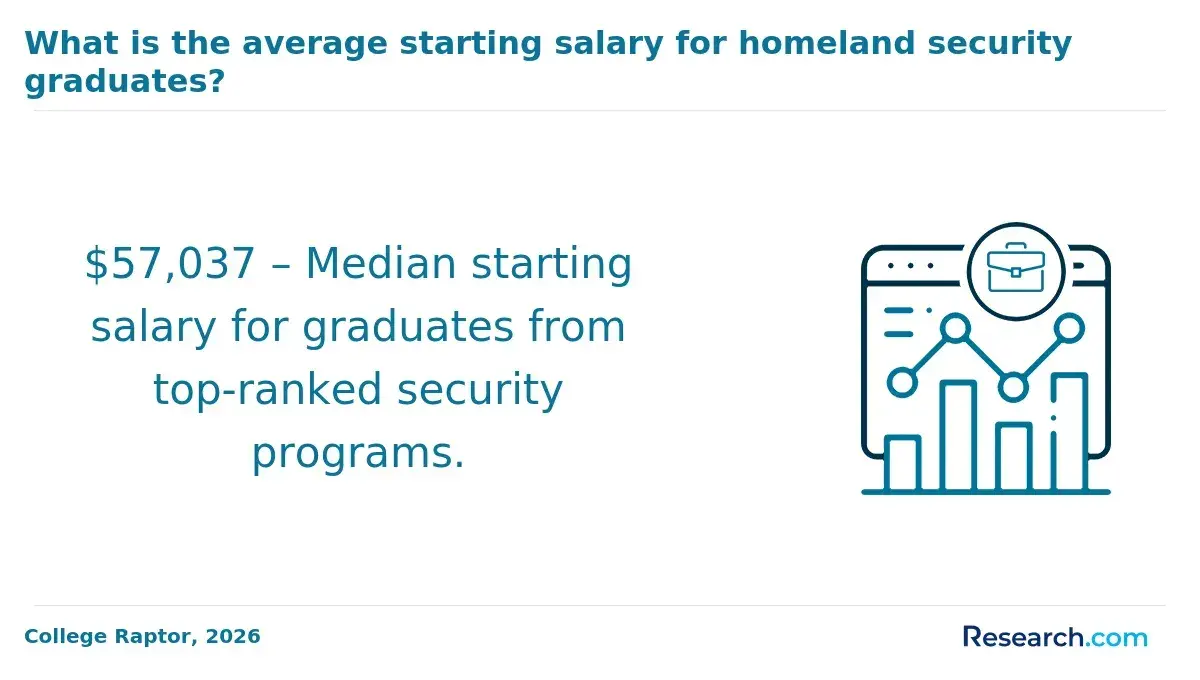
Specialized training can shape both military assignments and civilian opportunities later. Comparable annual salaries include carpenter ($39,940/year), auto mechanic ($36,610), aircraft repairer ($55,230), and firefighter ($42,250). Those figures help show why some people see military training as both service and workforce preparation.
Military experience can transfer well into civilian employment. For example, skills developed by an Air Force pilot, Army mechanical engineer, Navy nurse, Marine electrician, or Coast Guard truck driver may align with civilian occupations after service. Based on military salary grades and bands, the pay for those roles would fall within the median range for that occupation across public and private employers, meaning it would be higher than 50% of wages in that field.
Officers
Officers hold formal leadership authority. They lead units, manage resources, make operational decisions, train personnel, and accept responsibility for mission outcomes. As a command grows, so does the scope of that responsibility.
There are three common ways to become an officer. The first is a federal service academy: the Military Academy at West Point, Naval Academy at Annapolis, the Air Force Academy, the Merchant Marines Academy, or the Coast Guard Academy. Tuition is waived in full, but admission is very competitive, with only 8 to 17% of applicants accepted. These academies often rank among the most selective and best colleges, and graduates receive commissions in the armed forces.
The second route is Reserved Officers Training Corps (ROTC), available through many high schools and colleges. Some ROTC programs last between two to four years and may include scholarships that cover tuition, room and board, and books (Department of Defense, 2024).
The third route is earning a bachelor’s degree, including a bachelor’s degree in military science. While enlisted personnel are usually trained for specific job duties, officers are trained in leadership, unit management, mission planning, ethics, and decision-making under pressure.
Types of Officers
Commissioned officers receive a formal commission and rank before they begin their assigned duties. Their education and training prepare them to lead, protect, and manage the personnel under their command.
Non-commissioned officers are experienced enlisted members who move into supervisory roles through performance and further training, but they do not hold a commission. They often act as direct supervisors and practical leaders for enlisted teams.
Warrant officers are technical and tactical specialists. They help keep systems, networks, and combat capabilities working effectively. Warrant officers are enlisted members who have reached staff sergeant rank, are classified under the E-6 salary band or higher, and complete Warrant Officer Candidate School. Some continue to Warrant Officer Flight Training to become combat-ready airplane or helicopter pilots. They may also oversee commissioned officers in highly specialized areas.
Basic Pay: How Military Compensation Works
Military pay is structured differently from most civilian pay systems because basic pay depends mainly on rank and time in service. Enlisted personnel and officers begin at different pay grades, and both can see pay increases as they advance.
An E1, such as an Army or Marine private, Navy seaman recruit, or Airman basic, starts with an annual salary of $21,420. The lowest commissioned officer rank, O1, such as an Army, Navy, or Air Force second lieutenant or Navy ensign, starts at $40,620. This difference shows how commissioning can affect early earnings.
Time in service also matters. An O2 first lieutenant with two years of service earns $46,884, while an E9, such as an Army or Marine sergeant major, master chief petty officer of the Navy, or chief master sergeant of the Air Force with 32 years of service, earns $95,224 per year. Officer pay generally rises faster with additional service, which helps the military attract college-educated candidates into leadership roles.
| Pay grade | Army | Navy | Marines | Air Force |
| E-1 (less than 2 years to 40+ years of service) $21,420 | Private | Seaman Recruit | Private | Airman, Basic |
| E-2 (less than 2 years to 40+ years of service) $24,008 | Private | Seaman Apprentice | Private First Class | Airman |
| E-3 (less than 2 years to 40+ years of service) $25,247 - $28,462 | Private First Class | Seaman | Lance Corporal | Airman, First Class |
| E-4 (less than 2 years to 40+ years of service) $27,965 - $33,948 | Corporal or Specialist | Petty Officer, 3rd Class | Corporal | Senior Airman |
| E-5 (less than 2 years to 40+ years of service) $30,499 - $43,283 | Sergeant | Petty Officer, 2nd Class | Sergeant | Staff Sergeant |
| E-6 (less than 2 years to 40+ years of service) $33,293 - $51,566 | Staff Sergeant | Petty Officer, 1st Class | Staff Sergeant | Technical Sergeant |
| E-7 (less than 2 years to 40+ years of service) $38,491 - $69,185 | Platoon Sergeant or Sergeant First Class | Chief Petty Officer | Gunnery Sergeant | Master Sergeant |
| E-8 (over 8 to 40+ years of service) $55,375 - $78,976 | First Sergeant or Master Sergeant | Senior Chief Petty Officer | First Sergeant or Master Sergeant | Senior Master Sergeant |
| E-9 (over 10 years to 40+ years of service) $67,644 - $105,030 | Command Sergeant Major or Sergeant Major | Master Chief Petty Officer | Sergeant Major or Master Gunnery Sergeant | Chief Master Sergeant |
| *E-9 (over 10 years to 40+ years of service) $67,644 - $105,030 | Sergeant Major of the Army | Master Chief Petty Officer of the Navy | Sergeant Major of the Marine Corps | Chief Master Sergeant of the Air Force |
For E1 and E2 personnel, basic pay is flat. Higher pay grades usually require time, performance, training, and promotion eligibility. Officers start at a higher pay level, but they also carry greater formal accountability.
Skills and Qualifications for Military Careers
Modern military work requires much more than physical endurance. Service members operate advanced systems, analyze information, manage logistics, defend networks, maintain vehicles and aircraft, and lead people in complex environments. Out of the more than 1.4 million people on active duty in the U.S. armed forces, at least 200,000 perform science, engineering, and technical roles.
Some specialties require college education. A bachelor’s degree may be necessary for fields connected to areas such as biological sciences. A master’s degree can support advancement in a STEM discipline, and a doctorate degree may be required for positions such as military doctor or judge advocate. Exact requirements depend on the branch, specialty, and commissioning route.
General Eligibility Requirements
Before branch-specific standards are even considered, applicants must meet basic eligibility rules that determine whether they can train, deploy, and serve safely.
- Age limit: Applicants must be at least 17 years old and must not exceed the maximum age set by the branch. The stated maximums are Army, 34; Navy, 39; Marines, 28; Air Force, 39; and Space Force, 39.
- Citizenship: Applicants must be an American citizen or Green Card holder, meaning a permanent resident card holder, currently living in the U.S.
- Education and testing: Applicants must take the Armed Services Vocational Aptitude Battery (ASVAB) and pass the Armed Forces Qualification Test (AFQT), which is based on ASVAB subtests in Arithmetic Reasoning, Mathematics Knowledge, Paragraph Comprehension, and Word Knowledge.
- Health and fitness: Applicants must pass military entrance medical exams, including a physical exam, hearing test, vision test, muscle and joint assessment, height and weight measurements, and any role-specific medical checks. The U.S. Navy requires recruits to pass the Navy Third Class Swim Test. The Army requires recruits to have no more than two dependents. The Air Force uses strict physical standards for flight safety, including concerns involving vision, sudden incapacitation risks, stress tolerance in aviation environments, recurring medical procedures, genetic heart ailments, lung problems, sinus issues, and similar conditions.
Role-Specific Skills
After meeting general requirements, applicants must still match the education, test scores, physical profile, and interests required for a specific role. For instance, someone who wants to become an Air Force, Navy, or Marine pilot must hold a bachelor’s degree, preferably in a science-related area such as physics, aerospace engineering, computer science, or chemistry. They must also pass a Class 1 Flying Physical and complete an officer commissioning route through ROTC, Branch Officer School, or the Air Force Academy.
Other careers have different standards. A dental hygienist must have at least an associate’s degree and a state license. Firefighters need a high school diploma or equivalent.
Core Military Skills Across Branches
- Mental fitness: Military settings can involve prolonged stress, uncertainty, and separation from family. The U.S. Department of Veteran Affairs notes that service members in combat zones may deal with constant tactical awareness and hypervigilance, which can affect daily functioning (US Department of Veteran Affairs, 2024).
- Leadership: Even junior personnel must learn to communicate clearly, influence others, and take responsibility. Leadership becomes more important as ranks and duties increase.
- Teamwork: Military work is collaborative by design. Members must coordinate with others, follow lawful orders, and understand how their role affects the mission.
- Technical adaptability: Cybersecurity, unmanned systems, communications, logistics software, medical technology, and advanced weapons systems require continuous learning.
- Discipline and reliability: Readiness, attendance, fitness, attention to detail, and accountability can affect safety and performance.
How to Start a Military Career
There is no single best starting point. Your best route depends on your age, education, test results, medical eligibility, finances, and whether you want to begin serving now or finish school first. A military science degree can be useful, but it should be weighed alongside ROTC, service academies, enlistment, and civilian degree options.
| Starting point | Possible next step | What usually matters most |
| High school diploma or GED | Enlist, complete basic training, and train in a military specialty | Best for people who want to enter service and begin earning experience sooner. |
| Associate degree in military science | Continue toward a bachelor’s degree, ROTC advanced coursework, law enforcement, or enlistment | Useful when you want to keep both military and civilian public-service options open. |
| Bachelor’s degree in military science | Seek commissioning as an officer | Appropriate for students who want leadership duties and meet commissioning requirements. |
| Prior enlisted experience | Pursue promotion, specialized training, warrant officer routes, or degree completion | Best for members who want to build on service experience. |
| Military spouse or family member | Choose a flexible online credential that can move with you | Important when relocation, schedules, or deployments make campus attendance harder. |
What You Can Do With an Associate Degree in Military Science
An associate degree in military science can support multiple next steps. A student may continue into a bachelor’s degree in military science and pursue a commission as a 2nd lieutenant or equivalent. In some cases, the associate degree can also satisfy the basic portion of an ROTC pathway, allowing the student to finish the advanced portion at a college that offers ROTC.
It can also be useful for students who are interested in service but want to keep civilian public-safety options open, including law enforcement.
Police Officer
An associate degree in military science can strengthen a police application because it introduces discipline, leadership, public-safety concepts, and structured decision-making. Most departments require only a high school diploma or GED, so the associate degree can help an applicant stand out. Entry-level police officer base salary: $40,000/year.
Enlisted Personnel in the Military Services
A person with an associate degree in military science exceeds the minimum academic requirement for many enlisted routes. Entry-level enlisted personnel will receive a salary of $47,407/year.
After enlisting, the associate degree can become the foundation for more study and specialization. A service member might take information technology courses to work toward becoming an information technology specialist earning $48,900/year, or keep moving toward a bachelor’s degree while serving. Many service members use military tuition assistance, military-friendly financial aid, and the Post-9/11 GI Bill to manage education costs.
What You Can Do With a Bachelor’s Degree in Military Science
A bachelor’s degree in military science can satisfy the education requirement for officer commissioning when paired with the correct commissioning process. The armed forces accept bachelor’s degrees in many majors, but military science coursework can provide a stronger foundation in leadership, tactics, strategy, ethics, history, and organizational behavior.
A new O-1 second lieutenant or ensign entering from college will earn an annual salary of $40,630, which is twice what contemporaries entering as enlisted personnel would earn. The degree can also help with long-term leadership progression and career planning.
Can You Enter the Military With Only a Certificate?
Yes. An applicant can be accepted as enlisted personnel with a General Educational Development Test Certificate instead of a high school diploma, as long as all other eligibility, testing, medical, and branch-specific standards are met.
Note: For civilian youth (18 to 24 years old), only 80% had a high school diploma or equivalent.
How Military Personnel Advance in Rank and Responsibility
A bachelor’s degree in military science can be a strong entry point, but progress depends on performance, training, timing, leadership, and additional education. The military places real value on ongoing learning and offers postgraduate study to selected personnel. The Naval Postgraduate School and the Air Force Institute of Technology support advanced study in engineering, acoustics, nanomaterials, oceanography, space systems, climate, laser technology, and related fields. Officers can also use tuition assistance, military-friendly aid, and Post-9/11 GI Bill benefits.
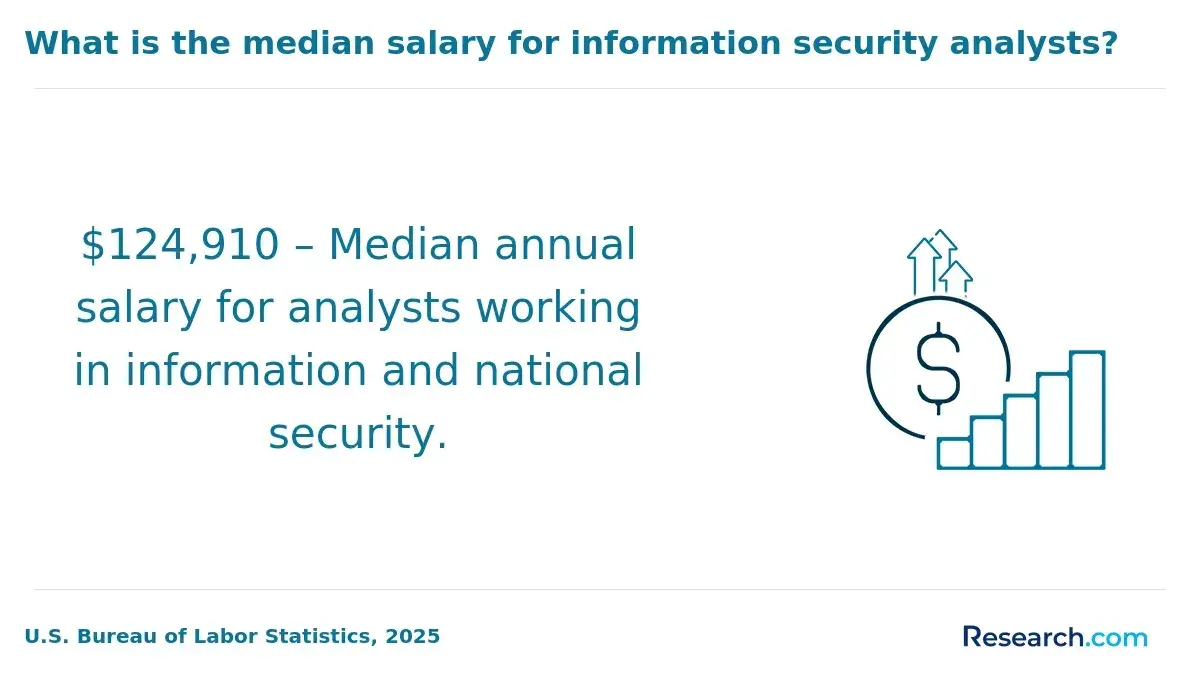
Graduate education can support more specialized assignments and higher-responsibility roles. Personnel with master’s and doctoral degrees may pursue positions such as information security manager earning up to $130,000 per annum, intelligence officer earning up to $152,000 per annum, or aerospace engineer earning up to $176,000 per annum.
Online Degree Programs for Military Personnel
Online education can be especially useful for active-duty personnel because deployments, rotating schedules, and relocations often make traditional campus attendance difficult. Many colleges now offer military-friendly programs with flexible formats, transfer credit review, reduced tuition, and support for service members.
Some students search for the easiest degree to get, but that is usually the wrong starting point. A better question is whether the degree is manageable, accredited, relevant to your military specialty, and useful after service. Business administration, communication, and liberal arts can be flexible choices, while technical fields may better match roles in IT, logistics, engineering support, intelligence, healthcare, or aviation.
The strongest online program is not simply the fastest one. It is the one that recognizes prior military learning, fits your schedule, and supports the outcome you actually want, whether that is promotion, commissioning, or civilian transition.
Career Advancement Opportunities for Military Personnel
Military advancement can come through promotion, specialized training, leadership schools, degree completion, professional certifications, and selection for technical or command roles. If you are interested in management, you may also want to compare options such as easier project management degree programs, especially if your military work already involves schedules, teams, equipment, or operations.
Advanced military institutions such as the Naval Postgraduate School and the Air Force Institute of Technology can support technical development for highly qualified personnel. Those pathways may lead into fields such as information security, intelligence, or aerospace engineering. The best advancement plan connects your education to the rank you want next, the assignment you want next, and the civilian job you may eventually pursue.
Can Military Spouses and Families Use Flexible Online Education?
Yes. Military spouses and family members often need programs that can survive moves, changing work schedules, deployment cycles, and family obligations. Online education can help when it offers asynchronous classes, transfer-friendly policies, military-family advising, and student support that does not depend on living near campus.
For families balancing care duties and school, Research.com’s guide to degrees for stay at home moms can also help compare flexible learning options.
Can Military Professionals Accelerate Advanced Degrees?
Some military professionals can move faster through advanced study because of prior credits, military training, and disciplined study habits. That said, speed should never replace quality. A compressed program still needs recognized accreditation, strong faculty, demanding coursework, and a clear connection to the student’s career goal.
Service members comparing accelerated doctoral options can review Research.com’s guide to a PhD in one year pathway to better understand what a fast-track program may involve.
How to Check Whether an Online Program Is Credible
Military professionals should evaluate online schools with the same care they would use when assessing a mission. The key checks are accreditation, transfer rules, military credit evaluation, tuition policies, faculty qualifications, graduation requirements, and whether the program supports the role you want in the military or civilian world.
Before enrolling, ask how the school evaluates military training, whether credits will transfer to another accredited institution, whether the program meets licensing or certification requirements, and what support is available during deployment or relocation. Programs such as accelerated online bachelor degree programs accredited may be worth considering only after those quality checks are clear.
| What to check | Why it matters | Question to ask |
| Accreditation | Recognition affects transferability, employer acceptance, and graduate study options. | Who accredits the institution and, if relevant, the program? |
| Military credit policy | Some schools award credit for approved military training, which may shorten time to degree. | How will my Joint Services Transcript or military training be evaluated? |
| Flexibility | Deployments, duty changes, and relocation can interrupt study. | Can I pause, restart, or continue classes from another location? |
| Total cost | Tuition is only one part of the price; fees, books, and technology also matter. | What will I pay after tuition assistance, GI Bill benefits, scholarships, and fees? |
| Career alignment | The degree should support promotion, commissioning, transition, or a specific civilian role. | Which military or civilian roles do graduates typically pursue? |
Can Military Experience Help You Move Into Faster Degrees That Pay Well?
Military experience can help students succeed in accelerated programs because service often builds discipline, time management, resilience, and comfort with structured expectations. It may also create opportunities for transfer credit or prior-learning evaluation. Still, a program should be chosen for fit, not only speed or the promise of high earnings.
A better strategy is to match your military background with a degree that leads to realistic opportunities. Service members exploring fast academic paths can compare fastest highest paying degrees while checking accreditation, workload, transfer policies, and available study time.
Benefits of Military Service Beyond Salary
Pay and promotion matter, but military service can also affect education access, healthcare, housing, retirement planning, and long-term mobility. The value of those benefits depends on eligibility, branch rules, length of service, and individual family circumstances.
- Education and training: Service members may use GI Bill benefits for college, vocational training, and other approved education paths. Training can also build leadership and technical skill.
- Healthcare: Active-duty personnel and eligible family members may receive healthcare through TRICARE, including medical, dental, and mental health services.
- Retirement planning: After serving 20 years, military personnel are eligible for a pension that can support retirement security.
- Veterans’ benefits: Veterans may qualify for Department of Veterans Affairs support, including healthcare, vocational rehabilitation, and home loan assistance.
- Personal development: Military service often builds discipline, resilience, teamwork, leadership, and accountability that remain useful later in life.
Can Accelerated Degree Programs Support Military Advancement?
Accelerated degree programs can help service members progress when the program is relevant, accredited, and realistic alongside duty obligations. They may be especially helpful for people who already have transfer credits, military training, or a clear promotion or transition goal.
Before choosing a fast program, compare workload, class length, accreditation, transfer rules, active-duty support, and whether the degree is respected in your field. Research.com’s guide to quick degrees online can help military learners compare streamlined options.
Can Accelerated Associate Degrees Help Military Personnel Progress?
Accelerated associate degree programs can help service members earn an early college credential, especially if the school accepts transfer credits or military learning. That can be useful for people who want a stepping stone to a bachelor’s degree, a job-related credential, or stronger promotion potential.
But speed should not replace planning. Before enrolling, confirm accreditation, course intensity, tuition rules, transferability, and whether the degree supports a real military or civilian goal. Research.com’s guide to the top 6-month associate degree online programs can help you compare shorter options.
Alternative Paths After or Alongside Military Service
Not every military career ends in the same place. Some service members move into government research, defense contracting, federal law enforcement, public administration, emergency management, cybersecurity, logistics, aviation, healthcare, or engineering. Officers and specialists may also pursue post military jobs for officers in research settings such as the Army Research Laboratory or the Naval Research Laboratory.
Service members who keep learning during their military years usually enter civilian employment with more options. Military-acquired skills can become more valuable when paired with recognized degrees, licenses, or certifications.
Some veterans also move into new study paths after completing service. Military-friendly schools may evaluate in-service training for credit, which can reduce duplicated coursework and shorten the time needed to retrain for a new field.
How Working Adults in the Military Can Pursue Higher Education
Working adults in the military need an education plan that fits duty hours, deployments, command expectations, family responsibilities, and benefit eligibility. The best approach is to choose a credential that matches a concrete goal, then build a schedule that is realistic under service conditions.
- Tuition Assistance: Military tuition assistance may help cover a substantial portion of college course or degree costs. Eligibility can depend on time in service, deployment status, branch rules, and academic approval.
- GI Bill: The GI Bill can help eligible learners pay for tuition, fees, and housing after service. Working adults comparing online options can also review Research.com’s guide to the best online degree programs for working adults.
- On-base education: Some installations have nearby colleges or universities, which can make in-person classes easier to manage.
- Online programs: Online degrees can allow military students to keep studying while stationed away from campus or deployed overseas.
How Military Personnel Can Find Affordable Online Education
Military personnel can lower education costs by combining tuition assistance, Post-9/11 GI Bill benefits, scholarships, transfer credits, and military-friendly tuition policies. Affordability should be based on total cost, not just tuition. Fees, books, technology, transfer limits, and repeated courses all affect the true price of a degree.
Students searching for lower-cost options can compare programs such as the cheapest online college for bachelor's degree, but they should still verify accreditation, course availability, transfer credit rules, and student support. The lowest sticker price is not always the best value if the program does not fit your schedule or career plan.
Short Certification Programs That Can Strengthen Military Careers
Short certification programs can help service members build targeted skills for promotion, technical assignments, or civilian transition. They are often most useful in fields where employers value specific credentials, such as cybersecurity, project management, healthcare support, logistics, and information technology.
If you are comparing easy certifications to get online that pay well, focus on relevance first. A certificate is more valuable when it matches your military specialty, your next assignment, or a civilian job you actually want.
Certifications can also show initiative and continued learning, which matters both to military supervisors and to future employers.
Common Mistakes to Avoid When Planning a Military Career
| Mistake | Why it creates problems | Better choice |
| Choosing a branch only because of reputation or pressure from others | Each branch has a different mission, lifestyle, and deployment pattern. | Compare daily work, specialties, standards, and long-term goals. |
| Assuming any degree will help your military future | A degree that does not match your target role may have limited value. | Select education that supports commissioning, promotion, specialization, or transition. |
| Ignoring accreditation in online programs | Poorly recognized credentials may not transfer or be accepted by employers. | Verify institutional and program accreditation before enrolling. |
| Looking only at tuition | Fees, books, technology, transfer policies, and benefit rules affect the real cost. | Estimate the full cost after aid and transfer credits. |
| Assuming online programs always fit military life | Some online classes still require fixed meetings, labs, clinicals, or proctored exams. | Ask about asynchronous options, deployment policies, and deadline flexibility. |
| Waiting until separation to plan for civilian work | Transition is harder without credentials, references, or a target role. | Build a degree, certification, portfolio, or license plan while serving when possible. |
Questions to Ask Before You Commit
- Do I want to enlist now, or should I pursue ROTC, a service academy, or a degree first?
- Which branch matches my strengths, interests, and tolerance for deployment or relocation?
- Am I ready for strict standards, physical requirements, and a chain-of-command environment?
- Will my degree help me commission, promote, qualify for warrant officer routes, or transition to civilian work?
- Does the school give credit for military training or the Joint Services Transcript?
- Is the program accredited and accepted by employers, licensing boards, or graduate schools?
- What will I pay after tuition assistance, GI Bill benefits, scholarships, books, and fees?
- Can I keep up with the program if I move or deploy?
- Which certifications or licenses would make my training more useful outside the military?
- What is my backup plan if I do not qualify for the branch or specialty I prefer?
The Bottom Line on Military Service, Education, and Career Planning
Military careers are changing as technology, cybersecurity, space operations, advanced logistics, and data-driven decision-making become more important. The creation of Space Force reflects the growing role of space in national defense. Today’s military needs people who can combine leadership and discipline with technical, scientific, and analytical skill.
A military science degree may help with entry, advancement, or transition, but it is only one part of the decision. The strongest plan connects the branch you choose, the rank you want, the education you can realistically complete, the benefits you can use, and the civilian future you may want later.
For many people, the military is both a career and a launchpad. With careful planning, service can lead to stronger credentials, broader options, and a more controlled transition into civilian work.
Key Insights
- The right military path depends on your goal: Enlistment can help you start sooner, while ROTC, service academies, or a bachelor’s degree can support officer commissioning.
- Education changes your options: A military science degree can support leadership preparation, while associate degrees, certifications, and graduate study can help with specialization or transition.
- Military work is broader than combat: The armed forces need people in healthcare, IT, engineering, logistics, aviation, intelligence, construction, administration, and public safety.
- Pay depends on rank and time in service: Enlisted and officer pay structures differ, and advancement is tied to performance, training, and branch needs.
- Online learning can work for military life, but only if it is flexible and credible: Verify accreditation, transfer credit rules, military support, and total cost before enrolling.
- Benefits can lower the cost of education: Tuition assistance, ROTC scholarships, and Post-9/11 GI Bill benefits can make college more affordable when used strategically.
- Plan for civilian life early: Degrees, certifications, licenses, and documented experience make military skills easier to use after separation or retirement.
References:
- College Factual. (2025). 2025 Best Homeland Security Bachelor's Degree Schools. https://www.collegefactual.com/majors/protective-security-safety-services/homeland-security/
- College Raptor. (2026). The Best Homeland Security Colleges 2026. https://www.collegeraptor.com/
- Data USA. (2024). Army. https://datausa.io/profile/university/united-states-military-academy
- Coursera. (2025). Cybersecurity Analyst Salary Guide: How Much Can You Make?. https://www.coursera.org/articles/cybersecurity-analyst-salary
- U.S. Bureau of Labor Statistics. (2025). Occupational Outlook Handbook: Information Security Analysts. https://www.bls.gov/ooh/
- U.S. Department of Defense. (2024). DOD personnel, workforce reports & statistics. https://www.defense.gov/about/facts-figures/dodepers-personnel-workforce-reports-statistics/
- Department of Defense. (2024). ROTC scholarship benefits fact sheet. https://www.defense.gov/News/Releases/Release/Article/3667500/department-of-defense-rotc-scholarship-benefits-fact-sheet/
- U.S. Department of Veteran Affairs. (2024). Mental Health: Military & Veteran culture. https://www.mentalhealth.va.gov/military-veteran-culture/index.asp
Other Things You Should Know About Military Careers
In 2027, the military offers various roles beyond combat, including engineering, medicine, intelligence analysis, logistics, and cybersecurity. These positions enable service members to apply diverse skills that can be transferable to civilian careers. Opportunities in these areas continue to grow as technological advancements shape military operations.
Yes, a high school diploma remains sufficient for enlisting in the military in 2027. However, certain roles may require additional education or technical training. Advanced positions often demand further qualifications, such as college credits or degrees.
The military offers tuition assistance, scholarships, and opportunities to attend postgraduate institutions like the Naval Postgraduate School. Programs such as the Post-9/11 GI Bill provide further educational benefits to servicemembers.
Veterans can transition to civilian roles in government research facilities, private sector jobs, or pursue further education in new fields. The skills and training acquired in the military make veterans highly competitive in various industries.
Military salaries are based on rank and years of service. Officers experience faster salary growth compared to enlisted personnel. Tenure and additional training or education can significantly enhance salary prospects for both enlisted personnel and officers.
In 2027, military veterans can explore careers in cybersecurity, healthcare, engineering, or logistics. Programs like the GI Bill assist in gaining necessary skills or certifications, while organizations such as VetJobs offer placement assistance, ensuring veterans effectively transition into these industries.
The military offers various programs and benefits to support transitioning to civilian life, including job placement assistance, education benefits through the GI Bill, and access to training programs that can help veterans secure employment in the civilian workforce.




![2027 Best Advanced Standing Online MSW Programs [CSWE Accredited] thumbnail](/uploads/Online_Advanced_Standing_MSW_301dbd5368.jpg)


