How to Become a Board-Certified Geriatric Pharmacist

Co-Founder and Chief Data Scientist
Board certification in geriatric pharmacy is a career goal you pursue after becoming a pharmacist, not a degree you earn in pharmacy school. For prospective students and licensed pharmacists, the decision is whether to invest in geriatric-focused coursework, a residency, or qualifying practice experience. This guide separates those steps, explains the Board of Pharmacy Specialties (BPS) requirements for its Board Certified Geriatric Pharmacist (BCGP) credential, and helps you weigh the time and cost against the work you want to do with older adults.
Key Things You Should Know
- The U.S. pathway is qualifying pharmacy education, state pharmacist licensure, geriatric practice experience or eligible residency training, and the BPS certification examination; neither a Pharm.D. nor a residency alone confers BCGP status.
- BPS offers practice-based and residency-based eligibility routes. Geriatric work must meet its specialty-activity requirements, so a job title alone is not proof of eligibility.
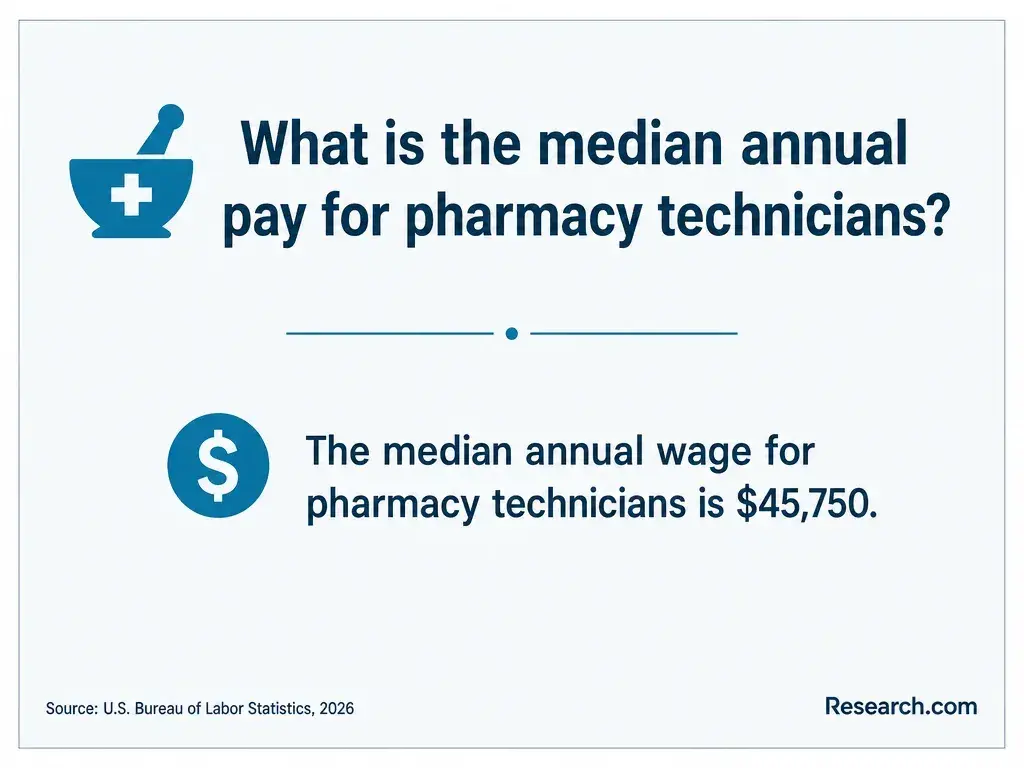
- The Bureau of Labor Statistics reports $140,910 in May 2025 as the median annual pay for pharmacists overall - not a BCGP-specific salary.
How do you become a board-certified geriatric pharmacist?
First, complete the education required for pharmacist licensure, obtain a pharmacist license, and build qualifying experience in the care of older adults. Then document the applicable BPS eligibility route, apply for the BCGP examination, and pass it. BCGP is a specialty credential; it does not replace a state license.
The sequence below helps you avoid paying for training that does not advance your intended route:
- Confirm that your intended Pharm.D. program and state licensure pathway meet the requirements for becoming a pharmacist.
- Seek supervised experiences or pharmacist roles involving older adults, medication review, and coordination with caregivers and clinicians.
- Compare BPS's current practice-experience and residency eligibility routes before choosing a postgraduate position.
- Keep records of your license, residency completion if applicable, and the geriatric activities and time commitment needed to support your application.
- Apply through BPS, prepare to its current examination content outline, and follow its continuing-certification requirements after passing.
If you already hold pharmacy education or credit, investigate Pharm.D. completion pathways rather than assuming you must start over. Have the receiving school evaluate your record: a shorter academic route is useful only if it still leads to licensure eligibility.
What education and licensure do geriatric pharmacists need?
For the standard U.S.-educated route, students complete a Doctor of Pharmacy (Pharm.D.) professional program accredited by the Accreditation Council for Pharmacy Education (ACPE). Undergraduate pre-pharmacy prerequisites come before the professional curriculum; a bachelor's degree is not a universal admissions requirement. ACPE accredits professional programs, not individual pharmacists, and institutional accreditation and permission to enroll online students are separate matters.
After graduation, candidates must satisfy the pharmacy board in the jurisdiction where they seek licensure. Requirements include the North American Pharmacist Licensure Examination (NAPLEX) and any applicable state-specific examinations and other conditions. Jurisprudence testing varies by jurisdiction; do not assume every board uses the Multistate Pharmacy Jurisprudence Examination (MPJE). Passing an examination does not itself issue a license.
If you have a science or pre-pharmacy background, compare Pharm.D. programs for students with a pre-pharmacy background against your completed prerequisites. A pharmacology or pharmaceutical sciences degree does not substitute for the education and licensure required to practice as a pharmacist.
What are the BCGP certification requirements?
BPS requires an active pharmacist license or equivalent authorization in the applicant's jurisdiction, qualifying geriatric pharmacy training or experience, and a passing score on the BCGP examination. Its routes include geriatric-focused pharmacist practice, a qualifying postgraduate year one (PGY1) residency followed by geriatric practice, or qualifying postgraduate year two (PGY2) training in geriatric pharmacy. BPS specifies how much practice must involve specialty activities; review its current eligibility guide before counting a position toward the requirement.
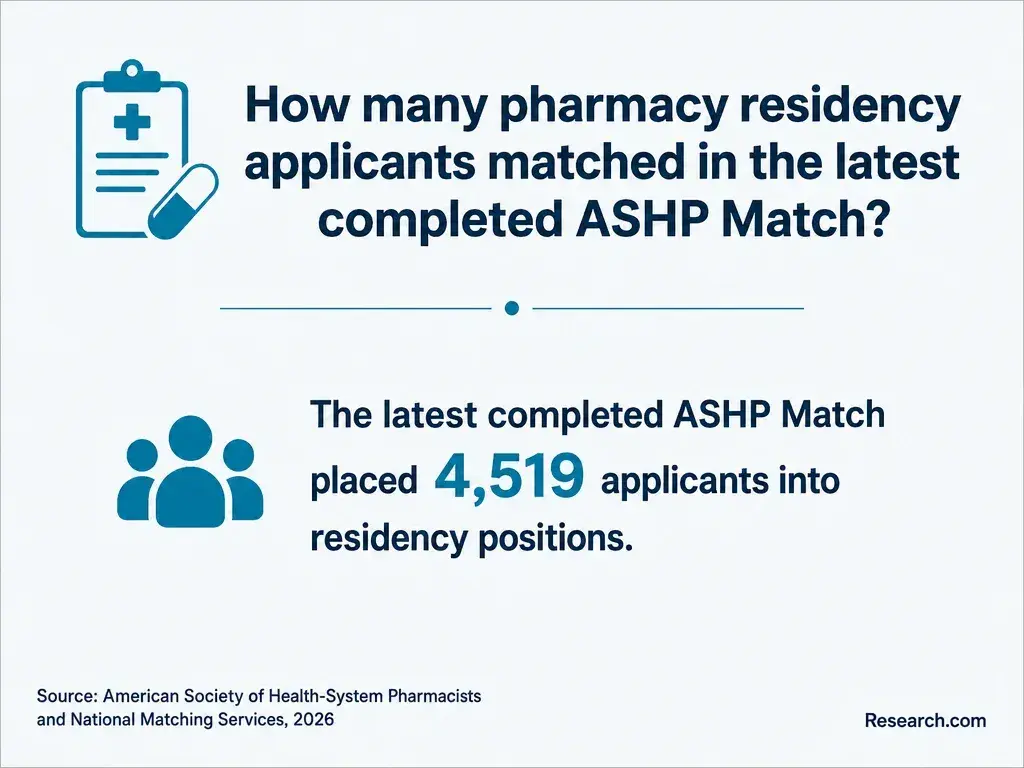
A PGY1 residency develops broad postgraduate clinical practice. A PGY2 residency provides more specialized training; a fellowship generally has a different, often research-focused purpose and should not be assumed to satisfy a residency route. Neither postgraduate training nor a geriatric pharmacy certificate is identical to BPS board certification. Certification also carries continuing requirements after the examination.
If you are still working toward pharmacy school, pharmacy admission pathways for nontraditional students may help you identify an entry route. Admissions flexibility cannot waive later pharmacist licensure or BPS eligibility requirements.
There is no separate Pharm.D. accreditation category for geriatric pharmacy. Start with an ACPE-accredited professional program, then compare opportunities to work with older adults: geriatrics coursework, faculty expertise, introductory pharmacy practice experiences (IPPEs), and advanced pharmacy practice experiences (APPEs) in settings such as ambulatory care, hospitals, or long-term care.
Ask each school which experiences are required, which are electives, and how sites and preceptors are assigned. An advertised geriatric elective does not guarantee a geriatric rotation or a placement near home. Review published licensure-exam outcomes in context, alongside costs and experiential support, rather than treating a single result as proof of specialty preparation.
Applicants should also check each school's current pharmacy school acceptance criteria. Prerequisite courses, grades, application processes, and deadlines vary; meeting a minimum does not guarantee admission.
Geriatric-focused study applies general pharmacotherapy to older adults, who may have multiple conditions, complex medication regimens, changes in kidney function, or difficulty taking medicines as prescribed. Relevant skills include identifying potentially inappropriate medications, assessing adverse effects and falls risk, weighing treatment goals, and communicating recommendations with patients, caregivers, and care teams.
Pharm.D. coursework builds the underlying clinical knowledge; supervised IPPEs and APPEs let students apply it within the limits of their training. Postgraduate training and practice deepen judgment about issues such as deprescribing and transitions between care settings. A course title alone cannot show how much direct patient-care experience a student receives.
Before selecting a school for its geriatric offerings, ask how it evaluates prior coursework. Pharmacy school transfer admission rules are school-specific: acceptance of prerequisite credit does not mean credit will transfer into the professional Pharm.D. curriculum.
Some Pharm.D. programs deliver academic instruction online or in a hybrid format, and pharmacists may find remote geriatric-focused continuing education. That does not make the professional degree fully remote: required labs, assessments, campus sessions, IPPEs, and APPEs may demand in-person attendance. Online also does not necessarily mean asynchronous or compatible with full-time work.
When you compare online Doctor of Pharmacy programs, request a term-by-term schedule of live classes, campus visits, and rotations. Ask who secures placements, whether travel is likely, and what intern registration or site requirements apply. Verify ACPE professional-program accreditation, distance-education authorization where you live, and licensure eligibility with the relevant state board separately.
The timeline depends on your starting point. Pre-pharmacy prerequisites vary by school; professional Pharm.D. curricula commonly take three or four years. Licensure follows completion of the education and the jurisdiction's requirements. After that, BPS eligibility depends on the qualifying practice or residency route you choose, not simply on elapsed time since graduation.
Direct geriatric-focused employment may make more sense if you can obtain substantial qualifying responsibilities without stepping away from a paid role. PGY1 and, where appropriate, PGY2 training offer structured development but involve competitive applications and additional time at residency compensation. Verify a proposed position against BPS's current activity and documentation rules before accepting it solely for certification eligibility.
Be cautious with claims about accelerated online pharmacy degree pathways: the advertised timeline may describe prerequisites, a completion option, or another credential rather than the entire route from a new student to licensed pharmacist and BCGP.
There is no single BCGP education price. The largest expense for a new entrant is usually the path to pharmacist licensure; a licensed pharmacist instead needs to budget for any chosen postgraduate training, examination, preparation, and ongoing certification. Compare a school's full cost of attendance, not tuition alone.
These cost categories show what to request from schools and certification providers before comparing routes:
| Cost category | What to include in your comparison |
| Pharm.D. education | Prerequisite courses, tuition, mandatory fees, supplies, and living costs |
| Experiential training | Rotation travel or housing, immunizations, background checks, and any required campus visits |
| Entry to practice | Licensure applications, required examinations, and other jurisdiction-specific expenses |
| Specialty development | Residency opportunity cost or practice-route expenses, BPS examination costs, and continuing certification |
Use current school figures when evaluating lower-cost online Pharm.D. pathways; lower advertised tuition may be offset by travel or other required costs. If borrowing, confirm your own aid eligibility and the rules for your enrollment period with the financial aid office. Federal borrowing rules changed for many new graduate and professional students beginning July 1, 2026, so older loan-limit assumptions may not apply.
BCGPs may work in long-term care, hospitals, ambulatory clinics, health systems, home-based care, or medication-management services. Their work can involve reviewing complex regimens, recommending safer therapy, supporting transitions of care, and discussing medication plans with patients and caregivers. Actual duties and any prescribing authority depend on the employer and applicable state law.
Board certification can signal specialty knowledge, but employers do not require it for every role serving older adults. If you want direct responsibility for medication therapy as a pharmacist, plan for licensure first. If your goal is to enter a pharmacy-adjacent role sooner, pharmacy degree programs with shorter timelines may be worth comparing - but verify the job each credential qualifies you to perform. A shorter credential does not authorize pharmacist practice.
How much do geriatric pharmacists earn, and what is the job outlook?
The Bureau of Labor Statistics reports median annual pay of $140,910 in May 2025 for pharmacists overall. It projects 5% employment growth for pharmacists from 2025-2035, with about 12,500 openings per year. Those figures do not isolate geriatric pharmacists or measure a BCGP salary premium; setting, location, responsibilities, and experience affect individual offers.
Compare the likely roles before committing to more education. For example, online doctoral degree options outside the Pharm.D. may support other careers, but they should not be evaluated against pharmacist pay unless they also provide a valid route to pharmacist licensure. If you are already licensed, weigh the time and cost of BCGP preparation against the requirements in actual geriatric-focused job postings you would pursue.
Other Things You Should Know About PharmD
No. BCGP does not grant prescribing authority. A pharmacist's permitted activities depend on state law and, where applicable, the practice setting and agreements.
No. BCGP is a pharmacist specialty credential. Pharmacy technician training or certification does not qualify someone to practice as a pharmacist or meet BPS's pharmacist eligibility requirement.
BPS permits eligible applicants to seek a later examination opportunity under its current application and retesting rules. Check the applicable deadlines and fees before making a new study plan.
No. Use of the credential depends on maintaining BPS certification. Check your BPS record and renewal requirements before listing BCGP on a résumé or professional profile.
- Pharmacist Licensure by Exam - Texas State Board of Pharmacy https://www.pharmacy.texas.gov/applicants/pharmacist-exam.asp
- Geriatric Care as an Introductory Pharmacy Practice Experience | nih.gov https://pmc.ncbi.nlm.nih.gov/articles/PMC3175681/
- Pharmacist Licensure Guide | Department of State https://www.pa.gov/agencies/dos/resources/professional-licensing-resources/licensure-processing-guides-and-timelines/pharmacist-guide
- NYS Pharmacy: License Requirements - Office of the Professions https://www.op.nysed.gov/professions/pharmacist/license-requirements
- 3 CCR 719-1-4.00.00 - LICENSING | State Regulations | US Law | LII / Legal Information Institute https://www.law.cornell.edu/regulations/colorado/3-CCR-719-1-4.00.00
- Geriatric Pharmacy Fellowship| MCPHS https://www.mcphs.edu/faculty-and-research/fellowships-and-residencies/traditional-fellowships/pharmacy-outreach
- BCPS - Board Certified Pharmacotherapy Specialist https://careers.ashp.org/career-resources/on-the-job-3/bcps-board-certified-pharmacotherapy-specialist-a-practical-guide-for-health-system-pharmacy-professionals-119
- Pharmacist Licensure By Exam | ncbop.org https://www.ncbop.org/licensurebyexam.html
- BCGP - Board Certified Geriatric Pharmacist https://careers.accp.com/career-resources/on-the-job-3/bcgp-board-certified-geriatric-pharmacist-a-practical-guide-for-clinical-pharmacy-professionals-141
- Training For Geriatric Pharmacists | American Geriatrics Society https://www.americangeriatrics.org/geriatrics-profession/training-requirements/training-geriatric-pharmacists