
Advanced Practice Roles Available to Pharmacists

Co-Founder and Chief Data Scientist
Advanced pharmacy practice can mean managing medication therapy with a care team, specializing in complex diseases, or helping design safer systems of care. Those paths require different training and offer different levels of patient contact and professional autonomy.
This guide is for prospective Pharm.D. students and licensed pharmacists deciding which direction to pursue. It compares roles, explains where residency and certification help, and identifies the state rules and employer expectations to check before investing in additional education.
Key Things You Should Know
- Advanced roles include ambulatory care, hospital clinical practice, oncology, infectious diseases, specialty pharmacy, informatics, and some medication-management services delivered remotely; the right choice depends on the patients and work you want.
- A Pharm.D. and state pharmacist license form the usual foundation. A residency, fellowship, or specialty certification can strengthen an application, but none substitutes for licensure or automatically expands legal authority.
- The Bureau of Labor Statistics reports median pharmacist pay of $140,910 in May 2025 and projects 5% employment growth from 2025-2035. Those figures cover pharmacists broadly, not any one advanced specialty.
What advanced practice roles are available to pharmacists?
Advanced practice generally describes work involving specialized clinical judgment, responsibility for complex medication use, or leadership in pharmacy services. It is not a single nationwide license or job title. The comparison below focuses on what pharmacists actually do, because identical titles can have different duties across employers.
| Role | Typical work | Best fit for someone who enjoys |
| Ambulatory care pharmacist | Following patients over time and adjusting medication plans within applicable protocols | Long-term relationships and chronic disease management |
| Hospital clinical pharmacist | Reviewing complex regimens, advising care teams, and monitoring treatment during acute illness | Fast-paced, team-based decisions |
| Specialty pharmacist | Supporting patients using complex, often closely monitored therapies | Treatment coordination and patient education |
| Medication safety or informatics pharmacist | Improving prescribing workflows, clinical systems, and safeguards against medication errors | Systems thinking and data-driven improvement |
| Managed care pharmacist | Evaluating medication use, coverage policies, and population-level outcomes | Evidence review and decisions affecting large patient groups |
Some pharmacy-adjacent jobs involve research, operations, or support rather than licensed pharmacist practice. If your goal does not require pharmacist licensure, compare the credential actually needed before committing to a Pharm.D.; pharmacy degree options with shorter study periods may serve different goals, but they do not replace the professional degree and licensing process for pharmacists.
What education and licensure do advanced practice pharmacists need?
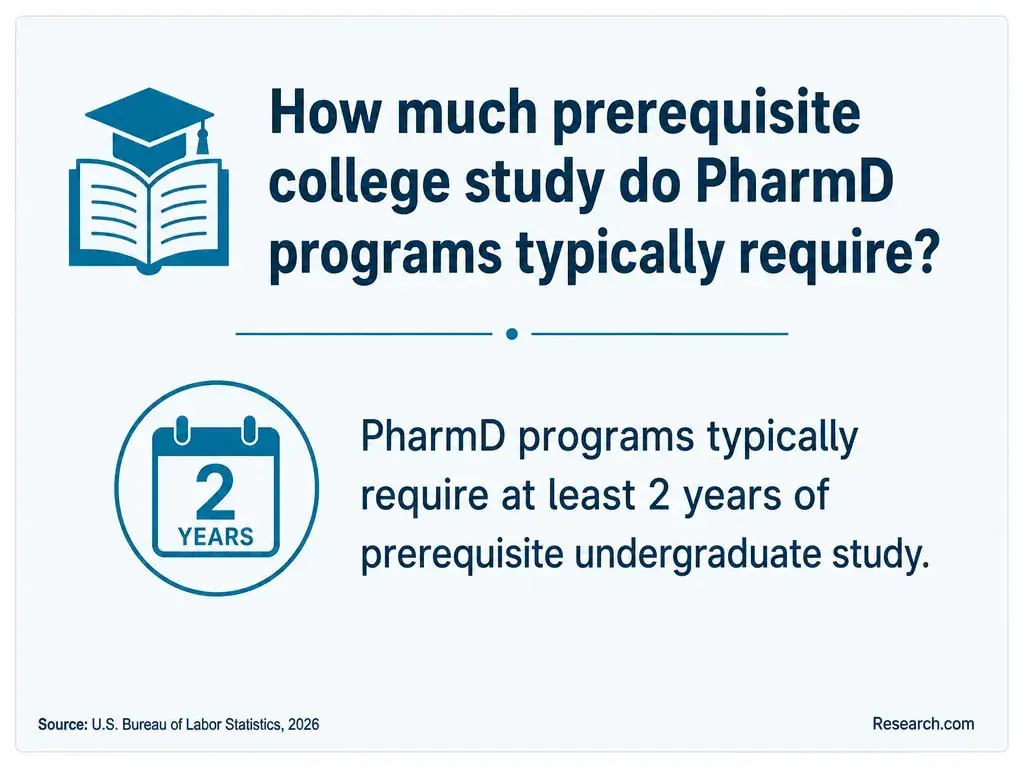
For a U.S.-educated applicant, the usual route is prerequisite undergraduate coursework, a professional Doctor of Pharmacy (Pharm.D.) program accredited by the Accreditation Council for Pharmacy Education (ACPE), and pharmacist licensure in the relevant jurisdiction. Prerequisites are not the professional curriculum, and schools differ on whether applicants need a bachelor's degree. Pharmacy degree eligibility options can help frame the admissions questions to ask, but each school decides what must be finished before enrollment.
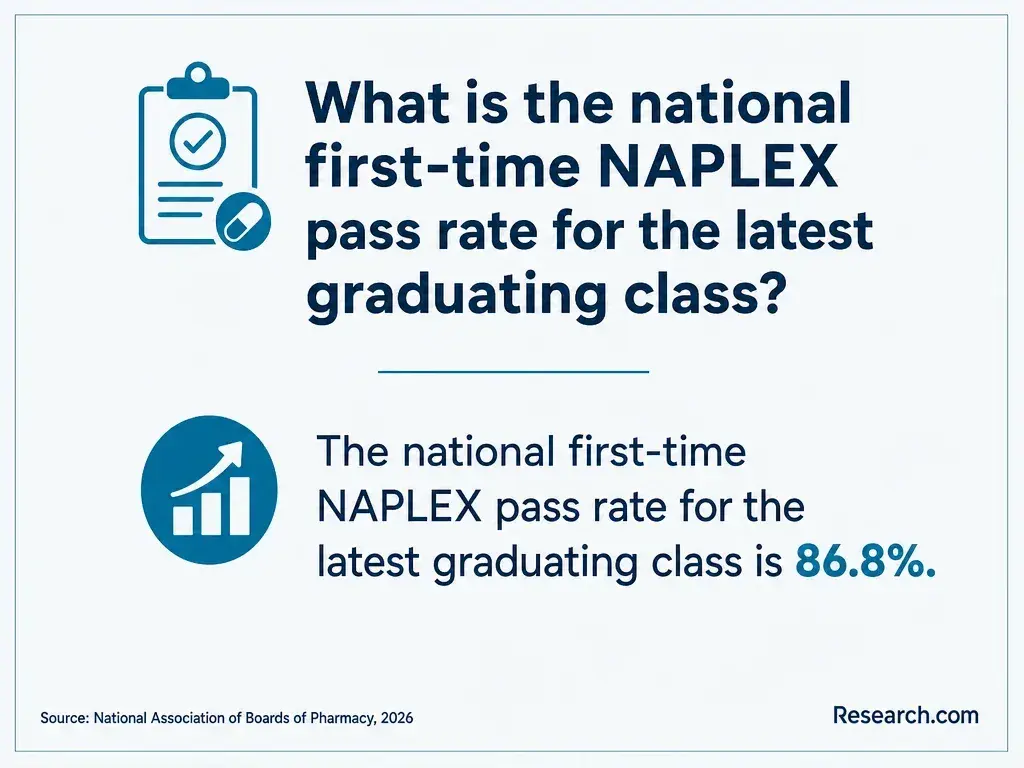
Graduating does not issue a license. Applicants generally must meet their board's experience and eligibility rules, pass the North American Pharmacist Licensure Examination (NAPLEX), and satisfy any applicable law-exam requirements; the jurisprudence exam is not identical across jurisdictions. Internationally educated pharmacists follow a separate route that may include foreign-graduate certification. State law also governs whether a pharmacist can prescribe, order tests, or modify therapy under a collaborative practice agreement or other authority. A job description cannot grant powers that state law does not allow.
Which pharmacy specialties offer advanced practice opportunities?
Clinical specialties include ambulatory care, critical care, emergency medicine, infectious diseases, oncology, pediatrics, psychiatry, geriatrics, and transplant pharmacy. Other opportunities emphasize specialty-drug services, medication safety, informatics, or managed care. Choose first by patient population and daily tasks: oncology may involve complex treatment monitoring and counseling, while informatics may involve less direct patient contact but broader workflow impact.
Specialty titles do not carry uniform hiring requirements. A hospital may prefer residency training for a highly specialized position, while another employer may accept substantial relevant experience. Students entering pharmacy from another science field can compare pharmacy doctorate options after biology, then use rotations to test whether a clinical specialty - not simply the subject they studied before pharmacy school - fits their interests.
A clinical pharmacy practitioner applies medication expertise directly to patient care, usually in coordination with prescribers and other clinicians. The route is not one credential: it combines licensure, demonstrated clinical skills, and any training the particular position requires. The following sequence helps distinguish essential steps from competitive additions.
- Complete an ACPE-accredited professional Pharm.D. program and use clinical rotations to explore practice settings.
- Meet the licensing requirements of the state where you intend to work; confirm any additional rules governing the services you want to provide.
- Build evidence of clinical ability through relevant employment, supervised training, a residency, or a combination appropriate to the role.
- Compare actual job postings for required credentials, preferred experience, patient-care duties, and authority under state law before pursuing optional training.
Admissions accessibility and career accessibility are different questions. If you are still selecting a school, pharmacy schools that may be easier to enter should be assessed alongside ACPE status, total cost, rotations, and licensure preparation - not treated as a shortcut to a clinical job.
A postgraduate year one (PGY1) residency builds broad practice skills after the Pharm.D.; a postgraduate year two (PGY2) residency concentrates on a specialty and generally follows PGY1 or another qualifying route specified by the program. A fellowship typically emphasizes research, industry, or another defined area rather than serving as a substitute for a clinical residency. Residency accreditation, application procedures, and Match participation should be checked with the American Society of Health-System Pharmacists and individual programs.
Residency can be especially valuable when target employers routinely seek structured clinical training, but it also means another period of supervised work and an opportunity cost compared with entering a paid pharmacist position. Direct employment with strong mentoring may be a better first step for some goals. Shorter pharmacy doctorate pathways concern the degree timeline; they do not eliminate licensing requirements or compress a residency that a desired role expects.
Board of Pharmacy Specialties (BPS) credentials can document expertise in areas such as ambulatory care, oncology, critical care, and pharmacotherapy. Other organizations offer credentials relevant to particular services or settings. Eligibility depends on the specific credential's current rules, which may recognize qualifying practice experience or postgraduate training; certification and its maintenance require an ongoing commitment. Neither a board credential nor a short course is a state pharmacist license.
Start with the positions you want: if postings consistently prefer a particular credential, check its issuing organization's eligibility and maintenance requirements before paying for preparation. Students changing Pharm.D. programs face a different issue: pharmacy degree credit transfer policies are set by the receiving school and should not be confused with acceptance of experience toward a professional certification.
The professional Pharm.D. curriculum develops the foundation for advanced work: pharmacology explains drug effects; pharmacotherapy connects evidence to treatment choices; pharmacokinetics supports dosing; and patient assessment, communication, ethics, and medication safety shape care decisions. Introductory pharmacy practice experiences (IPPEs) introduce supervised practice, while advanced pharmacy practice experiences (APPEs) let students apply their learning in more sustained clinical and other settings. Neither student rotations nor graduation alone authorizes independent pharmacist practice.
Course names and sequencing vary, so look beyond a program's advertised length. Ask when its IPPEs and APPEs occur, which sites are available, who approves placements, and what travel or schedule changes students may face. Online doctoral program duration is not a substitute for checking the specific Pharm.D. curriculum and its required in-person experiences.
Yes. Licensed pharmacists may provide eligible telehealth or telepharmacy services, support remote medication management, or work in informatics, managed care, specialty pharmacy, and industry. Remote work does not erase state boundaries: the pharmacist's location, the patient's location, the service provided, and employer policies can affect licensing and scope requirements. Verify the relevant boards' rules before assuming one license covers every patient you can reach online.
Preparing for remote work is also different from earning a degree online. Online Pharm.D. program options may still require scheduled classes, hands-on activities, and in-person clinical rotations. Check ACPE professional-program accreditation separately from institutional accreditation, distance-education authorization, and whether a clinical placement is permitted in your state.
The Bureau of Labor Statistics reports median annual pay of $140,910 in May 2025 for pharmacists. This is a useful occupation-wide reference, not a salary estimate for an oncology pharmacist, resident, or remote clinician. Pay varies with employer, location, responsibilities, schedule, and experience; a specialty credential does not guarantee a raise.
Compare compensation against the cost of reaching the role, including Pharm.D. tuition and fees, rotation-related expenses, and any earnings forgone during postgraduate training. If you are comparing programs, online pharmacy degree affordability should be judged by total required costs rather than advertised tuition alone. Confirm current aid terms for your enrollment period; federal borrowing rules changed for many new graduate and professional borrowers beginning July 1, 2026.
What is the job outlook for advanced practice pharmacists?
The Bureau of Labor Statistics projects 5% growth in pharmacist employment from 2025-2035, with about 12,500 openings per year. These projections cover the occupation as a whole, so they cannot tell you how many openings will exist in a particular clinical specialty or city. Local job postings and conversations with practice-site preceptors are better evidence of the qualifications employers near you seek.
Before committing to a specialty, compare postings for your target role with your likely graduation date, training options, and geographic flexibility. An appealing clinical path may require relocation or additional training, while a nearby position may offer a useful entry point without either. For students balancing time and cost, affordable pharmacy studies with a focused timeline can inform an education comparison, but no program price or duration predicts a specific job outcome.
Other Things You Should Know About PharmD
Often, if the site permits it. Ask a school, health system, or professional organization about observation opportunities; patient privacy rules and site onboarding may limit access.
No single nationwide title has that meaning. Read the employer's duties and your state's rules rather than assuming the title conveys a particular authority.
Generally, yes, if they maintain the license and qualifications needed for the position. Refresher training may help when dispensing systems or practice duties have changed.
Practicing pharmacists and rotation preceptors can describe patient contact, schedules, documentation, and team responsibilities. Ask about a typical week, not just the most interesting cases.
- The Advanced Pharmacist Practitioner: A New Series in... - PMC https://pmc.ncbi.nlm.nih.gov/articles/PMC6391237/
- Pharmacist Role in Patient Safety | PSNet https://psnet.ahrq.gov/perspective/pharmacist-role-patient-safety
- Credentialing and privileging for clinical pharmacists - Engle https://accpjournals.onlinelibrary.wiley.com/doi/10.1002/jac5.1201
- Pharmacist - Explore Healthcare Careers | Mayo Clinic College of Medicine and Science https://college.mayo.edu/academics/explore-health-care-careers/careers-a-z/pharmacist/
- Role of advanced practice pharmacists in general practice | wiley.com https://wchh.onlinelibrary.wiley.com/doi/10.1002/psb.1961
- How to Become a Pharmacist: A Step-by-Step Guide | MCPHS https://www.mcphs.edu/admission-and-aid/blog/how-to-become-a-pharmacist
- New Models for Practicing At the Top of Your License | pharmacypracticenews.com https://www.pharmacypracticenews.com/Operations-and-Management/Article/04-21/New-Models-for-Practicing-At-the-Top-of-Your-License/63058
- Credentialing and professional recognition in pharmacy | fip.org https://www.fip.org/file/6658


