2027 Easiest Online Doctorate in Special Education Degree Programs Ranking in the USA

Co-Founder and Chief Data Scientist
Exploring your options for an online doctorate in special education can be overwhelming. Our article introduces the 2027 Easiest Online Doctorate in Special Education Degree Programs Ranking in the USA, created by the Research.com team of data scientists. This ranking helps you identify programs that balance quality with accessibility, making your path smoother.
By reading, you'll gain insights to make informed decisions about your future. Earning a special education degree opens doors to meaningful impact and rewarding careers. Let us guide you toward the best fit for your goals.
Key benefits of getting online special education degree in America
- Special education graduates in the US often find rewarding careers with average salaries around $60,000 to $65,000 per year, offering financial stability while making a positive impact.
- Graduates from popular universities frequently pursue roles as special education teachers, instructional coordinators, or school counselors, enjoying diverse opportunities to support students' unique needs.
- Online degrees offer flexibility and convenience, allowing students like those from Arizona State University to balance work and study effectively while gaining the same respected credentials as traditional programs.
- 2027 Easiest Online Doctorate in Special Education Degree Programs Ranking in the USA
- What can I expect from online special education degree in America?
- Where can I work with online special education degree in America?
What can I expect from online special education degree in America?
The average cost of an online special education degree in America typically ranges between $20,000 and $60,000, depending on the program's level and institution. Graduates from popular universities often share how affordable tuition combined with flexible payment plans made pursuing their passion possible without overwhelming financial stress. Many programs offer part-time options, allowing students balancing work and family responsibilities to progress steadily while minimizing debt.
These costs reflect not only tuition but also fees for supervised practical experiences, which students can often complete locally. For example, some graduates recall how their hands-on training in local schools enriched their understanding far beyond online coursework, making the investment feel deeply worthwhile.
Emerging trends suggest costs may become more accessible as advanced technologies and more diverse financial aid options become widespread. Graduates often express enthusiasm about joining a growing network of professionals committed to innovative, inclusive education, feeling that the cost is an investment in a meaningful career.
Where can I work with online special education degree in America?
Graduates with an online special education degree in America often find rewarding opportunities in public and private K-12 schools, where their skills are deeply valued. Imagine a graduate from a well-known university like the University of Florida collaborating closely with classroom teachers to support students with diverse needs, sparking moments of genuine breakthrough and growth. Many also join specialized education centers or private agencies, helping children with autism or speech delays receive tailored support, creating a profound sense of purpose.
Postsecondary education is another exciting path, where graduates work as instructors or program coordinators at institutions such as Arizona State University, helping to shape the future of special education itself. These roles allow for creativity and innovation in teaching methods, inspiring students and peers alike.
Other graduates experience fulfillment as educational consultants or case managers, liaising with families and schools to craft effective Individualized Education Programs (IEPs). Their work ensures compliance with important laws and, more importantly, transforms lives by fostering inclusion and academic success.
As licensure is required in most states, these graduates confidently step into roles within government agencies or nonprofits, championing disability advocacy. Their careers are marked by meaningful impact and growing demand, making the future of special education promising and dynamic.
Graduates from online special education degree programs in America often start their careers with salaries ranging from $45,000 to $50,000 annually. Those pursuing their studies at institutions known for strong special education programs, such as the University of Florida or Arizona State University, frequently share how earning a bachelor's degree online opened doors to stable public school positions. Many describe the excitement of their first paychecks aligning with these figures, bringing both relief and motivation to continue growing professionally.
As graduates gain experience and consider further education-like a master's or doctoral degree-many see their earning potential rise by 10% to 20%, translating to salaries closer to or above the $63,700 median wage nationally. Alumni from these programs report positive outcomes, especially when they take on roles such as special education coordinators or program directors, which can push earnings over $80,000 annually.
Geographic choice also plays a role. Graduates moving to higher-demand states such as California or Massachusetts often find higher salaries, reflecting local cost of living and the increasing recognition of the expertise these educators bring to the classroom and beyond.
- Online special education degrees are available at bachelor's, master's, and doctoral levels, often requiring state certification and supervised practicum experiences.
- The average tuition ranges from $15,000 to $30,000 for a bachelor's degree and $10,000 to $25,000 for a master's degree, with doctoral programs usually costing over $30,000.
- The median annual wage for special education teachers was about $62,000 in 2022, with entry-level salaries between $45,000 and $55,000 and experienced educators earning over $75,000.
- Job growth for special education teachers is projected at 8% from 2022 to 2032, driven by increased awareness of learning disabilities and high demand in many areas.
- Accreditation by organizations like the Council for Exceptional Children is important to ensure program quality and eligibility for state licensure.
In America, completing an online special education degree generally aligns with traditional timeframes but is increasingly flexible to fit diverse lifestyles. Graduates from well-regarded institutions like the University of Illinois Urbana-Champaign or the University of Florida often share that bachelor's degrees typically take about four years of full-time study, though many appreciate the part-time options extending to five or six years, allowing a balance with work and family.
Master's programs, popular among those advancing their expertise, usually demand around two years, yet many online learners enjoy pacing themselves over 1.5 to 3 years depending on their commitments. A graduate from a known online program expressed satisfaction in managing coursework alongside teaching duties, illustrating how flexibility reduces stress while maintaining quality.
Doctoral candidates, including those enrolled at institutions like Vanderbilt University, often experience a 3 to 5 year journey inclusive of research and dissertations. Many find motivation in their evolving expertise and the tangible impact they can make in special education, even as they navigate internships and practicum requirements. Emerging trends suggest increasing adoption of accelerated and hybrid formats may soon shorten these durations further.
Online special education degrees in America open doors to flexible learning, allowing students from places like the University of Florida or Arizona State University to balance studies with work or family. Graduates often share how the ability to watch lectures anytime helped them stay motivated despite busy schedules. Interactive platforms encourage collaboration through discussion boards and virtual projects, creating a supportive community even miles apart.
On-campus programs at institutions such as Vanderbilt University or the University of Wisconsin bring students together for face-to-face engagement, fostering strong bonds and hands-on learning. Many find the in-person practicum invaluable, gaining confidence through direct interaction with children and instructors in local schools.
Both formats require real-world experience, but future trends suggest hybrid models may better blend convenience with practical skill-building. Emerging technologies like VR classrooms could transform fieldwork, making immersive training more accessible regardless of location. As education evolves, these paths offer unique ways to pursue meaningful careers supporting diverse learners in American schools.
The average cost of an online special education degree in America often centers around median figures such as $41,680 overall, with in-state students typically paying approximately $30,960 and out-of-state students around $34,080. These numbers reflect a balance between accessibility and quality, especially for those who pursue degrees through well-known programs at universities recognized nationally for their commitment to special education. Graduates from these programs frequently share how the investment felt rewarding, especially as the flexibility of online courses allowed them to maintain jobs and manage family responsibilities while progressing toward their degrees.
Considering the average cost online special education doctorate USA programs, aspiring candidates might anticipate a range that reflects both tuition and incidental fees associated with extended program durations. Many have found that the tailored support from faculty and digital resources in renowned institutions justifies the expense by enhancing their professional readiness and confidence. Emerging trends suggest that these programs will continue to evolve, potentially decreasing costs with advancements in technology and increasing competition among providers.
Students often recount positive experiences after completing their degrees at colleges that emphasize practical engagement through online platforms. Some have taken advantage of scholarships and employer tuition assistance, making the financial commitment more manageable. Those curious about specific career pathways after graduation, including teaching roles or administrative positions, can explore options like the bachelor degree in special ed jobs which frequently align with their online degrees.
Looking toward total expenses online special education degree 2027, budgeting should also include technology fees, books, and occasional travel for residencies or practicums. Such planning ensures that students can navigate costs effectively while pursuing their goals in a field that is both deeply fulfilling and vital to many communities nationwide.
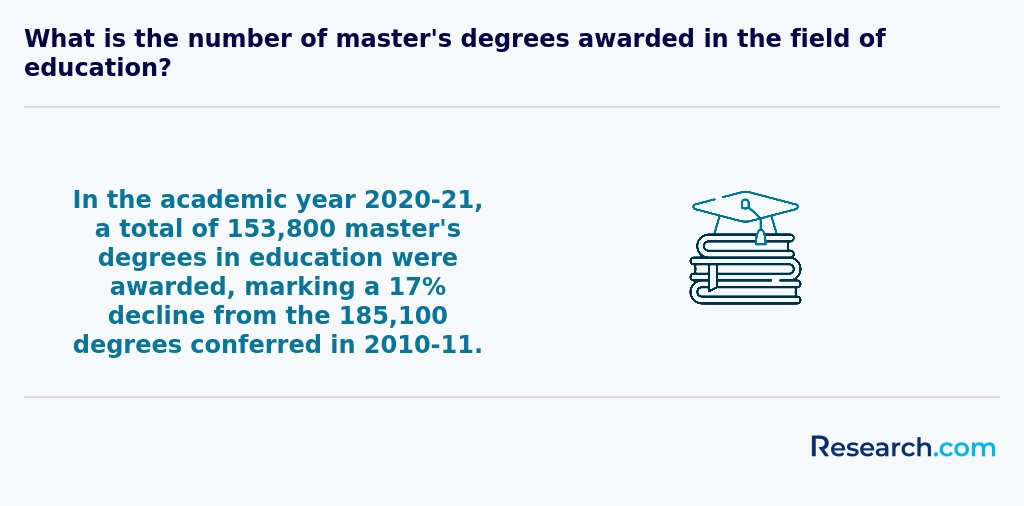
Students pursuing online special education degrees in America often tap into a blend of financial aid options that ease the journey. Many graduates from well-known institutions like the University of Florida or Vanderbilt University recall starting with the FAFSA to unlock federal grants and loans, crucial for managing costs that can range broadly depending on the program.
Looking ahead, the TEACH Grant's promise of up to $4,000 a year continues to inspire hopefuls willing to commit to high-need school districts, creating real opportunities for those dedicated to making a difference. State scholarships have also grown in availability, often targeted to students focusing on special education, making degree programs at places such as Michigan State University more accessible.
Private scholarships and employer tuition reimbursement increasingly support working professionals who balance careers and study. One graduate attributed their success to combining a Council for Exceptional Children scholarship with employer aid, turning aspirations into achievable milestones. This evolving landscape suggests future students will find even more tailored funding options that reflect growing demand for skilled special education teachers.
Enrolling in an online special education degree program in America generally begins with holding a high school diploma or a relevant undergraduate degree, often from well-known institutions like the University of Florida or Arizona State University. Many graduates recall starting with a bachelor's in education or related fields like psychology before advancing to specialized master's programs. The pathway is increasingly flexible, with several universities relaxing GRE requirements to make access easier, reflecting a broader nationwide trend.
Applicants typically present transcripts showing strong academic performance, often a GPA near 3.0, alongside recommendation letters and personal statements that reflect their passion for supporting individuals with disabilities. Graduates share how their professional experiences, such as working in inclusive classrooms, deeply enriched their applications and preparedness for rigorous coursework.
Licensure and state certification remain pivotal-many programs integrate standards from bodies like the Council for Exceptional Children, ensuring alignment with evolving regulatory demands. Future candidates can anticipate enhanced support as programs continue adapting their prerequisites to match both technology advances and the growing societal recognition of special education's importance.
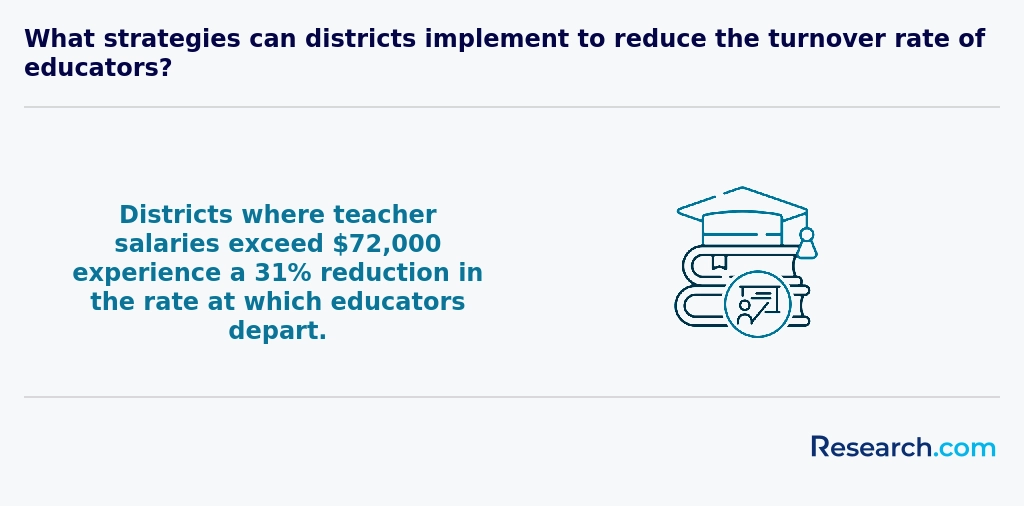
Online special education degree programs in America typically include courses that deeply prepare students to meet diverse learner needs with confidence and compassion. Graduates from well-known institutions like Arizona State University and the University of Florida often recall how core classes such as Foundations of Special Education and Disability Policy helped them understand pivotal laws like IDEA, shaping their approach to advocacy and inclusion.
Courses in Assessment and Evaluation enable students to skillfully identify individual challenges, much like alumni who designed personalized education programs (IEPs) for children with varied disabilities in their internships. Behavioral Intervention Strategies classes offer hands-on techniques that many remember as transformative when managing classroom dynamics effectively.
Embracing technology is rapidly evolving in these programs. Students frequently highlight Assistive Technology courses as empowering tools that opened new communication pathways for their future students. Coursework in Curriculum Development nurtures creativity and adaptability, prepping learners to tailor education plans dynamically.
These experiences collectively inspire an exciting vision of special education's future, where graduates confidently lead inclusive classrooms across America with empathy and innovative expertise.
Online special education degree specializations USA continue evolving to meet diverse learner needs. Graduates from notable programs at popular colleges describe focusing on autism spectrum disorders, where they develop skills in behavior management and individualized education program (IEP) creation. This specialization feels especially rewarding as graduates witness meaningful progress with students diagnosed according to updated CDC statistics.
Another vital track centers on learning disabilities, equipping educators to identify and support students facing reading or math challenges. Such specializations empower graduates to apply evidence-based interventions, echoing the experiences of those trained at institutions renowned for comprehensive special education doctorate concentrations America. Their work evokes a deep sense of fulfillment by directly improving students' academic confidence.
Emerging trends suggest growth in fields like emotional and behavioral disorders (EBD), developmental disabilities, and speech impairments, with online offerings becoming more accessible. Many students accessing the cheapest online special education master's programs report gaining flexible, affordable paths toward specialization that align with their personal and professional goals.
When choosing the best online special education degree in America, look beyond basic accreditation to how programs integrate emerging technologies and flexible learning formats. Graduates from popular universities often highlight the value of hands-on practicums combined with asynchronous coursework that fits busy schedules, transforming personal motivation into real-world success. For instance, students balancing work and family find programs offering local internship placements particularly rewarding, as they gain practical skills without relocating.
Affordability remains key; many seek the most affordable online special education degree America offers, weighing tuition against strong student support and post-graduation outcomes. A graduate's enthusiasm from a well-known college typically stems from faculty mentorship that is not only knowledgeable but invested in evolving special education research and inclusive practices.
Increasingly, students explore specialized online degrees like best online special education doctorate programs USA to meet diverse learner needs, including autism or behavioral disorders. Resources such as the special education degree online bachelors listings help prospective students navigate options aligned to state licensure requirements, ensuring future-ready certification and career growth.
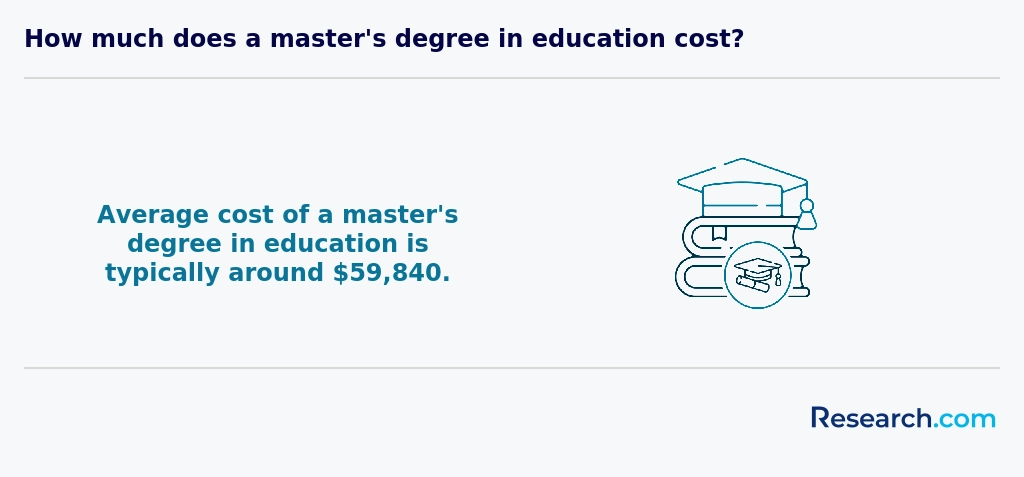
Graduates pursuing online special education careers USA often find themselves stepping into diverse and rewarding roles, such as special education teachers in K-12 public or private schools. These professionals bring empathy and innovation to classrooms, helping students with disabilities thrive academically and socially. Graduates from well-known American universities frequently share stories of enriching experiences applying research-based methods to foster inclusion and independence among learners.
Beyond teaching, many assume leadership positions as special education coordinators or program directors, overseeing compliance with laws like IDEA while advancing inclusive education initiatives. These roles often require advanced degrees from institutions popular for special education studies, providing pathways to influence policy and develop community programs. For students eager to deepen their expertise, fastest online special education master's programs open doors to accelerated career growth, blending passion with professional skills.
Additional career paths include becoming educational diagnosticians or working in adult education and vocational rehab services. These positions highlight a growing emphasis on personalized, adaptive strategies for learners of all ages, showcasing the expanding job opportunities that a special education degree job opportunities America offers.
The job market for graduates with online special education degrees in America remains robust, with steady growth fueled by policy support and increased demand. Graduates from well-known universities report rewarding experiences applying their skills in diverse educational settings, including public schools and specialized programs in underserved communities. Many find that pursuing an online special education degree offers valuable flexibility, allowing them to balance work and study effectively while gaining credentials that open doors to meaningful careers.
Employment opportunities for online special education degrees in America continue to expand as federal and state mandates require schools to meet the needs of students with disabilities. Graduates often secure roles that emphasize inclusive education, collaborating with colleagues to reduce student-to-teacher ratios and support students with autism spectrum disorder. By studying through a special education program online at respected institutions, many feel empowered and well-prepared to contribute to these evolving educational environments.
The job outlook for special education doctorate in USA looks promising as advanced degree holders increasingly step into leadership roles beyond teaching-such as policy development and program administration. Graduates describe a strong sense of purpose, motivated by the opportunity to influence special education on systemic levels and innovate approaches that enhance student outcomes across the country.
2027 Easiest Online Doctorate in Special Education Degree Programs Ranking in the USA
Investing in your education is a significant decision that can shape your future, and the Research.com team understands the importance of making informed choices. To support prospective students interested in special education, we have carefully developed the "2027 Easiest Online Doctorate in Special Education Degree Programs Ranking in the USA." Our dedication to quality, credibility, and accuracy is demonstrated by the thorough research and analysis behind this ranking.
We utilized the following reputable data sources to ensure a comprehensive evaluation of online doctorate programs:
By consulting this ranking, readers will gain valuable insights into accessible and quality online doctorate programs in special education, helping them make well-informed decisions about their advanced educational pursuits. For more information on how this ranking was created, please visit our Research.com methodology page.


Frequently Asked Questions About special education
Online special education degree students in America can maximize their learning by actively engaging with course materials and participating in virtual discussions. The Council for Exceptional Children recommends collaboration with peers and instructors to deepen understanding of complex topics.
Utilizing available technology, such as video conferencing and interactive simulations, enhances practical skills important for working with diverse student populations. According to the National Center for Education Statistics, students who combine visual and auditory learning tools retain information more effectively.
Scheduling consistent study times helps maintain discipline and balances coursework with other responsibilities. Additionally, seeking internships or practicum placements within local school districts reinforces real-world application of theoretical knowledge.
Finally, staying updated on federal policies, including IDEA (Individuals with Disabilities Education Act), ensures students align their learning with current legal standards in special education.
Emerging niches in the special education field reflect growing demands for specialized knowledge and tailored support. One key area is assistive technology, where educators design and implement digital tools to help students with disabilities engage more fully in learning. According to the U.S. Department of Education, technology integration is expected to increase significantly over the next decade.
Another growing focus is on mental health education. With rising awareness of emotional and behavioral disorders in schools, professionals trained to address both academic and psychological needs are increasingly valued.
Early childhood special education remains critical, emphasizing developmental support from infancy through pre-kindergarten. This aligns with findings from the National Center for Education Statistics showing steady enrollment increases in early intervention programs.
After completing an online special education degree in America, preparing for the job market involves several key steps. Begin by obtaining state licensure or certification, which is mandatory for teaching special education in public schools. Requirements differ by state, so check local education department websites.
Gaining practical experience through internships or substitute teaching strengthens your resume. Networking with educators and joining professional organizations, such as the Council for Exceptional Children, can provide valuable job leads and professional development.
Additionally, familiarize yourself with Individualized Education Programs (IEPs) and federal laws like IDEA to demonstrate your expertise. According to the Bureau of Labor Statistics, employment for special education teachers is projected to grow 8% through 2031, signaling solid job opportunities.
Employers in America prioritize several key skills when hiring graduates with special education degrees. Strong communication skills are essential, enabling educators to collaborate effectively with students, families, and multidisciplinary teams. Adaptability and individualized instruction techniques are crucial, as special education requires tailoring approaches to diverse learning needs. Data from the U.S. Department of Education highlights that understanding behavioral interventions and assistive technology greatly enhances a graduate's employability. Additionally, proficiency in creating and implementing Individualized Education Programs (IEPs) remains a core requirement. These skills ensure graduates can support inclusive education settings and comply with federal mandates like the Individuals with Disabilities Education Act (IDEA).
Finding internships related to special education in America involves targeting schools, nonprofits, and government programs focused on special needs. Start by contacting your online degree program's career services, as many partner with local school districts and educational centers to offer placement opportunities. The U.S. Department of Education's Office of Special Education Programs (OSEP) supports internship initiatives and may provide resources for locating these roles.
Many states require candidates to complete practical training as part of certification, increasing internship availability. According to the National Center for Education Statistics, over 7.1 million U.S. students receive special education services, emphasizing a strong demand for trained professionals. Additionally, networking with local special education teachers and attending professional associations like the Council for Exceptional Children can open doors to internship prospects.
Obtaining an online special education degree in America can significantly enhance career mobility and advancement opportunities. According to the U.S. Bureau of Labor Statistics, employment of special education teachers is projected to grow 8% from 2022 to 2032, faster than the average for all occupations. An online degree offers flexible access to advanced credentials, often required for leadership roles such as program coordinators or educational consultants.
Additionally, many states require advanced degrees for higher salary scales and administrative positions within public schools. Online programs accredited by recognized bodies ensure eligibility for state licensure and continuing education credits.
The ability to study remotely also allows professionals to balance work and education effectively, accelerating career growth without geographic limitations.
Studying for a special education degree online in America equips students with skills to work across disciplines such as psychology, speech therapy, and general education. Programs emphasize collaboration, preparing candidates to engage with teams that develop individualized education plans (IEPs) for diverse learners.
Many curricula include coursework on behavior analysis, developmental psychology, and educational law, helping graduates understand different perspectives in supporting students with disabilities. According to the U.S. Department of Education, effective interdisciplinary approaches improve outcomes for 14% of public school students identified with disabilities.
This comprehensive training enables professionals to coordinate services and communicate effectively with families, educators, and healthcare providers, a crucial competence in the expanding landscape of special education.
When choosing between a thesis and a non-thesis online special education degree program in America, consider your career goals carefully. Thesis programs often serve those aiming for research, university teaching, or roles requiring advanced scholarly skills. They involve conducting original research and writing a substantial paper, which can take additional time and effort.
Non-thesis options typically focus more on practical skills and may be completed faster. These programs are common for professionals seeking leadership or administrative roles in special education settings. According to the National Center for Education Statistics, nearly 30% of doctorate students in education opt for non-thesis tracks, valuing applied experience over research.
Also, review your program's accreditation and faculty expertise, ensuring alignment with your interests. The Council for Exceptional Children provides useful accreditation resources for special education programs in the U.S.
American students interested in studying special education abroad through online programs have limited direct options. Most online special education degrees catering to U.S. residents are offered by American institutions due to strict state licensure requirements and accreditation standards. However, some universities outside the U.S. provide online programs accessible internationally, though these may not fully align with American teaching certifications.
According to the U.S. Department of Education, licensure reciprocity often restricts the transferability of international credentials in special education. This makes studying abroad online a complex choice for those intending to work in American schools.
Students should carefully verify program accreditation and state approval to ensure their degree meets U.S. requirements.
In America, part-time job opportunities that complement a special education degree often involve direct support roles. Positions such as teacher's aide, paraprofessional, or classroom assistant provide valuable hands-on experience working with students who have disabilities. According to the U.S. Bureau of Labor Statistics, employment of teacher assistants is projected to grow by 8% from 2022 to 2032, reflecting increased demand for special education support.
Jobs like behavioral therapist aide or tutoring roles also help students apply specialized techniques learned during their degree. These roles develop skills in communication, individualized instruction, and behavior management, all critical for special educators.
Engaging in such work while studying online enhances practical knowledge and improves employability upon graduation.
Online special education students in America have access to various networking opportunities that support their academic and professional growth. Many accredited programs offer virtual forums, discussion groups, and live webinars where students can connect with peers and faculty. These platforms foster collaboration and resource sharing.
Professional organizations, such as the Council for Exceptional Children (CEC), provide membership options for graduate students. Members gain access to conferences, online communities, and job boards, enhancing career prospects in special education.
According to the National Center for Education Statistics, over 92% of schools in the U.S. serve students with disabilities, highlighting demand for skilled professionals and a growing network of educators and specialists online students can tap into.
Alumni networks offer significant benefits to students pursuing online special education degrees in America. These networks provide valuable professional connections, enabling students to access job opportunities and mentorship within special education fields. According to the National Center for Education Statistics, networking often increases employment prospects in education careers by up to 30%.
Through alumni events and online platforms, students can share experiences, resources, and best practices. This collaboration supports ongoing professional development, which is crucial in special education due to frequent updates in laws and teaching strategies.
Additionally, alumni networks can offer guidance on navigating certification requirements in various states, helping students tailor their education for regional needs.
Online special education degree programs in America offer various ways to tailor your studies according to your career objectives. Many universities provide electives and specialization tracks such as autism spectrum disorders, behavioral interventions, or learning disabilities. These options allow students to develop expertise aligned with specific population needs.
Additionally, some programs permit students to select research projects or internships that focus on their areas of interest. For example, collaborating with local schools or agencies can enhance practical skills relevant to career goals.
Accredited programs often follow guidelines set by the Council for Exceptional Children, ensuring curriculum relevance to professional standards. According to the National Center for Education Statistics, about 28% of special education postsecondary students enrolled in online programs in recent years, reflecting growing flexibility in this field.
Online special education students in America face several challenges that can impact their academic success. One key difficulty is balancing coursework with hands-on practicum experiences, which are essential for teacher certification but can be hard to coordinate remotely. According to the National Center for Education Statistics, online learners often report feelings of isolation, lacking direct interaction with instructors and peers.
Technical issues also pose significant barriers, as stable internet access and familiarity with digital platforms vary widely. Moreover, understanding complex special education laws and individualized education program (IEP) processes without in-person guidance can be demanding. These factors make strong self-discipline and institutional support critical for completing an online special education degree.
With an online special education degree in the United States, graduates can pursue several professional certifications that enhance their career prospects. The most common certification is the state-issued Special Education Teacher License, which allows individuals to teach students with disabilities in public schools. Requirements typically include passing state exams and completing supervised teaching hours.
Beyond licensure, educators may seek the National Board Certification in Special Education, offered by the National Board for Professional Teaching Standards. This certification is widely respected and involves demonstrating advanced teaching skills.
Other certifications include behavior analyst credentials, such as the Board Certified Behavior Analyst (BCBA), relevant for professionals working in applied behavior analysis. According to the U.S. Department of Education, states increasingly value these credentials to meet students' diverse needs.
Writing a winning application for an online special education program in America begins with understanding the requirements specific to this field. Programs often seek candidates with a background in education, psychology, or related fields. Highlight any experience working with individuals with disabilities, as 15% of students in U.S. public schools receive special education services, according to the National Center for Education Statistics.
Strong letters of recommendation from professionals familiar with your skills can boost your application. Emphasize your commitment to inclusive education and your understanding of laws like IDEA (Individuals with Disabilities Education Act). Include a clear personal statement outlining your goals and passion for supporting diverse learners. Meeting all deadlines and ensuring your application is error-free also plays a crucial role.
Special education careers in the United States are viewed globally as essential to supporting diverse learner needs. According to the National Center for Education Statistics, around 7.2 million students ages 3-21 receive special education services in the U.S. This high demand underlines the importance of trained professionals worldwide. Many countries look to the American model for specialized training standards and inclusive education laws such as the Individuals with Disabilities Education Act (IDEA).
Internationally, special education is growing, yet the U.S. remains a leader in research, degree availability, and practice. American online special education degrees offer flexibility for professionals aiming to meet global challenges in education equity and student support. This accessibility attracts students who want robust credentials recognized both domestically and abroad.
Experts emphasize that worldwide, inclusive education is a priority, but varied resource availability affects implementation. U.S.-based special education professionals often engage in global exchanges and partnerships, expanding their impact beyond national borders. This collaborative atmosphere encourages innovation and broadens career prospects for those earning degrees in America.
Gaining practical experience is essential when pursuing an online special education degree in America. Most programs integrate fieldwork or practicum requirements that allow students to work directly with children who have disabilities. These placements often occur in local schools or community centers, arranged by the university to ensure diverse, hands-on learning.
The Individuals with Disabilities Education Act (IDEA) mandates practical training so future educators understand real classroom dynamics. According to the Council for Exceptional Children, supervised practicum hours typically range from 100 to 600, depending on the program level.
Additionally, some students volunteer or intern with special education organizations for broader exposure. Online students should consult advisors early to plan and fulfill these critical experience components.
Choosing the right concentration within an online special education degree program in America begins with understanding your career goals. Special education offers diverse areas such as autism spectrum disorders, learning disabilities, or behavioral disorders. Each concentration prepares you to support different student needs and comply with federal laws like IDEA (Individuals with Disabilities Education Act).
It is important to consider the demand for specialists in your chosen concentration. For example, the U.S. Department of Education reports a growing need for professionals trained in autism intervention techniques. Accreditation and state licensure requirements should also guide your decision, as these ensure your degree meets professional standards.
Many programs provide detailed course descriptions and practicum opportunities. Reviewing these can help assess if the content aligns with your interests and intended work environment, such as schools or private practices. Additionally, contacting program advisors can clarify how their concentration supports licensure or certification in your state.
- Special Education Internships in Peru | Intern Abroad HQ https://www.internhq.com/destinations/peru/special-education-in-cusco/
- 12 Best Special Education Degree Programs for 2025 | Special Education Degrees https://www.special-education-degree.net/best-special-education-degree-programs/
- Home New - NASET https://www.naset.com/
- How to Prepare for Careers in Special Education | Eastern CT State https://www.easternct.edu/graduate-division/online/articles/how-to-prepare-for-careers-in-special-education/
- SEND Alumni Toolkit https://resources.careersandenterprise.co.uk/resources/send-alumni-toolkit
- Choose Your Path in Special Education Careers | OPTIMISE https://optimise.education/choose-your-special-education-path/
- Global Perspectives on inclusive and special Education: An analysis of International Policy Frameworks https://www.journalijdr.com/global-perspectives-inclusive-and-special-education-analysis-international-policy-frameworks
- Making a Difference: Service Learning in Special Education https://www.hetl.org/making-a-difference-service-learning-in-special-education/
- Teaching Job Roles | Teach For Life https://www.teachforlife.com/teachingjobs/global-perspectives-teacher
- Remote Special Education Jobs - VocoVision https://www.vocovision.com/teletherapy-jobs/special-education-teacher-jobs/