
2027 Most Valuable Psychology Degree Programs Ranking in Louisville

Co-Founder and Chief Data Scientist
Choosing the right psychology degree program is an important step for students in Louisville looking to build a meaningful career. This article introduces the 2027 Most Valuable Psychology Degree Programs Ranking in Louisville, carefully developed by the Research.com team of data scientists.
By exploring this ranking, you'll gain clear insights into programs that provide strong academic value and promising career opportunities. Understanding which programs stand out can help you make confident decisions about your education.
Getting a psychology degree opens doors to rewarding paths focused on helping others and personal growth. This article aims to guide you toward programs worth considering for your future success.
Key benefits of getting psychology degree in Louisville
- Psychology degree graduates in Louisville can earn competitive salaries, such as Human Resources Specialists making about $76,060 annually and Marketing Research Analysts earning around $83,190 yearly, offering strong financial stability.
- Career options include roles like Clinical Research Associates or Survey Researchers, showing the versatility of psychology degrees to lead into exciting positions with meaningful impact in healthcare, research, and business.
- Online psychology degrees from reputable Louisville universities offer flexibility and accessibility, allowing students to balance work and study while gaining valuable skills that employers respect equally to traditional degrees.
- 2027 Most Valuable Psychology Degree Programs Ranking in Louisville
- What can I expect from psychology degree in Louisville?
- Where can I work with psychology degree in Louisville?
What can I expect from psychology degree in Louisville?
The average cost of pursuing a psychology degree in Louisville, particularly at well-known institutions like the University of Louisville, often surprises prospective students in a positive way. Many graduates reflect on how the affordability of tuition combined with the city's lower living expenses made their deep dive into psychology not only feasible but also financially manageable. Unlike pricier metropolitan areas, Louisville offers a unique balance, where rigorous programs don't come with exorbitant costs.
Students often share how this accessibility allowed them to focus more on building practical skills-such as engaging in hands-on internships at local hospitals or community centers-without the crushing burden of overwhelming debt. For instance, graduates highlight that in-state tuition can average between $10,000 and $15,000 per year, but the cost of living, housing, and transport remains notably lower, creating a more supportive environment for full-time study.
This financial clarity reshapes the typical narrative surrounding psychology degrees, inviting students to envision their education as an investment deeply aligned with genuine passion and professional growth, rather than mere expense.
Where can I work with psychology degree in Louisville?
Graduates with psychology degrees from institutions like the University of Louisville often find themselves immersed in diverse roles that challenge their understanding of human behavior beyond the classroom. Imagine working as a mental health technician at Norton Healthcare, where your training in psychological theories directly impacts patient care, making each day a powerful learning experience.
Many bachelor's holders begin as psychiatric aides or social service assistants, roles that build essential skills while engaging with individuals facing real-life struggles. Those who continue to master's or doctoral programs frequently step into licensed counseling or clinical psychology positions, navigating complex cases in schools or clinics across Louisville.
Psychology grads also shape corporate culture by applying knowledge of organizational behavior in local businesses, sometimes steering talent development or market research teams-a reminder that psychology isn't limited to therapy rooms.
Nonprofits like Seven Counties Services demonstrate how psychology graduates can fuel community change, coordinating programs that support addiction recovery or youth outreach. These opportunities reflect the dynamic, impactful careers waiting for Louisville's psychology students when they step beyond conventional paths.
Graduates from psychology programs in Louisville, including those from institutions like the University of Louisville, often find themselves stepping into roles that offer more than just a paycheck-they gain fulfilling work with salaries reflecting their dedication. A common entry point is as clinical research associates or survey researchers, where the mean annual wage stands around $62,370. This level of income allows many graduates to confidently manage their expenses while gaining valuable experience.
Others venture into human resources or marketing research analysis, leveraging their psychology background in Louisville's growing corporate sector. These roles are rewarding not only intellectually but also financially, with average salaries of $76,060 and $83,190 respectively, painting an encouraging picture for those committed to diverse career paths. The relatable stories of Louisville graduates balancing the excitement of applying psychological principles to real-world business challenges with financial stability often spark optimism among current students.
While the psychology field is broad, the tangible earnings connected to these specific jobs help clarify what success looks like locally. It's a reminder that pursuing psychology in Louisville can be both a meaningful and viable career choice with solid economic rewards.
- The cost for a bachelor's degree in psychology in Louisville ranges from $28,000 to $45,000 for in-state students, excluding room and board.
- Starting salaries for psychology graduates with a bachelor's degree are around $40,000 to $45,000 annually.
- Those with master's or doctoral degrees can expect starting salaries between $60,000 and $80,000.
- Experienced clinical psychologists in Louisville typically earn between $80,000 and $110,000 per year.
- Psychology-related jobs are expected to grow by about 10% over the next decade, slightly higher than the national average.
Finishing a psychology degree in Louisville typically follows familiar timelines, yet the journey often feels uniquely personal for each student. Graduates from the University of Louisville share how their traditional 4-year bachelor's path, encompassing 120 credit hours, shaped both their academic and personal growth. They recall balancing general education with intense psychology courses, discovering a passion that extended beyond textbooks.
Master's students, especially those at Bellarmine University, often describe their experience as a meaningful investment of about two years full-time, though flexibility allowed some to stretch this period. The blend of research, practicum, and coursework created an engaging challenge, fostering skills that felt immediately rewarding.
Doctoral candidates at Louisville tell of a longer voyage, lasting 5 to 6 years, marked by rigorous exams and deep dives into clinical work. Despite the commitment, many reflect on the fulfillment that comes with shaping careers that truly impact others, reinforcing that time spent is time well invested.
Graduating with a psychology degree is just the beginning of a dynamic career journey. To truly excel in the field, it is crucial to adopt a mindset of continuous learning and actively seek opportunities for career advancement. This includes pursuing specialized certifications, attending professional workshops, and engaging with industry mentors who can provide valuable feedback and guidance. Networking through professional organizations and alumni groups further amplifies your opportunities for real-world experience and career growth. For instance, exploring flexible study options, such as best texas psychology degrees online, can help you stay updated with emerging trends and innovations in psychology without interrupting your career progression. Emphasizing lifelong learning not only sharpens your technical and soft skills but also prepares you to respond proactively to evolving job market demands, ensuring that your education continues to pay dividends throughout your professional journey.
Choosing between online and on-campus psychology degrees in Louisville often means weighing flexibility against immersive experience. Graduates from the University of Louisville recall the vibrant energy of in-person classes, where spontaneous discussions with professors and peers sparked deeper insights. These on-campus programs, with in-state tuition around $11,400 annually, also open doors to hands-on research and internships crucial for clinical licensure.
In contrast, online psychology students appreciate carving out study time around work and family, enjoying asynchronous courses that fit their hectic lives. Many find the digital forums and virtual classrooms surprisingly engaging, though some miss the immediate back-and-forth of live dialogue. These programs, often priced between $8,000 and $10,000 per year, challenge the idea that convenience is a compromise on quality.
Ultimately, whether it's the tactile connection of labs at Louisville or the adaptable pace of remote learning, both paths aim to prepare students authentically for psychology careers. It's less about format and more about aligning studies with personal life rhythms and aspirations.
Pursuing a psychology degree in Louisville, KY, can be a highly rewarding decision, offering students a unique blend of academic rigor, practical experience, and community engagement. By choosing to study psychology in this vibrant city, students can benefit from a wide range of programs and specializations, including those offered by esteemed institutions such as the University of Louisville. For those interested in exploring other valuable psychology programs in the state, visiting a valuable psychology school in Kentucky can provide valuable insights into the diverse opportunities available. The city's rich cultural scene, combined with its strong academic community, creates an ideal environment for students to grow both personally and professionally, ultimately preparing them for diverse and fulfilling careers in psychology.
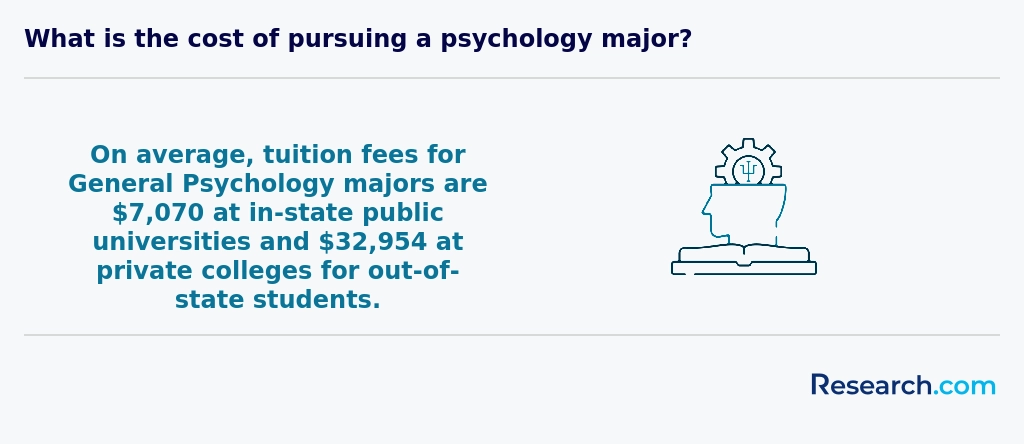
When considering the average cost of a psychology degree in Louisville, graduates from institutions like the University of Louisville often reflect on the balance between investment and personal growth. The median in-state total cost of earning a psychology degree here is around $21,168, while out-of-state students face nearly double that amount at approximately $43,649. These figures underscore the financial commitment required but also highlight the accessible opportunities for in-state residents eager to pursue psychology.
Psychology degree tuition and fees Louisville students encounter don't just cover classes; they encompass rich experiences that shape future professionals. Many graduates recall the value found in hands-on research, internships, and clinical practicums, elements that justify the cost by offering tangible skills. These experiential learning moments often fuel motivational stories about overcoming challenges and the rewarding payoff of understanding human behavior.
Though the price tags may initially seem daunting, financial aid options and scholarships help many students navigate expenses smoothly. The feeling of accomplishment when a graduate compares tuition against the quality of education and networking opportunities at a valuable psychology school in Kentucky adds a positive dimension to the financial picture. Such reflections often challenge preconceptions about the cost of education, encouraging prospective students to see the psychology degree as an investment in both knowledge and future impact.
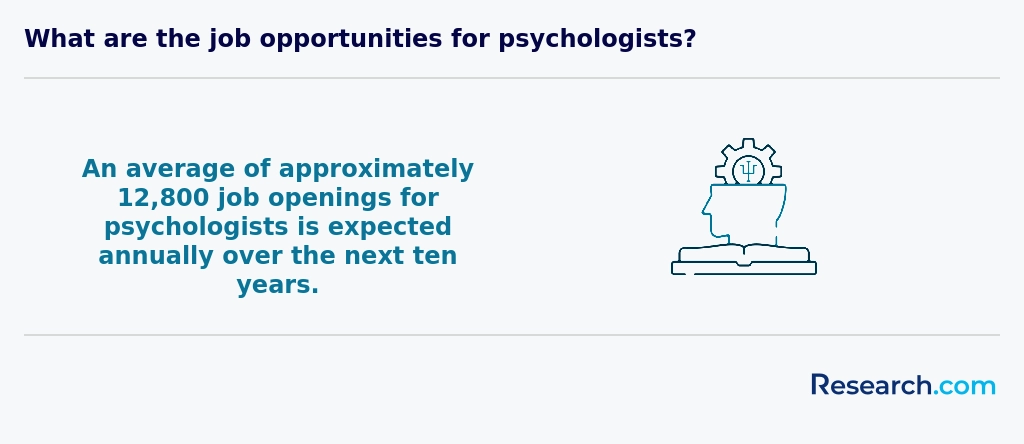
To practice in Kentucky, psychology graduates must:
- Earn a degree from a regionally accredited psychology program (APA accreditation required for doctoral tracks).
- Complete supervised professional experience (1,500 hours for master’s; 3,000 hours for doctoral).
- Pass the national Examination for Professional Practice in Psychology (EPPP).
- Fulfill any state-specific jurisprudence or ethics exam requirements.
- Submit applications, transcripts, supervision logs, and exam results to the Kentucky Board of Examiners in Psychology.
For those eager to fast-track this process, consider an accelerated psychology degree that integrates coursework and practicum efficiently.
Securing financial aid for a psychology degree in Louisville often begins with completing the FAFSA, unlocking access to federal grants like the Pell Grant, which many psychology students at the University of Louisville have found pivotal in easing their tuition burden. These grants don't require repayment-a relief that allows students to focus more intently on their studies and research.
Kentucky residents can also tap into state-specific programs such as the Kentucky Educational Excellence Scholarship (KEES). Graduates of Louisville colleges recall how this merit-based aid rewarded their academic efforts in high school, turning those achievements into tangible financial support throughout their psychology education.
Institutional scholarships are another beacon of hope. Psychology students at local colleges often share stories of how departmental awards fueled their passion for mental health research, based on merit or need. Reaching out to financial aid offices can reveal opportunities tailored to their ambitions.
Private scholarships from organizations like the American Psychological Association bring national recognition and funding, while local community foundations provide additional support, painting a fuller picture of how multiple aid sources combine to make psychology degrees in Louisville more accessible and inspiring.
Investing in a psychology degree in Louisville, KY, requires careful consideration of both upfront costs and long-term financial gains. On average, in-state students incur approximately $28,280 in undergraduate debt, while out-of-state attendees graduate with nearly $45,000 in loans. With a mean annual salary of $73,080 for Human Resources Specialists and $57,760 for Clinical Research Associates, graduates can expect to recoup their investment in roughly 4 to 6 years, depending on their specialization and repayment plan. Key ROI factors: • Average Debt vs. Salary: Assuming a standard 10-year repayment at 5% interest, monthly payments on $30,000 total debt equate to about $318. Against an entry-level salary of $50,000, this represents just 7.6% of gross income. • Payback Period: At a 6% salary growth rate, most graduates break even within 5 years, highlighting psychology as a solid investment in Louisville’s job market. • Net Present Value (NPV): When discounting future earnings at an inflation-adjusted rate of 3%, the NPV of a Louisville psychology degree exceeds tuition costs by over 25%, underscoring strong long-term returns. Strategies to maximize ROI: • Minimize debt through part-time study or work-study opportunities. • Leverage high-value internships in clinical or organizational settings to command better starting salaries. • Explore regional affordability by comparing programs like those in Kentucky to the Low Cost Psychology Degree Programs Ranking in New Hampshire, which can offer insights into cost-effective tuition models and scholarship opportunities. By aligning program choice with career goals and financial planning, prospective students can ensure their psychology degree in Louisville delivers both personal fulfillment and measurable economic rewards.
To enroll in a psychology degree program in Louisville, students must first prove a solid academic foundation, often demonstrated by a high school diploma or GED. Graduates from popular Louisville colleges recall how completing core subjects like English, mathematics, and biology was not just a formality but a crucial step that prepared them to grasp complex psychological theories with confidence and enthusiasm.
Many admissions offices now lean toward flexibility with standardized tests like the SAT or ACT, yet applicants find it valuable to check each university's specific expectations. For example, some programs at Louisville's well-known institutions encourage submitting test scores to strengthen applications, making the journey feel more personalized and approachable.
Prospective graduate students reflect on the importance of maintaining a good GPA-typically around 3.0-and gaining relevant research or clinical experience as a way to deepen their understanding and passion for psychology. This practical approach at Louisville universities makes the learning feel not only achievable but exciting, fostering real-world connections that inspire continued growth.
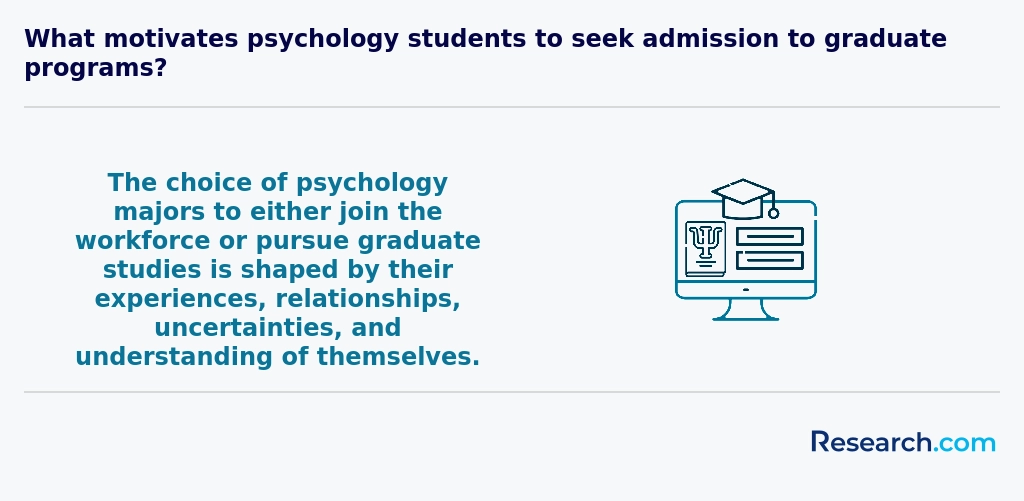
Louisville’s psychology programs go beyond the classroom by offering vibrant campus life and comprehensive student support services designed to foster both academic success and personal well-being. From active psychology clubs and honor societies to community outreach initiatives, students can join groups like Psi Chi or the Behavioral Science Society to network, present research, and gain leadership experience. On-campus research labs and writing centers provide hands-on project support, while career services coordinate internships and job fairs tailored to psychology majors. Mental health resources are readily accessible, with counseling centers and peer-mentoring programs ensuring students receive timely guidance. Workshops on stress management, diversity and inclusion, and resume writing help refine both soft and hard skills. Academic advising teams work closely with each student to map out degree plans, recommend elective specializations, and connect learners with faculty mentors who align with their research interests. Housing and campus amenities in Louisville enhance student life: fitness centers, cultural events, and volunteer opportunities at local clinics encourage a balanced lifestyle and community engagement. For those balancing work or family commitments, hybrid options and fully online tracks are available-students may even explore a 2-year psychology degree online to accelerate their path while leveraging the same robust support network. This rich blend of academic, social, and support services creates a nurturing environment where psychology students can thrive, build lifelong connections, and launch successful careers.
Psychology students in Louisville often find themselves immersed in courses that feel immediately relevant to both understanding themselves and others around them. Graduates from local universities describe starting with Introduction to Psychology, a course that sparks curiosity by exploring the fundamentals-from cognition to emotion-setting the stage for deeper inquiry. At institutions like the University of Louisville, students frequently highlight how Research Methods and Statistics became empowering tools, transforming abstract data into meaningful insights that can influence real-world decisions.
Courses such as Biopsychology bring the brain's chemistry to life, helping students grasp how neurological processes drive behavior-something graduates recall observing firsthand during hands-on lab work. Developmental Psychology often resonates deeply, inviting reflection on personal growth and relationships across the lifespan, a frequent topic among Louisville's psychology cohort.
More applied classes, including Clinical and Industrial-Organizational Psychology, challenge students to envision practical career paths, often through internships embedded in Louisville's thriving community health settings. Social and Cognitive Psychology courses further illuminate everyday interactions, making the academic experience both fascinating and personally meaningful.
Psychology degree specializations in Louisville break the mold of a one-size-fits-all education, challenging you to reflect on what truly drives human behavior. Clinical psychology, a staple at major universities, equips graduates to confront real-world mental health challenges-an urgent need as demand surges. One graduate from a popular local college recalls the rewarding impact of diagnosing and treating patients, fueling a passionate commitment to the field. Meanwhile, developmental psychology opens doors to understanding the complex stages of life, from childhood through aging, with many Louisville programs offering immersive experiences in schools and healthcare settings that create lasting professional connections.
Louisville psychology career paths and options extend into cognitive psychology, where students explore the inner workings of the mind, often engaging with cutting-edge research that inspires innovation in technology and artificial intelligence. Other intriguing avenues like industrial-organizational, forensic, and health psychology offer diverse lenses on human behavior, blending theory with practice in workplaces, legal systems, and wellness contexts. For those seeking flexibility, consider exploring the best texas psychology degrees online to complement your Louisville studies.
Choosing the best psychology degree in Louisville isn't just about picking the most prestigious school; it's about matching your goals with what the city's institutions truly offer. Graduates from renowned universities like the University of Louisville often reflect on how regional accreditation and strong faculty expertise shaped their confidence in clinical or counseling psychology careers. You might find that starting with an associate degree or exploring a 2-year psychology degree online provides the flexibility and foundation needed before advancing.
Cost often weighs heavily, but consider that many students in Louisville balance tuition expenses with real-world training through internships available at local healthcare institutions. This hands-on experience from programs offering specializations such as industrial-organizational or child psychology is where textbook knowledge truly transforms into practical skills. When reflecting on affordable psychology degrees Louisville cost is a key factor, yet focusing on curriculum relevance and graduation success stories brings clarity beyond numbers.
Psychology degree holders in Louisville find themselves at the crossroads of powerful career paths, each offering unique ways to impact individual lives and communities. Graduates from popular universities in Louisville often describe their transition into roles such as clinical psychologists, where they provide vital mental health services in healthcare centers. These professionals bring empathy and science together, transforming struggles into growth. Jobs for psychology degree holders in Louisville also include school psychologists, who work directly with students to improve learning and behavior, grounding their practice in local school systems that value mental wellness as much as academic success.
Others discover fulfillment as industrial-organizational psychologists, applying research skills honed during their studies at Louisville colleges to enhance workplace culture and productivity. The energy of local research institutions fuels roles like research analysts, where graduates interpret human behavior through data-a challenge that many find intellectually rewarding. For those drawn to community impact, substance abuse counseling offers a path filled with compassion and hope.
Those exploring these psychology career opportunities in Louisville often consider cost alongside ambition. Resources such as the Low Cost Psychology Degree Programs Ranking in New Hampshire showcase how accessible education supports diverse professional journeys.
The psychology degree job opportunities in Louisville reflect a balanced yet nuanced market. Graduates from well-known local universities share how their education opened doors in mental health clinics and schools, where demand for specialized skills remains strong. These settings offer roles beyond traditional therapy, including organizational psychology positions in local businesses, giving depth to career paths that many might overlook.
Many Louisville psychology degree holders find steady employment by focusing on advanced degrees or certifications. Those who embraced internships and community service roles reported feeling more confident navigating the local job landscape, with median salaries around $80,000 for experienced professionals. However, entry-level wages, especially for bachelor's-only graduates, may hover between $40,000 and $50,000, reminding students of the value of further specialization.
For prospective students weighing costs, Louisville's accredited programs combined with accessible in-state tuition and financial aid options help ease the burden. Considering a fast online associates degree or complementary studies might broaden your options and enhance employability in this competitive market.
The Louisville psychology degree career outlook encourages reflection: success depends on more than education alone. It also requires strategic positioning in a varied job market shaped by healthcare, education, and social services sectors that demand diverse skill sets.
2027 Most Valuable Psychology Degree Programs Ranking in Louisville
Investing in your education is a significant decision that can shape your future, and the Research.com team understands the importance of making informed choices. To assist prospective students in Louisville, we have meticulously crafted the "2027 Most Valuable Psychology Degree Programs Ranking in Louisville." Our commitment to quality, credibility, and accuracy is reflected in the extensive research and analysis conducted to compile this ranking.
We utilized the following reputable data sources to ensure a comprehensive evaluation of psychology degree programs:
By exploring this ranking, readers will gain valuable insights into the most valuable psychology programs in Louisville, empowering them to make well-informed decisions about their educational and career goals. For more details on our methodology, please visit our Research.com methodology page.


Frequently Asked Questions About psychology
Psychology degree students in Louisville can maximize their learning experience by actively engaging in both academic and practical opportunities offered locally. Many Louisville institutions, such as the University of Louisville, provide access to research labs and community internships, which are critical for applying theoretical knowledge. According to the American Psychological Association, hands-on experience significantly enhances understanding and employability in psychology fields. Additionally, students should consider joining psychology clubs or local chapters of national organizations to network and stay updated on industry trends. Leveraging Louisville's diverse population enables valuable exposure to various psychological practices and cultural perspectives.
Staying current with Louisville-specific mental health statistics-for example, Jefferson County's reported prevalence of anxiety disorders-can also enrich students' contextual knowledge. Finally, utilizing university career services for internships and mentorships helps develop professional skills essential for post-graduate success.
The field of psychology is evolving rapidly, with several emerging niches gaining prominence. In Louisville, students pursuing psychology degrees are increasingly exploring areas such as digital mental health, which integrates technology with therapy to expand access to care.
Another growing niche is neuropsychology, focusing on brain-behavior relationships, supported by partnerships between local universities and healthcare centers. Louisville's aging population also fuels demand for geropsychology, addressing mental health in older adults.
Additionally, health psychology is expanding, emphasizing behavior change to improve wellness, particularly in managing chronic diseases.
These specialized areas reflect broader U.S. trends and offer promising career paths for Louisville psychology graduates.
Preparing for the job market after earning a psychology degree in Louisville requires strategic planning. Graduates should seek internships or volunteer opportunities to gain practical experience, which is highly valued by local employers in healthcare and social services. According to the U.S. Bureau of Labor Statistics, Kentucky expects a 6% growth in psychology-related jobs through 2030, indicating steady demand.
Networking is also crucial. Louisville hosts several professional organizations like the Kentucky Psychological Association, providing access to job postings and career advice. Additionally, obtaining state licensure or certifications can enhance job prospects, especially for clinical and counseling roles.
Further education, such as master's or doctoral degrees, may be necessary for advanced positions or specialties.
Employers in Louisville highly value psychology degree graduates who demonstrate strong analytical and critical thinking skills. These abilities enable graduates to assess client data effectively and devise suitable behavioral interventions.
Effective communication is another essential skill. Psychology professionals must convey complex ideas clearly to clients, colleagues, and other stakeholders, often in high-pressure environments.
Additionally, familiarity with research methods and statistical analysis is crucial. According to the Bureau of Labor Statistics and local employment surveys, approximately 65% of psychology-related jobs in Louisville require proficiency in data interpretation and research design.
Interpersonal skills, including empathy and cultural competence, are equally important given Louisville's diverse population.
Finding psychology internships in Louisville involves a mix of local research and leveraging university resources. Many universities in Louisville, such as the University of Louisville, have dedicated career services that maintain internship listings tailored to psychology students.
Students can also explore placements at local hospitals, mental health clinics, and community organizations. Louisville hosts several health-focused institutions, including Norton Healthcare and the Kentucky Psychological Association, which occasionally offer internships or volunteer roles.
Networking through professional associations and attending local psychology events can increase internship opportunities. According to the Bureau of Labor Statistics, practical experience is critical for future employment in psychology, making internships vital.
Online platforms like Handshake or your school's portal are excellent tools for discovering active internship programs specific to Louisville.
In Louisville, earning a psychology degree significantly enhances career mobility and advancement opportunities. According to the U.S. Bureau of Labor Statistics, the Louisville metropolitan area has a growing demand for mental health professionals, with projected employment growth of 11% between 2020 and 2030. This demand is fueled by increased awareness of mental health issues and expanded services in healthcare and social assistance sectors.
Graduates with a psychology degree in Louisville can pursue diverse roles, including clinical psychology, counseling, human resources, and social work. Advanced degrees, such as a master's or doctorate, typically lead to higher salaries and leadership positions.
Local employers often prefer candidates with regionally accredited degrees, and internship opportunities through Louisville's universities provide valuable practical experience, which further supports career advancement.
Studying for a psychology degree in Louisville offers students a strong foundation for interdisciplinary roles through diverse coursework and collaborative opportunities. Many local universities emphasize the integration of psychology with fields such as healthcare, social work, and education. This approach equips students with skills to analyze behavior within broader social and clinical contexts.
According to the Kentucky Council on Postsecondary Education, psychology programs in Louisville increasingly include training in data analysis, counseling, and community health. These competencies prepare graduates to work alongside professionals in medicine, law enforcement, and public policy.
Additionally, Louisville's growing healthcare sector provides internships and research projects that connect psychology students with real-world interdisciplinary teams, enhancing practical experience and networking.
When choosing between a thesis and a non-thesis psychology degree program in Louisville, consider your career goals first. Thesis programs often focus on research and prepare students for doctoral studies or research-heavy roles, while non-thesis options emphasize practical skills for immediate entry into the workforce. According to the American Psychological Association, thesis students spend about 30% more time on independent research. Local institutions like the University of Louisville offer both paths, with thesis students engaging in supervised research projects. Evaluate your interest in conducting original research versus applying knowledge in clinical or organizational settings to make an informed choice.
Students based in Louisville interested in studying psychology abroad have several options through partnerships and exchange programs facilitated by local universities. The University of Louisville, for example, offers study abroad opportunities in countries like the United Kingdom and Australia, where students can take psychology courses that count toward their degree. These programs typically last from a few weeks to a full semester.
Additionally, Louisville students may explore affiliations with institutions part of the International Exchange Program, enabling them to study psychology in Europe or Asia without extending their graduation timeline. According to the Institute of International Education, nearly 10% of psychology majors nationwide engaged in study abroad experiences in 2022, a figure that is growing steadily.
Careful planning with academic advisors ensures that credits earned abroad fulfill American Psychological Association (APA) standards, supporting degree progression. Students should consult the University of Louisville's Global Education Office or the Council on International Educational Exchange (CIEE) for updated offerings and scholarship options related to psychology studies abroad.
Students pursuing psychology degrees in Louisville have several part-time job opportunities that can enhance their education and professional skills. Positions such as research assistants at local universities or healthcare facilities offer hands-on experience with psychological studies and data analysis. Louisville is home to several hospitals and mental health clinics where students can work as behavioral health aides or patient care assistants. These roles provide exposure to clinical settings and patient interaction.
Additionally, many nonprofit organizations in Louisville seek volunteers or part-time staff to support counseling programs, which helps build communication and counseling skills. According to the Louisville Metro Government workforce data, healthcare support roles in the area are projected to grow by 12% through 2028, offering ample opportunities for psychology students.
Psychology students in Louisville benefit from several valuable networking opportunities that can enhance their academic and professional growth. Local universities like the University of Louisville often host psychology-focused events, conferences, and guest lectures, attracting experts and alumni. These events provide students with direct access to professionals in clinical, research, and counseling fields.
Additionally, Louisville is home to professional organizations such as the Kentucky Psychological Association (KPA), which offers student memberships, workshops, and networking mixers. According to recent KPA reports, participation in these activities has grown by 15% annually, reflecting strong community engagement.
Internships and cooperative programs available through Louisville's healthcare and mental health centers also connect students with experienced practitioners, fostering mentorship and career opportunities. These collaborations are essential for practical experience and building professional connections within the region.
Alumni networks play a key role in supporting psychology degree students in Louisville by offering valuable connections within the local and regional mental health fields. Graduates often share job leads, internship opportunities, and advice on navigating licensure requirements in Kentucky.
These networks also provide mentorship, helping current students understand career pathways specific to psychology specialties in Louisville, such as clinical, counseling, or school psychology. In a city with growing demand for mental health professionals, such guidance is crucial.
According to the Louisville Psychology Association, alumni events increase job placement rates by up to 20% through direct referrals and networking.
Engaging with alumni can also open doors to research collaborations and continuing education, enhancing professional development beyond graduation.
Customizing a psychology degree program in Louisville allows students to align their education with specific career ambitions. Many local institutions offer elective courses in areas such as clinical psychology, counseling, or industrial-organizational psychology. Selecting these electives helps tailor your academic experience to desired job roles.
Internship opportunities through Louisville's healthcare facilities and community organizations provide practical experience, making students more competitive in specialized fields. According to the Bureau of Labor Statistics, Louisville's demand for mental health counselors is growing faster than the national average, emphasizing applied training.
Additionally, some universities offer certificate programs or research projects focused on specific psychology subfields. Engaging in these options helps deepen expertise and build a professional network within Louisville's psychology community.
Psychology students in Louisville often face several challenges typical of the US higher education system. One major issue is balancing coursework with practicum requirements, as hands-on experience is essential in psychology programs. Additionally, many students report difficulties managing the financial burden, with the average annual undergraduate tuition in Kentucky public universities around $11,000, according to the College Board (2023).
Another common difficulty is the competitive nature of psychology internships and research opportunities, which are crucial for career advancement. Louisville's psychology programs emphasize evidence-based practices, requiring strong research skills that some students find challenging to develop early in their studies. Mental health stigma and maintaining personal well-being while studying psychology is also a notable concern.
With a psychology degree in Louisville, graduates can pursue several professional certifications to enhance their career prospects. Common certifications include the Licensed Professional Counselor (LPC), which allows for clinical practice under supervision. To become an LPC in Kentucky, candidates typically need a master's degree in psychology or counseling and must pass the National Counselor Examination.
Another option is the Certified Addiction Counselor (CAC), valuable due to Louisville's focus on substance abuse treatment programs. Additionally, graduates can aim for the Board Certified Behavior Analyst (BCBA) credential, especially relevant due to demand in behavioral therapy fields.
These certifications often require specific coursework, supervised hours, and exam success, helping graduates meet the needs of Louisville's diverse psychological services sector.
To write a winning application for a psychology program in Louisville, begin by highlighting your academic achievements, especially in science and social science courses. Admissions committees often look for a minimum GPA around 3.0, but competitive programs may expect higher.
Next, emphasize relevant experience such as volunteering, internships, or research projects related to psychology. Local institutions like the University of Louisville offer opportunities that applicants can cite to demonstrate commitment.
Strong letters of recommendation from professors or professionals familiar with your skills can greatly enhance your profile. Personal statements should clearly articulate your interest in psychology and career goals within the Louisville community or broader fields.
Finally, ensure all application materials are error-free and submitted on time, as punctuality and attention to detail reflect professionalism valued by Louisville's psychology programs.
Psychology careers in the United States, including Louisville, reflect a growing global interest in mental health and behavioral sciences. The U.S. Bureau of Labor Statistics projects a 8% growth in psychologist jobs from 2022 to 2032, aligning with global increases in mental health awareness. Louisville offers accredited psychology programs that adhere to U.S. standards, which are recognized internationally for their rigor.
Globally, psychology professionals face diverse challenges and opportunities, but degrees from U.S. institutions often carry significant weight, facilitating cross-border career options. The emphasis on evidence-based practice in U.S. education supports graduates seeking roles in healthcare, research, and counseling worldwide.
Louisville's psychology graduates benefit from regional networks and clinical placements that connect to national resources. Data from the American Psychological Association highlights that U.S.-trained psychologists frequently engage in collaborative international research and practice.
Gaining practical experience while studying psychology in Louisville is essential for career readiness. Many universities in Louisville, such as the University of Louisville, offer internship programs through partnerships with local hospitals, mental health clinics, and community organizations. These internships provide hands-on experience in clinical, counseling, or research settings.
Additionally, students can engage in faculty-led research projects, which help develop analytical skills and professional networks. The Kentucky Psychological Association highlights that roughly 60% of psychology undergraduates in the state participate in internships before graduation, improving employment prospects.
Volunteering at Louisville-based nonprofits focused on mental health is another practical way to build experience and contribute to the community while studying.
Choosing the right concentration within a psychology degree program in Louisville depends on your career goals and interests. Psychology offers various specializations, such as clinical, counseling, industrial-organizational, and developmental psychology. Research local job market trends and note that Louisville's healthcare and business sectors often seek clinical and industrial-organizational specialists, respectively. According to the U.S. Bureau of Labor Statistics, clinical psychologists in Kentucky earn a median annual wage of about $75,000. Additionally, consider programs accredited by the American Psychological Association (APA) to ensure quality education and licensure eligibility. Visiting campuses and speaking with faculty can also help clarify which concentration fits your aspirations.
- 2027 Most Valuable Psychology Degree Programs Ranking in Cincinnati
- 2027 Most Valuable Psychology Degree Programs Ranking in Columbus
- 2027 Most Valuable Psychology Degree Programs Ranking in Saint Louis
- 2027 Most Valuable Psychology Degree Programs Ranking in Cleveland
- 2027 Most Valuable Psychology Degree Programs Ranking in Detroit
- 2027 Most Valuable Psychology Degree Programs Ranking in Birmingham
- 2027 Most Valuable Psychology Degree Programs Ranking in Charlotte
- 2027 Most Valuable Psychology Degree Programs Ranking in Pittsburgh
- 2027 Most Valuable Psychology Degree Programs Ranking in Greensboro
- 2027 Most Valuable Psychology Degree Programs Ranking in Columbia
See What Experts Have To Say About Studying Psychology
Read our interview with Psychology experts

Elizabeth L. Jeglic Ph.D.
Psychology Expert
Professor of Psychology
City University of New York

Joann Farrell Quinn, Ph.D., MBA
Psychology Expert
Director at the College of Medicine Department of Medical Education
Morsani College of Medicine

Robin M. Kowalski. Ph.D.
Psychology Expert
Professor of Psychology
Clemson University

- How To Find Psychology Internships https://www.psychology.org/resources/how-to-find-an-internship/
- Call for papers https://www.hogrefe.com/us/journal/international-perspectives-in-psychology-research-practice-consultation
- Know more about thesis vs non- thesis: what is the difference? https://studyfans.com/en/blogs/816
- A Guide to Psychology Internships | Psychology Degree Guide https://psychologydegreeguide.org/resources/internships/
- Psychology - SWPS University https://english.swps.pl/academics/warsaw/ba-programs/psychology
- Discover Psychology Career Paths That Lead to Professional Success https://online.mountsaintvincent.edu/degrees/undergraduate/bachelor-psychology/careers-for-professional-success/
- Society for the Teaching of Psychology https://teachpsych.org/page-1784686/8675326
- Sample letters in psychology https://www.mystudies.com/en-in/human-and-social-sciences/psychology/letter-model/
- Study Psychology Abroad | Go Overseas https://www.gooverseas.com/study-abroad/psychology
- University of Louisville https://www.free-4u.com/Colleges/University-of-Louisville.html


