2027 Most Valuable Nursing Degree Programs Ranking in Pullman

Co-Founder and Chief Data Scientist
Choosing the right nursing degree program in Pullman can shape your future in meaningful ways. To help you make a confident decision, this article presents the 2027 Most Valuable Nursing Degree Programs Ranking in Pullman. Developed by the Research.com team of data scientists, this ranking highlights programs that offer strong value and promising career prospects.
By exploring these options, you'll gain insight into programs that align with your goals. A nursing degree opens doors to rewarding work and personal growth, making this guide a great starting point for your journey.
Key benefits of getting nursing degree in Pullman
- Salary for nursing degree graduates: Graduates in Pullman can expect competitive salaries, such as $94,480 annually for Registered Nurses and $128,490 annually for Operating Room Nurses, offering strong financial stability and rewarding career options.
- Career paths: Nursing graduates from Pullman-based institutions often pursue diverse roles including Clinical Nurse Educator and Public Health Nurse, ensuring a variety of fulfilling opportunities to impact community health and patient care.
- Online nursing degrees: Earning a nursing degree online from a Pullman college provides flexibility to balance work and study, helping students gain real-world experience while advancing their education efficiently and comfortably.
- 2027 Most Valuable Nursing Degree Programs Ranking in Pullman
- What can I expect from nursing degree in Pullman?
- Where can I work with nursing degree in Pullman?
What can I expect from nursing degree in Pullman?
The average cost for pursuing a nursing degree in Pullman, primarily through Washington State University (WSU), typically ranges between $11,000 and $14,000 per year for in-state undergraduate students. This covers tuition and fees for the Bachelor of Science in Nursing (BSN) program. Graduate degrees such as the Master of Science in Nursing (MSN) or Doctor of Nursing Practice (DNP) generally incur higher costs, often reflecting increased credit requirements and specialized coursework. Many graduates recall balancing rigorous academic schedules with practical clinical rotations, making financial planning essential.
Students appreciate that WSU offers a variety of financial aid and scholarship opportunities specific to nursing, which helps ease the economic strain. These resources allow future nurses to focus on hands-on training in Pullman's local hospitals and health centers without overwhelming debt concerns. Graduates often emphasize the value of this investment, noting that their earning potential and career stability far outweigh initial expenses, especially given the median starting salary for nurses in Washington is about $85,000 annually.
Where can I work with nursing degree in Pullman?
Graduates with a nursing degree in Pullman find diverse career opportunities across multiple healthcare environments. Many begin their careers at Pullman Regional Hospital, where roles range from emergency care nurses to specialized surgical nursing positions. These settings offer hands-on experience and a dynamic workplace, allowing nurses to apply their skills in high-impact situations. Alumni from nursing programs in Pullman frequently describe the rewarding nature of supporting patients through critical care and recovery.
In addition to hospital roles, nurses often work in local long-term care facilities and assisted living centers, providing essential daily care and medication management for elderly residents. This path appeals to those who value close community connections and the opportunity to make a tangible difference in the lives of aging populations.
Pullman's status as home to Washington State University enhances prospects in community health agencies and university health centers. Nursing graduates may engage in public health initiatives, health education, or clinical research projects, combining academic insights with practical health promotion efforts. Such experiences are described by graduates as fulfilling and meaningful, bridging patient care with health innovation.
Graduates holding nursing degrees in Pullman commonly enter roles such as Registered Nurse, Clinical Nurse Educator, or Public Health Nurse, with mean annual wages around $94,480 according to recent data. This aligns closely with salary expectations for nurses across Washington State, reflecting Pullman's stable healthcare market influenced by institutions like Washington State University and Pullman Regional Hospital.
Entry-level nurses typically start between $60,000 and $75,000, gaining valuable experience through clinical rotations within Pullman's robust healthcare network. Advanced roles such as Emergency Room Nurses command similar average salaries, but specialization can significantly increase earnings. For instance, Operating Room Nurses in the area earn an impressive mean annual wage of approximately $128,490, reflecting their critical and highly skilled responsibilities.
Many nursing graduates recall feeling encouraged when they received their first job offers, recognizing that completing a nursing degree in Pullman not only equips them with essential skills but also positions them well for competitive salaries and rewarding careers locally.
- Washington State University in Pullman offers Bachelor of Science in Nursing (BSN) degrees and advanced nursing credentials.
- In-state tuition and fees for nursing programs range from $11,000 to $13,000 per year, while out-of-state tuition is approximately $26,000 annually.
- Additional costs like books, supplies, and living expenses are not included in the tuition estimates.
- Starting salaries for entry-level registered nurses in Pullman average around $65,000 per year.
- Experienced nurses can earn about $85,000 annually after several years in the field.
- Nursing programs in Pullman meet accreditation standards for NCLEX-RN licensure eligibility.
Completing a nursing degree in Pullman typically varies based on the program chosen, with Washington State University (WSU) offering the most prominent options. Traditional Bachelor of Science in Nursing (BSN) programs generally take about four years of full-time study, blending rigorous classroom instruction with hands-on clinical experiences. Graduates often describe this journey as demanding yet deeply rewarding, noting how the supportive faculty and practical training prepare them effectively for nursing careers.
For students who already hold a non-nursing bachelor's degree, the accelerated BSN at WSU offers an intensive path ranging from 11 to 16 months. Many find this an exciting opportunity to transition quickly into healthcare, balancing fast-paced learning with real-world application.
Associate Degree in Nursing (ADN) programs are less common locally and usually require about two years elsewhere. Advanced degrees like the Master of Science in Nursing (MSN) typically require an additional two years post-BSN, offering flexibility for working professionals seeking to expand their expertise in Pullman's nursing community.
When deciding on a nursing program, it's essential to consider various factors, including the institution's reputation, accreditation, curriculum, and graduate outcomes. For prospective students in Washington, finding a valuable nursing school in Washington can make a significant difference in their educational journey and future career. A well-regarded nursing school provides not only a comprehensive education but also access to resources, networking opportunities, and job placement services that can enhance graduates' career prospects. By investing time in researching and comparing different nursing programs, students can make informed decisions that align with their personal and professional goals, ultimately leading to a more fulfilling and successful career in nursing.
In Pullman, the key difference between online and on-campus nursing degrees lies in the mode of instruction and campus engagement. On-campus students at Washington State University benefit from hands-on learning in clinical labs, face-to-face mentorship, and immediate interaction with peers and faculty. Graduates often recall how direct access to campus resources and real-time collaboration enhanced their confidence and practical skills.
Online nursing students, meanwhile, experience flexibility by completing most theoretical coursework digitally, allowing them to balance studies with work or family. These students arrange clinical practicums locally, which cultivates independence and time-management skills. Many appreciate saving on housing and commuting costs, though they note the importance of proactive communication with clinical supervisors.
Both formats prepare students for licensure exams through accredited curricula, but the on-campus route may suit those who thrive in structured, immersive environments, while online programs appeal to self-motivated learners seeking adaptable schedules without sacrificing educational quality.
RNs with an associate degree can advance to a BSN through flexible programs that fit work and life commitments.
- Flexible formats: part-time, accelerated or fully online options accommodate busy schedules.
- No additional clinicals: advanced programs often waive clinical hours for experienced RNs; learn more about online rn to bsn programs without clinical requirements.
- Expanded expertise: coursework in leadership, community health and research equips nurses for management and specialty roles.
Earning a BSN boosts job prospects, salary potential and eligibility for advanced practice or administrative positions.
The average nursing degree cost Pullman students face varies significantly depending on residency status. For in-state students attending Washington State University, one of the most popular institutions in Pullman for nursing, the typical total cost-including tuition, fees, and additional expenses-averages around $13,391. This figure reflects a budget-conscious approach favored by many local graduates who appreciate the affordable access to quality nursing education within their community.
Out-of-state nursing students, however, encounter higher expenses, with median costs reaching approximately $44,334. This difference is often due to substantially higher tuition rates and the additional fees associated with out-of-state enrollment. Despite these costs, many have found that the investment leads to fulfilling careers, bolstered by rigorous clinical experiences and comprehensive coursework offered in Pullman's nursing programs.
Beyond tuition, students must consider costs for books, supplies, and clinical equipment, which can add several thousand dollars annually. Many nursing students find value in financial aid opportunities and scholarships, which can help mitigate these expenses. Local institutions recommend discussing financial planning early to navigate these costs effectively.
Those seeking more affordable alternatives often turn to community colleges in the Pullman area offering associate degree nursing programs. These programs generally have tuition fees under $5,000 for in-state residents and provide a solid foundation for students planning to advance their studies.
For students interested in expanding their opportunities or shifting careers, exploring health services managers Kansas programs can also be a strategic path following nursing degrees in Pullman.
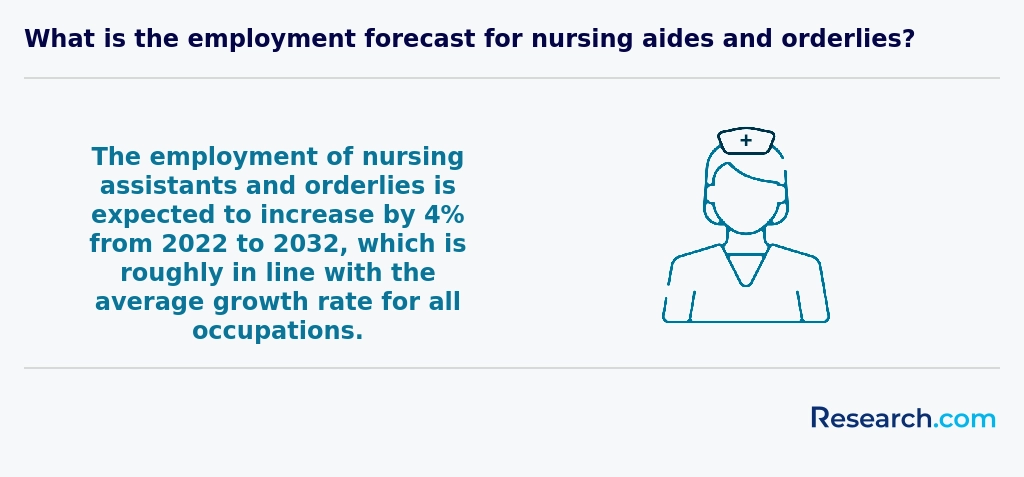
Understanding NCLEX-RN pass rates is critical when evaluating the quality of nursing education in Pullman, WA. The NCLEX-RN is the national licensing exam for registered nurses, and first-time pass rates serve as a direct indicator of a program’s academic rigor and exam preparation effectiveness. In 2023, Washington State University reported an 89% first-time pass rate, Walla Walla University achieved 92%, and the University of Idaho posted 87%, all surpassing the national average of 81%. Prospective students should look for programs maintaining pass rates above 85%, as this metric aligns with strong accreditation status and enhances employability. Programs with dedicated NCLEX review courses, simulated exam labs, and faculty-led study groups tend to yield the highest success rates. Additionally, graduates aiming for advanced practice roles-such as holistic nursing-can explore specialized licensure pathways; learn more about how to become a holistic np and integrate holistic care principles into your career advancement.
Nursing students at institutions like Washington State University in Pullman often rely on federal student aid through FAFSA, which opens doors to grants, loans, and work-study programs. Many graduates recall how Pell Grants, which provide up to $7,395 annually, significantly eased their financial pressures-particularly useful given the extra costs for clinical equipment and exams required by these rigorous programs.
State aid also plays a crucial role. The Washington College Bound Scholarship helps eligible low- and middle-income students attending public colleges in Pullman by covering tuition and fees. Graduates often describe this support as a vital resource that allowed them to focus fully on their studies without financial distraction.
Local scholarships from the Washington State Nurses Foundation and employer tuition reimbursement programs within Pullman's healthcare facilities further alleviate education expenses. Many nursing students appreciate how these partnerships guarantee both financial help and valuable clinical experience, fostering a sense of security about their career path.
- Federal Pell Grants available up to $7,395 per year
- Washington College Bound Scholarship covering tuition/fees at public institutions
- Local scholarship opportunities from Washington State Nurses Foundation
- Employer tuition reimbursement programs within Pullman healthcare facilities
- Private nursing scholarships from professional organizations
Choosing a nursing program with proper accreditation is essential for ensuring educational quality and eligibility for licensure. In Pullman, WA, top nursing programs are accredited by either the Commission on Collegiate Nursing Education (CCNE) or the Accreditation Commission for Education in Nursing (ACEN), both recognized by the U.S. Department of Education. Accreditation confirms that a program meets rigorous standards in curriculum, faculty credentials, and clinical practice opportunities. Upon graduation, students must pass the National Council Licensure Examination for Registered Nurses (NCLEX-RN) and apply for licensure through the Washington State Nursing Care Quality Assurance Commission. Key steps include: 1. Verify Program Accreditation • Confirm CCNE or ACEN status on the program’s website. • Request an official accreditation letter if planning to pursue advanced practice roles or out-of-state licensure. 2. Complete Background Check and Fingerprinting • Washington requires a criminal background check. • Schedule fingerprinting early to avoid licensure delays. 3. Register for the NCLEX-RN • Apply through the Washington State Online Licensing Portal. • Receive Authorization to Test (ATT) and schedule your exam with Pearson VUE. 4. Submit Application and Fees • Pay the licensure fee and submit transcripts directly from your institution. • Monitor application status online and respond promptly to any additional requests. For nurses aiming to advance into doctoral roles, it’s also important to compare program costs and accreditation when exploring options such as the Most Affordable Online Doctorate in Nursing Degree Programs Ranking in Pennsylvania. Ensuring your program’s accreditation and understanding state licensure requirements will streamline your transition from student to practicing nurse, reinforcing your career trajectory in a rapidly evolving healthcare landscape.
To enroll in a nursing degree program in Pullman, students must first hold a high school diploma or equivalent, with a strong foundation in science and math courses such as biology, chemistry, and algebra. At institutions like Washington State University, aspiring nurses often share how completing prerequisite coursework-microbiology, general chemistry, and human anatomy with labs-provided a solid grounding for the challenging nursing curriculum ahead. These prerequisites, paired with a minimum GPA typically between 2.5 and 3.0, ensure readiness for rigorous academic demands.
Standardized tests like the SAT or ACT are commonly required by four-year programs, echoing experiences from recent graduates who appreciated how these assessments motivated early academic focus. Additionally, applicants should prepare for health requirements, including immunization records and background checks, which are vital to secure clinical placements in local healthcare facilities.
Many students recall that personal statements, letters of recommendation, and sometimes the TEAS exam allowed admissions committees to gauge their passion and communication skills, essential qualities in nursing. Financial planning is also crucial, as local tuition aligns with national averages ranging broadly from $40,000 to over $100,000.
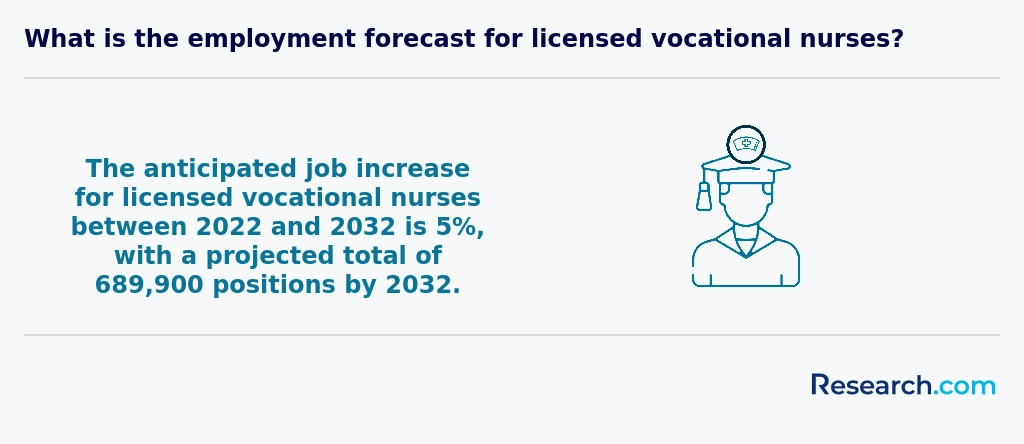
Accreditation ensures that nursing programs in Pullman, WA meet rigorous standards set by national and state bodies, directly impacting graduates’ eligibility for licensure and employment. The Commission on Collegiate Nursing Education (CCNE) and the Accreditation Commission for Education in Nursing (ACEN) are two primary accrediting agencies recognized by the U.S. Department of Education. Programs accredited by these organizations guarantee that curricula, faculty qualifications, and clinical experiences align with best practices in nursing education. Prospective students should verify each school’s accreditation status to ensure seamless licensure application and acceptance by employers. NCLEX® pass rates are another critical metric when evaluating nursing degree programs in Pullman. High first-time pass rates indicate effective curriculum design and robust exam preparation. For example, Washington State University’s BSN program boasts a 95% first-time NCLEX-RN pass rate, reflecting its strong emphasis on clinical simulations, faculty-led review sessions, and personalized tutoring. When comparing programs, look for detailed NCLEX outcomes published on school websites or state board reports to gauge the likelihood of exam success. Programs with specialized tracks-such as accelerated BSN pathways-often maintain separate accreditation or approval for those curricula. These accelerated programs condense core nursing content into an intensive format, yet still adhere to CCNE or ACEN standards. For prospective students seeking a faster route to RN licensure, exploring absn programs online can provide additional options that maintain high accreditation and NCLEX performance. State Board of Nursing approval is equally important. Each nursing program operating in Pullman must receive authorization from the Washington State Nursing Care Quality Assurance Commission. This approval confirms that the curriculum aligns with state licensure requirements and that clinical partnerships meet local healthcare standards. Graduates from approved programs are automatically eligible to sit for the NCLEX, avoiding delays or additional applications. Finally, accreditation and NCLEX success often correlate with stronger job placement rates and employer confidence. Hospitals and clinics in Pullman, such as Pullman Regional Hospital, frequently prioritize hiring nurses from accredited, high-pass-rate programs to ensure patient safety and quality care. By focusing on accreditation status and NCLEX outcomes, you can select a nursing degree program that not only provides a reputable education but also maximizes your chances for licensure and competitive employment.
Nursing degree programs in Pullman typically include foundational courses such as anatomy and physiology, microbiology, and chemistry. These subjects equip students with a thorough understanding of the human body, which graduates often recall as essential for clinical confidence during their internships at local healthcare facilities.
Students from popular nursing schools in Pullman also engage in classes in nutrition, psychology, and health assessment, blending biological knowledge with behavioral insights. This holistic approach helps future nurses relate effectively to patients' physical and emotional needs, a skill many alumni describe as invaluable in their early clinical rotations.
Core nursing courses specifically focus on areas such as pathophysiology, pharmacology, and specialized patient care including adult, pediatric, maternal, and newborn nursing. Mental health nursing and community health are also key components, preparing students to support diverse populations in various care settings.
Graduates often emphasize how these courses, combined with hands-on clinical practicums offered by Pullman's institutions, foster both critical thinking and compassionate care essential for any nursing career.
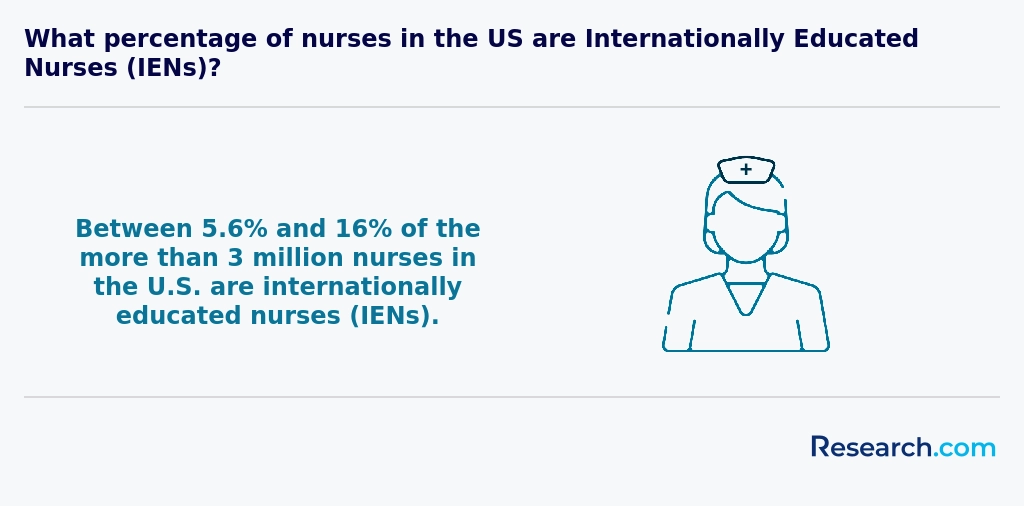
Nursing degree specializations in Pullman offer diverse pathways tailored to the evolving healthcare sector. Students enrolling at Washington State University, a leading institution in Pullman, frequently pursue tracks such as Registered Nurse (RN), which builds a solid foundation for advanced roles. Graduates often express satisfaction with the hands-on clinical experiences that their program provides, highlighting its alignment with real-world demands. Other popular focuses include Family Nurse Practitioner (FNP), which equips nurses to manage primary care across all ages, reflecting regional and national healthcare trends.
Pullman nursing programs with specialization options also include Psychiatric-Mental Health Nursing, addressing the growing awareness of mental health needs, and Geriatric Nursing, critical due to Washington's aging population. Pediatric Nursing is another key area, where students develop expertise in caring for children in both hospital and outpatient settings. Many students appreciate how these specializations translate into meaningful work, often sharing stories of clinical rotations in Pullman's affiliated hospitals. Those considering advanced training recognize the importance of accreditation importance for online degrees as they plan their careers.
Choosing the best nursing degree in Pullman requires assessing program types offered at local institutions, such as Associate Degree in Nursing (ADN) or Bachelor of Science in Nursing (BSN). Graduates from popular colleges often emphasize the value of selecting a program that balances rigorous academics with flexible schedules to accommodate part-time or full-time students. Accreditation from bodies like the CCNE or ACEN is essential, ensuring the curriculum meets national standards and maximizes success on licensing exams. Local students appreciate programs with strong clinical partnerships in Pullman, allowing hands-on experience in nearby hospitals, which enhances confidence and practical skills.
Cost efficiency is a key concern, especially when searching for affordable nursing schools near Pullman. Students routinely highlight the importance of comparing tuition fees alongside available scholarships or grants, plus budgeting for related expenses. Successful graduates often mention high NCLEX-RN pass rates and solid faculty support as indicators of a quality education. Those considering alternative pathways may explore an lpn degree Delaware for foundational training before pursuing advanced nursing degrees.

Graduates with a nursing degree in Pullman have access to diverse career paths that align with both local healthcare demands and broader professional ambitions. Entry-level roles as Registered Nurses (RNs) are prevalent, where graduates deliver hands-on patient care in hospitals and clinics affiliated with Washington State University and other community institutions. Many students find fulfillment in specialized fields such as pediatric nursing, geriatric care, or mental health nursing, responding to the specific needs of Pullman's population.
For those completing a Bachelor of Science in Nursing (BSN) from universities in Pullman, opportunities expand into leadership, clinical specialization, and education. Nursing graduates relish roles as nurse managers or clinical nurse specialists, often inspired by faculty mentoring at local colleges. Additionally, some pursue a nutrition nursing career opportunities, enhancing patient outcomes through interdisciplinary approaches.
Advanced degrees open further pathways in advanced practice nursing and research, with graduates contributing to rural healthcare improvements around Pullman and earning recognition for their expertise in academic settings. Such career diversity illustrates the vibrant nursing career opportunities in Pullman available to motivated professionals.

The nursing job outlook in Pullman remains robust, driven by consistent demand from local healthcare facilities such as Whitman Hospital and Medical Center. Graduates from nursing programs at well-regarded institutions in Pullman often find employment as registered nurses or licensed practical nurses shortly after completing their degrees. Many express satisfaction with the community-centered environment and the rewarding nature of nursing roles that directly impact patient care in a growing, aging population.
Healthcare employment opportunities Pullman WA are further strengthened by the proximity to Washington State University, which supports healthcare training initiatives and research programs. These connections help students gain practical experience and build professional networks, enhancing job readiness and placement. The region offers competitive salaries aligning with Washington state averages, making the investment in nursing education in Pullman a wise financial decision as graduates can manage tuition costs effectively.
Many prospective nurses also explore online LPN programs available in the state, complementing traditional education paths and expanding career options within the local healthcare sector.
2027 Most Valuable Nursing Degree Programs Ranking in Pullman
Investing in your education is a significant decision that can shape your future, and the Research.com team understands the importance of making informed choices. To assist prospective students in Pullman, we have meticulously crafted the "2027 Most Valuable Nursing Degree Programs Ranking in Pullman." Our commitment to quality, credibility, and accuracy is reflected in the extensive research and analysis conducted to compile this ranking.
We utilized the following reputable data sources to ensure a comprehensive evaluation of nursing programs:
By exploring this ranking, readers will gain valuable insights into the most valuable nursing degree programs available in Pullman, empowering them to make well-informed decisions about their education and future career. For more details on our methodology, please visit our Research.com methodology page.

Frequently Asked Questions About nursing
Nursing degree students in Pullman can maximize their learning experience by engaging deeply with both theoretical and clinical components of their education. Washington State University, the primary institution in Pullman offering nursing programs, integrates hands-on clinical rotations that are essential for real-world skill development. According to the Bureau of Labor Statistics, clinical experience improves employment prospects by 15% in nursing fields.
Students should also take advantage of local healthcare facilities for internships and volunteering. Joining professional nursing organizations and study groups can enhance networking and knowledge exchange. Additionally, making use of campus resources such as tutoring and simulation labs supports active learning and skill mastery.
The nursing field is evolving rapidly, with several emerging niches gaining importance, particularly in regions like Pullman. One notable area is geriatric nursing, driven by the aging population in Washington State, where those aged 65 and older make up about 17% of residents. This growth increases demand for specialized care in elder health management.
Another expanding niche is telehealth nursing, which surged during the COVID-19 pandemic and remains vital as remote patient monitoring grows. Nurses skilled in technology and virtual care coordination are increasingly sought after.
Additionally, mental health nursing is becoming a significant focus, reflecting broader national concerns around mental wellness and access to care. These specialized roles offer promising opportunities for nursing graduates in Pullman.
Preparing for the job market after completing a nursing degree in Pullman involves several key steps. First, obtaining licensure is essential; graduates must pass the NCLEX-RN exam administered by the Washington State Nursing Commission. According to the Bureau of Labor Statistics, registered nurses in Washington State have a median annual wage of about $95,000 as of 2023, reflecting strong local demand.
Networking within Pullman's health systems, such as Pullman Regional Hospital, can improve job prospects. Internships and clinical rotations during your degree offer valuable real-world experience, often leading to direct employment. Additionally, maintaining certifications like BLS and ACLS increases employability in specialized nursing roles.
Employers hiring nursing degree graduates in Pullman prioritize a blend of clinical skills and personal qualities. Strong communication abilities are essential, enabling nurses to interact effectively with patients, families, and healthcare teams. Critical thinking and problem-solving skills are highly valued, as nurses must make quick, accurate decisions in fast-paced environments.
Proficiency in electronic health records (EHR) systems ranks among top technical skills required. According to the Washington State Nursing Workforce Center, 85% of healthcare facilities in Pullman expect new nurses to be adept at EHR documentation.
Compassion and adaptability also stand out, helping graduates provide patient-centered care while responding to diverse needs. These skills contribute significantly to successful employment outcomes in Pullman's competitive nursing job market.
Finding nursing internships in Pullman involves leveraging local healthcare and educational resources. Start by exploring opportunities at Pullman Regional Hospital, which often partners with regional nursing programs to provide clinical placements. These internships give hands-on experience crucial for nursing licensure.
Washington State University, located in Pullman, has a nursing school that facilitates internships for its students through partnerships with local clinics and long-term care facilities. Students should contact their academic advisors or the university's career services to learn about current internship openings.
Additionally, using the Washington State Department of Health's website can help identify approved clinical sites and nursing preceptor programs available in the Pullman area. Early application and direct communication with potential internship sites improve chances of placement.
Obtaining a nursing degree in Pullman significantly enhances career mobility and advancement opportunities within local healthcare systems. Registered nurses (RNs) with a degree, especially a Bachelor of Science in Nursing (BSN), are in higher demand by employers such as Pullman Regional Hospital and other clinics. According to the Washington State Employment Security Department, nurses holding a BSN earn approximately 15% more on average compared to those with an associate degree.
A nursing degree also qualifies graduates for leadership roles, specialty certifications, and advanced practice positions. The education equips nurses with critical skills needed for patient care management and evidence-based practice, valued in Pullman's healthcare market. Additionally, nurses can pursue graduate programs, facilitating transitions to nurse practitioner or educator roles.
Studying for a nursing degree in Pullman equips students with skills essential for interdisciplinary healthcare roles. Local programs emphasize collaboration among nurses, physicians, social workers, and other health professionals to improve patient outcomes. Curriculum often integrates courses on communication, leadership, and healthcare policy, fostering teamwork in diverse settings.
A 2023 report from the Washington State Nursing Commission highlights that graduates from Pullman's nursing programs commonly participate in interdisciplinary clinical rotations. These experiences prepare students to navigate complex care environments effectively.
Additionally, partnerships with nearby hospitals and clinics provide practical exposure to multidisciplinary healthcare teams, enhancing students' readiness for collaborative practice after graduation.
When choosing between a thesis and a non-thesis nursing degree program in Pullman, consider your career goals and learning preferences. Thesis programs emphasize research, preparing students for roles in academia or advanced clinical practice where evidence-based decision making is essential. Non-thesis programs focus more on practical skills and clinical experience, which suit students aiming to enter the workforce quickly.
The Washington State Board of Nursing highlights that students completing thesis programs may have an advantage when applying for research-oriented positions. According to recent data from the Pullman nursing education community, about 40% of graduate nursing students opt for thesis tracks, reflecting a steady interest in research.
Evaluating faculty expertise and available resources at local schools can also influence your choice, as Pullman offers access to strong research networks through collaborations with regional health institutions. Cost and program length often differ, with thesis programs sometimes requiring more time to complete.
Students based in Pullman who wish to study nursing abroad have several pathways through partnerships and exchange programs facilitated by local institutions. Washington State University (WSU), located in Pullman, offers study abroad opportunities in healthcare disciplines, including nursing, via affiliations with universities in countries like Australia and Ireland.
These programs typically allow students to complete clinical hours and coursework overseas, enhancing cultural competence and practical skills. According to WSU's Global Campus, about 3% of nursing students participate annually in such international exchanges.
It is important to note that students should ensure their foreign coursework meets U.S. nursing accreditation standards if they plan to return and seek licensure in the States.
Advising offices in Pullman can provide detailed guidance on available scholarships, credit transfer, and program requirements for studying nursing abroad.
Students pursuing nursing degrees in Pullman can benefit from several part-time job opportunities that complement their education by providing practical experience. Local healthcare facilities such as Pullman Regional Hospital offer roles like certified nursing assistant (CNA) or patient care technician, which allow students to develop hands-on patient care skills. According to the Washington State Department of Health, CNAs in the region earn an average hourly wage of $17, providing both income and relevant experience.
Additionally, positions in home health aide services or medical offices provide exposure to administrative and clinical tasks, enhancing understanding of healthcare operations. These roles help reinforce classroom learning and improve time management.
Volunteer opportunities at community health centers are also valuable for networking and skill development without heavy time commitments. These experiences are essential for strengthening resumes and increasing competitiveness for nursing programs and future employment.
Nursing students in Pullman have multiple networking opportunities that enhance their professional growth. Washington State University (WSU), the primary institution offering nursing degrees here, supports student involvement in organizations such as the Student Nurses Association. These groups host events with healthcare professionals, fostering connections that often lead to internships or job placements.
The Whitman County Public Health Department and local hospitals frequently partner with nursing programs to offer clinical experiences, enabling students to meet practicing nurses and administrators. According to WSU's College of Nursing, over 80% of their nursing students secure jobs within six months after graduation, facilitated by these professional networks.
Conferences and workshops held in the region also provide venues for students to engage with healthcare leaders and peers. These established connections are crucial in the competitive nursing job market of Washington State.
Alumni networks offer valuable support for nursing degree students in Pullman by providing access to professional connections and mentorship opportunities. Graduates often share insights about local healthcare employers, helping current students navigate job markets effectively.
These networks can connect students with clinical placement sites across Pullman, enhancing hands-on experience vital for licensure and employment. According to the National Student Nurses' Association, strong alumni communities increase job placement rates by up to 20% in some U.S. regions.
Moreover, alumni often facilitate workshops or guest lectures, keeping students informed about nursing trends and continuing education. This community support fosters a sense of belonging and professional growth, crucial for new nurses entering Pullman's healthcare sector.
Customizing a nursing degree program in Pullman to meet your career goals involves selecting specializations, clinical experiences, and degree levels that align with your interests. Many nursing programs in the area, such as those affiliated with Washington State University, offer options from Bachelor of Science in Nursing (BSN) to advanced degrees like the Master of Nursing (MN). Choosing electives in areas like gerontology, pediatrics, or community health can tailor your education toward specific fields.
Additionally, engaging in local clinical placements at Pullman regional hospitals helps build practical skills suited to your career path. According to the Washington Center for Nursing, over 50% of graduates remain employed in the region, emphasizing the importance of local networking during study.
Nursing students in Pullman face several typical challenges, including balancing rigorous coursework and clinical rotations. Many programs require more than 1,000 clinical hours, demanding significant time and energy. According to the Washington Center for Nursing, local nursing students report stress from managing these intense schedules alongside part-time work or family obligations.
Another common issue is the competitive nature of clinical placement availability in Pullman-area hospitals. Students often struggle to secure placements that align with their career goals, which can delay graduation. Additionally, the rising cost of nursing education and limited local financial aid options add financial pressure on students.
These factors contribute to higher stress levels and require strong time management skills for success in Pullman's nursing programs.
A nursing degree from a program in Pullman allows graduates to pursue a variety of professional certifications that enhance career opportunities. The most common credential is the Registered Nurse (RN) license, obtained by passing the NCLEX-RN exam, which is essential for clinical practice across the U.S.
Beyond RN licensure, nurses can specialize by earning certifications such as Certified Nurse Practitioner (CNP), Certified Nurse Educator (CNE), or Certified Clinical Nurse Specialist (CNS). These credentials require additional education and experience but increase earning potential and job prospects.
Locally, Washington state supports certifications through the Washington State Nursing Care Quality Assurance Commission, which aligns with national standards. According to the Bureau of Labor Statistics, about 16% of nurses in Washington hold advanced certifications, reflecting a regional trend toward specialization.
Writing a winning application for a nursing program in Pullman begins with a strong academic record. Most local programs, like Washington State University's College of Nursing, expect applicants to have a competitive GPA, often above 3.0, particularly in prerequisite courses such as biology and chemistry. Additionally, relevant healthcare experience, including volunteering or working in clinical settings, significantly strengthens your application.
Applicants should also prepare a clear, well-written personal statement. This should highlight motivation for nursing, understanding of the profession, and any relevant experiences. Use concrete examples to demonstrate commitment and empathy, qualities essential in nursing.
Strong letters of recommendation from healthcare professionals or instructors can enhance credibility. Lastly, meet all application deadlines and requirements meticulously to avoid disqualification. The Washington State Board of Nursing offers helpful resources that applicants in Pullman can use to understand licensure requirements and program standards.
The nursing profession enjoys strong global demand, influenced by aging populations and increased focus on healthcare quality. In the United States, including Pullman, Washington, nursing is seen as a versatile career that offers opportunities both locally and abroad. According to the U.S. Bureau of Labor Statistics, registered nursing jobs are projected to grow 9% from 2020 to 2030, faster than average for all occupations.
Globally, many countries recognize U.S. nursing degrees, facilitating international career mobility. Nurses trained in the U.S. often bring valuable skills in patient care, technology, and evidence-based practice. In Pullman, Washington State University's nursing programs align with these global standards, preparing students to meet diverse healthcare needs anywhere.
Understanding global perspectives helps prospective nursing students in Pullman appreciate the broad relevance and adaptability of their education in the worldwide healthcare landscape.
Gaining practical experience while studying for a nursing degree in Pullman is essential for career readiness. Local institutions like Washington State University offer clinical placements in nearby hospitals and care facilities. These supervised settings allow students to apply theoretical knowledge in real-world environments. Internships and externships are commonly integrated into nursing curricula, promoting hands-on skills development.
Students may also participate in community health programs or simulation labs, which provide valuable practice opportunities. According to the Washington Center for Nursing, over 70% of nursing students in the state complete clinical hours before graduation, enhancing employability.
Choosing the right concentration within a nursing degree program in Pullman requires evaluating your career goals and interests. Common concentrations include family nurse practitioner, pediatric nursing, and geriatric care. Each specialization offers different patient care focuses and job prospects.
The Washington State Department of Health reports a growing demand for nurse practitioners and specialized nurses in rural areas, including Pullman. Exploring local healthcare providers' needs can guide your decision toward an in-demand concentration.
Additionally, consider the curriculum and clinical opportunities each program offers. Some Pullman institutions provide partnerships with nearby hospitals and clinics, enriching practical experience in specific specialties.
Research also shows nursing students benefit from speaking with current professionals and academic advisors to ensure the concentration aligns with market trends and personal strengths.
- 2027 Most Valuable Nursing Degree Programs Ranking in Portland
- 2027 Most Valuable Nursing Degree Programs Ranking in San Francisco
- 2027 Most Valuable Nursing Degree Programs Ranking in Las Vegas
- 2027 Most Valuable Nursing Degree Programs Ranking in Denver
- 2027 Most Valuable Nursing Degree Programs Ranking in Colorado Springs
- 2027 Most Valuable Nursing Degree Programs Ranking in Los Angeles
- 2027 Most Valuable Nursing Degree Programs Ranking in Phoenix
- 2027 Most Valuable Nursing Degree Programs Ranking in Tempe
- 2027 Most Valuable Nursing Degree Programs Ranking in San Diego
- 2027 Most Valuable Nursing Degree Programs Ranking in Sioux City
See What Experts Have To Say About Studying Nursing
Read our interview with Nursing experts


- Exploring Diverse Nursing Career Horizons - N2S Healthcare Blog https://n2shealthcare.com/blog/exploring-diverse-nursing-career-horizons-n2s-healthcare-blog
- Nursing - SUM Admission https://admission.sum.edu.pl/nursing/
- How Do Nurses Navigate Career Advancement? | NursingEducation https://nursingeducation.org/insights/career-advancement/
- Nursing BSN https://www.stmartin.edu/academics/all-programs/nursing-bsn
- 10 Nursing Fields That Are Growing in Demand https://promedcert.com/blog/10-nursing-fields-that-are-growing-in-demand
- Work-life balance | Careers Crossroads | RCN Careers Resources | Royal College of Nursing https://www.rcn.org.uk/Professional-Development/Your-career/Nurse/Career-Crossroads/Career-Ideas-and-Inspiration/work-life-balance
- Guide to Making a Career Change to Nursing https://teach.com/online-ed/healthcare-degrees/online-msn-programs/career-change-to-nursing/
- Working While in Nursing School: 25 Ways to Make Money as a Nursing Student https://credenzahealth.com/career-advice/working-while-in-nursing-school-25-ways-to-make-money-as-a-nursing-student
- How Much Can I Earn With a BSN? https://www.allnursingschools.com/bsn/salary/
- Nursing Job Market Trends: The Demand for BSN and ELM Nurses in 2025 https://www.westcliff.edu/resources/wu-news/college-of-nursing/nursing-job-market-trends-bsn-elm-2025/