2027 Best Nursing Degree Programs Ranking in North Carolina

Co-Founder and Chief Data Scientist
Choosing the right nursing degree program in North Carolina can shape your future in meaningful ways. Our article introduces the 2027 Best Nursing Degree Programs Ranking in North Carolina, carefully developed by the Research.com team of data scientists to guide you through your options.
By exploring this ranking, you'll gain valuable insights to help make an informed decision about your education and career path. Pursuing a nursing degree opens doors to rewarding opportunities and personal growth in a caring profession.
Take the first step toward a bright and impactful future in nursing today.
Key benefits of getting nursing degree in North Carolina
- Salary for nursing degree graduates: Graduates can expect strong earning potential with average annual wages around $94,480 for roles like Registered Nurse and Public Health Nurse, while specialized positions such as Operating Room Nurse offer even higher pay, averaging $128,490 per year.
- Career paths: Nursing graduates from universities in North Carolina commonly pursue diverse roles including Emergency Room Nurse, Clinical Nurse Educator, or Public Health Nurse, providing many fulfilling job options in healthcare settings.
- Online degree benefits: Earning a nursing degree online from a recognized North Carolina college offers flexible scheduling and the ability to balance work or family while gaining the skills needed to enter the rewarding nursing field.
- 2027 Best Nursing Degree Programs Ranking in North Carolina
- What can I expect from nursing degree in North Carolina?
- Where can I work with nursing degree in North Carolina?
What can I expect from nursing degree in North Carolina?
When it comes to the average cost of a nursing degree in North Carolina, students often find a range that fits different budgets depending on the school and program level. For example, ADN programs, which many students start with, typically cost around $5,000 to $15,000 at community colleges. Graduates from these programs often share how affordable and practical this route was, helping them launch their nursing careers quickly without racking up too much debt.
On the other hand, if you're aiming for a Bachelor of Science in Nursing (BSN) at universities like the University of North Carolina at Chapel Hill or East Carolina University, tuition generally falls between $20,000 to $40,000 for the full program. Many BSN grads mention feeling that the extra investment was worth it because of the advanced skills and better job prospects they gained.
For advanced degrees like the MSN or DNP, costs are higher, but so are the opportunities. These programs can run upwards of $30,000 to $60,000. Students often note that this jump opened doors to specialized roles and leadership positions that weren't possible before.
All in all, nursing students in North Carolina tend to balance cost with quality, and many are excited to find programs that prepare them well without overwhelming financial strain.
Where can I work with nursing degree in North Carolina?
If you're earning a nursing degree in North Carolina, you've got a lot of great options waiting for you. Many grads from popular schools like UNC Chapel Hill and Duke find themselves working in hospitals across the state, from big health systems like WakeMed to community hospitals. Imagine stepping into a busy oncology unit or an emergency room, using the skills you learned in those hands-on clinicals-it's real, fast-paced, and rewarding work.
Some grads enjoy working in outpatient clinics or physician offices, where they focus on preventing illness and managing ongoing health issues rather than acute care. Others head to long-term care facilities, especially in rural areas, helping older adults live healthier lives. With North Carolina's aging population, these roles are really in demand.
Many nursing graduates also get involved in public health or school nursing, supporting community wellness and vaccination efforts. Plus, if you're a fan of teaching or leadership, plenty of schools and hospitals in NC look for nurses to train future students or manage departments. Nursing here isn't just a job-it's a chance to make a positive impact every day.
If you're thinking about earning a nursing degree in North Carolina, you'll be happy to know that a typical graduate can expect solid earnings right after finishing school. For example, graduates from popular programs at universities like UNC Chapel Hill or Duke often step into roles as Registered Nurses (RNs), where median annual salaries hover around $94,480 according to recent data. That's a nice paycheck for starting your career and gaining hands-on experience.
Many grads start as Emergency Room Nurses or Public Health Nurses, both averaging the same $94,480 per year, which means you get a stable income while working in rewarding, fast-paced settings. And if you're aiming higher, like becoming an Operating Room Nurse, you could be looking at salaries over $128,000 annually-something that really motivates those who want to specialize.
One graduate shared how their BSN from East Carolina University opened doors to a critical care unit with a strong salary right out of the gate, showing how education level and location within the state can boost your earnings. So whether you're aiming for a steady RN role or a specialized nurse job, North Carolina offers some promising paychecks to get excited about.
- Associate Degree in Nursing (ADN) programs at community colleges cost between $5,000 and $15,000 in total tuition and fees.
- Bachelor of Science in Nursing (BSN) programs at public universities range from $20,000 to $40,000 for in-state students.
- Private universities may charge over $50,000 for a BSN degree in North Carolina.
- Registered nursing employment in North Carolina is projected to grow by about 15% over the next decade.
- Starting salaries for newly licensed registered nurses average around $55,000 per year.
- Experienced registered nurses earn an average annual salary of about $72,000, with higher pay possible in cities like Raleigh and Charlotte.
If you're looking at nursing degrees in North Carolina, the time it takes really depends on the path you choose. Many students start with an Associate Degree in Nursing (ADN), which usually takes about two to three years at community colleges like Wake Technical or Central Piedmont. Graduates often share how rewarding it feels to jump into the workforce quickly with this route.
On the other hand, going for a Bachelor of Science in Nursing (BSN) at schools like UNC Chapel Hill or East Carolina University typically means committing to four years. Many grads say the extra time is totally worth it because you get more leadership and research skills, plus a deeper understanding of public health.
For those who already have a degree but want to switch to nursing, North Carolina also offers accelerated BSN programs that wrap up in just about 11 to 18 months. It's fast-paced but super exciting!
Some students decide to push further with a Master's in Nursing after their BSN, which usually adds about two more years. Overall, the programs are designed to prepare you for the NCLEX-RN, so you're ready to start your nursing career here in the state.
The cost of pursuing a nursing degree in North Carolina can vary significantly depending on the institution and type of degree. For those seeking affordable options, it's essential to consider the overall cost, including tuition, fees, and living expenses. Prospective students can explore the cheapest nursing schools in north carolina to find programs that fit their budget. Additionally, many institutions offer financial aid, scholarships, and grants to help make nursing education more accessible. By carefully evaluating the costs and financial aid options, aspiring nurses can make informed decisions about their educational path and career goals.
If you're thinking about a nursing degree in North Carolina, one big choice is between online and on-campus programs. On-campus nursing degrees, like those at UNC Chapel Hill or Duke, mean you're attending classes and clinicals in person. Many graduates talk about how great it is to have face-to-face time with professors and hands-on practice in real labs and hospitals nearby. You also get that buzz of campus life, hanging out with classmates and tapping into resources like simulation centers.
Online programs, which schools like East Carolina University offer, totally change the game for people juggling jobs or family. You do your lectures and assignments from home, but still have to complete clinical hours at approved local facilities. Graduates often say this flexibility made finishing their degree way easier, though arranging clinical spots on your own can take some extra planning.
Both paths demand clinical experience and the NCLEX-RN exam to get licensed, but it really comes down to whether you want that in-person vibe or the freedom to learn at your own pace.
Accreditation and state licensure are critical benchmarks when selecting a nursing program in North Carolina. First, ensure your chosen school holds national accreditation from the Commission on Collegiate Nursing Education (CCNE) or the Accreditation Commission for Education in Nursing (ACEN); these endorsements guarantee that curricula meet rigorous educational standards and are recognized by employers. Equally important is approval by the North Carolina Board of Nursing (NCBON), which authorizes programs to prepare students for the NCLEX-RN licensure exam. Before graduation, most accredited programs will guide you through the NCLEX-RN application process: submitting fingerprints, completing a criminal background check, and scheduling the exam at an approved testing center. Passing the NCLEX-RN is mandatory to obtain your Registered Nurse license in North Carolina and begin practice. Additionally, if you plan to transfer credits or pursue advanced standing-such as moving from an ADN to a BSN-confirm that your credits will be accepted by both your institution and the NCBON. Prospective students can explore streamlined credit pathways through out-of-state partnerships like our guide to the easiest programs for an [rn to bsn online texas](https://research.com/degrees/easiest-rn-to-bsn-online-programs) transition. Maintaining licensure also requires meeting continuing education requirements set by the NCBON, which typically involves completing a specified number of contact hours every renewal period. By choosing a program that aligns with these accreditation and licensure criteria, you’ll be well-positioned for seamless entry into North Carolina’s dynamic nursing workforce and assurance that your degree holds value across state lines.
When it comes to the average nursing degree cost in North Carolina, you're looking at around $19,000 for in-state students, while out-of-state totals hover closer to $39,000. These figures cover the full nursing program, whether you're aiming for an ADN, BSN, or even advanced degrees. Graduates from popular schools like those in the University of North Carolina system often share how these costs felt manageable, especially compared to private schools, thanks to in-state tuition benefits and various financial aid options.
Many nursing students choose community colleges first because ADN programs usually cost between $4,000 and $7,000 for in-state students, which is a great way to start a nursing career without breaking the bank. Then, transferring to a university for a BSN can add some costs but still remains reasonable within the state. However, private colleges charge quite a bit more, sometimes between $25,000 and $40,000 annually, so it's good to weigh your options carefully.
Aside from tuition, don't forget about extra expenses like books, uniforms, and clinical supplies, which can add up to $1,000-$3,000 every year. Many students find these costs worth it because of the rewarding nursing careers they build. If you want to check out some of the cheapest nursing schools in north carolina, there are plenty of options that help keep costs in check.
Getting familiar with the average nursing degree cost North Carolina-wise helps you plan better-and many students say the investment truly pays off as soon as they start working in the healthcare field.
Understanding the cost of nursing programs in NC can really ease the stress and help you focus on what matters: becoming a confident and caring nurse.
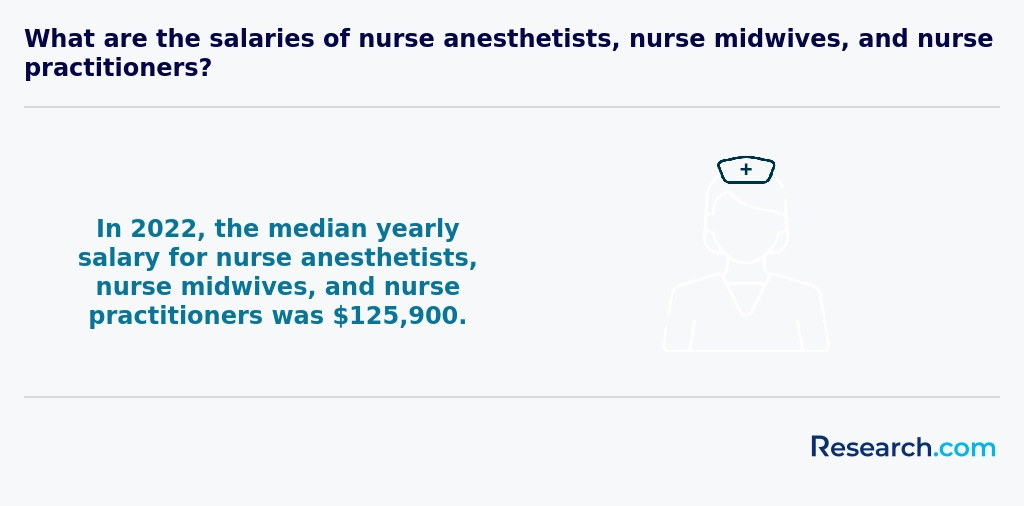
When it comes to paying for your nursing degree in North Carolina, there are plenty of options to make things easier. A lot of nursing students at places like UNC Chapel Hill or NC State find great help through the North Carolina Nursing Scholarship Program, which is awesome because it not only eases the financial burden but also usually requires you to work in a local healthcare facility after you graduate. It feels good knowing you're giving back to your community while building your career.
Many grads also talk about the federal aid they snagged-think Pell Grants and Federal Supplemental Educational Opportunity Grants-which don't have to be paid back. If loans are needed, the Federal Direct Student Loan program offers reasonable interest rates, and some lucky students qualify for special health profession or nursing loans that can make a big difference.
On top of that, scholarships from groups like the North Carolina Nurses Association or national nursing organizations help a lot, especially for continuing education. And if you're juggling school and expenses, work-study opportunities at schools like Duke University can let you earn cash while gaining real hands-on experience.
Many BSN graduates in North Carolina pursue a Doctor of Nursing Practice (DNP) to assume advanced clinical and leadership roles. These programs blend evidence-based practice with healthcare policy, preparing nurses for top-tier positions.
- Key benefits of a DNP:
- Authority to implement complex care models
- Eligibility for executive and academic leadership
- Higher earning potential and competitive advantage
- Common prerequisites:
- Active RN license in North Carolina
- Bachelor of Science in Nursing (BSN) from an accredited program
- Minimum 3.0 GPA and clinical practicum hours
Typical timelines span 3–4 years full-time, with part-time and online options gaining popularity. For flexible budgeting, explore most affordable bsn to dnp programs online.
If you're thinking about starting a nursing degree in North Carolina, you'll need to have a high school diploma or a GED first. It's pretty much the key to opening the door. Many students who have gone through programs at schools like the University of North Carolina or Asheville-Buncombe Technical Community College say that having these basics covered made their start way smoother.
After that, you'll usually need to knock out some college-level courses before you can dive into the nursing classes themselves. Think biology with a lab, anatomy and physiology, chemistry, microbiology, and some English and psychology. It sounds like a lot, but graduates often remember these classes as the foundation that made their clinical days less stressful and more meaningful.
Some schools also ask you to take a test like the TEAS to check your readiness. Plus, a few letters of recommendation, maybe a personal statement, or even an interview can be part of the process. One graduate from a popular North Carolina nursing program mentioned that the interview helped them highlight their personal passion for nursing, which made a big impact.
Also, get ready to show proof of vaccinations and clinical experience before moving forward-it's all about keeping patients safe and you healthy while you learn.
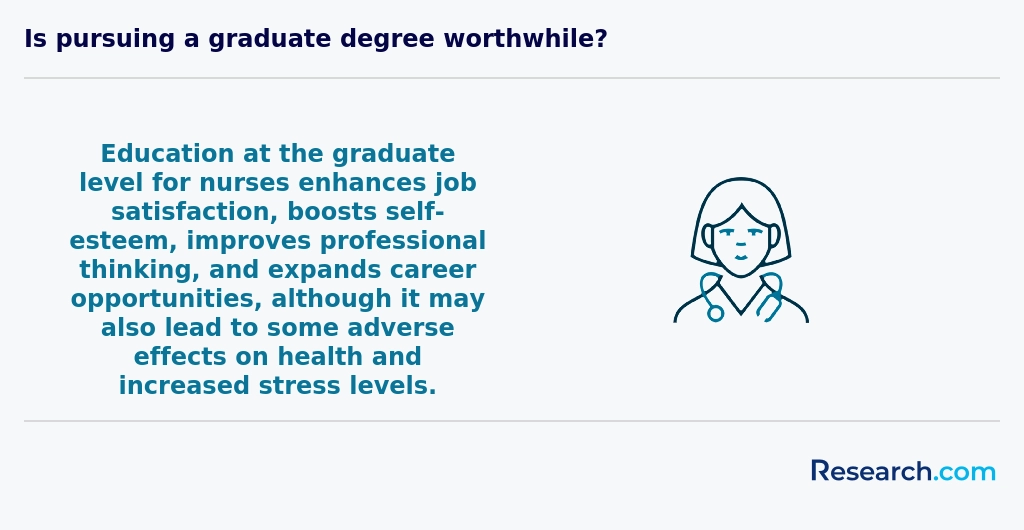
After graduating from an accredited nursing program, the next critical step is obtaining your Registered Nurse (RN) license through the North Carolina Board of Nursing (NCBON). Here’s what to expect: 1. Meet Educational and Exam Requirements - Complete all program competencies and clinical hours. - Register for the NCLEX-RN exam via Pearson VUE. You’ll need your nursing school to submit an official transcript and verification of program completion. - Pay the NCLEX fee (approximately $200) and schedule your test within 90 days of eligibility confirmation. 2. Submit Your Application to NCBON - Create an eLicenseNC account and complete the online application. - Upload required documents: official transcript, criminal background check, and proof of English proficiency if applicable. - Expect a processing time of 4–6 weeks; plan ahead to avoid gaps between graduation and licensure. 3. Prepare for the NCLEX-RN - Utilize resources like Kaplan, UWorld, or Hurst Review. Many schools offer on-campus NCLEX prep workshops and simulation labs. - Form study groups and complete at least 2,000 practice questions to build test endurance. - I often recommend graduates explore accelerated paths-such as [direct entry msn programs for non nursing majors](https://research.com/degrees/shortest-online-direct-entry-msn-programs-for-non-nurses)-if they wish to combine licensure preparation with graduate-level coursework. 4. Receive Your License and Begin Practice - Once you pass the NCLEX, NCBON issues your license electronically. - Ensure your first employer verifies your licensure in eLicenseNC before starting clinical work. - Remember to renew annually by completing 30 continuing education contact hours and paying a renewal fee. 5. Advanced Certifications (Optional) - After gaining 1–2 years of experience, consider specialty certifications (e.g., Medical‐Surgical RN, Certified Pediatric Nurse). - For those pursuing an MSN, direct-entry or bridge programs often include certification preparation, streamlining your path to advanced practice roles. Navigating the licensure process can feel complex, but careful planning and early application submission ensure a smooth transition from student to practicing nurse in North Carolina.
If you're diving into a nursing degree in North Carolina, you'll find courses that are both challenging and super rewarding. Nursing students at well-known places like UNC Chapel Hill or NC State rave about how foundational classes like anatomy, physiology, and microbiology really help make sense of what's going on inside the human body. It's like unlocking the secrets behind how everything works, which makes the clinical side way easier and more exciting.
On top of that, nursing-specific courses cover practical stuff such as health assessment, pharmacology, and even mental health nursing. Imagine walking into a hospital feeling confident because you just finished a course on medication administration and can handle real patient situations smoothly. Graduates often say these classes, combined with leadership and ethics training, prepared them to make quick, smart decisions.
- Health assessment and clinical judgment
- Pharmacology and medication administration
- Pathophysiology and disease management
- Mental health nursing
- Pediatric and maternal health nursing
- Community and public health nursing
- Leadership, ethics, and nursing policy
What truly makes the program in North Carolina special is the hands-on clinical practicum. Many students from community colleges or big universities say these real-world experiences-whether in busy hospitals or neighborhood clinics-turned textbook knowledge into confidence and real skills. It's no wonder so many feel ready to hit the floor running right after graduation!
If you're diving into a nursing degree in North Carolina, you'll find plenty of specializations to match what really sparks your interest. A bunch of graduates from popular schools like UNC Chapel Hill or Duke have raved about focusing on Adult-Gerontology nursing, which is perfect for caring for older adults-a hot field since North Carolina's senior population is booming. Others really connect with Pediatric Nursing, helping kids in areas that sometimes lack nearby specialists, especially in rural spots. Emergency Nursing also gets a lot of love for those who thrive in fast-paced, high-stakes hospital environments.
When you look at nursing degree specializations North Carolina offers, there's more than just those. Think Psychiatric-Mental Health Nursing or Family Nurse Practitioner tracks-graduates say these open doors to really meaningful primary care roles. Some even choose Oncology or Obstetrics specialties to support more focused patient needs. For more info on affordable paths, check out Inexpensive Online Nursing Degree Programs Ranking in North Carolina.
Picking the right nursing degree in North Carolina really comes down to what fits your goals and lifestyle. Lots of grads from UNC Chapel Hill and Duke swear by their BSN programs because they not only boost your chances of landing leadership roles but also pay better-about 10-15% more than ADN grads. It's smart to check out the top accredited nursing schools North Carolina has to offer since accreditation from places like CCNE or ACEN means you're getting quality education that prepares you well for the NCLEX-RN exam. Many students feel confident knowing these schools usually have pass rates above 85%, which is reassuring when you're gearing up for licensing.
If flexible schedules help you juggle work and study, consider online or part-time options-several local programs offer this flexibility. Plus, with nursing jobs booming here (projected to grow 15% by 2030), picking a program that lines up with local demand can really pay off. And if cost is a worry, explore affordable nursing degree programs in North Carolina or check out scholarships and aid. For busy adults, the best accelerated online bachelor's degree for working adults might be a game-changer.
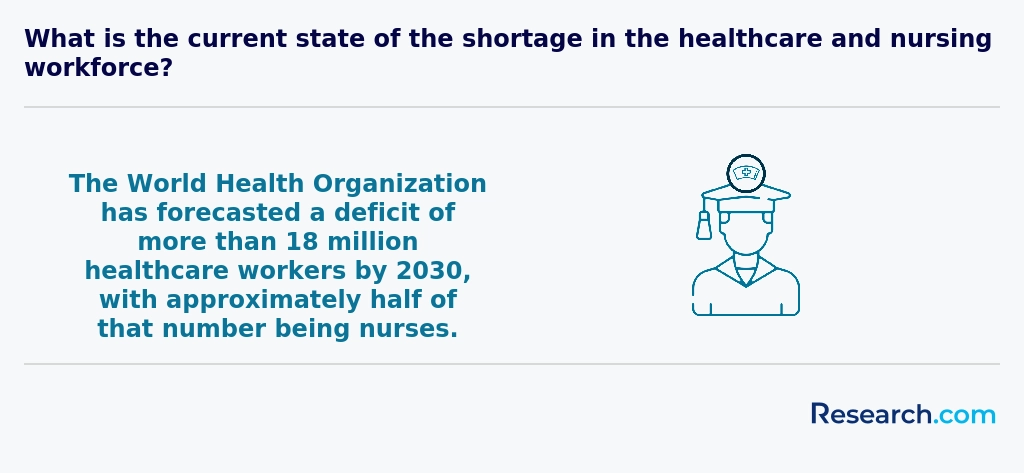
If you're diving into nursing degrees in North Carolina, you've got plenty of career options to explore. Many grads from popular schools like UNC Chapel Hill or East Carolina University start as Registered Nurses, working hands-on in hospitals or clinics. It's rewarding to see patients heal and know you're making a real difference. Others take the next step, earning advanced degrees like an MSN to become Nurse Practitioners or Clinical Nurse Specialists-these roles come with higher pay and more independence, which grads from big programs especially appreciate.
There's also a growing buzz around nursing career options in North Carolina beyond bedside care. Some nurses move into education, teaching new students because there's a real shortage of faculty in the state. Others get into administration, leading teams or hospital programs. Plus, fields like public health nursing, home health care, and specialties like oncology or pediatrics offer unique, meaningful paths.
For those curious about further study, plenty find easiest masters programs to get into right here in NC, helping them jump into new roles faster while still gaining valuable skills.
The nursing job outlook in North Carolina is looking pretty bright right now. Graduates from popular schools like the University of North Carolina at Chapel Hill or East Carolina University often find themselves with tons of options, whether it's in busy hospitals, community clinics, or even home healthcare. Many grads mention how rewarding it feels to work in settings that genuinely need skilled nurses, especially with the state expecting over 9,000 new nursing job openings every year through 2030.
Nursing degree employment opportunities in North Carolina aren't just about numbers - the salaries are competitive too. While RN salaries average around $68,000 annually, some areas and experience levels can push that higher, making it easier to manage the cost of nursing programs here. For students, programs tend to be more affordable compared to national averages, making it a practical choice for staying local. Plus, many grads talk about how this balance of cost and opportunity makes North Carolina a fantastic place to kickstart a career.
For anyone curious about which path to take, exploring the highest paid bachelor's degree options within nursing can really help. It's all about finding where your passion aligns with demand, and North Carolina's growing healthcare scene definitely has spots open for new nurses ready to make a difference.
2027 Best Nursing Degree Programs Ranking in North Carolina
Investing in your education is a significant decision that can shape your future, and the Research.com team understands the importance of making informed choices. To assist prospective students in North Carolina, we have carefully developed the "2027 Best Nursing Degree Programs Ranking in North Carolina." Our dedication to quality, credibility, and accuracy is demonstrated through the thorough research and analysis undertaken to compile this ranking.
We utilized the following reputable data sources to ensure a comprehensive evaluation of nursing programs:
By reviewing this ranking, readers will gain valuable insights into the top nursing degree programs available in North Carolina, empowering them to make informed decisions about their educational paths. For more information about how this ranking was created, please visit our Research.com methodology page.


Frequently Asked Questions About nursing
Nursing degree students in North Carolina can maximize their learning by combining classroom instruction with clinical experience. The state supports this through partnerships between universities and healthcare facilities, offering students hands-on practice essential for skill development.
Engaging in simulation labs is another effective strategy. These labs replicate real-life medical scenarios, allowing students to practice procedures safely before working with patients.
Participating in local nursing associations and networking events in North Carolina can increase access to mentorship and career opportunities. The North Carolina Board of Nursing emphasizes continuing education, encouraging students to attend workshops and seminars.
Finally, staying informed about North Carolina's healthcare trends, such as the growing demand for specialized nurses, helps students tailor their education to meet workforce needs.
The nursing field in North Carolina is rapidly evolving, with emerging niches that address new healthcare challenges and patient needs. One significant growth area is gerontological nursing, driven by the state's aging population. North Carolina's senior population is expected to increase by over 30% by 2030, according to the North Carolina Department of Health and Human Services.
Another expanding niche is telehealth nursing, which has seen accelerated demand following the COVID-19 pandemic. Telehealth allows nurses to provide remote care, improving access for rural communities across the state.
Additionally, psychiatric and mental health nursing is gaining importance due to rising mental health concerns statewide. These specializations offer promising career paths for nurses seeking to make a focused impact.
After completing a nursing degree in North Carolina, preparing for the job market involves several key steps. First, graduates must pass the NCLEX-RN exam to obtain licensure from the North Carolina Board of Nursing. This is mandatory for practicing as a registered nurse in the state.
Networking plays a critical role in job placement. Joining professional organizations like the North Carolina Nurses Association can provide access to job boards, mentorship, and continuing education.
Gaining experience through internships or clinical rotations during education is valuable. According to the North Carolina Department of Commerce, healthcare jobs, particularly in nursing, are projected to grow faster than average through 2030.
Continuing education and specialization, such as certifications in gerontology or pediatrics, can improve employability and salary potential.
Employers in North Carolina seek nursing graduates who combine strong clinical skills with effective communication. Critical thinking and the ability to adapt quickly in fast-paced healthcare environments are essential. According to the North Carolina Board of Nursing, proficiency in patient assessment and care planning is highly valued. Familiarity with electronic health records (EHR) and healthcare technologies also improves job prospects.
Compassion and cultural competence stand out as top interpersonal skills, especially given North Carolina's diverse population. Graduates must demonstrate teamwork and leadership capabilities to manage patient care efficiently. These skills help prepare nurses for roles in hospitals, clinics, and community health settings throughout the state.
Finding internships relevant to a nursing degree in North Carolina involves several strategic steps. Many nursing programs in the state have established partnerships with hospitals, clinics, and healthcare facilities that offer clinical placements as part of their curriculum. Exploring options through your college's career services or nursing department is essential.
Additionally, the North Carolina Board of Nursing and the North Carolina Nurses Association provide resources and listings for accredited internships and externships. Clinical experience is a mandatory part of nursing education, and facilities like UNC Health and Atrium Health frequently offer internships dedicated to student nurses.
Networking through local nursing conferences and online platforms can also help discover opportunities. According to data from the North Carolina Center for Nursing, clinical placements have increased by 10% over the past three years, reflecting expanding opportunities for students.
A nursing degree significantly enhances career mobility and advancement opportunities in North Carolina. Registered nurses (RNs) with an associate degree can enter the workforce, but a Bachelor of Science in Nursing (BSN) is increasingly preferred by employers, including major hospital systems across the state. The North Carolina Board of Nursing supports higher education pathways, noting BSN-prepared nurses have broader skills that qualify them for leadership and specialized roles.
According to the North Carolina Healthcare Association, nurses with BSN degrees are 15% more likely to receive promotions within two years compared to those without. Advanced degrees, such as an MSN or DNP, open doors to advanced practice roles like nurse practitioner or nurse educator, with average salaries rising accordingly, often exceeding $90,000 annually. These credentials are key to long-term career growth in North Carolina's evolving healthcare system.
Studying for a nursing degree in North Carolina equips students with skills essential for interdisciplinary healthcare teams. Nursing programs integrate courses in communication, leadership, and collaboration across fields such as medicine, social work, and pharmacy. This approach aligns with recommendations from the American Association of Colleges of Nursing to improve team-based care.
Statewide initiatives emphasize clinical experiences in diverse settings, allowing students to work alongside various healthcare professionals. According to the North Carolina Board of Nursing, graduates demonstrate strong competencies in delivering holistic care, addressing physical, psychological, and social patient needs collaboratively.
Furthermore, North Carolina's nursing curriculum often includes simulation labs and case studies that mirror real-world interdisciplinary challenges. This practical training prepares future nurses to contribute effectively to patient-centered care teams, an increasingly critical aspect in modern healthcare environments.
Choosing between a thesis and a non-thesis nursing degree program in North Carolina depends largely on your career goals and learning preferences. Thesis programs often appeal to students interested in research, academia, or advanced clinical roles, requiring original research and a detailed written report. According to the North Carolina Board of Nursing, thesis routes may better prepare students for doctoral studies or positions demanding strong analytical skills.
Non-thesis programs emphasize practical skills through coursework and clinical experience, ideal for those seeking immediate entry into nursing practice or administrative positions. Many accredited North Carolina schools, like UNC Chapel Hill and Duke University, offer both options.
Consider time commitment: thesis programs usually take longer due to research demands, while non-thesis programs can be completed more quickly. Speak with academic advisors and review program curriculums carefully to align your choice with your professional aspirations.
Students in North Carolina interested in studying nursing abroad have several pathways to explore. Many universities in the state, including the University of North Carolina system, offer study abroad programs with partner institutions worldwide focused on healthcare and nursing. These experiences provide exposure to international healthcare systems and cultural competence, key skills for modern nursing.
Another option includes enrolling in exchange programs or clinical placements affiliated with US-accredited nursing programs, ensuring credits count toward degree completion. North Carolina supports global learning initiatives, with around 15% of nursing students participating in such experiences, according to the North Carolina Board of Nursing.
Financial aid and scholarships specific to study abroad in nursing are also available through some universities and external foundations, helping mitigate costs. Students should verify accreditation and licensure compatibility before pursuing international study to ensure smooth transitions back to US nursing practice standards.
Part-time job opportunities in North Carolina can effectively complement nursing degree education by offering practical experience and flexible hours. Positions such as certified nursing assistants (CNAs) or medical assistants are common for nursing students. These roles provide hands-on patient care exposure and improve clinical skills while accommodating students' academic schedules.
Healthcare facilities across North Carolina, including hospitals and long-term care centers, frequently hire part-time nursing aides. According to the North Carolina Board of Nursing, gaining relevant experience alongside studies increases employment prospects post-graduation.
Additionally, working as a patient care technician or in home health aide roles allows students to understand diverse patient needs in various settings. These jobs not only reinforce theoretical knowledge but also develop communication and teamwork abilities essential for nursing professionals.
Nursing students in North Carolina have access to numerous networking opportunities that can enhance their education and career prospects. Many universities, such as the University of North Carolina at Chapel Hill and Duke University, offer student nursing associations that connect learners with peers and healthcare professionals. These groups provide workshops, guest lectures, and mentorship programs. The North Carolina Nurses Association (NCNA) also hosts state-wide events and conferences, promoting professional networking and leadership development. Additionally, clinical placements in diverse medical facilities across the state enable students to build practical connections. According to the NC Board of Nursing, over 50% of nurses find job opportunities through networking during their education.
Alumni networks play a crucial role in supporting nursing degree students in North Carolina by providing valuable professional connections. Graduates from institutions like the University of North Carolina and Duke University often join these networks, which help students access mentorship and job opportunities within the state's healthcare system.
North Carolina faces a growing demand for nurses, with the Employment Security Commission projecting a 12% increase in nursing jobs by 2030. Alumni networks assist students by sharing insider information on local hospital openings and certifications.
Additionally, these networks frequently offer workshops, seminars, and continuing education, helping students stay current with North Carolina Board of Nursing requirements and best practices.
In North Carolina, nursing degree programs offer flexible options to tailor your education toward specific career goals. Many universities provide specializations such as pediatric nursing, gerontology, or psychiatric nursing, allowing you to focus on areas in high demand. You can choose between an Associate Degree in Nursing (ADN), a Bachelor of Science in Nursing (BSN), or advanced degrees like a Master's or Doctorate to advance your practice or leadership skills.
Clinical placements and internships available in North Carolina hospitals help gain hands-on experience in preferred specialties. Additionally, several programs offer part-time and online courses to accommodate working students. The North Carolina Board of Nursing offers resources to help align your academic path with licensure requirements and professional certifications.
Nursing students in North Carolina often face several challenges during their education. One major difficulty is managing the demanding coursework alongside clinical practice hours. According to the North Carolina Board of Nursing, students must complete extensive hands-on training, which can be time-consuming and stressful.
Many students also report financial strain, as nursing programs can be costly. Although scholarships and financial aid exist, the overall expense remains a barrier for some.
Additionally, the ongoing nursing shortage in North Carolina, noted by the North Carolina Healthcare Association, increases pressure on students to perform well and quickly join the workforce.
Another common challenge is balancing family or work commitments with rigorous study schedules.
With a nursing degree in North Carolina, graduates can pursue several professional certifications to enhance their careers. Popular options include becoming a Certified Registered Nurse Anesthetist (CRNA), Certified Nurse Midwife (CNM), or a Family Nurse Practitioner (FNP). These certifications require advanced study and passing national exams. The North Carolina Board of Nursing supports over 150,000 licensed nurses, many of whom seek such credentials to improve patient care and job prospects.
Other certifications include specialty fields like pediatric nursing, oncology, or gerontology. According to the National Council of State Boards of Nursing, certification increases earnings potential and employment opportunities across healthcare settings in North Carolina.
Writing a winning application for a nursing program in North Carolina requires careful preparation and attention to detail. Start by thoroughly researching the specific requirements of the nursing schools you wish to apply to, as many programs may require a minimum GPA, prerequisite courses, and standardized test scores like the TEAS (Test of Essential Academic Skills).
Strong academic performance is crucial; North Carolina's nursing programs often expect at least a 3.0 GPA. Including personalized essays that clearly express your motivation to become a nurse and your understanding of the profession can set your application apart.
Additionally, having relevant healthcare experience, such as volunteering or working as a CNA, strengthens your profile. Letters of recommendation from healthcare professionals or instructors who can attest to your skills and dedication are valuable.
Lastly, ensure you submit all documents early and accurately. According to the North Carolina Board of Nursing, meeting deadlines and completeness of applications is vital for consideration in competitive programs.
Nursing is recognized worldwide as a vital and respected profession, offering diverse opportunities across different healthcare systems. In the United States, including North Carolina, nurses play a critical role in patient care, health promotion, and disease prevention. According to the North Carolina Board of Nursing, the state had over 140,000 licensed nurses as of 2023, reflecting strong demand for skilled professionals.
Globally, nursing standards and education requirements vary, but there is increasing emphasis on advanced education and specialization. The U.S. system, particularly in North Carolina, emphasizes accredited programs that prepare nurses for complex healthcare environments.
International organizations such as the World Health Organization also promote nursing as essential for achieving global health goals, supporting mobility and knowledge exchange among nurses worldwide.
Gaining practical experience is a crucial part of earning a nursing degree in North Carolina. Most accredited programs include clinical rotations, which allow students to work directly with patients in healthcare settings such as hospitals, clinics, and long-term care facilities. These hands-on experiences help students develop essential skills under supervision.
In North Carolina, nursing students often complete over 500 clinical hours during their studies, meeting requirements set by the North Carolina Board of Nursing. Additionally, some schools offer internships or partnerships with local healthcare providers to enhance practical training.
Volunteering and working as a nurse aide or medical assistant before or during nursing school can also provide valuable exposure to patient care.
Choosing the right concentration within a nursing degree program in North Carolina depends on your career goals and interests. Popular options include family nurse practitioner, pediatrics, psychiatric nursing, and gerontology. Each area requires different skill sets and offers unique job opportunities.
The North Carolina Board of Nursing reports a growing demand for nurse practitioners, especially in primary care and rural areas. Consider local job market trends by reviewing resources from the North Carolina Healthcare Workforce Data Center.
Evaluate program offerings at schools and their clinical partnerships, as hands-on experience is vital. Also, check if concentrations align with state licensing requirements and certifications.
- 2027 Best Online Nursing Degree Programs Ranking in South Carolina
- 2027 Best Online Nursing Degree Programs Ranking in Virginia
- 2027 Best Online Nursing Degree Programs Ranking in Georgia
- 2027 Best Online Nursing Degree Programs Ranking in Tennessee
- 2027 Best Online Nursing Degree Programs Ranking in Kentucky
- 2027 Best Online Nursing Degree Programs Ranking in Florida
- 2027 Best Online Nursing Degree Programs Ranking in Pennsylvania
- 2027 Best Online Nursing Degree Programs Ranking in Ohio
- 2027 Best Online Nursing Degree Programs Ranking in Mississippi
- 2027 Best Online Nursing Degree Programs Ranking in New Jersey
See What Experts Have To Say About Studying Nursing
Read our interview with Nursing experts

Lisa Grubb
Nursing Expert
Assistant Professor
Johns Hopkins School of Nursing

- Medical University of GdaÅsk https://admission.mug.edu.pl/29318.html
- Types of Nursing Careers & Specialties https://nursinglicensemap.com/nursing-specialties/
- Tips for Creating a Perfect Nursing School Application https://www.allnursingschools.com/articles/how-to-create-the-perfect-nursing-school-application/
- Study Nursing Abroad | Boomerang International Educational Services https://boomerangedu.com/study-nursing-abroad/
- Nursing Internships Abroad: An Introduction - RealStep https://www.real-step.com/en/articles/nursing-internships-abroad/
- Approved Nursing Programs https://www.ncbon.com/approved-nursing-programs
- What Are the Best Jobs to Work While in Nursing School? https://www.dewv.edu/what-are-the-best-jobs-to-work-while-in-nursing-school/
- How to Choose a Nursing Program: A Comprehensive Guide - Madonna ABSN https://absn.madonna.edu/blog/how-to-choose-a-nursing-program/
- Exploring Diverse Nursing Career Horizons - N2S Healthcare Blog https://n2shealthcare.com/blog/exploring-diverse-nursing-career-horizons-n2s-healthcare-blog
- Explore Health Careers https://www.arealahec.org/explore-health-careers/