
2027 Fastest Online Master's in Nursing Degree Programs Ranking in the USA

Co-Founder and Chief Data Scientist
Choosing the right nursing degree program can feel overwhelming. That's why this article offers the 2027 Fastest Online Master's in Nursing Degree Programs Ranking in the USA, created by the Research.com team of data scientists.
This ranking helps you discover programs that prioritize speed and quality, so you can advance your career faster.
Reading this guide empowers you to make informed decisions, opening doors to rewarding opportunities in nursing. Pursuing a nursing degree is a meaningful step toward making a difference in healthcare while securing your future.
Key benefits of getting online nursing degree in America
- Higher Salary Potential: Graduates with a nursing degree can expect strong salary prospects, such as Nurse Practitioners earning a mean annual wage of $128,490 and Clinical Nurse Specialists earning around $94,480, reflecting rewarding financial opportunities.
- Diverse Career Paths: Nursing graduates from popular universities often find fulfilling roles in clinical care, education, administration, or critical care nursing, allowing for a variety of satisfying career options.
- Flexible Learning Benefits: Online nursing degrees offer flexibility for busy learners, as demonstrated by graduates from well-known online programs who appreciate balancing work and study while advancing their careers efficiently.
- 2027 Fastest Online Master's in Nursing Degree Programs Ranking in the USA
- What can I expect from online nursing degree in America?
- Where can I work with online nursing degree in America?
What can I expect from online nursing degree in America?
The average cost of an online nursing degree in America varies quite a bit, often depending on whether you choose a public or private institution. Many graduates from well-known public universities recall paying in the range of $10,000 to $25,000 for their entire program when benefiting from in-state tuition rates. This affordability makes advanced nursing education accessible even to those balancing work and family commitments.
Private colleges, while sometimes more costly, offer specialized programs and personalized support that many alumni found worthwhile despite tuition reaching upwards of $40,000. What truly resonated with these graduates was the value of flexibility and quality-being able to pursue their degree online while gaining hands-on clinical experience locally.
Financial aid and employer tuition assistance frequently softened the financial impact, allowing students to focus on progressing instead of worrying about balance sheets. Reflecting on their journeys, many found that investing in an online nursing degree was a springboard to fulfilling careers, leadership roles, and deeper professional satisfaction.
Where can I work with online nursing degree in America?
Graduates holding online nursing degrees from respected programs at institutions like the University of Pennsylvania or the University of Washington often find themselves well prepared to step into diverse healthcare roles across America. Many begin their careers in hospitals, where about 61% of nurses are employed. Here, nurses often thrive in fast-paced environments like critical care or emergency units, feeling a deep sense of purpose as they make a real difference in patient lives every day.
Others discover fulfilling roles in outpatient clinics or physician offices, places where they provide routine care and build meaningful relationships with patients over time. Graduates share how their training in online programs emphasized both theory and practical skills, boosting their confidence in managing chronic illnesses and health screenings.
Long-term care facilities and community health organizations also eagerly welcome nurses with online degrees. For those drawn to caring for elderly or disabled patients, these settings offer rewarding work that aligns with coursework in gerontology many students appreciate. The growing field of telehealth offers yet another path, allowing nurses to support patients remotely, blending flexibility with purpose.
Graduates from online nursing programs at reputable institutions like the University of Pennsylvania or Ohio State University often find their degrees open doors to rewarding careers with competitive salaries. For example, many who become Nurse Practitioners see mean annual wages around $128,490, reflecting the high demand and responsibility their roles command. This salary level aligns well with the advanced clinical skills and knowledge acquired through their online MSN programs.
Other nursing graduates who pursue specialized roles, such as Clinical Nurse Specialists or Nurse Administrators, can expect mean annual earnings near $94,480. These roles blend clinical expertise with leadership and organizational skills, enabling graduates to make impactful decisions within healthcare settings while enjoying financial stability.
Nurse Educators also benefit from their advanced studies, earning an average of about $94,480 annually. Graduates who transition into teaching roles at well-known schools like the University of California San Francisco often share the fulfillment of shaping future nurses while maintaining solid income levels.
These figures demonstrate that completing an online nursing degree in America, especially from respected universities, is not only a pathway to meaningful work but also a route to economic empowerment for many aspiring healthcare professionals.
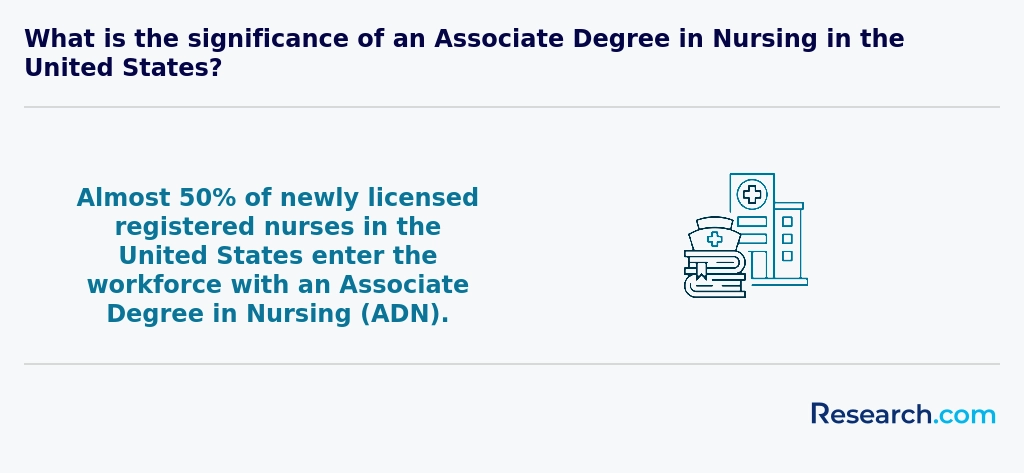
- Over 60% of registered nurses in the US hold at least an associate degree, with increasing numbers pursuing online bachelor's and master's degrees.
- Online Bachelor of Science in Nursing (BSN) programs typically cost between $40,000 and $60,000, while master's programs range from $30,000 to $50,000.
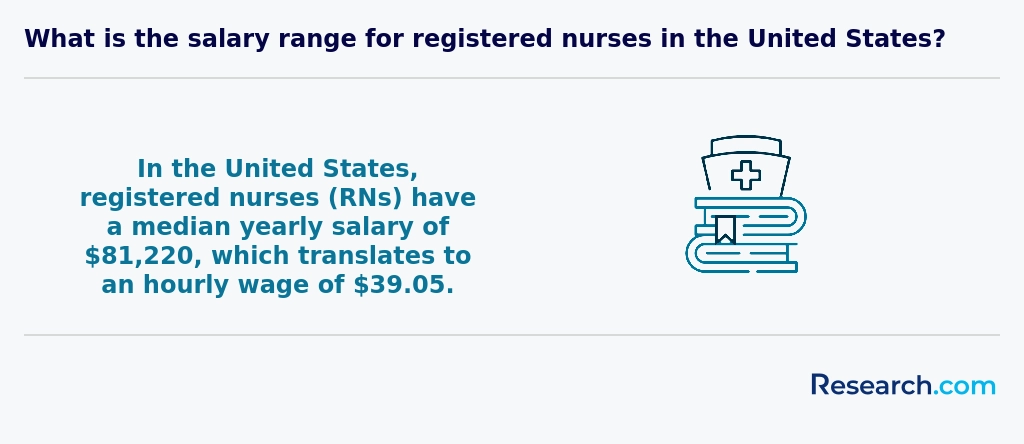
- Newly graduated registered nurses earn a median salary of about $75,000 annually, and advanced practice nurses can make over $120,000.
- The nursing job market is projected to grow 6% from 2021 to 2031, driven by an aging population and higher healthcare needs.
- Online programs often include local clinical placements and must be accredited by bodies like CCNE or ACEN for quality and financial aid eligibility.
Completing an online nursing degree in America requires a commitment of time that varies widely depending on the degree type and the student's background. For example, graduates of popular programs at universities like Ohio State or the University of Arizona have found that an Associate Degree in Nursing (ADN) typically takes about 2 to 3 years. These programs offer a solid foundation for entering nursing roles but often include in-person clinical hours that can affect scheduling flexibility.
Those pursuing a Bachelor of Science in Nursing (BSN) often experience a longer timeline, usually 3 to 4 years if starting fresh. However, many students who come with a previous degree, especially from institutions like the University of Florida, appreciate the accelerated BSN paths that shorten this to 12-18 months. RN-to-BSN students balancing work and study report completion times of 1 to 2 years, finding a rewarding pace that fits their busy lives.
Advanced degrees like the MSN demand 1.5 to 3 years, with part-time options popular among working nurses, such as those studying through Johns Hopkins. Flexibility helps them stay employed while advancing their expertise, fostering a blend of professional growth and personal satisfaction.
When evaluating online nursing programs, understanding the return on investment (ROI) is critical. By comparing program costs with post-graduation earnings and career advancement opportunities, you can make informed choices that align with your financial and professional goals. Estimated Payback Period:
- Typical program cost: $25,000–$40,000
- Average entry-level RN salary increase: $60,000–$80,000 vs. pre-degree earnings
- Payback period: 1.5–3 years Key Factors Affecting ROI:
- Program Duration: Accelerated MSN tracks may shorten your time to practice and income boost.
- Specialization Premium: Advanced practice roles like nurse practitioners command salaries over $100,000, significantly improving ROI-students exploring a more cost-effective NP route can consider a cheap np degree to maximize savings.
- Financial Aid Impact: Scholarships, grants and employer tuition reimbursement lower upfront costs, accelerating payback.
- Geographic Variability: Urban markets often offer higher compensation, reducing the ROI timeframe. Maximizing Your ROI: 1. Leverage Financial Resources: Apply for grants, scholarships and employer tuition assistance early. 2. Choose Accelerated Paths: If eligible, select programs with credit-transfer options and fast-track MSN modalities. 3. Plan Career Progression: Map out certification and specialization goals-each credential can yield a measurable salary increase. 4. Network Strategically: Engage with alumni and professional organizations to uncover high-paying opportunities. By systematically assessing these ROI components, prospective nursing students can select online programs that deliver both short-term affordability and long-term financial rewards.
Online and on-campus nursing degrees in the U.S. mainly diverge in how education is delivered and the flexibility they afford, though both achieve the same accredited outcomes. Graduates from schools like the University of Washington often recall that on-campus programs create a structured rhythm-attending face-to-face lectures, using labs, and collaborating directly with professors and peers fosters immediate feedback and a sense of community.
Meanwhile, graduates from online programs at institutions such as Ohio State University appreciate the flexibility to balance studies with work or family commitments. Accessing coursework anytime suits many working nurses, but it demands strong self-discipline to stay on track. Clinical hours remain vital regardless of format, typically arranged locally for online students to meet state board requirements.
Cost differences also influence choices. Many find online options reduce expenses like commuting and housing, though technology fees may apply. Ultimately, the positive emotions tied to each path come from how well the program fits personal life-whether it's the hands-on engagement on campus or the adaptable learning online offers.
The average cost of an online nursing degree in America varies depending on several factors, including whether the student attends as an in-state or out-of-state learner and the level of the degree pursued. Based on median data, the total tuition fees for online nursing programs USA generally hover around $26,853, with in-state students paying closer to $19,512 and out-of-state students seeing median costs of about $32,880. Graduates sharing their experiences from well-known public universities reveal relief in managing costs significantly by attending in-state schools, where they also appreciated the flexibility of online formats.
For many, the investment in a Bachelor of Science in Nursing through online programs at respected colleges in America feels rewarding despite the expenses. These students often emphasize how scholarships, grants, and employer tuition assistance help ease financial pressure - enabling them to focus more on their studies and less on debt. More advanced degrees like MSN or DNP naturally come with higher tuition, but the strong demand for qualified nurses makes the higher cost feel like a worthwhile path.
One recurring piece of advice from nursing graduates is to carefully explore financial aid options and compare tuition costs across institutions, especially since public universities usually offer more affordable rates for residents.
The average cost of an online nursing degree becomes more approachable when prospective students consider their long-term career goals alongside the immediate tuition costs. Those seeking practical guidance on affordability often turn to resources highlighting affordable nursing schools nationwide to find quality programs that fit their budgets and aspirations.
Successful graduation from an online master’s nursing program is only the first step-obtaining licensure through the NCLEX-RN (National Council Licensure Examination) is what ultimately allows graduates to practice. Accreditation bodies such as the Commission on Collegiate Nursing Education (CCNE) and the Accreditation Commission for Education in Nursing (ACEN) require schools to publish first-time NCLEX pass rates, which serve as a transparent indicator of program quality. Nationally, the NCLEX-RN first-time pass rate hovers around 87%, but the top 10 fastest online MSN programs consistently report rates between 90% and 97%. These outcomes reflect rigorous curricula, targeted test-prep resources, and dedicated licensing support services. When evaluating licensure outcomes, look for programs that offer:
- Comprehensive NCLEX review modules, including question banks and timed practice exams
- Personalized licensure coaching or mentorship to address individual knowledge gaps
- Access to simulation labs-either virtually or in partnership with local clinical sites-to reinforce critical thinking under exam-like conditions Program websites and state board portals typically publish annual pass-rate statistics. Comparing these figures side by side can help you identify institutions that not only expedite degree completion but also prioritize licensure success. For a broader perspective on program accessibility and selectivity, you may also explore our ranking of the easiest nursing schools to get into, which balances admission requirements against student outcomes. Ultimately, selecting a program with strong licensure support ensures you cross the finish line ready to excel as a licensed nursing professional.
Many nursing graduates from well-known American universities share how crucial federal financial aid was to their success in online programs. Filling out the FAFSA opened doors to Pell Grants, which offered non-repayable funds up to $7,395 for undergraduates, significantly easing tuition pressures. Though graduate nursing students don't usually qualify for Pell Grants, loans like Direct Unsubsidized and Grad PLUS Loans provide manageable repayment terms, making advanced degrees at schools such as the University of Phoenix or Walden University more attainable.
Scholarships from organizations like the American Association of Colleges of Nursing (AACN) and the National Student Nurses' Association (NSNA) were game-changers for many pursuing specialized fields like nurse practitioner roles. These awards not only helped reduce debt but also motivated students to enter important, high-demand areas of nursing.
Several graduates also emphasize the value of state-specific grants for residents studying in less urban settings and employer tuition reimbursement programs, often highlighted by healthcare facilities across states like California and Texas. These supports can transform the financial journey, bringing hope and practical relief throughout the educational path.
To make informed decisions about their educational investments, prospective nursing students should also consider the affordability of online nursing programs. Exploring options such as affordable nursing schools can help them find programs that balance quality education with financial accessibility. Many institutions offer competitive tuition rates, scholarships, and financial aid packages to support students in achieving their nursing career goals. By evaluating these factors, aspiring nurses can navigate the challenges of their education while preparing for impactful roles in healthcare, ultimately making a meaningful difference in patient care and the broader healthcare landscape.
To enroll in an online nursing degree in America, students must first meet key prerequisites ensuring readiness for the demanding journey ahead. Graduates from reputable programs at universities like the University of Phoenix or Chamberlain College of Nursing often share how a high school diploma or GED was just the starting point. For more advanced degrees, such as an MSN, holding an RN license and a bachelor's degree in nursing is essential.
Many programs also require prerequisite courses in anatomy, microbiology, chemistry, and more, typically completed with a grade of "C" or higher. This foundation prepares students for complex nursing concepts and clinical practice.
Applicants usually submit transcripts, letters of recommendation, and personal statements to showcase their dedication. Access to clinical sites near one's location is another crucial factor, as hands-on experience transforms theory into confident care delivery.
Graduates often recall the positive impact of meeting CPR and Basic Life Support certification requirements before stepping into clinical placements, feeling empowered and ready to face real healthcare challenges.

To practice as a nurse in the U.S., graduates must earn state licensure and specialty credentials. Core steps include:
- Program accreditation: complete a CCNE- or ACEN-accredited program to qualify for the NCLEX-RN exam.
- NCLEX-RN examination: register with Pearson VUE, prepare using official study materials, and meet your state board’s pass requirements.
- State Board of Nursing approval: submit official transcripts, undergo fingerprinting/background checks, and pay application fees to your nursing board.
- Advanced practice certification: MSN graduates seeking APRN roles (e.g., FNP, CNS) obtain credentials through organizations like the ANCC or AANP.
- License renewal and continuing education: maintain RN/APRN status by completing required CE credits (typically 20–30 hours per renewal period).
For those aiming to further their education and practice authority, explore bsn to dnp programs.
Microbiology and Pharmacology are more than just theoretical subjects; they deeply resonate when students witness firsthand how infections spread or how medications affect patient recovery. A graduate from a respected online program shares how Pathophysiology's study of disease processes helped them understand complex cases they encountered during local clinical rotations.
Courses like Health Assessment and Nursing Research empower students to develop sharp observational and analytical skills, essential in today's evidence-based healthcare environment. Programs at colleges like Emory or the University of Florida also place emphasis on ethical considerations and leadership, nurturing nurses who are ready not just to care but to advocate and lead within diverse communities.
Those pursuing advanced tracks, such as Family Nurse Practitioner or Nurse Educator, find their specialized courses transformative, deepening expertise and confidence, proving that even online, nursing education in America offers a comprehensive and engaging pathway to a rewarding career.
Online nursing degree specializations USA offer pathways that cater to diverse aspirations and real-world demands. Graduates from well-known nursing schools across America often share how choosing Family Nurse Practitioner (FNP) tracks prepared them for fulfilling roles in primary care, managing patients of all ages with confidence. Many found the rigorous focus on health promotion deeply rewarding. Others gravitated toward Public Health Nursing, inspired by the chance to influence entire communities-a common sentiment among those studying at colleges known for strong community health programs.
Among nursing master's program tracks in America, Adult-Gerontology Acute Care stands out for those passionate about complex hospital care for aging populations. Graduates describe this path as intense yet gratifying, especially when supported by clinical experiences offered near their locales. Pediatric Nursing remains a steady favorite, where nurses feel honored to support children's health in both clinical and community settings.
Reflecting on these programs, many emphasize how clinical practicum components link theory with real patients, a crucial part of training in all specializations. For those exploring options, it's wise to consider factors like cost and flexibility; for instance, exploring easiest nursing schools can be a helpful first step.
Choosing the best online nursing degree in America begins with verifying accreditation by bodies like the Commission on Collegiate Nursing Education (CCNE). Graduates from respected institutions such as the University of Pennsylvania or Ohio State University often share how accreditation reassured them their degrees would be recognized nationwide, directly impacting licensure and job opportunities. Aligning the program's curriculum with your career goals is essential-many students choose specializations like Family Nurse Practitioner or Psychiatric-Mental Health because these tracks reflect their passions and current healthcare demands.
Affordability plays a major role too; many working professionals find balance by considering cheap np degree options which help manage expenses without sacrificing quality. Graduates from public universities often praise their programs for combining rigorous training with manageable costs, a key factor in selecting among the best online nursing degree programs USA offers.
Flexibility is another cornerstone-students juggling jobs and families value asynchronous courses that allow them to learn on their own schedule. Schools that provide strong tech support and simulation labs make remote learning feel engaging and hands-on. Listening to alumni who highlight NCLEX-RN pass rates above the national average, around 87%, can guide you toward programs with proven success in licensing preparation.
Finally, choosing a program with a respected reputation and strong alumni network opens doors to meaningful employment connections, a reality many successful graduates of top American colleges have experienced firsthand in their nursing careers.
Graduates of online nursing degrees in America often find themselves navigating a diverse landscape of nursing degree job opportunities America that align with both clinical passion and career flexibility. Many step directly into roles as Registered Nurses, confidently delivering care in hospitals or community settings, often reflecting on their studies at well-known universities like the University of Michigan or Ohio State University. Others pursue advanced clinical paths such as Nurse Practitioners or Nurse Anesthetists, combining autonomy with specialized skills gained through rigorous online programs.
Beyond bedside care, some graduates channel their experience into teaching or healthcare administration, impacting the future of nursing education and policy. A common sentiment among recent alumni is a meaningful connection to roles that feel both purposeful and deeply human. For those considering cost-effective routes, public programs featured in the Cheapest Online Bachelor's in Nursing Degree Programs Ranking in Michigan provide invaluable access to affordable education without sacrificing quality.
Choosing an online nursing career options USA means opening doors wherever healthcare needs evolve, whether through direct patient care or shaping the next generation of nurses.
The job market for graduates with an online nursing degree in America remains robust and filled with opportunity. Graduates from respected programs, whether at flagship state universities or well-known private colleges, often share stories of quickly securing positions in hospitals, clinics, or community health centers. This positive employment outlook reflects the growing demand for skilled nurses across the country, especially as many regions face critical nurse shortages. The practical flexibility of online programs equips students with both foundational knowledge and advanced clinical expertise, allowing them to thrive in diverse healthcare roles.
Successful alumni from well-regarded nursing schools appreciate how their online education opened doors to various career paths, from bedside care to leadership roles. For those juggling family or work commitments, these programs offer a vital chance to advance without geographic or time constraints. The nursing degree employment opportunities America offers today mirror this evolving landscape, rewarding dedication with competitive salaries and stability. Students often compare choices carefully, sometimes referring to the most affordable associate programs online when planning their educational investment.
2027 Fastest Online Master's in Nursing Degree Programs Ranking in the USA
Investing in your education is a significant decision that can shape your professional and personal future, and the Research.com team is committed to supporting you in making well-informed choices. To provide clarity and guidance, we have carefully developed the "2027 Fastest Online Master's in Nursing Degree Programs Ranking in the USA." This ranking reflects our dedication to quality, credibility, and accuracy through thorough research and detailed analysis. We used the following reputable data sources to create a comprehensive and trustworthy evaluation:
By consulting this ranking, readers will gain valuable insights into the fastest online nursing programs available nationwide, empowering them to select programs that align with their goals and timelines. For further information on how our rankings are constructed, please visit our Research.com methodology page.


# 17 position
Research College of Nursing
Master of Executive Practice & Healthcare Leadership


Frequently Asked Questions About nursing
Online nursing degree students in America can maximize their learning by actively engaging with their coursework and instructors. The American Association of Colleges of Nursing (AACN) highlights that interaction improves understanding and retention in virtual settings. Students should create a dedicated study schedule to balance clinical practice requirements and theoretical learning efficiently.
Utilizing online resources such as virtual simulations and nursing databases like PubMed enhances practical knowledge. Networking with peers through discussion boards and nursing organizations helps build professional connections early. Additionally, taking advantage of academic advising ensures alignment with licensing requirements, including the NCLEX-RN exam, critical for becoming a registered nurse in the U.S.
The nursing field in the United States is evolving rapidly, with several emerging niches gaining prominence. One of the fastest-growing areas is telehealth nursing, driven by increased demand for remote patient care. According to the American Nurses Association, telehealth roles are expected to grow by over 20% through 2028.
Another expanding niche is gerontological nursing, focusing on elder care as America's aging population rises. The U.S. Census Bureau estimates that by 2030, one in five Americans will be 65 or older, increasing the need for specialized geriatric care.
Additionally, nurse informaticists who blend nursing with IT expertise are critical in managing electronic health records and improving healthcare systems. The Bureau of Labor Statistics projects a 9% job growth for nurse informatics specialists by 2031.
After completing an online nursing degree in America, preparing for the job market involves several key steps. First, graduates should earn their nursing license by passing the NCLEX-RN exam, required in all states. According to the National Council of State Boards of Nursing, the 2022 pass rate for first-time candidates was around 87%. Networking is crucial-joining professional nursing organizations like the American Nurses Association can provide valuable connections. Additionally, gaining hands-on experience through clinical rotations during studies or volunteering helps build practical skills. Finally, creating a strong resume tailored to healthcare employers and preparing for behavioral interviews improves job prospects in this competitive market.
Employers in the United States highly value both clinical and interpersonal skills in nursing degree graduates. Key clinical competencies include patient assessment, medication administration, and critical thinking. According to the American Association of Colleges of Nursing (AACN), strong clinical judgment is essential for safe patient care and effective decision-making.
Additionally, communication skills are vital. Nurses must clearly convey information to patients, families, and healthcare teams, which improves outcomes and patient satisfaction, as reported by the National Council of State Boards of Nursing (NCSBN).
Employers also prioritize adaptability and teamwork. The U.S. Bureau of Labor Statistics highlights that collaboration in fast-paced healthcare settings ensures high-quality care. Finally, proficiency with healthcare technology and electronic health records is increasingly expected in the evolving medical landscape.
Finding internships relevant to a nursing degree in America requires a strategic approach. Many online nursing programs collaborate with hospitals, clinics, and healthcare facilities to provide clinical placements as part of the curriculum. Students should start by contacting their program's clinical coordinator who can guide approved internship opportunities aligned with their coursework.
Additionally, resources like the American Nurses Association (ANA) and the National Student Nurses' Association (NSNA) offer listings of internships and externships for nursing students. According to the Bureau of Labor Statistics, clinical experience is critical, as over 75% of nursing programs require hands-on practice to graduate.
Networking with local healthcare providers and joining nursing associations can also open doors to internships. Early application is essential due to competitive demand, especially in popular regions like California and New York.
Obtaining an online nursing degree in America significantly enhances career mobility and advancement opportunities. According to the American Association of Colleges of Nursing (AACN), nurses with a bachelor's or master's degree often qualify for leadership, management, and specialized clinical roles, which command higher salaries and greater responsibility. Online programs provide flexibility for working professionals, enabling them to advance education without pausing their careers. This flexibility supports accelerated degree completion, helping graduates meet growing industry demands. The U.S. Bureau of Labor Statistics projects a 9% growth in registered nurse employment from 2022 to 2032, emphasizing the value of advanced degrees for competitiveness and upward mobility in nursing careers.
Studying for a nursing degree in America equips students with skills essential for interdisciplinary collaboration. Nursing programs emphasize teamwork with various healthcare professionals, including doctors, pharmacists, and social workers. This approach prepares graduates to contribute effectively in diverse clinical settings.
Online nursing degrees often incorporate case studies and simulations reflecting real-world scenarios where cooperation among healthcare teams is critical. According to the American Association of Colleges of Nursing (AACN), 60% of nursing programs now include specific training on interprofessional education, fostering communication and leadership abilities.
This education model aligns with the growing demand in the U.S. for nurses who can navigate complex healthcare systems and improve patient outcomes through coordinated care. Thus, American nursing degrees provide a strong foundation for interdisciplinary roles by integrating both clinical expertise and collaborative practice.
When choosing between a thesis and a non-thesis online nursing degree program in America, students should consider their career goals. Thesis programs typically involve focused research and prepare graduates for roles in academia or advanced clinical research. According to the American Association of Colleges of Nursing, about 25% of nursing master's programs offer thesis options.
Non-thesis programs often emphasize practical skills for leadership, administration, or clinical practice and may include additional coursework or a capstone project. These programs appeal to professionals aiming to advance quickly in clinical roles. Time commitment and personal learning preferences also play key roles in this decision, as thesis tracks generally require longer completion times.
Students based in America interested in studying nursing abroad have several options, primarily through international partnerships and study-abroad programs connected to US institutions. Many accredited American nursing schools offer exchange programs with universities in countries such as Canada, Australia, and the United Kingdom, allowing students to take courses online or complete clinical hours abroad.
Another route involves enrolling in online nursing degree programs offered by US universities that include international clinical components or global health courses. According to the American Association of Colleges of Nursing (AACN), approximately 80% of nursing programs offer some form of global study option. These programs help students gain cross-cultural healthcare experience while meeting US licensing requirements.
It is critical for students to ensure their program is accredited by the Commission on Collegiate Nursing Education (CCNE) or the Accreditation Commission for Education in Nursing (ACEN) to maintain eligibility for the NCLEX-RN exam upon returning to the US.
Part-time jobs that complement nursing degree education in America often include roles within healthcare settings that offer practical experience. Common positions are certified nursing assistant (CNA), medical scribe, or patient care technician. These jobs provide hands-on exposure to clinical environments, improving both skills and confidence.
According to the U.S. Bureau of Labor Statistics, CNAs earn a median wage of about $15 per hour and can gain valuable patient interaction experience, which supports nursing coursework. Medical scribing also sharpens documentation skills, critical for nurses.
These roles allow students to earn income while gaining relevant experience that strengthens their nursing education and future job prospects.
Online nursing students in America have multiple avenues to build professional networks despite remote learning. Many programs partner with hospitals, clinics, and healthcare organizations to provide virtual internships and clinical placements where students meet practicing nurses and supervisors. Organizations like the American Nurses Association (ANA) offer student memberships, granting access to webinars, conferences, and local chapter events tailored for networking.
Additionally, online programs frequently include group discussions and collaborative projects, encouraging peer-to-peer interaction. Platforms such as LinkedIn also serve as essential networking tools for connecting with alumni and nursing professionals nationwide. These opportunities help students build connections vital for career growth in nursing.
Alumni networks offer significant benefits for students pursuing online nursing degrees in America. These networks connect current students with graduates who work across diverse healthcare settings, providing mentorship and career guidance. According to the American Association of Colleges of Nursing (AACN), 87% of nurses find professional opportunities through personal connections, underscoring alumni networks' value.
Online nursing students can access job leads and internship openings shared within these networks, helping them navigate the competitive U.S. healthcare job market. Alumni also often contribute to continuing education resources and workshops, enhancing practical knowledge beyond formal coursework.
Moreover, strong alumni engagement can improve program reputation, which benefits students when seeking licensure or advanced certifications in states like California and New York with strict nursing board requirements.
To customize an online nursing degree program in America, students should start by selecting a specialization aligned with their career goals, such as nurse practitioner, nurse educator, or nurse administrator. Many accredited programs offer tailored tracks allowing this flexibility. Accredited institutions approved by the Commission on Collegiate Nursing Education (CCNE) ensure quality and recognition.
Students can often choose electives and clinical practicum placements to gain experience in desired settings, whether hospitals, community health, or specialty clinics. Online programs typically allow part-time or accelerated pacing to fit working professionals' schedules.
According to the American Association of Colleges of Nursing (AACN), enrollment in MSN specialties like family nurse practitioner roles increased by over 87% from 2010 to 2020, reflecting strong career demand. Customized learning paths can better prepare graduates for certification exams and specific nursing board requirements.
Online nursing students in America often face several key challenges related to the structure and demands of their programs. One major difficulty is balancing clinical requirements with remote coursework. Although theory is delivered online, clinical hours must be completed in-person, which can be hard to schedule and access for busy students. Additionally, students may experience feelings of isolation due to limited face-to-face interaction with peers and instructors.
Technical issues also arise frequently. According to a 2022 report by the National League for Nursing, about 25% of online learners struggled with reliable internet and digital platforms. Finally, the fast pace of many accelerated nursing programs can cause stress, requiring strong time management skills to succeed.
With an online nursing degree, you can pursue various professional certifications that enhance your career opportunities. Popular certifications in the U.S. include the Certified Nurse Manager and Leader (CNML), offered by the American Organization for Nursing Leadership, and the Certified Registered Nurse Anesthetist (CRNA) credential provided through the National Board of Certification and Recertification for Nurse Anesthetists.
Additionally, many registered nurses seek certification as a Nurse Practitioner (NP) by specialty, such as Family Nurse Practitioner (FNP) or Psychiatric-Mental Health Nurse Practitioner (PMHNP). These certifications require passing exams from bodies like the American Nurses Credentialing Center.
Certifications signal advanced knowledge and skills, often leading to higher salaries. According to the U.S. Bureau of Labor Statistics, certified nurses may see a 10-15% salary increase compared to non-certified peers. Online degrees accredited by recognized bodies allow eligibility to sit for these exams.
Applying for an online nursing program in America requires a clear, well-organized approach. Start by thoroughly researching accredited programs recognized by the Commission on Collegiate Nursing Education (CCNE) or the Accreditation Commission for Education in Nursing (ACEN). These accreditations ensure quality education and eligibility for licensure.
Highlight your academic achievements, especially in science and healthcare-related courses, as nursing is a competitive field. Include any relevant clinical or work experience, since over 60% of online nursing applicants have healthcare backgrounds, boosting admission chances (source: American Association of Colleges of Nursing, 2023).
Craft a personal statement that emphasizes your passion for nursing, commitment to patient care, and how the program fits your career goals. Make sure your essay is honest and free of errors to reflect professionalism.
Finally, ensure all transcripts, letters of recommendation, and test scores (if required) are submitted promptly. Strict adherence to deadlines improves your odds significantly.
Nursing is a respected profession worldwide, offering diverse career opportunities in healthcare systems globally. In the United States, the nursing workforce is highly valued, with over 4 million registered nurses according to the U.S. Bureau of Labor Statistics (2023). This demand is mirrored internationally, as global aging populations increase the need for skilled nursing care.
Many American nurses pursue advanced degrees online, which allows them to meet international standards of nursing education while balancing work and family life. Countries such as Canada, the UK, and Australia recognize U.S. nursing qualifications, facilitating global mobility for nurses.
Understanding global perspectives helps American students assess the potential for international work and collaboration in nursing, especially as the profession emphasizes cultural competence and evidence-based practice.
Gaining practical experience while studying for an online nursing degree in America is essential. Most accredited online nursing programs require clinical hours completed in-person at approved healthcare facilities. Students typically arrange these clinical placements locally, allowing them to apply theoretical knowledge in real-world settings.
Additionally, many programs incorporate simulation labs or virtual clinical experiences to supplement hands-on training. According to the American Association of Colleges of Nursing (AACN), students must complete a minimum of 500 clinical hours for nurse practitioner programs, reflecting the importance of practical exposure.
Some states also require students to complete specific state board-approved clinical hours for licensure.
Choosing the right concentration in an online nursing degree program in America depends on your career goals and interests. Common concentrations include Family Nurse Practitioner, Nurse Educator, and Nurse Administrator. According to the American Association of Colleges of Nursing, Family Nurse Practitioner roles are expected to grow by 40% through 2030, making it a popular choice.
Consider state licensing requirements, as they may vary depending on specialization. Research programs accredited by the Commission on Collegiate Nursing Education (CCNE) or the Accreditation Commission for Education in Nursing (ACEN), ensuring quality education.
Analyze your work experience and desired settings-clinical, academic, or leadership-to align with a concentration that fits your professional plans.
See What Experts Have To Say About Studying Nursing
Read our interview with Nursing experts

Lisa Grubb
Nursing Expert
Assistant Professor
Johns Hopkins School of Nursing

- How Long Is Nursing School in The USA? https://www.shiftmed.com/professionals/blog/how-long-is-nursing-school-in-the-usa/
- Resources for Nursing Careers https://www.straighterline.com/resources/careers/nursing/
- 7 Things to Consider When Getting a Nursing Degree Online https://onlinedegrees.elmhurst.edu/blog/seven-things-consider-when-picking-online-nursing-program
- Find Online Nursing Programs with Financial Aid https://www.edumed.org/online-schools/nursing-rn-programs/financial-aid/
- Apply to the Nurse Corps Scholarship Program https://bhw.hrsa.gov/programs/nurse-corps/scholarship/apply
- Online Bachelor of Science in Nursing https://an.edu/programs/bachelors-degrees/online-bachelor-of-science-in-nursing/
- Clinical Experience for Nursing Students: A Critical Career ... https://beal.edu/clinical-experience-for-nursing-students/
- How to Be Successful in Nursing School: 10 Tips | Credenza https://credenzahealth.com/career-advice/10-ways-to-excel-as-a-nursing-student
- ANA Career Center: Search Nursing Jobs https://jobs.ana.org/
- The Impact of Education on Nursing Practice https://www.aacnnursing.org/news-data/fact-sheets/impact-of-education-on-nursing-practice


