2027 Most Affordable Nursing Degree Programs Ranking in Tyler

Co-Founder and Chief Data Scientist
Choosing the right nursing degree program is a big step toward a rewarding career. For students in Tyler, finding an affordable and quality option can make all the difference.
This article presents the 2027 Most Affordable Nursing Degree Programs Ranking in Tyler, created by the Research.com team of data scientists. It's designed to help you make an informed decision by highlighting nursing programs that balance cost and value.
Discover opportunities that open doors to a fulfilling future in healthcare and take charge of your education with confidence.
Key benefits of getting nursing degree in Tyler
- Graduates with a nursing degree in Tyler can expect competitive salaries, with Registered Nurses earning a mean annual wage of $94,480 and Operating Room Nurses making up to $128,490, offering strong financial stability.
- Career paths include working as a Clinical Nurse Educator, Public Health Nurse, or Emergency Room Nurse, providing diverse opportunities to grow professionally and make a meaningful impact in healthcare.
- Online nursing degrees from Tyler institutions offer flexible schedules and convenience, allowing students to balance work and study while gaining the same respected credentials as traditional programs.
- 2027 Most Affordable Nursing Degree Programs Ranking in Tyler
- What can I expect from nursing degree in Tyler?
- Where can I work with nursing degree in Tyler?
What can I expect from nursing degree in Tyler?
When it comes to the cost of a nursing degree in Tyler, most students attending places like Tyler Junior College find the price pretty manageable compared to bigger universities. For an Associate Degree in Nursing, you're usually looking at around $5,000 to $7,000 per year for tuition and fees. Many graduates mention that this affordable price, combined with the hands-on clinical experience right in local hospitals, made the whole journey feel not only achievable but exciting.
If you're aiming for a Bachelor of Science in Nursing through a local university partnership or an RN-to-BSN program, expect the cost to be a bit higher-closer to $10,000 to $15,000 per year depending on the school. Still, many students say the investment is worth it because the BSN opens doors to better jobs and growth. Plus, some find flexible payment plans that help ease the upfront costs without stress.
Overall, nursing students in Tyler often share how the combination of quality education and reasonable pricing really helps keep their dreams in reach without breaking the bank.
Where can I work with nursing degree in Tyler?
Graduates with a nursing degree in Tyler have a bunch of cool options waiting for them. Many find themselves working at Trinity Mother Frances Health System, which is the go-to spot for tons of nurses in the area. Whether you're fresh out of a program at Tyler Junior College or another local school, you could land a role in an emergency room or even a specialized unit like intensive care-both offering fast-paced and rewarding experiences.
Others prefer outpatient clinics or private practices around town, like Texas Spine & Joint Hospital, where the vibe is a bit more laid-back. Here, nurses focus on patient education and regular check-ups, which is great if you're into building personal connections. Plus, long-term care facilities such as Brookdale Tyler are perfect if you love helping elderly folks get back on their feet and manage ongoing health needs.
Some grads even branch out into public health roles with local agencies, joining programs that boost community wellness. With Tyler's nursing scene growing strong, the opportunities are pretty exciting and varied for new nurses.
If you're thinking about getting a nursing degree in Tyler, the paycheck is definitely something to get excited about. Graduates from popular local programs report kicking off their careers with salaries that are pretty competitive. Registered Nurses in Tyler typically earn around $94,480 a year, which is solid for starting out.
Many grads share how stepping into roles like Clinical Nurse Educator or Public Health Nurse keeps their salary steady at about the same $94,480 mark, which feels like a rewarding balance of work and life. Nurses who find themselves in emergency rooms pull similar numbers, keeping that $94,480 figure consistent.
For those aiming higher, Operating Room Nurses really see the difference, with salaries climbing up to roughly $128,490 annually. It's exciting to hear from MSN grads who landed these roles and feel their advanced education paid off in full, allowing them to work in specialized, fast-paced environments.
Whether you're fresh out of school in Tyler or on your way up, these figures paint a hopeful picture of your nursing career's earning potential.
- Tuition for nursing programs in Tyler ranges from $5,000 to $12,000 per year at public colleges, while private institutions charge between $15,000 and $25,000 annually.
- Additional costs include uniforms, exams, and licensure fees, which students should budget for.
- Entry-level registered nurses in Tyler earn about $60,000 to $65,000 annually, with experienced BSN nurses making $75,000 or more.
- Nursing employment in Tyler is growing, supported by local healthcare facilities and a projected 15% increase in nursing jobs statewide over the next decade.
- Graduates must pass the NCLEX exam to get licensed, and local programs often include NCLEX prep, resulting in pass rates above state averages.
- Students gain clinical experience through rotations at various Tyler medical centers, helping develop skills across nursing specialties.
If you're thinking about nursing school in Tyler, the time it takes really depends on the program you pick. For instance, finishing an LVN program usually takes about a year. Many students at local community colleges find this pace perfect to jump into nursing quickly.
An Associate Degree in Nursing (ADN) tends to take around 2 to 3 years at places like Tyler Junior College. Graduates often share how balancing hands-on clinical hours with classes helped them feel ready for real nursing work by the time they took their NCLEX exam.
If you're aiming for a Bachelor of Science in Nursing (BSN), expect about four years, especially at universities like the University of Texas at Tyler. Graduates mention enjoying the broader training, from leadership skills to public health, which really opened more doors for their careers.
Plus, if you already have an ADN, there are faster bridge programs to snag a BSN in about 12 to 18 months, which many find super motivating when they want to level up quickly without going back to school for too long.
Finding ways to minimize expenses while earning your nursing degree is key to maximizing return on investment. Below are proven tactics to help you keep costs low without compromising on quality. 1. Leverage Employer Tuition Reimbursement Many local hospitals and clinics in Tyler offer tuition assistance for employees pursuing nursing degrees. Check with human resources early-some programs cover up to 100% of tuition in exchange for a work commitment after graduation. 2. Maximize Federal and State Aid Beyond the Pell Grant and TEXAS Grant, explore specialized scholarships through nursing associations (e.g., AACN, ANA) and local organizations. Applying early each academic year increases your chances of securing funds that don’t require repayment. 3. Adopt Open Educational Resources (OER) Replace expensive textbooks by using free or low-cost digital materials. Platforms such as OpenStax and institution-provided e-libraries often offer up-to-date nursing texts and simulation modules at no extra cost. 4. Work-Study and Clinical Assistant Roles Federal Work-Study positions and paid clinical assistant roles not only offset tuition but also build practical experience. Hospitals in Tyler frequently hire nursing students for patient support roles, providing both income and relevant skills. 5. Strategic Course Scheduling Enroll in accelerated or summer sessions to shorten program length and reduce overall tuition. Compare traditional on-campus schedules with hybrid or online alternatives-many students find affordable options through our Low Cost Online Bachelor's in Nursing Degree Programs Ranking in the South, which can lower per-credit costs. By combining these strategies-tuition reimbursement, targeted scholarships, OER adoption, and flexible course formats-you can significantly reduce the financial burden of earning your nursing degree in Tyler, TX.
If you're thinking about nursing degrees in Tyler, the big question is usually: online or on-campus? Online programs let you study from home, which is a lifesaver if you're juggling work or family. Imagine logging into a virtual class hosted by a University of Texas at Tyler professor while your little one naps nearby. But remember, even online nursing students have to complete clinical hours in person, often at local Tyler healthcare sites, so you get real hands-on experience.
On the flip side, on-campus programs at places like Tyler Junior College give you that classic college vibe-imagine working through labs with classmates right beside you, plus face-to-face time with instructors. Many graduates say this builds confidence fast because you're fully immersed without distractions.
Cost is another factor-online might save you campus fees, but don't forget tech costs and getting to your clinical spots. Both paths meet Texas Board of Nursing rules, so either way, you're setting yourself up for success.
Understanding program quality is vital when choosing an affordable nursing degree. Key success metrics for Tyler, TX programs include:
- NCLEX-RN First-Time Pass Rate: 92%–96%
- Graduation Rate: 88%–93%
- Employment Rate: Over 80% of graduates hired within six months of licensure
Compare these benchmarks with other regions-such as the best nursing school in florida-to ensure you balance cost savings with proven graduate success.
When it comes to the average nursing degree cost in Tyler, students can expect to spend around $9,700 if they're in-state residents. This number reflects the typical expenses at local schools like Tyler Junior College and the University of Texas at Tyler. For example, many nursing students starting with an Associate Degree in Nursing (ADN) at Tyler Junior College find it to be pretty affordable, especially considering it costs about $88 per credit hour in-district. Graduates often mention how manageable these costs felt while balancing their budgets and gaining hands-on experience.
Moving on to the University of Texas at Tyler for a Bachelor of Science in Nursing (BSN) program, tuition tends to be higher because it's a more extended program with about 120 credit hours. That said, many students appreciate the value they get for their investment, especially with the strong clinical training and career connections. Plus, Tyler's nursing programs offer affordable nursing programs Tyler Texas residents can really feel good about compared to other places in the state.
Beyond tuition, you'll want to budget for things like textbooks, uniforms, and transportation to clinical sites, which can add up. Many nursing graduates talk about how preparing for these extra costs helped them stay on track to finishing their degree. If you want to learn more about the field and related costs, check out this insightful nursing job statistics in Texas, which gives a great overview from across the state.

If you're thinking about studying nursing in Tyler, there's good news-financial aid is pretty solid and can really help ease the cost. Many nursing students at local colleges like the University of Texas at Tyler tap into federal aid by filling out the FAFSA, which opens doors to grants and low-interest loans. For example, some grads say Pell Grants covered a big chunk of their tuition, so they didn't have to stress about paying it all upfront.
Texas also steps up with programs like the Texas Nursing Scholars Program. Students who commit to working in Texas healthcare can get scholarships up to $6,000 a year, which was a game-changer for several graduates who wanted to stay local and give back.
And don't forget about Tyler's hospitals and clinics-they offer scholarships or tuition reimbursement if you agree to work with them after you graduate. Plus, on-campus work-study jobs let you earn cash while gaining hands-on healthcare experience.
Private scholarships from groups like the Texas Nurses Foundation are another great boost. Overall, these combined sources mean many Tyler nursing students graduate a lot less burdened by debt and more excited about their future careers.
Building on your initial nursing qualification in Tyler, TX, pursuing advanced credentials can unlock higher earning potential, specialized roles, and leadership opportunities. Whether you started as an LPN or RN, a clear roadmap can keep your career moving forward:
- RN-to-BSN Bridge Programs: Offered by institutions like the University of Texas at Tyler, these 12- to 18-month tracks deepen clinical expertise and boost employability. Graduates often report a 10–15% salary increase upon completion.
- RN-to-MSN and Nurse Practitioner (NP) Paths: Completing an RN-to-MSN paves the way to NP roles, with specialties in family, pediatrics, or acute care. Online hybrid formats allow full-time nurses to advance without pausing work.
- LPN-to-RN Transitions: Many students enter healthcare as Licensed Practical Nurses and then transition to an ADN or BSN. If you’re evaluating this route, you might ask yourself can i become an lpn online, a question that highlights flexible LPN programs fitting busy schedules.
- Post-Graduate Certifications: Critical care, oncology, and psychiatric-mental health certifications typically take 6–12 months and can raise annual salaries by up to $8,000.
- Leadership and Administration: A Master’s in Nursing Administration or Doctor of Nursing Practice (DNP) equips you for roles like Nurse Manager or Director of Nursing. These positions command salaries 20–30% above the RN average. By strategically layering credentials-starting with your foundational program in Tyler and building toward advanced practice or leadership roles-you ensure continuous professional growth and long-term stability in a competitive healthcare landscape.
If you're aiming to start a nursing degree in Tyler, there are a few key things you'll need before you dive in. First up, most programs want you to have finished high school or at least have a GED. It's pretty standard, but what really helps is showing you've got the basics down-think biology, chemistry, and math. These subjects pop up again in your transcripts or if you've taken any college courses beforehand.
Many Tyler nursing schools ask you to take the TEAS test, which checks your reading, science, math, and English skills. Graduates often say that practicing for this test made them feel way more confident going into classes. Also, you'll need to complete some prerequisite courses-things like anatomy, physiology, microbiology, and nutrition-that set the stage for hands-on clinical work.
Don't forget about paperwork like proof of immunizations and a negative TB test. Plus, a background check and drug screening are usually required. Students at popular local colleges in Tyler found this part straightforward but important, since clinical sites won't let you in without them. Having a few letters of recommendation or some healthcare volunteer experience can also give your application that extra boost.

Navigating the admissions process for a nursing degree in Tyler, TX, can be streamlined by following these practical steps: 1. Research Accredited Programs • Verify CCNE or ACEN accreditation. • Compare clinical partnerships and NCLEX pass rates. 2. Prepare Academic Records • Request official transcripts from high school and any college courses. • Ensure completion of prerequisite courses (biology, chemistry, anatomy) with a minimum 2.5 GPA. 3. Register and Study for Entrance Exams • Schedule the TEAS or HESI exam at a local testing center. • Use practice tests and flashcards to target weak areas in math and reading comprehension. 4. Draft a Compelling Personal Statement • Highlight your passion for patient care, leadership experiences, and community service. • Proofread for clarity and focus on why Tyler’s healthcare environment aligns with your goals. 5. Complete the Online Application • Gather letters of recommendation from healthcare professionals or academic mentors. • Pay attention to application deadlines-typically between December and March for fall entry. 6. Apply for Financial Aid and Scholarships • Submit the FAFSA by early spring to maximize federal grant eligibility. • Explore local nursing scholarships and programs like lvn programs with low tuition cost for additional support. 7. Attend Interviews and Campus Visits • Prepare for behavioral and situational questions by practicing with mentors. • Tour simulation labs and meet faculty to assess program fit. 8. Confirm Enrollment and Orientation • Accept your offer by the deadline and complete health screenings, background checks, and immunization records. • Attend orientation to familiarize yourself with campus resources and clinical sites. By following this step-by-step guide, prospective nursing students in Tyler, TX, can confidently navigate each phase of the application process, ensuring they meet all requirements and submit a standout application.
If you're diving into a nursing degree in Tyler, expect to get your hands full with some solid, real-world courses. Graduates from popular local colleges often share how starting with anatomy, physiology, and microbiology really grounded them in understanding the human body. These aren't just textbook subjects-they helped them picture what's happening under the skin when they met patients during clinical rounds.
Classes in chemistry and nutrition also pop up, making sure you know how food and meds work together to keep people healthy. Pharmacology, for example, becomes a game-changer when you're figuring out meds and their effects firsthand in a busy hospital setting.
Many students love that Tyler programs don't stop at science-they dive into communication skills and healthcare ethics, too. It's those courses that helped recent grads feel confident handling tough conversations or working in team settings. Along the way, leadership classes prep you to step up when the moment calls for it, which is pretty cool when you think about moving into management one day.
And of course, clinical work is a big deal here. Spending time in Tyler's clinics and hospitals turns the theory into live action, making nursing feel exciting, real, and totally doable.

If you're diving into nursing degree specializations in Tyler TX, you'll find plenty of options that let you tailor your career to what truly excites you. Many students from popular colleges around Tyler rave about how pediatric nursing courses helped them connect with younger patients in real hospital settings, making their classes feel super rewarding and hands-on.
Others highlight geriatric nursing as a compassionate path, especially since Tyler's community has a growing elderly population. It's pretty common to see graduates from local programs feeling proud of supporting older adults with complex health needs. Then there's psychiatric or mental health nursing, which many find deeply fulfilling, especially when they share stories about how they made a difference for patients struggling with mental health challenges.
For those who thrive in fast-paced environments, Tyler nursing programs with specialty options like critical care and emergency nursing offer intense, adrenaline-pumping experiences. Graduates often recall working in busy ICUs or trauma centers feeling prepared and confident thanks to their training.
And if you want to go beyond bedside care, the family nurse practitioner track is a big hit, giving students a chance to provide primary care across all ages. This path is growing in demand, and Tyler's nursing grads are excited about the broader role they can play in communities. Some even combine their clinical skills with senior living management, which opens even more doors in healthcare leadership.
When picking the best nursing degree in Tyler, start by figuring out what fits your life and goals. Graduates from popular colleges like Tyler Junior College often say choosing between an ADN or a BSN made a big difference. ADN programs get you working quicker, usually about two years, but BSN degrees open doors to leadership jobs and higher pay, which many find worth the extra time. Since Tyler's nursing salary is a bit below the national average, aiming for a BSN can really boost your prospects.
Look for affordable nursing degree programs in Tyler that offer strong clinical experiences. Students frequently praise local hospitals partnering with their schools, making hands-on learning easier. Also, programs with good NCLEX-RN pass rates and supportive alumni networks make the journey smoother and more encouraging.
Finally, be sure to check out options for financial help-many students benefit from online learning financial aid that eases the cost burden while managing work or family schedules.
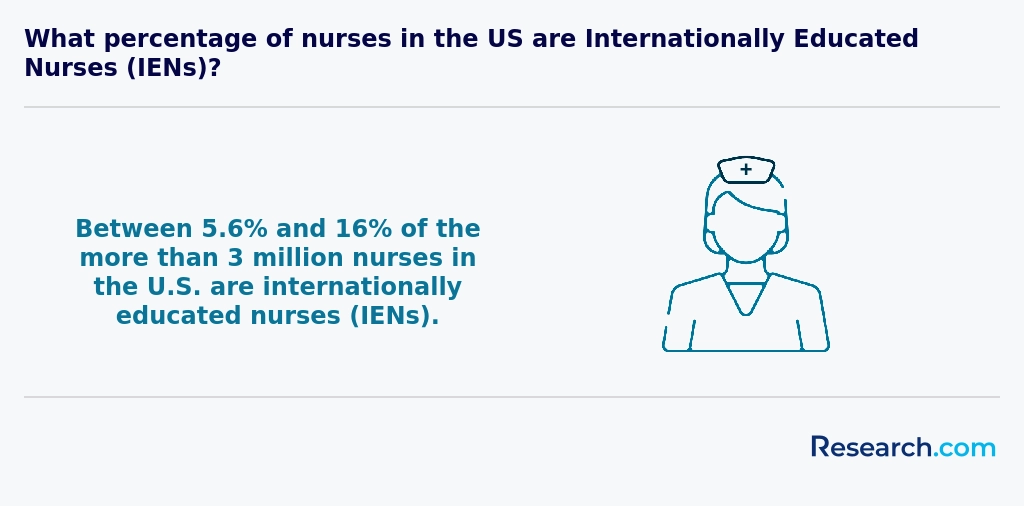
If you're thinking about a nursing degree in Tyler, you'll find tons of career paths waiting for you. Many grads land roles as registered nurses, working hands-on in hospitals or clinics right here in East Texas where nurse jobs are growing fast. Others from popular Tyler colleges have shared how earning their BSN opened doors to specialized roles like nurse educators or case managers, which really boost both responsibility and pay.
There's also cool opportunities beyond hospitals. Some grads enjoy public health nursing, helping entire communities stay healthy through prevention programs, while others prefer home health nursing, making a real difference by caring for patients in their own homes. School and occupational health nursing are other great options for those who want a unique workplace vibe.
Many Tyler students looking into nursing career options in Tyler Texas also explore additional training to become nurse practitioners or midwives. If you want to prep yourself well, you might check out resources on the Minnesota lpn entrance exam which some local students have found helpful during their journey.
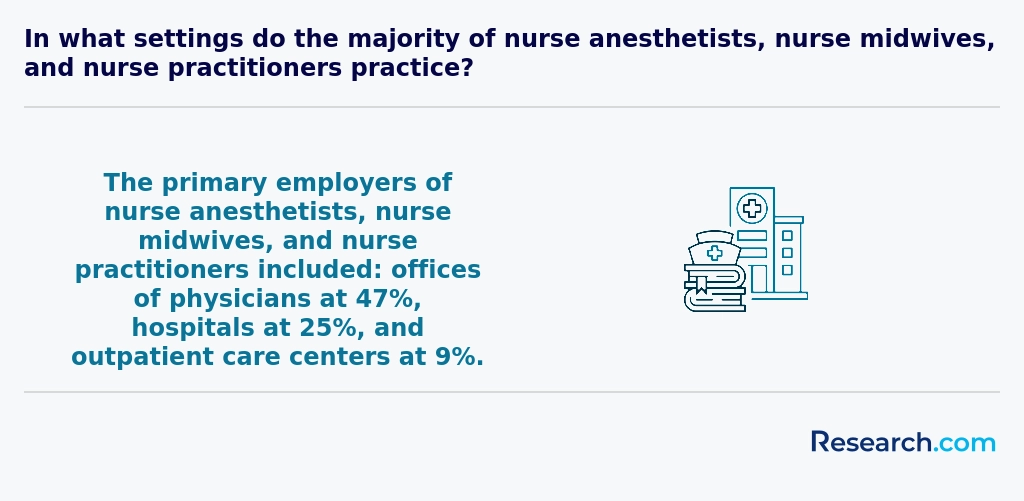
If you're looking at nursing job opportunities in Tyler, things are looking pretty bright. Graduates from popular nursing programs around here often land spots quickly, thanks to the growing demand fueled by Tyler's aging population and expanding healthcare facilities like East Texas Medical Center. Many grads share how they moved straight into roles in hospitals or outpatient centers, getting hands-on experience right away.
Schools in Tyler offer practical training that really prepares students for real-world nursing. Plus, graduates often mention feeling confident stepping into roles like registered nurses or licensed vocational nurses, knowing they're valued by local employers. The average salary for nurses here is quite competitive too, which definitely helps after those years of study.
For those considering various paths, it's worth checking out options like nurse practitioner degrees washington specialization options to broaden your skillset and boost your chances across regions. Overall, Tyler nursing degree employment outlook makes this a solid spot for starting your nursing career.
2027 Most Affordable Nursing Degree Programs Ranking in Tyler
Investing in your education is a significant decision that can shape your future, and the Research.com team understands the importance of making informed choices. To assist prospective students in Tyler, we have meticulously crafted the "2027 Most Affordable Nursing Degree Programs Ranking in Tyler." Our commitment to quality, credibility, and accuracy is reflected in the extensive research and analysis conducted to compile this ranking.
We utilized the following reputable data sources to ensure a comprehensive evaluation of nursing programs:
By exploring this ranking, readers will gain valuable insights into the most affordable nursing degree options in Tyler, helping them make informed and confident decisions about their educational paths. For more details on our methodology, please visit our Research.com methodology page.

Frequently Asked Questions About nursing
Nursing degree students in Tyler can maximize their learning by combining classroom knowledge with practical experiences. Tyler's institutions often partner with local healthcare facilities like UT Health Tyler for clinical rotations, enabling students to apply skills in real settings. According to the Texas Board of Nursing, hands-on clinical hours are vital for licensure and career readiness.
Students should engage actively in study groups and use campus resources such as tutoring and simulation labs, which enhance critical thinking. Additionally, staying informed about healthcare trends in Texas, including telehealth expansion, prepares students for evolving demands. Balancing coursework with local nursing organizations offers networking and mentorship opportunities.
The nursing field in Tyler is experiencing growth in several emerging niches, reflecting nationwide healthcare trends. One rapidly expanding area is geriatric nursing, as the U.S. population ages and demands specialized elder care. According to the U.S. Bureau of Labor Statistics, employment for registered nurses with geriatric specialization is expected to grow faster than average through 2030.
Another notable niche is telehealth nursing, which has expanded significantly in Tyler due to increased use of digital health services during and after the pandemic. Nurses here support remote patient monitoring and virtual consultations, improving access to healthcare in rural East Texas.
Additionally, oncology nursing continues to be a critical specialty, tied to rising cancer cases nationally and regionally. Local hospitals in Tyler emphasize this field in their nursing programs to meet growing care demands.
After completing a nursing degree in Tyler, preparation for the job market involves several strategic steps. First, graduates should ensure they obtain RN licensure by passing the NCLEX-RN exam, which is required to practice as a registered nurse in Texas.
Networking is crucial. Joining local nursing associations, such as the Texas Nurses Association or Tyler-area healthcare groups, can connect graduates with potential employers and mentors. Additionally, Tyler's healthcare sector includes several major employers like Trinity Mother Frances Health System, offering numerous entry-level opportunities.
Strong clinical experience gained during your program and internships often makes candidates more competitive. Employers in Tyler value hands-on skills and familiarity with electronic health records systems.
Continuing education and specialty certifications, such as in gerontology or critical care, can further improve employment prospects in this growing job market.
Employers in Tyler highly value nursing graduates who demonstrate strong clinical skills combined with effective communication abilities. According to data from the Texas Board of Nursing, practical hands-on experience and critical thinking are essential for new nurses entering the workforce in this region.
In addition to technical competency, interpersonal skills are vital. Nurses must work closely with patients and healthcare teams, making empathy and teamwork top priorities for employers.
Knowledge of electronic health record (EHR) systems is increasingly important, as many Tyler healthcare facilities rely on digital patient management. Adaptability and the ability to stay current with medical advancements also enhance a graduate's employability locally.
Finding nursing internships in Tyler involves exploring opportunities through local healthcare facilities and educational institutions. Tyler is home to several hospitals, including UT Health Tyler and Mother Frances Hospital, which frequently offer clinical placement programs for nursing students.
Students enrolled in accredited nursing programs should consult their school's career or clinical coordination offices, as these offices maintain partnerships with local hospitals and clinics to facilitate internships. The Texas Board of Nursing also recommends verifying that internships comply with state clinical hour requirements, ensuring practical experience counts toward licensure.
Additionally, nursing organizations such as the Texas Nurses Association may provide listings or guidance for internship openings in Tyler. Networking with nursing faculty or attending local healthcare job fairs can further increase access to relevant internships.
Obtaining a nursing degree in Tyler can significantly enhance career mobility and advancement opportunities. According to the Texas Workforce Commission, healthcare jobs in the Tyler metro area are projected to grow by over 15% through 2030, driven largely by demand for skilled nurses. A nursing degree, particularly a Bachelor of Science in Nursing (BSN), is often required for promotions into leadership roles such as nurse manager or clinical coordinator.
Advanced degrees, like a Master of Science in Nursing (MSN), open additional pathways including nurse practitioner or nurse educator positions, which typically offer higher salaries. Local healthcare employers, including UT Health East Texas, prioritize candidates with formal nursing education. As a result, earning a nursing degree in Tyler is a practical step for expanding career options within the regional healthcare market.
Studying for a nursing degree in Tyler equips students with essential skills to thrive in interdisciplinary healthcare teams. Local programs emphasize collaborative learning by integrating courses in communication, ethics, and healthcare technology. Tyler's nursing curricula often include clinical experiences alongside professionals from medicine, social work, and pharmacy, fostering real-world teamwork skills.
According to the Texas Board of Nursing, graduates in this region show strong competencies in patient-centered care and cross-disciplinary collaboration. The focus on evidence-based practice in Tyler's nursing programs prepares students to contribute effectively to diverse medical teams, improving patient outcomes through shared expertise and coordinated care.
Choosing between a thesis and a non-thesis nursing degree program in Tyler depends on your career goals and learning preferences. Thesis programs emphasize research, requiring students to conduct original studies and write a detailed paper. This path suits those interested in nursing research, teaching, or pursuing a doctoral degree.
Non-thesis programs focus more on clinical practice and coursework, ideal for students aiming to work directly in healthcare settings. According to the Texas Board of Nursing, many Tyler programs offer both options to accommodate diverse professional needs.
Consider time commitment: thesis tracks often take longer due to research requirements. Also, think about funding, as some research programs have assistantships or grants.
Students based in Tyler seeking to study nursing abroad have several pathways to consider. Many universities in Texas, including those near Tyler, offer exchange programs or partnerships with international institutions that allow nursing students to complete part of their education overseas. These programs often focus on clinical experience in diverse healthcare settings, enhancing students' understanding of global health practices.
While direct enrollment in foreign nursing schools is less common for Tyler residents, some may opt for study abroad semesters through local community colleges or universities that participate in established consortia.
It is important to note that students must verify the international program's curriculum aligns with Texas Board of Nursing requirements to ensure smooth licensure upon return. According to the National Student Exchange and the Texas Higher Education Coordinating Board, nursing study abroad participation is increasing but remains a supplemental option rather than a primary route for Tyler students.
Students pursuing nursing degrees in Tyler have various part-time job options that complement their education while providing valuable experience. Healthcare facilities like Trinity Mother Frances Health System offer roles such as nursing assistants or patient care technicians, allowing students to gain hands-on clinical skills alongside coursework. These positions often provide flexible hours to accommodate class schedules.
Local pharmacies and medical offices also hire part-time pharmacy technicians or medical receptionists, roles that enhance understanding of patient care and healthcare administration. According to the U.S. Bureau of Labor Statistics, healthcare support jobs in Texas are projected to grow 16% from 2021 to 2031, reflecting strong local demand.
Working in these roles in Tyler not only supports income but helps build a practical foundation for a nursing career.
Nursing students in Tyler have access to multiple networking opportunities that can enhance their education and career prospects. Local institutions like the University of Texas at Tyler and Tyler Junior College frequently host events such as nursing conferences, workshops, and career fairs. These gatherings allow students to connect with healthcare professionals and potential employers in the East Texas region.
The Tyler area also benefits from close ties to hospitals such as the UT Health East Texas system, which provides clinical rotations and internship programs. These placements often offer networking chances with experienced nurses and medical staff.
Additionally, Tyler nursing students can join organizations like the Texas Nurses Association, which hosts regional meetings and seminars specific to nursing professionals in Texas. According to the Bureau of Labor Statistics, Texas is among the highest employment areas for registered nurses, making these connections valuable for securing future positions.
Alumni networks offer valuable benefits to nursing degree students in Tyler by providing access to experienced professionals and career support. Graduates from local nursing programs often stay connected, creating opportunities for mentorship, internships, and job placements in East Texas healthcare facilities. This network fosters professional growth and helps students navigate licensing and certification processes.
According to data from the Texas Board of Nursing, Tyler's nursing graduates have a high pass rate on the NCLEX-RN exam, partly due to the guidance from alumni. Networking also enhances access to continuing education and keeps students informed about regional healthcare trends.
Customizing a nursing degree program in Tyler involves selecting coursework and clinical experiences that align with your career goals. Many local institutions, such as the University of Texas at Tyler, offer specialty tracks like pediatrics, geriatrics, or critical care nursing. You can often choose electives and clinical rotations tailored to these areas.
Additionally, students can pursue certifications or dual degrees to enhance their skills. For example, combining a Bachelor of Science in Nursing (BSN) with courses in healthcare management can prepare you for leadership roles.
Part-time and online options provide flexibility for working professionals aiming to advance their careers while maintaining employment.
Nursing students in Tyler face several common challenges during their education. One major difficulty is the demanding clinical hours required, which often exceed 700 hours throughout a program, according to Texas Board of Nursing guidelines. Balancing these hours with coursework and part-time jobs creates time management issues for many students.
Another significant challenge is the high cost of nursing education. In Tyler, average tuition for nursing programs ranges from $8,000 to $15,000 per year, putting financial strain on students and sometimes requiring loans.
Additionally, students often struggle with passing the NCLEX-RN licensure exam, where Texas's overall pass rates hover around 85%, requiring thorough preparation and support.
With a nursing degree in Tyler, graduates can pursue various professional certifications to advance their careers. Common certifications include the Certified Nurse Assistant (CNA) and Licensed Practical Nurse (LPN), which serve as entry-level credentials. Many Registered Nurses (RNs) further obtain certifications such as the Certified Registered Nurse Anesthetist (CRNA) or the Certified Nurse Midwife (CNM).
Advanced certifications like the Clinical Nurse Specialist (CNS) and Certified Nurse Educator (CNE) are also popular. Certifications often require passing national exams and meeting local Texas Board of Nursing requirements.
According to the Texas Board of Nursing, about 35% of nurses in the Tyler area hold one or more specialty certifications, which can improve job prospects and salary potential.
Applying for a nursing program in Tyler requires careful preparation and understanding of what admission committees seek. First, ensure your academic records highlight strong performance in science and math courses, as these are crucial for nursing studies. Many Tyler programs, including those at local community colleges and universities, value a minimum GPA of around 3.0 for competitive applicants, according to Texas Higher Education Coordinating Board data.
Next, craft a clear and sincere personal statement. Focus on your motivation to join the nursing profession, relevant experiences such as volunteering or healthcare work, and your commitment to patient care. Be specific about why you chose Tyler for your studies.
Additionally, secure strong letters of recommendation from teachers or healthcare professionals who can attest to your skills and work ethic. Some programs may require standardized test scores or entrance exams, so check each institution's requirements carefully.
Finally, stay informed about deadlines and submit all materials on time. Early application increases your chances in schools with limited seats, as the demand for nursing education in Tyler grows with healthcare needs in East Texas.
Nursing is recognized globally as a vital healthcare profession, with opportunities that extend beyond local practice. In the United States, including Tyler, Texas, the demand for nurses continues to grow due to an aging population and expanding healthcare needs. According to the U.S. Bureau of Labor Statistics, registered nurse employment is expected to increase by 9% from 2020 to 2030, reflecting strong job security.
Internationally, nursing standards and practices may vary, but the foundational skills remain consistent. Many U.S. nursing programs, including those accessible in Tyler, emphasize evidence-based practice to prepare graduates for diverse healthcare environments.
For Tyler students, pursuing nursing degrees aligns with a global profession that offers career mobility and opportunities to impact public health worldwide. Local educational institutions support this by offering programs that meet national accreditation standards, equipping students with skills relevant worldwide.
Gaining practical experience is essential when studying for a nursing degree in Tyler. Most nursing programs in the area include clinical rotations in local hospitals, clinics, or long-term care facilities. These hands-on experiences allow students to apply classroom knowledge in real healthcare settings under professional supervision.
The University of Texas at Tyler, for example, partners with several local medical centers to offer clinical placements throughout the program. Students typically complete between 500 to 700 clinical hours, meeting both state licensing and accreditation requirements.
Additionally, volunteering or working as a certified nursing assistant (CNA) in Tyler healthcare facilities is a common way to build practical skills early in the program.
Choosing the right concentration within a nursing degree program in Tyler depends on your career goals, interests, and the local healthcare demand. Tyler is known for its growing medical sector, including specialties like gerontology and acute care due to its aging population, as reported by the Tyler Area Chamber of Commerce.
Consider concentrations such as Family Nurse Practitioner, Pediatric Nursing, or Psychiatric Mental Health Nursing. These areas align with Texas's projected nursing needs through 2030, according to the Texas Center for Nursing Workforce Studies. Programs in Tyler often offer clinical rotations in local hospitals, giving practical exposure.
Evaluate your personal strengths and preferences by researching program curricula, clinical opportunities, and certification paths for each concentration. This informed approach helps match your skills to Tyler's specific healthcare environment.
- 2027 Most Affordable Nursing Degree Programs Ranking in San Antonio
- 2027 Most Affordable Nursing Degree Programs Ranking in Memphis
- 2027 Most Affordable Nursing Degree Programs Ranking in Hattiesburg
- 2027 Most Affordable Nursing Degree Programs Ranking in Mobile
- 2027 Most Affordable Nursing Degree Programs Ranking in Kansas City
- 2027 Most Affordable Nursing Degree Programs Ranking in Birmingham
- 2027 Most Affordable Nursing Degree Programs Ranking in Saint Louis
- 2027 Most Affordable Nursing Degree Programs Ranking in Lincoln
- 2027 Most Affordable Nursing Degree Programs Ranking in Omaha
- 2027 Most Affordable Nursing Degree Programs Ranking in Atlanta
See What Experts Have To Say About Studying Nursing
Read our interview with Nursing experts

Lisa Grubb
Nursing Expert
Assistant Professor
Johns Hopkins School of Nursing

- Pros And Cons Of Online Nursing In 2025 | Davis & Elkins https://www.dewv.edu/the-pros-and-cons-of-online-nusing-in-2025-is-it-right-for-you/
- How Do Nurses Navigate Career Advancement? | NursingEducation https://nursingeducation.org/insights/career-advancement/
- THE FIELD OF NURSING - FIRST-DEGREE OF STUDIES https://wnoz.wum.edu.pl/pl/content/field-nursing-first-degree-studies
- Nursing Study Abroad Programs | Go Overseas https://www.gooverseas.com/study-abroad/nursing
- Nursing - Tyler Junior College https://tjc.edu/programs/nursing/
- Essential Tips for Nursing Students to Advance Their Careers https://almanaltraining.com/essential-tips-for-nursing-students-to-advance-their-careers/
- Tips for Creating a Perfect Nursing School Application https://www.allnursingschools.com/articles/how-to-create-the-perfect-nursing-school-application/
- 10 Nursing Fields That Are Growing in Demand https://promedcert.com/blog/10-nursing-fields-that-are-growing-in-demand
- Nursing Internships Abroad: An Introduction - RealStep https://www.real-step.com/en/articles/nursing-internships-abroad/
- Client Challenge https://www.springerpflege.de/nursing-graduates-perceived-future-career-pathway-and-career-shi/50653658