
2027 Best Healthcare Degree Programs Ranking in Idaho

Co-Founder and Chief Data Scientist
Choosing the right healthcare degree program in Idaho can feel overwhelming, but finding the best fit is easier with the right information.
This article presents the 2027 Best Healthcare Degree Programs Ranking in Idaho, created by the Research.com team of data scientists to guide you in making an informed decision.
By exploring these rankings, you'll discover programs that match your goals and interests, helping you start a rewarding career in healthcare.
Investing in a healthcare degree opens doors to meaningful work and personal growth.
Key benefits of getting healthcare degree in Idaho
- Healthcare degree graduates in Idaho can expect competitive salaries, such as Medical Assistants earning around $43,350 annually and Patient Care Technicians making approximately $60,790 per year.
- A healthcare degree opens diverse career paths, from becoming a Clinical Research Coordinator to advancing in quality management roles like a Quality Improvement Coordinator, offering rewarding opportunities.
- Online healthcare degrees provide flexibility for busy students, allowing graduates from Idaho's universities to balance work and study efficiently while gaining valuable skills for high-demand jobs.
- Key benefits of getting healthcare degree in Idaho
- What can I expect from healthcare degree in Idaho?
- Where can I work with healthcare degree in Idaho?
- How much can I make with healthcare degree in Idaho?
- 2027 Best Healthcare Degree Programs Ranking in Idaho
- Key Findings
- How long does it take to complete healthcare degree in Idaho?
- Accreditation and Licensure Requirements
- What's the difference between online and on-campus healthcare degree?
- Licensing and Certification Requirements for Healthcare Graduates in Idaho
- What is the average cost of healthcare degree in Idaho?
- Student Support, Campus Life, and Professional Development
- What financial aid is available to healthcare degree students in Idaho?
- Licensing & Certification: Essential Next Steps in Your Healthcare Career
- What are the prerequisites for enrolling in healthcare degree program in Idaho?
- Life in Idaho: Living, Studying, and Thriving
- What courses are typically in healthcare degree programs in Idaho?
- What types of specializations are available in healthcare degree programs in Idaho?
- How do you choose the best healthcare degree in Idaho?
- What career paths are available for healthcare degree students in Idaho?
- What is the job market for healthcare degree in Idaho?
- Related Healthcare Rankings for Nearby States
- Top Trending Healthcare Rankings
- See What Experts Have To Say About Studying Healthcare
What can I expect from healthcare degree in Idaho?
Students pursuing healthcare degrees in Idaho typically find the cost both reasonable and worth the investment, with annual tuition often ranging from $7,000 to $15,000 at institutions like Boise State University and Idaho State University. Graduates frequently share how the affordable pricing coupled with strong program quality made pursuing their passion for healthcare attainable and fulfilling.
Many students appreciate that this investment opens doors to rewarding careers in nursing, public health, and allied health fields, supported by Idaho's growing demand for medical professionals. For example, completing a Bachelor of Science in Nursing at Boise State not only offers competitive tuition but also provides access to rich clinical experiences that alumni describe as eye-opening and confidence-building.
Hands-on training at local hospitals and clinics complements classroom learning, giving students real-world skills that make that tuition feel like a stepping stone to success. The smaller class sizes foster close faculty mentorship, helping learners stay motivated and engaged every step of the way in their healthcare journey.
Where can I work with healthcare degree in Idaho?
Graduates with healthcare degrees in Idaho step into a world filled with meaningful opportunities that truly impact their communities. Many find rewarding careers in bustling hospitals across Boise, Meridian, and Idaho Falls-thriving urban centers supported by strong health systems like St. Luke's and Saint Alphonsus. Imagine working alongside caring professionals, from nurses to healthcare administrators, making life-changing decisions every day.
Idaho's healthcare graduates also shine in outpatient clinics and specialty practices, where roles like physical therapists and physician assistants flourish, especially in smaller towns. Those from colleges such as Boise State University or the College of Western Idaho often share stories of helping rural areas overcome provider shortages, providing crucial care where it's needed most.
Long-term care facilities offer heartfelt work caring for Idaho's growing elderly population, while public health jobs with state agencies allow graduates to champion health initiatives that protect entire communities. For those drawn to management, healthcare administration and IT present exciting paths to shape Idaho's evolving health landscape-turning passion into career fulfillment every step of the way.
How much can I make with healthcare degree in Idaho?
Graduates with healthcare degrees in Idaho can anticipate rewarding salaries reflecting their vital roles in communities. For example, medical assistants typically earn around $43,350 annually, while patient care technicians enjoy a higher mean income of about $60,790. These positions offer excellent entry points to launch a fulfilling healthcare career in the state.
Health information technicians, who manage crucial medical data, have mean wages near $43,380, providing stable opportunities in healthcare administration. Clinical research coordinators also earn comparable salaries, averaging $43,350 annually, opening pathways into medical research supported by institutions like Boise State University and the College of Idaho.
For those aiming higher, quality improvement coordinators command impressive salaries-on average $103,150 per year-reflecting their leadership in enhancing healthcare standards across Idaho facilities.
Many graduates from Idaho's healthcare programs share how their education equipped them to step confidently into roles with meaningful salaries. These earnings empower them to contribute significantly to their communities while enjoying tangible career success in the Gem State.
2027 Best Healthcare Degree Programs Ranking in Idaho
How do we rank schools?
Investing in your education is a significant decision that can profoundly impact your future, and the Research.com team is fully aware of the responsibility involved in guiding such choices. To support prospective students in Idaho, we have carefully developed the "2027 Best Healthcare Degree Programs Ranking in Idaho." Our dedication to quality, credibility, and accuracy is exemplified through the rigorous research and thorough analysis conducted to produce this ranking.
We utilized the following reputable data sources to ensure a comprehensive evaluation of healthcare degree programs:
By consulting this ranking, readers will obtain valuable insights into the top healthcare degree programs within Idaho, empowering them to make well-informed educational decisions aligned with their career goals. For detailed information on our ranking process, please visit our Research.com methodology page.


# 6 position
Idaho State University
Bachelor of Science in Health Science (bshs)


# 10 position
Idaho State University
Master of Health Administration
Key Findings
- Healthcare degrees in Idaho are available at community colleges, technical schools, and universities, with options ranging from certificates to advanced degrees in nursing, medical technology, and health administration.
- Annual tuition at public institutions for in-state undergraduate healthcare programs ranges from $7,000 to $10,000, while community colleges offer associate degrees and certifications for $4,000 to $6,000 per year.
- Entry-level registered nurses in Idaho earn approximately $55,000 annually, while professionals with advanced degrees, such as nurse practitioners, can earn over $90,000 per year.
- Idaho's healthcare job market is growing faster than the national average, especially for registered nurses, medical assistants, and therapists, with rural areas showing high demand for workers.
- Licensure typically requires passing national exams after completing accredited programs, and many Idaho schools offer preparation for these exams along with support for continuing education.
How long does it take to complete healthcare degree in Idaho?
Completing a healthcare degree in Idaho is an exciting journey that fits a range of timelines depending on your goals. Many students find certificate programs, like those in medical assisting or phlebotomy, can be completed in less than a year, quickly opening doors to rewarding healthcare support roles. Graduates from these programs often share the joy of stepping into their careers with confidence and readiness.
Associate degrees, such as the Nursing program at Idaho State University, typically take around two years. Students often describe this period as transformational-balancing hands-on learning with real patient care experiences that ignite their passion for healthcare.
For those pursuing a bachelor's degree, Boise State University and the University of Idaho offer BSN programs that usually take about four years. Many graduates reflect on these years as a time of growth, where classroom knowledge and clinical practice come together to prepare them fully for licensed nursing roles.
Advanced degrees add two to four more years, enabling careers in specialized fields like nurse practitioner or physical therapy. Throughout Idaho, healthcare students feel inspired by the supportive communities and vibrant learning environments that help them thrive every step of the way.
Accreditation and Licensure Requirements
Ensuring your healthcare degree program holds proper accreditation is essential for licensure, employer recognition, and federal financial aid eligibility. In Idaho, nursing programs should be accredited by the Commission on Collegiate Nursing Education (CCNE) or the Accreditation Commission for Education in Nursing (ACEN), while public health degrees typically require Council on Education for Public Health (CEPH) approval. Healthcare administration programs may seek accreditation from the Commission on Accreditation of Healthcare Management Education (CAHME). After graduation, most clinical roles-such as registered nurses or physical therapists-require passing state board exams administered by the Idaho Board of Nursing or the Idaho Board of Medicine. For example:
- Nursing graduates must clear the NCLEX-RN and apply for licensure through Idaho’s Office of Licensure and Certification.
- Health information managers may pursue the Registered Health Information Administrator (RHIA) credential from AHIMA, which mandates graduation from a CAHIIM-accredited program. Prospective students should verify each program’s accreditation status on the U.S. Department of Education database and confirm that the curriculum meets Idaho licensure prerequisites. For those considering cost-effective pathways, explore our Low Cost Online Master's in Healthcare Degree Programs Ranking in Colorado to compare accredited online options and ensure a seamless transition to professional practice.
What's the difference between online and on-campus healthcare degree?
Choosing between online and on-campus healthcare degrees in Idaho opens exciting possibilities for your future. On-campus programs at institutions like Boise State University and Idaho State University offer vibrant, hands-on experiences. Imagine learning directly in state-of-the-art labs and practicing your skills during clinical rotations right on campus. Graduates often cherish the close bonds formed with faculty and peers, fueling their confidence and readiness for healthcare careers.
Online programs bring inspiring flexibility, perfect for balancing work or family life. Many students thrive studying at their own pace, accessing engaging recorded lectures and virtual discussions. Even though classes are online, students still gain real-world experience through local clinical placements, maintaining the high standards Idaho's healthcare programs demand. This format empowers students to successfully manage responsibilities while advancing their education.
Whether you envision bustling campus days or the freedom to learn remotely, both paths in Idaho offer rewarding journeys. Graduates from each approach share a strong sense of accomplishment and readiness to make a positive impact in healthcare.
Licensing and Certification Requirements for Healthcare Graduates in Idaho
Graduates of healthcare degree programs in Idaho must navigate a variety of state and national licensure exams and certifications to practice legally and advance their careers. For registered nurses, passing the NCLEX-RN and obtaining approval from the Idaho Board of Nursing is mandatory; many students report scheduling their exam within six weeks of graduation and joining nursing review courses offered by their universities. Health Information Management graduates pursue the Registered Health Information Technician (RHIT) credential through the American Health Information Management Association (AHIMA), often leveraging capstone projects to demonstrate competency before sitting for the exam. Physical therapists complete clinical internships accredited by the Commission on Accreditation in Physical Therapy Education (CAPTE) and then sit for the National Physical Therapy Examination (NPTE) to earn licensure. Aspiring pharmacists must first earn their PharmD and then pass the North American Pharmacist Licensure Examination (NAPLEX) as well as the Idaho Multistate Pharmacy Jurisprudence Examination (MPJE). For students weighing an accelerated pathway, exploring how an accelerated program can streamline exam eligibility is critical-learn more about how long does it take to become a pharmd and prepare strategically for licensure. State certification for allied roles, such as Medical Assistants (CMA) and Surgical Technologists (CST), requires completion of a CAAHEP-accredited program and passing the respective national board exams, which many Idaho colleges integrate directly into clinical practicums. Maintaining licensure in Idaho involves ongoing professional development: RNs must document 30 contact hours of continuing education every two years, while pharmacists complete 40 hours over the same period. Health administrators and public health professionals often pursue Certified Professional in Healthcare Quality (CPHQ) or Certified in Public Health (CPH) credentials, respectively, to stay abreast of evolving regulations and technologies. Understanding these requirements early in your academic journey ensures a seamless transition from graduation to practice and positions you for leadership in Idaho’s dynamic healthcare landscape.
What is the average cost of healthcare degree in Idaho?
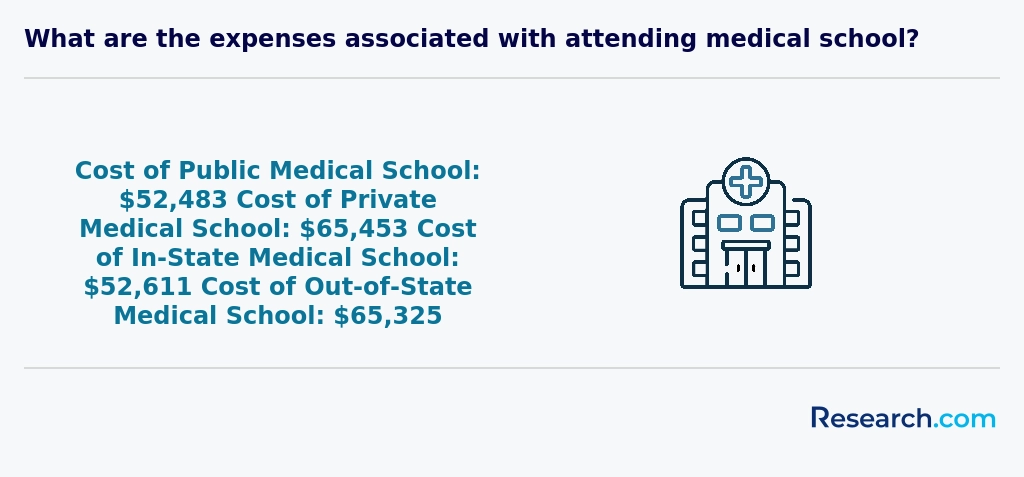
The average cost of a healthcare degree in Idaho reflects an accessible pathway for many aspiring professionals ready to make a difference. For in-state students, the median total cost is approximately $9,084, making Idaho a promising location to pursue quality healthcare education without overwhelming financial burden. Many graduates recall how attending well-known institutions like Boise State University provided an affordable and supportive environment to achieve their dreams.
Idaho's healthcare degree tuition and fees often feel manageable thanks to the state's public universities, which offer competitive rates for residents. These rates allow students to focus more on their studies and clinical training rather than financial concerns. Graduates often express satisfaction with how budgeting became easier, enabling them to balance school, work, and personal growth naturally throughout their educational journey.
Out-of-state students should be prepared for higher costs, but many find that financial aid, scholarships, and grants reduce the final expenses significantly. State and federal support programs make studying healthcare in Idaho even more attractive, inspiring many to envision a bright future in healthcare fields while keeping costs in check.
For those exploring affordable healthcare programs in Idaho, discovering comprehensive support and practical tuition rates opens doors to rewarding careers. Students who chose Idaho's healthcare education appreciate how achievable their goals became, thanks to transparent costs and meaningful financial aid options that make the journey inspiring and focused on success.
Student Support, Campus Life, and Professional Development
Idaho’s healthcare programs not only offer rigorous academic training but also nurture a supportive campus environment that plays a crucial role in student success. Many institutions recognize that thriving in a healthcare career starts with strong professional development and robust support systems. Campus resources such as academic advisors, mental health services, peer tutoring, and dedicated career centers help students navigate the challenges of demanding coursework and clinical placements. Students often participate in networking events, mentorship programs, and hands-on workshops that build both technical skills and soft skills like communication and teamwork. Active student organizations and healthcare clubs create communities where prospects share experiences, discuss emerging industry trends, and foster lifelong connections that benefit their careers beyond graduation. Some colleges also offer internship programs and partnerships with local clinics and hospitals, providing early exposure to real-world healthcare challenges and an invaluable bridge from academic theory to practice. For students who are budget conscious, exploring options like affordable healthcare programs in idaho can be a game changer, as many institutions emphasize both quality education and financial sustainability. This holistic approach to student success, blending academic rigor with comprehensive support and professional development, is designed to prepare graduates not only for today’s healthcare landscape but for future advancements in the field.
What financial aid is available to healthcare degree students in Idaho?
Healthcare students in Idaho can breathe easier knowing there are many financial aid options designed to lighten the burden of tuition and fees. Many graduates from Boise State University recall how federal aid, like Pell Grants and low-interest federal loans accessed through FAFSA, made their healthcare education achievable and less stressful. These funds provide essential support without the weight of immediate repayment.
Beyond federal help, the Idaho Opportunity Scholarship offers up to $3,500 annually for residents pursuing degrees in healthcare, making dreams more attainable at places like Idaho State University. Nurses-in-training especially benefit from the Idaho Nursing Incentive Program, which forgives loans in exchange for service in high-need rural areas, turning career goals into meaningful community impact.
Institutional scholarships at Idaho's top healthcare programs reward dedication and academic excellence, while some hospitals provide tuition reimbursement for graduates who commit to working locally. These real-life supports ease financial stress and empower students to build rewarding, impactful careers close to home.
Licensing & Certification: Essential Next Steps in Your Healthcare Career
After completing your healthcare degree in Idaho, understanding the licensing and certification process is vital to launching a successful professional journey. Many programs offer robust preparation for industry-standard exams and mandatory certifications that vary by specialization. For example, nursing graduates must pass the NCLEX-RN, while health administration professionals may seek certifications such as the Certified Medical Manager (CMM) to validate their expertise. This section delves into the typical exam requirements, study resources, and timelines that align with your chosen field. Collaborative partnerships between institutions and industry experts often provide test preparation workshops, peer study groups, and career counseling focused on regulatory standards, ensuring that graduates remain competitive in a dynamic job market. Additionally, if you’re exploring advanced public health opportunities, consider reviewing the ranking of easiest mph online programs to get into for alternative pathways that balance accreditation with flexibility in continuing professional education. Emphasizing proper licensure and certification not only enhances employment prospects but also reinforces your commitment to delivering high-quality patient care and healthcare management.
What are the prerequisites for enrolling in healthcare degree program in Idaho?
To embark on an inspiring healthcare journey in Idaho, you'll need to meet certain foundational prerequisites that set you up for success. Many students at Boise State University and Idaho State University share how completing high school or GED with strong science courses-like biology, chemistry, and math-gave them the confidence to dive into the demanding healthcare fields.
Graduates often recall the excitement of tackling anatomy, physiology, microbiology, and chemistry at the college level, which not only prepared them academically but deepened their passion for patient care. Alongside coursework, submitting SAT or ACT scores, or embracing test-optional paths, helped many secure their places.
Hands-on experience is a game changer. Volunteering or working in local hospitals or elder care centers gave students a real-world glimpse of healthcare's impact, fueling their commitment. Plus, programs in Idaho expect proof of immunizations and background checks, ensuring a safe, supportive learning environment.
With these steps, you're not just meeting requirements-you're stepping into a future where your care truly counts.

Life in Idaho: Living, Studying, and Thriving
Idaho offers more than excellent academic programs-it provides a vibrant community, an affordable cost of living, and an enriching campus life that collectively enhance the overall educational experience. Prospective healthcare students will find that studying in Idaho means embracing a unique blend of outdoor adventure, tight-knit communities, and innovative local healthcare networks. This supportive environment encourages not only academic success but also personal growth and a smoother transition into professional settings. Furthermore, many students appreciate the balance of academic rigor with a relaxed lifestyle, where insights from local healthcare professionals and community involvement play key roles in shaping their careers. For those looking to maximize the value of their education, exploring affordable healthcare programs in idaho can reveal opportunities that combine quality instruction with a cost-effective living situation, ultimately leading to a well-rounded and fulfilling collegiate experience.
What courses are typically in healthcare degree programs in Idaho?
Healthcare degree programs in Idaho feature a dynamic mix of courses that equip students with the skills needed to thrive in real-world settings. Graduates from well-known institutions like Boise State University and Lewis-Clark State College often describe their education as both challenging and rewarding, blending science with practical experience.
Core classes typically include human anatomy and physiology, offering a deep understanding of the human body that inspires confidence in future patient care. Students also dive into microbiology and medical terminology, building a language and knowledge base essential for effective communication in healthcare environments.
Programs emphasize healthcare ethics and law, preparing students to navigate the complex responsibilities they will face. Many share how courses in healthcare informatics and technology opened their eyes to the impact of digital tools on patient outcomes, making their studies feel modern and relevant.
Hands-on clinical practicums at hospitals or clinics are highlights for many students, turning classroom theories into compassionate care. Electives like public health or emergency services help personalize learning paths, making Idaho's healthcare education not just an academic experience but a journey that truly prepares graduates for meaningful and fulfilling careers.
What types of specializations are available in healthcare degree programs in Idaho?
Healthcare degree specializations in Idaho provide vibrant pathways to meaningful careers. Graduates from Boise State University often speak of the empowering journey through nursing programs, where they gain hands-on experience in hospitals, helping patients and building lifelong skills. Others pursuing health information management find joy in organizing data that directly impacts patient care quality and hospital efficiency, a critical role in Idaho's evolving healthcare landscape.
Idaho healthcare degree program options also include public health, where students feel inspired working on community wellness projects, addressing rural healthcare challenges. Medical laboratory science majors experience the satisfaction of performing essential diagnostic tests that guide life-saving treatments. Allied health professions offer graduates the chance to support patient recovery through physical therapy assistance or respiratory therapy, roles praised for their personal and professional rewards.
Many students explore growing fields like health informatics and telehealth, adapting to Idaho's rural needs with innovative solutions. For those interested, exploring the ranking of easiest mph online programs to get into can open additional opportunities tailored to busy lifestyles.
How do you choose the best healthcare degree in Idaho?
Choosing the best healthcare degree in Idaho starts with aligning your passion and career goals with programs known for their supportive learning environments. Graduates from well-regarded Idaho institutions often share how hands-on clinical experiences, made possible through partnerships with local health systems like St. Luke's Health System, made them confident and job-ready. Whether pursuing nursing or healthcare administration, selecting an accredited program ensures you receive a quality education that employers respect and that meets licensure standards.
Cost is another crucial factor-many affordable healthcare programs Idaho offer competitive tuition rates, making it easier to pursue your dreams without overwhelming debt. Students frequently note the peace of mind gained from available financial aid and scholarships that help keep expenses manageable. If you've wondered how long does it take to become a pharmd, programs at Idaho colleges provide clear timelines and flexible options to suit different lifestyles.
What career paths are available for healthcare degree students in Idaho?
Graduates with a healthcare degree in Idaho find inspiring career opportunities across a variety of fulfilling paths. From bustling hospitals in Boise to community clinics in rural areas, healthcare professionals are making a meaningful impact every day. Registered Nurses (RNs) enjoy rewarding roles providing direct patient care, with graduates often sharing how their education at well-regarded Idaho colleges empowered them to confidently support patients and families. The state's growing demand also creates strong prospects for Medical and Health Services Managers, whose organizational skills keep operations running smoothly.
Idaho's healthcare degree job prospects extend to Physical Therapy, where graduates assist patients in regaining mobility, especially in underserved communities. Licensed Practical Nurses and Certified Nursing Assistants build essential healthcare teams with shorter training periods, opening quick pathways into the field. Public Health Workers develop prevention programs that uplift tribal and rural populations, highlighting the positive ripple effects of such careers. For those seeking advanced degrees, Idaho's connections to nearby states and online programs expand possibilities-explore the Low Cost Online Master's in Healthcare Degree Programs Ranking in Colorado for options close to home.
What is the job market for healthcare degree in Idaho?
The healthcare job opportunities in Idaho are thriving as the state's growing population creates strong demand for skilled professionals. Graduates from well-regarded institutions like Boise State University and Idaho State University often find rewarding roles in hospitals, outpatient clinics, and rural health centers. Many graduates share inspiring stories of quickly securing positions as Registered Nurses or medical assistants, energized by the chance to serve communities close to home.
The employment outlook for healthcare degrees Idaho is notably positive, with rising needs driven by an aging population and expanded access to care. Salaries for RNs average around $65,000, reflecting the value employers place on qualified healthcare workers. Students committed to specialized paths such as physical therapy enjoy enhanced prospects, though additional certification is typically required.
Many students discover that balancing quality education with affordability is possible through public colleges and community programs, where costs range from $5,000 to $20,000 annually. For those seeking accessible entry points, exploring an easy bachelor's degree in healthcare-related fields can be a motivating step toward a fulfilling career.
Frequently Asked Questions About healthcare
Healthcare degree students in Idaho can maximize their learning by combining classroom knowledge with practical experience. Idaho's healthcare sector offers many clinical placement opportunities, especially in rural and underserved areas, which helps students gain hands-on skills. According to the Idaho Department of Labor, healthcare employment is projected to grow by 14% through 2030, highlighting the importance of applied learning. Participating in internships or volunteering at local hospitals or clinics can deepen understanding of patient care and healthcare operations.
Additionally, students should take advantage of Idaho's community college and university partnerships, which often provide access to updated medical technology and interprofessional education. Engaging with faculty research and healthcare-focused events can further enrich their educational journey.
The healthcare field in Idaho is experiencing growth in several emerging niches. One rapidly expanding area is telehealth, which has increased access to care for rural communities across the state. According to the Idaho Department of Health and Welfare, telemedicine visits grew by over 50% between 2019 and 2023. Another promising niche is health informatics, where professionals manage electronic health records and data analytics to improve patient outcomes.
Additionally, geriatric care is gaining importance due to Idaho's aging population. The U.S. Census Bureau projects a 23% increase in residents aged 65 and older by 2030, driving demand for specialized training in elderly care. These areas offer strong opportunities for healthcare students planning their careers.
After completing a healthcare degree in Idaho, preparing for the job market involves several strategic steps. Idaho's healthcare sector is growing rapidly, with the Idaho Department of Labor projecting a 19% increase in healthcare jobs through 2030. Graduates should obtain relevant certifications such as CNA, LPN, or professional licensure depending on their field.
Networking is crucial. Joining local chapters of healthcare associations and attending Idaho Health Care Association events can open job opportunities. Internships and clinical experiences within Idaho's hospitals, such as St. Luke's Health System, provide practical skills and local contacts.
Additionally, using IdahoWorks, the state's official job portal, helps locate healthcare job openings. Tailoring resumes to highlight Idaho-specific healthcare regulations and technologies improves employability in this market.
Employers in Idaho's healthcare sector prioritize a combination of technical and interpersonal skills when hiring graduates with healthcare degrees. Strong clinical competencies, such as patient assessment and medical technology proficiency, are essential due to the growing demand for skilled healthcare providers across the state.
Communication skills rank highly, as healthcare professionals must effectively interact with diverse patient populations and collaborate within interdisciplinary teams. According to the Idaho Department of Labor, teamwork and problem-solving abilities significantly impact job performance in healthcare roles.
Additionally, employers seek candidates with adaptability and critical thinking skills to navigate the evolving healthcare landscape, including the integration of telehealth services. With Idaho expecting a 19% growth in healthcare occupations by 2030, graduates equipped with these skills will be well-positioned for success.
Finding internships in Idaho relevant to a healthcare degree involves several practical steps. Start by exploring partnerships between Idaho colleges and local healthcare facilities, including hospitals, clinics, and public health agencies. For example, St. Luke's Health System and Saint Alphonsus Health System are key employers offering internship opportunities. According to the Idaho Department of Labor, healthcare occupations are projected to grow over 18% by 2030, increasing the demand for qualified interns.
Students should also utilize college career centers, which often maintain updated internship listings and can assist with application processes. Additionally, state and local government websites provide resources on healthcare internships tied to public health initiatives.
Holding a healthcare degree in Idaho significantly enhances career mobility and advancement opportunities. According to the Idaho Department of Labor, the healthcare sector is one of the fastest-growing industries in the state with an expected job growth of 22% from 2020 to 2030. This growth drives demand for qualified professionals across various roles.
Healthcare degrees, especially in nursing, health administration, or allied health fields, often lead to higher salaries and greater job stability. Graduates find it easier to transition into specialized roles, such as nurse practitioners or healthcare managers, which require advanced credentials.
Moreover, many Idaho healthcare employers value formal education for promotion. For example, health systems like St. Luke's and Saint Alphonsus frequently prioritize degree holders for leadership positions, enhancing career advancement prospects.
Studying for a healthcare degree in Idaho offers a strong foundation for interdisciplinary roles by emphasizing collaboration across medical, nursing, and allied health fields. Idaho's programs often integrate coursework that covers teamwork, communication, and healthcare ethics, essential skills for coordinating patient care with various professionals.
Idaho's regional healthcare landscape, characterized by a mix of urban and rural providers, encourages students to gain experience in diverse settings. This exposure helps prepare graduates to adapt and contribute effectively within multidisciplinary teams.
According to Idaho Department of Health and Welfare data, over 35% of healthcare facilities request clinicians skilled in interdisciplinary practices, reflecting workforce demands.
Choosing between a thesis and a non-thesis healthcare degree program in Idaho depends on your career goals and learning preferences. Thesis programs focus on research, requiring a significant project that can prepare students for doctoral studies or research positions. Non-thesis options often emphasize practical skills and coursework, suitable for those aiming to enter the workforce quickly.
In Idaho, healthcare jobs are growing faster than the national average, with a 15% increase expected by 2030 according to Idaho Department of Labor. This growth favors applied, hands-on experience that non-thesis programs often provide.
If you intend to work in clinical practice or healthcare administration, a non-thesis path may be ideal. Conversely, if you plan to contribute to healthcare innovations or pursue academic roles, a thesis program could be beneficial.
Students based in Idaho seeking healthcare degrees abroad have several pathways through exchange programs and partnerships between Idaho institutions and foreign universities. Programs often include clinical internships and research opportunities in countries like Canada, the United Kingdom, and Australia, which maintain high standards in healthcare education recognized by U.S. accreditation bodies.
Idaho State University and the University of Idaho offer study abroad options connected to healthcare fields, allowing students to gain international experience without compromising credits. According to the Bureau of Labor Statistics, Idaho's healthcare sector is expected to grow 15% by 2030, increasing demand for globally aware professionals.
Students should ensure that their chosen foreign program aligns with U.S. licensure requirements to avoid credential issues. Consulting academic advisors early improves planning and credit transfer chances.
In Idaho, students pursuing healthcare degrees have access to various part-time jobs that enhance their education and experience. Common roles include medical assistants, pharmacy technicians, and certified nursing assistants (CNAs). These jobs provide hands-on exposure to patient care and healthcare environments.
According to the Idaho Department of Labor, healthcare support occupations are projected to grow by 23% through 2030, indicating ample opportunities for students. Working in such roles helps develop practical skills and build professional networks while studying.
Hospitals and clinics in cities like Boise and Idaho Falls often hire part-time employees, making it convenient for students enrolled in nearby institutions. Entry-level positions in labs or administrative healthcare settings can also complement coursework by providing a broader understanding of healthcare operations.
Healthcare students in Idaho have several networking opportunities through local universities, professional organizations, and healthcare facilities. Institutions like Boise State University and Idaho State University host events and career fairs where students can connect with healthcare employers. The Idaho Nurses Association and the Idaho Medical Association offer student membership options, providing access to conferences, mentorship programs, and workshops.
The Idaho Hospital Association also organizes annual events promoting connections between students and healthcare leaders. According to Idaho Department of Labor data, the state's healthcare industry is growing rapidly, increasing opportunities for internships and job placements. These networks play a crucial role in helping students enter Idaho's healthcare workforce.
Alumni networks play a crucial role for healthcare degree students in Idaho by providing ongoing support and professional connections. These networks often offer mentorship programs, connecting students with graduates experienced in local healthcare fields. This guidance can help navigate Idaho's healthcare job market, which, according to the Idaho Department of Labor, is projected to grow by 15% in healthcare occupations by 2030.
Through alumni events and online platforms, students gain access to job opportunities and internships, enhancing employment prospects upon graduation. Additionally, alumni can share insights about working in Idaho's rural and urban healthcare settings, aiding students in making informed career decisions.
Strong alumni relations also foster collaboration on research and continuing education, which benefits students aiming to stay current with healthcare advances. Universities like Boise State emphasize alumni engagement, strengthening community ties and professional networks throughout Idaho's healthcare sector.
Customizing your healthcare degree program in Idaho to match your career goals is increasingly possible due to the flexibility offered by many state institutions. Idaho colleges provide a variety of healthcare specializations, such as nursing, health informatics, and public health, allowing students to focus on areas aligned with their interests. Additionally, students can often select elective courses that develop specific skills like healthcare administration or patient care technology. Many programs also offer internships and clinical experiences within Idaho's growing healthcare sector, which employs nearly 50,000 professionals according to the Idaho Department of Labor. This hands-on experience supports career readiness in local healthcare settings.
Some schools in Idaho provide options for part-time study or online courses, enabling working students to balance professional and academic responsibilities. These programs frequently include personalized academic advising, helping students tailor course sequences to meet certification or licensure requirements specific to Idaho. Access to faculty expertise and Idaho's healthcare networks further facilitates customization, guiding students toward high-demand fields such as rural health or aging services. Overall, Idaho's healthcare education system is designed to support your unique career ambitions through flexible curricula and practical experience opportunities.
Healthcare students in Idaho face several challenges related to both education and local industry demands. One major obstacle is limited access to clinical placement sites, especially in rural areas where healthcare facilities are fewer. According to the Idaho Workforce Development Council, rural hospitals often struggle to accommodate student placements due to staffing shortages and limited resources.
Another challenge is the rising cost of healthcare education. Tuition fees and associated expenses can be significant, and while Idaho offers some financial aid options, these may not fully cover costs. Additionally, balancing demanding coursework with clinical hours and part-time jobs can cause stress for many students.
Finally, the shortage of licensed healthcare professionals in Idaho creates pressure on students to graduate quickly and fill workforce gaps, sometimes at the expense of thorough training. This situation is highlighted by Idaho's Department of Health, which projects a continued need for nurses and allied health workers through 2030.
With a healthcare degree in Idaho, graduates can pursue a variety of professional certifications that enhance career opportunities. Common certifications include Registered Nurse (RN) licensure, which is essential for nursing roles and overseen by the Idaho Board of Nursing.
Other certifications available include Certified Medical Assistant (CMA) and Certified Nursing Assistant (CNA), both recognized statewide. Health Information Management certification is another option, addressing the growing demand for healthcare data professionals in Idaho, where healthcare employment is forecasted to grow by 14% through 2030 according to Idaho Department of Labor data.
Obtaining these certifications often requires passing national exams and meeting state-specific requirements, ensuring competence and quality care.
Writing a winning application for a healthcare program in Idaho requires clear organization and attention to detail. Start by thoroughly researching the specific program's prerequisites and ensure you meet or exceed them. Many Idaho healthcare schools emphasize strong academic performance in sciences, so highlight your coursework and grades in biology, chemistry, and anatomy.
Personal statements should reflect your passion for healthcare and understanding of Idaho's unique health challenges, such as rural care shortages reported by the Idaho Department of Health and Welfare. Include any relevant volunteer or work experience that demonstrates commitment and skills.
Letters of recommendation are crucial; choose individuals who can attest to your professionalism and readiness for rigorous healthcare training.
The global perspective on a healthcare career highlights strong demand and diverse opportunities worldwide. Healthcare professionals are increasingly valued due to aging populations and advancements in medical technology. In the United States, including Idaho, healthcare jobs are expected to grow by 16% from 2021 to 2031, faster than the average for all occupations, according to the U.S. Bureau of Labor Statistics.
Idaho itself faces a growing need for healthcare workers, especially in rural areas. Organizations like Idaho Department of Labor report shortages in nursing and allied health roles. This reflects a global trend where healthcare education is critical to meet patient needs.
Studying healthcare in Idaho can provide a foundation for careers that are globally relevant and locally essential.
Gaining practical experience while studying for a healthcare degree in Idaho is essential for career readiness. Many Idaho colleges and universities offer clinical rotations, internships, or externships as part of their healthcare programs. These opportunities allow students to work directly in medical settings such as hospitals, clinics, and long-term care facilities.
The Idaho Department of Health and Welfare and local healthcare providers often partner with educational institutions to facilitate hands-on training. For example, the University of Idaho and Idaho State University maintain partnerships with regional health centers to provide supervised clinical experiences.
Additionally, students can gain experience through accredited simulation labs that mimic real-world healthcare scenarios. Engaging in these practical settings helps build skills needed for licensure exams and future employment in Idaho's growing healthcare sector.
Choosing the right concentration within a healthcare degree program in Idaho involves evaluating your career goals and local job market demands. Idaho's healthcare sector is growing rapidly, with the Bureau of Labor Statistics projecting a 15% increase in healthcare jobs by 2030. Popular concentrations include nursing, health informatics, public health, and medical laboratory sciences.
Research Idaho-specific employment data to identify concentrations with high demand and competitive salaries. For example, nursing roles in Idaho average around $65,000 annually, according to the Idaho Department of Labor. Consider your interests and strengths, and whether you prefer direct patient care or administrative roles.
Accreditation and program quality also matter; choose concentrations offered by accredited Idaho institutions to ensure recognized qualifications. Finally, consider program flexibility, such as online or part-time options, especially if balancing work or family commitments.
Related Healthcare Rankings for Nearby States
- 2027 Best Online Healthcare Degree Programs Ranking in California
- 2027 Best Online Healthcare Degree Programs Ranking in Colorado
- 2027 Best Online Healthcare Degree Programs Ranking in Arizona
- 2027 Best Online Healthcare Degree Programs Ranking in Kansas
- 2027 Best Online Healthcare Degree Programs Ranking in Texas
- 2027 Best Online Healthcare Degree Programs Ranking in Minnesota
- 2027 Best Online Healthcare Degree Programs Ranking in Iowa
- 2027 Best Online Healthcare Degree Programs Ranking in Missouri
- 2027 Best Online Healthcare Degree Programs Ranking in Arkansas
- 2027 Best Online Healthcare Degree Programs Ranking in Louisiana
Top Trending Healthcare Rankings
See What Experts Have To Say About Studying Healthcare
Read our interview with Healthcare experts

References
- What Can You Do with a Health Sciences Degree? https://www.ycp.edu/news/what-can-you-do-with-a-health-sciences-degree
- Global Perspectives – Healthcare Beyond Borders https://www.cedars-sinai.org/international-stories/healthcare-beyond-borders.html
- The Healthcare Student’s Guide to Internships | EduMed.org https://www.edumed.org/resources/student-online-guide-to-internships/
- Crafting the Perfect Cover Letter for Healthcare Roles https://healthcareaustralia.com.au/news/crafting-the-perfect-cover-letter-for-healthcare-roles/
- Alumni Reconnect - Poznan University of Medical Sciences https://pums.edu.pl/alumni-friends/alumni-reconnect/
- Health Sciences Study Abroad Programs - Healthcare Abroad https://www.ceastudyabroad.com/academic-discipline/health-sciences
- How to Choose a Health Administration Program https://www.healthadministrationdegrees.com/articles/choosing-a-program/
- Thesis vs. Non-Thesis Master's Programs: Which is Right for You? https://potomac.edu/thesis-vs-non-thesis-masters/
- Healthcare Career Paths in Idaho - Start With No Experience | CaresLink https://www.careslink.com/en/career-paths/idaho
- Career Opportunities in Healthcare Without a Medical Degree https://www.just-medical.ch/en/blog/medical-careers-without-formal-education


