2027 Best Online Bachelor's in Healthcare Management Degree Programs Ranking in the Northeast

Co-Founder and Chief Data Scientist
If you're considering a future in healthcare management, finding the right online degree program is an important step. This article introduces the 2027 Best Online Bachelor's in Healthcare Management Degree Programs Ranking in the Northeast, created by the Research.com team of data scientists. It's designed to help you make an informed choice about which programs truly stand out.
Exploring this ranking can guide you toward a program that fits your goals and lifestyle. Earning a healthcare management degree opens doors to meaningful careers where you can make a real difference. Stay confident as you explore your options and take charge of your educational journey.
Key benefits of getting online healthcare management degree in the Northeast
- Healthcare management graduates in the Northeast can expect competitive salaries, with US healthcare managers earning a median annual wage around $101,340, providing strong financial stability.
- Career paths include roles such as hospital administrators, health services managers, and clinical managers, offering diverse opportunities to impact patient care and healthcare operations positively.
- Online degrees offer the flexibility to balance work and study, as seen with graduates from Northeastern University's online programs, enabling students to advance their careers without relocating or interrupting their lives.
- 2027 Best Online Bachelor's in Healthcare Management Degree Programs Ranking in the Northeast
- What can I expect from online healthcare management degree in the Northeast?
- Where can I work with online healthcare management degree in the Northeast?
What can I expect from online healthcare management degree in the Northeast?
The average cost of an online healthcare management degree in the Northeast varies, but many students find it manageable due to in-state tuition options offered by prominent universities such as those in New York and Massachusetts. Graduates from these programs often highlight how financial aid, scholarships, and employer tuition reimbursement substantially offset expenses. For example, a graduate from a well-known Massachusetts institution shared that the ability to access in-state rates online made a significant difference in balancing educational costs with personal finances while working full time.
Students typically pay less than traditional on-campus programs, with tuition structured to reflect the flexibility and accessibility of online learning. Many schools also provide transparent pricing models, often ranging from moderate to competitive rates compared to national averages, making these programs an appealing choice for those aiming to advance in healthcare leadership without financial strain. This financial approach supports students who balance family or careers while pursuing valuable credentials recognized regionally and nationally.
Where can I work with online healthcare management degree in the Northeast?
Graduates with an online healthcare management degree from prominent institutions such as Northeastern University and Rutgers University find a wide array of employment opportunities throughout the Northeast. Many secure key roles within hospitals and health systems, including esteemed organizations like Massachusetts General Hospital and NewYork-Presbyterian. These positions involve overseeing daily operations, enhancing patient care quality, and coordinating multidisciplinary teams, providing graduates with rewarding and impactful careers.
Others pursue careers in outpatient care centers, rehabilitation facilities, and nursing homes, where they apply their management skills to improve service delivery and ensure regulatory compliance. The region's numerous health insurance companies, including UnitedHealthcare and Cigna, offer opportunities in policy development and claims management, attracting graduates who enjoy strategic challenges and dynamic work environments.
Public health organizations and state agencies in New York, New Jersey, and Pennsylvania also employ healthcare managers to develop and lead community health initiatives. Consulting firms in metropolitan hubs like Boston and Philadelphia recruit graduates for their expertise in healthcare strategy and regulatory navigation, while the emerging healthcare IT and telehealth sectors present exciting career paths for those knowledgeable in digital health innovations.
Graduates of online healthcare management degree programs in the Northeast can typically expect to earn salaries reflecting the region's strong healthcare sector. Entry-level positions often start between $60,000 and $75,000, providing early-career professionals from universities such as Northeastern or Rutgers with a solid financial foundation. As graduates gain experience and pursue certifications like the Certified Professional in Healthcare Management (CPHM), their earning potential increases significantly.
Healthcare management roles in states like Massachusetts and New York often offer salaries ranging from $95,000 to $120,000 annually. Graduates working in major metropolitan areas, such as New York City or Boston, frequently report salaries exceeding $120,000, especially when employed by large hospital systems or insurance companies.
The strong regional demand, combined with comprehensive online programs, enables professionals to advance into higher-paying positions such as clinic administrators or healthcare consultants. This progression highlights a rewarding career trajectory fueled by both practical experience and ongoing education.
- The average tuition for an online healthcare management bachelor's degree in the Northeast ranges from $15,000 to $30,000 for the entire program.
- Public universities generally offer lower tuition rates, especially for in-state residents, but many private institutions fall within a similar price range.
- Early-career salaries for healthcare management graduates in the Northeast typically range from $50,000 to $65,000 per year.
- With experience and additional certifications, wages increase to an average of $85,000 to $100,000 annually within five to ten years.
- Healthcare management jobs in the Northeast are expected to grow by about 20% through 2030, driven by an aging population and expanding healthcare services.
- Online programs often include leadership training, healthcare law, finance, information systems, and internship opportunities in local healthcare organizations.
Completing an online healthcare management degree in the Northeast typically ranges from two to four years, depending on enrollment status and previous academic credits. Full-time students at schools like Northeastern University often take about four years, following a traditional semester schedule. However, many graduates appreciate the flexibility of accelerated programs offered by institutions such as Drexel University, which allow motivated students to finish within two to three years through year-round coursework and shorter semesters.
Part-time learners balancing work and personal commitments commonly extend their studies to five or six years, making steady progress without sacrificing other responsibilities. Transfer credits also change the timeline significantly; students entering with associate degrees or prior relevant coursework often complete their bachelor's in around two years, enabling faster entry into the healthcare administration workforce.
Graduates from these programs frequently share a sense of accomplishment and relief, having navigated rigorous online study while managing real-world obligations. This adaptable pacing supports professionals in busy urban centers across the Northeast who seek timely, practical education in healthcare management.
To ensure strong academic standards and industry recognition, verify your program holds:
- Accreditation from the Commission on Accreditation of Healthcare Management Education (CAHME)
- Regional accreditation by bodies such as New England Commission on Higher Education (NECHE) or Middle States Commission on Higher Education
Beyond graduation, consider professional certifications to boost credibility:
- Fellow of the American College of Healthcare Executives (FACHE)
- Certified Professional in Healthcare Quality (CPHQ)
- Certified Professional in Healthcare Management (CPHM)
For a blend of rigorous accreditation and fast-track learning, explore the accelerated health administration degree online that aligns with these quality benchmarks.
Online and on-campus healthcare management degree programs in the Northeast primarily differ in their mode of delivery, impacting student experience and lifestyle. Online degrees offer enrolled students, such as those attending well-regarded universities like Boston University or Northeastern University, the flexibility to balance coursework with professional or family responsibilities by allowing study from any location without commuting. Graduates often express appreciation for the asynchronous class format, which lets them complete assignments on their own schedules.
In contrast, traditional on-campus programs at institutions like the University of Pennsylvania or Rutgers University provide structured schedules and immersive, face-to-face interactions. Students benefit from hands-on learning opportunities, immediate access to campus resources, and strong networking through in-person events and faculty mentorship.
Cost differences also influence decisions, with online programs generally reducing expenses related to transportation and housing, a significant factor given Northeast living costs. Graduates report that both pathways prepare them effectively for careers, with employers prioritizing program quality and accreditation over delivery format.
Program accreditation signals academic rigor and industry recognition, helping students choose a degree that employers trust.
- Institutional accreditation: Regional bodies (Middle States, NEASC) ensure overall academic standards and access to federal aid.
- Specialized accreditation: CAHME accreditation evaluates healthcare management curricula and outcomes.
- State authorization: Programs must be approved to enroll online students in each state you reside.
Verifying accreditation safeguards credit transfer, licensure eligibility, and employer acceptance. Check a program’s website or the U.S. Department of Education database for official listings.
For those exploring accelerated options, compare accredited programs in our guide to the best health administration degree online to ensure you choose a quality program aligned with your career goals.
The average cost of an online healthcare management degree in the Northeast is approximately $48,000. This figure reflects the median total cost, with out-of-state students typically paying closer to $42,706 and in-state students around $36,890. Many graduates of esteemed institutions in the region recall balancing tuition with additional expenses such as technology fees and course materials, which can add $500 to $2,000 annually. These costs are consistent with what one might expect considering the Northeast's higher cost of living and tuition rates.
For students attending popular colleges in the Northeast, managing the financial investment often brings a sense of accomplishment and optimism about future career opportunities. One common experience among healthcare management graduates includes carefully navigating financial aid, scholarships, or employer tuition reimbursement programs to reduce out-of-pocket expenses. This strategic approach helps many students pursue an affordable healthcare management degree program in the Northeast without compromising quality or flexibility.
Considering the region's mix of public and private universities, tuition fees can vary widely. Public institutions generally offer more affordable rates for in-state students, while private colleges may charge upwards of $30,000 per year. In many cases, tuition is charged per credit hour, with prices ranging between $400 and $800. These expenses underscore the importance of evaluating each program's cost structure before enrollment.
Graduates understand that investing in an online healthcare management degree aligns with strong job market prospects. Interested students seeking career growth and opportunities may find guidance through resources on mba healthcare management entry level jobs, reinforcing the value of pursuing these programs in the Northeast region.
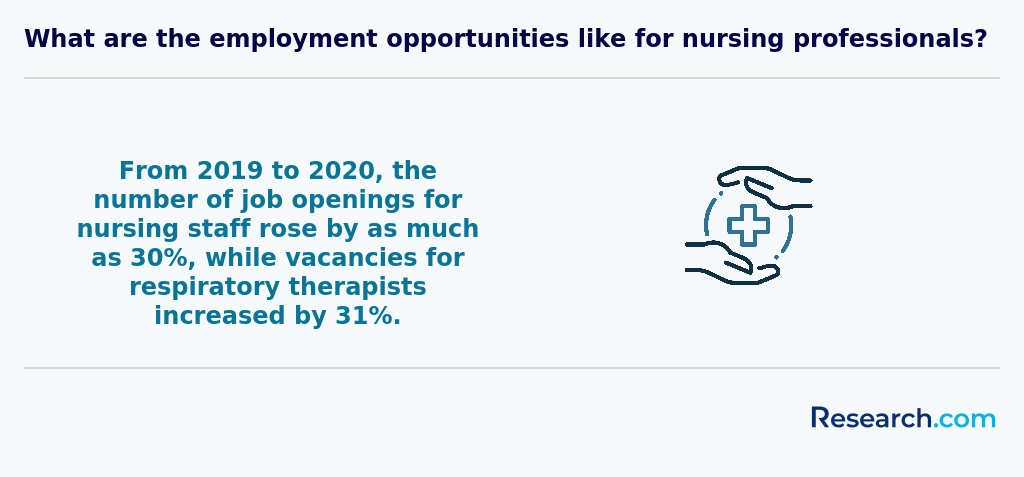
Accreditation ensures your online healthcare management degree meets rigorous standards and holds value for employers:
- Regional accreditation (e.g., Middle States Commission on Higher Education) validates overall institutional quality.
- Specialized accreditation from bodies like the Council on Accreditation of Healthcare Management Education (CAHME) focuses on program-specific excellence.
- Credit transferability hinges on recognized accreditation, easing shifts between institutions or advanced study.
- Employer recognition often favors graduates from accredited schools, boosting your competitiveness in markets like Boston and New York City.
Verifying accreditation protects your investment and supports eligibility for certifications and leadership roles. For accelerated, accredited formats blending flexibility with industry relevance, explore our health administration degree online.
Students pursuing online healthcare management degrees in the Northeast benefit from various financial aid options that significantly ease the cost of education. Federal financial aid through FAFSA often serves as the first step, unlocking access to Pell Grants and Federal Supplemental Educational Opportunity Grants (FSEOG), which can reduce expenses without the burden of repayment. Graduates from institutions like Northeastern University have reported how receiving Pell Grants-averaging $4,000 annually-made completing their programs more attainable.
State-specific grants are also vital. For example, residents attending online programs at universities such as the University of Massachusetts benefit from New York's TAP grants or similar aid in Pennsylvania, sometimes covering up to $5,000 annually. These grants reflect a proactive regional commitment to advancing healthcare professionals.
Scholarships tailored to online healthcare management students, including those supported by organizations like AAHAM, provide additional relief. Working students express appreciation for employer tuition assistance plans prevalent in healthcare organizations across the Northeast, which can reimburse up to 100% of tuition, enabling career progression without financial strain.
While private loans remain an option, experienced students advise prioritizing grants, scholarships, and employer funding first to minimize long-term debt.
When choosing a health administration degree online, accreditation ensures your credential is recognized by employers and qualifies for federal aid. Programmatic and regional accreditation also smooths credit transfer and meets state licensing standards.
- Regional accreditation (e.g., NECHE, MSCHE) guarantees academic quality and federal financial aid eligibility
- CAHME or AUPHA programmatic accreditation signals industry‐specific rigor
- Accredited programs often prepare you for certifications like FACHE (Fellow of the American College of Healthcare Executives) or CPHQ (Certified Professional in Healthcare Quality)
- Certification pathways boost credibility, salary potential, and career mobility in diverse healthcare settings
Enrolling in an online healthcare management degree program in the Northeast typically requires a high school diploma or equivalent, such as a GED, ensuring a strong academic foundation. Graduates from well-known institutions like those in New York or Massachusetts often recall the importance of prior college coursework in biology or social sciences, which many regional universities expect before full program enrollment.
Applicants generally must submit transcripts and proof of residency to qualify for in-state tuition benefits, which can significantly reduce costs. Some programs encourage submission of standardized test scores like the SAT or ACT, yet many Northeastern schools have adopted test-optional policies, easing admission barriers.
- A compelling personal essay articulating one's passion for healthcare management is frequently required and valued for displaying genuine commitment.
- Letters of recommendation, while sometimes optional, serve as strong endorsements of an applicant's potential.
- Basic computer literacy and introductory health sciences courses are occasionally prerequisites, reflecting the program's practical demands.
- International students need to prove English proficiency through tests such as TOEFL or IELTS.
For accelerated tracks, prior healthcare work experience greatly benefits candidates, enabling smoother transitions into advanced coursework and reflecting real-world readiness that many Northeastern graduates appreciate in their studies.
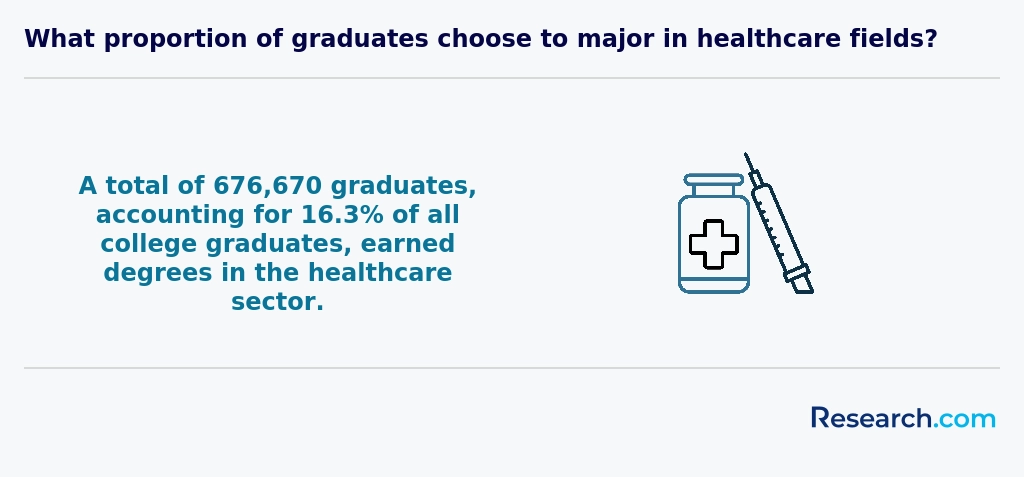
Accreditation ensures academic rigor and transferability, while programmatic certifications signal industry relevance. Key credentials to verify include:
- Regional accreditation by bodies like the New England Commission on Higher Education (NECHE) or Middle States Commission on Higher Education (MSCHE)
- AUPHA undergraduate program certification for healthcare management quality
- Alignment with professional credential pathways (e.g., FACHE, Certified Medical Manager)
Confirm these standards to protect your investment in a health administration degree online.
Online healthcare management degree programs in the Northeast typically encompass a comprehensive range of courses designed to prepare students for dynamic leadership roles within healthcare environments. Graduates from well-regarded institutions in this region often emphasize the value of foundational courses such as Healthcare Systems and Policies, which explore the complexities of the U.S. healthcare system with a special focus on challenges unique to the Northeast, including regulatory nuances and demographic trends.
Core coursework frequently includes Healthcare Administration and Healthcare Finance, where students engage in practical budgeting exercises and financial planning simulations relevant to hospital and clinic settings common in cities like Boston and Philadelphia. Many students appreciate the inclusion of Healthcare Law and Ethics, which equips them to navigate critical compliance and ethical decision-making scenarios faced daily in these highly regulated environments.
Additionally, Leadership and Human Resources Management courses develop skills for managing diverse healthcare teams, an aspect often highlighted by graduates from prominent Northeastern colleges who have successfully transitioned into supervisory roles. The growing emphasis on Healthcare Data Analytics and Informatics reflects real-world demands for improving patient outcomes through data-driven strategies, an expertise increasingly sought after by employers throughout the region.
Students also benefit from electives in Quality Improvement, Strategic Management, and Healthcare Marketing, areas that empower them to influence healthcare delivery and service promotion effectively. These courses resonate well with learners aiming to thrive in Northeast healthcare markets, known for their competitive and evolving nature.
Online healthcare management degree concentrations Northeast frequently include specializations such as Healthcare Administration, Health Services Management, and Health Informatics. Students focusing on Healthcare Administration often prepare to oversee operations in hospitals and clinics, developing expertise in healthcare policy and financial management. Graduates from well-regarded Northeastern universities describe their coursework as highly practical, helping them navigate real-world hospital administration challenges effectively.
Health Informatics is prominent due to the increasing reliance on electronic health records and data analytics in the region's healthcare systems. Graduates specializing in this area often express confidence in their ability to enhance patient outcomes through data-driven decisions. Public Health is another key specialization, where students learn to implement community health initiatives, a growing focus in states like New York and Massachusetts.
Additional tracks such as Healthcare Quality Management and Long-Term Care Administration appeal to those aiming to improve safety standards and manage eldercare facilities. For students seeking advanced options, programs like online doctorate in healthcare management programs further expand career possibilities in the Northeast healthcare sector.
When selecting an online healthcare management degree in the Northeast, prioritize program accreditation. Graduates from top accredited healthcare management programs Northeast consistently highlight the value of regional accreditation like MSCHE and specialized accreditation from CAHME, which guarantee rigorous curriculum standards. Many students appreciate courses tailored to regional healthcare challenges, such as urban healthcare disparities and state-specific regulations in New York or Massachusetts, helping them feel prepared and confident.
Cost efficiency is essential; those seeking affordable online healthcare management degrees Northeast often find programs charging per credit between $400 and $800 more manageable. This pricing flexibility allows students balancing work and study to pursue their education without overwhelming financial stress. Additionally, graduates frequently emphasize the importance of strong student support services like career counseling and technology help, which foster a positive learning environment conducive to success.
Beyond academics, consider job placement rates, as Northeastern institutions report rates above the national average. Employment is bolstered when students understand local healthcare systems and insurance markets. For example, many graduates gain roles in sectors highlighted by high paying jobs healthcare administration, reinforcing the importance of practical, region-specific knowledge.

Graduates with an online healthcare management degree in the Northeast often pursue diverse roles that capitalize on the region's robust healthcare infrastructure. Many secure positions as healthcare administrators, hospital operations managers, or clinical managers, where they oversee daily functions, ensure regulatory compliance, and drive improvements in patient care. Alumni from well-regarded institutions in the Northeast frequently highlight their readiness to manage complex organizations such as large urban hospitals in Boston or New York City.
Other prominent career paths include health information managers who expertly handle patient data and electronic records, healthcare consultants focused on streamlining operational efficiency, and health policy analysts contributing to state and local healthcare initiatives. The spectrum of online healthcare management jobs Northeast region graduates access reflects the variety of institutions and organizations seeking skilled professionals. For those interested in advancing expertise, enrolling in an online healthcare administration master's degree often enhances prospects in this competitive market.
The job market for online healthcare management jobs Northeast is robust, driven by the region's dense healthcare networks and expanding service demands. Graduates from prominent institutions such as Northeastern University and the University of Massachusetts report strong hiring prospects, often securing roles in hospitals, insurance companies, and public health organizations shortly after graduation. These roles are increasingly vital as healthcare systems emphasize outpatient care expansion and telehealth services, requiring administrators skilled in digital healthcare management.
Healthcare management degree job outlook Northeast benefits from consistent growth, particularly in states like New York and Massachusetts, where demand for healthcare administrators grows by approximately 7% annually. Graduates appreciate that the competitive salaries-often exceeding $120,000 in key metropolitan areas-reflect the high level of responsibility and expertise required. Many students find that pursuing an online degree while working allows them to transition smoothly into leadership positions within healthcare systems.
Those exploring career options often research how much does a healthcare administrator make, which reassures them about the financial viability of this path. With a strong regional demand for professionals versed in both clinical and financial healthcare operations, the Northeast stands out as an ideal location for career advancement in healthcare management.
2027 Best Online Bachelor's in Healthcare Management Degree Programs Ranking in the Northeast
Investing in your education is a significant decision that can shape your career path, and the Research.com team is committed to helping you make the best choice. To support future healthcare management students in the Northeast, we have carefully developed the "2027 Best Online Bachelor's in Healthcare Management Degree Programs Ranking in the Northeast." Our dedication to quality, credibility, and accuracy is evident in the thorough research and data validation behind this list.
We utilized the following reputable data sources to ensure a comprehensive evaluation of healthcare management programs:
By consulting this ranking, readers will gain valuable insights into top online healthcare management programs in the Northeast, enabling them to choose wisely based on credible data. For a detailed explanation of how this ranking was created, please visit our Research.com methodology page.


# 3 position
State University of New York Polytechnic Institute
Bachelor of Health Information Management

# 4 position
Slippery Rock University of Pennsylvania
Bachelor of Healthcare Administration and Management


# 6 position
Charter Oak State College
Bachelor of Healthcare Administration


# 9 position
University of Massachusetts Dartmouth
Bachelor of Economics-Healthcare Services Administration


Frequently Asked Questions About healthcare management
Online healthcare management degree students in the Northeast can maximize their learning experience by actively engaging with their program's resources and networks. Many schools in this region offer virtual internships and partnerships with healthcare organizations in cities like Boston and New York, providing practical exposure crucial for management roles. According to the National Center for Education Statistics, Northeastern institutions have integrated interactive online tools, promoting collaboration and real-time feedback.
Students should also leverage local professional groups such as the Northeast Healthcare Executives Network to build connections. Time management and consistent participation in discussion forums significantly enhance comprehension and retention.
The healthcare management field is evolving rapidly, with several emerging niches gaining attention in the Northeast. One significant area is health informatics, where managers use data analytics to improve patient outcomes and streamline operations. According to the U.S. Bureau of Labor Statistics, employment in this niche is expected to grow 15% nationally by 2031.
Another fast-growing niche is telehealth management. The COVID-19 pandemic accelerated telemedicine's adoption across Northeastern states, increasing demand for leaders skilled in virtual care delivery models. Additionally, population health management is expanding, focusing on improving health outcomes for large groups by coordinating care more efficiently.
Graduates pursuing online healthcare management degrees in the Northeast will find opportunities in these specialized fields, which require a mix of business acumen and healthcare knowledge.
After completing an online healthcare management degree in the Northeast, graduates should focus on building practical experience to improve job prospects. Internships and volunteer roles in hospitals, clinics, or healthcare organizations can provide valuable insights and networking opportunities. According to the U.S. Bureau of Labor Statistics, healthcare management jobs in the Northeast are expected to grow by approximately 15% through 2031, higher than the national average.
Certifications such as Certified Healthcare Administrative Professional (cHAP) or Fellow of the American College of Healthcare Executives (FACHE) can enhance credibility. Additionally, joining regional professional groups like the New England Society for Healthcare Management helps in staying updated with industry trends and local employment openings.
Proficiency with healthcare management software and knowledge of state-specific regulations in the Northeast are also crucial for job readiness.
Employers in the Northeast highly value healthcare management graduates who demonstrate strong leadership and communication skills. These abilities are essential for coordinating diverse teams and navigating the complex healthcare environment. Critical thinking and problem-solving are also top priorities, as managers must adapt to rapidly changing regulations and technologies.
Additionally, proficiency in data analysis and healthcare informatics is increasingly important. According to the Bureau of Labor Statistics, healthcare occupations in the Northeast are expected to grow by over 15% by 2030, fueling demand for graduates skilled in managing patient data and improving operational efficiency.
Understanding healthcare laws and ethics is crucial, given the region's strict regulatory climate. Graduates familiar with HIPAA compliance and state-specific policies are preferred candidates.
Finding internships in the Northeast for healthcare management students involves targeting leading healthcare systems and organizations, such as Massachusetts General Hospital and NewYork-Presbyterian. Many universities in the region have partnerships offering exclusive internship opportunities to their students. The Bureau of Labor Statistics highlights that healthcare administration jobs in the Northeast are projected to grow 18% through 2030, fueling demand for practical experience.
Students should use their school's career services and online platforms like Handshake and Internships.com. Networking through professional groups such as the American College of Healthcare Executives (ACHE) Northeast chapter also enhances opportunities.
An online healthcare management degree significantly enhances career mobility and advancement for professionals in the Northeast. The region's healthcare industry is expanding rapidly, driven by an aging population and increased demand for efficient healthcare services. According to the U.S. Bureau of Labor Statistics, healthcare management jobs in the Northeast are projected to grow by approximately 15% through 2031, faster than the national average.
Completing an online degree provides flexible access to accredited programs, enabling working adults to upskill without interrupting employment. This flexibility supports career advancement into leadership roles such as health services manager or clinical director.
Moreover, many employers in the Northeast prioritize candidates with formal education in healthcare administration, often offering higher salaries and promotion opportunities to degree holders. The online format also encourages networking across state lines, broadening professional horizons within the region's diverse healthcare market.
Studying for a healthcare management degree in the Northeast equips students with essential skills to work across multiple disciplines within healthcare systems. Programs often emphasize leadership, policy, and business acumen alongside clinical knowledge, reflecting the region's integrated healthcare networks. According to the New England Healthcare Institute, collaboration among healthcare professionals in this region improves patient outcomes by 25%. Students learn to communicate effectively with clinical staff, administrators, and IT specialists, fostering teamwork in complex environments.
These degrees frequently incorporate case studies and internships with regional hospitals and public health organizations, offering practical interdisciplinary experience. Additionally, the Northeast's emphasis on healthcare innovation prepares graduates for evolving roles in management and coordination.
When choosing between a thesis and a non-thesis healthcare management degree program in the Northeast, consider your career goals and learning preferences. A thesis option typically involves conducting original research, suitable for students aiming for roles in policy analysis, research, or further graduate study.
Non-thesis programs focus on practical skills and coursework, appealing to working professionals seeking immediate advancement in healthcare administration or management positions. According to the National Center for Education Statistics, over 60% of healthcare management students in the Northeast prefer non-thesis tracks for their flexibility and applied nature.
Public institutions in states like New York and Massachusetts often offer both options, so it's important to review each school's curriculum and faculty expertise before deciding.
Students in the Northeast interested in studying healthcare management abroad through online programs have limited direct options since most U.S. institutions emphasize domestic accreditation. However, some universities based in the region offer international partnerships and study-abroad components within their healthcare management curricula.
These programs often include virtual international case studies, global health modules, or optional short-term residencies abroad. According to the National Center for Education Statistics, about 12% of healthcare management students in the Northeast engage in coursework with global perspectives, supported by schools in states like New York and Massachusetts.
While fully online degrees abroad are rare for this field, students can complement their Northeast-based studies with international healthcare certifications to boost global credentials.
Part-time job opportunities that complement online healthcare management degrees in the Northeast often focus on gaining practical experience in healthcare settings. Roles such as medical office assistants, patient service representatives, and administrative support in hospitals or clinics provide valuable exposure to healthcare operations.
Many Northeastern healthcare facilities, including major hospital networks in New York and Massachusetts, actively hire part-time staff to support their administrative processes. According to the U.S. Bureau of Labor Statistics, healthcare occupations in the Northeast are projected to grow 15% by 2030, making entry-level roles increasingly available.
Additionally, internships or part-time positions in healthcare consulting firms or insurance companies can enhance understanding of healthcare regulations and financial management.
Online healthcare management students in the Northeast benefit from a variety of networking opportunities. Many regional universities offer virtual career fairs and alumni events, fostering connections despite geographical distance. Associations such as the New England Healthcare Executives Forum provide local chapters for students to engage with healthcare leaders. Professional networks like the American College of Healthcare Executives also have Northeast-specific groups that support mentoring and collaboration.
Healthcare management is a growing field in the region, with Massachusetts alone expecting a 17% job growth through 2030, according to the U.S. Bureau of Labor Statistics. Engaging in these networks can be vital for accessing internships and job opportunities.
Alumni networks offer significant benefits to online healthcare management degree students in the Northeast by providing vital professional connections. These networks facilitate mentorship, job referrals, and industry insights that are crucial in competitive healthcare markets such as New York, Massachusetts, and Pennsylvania.
According to a 2023 report by the Northeast Healthcare Management Association, 65% of graduates found employment within six months through alumni contacts. This is especially valuable given the region's large and evolving healthcare systems.
Active alumni communities also support continuing education and career advancement, helping students stay updated with regulatory changes and management practices specific to Northeast healthcare institutions.
Customizing an online healthcare management degree program in the Northeast allows students to align their education with specific career goals. Many accredited programs offer elective courses focusing on areas such as healthcare policy, informatics, finance, or leadership. This flexibility helps students build expertise in sectors like hospital administration or health data management. Additionally, some schools provide options for capstone projects or internships with regional healthcare providers, which enhances practical experience. According to the U.S. Bureau of Labor Statistics, healthcare management jobs in the Northeast are expected to grow 18% through 2030, making tailored skills increasingly valuable in this competitive market.
Online healthcare management students in the Northeast face several notable challenges. Many grapple with balancing rigorous coursework alongside professional and personal responsibilities, as the region has a high concentration of working adults pursuing further education. Connectivity and technology issues can hinder timely access to course materials, especially for students in rural areas of states like Maine or Vermont. Accreditation and transfer credit policies also pose difficulties, as the Northeast hosts numerous institutions with varying standards. According to the National Center for Education Statistics (NCES), about 30% of online students report challenges adapting to remote learning environments. Navigating clinical placement opportunities locally can also limit practical experience.
With an online healthcare management degree, graduates in the Northeast can pursue several professional certifications to enhance their qualifications. Popular options include the Certified Healthcare Administrative Professional (cHAP) and the Certified Professional in Healthcare Quality (CPHQ). These credentials demonstrate expertise in healthcare operations and quality management.
Another highly regarded certification is the Fellow of the American College of Healthcare Executives (FACHE), which requires significant professional experience alongside the degree. According to the American Hospital Association, Northeast hospitals increasingly value such certifications for leadership roles.
For graduates targeting health information management, the Registered Health Information Administrator (RHIA) is also relevant. Holding these certifications often leads to higher salaries and better job prospects in the competitive Northeast healthcare market.
To write a winning application for an online healthcare management program in the Northeast, start by clearly demonstrating your understanding of healthcare challenges specific to the region. Highlight any relevant work or volunteer experience, especially in Northeast healthcare settings, as employers in states like New York and Massachusetts value local knowledge and skills.
Focus on showcasing strong communication abilities and leadership potential, which are critical for healthcare management roles. Use quantifiable achievements when possible, such as managing patient flow or improving efficiency. Accredited schools often emphasize coursework and experiences that support healthcare policy and administration.
Make sure to tailor your personal statement to align with the program's mission and Northeast healthcare trends, citing reputable sources like the Northeast Regional Center for Health Workforce Studies.
Healthcare management careers are increasingly valued worldwide due to growing demand for efficient healthcare delivery. In the United States, including the Northeast, this field offers diverse opportunities in hospitals, insurance companies, and government agencies. According to the U.S. Bureau of Labor Statistics, employment for medical and health services managers is projected to grow 28% from 2021 to 2031, much faster than average.
Globally, effective healthcare management helps control costs and improve patient outcomes. The Northeast benefits from a high concentration of healthcare organizations, creating a competitive market for skilled managers. Regional reports highlight that degrees earned online provide flexibility, meeting the needs of working professionals in this fast-paced industry.
Gaining practical experience while studying for an online healthcare management degree in the Northeast is essential for career readiness. Many programs partner with local hospitals, clinics, and healthcare organizations to offer remote or site-based internships. These opportunities allow students to apply management concepts in real-world settings.
Additionally, students can engage in virtual simulations and case studies designed to mimic healthcare administration challenges. Professional associations such as the American College of Healthcare Executives (ACHE) have chapters in the Northeast, providing networking and mentorship options.
Some schools offer capstone projects involving collaboration with healthcare providers. According to the National Center for Education Statistics, nearly 60% of healthcare management students in the Northeast report internships as crucial for employment after graduation.
Choosing the right concentration within an online healthcare management degree in the Northeast requires aligning your interests with regional industry demands. The Northeast hosts numerous healthcare facilities, including major hospitals and biotech firms, which create a need for leaders skilled in areas like health informatics, policy, or administration. Data from the Bureau of Labor Statistics (BLS) shows that healthcare management roles in this region are growing at about 6% annually, emphasizing strong job prospects.
Consider concentrations that match your career goals, such as health information systems if you're interested in technology or healthcare policy if you want to influence regulations. Research local employer needs by reviewing job postings and consulting resources like the Northeast Healthcare Coalition. This approach ensures your skills are relevant to the dynamic healthcare environment in the Northeast.
- Health Care Manager Cover Letter Examples - Templates & Writing Tips https://www.resume-now.com/cover-letter/examples/business-operations/healthcare-management-manager
- What Are the Prerequisites for a Degree in Healthcare Management? - Healthcare Management Degree Guide https://www.healthcare-management-degree.net/faq/what-are-the-prerequisites-for-a-degree-in-healthcare-management/
- 10 Skills Employers Are Looking for in Healthcare Management Jobs https://www.aiuniv.edu/blog/10-top-skills-for-healthcare-management-jobs
- The Biggest Challenges Healthcare Managers Face Today - Oxford Training Centre https://oxfordcentre.uk/resources/healthcare-management/the-biggest-challenges-healthcare-managers-face-today/
- Explore Healthcare Admin Degree Concentrations https://www.baypath.edu/news/bay-path-university-blogs/post/explore-healthcare-admin-degree-concentrations/
- Most Popular Online Degrees in Healthcare Administration 2025 https://www.onlineu.com/degrees/healthcare-administration
- Healthcare Management Degree - Central Penn College https://www.centralpenn.edu/academics/healthcare-management/
- How to Get a Job in Healthcare Management https://sha.edu.in/how-to-get-a-job-in-healthcare-management/
- 20 healthcare investment niches and 3 things to know: The evolution of ... https://blackbookmarketresearch.com/20-healthcare-investment-niches-and-3-things-to-know-the-evolution-of
- 5 Concentrations for a Bachelor’s of Healthcare Administration - Healthcare Administration Degree Programs https://www.healthcare-administration-degree.net/lists/5-concentrations-for-a-bachelors-of-healthcare-administration/