2027 Fastest Online Bachelor's in Healthcare Management Degree Programs Ranking in the Midwest

Co-Founder and Chief Data Scientist
Choosing the right healthcare management degree can shape your future career in this growing field. Our article introduces the 2027 Fastest Online Bachelor's in Healthcare Management Degree Programs Ranking in the Midwest, created by the Research.com team of data scientists.
This ranking helps you identify top programs that combine speed and quality, making it easier to find the best fit for your goals. Earning a healthcare management degree opens doors to rewarding opportunities where you can make a real difference in patient care and organizational success.
Explore our guide and take the next step confidently.
Key benefits of getting online healthcare management degree in the Midwest
- Healthcare management degree graduates in the Midwest can expect competitive salaries, with general healthcare management positions in the US offering median annual wages around $104,000, supporting a comfortable lifestyle.
- Graduates often pursue diverse career paths, including hospital administration, health services management, or policy coordination, reflecting the broad opportunities available after earning this degree at universities like the University of Michigan.
- Completing a healthcare management degree online offers flexibility and convenience, allowing students to balance work and study effectively; many online graduates from schools like Indiana University report feeling well-prepared and advantaged in today's job market.
- 2027 Fastest Online Bachelor's in Healthcare Management Degree Programs Ranking in the Midwest
- What can I expect from online healthcare management degree in the Midwest?
- Where can I work with online healthcare management degree in the Midwest?
What can I expect from online healthcare management degree in the Midwest?
Many prospective students ask about the average cost of pursuing an online healthcare management degree in the Midwest. Contrary to the assumption that such specialized programs are prohibitively expensive, most Midwestern institutions balance quality and affordability. Graduates from schools like the University of Illinois or Ohio State University often report tuition costs ranging between $15,000 and $40,000 for the full program, depending on residency status and course load.
One common experience shared by many is the value they found in flexible payment options and employer tuition assistance, which significantly eased financial strain. In real-life terms, this means a working professional could fit studies around their job while managing costs without excessive debt. The investment feels justified when graduates recall how the curriculum-covering healthcare finance, policy, and leadership-directly translated into quicker promotions and salary boosts in hospitals or insurance firms.
Students often find the return on investment particularly rewarding in the Midwest, where robust healthcare networks in states like Minnesota and Illinois open doors after graduation. This practical, cost-conscious approach challenges the notion that a quality healthcare management education must come with a sky-high price tag.
Where can I work with online healthcare management degree in the Midwest?
With an online healthcare management degree from well-regarded Midwestern institutions, graduates find themselves stepping into dynamic leadership roles across diverse healthcare settings. Many alumni from universities in Illinois and Ohio describe starting their careers in large hospital systems, managing intricate patient services while honing decision-making skills that impact thousands. This path challenges the notion that healthcare management is confined to back-office jobs; instead, it places graduates at the forefront of transforming patient care experiences.
Others share how their skills translated seamlessly into the fast-paced environment of long-term care facilities in states like Minnesota, where they coordinate staff and ensure compliance amid an aging population's growing needs. The experience in outpatient centers further broadens their expertise, as graduates navigate budgeting and staffing challenges to keep clinics running smoothly and patients satisfied.
Beyond traditional settings, many have found rewarding positions within insurance companies and public health agencies in Indiana and Missouri. Here, graduates leverage their understanding of healthcare policies and regulations to innovate in network management and community health programs, embodying the expanding impact of their degree across the Midwest.
Graduates earning an online healthcare management degree in the Midwest often face a reality richer than the typical salary figures suggest. While exact salary data for specific roles is limited, median annual salaries tend to range from $75,000 to $95,000. This reflects the vibrant healthcare markets in states like Illinois and Minnesota, where graduates from well-known regional universities find themselves earning closer to $90,000 or even over $100,000 with experience.
Consider a graduate from a reputable Midwestern college who starts in hospital administration at around $60,000. Within five years-and armed with certifications in healthcare informatics-their income can rise substantially, reaching leadership roles where salaries exceed $100,000. Meanwhile, graduates working in more rural Midwestern areas notice a balanced trade-off: slightly lower salaries, typically between $65,000 and $75,000, but with a significantly lower cost of living enhancing their quality of life.
Such outcomes reveal that holding a healthcare management degree online offers more than flexibility; it unlocks access to diverse job markets, competitive compensation, and tangible career growth. Many graduates reflect on how real-world challenges in Midwestern healthcare systems sharpened their skills and boosted their earning potential beyond initial expectations.
- Online healthcare management degrees in the Midwest cover healthcare policy, administration, finance, and ethics.
- The average cost ranges from $25,000 to $45,000, with lower tuition for in-state residents at public universities.
- Employment for medical and health services managers in the Midwest is expected to grow about 14% from 2022 to 2032.
- Starting salaries typically range from $55,000 to $70,000, while mid-career salaries can reach $80,000 to $110,000 annually.
- Many programs are accredited by U.S. Department of Education-recognized agencies, supporting quality and financial aid eligibility.
Completing an online healthcare management degree in the Midwest typically takes about four years of full-time study, mirroring national standards. However, this conventional timeline doesn't capture the varied experiences of students balancing life's demands. For instance, graduates from universities in Illinois and Ohio often share how accelerated programs shaved a year off their studies, allowing them to quickly step into leadership roles within healthcare organizations.
Others, especially working professionals enrolled part-time, find their journey stretching to five or six years-but with a sense of accomplishment that comes from managing career and family alongside coursework. One graduate from a Michigan college recounted how customizing the pace of study helped maintain sanity while gaining meaningful skills.
Midwest institutions recognize these diverse needs, structuring flexible programs that often allow credit transfers and heavier course loads for driven students. This flexibility provides a powerful reminder: the timeline is not just about years but how well the degree fits into your unique life and goals.
Accelerating your online bachelor’s in healthcare management can help you enter the workforce sooner. Consider the following approaches:
- Transfer existing college or technical credits through Prior Learning Assessments (PLAs) to bypass introductory courses
- Enroll in continuous, year-round terms (including summer sessions) to maintain momentum
- Choose competency-based courses that let you advance as you demonstrate mastery
- Leverage CLEP and DSST exams to earn credit for general education requirements
- Opt for programs with integrated capstone internships, turning on-the-job experience into academic credit
For more on fast-track options, explore our accelerated healthcare administration degree online guide.
Graduates from Midwestern universities like the University of Illinois at Chicago often describe on-campus healthcare management programs as immersive-balancing intense face-to-face collaboration with hands-on experiences in healthcare simulation labs. This real-time interaction fosters a vibrant network, making students feel supported and connected, especially during group projects and clinical practicums.
Conversely, alumni of online programs from institutions such as Purdue Global emphasize the flexibility that comes with asynchronous coursework. Juggling family responsibilities or part-time jobs, these students appreciate accessing lectures whenever it suits their schedules, transforming education into something manageable rather than overwhelming. The challenge, however, is cultivating a similar sense of community virtually, though innovative platforms increasingly bridge this gap.
Cost is not just about tuition; on-campus students often face added expenses like housing near schools in cities like Chicago or Indianapolis. Online learners report savings there, redirecting funds toward internships or certifications that boost their resumes. Both pathways ultimately demand discipline yet offer transformative opportunities in a Midwest healthcare market growing steadily and welcoming new talent.
The average cost of an online healthcare management degree in the Midwest challenges many assumptions. While some might expect tuition to be sky-high, the actual median total cost is around $48,240, with in-state students paying closer to $43,005 and out-of-state students about $45,708. These figures reflect a reality where public universities like Indiana University or Ohio State University offer competitive tuition rates, making a quality education accessible without excessive debt.
Graduates from such programs often share stories of juggling work and family while benefiting from flexible online formats. This flexibility, combined with reasonable tuition, creates a sense of empowerment and accomplishment. The tuition and fees for healthcare management degree Midwest students face don't tell the whole story-many institutions also provide scholarships and financial aid that significantly lower the financial burden.
Beyond cost, this investment can dramatically affect career trajectories. Graduates often find themselves prepared for a rapidly growing job market, with positions in hospitals and healthcare organizations expanding as demand rises. For students weighing the value of this degree, understanding potential jobs with mba in healthcare management offers clarity and reassurance about their choices. The cost may seem high at first glance, but when anchored in real experiences, it reveals itself as an opportunity well worth pursuing in the Midwest's evolving healthcare landscape.

Many online healthcare management students in the Midwest quickly realize that financial aid isn't just a convenience-it's a lifeline. Graduates from well-known institutions like the University of Illinois or Ohio State University often share how completing the FAFSA unlocked access to the Pell Grant, easing the burden of tuition costs that typically range from $12,000 to $22,000 annually. The stories are not just about money-they're about relief and renewed focus on studies rather than stressing over bills.
State-specific grants in Illinois, Ohio, and Michigan add another vital layer. One graduate recalled feeling empowered after securing a state scholarship aimed specifically at in-state students committed to healthcare management, a resource easily overlooked until they delved into their respective state higher education agency websites.
Furthermore, local organizations and healthcare employers often step in. A student attending a Midwest college benefited from an employer tuition reimbursement program, a reflection of the region's booming healthcare job market and its commitment to nurturing future leaders.
Scholarships from the American College of Healthcare Executives and the Healthcare Financial Management Association also make the dream tangible, rewarding academic dedication and ambition in this crucial field.
Enrolling in an online healthcare management degree program in the Midwest challenges applicants to meet foundational academic standards that often reflect more than just grades. Graduates from renowned Midwest universities recall how submitting a high school diploma or GED, paired with official transcripts showing steady academic progress, opened doors to opportunities they hadn't imagined. Many institutions expect a GPA around 2.5 to 3.0, yet success stories reveal that passion and commitment often outweigh numbers alone.
The journey includes proving English proficiency, especially for those whose first language isn't English-TOEFL or IELTS scores become more than checkboxes; they represent a student's readiness to communicate effectively in a demanding field. Schools like those in Illinois and Ohio emphasize foundational courses in biology and statistics, reflecting the interdisciplinary nature of healthcare management. The integration of business acumen with health sciences equips students to thrive in real-world healthcare settings.
Transfer-friendly policies mean those with prior college credits can feel encouraged, reducing time and cost, a relief for many balancing work and study. While some programs waive SAT or ACT requirements, letters of recommendation and personal statements bring applicants' motivation vividly to life, painting a fuller picture of their potential contributions to healthcare management in the Midwest.
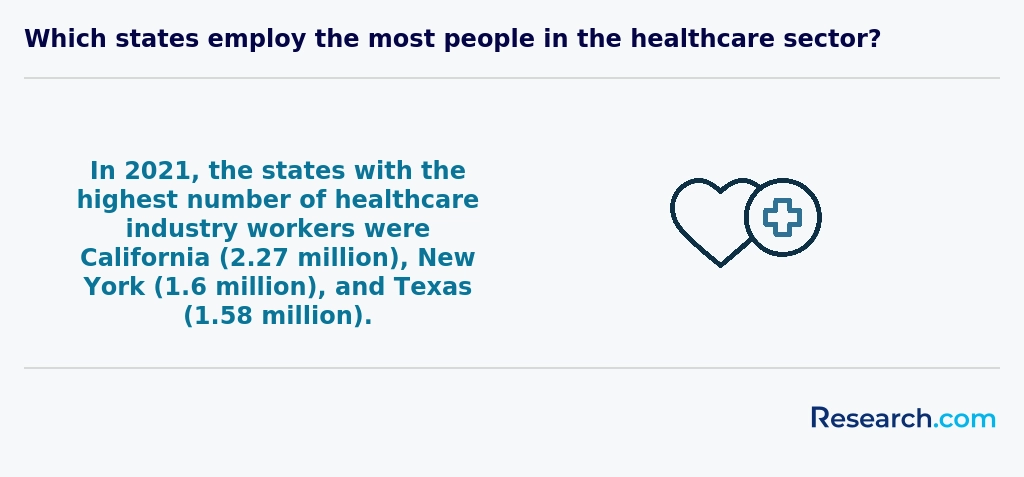
Accelerating your online bachelor’s in healthcare management helps you enter the field faster. Implement these strategies for a streamlined path:
- Transfer maximum credits from accredited community colleges or professional certificates
- Enroll in summer and winter sessions to keep coursework continuous
- Leverage prior learning assessments (PLA) and CLEP exams to validate existing knowledge
- Choose accelerated eight-week or intersession terms to complete courses quickly
- Partner with an academic advisor to map out an efficient, back-to-back course sequence
After earning your bachelor’s, consider advancing your credentials with the cheapest online mha for a competitive edge in healthcare leadership.
Online healthcare management degrees in the Midwest dive deep into courses that challenge students to rethink healthcare leadership. Graduates from prominent institutions describe how "Healthcare Systems and Delivery" opened their eyes to the unique challenges faced by local hospitals navigating both rural and urban demands. This course, more than just theory, reflects the real balancing act Midwestern managers perform daily. Alongside, "Health Policy and Law" equips students with an understanding of regulations that differ from state to state, which graduates say is crucial because healthcare compliance isn't one-size-fits-all.
Students also find "Healthcare Finance and Accounting" especially empowering, as it shifts budgeting from a dreaded task to a strategic skill that drives positive change. "Healthcare Ethics and Leadership" resonates deeply, often sparking meaningful reflection on how decisions impact communities' well-being. "Information Systems in Healthcare" and "Quality Improvement and Risk Management" prepare students for hands-on problem solving, such as using electronic health records or reducing patient safety incidents-real scenarios described by learners from universities like Indiana and Ohio State.
Online healthcare management degree specializations Midwest programs typically offer go far beyond traditional paths, challenging students to envision leadership roles deeply embedded in the evolving healthcare landscape. Graduates from well-regarded Midwestern colleges often highlight specializations like Health Informatics, where mastering complex data systems directly transforms patient care-an area requiring both technical savvy and strategic insight.
Others find purpose in Public Health Administration, managing policies that impact communities statewide, while Healthcare Finance prepares students to navigate the economic realities behind patient services. For those inspired by operational excellence, Hospital and Health Systems Management cultivates skills to improve both clinical outcomes and administrative efficiency.
Long-Term Care Administration addresses a unique regional demand as the Midwest's aging population requires thoughtful management of nursing homes and rehabilitation centers. Students exploring Midwest online bachelor's healthcare management focus areas often find these specializations enrich their career trajectory and personal growth, blending theoretical knowledge with practical leadership challenges.
For those considering further study, the value of advanced expertise is evident in programs such as the health management phd, which expands leadership capabilities for driving systemic change in healthcare settings.
Choosing the best online healthcare management degree in the Midwest means more than picking the lowest price or the easiest application process. Graduates from well-known institutions in Illinois or Ohio often share how crucial accreditation by bodies like CAHME or the Higher Learning Commission was in opening doors to meaningful careers. The emotional relief of knowing your education is recognized adds confidence when entering a competitive healthcare landscape.
Affordability shouldn't overshadow program quality; graduates who balanced cost and curriculum warn against settling for less. Programs offering practical internships with local hospitals or healthcare providers in Michigan or Indiana can transform theory into tangible skills, making job hunting less daunting. These experiences reflect real-world challenges that enrich your understanding beyond textbooks.
Flexibility is essential for working adults juggling life's demands, yet some successful alumni emphasize the value of networking opportunities within the Midwest's professional community. Such connections often lead to healthcare administration jobs that pay the most. Reflect deeply on how each program suits your lifestyle and career ambitions-this thoughtfulness can be the difference between merely earning a degree and genuinely advancing your future.
Recognizing these factors and understanding statistics on graduation and placement can reveal programs that truly invest in student success rather than just enrollment numbers, guiding your search for affordable healthcare management programs Midwest.

Graduates with an online healthcare management degree from prominent Midwest institutions often find themselves stepping into dynamic roles that challenge traditional healthcare operations. The spectrum of opportunities includes positions like healthcare administrator, compliance officer, and practice manager, typically within hospitals, clinics, or insurance companies. These roles are not just jobs but platforms where graduates actively shape patient care quality and streamline healthcare delivery on the ground.
Midwestern students pursuing healthcare management careers Midwest describe how their education exposed them to real-world scenarios-managing aging population demands and implementing digital health records-that drive the industry forward. This practical exposure fosters a deep sense of accomplishment and readiness. Some graduates find meaningful paths in health information management and quality assurance, roles increasingly vital as data becomes a cornerstone of healthcare innovation.
For those wondering about the cost-benefit balance of studying healthcare management, many discover that the affordable online degrees in healthcare administration offered by regional colleges provide not only flexibility but also access to a thriving job market. Leveraging such credentials often leads to job security and career growth that align with the Midwest's expanding healthcare system.
The job market for online healthcare management jobs in the Midwest defies the uncertainty found in other sectors. Graduates from respected institutions like the University of Michigan or Ohio State University often share stories of rapid career advancement within large hospital systems or government healthcare agencies. These roles not only offer competitive salaries but also provide a chance to influence the future of healthcare delivery in thriving metropolitan areas such as Chicago or Columbus.
With the region's healthcare demands growing stronger, graduates are joining forces in health insurance companies, long-term care facilities, and private practices, blending industry knowledge with leadership skills gained in their programs. The flexibility of online degrees allows professionals to continue working while enhancing expertise, turning study time into immediate workplace impact.
Many graduates are eager to uncover detailed career paths and compensation insights; resources like mba healthcare management jobs salary provide essential guidance, helping them navigate the promising but competitive landscape of Midwest healthcare management.
2027 Fastest Online Bachelor's in Healthcare Management Degree Programs Ranking in the Midwest
Investing in your education is a significant decision that can profoundly impact your career, and the Research.com team is fully aware of the responsibility involved in presenting trustworthy information. To support individuals exploring healthcare management education options, we have carefully developed the "2027 Fastest Online Bachelor's in Healthcare Management Degree Programs Ranking in the Midwest." Our dedication to quality, credibility, and accuracy guided our thorough research and evaluation process.
We utilized the following reputable data sources to ensure a comprehensive and reliable ranking:
By exploring this ranking, readers will gain valuable insights into the fastest online bachelor's programs in healthcare management within the Midwest, empowering them to make well-informed decisions about their educational paths. For more information on how this ranking was created, please visit our Research.com methodology page.

# 2 position
MidAmerica Nazarene University
Bachelor of Management and Leadership in Healthcare Administration


# 4 position
University of Wisconsin-Green Bay
Bachelor of Health Information Management & Technology


# 6 position
University of Wisconsin-Parkside
Bachelor of Health Information Management and Technology

# 7 position
The College of St. Scholastica
Bachelor of Health Informatics and Information Management





# 13 position
The University of Kansas
Health Information Management/RHIT-to-RHIA (BS Degree Completion Program)

# 14 position
Walden University
Bachelor of Healthcare Management


# 18 position
Southwestern College
Bachelor of Healthcare Administration

# 19 position
Herzing University Online
Bachelor of Health Information Management

# 20 position
Indiana Institute of Technology
Bachelor of Business Administration - Health Care Administration

Frequently Asked Questions About healthcare management
Online healthcare management degree students in the Midwest can enhance their learning by actively engaging with digital resources and networking opportunities. Many Midwestern universities offer virtual internships and practicums that provide hands-on experience in regional healthcare settings, crucial for practical understanding.
Students should leverage platforms like discussion boards and video conferences to collaborate with peers and instructors, which improves comprehension and professional connections. According to the National Center for Education Statistics, Midwestern institutions increasingly incorporate real-world case studies, reflecting the region's healthcare challenges.
Additionally, staying informed about Midwest healthcare policies and trends, such as those from the Midwest Health Policy Institute, helps students apply theory to local practice effectively.
The healthcare management field is evolving rapidly, especially within the Midwest, where population demographics and healthcare needs drive demand. Emerging niches include telehealth administration, which has seen a 23% growth in the region since 2020 due to increased virtual care services, according to the Midwest Health Data Consortium. Another key area is healthcare data analytics, critical as hospitals and clinics seek to improve patient outcomes and reduce costs.
Additionally, healthcare compliance and risk management are growing fields, fueled by stricter regulations and the need for privacy protection. Professionals skilled in managing electronic health records (EHR) are also in higher demand. These niches reflect how technology and policy changes are shaping healthcare management careers.
After earning an online healthcare management degree in the Midwest, effective preparation for the job market is essential. First, graduates should build a professional network by engaging with local healthcare organizations and associations such as the Illinois Healthcare Executive Forum or the Minnesota Hospital Association.
Internships and practical experience, even virtual, increase employability. According to the U.S. Bureau of Labor Statistics, healthcare management jobs in the Midwest are expected to grow by 18% through 2030, making relevant experience critical.
Additionally, obtaining certifications like Certified Healthcare Administrative Professional (cHAP) can enhance credentials. Job seekers should tailor resumes to highlight leadership and healthcare knowledge relevant to Midwestern healthcare systems.
Employers in the Midwest prioritize several key skills when hiring graduates with online healthcare management degrees. Strong leadership abilities are essential, as healthcare managers oversee teams and operations in complex organizations. Communication skills, both written and verbal, rank highly to effectively interact with staff, patients, and regulatory bodies.
Analytical skills are also vital. Graduates must be comfortable interpreting healthcare data to improve patient outcomes and reduce costs. According to the U.S. Bureau of Labor Statistics, healthcare management jobs in the Midwest are projected to grow by 17% through 2031, emphasizing the need for adaptable professionals.
Finally, technological proficiency, particularly with electronic health records (EHR) and healthcare software, is increasingly required due to growing digitalization in the sector.
Finding internships in the Midwest for healthcare management students involves leveraging multiple resources. Start by exploring university career centers, which often have partnerships with local hospitals and healthcare organizations. The Midwest hosts major healthcare systems like the Mayo Clinic and Cleveland Clinic, which offer structured internship programs.
Online platforms such as Handshake and Indeed also list healthcare management internships, frequently updating opportunities in cities like Chicago, Indianapolis, and Minneapolis. Networking through LinkedIn or professional groups like the American College of Healthcare Executives (ACHE) Midwest Chapter can provide additional leads.
According to the Bureau of Labor Statistics, healthcare management jobs in the Midwest are growing faster than the national average, increasing internship availability.
An online healthcare management degree can significantly enhance career mobility and advancement for professionals in the Midwest. This region hosts a growing healthcare industry, with states like Illinois, Ohio, and Michigan employing over 150,000 healthcare managers combined, according to the U.S. Bureau of Labor Statistics (2023).
Online degrees offer flexibility, enabling working adults to upgrade skills without pausing their careers. Graduates often move into leadership roles such as healthcare administrators, department managers, or policy analysts.
Furthermore, many Midwest employers recognize accredited online programs, helping degree holders compete effectively for promotions and salary increases.
Studying for an online healthcare management degree in the Midwest equips students with skills to navigate interdisciplinary roles common in healthcare settings. The programs typically integrate courses in business, public health, and healthcare policy, fostering collaboration with diverse professionals.
Midwestern institutions emphasize real-world case studies and teamwork, reflecting the region's growing healthcare market, which is expected to add over 50,000 management jobs by 2028 (Bureau of Labor Statistics). This prepares graduates to coordinate with clinical staff, administrators, and regulatory bodies.
Additionally, coursework often covers data analytics and ethics, critical for managing complex healthcare environments effectively.
Choosing between a thesis and a non-thesis healthcare management degree in the Midwest depends largely on career goals and learning preferences. Thesis programs emphasize research skills and typically require original work, appealing to students interested in healthcare policy, administration research, or pursuing advanced studies.
Non-thesis programs focus on practical knowledge and may include internships or applied projects, which suit those aiming to enter or advance in healthcare management roles quickly. According to the National Center for Education Statistics, Midwest universities often offer flexible online options for both paths, catering to working professionals.
Consider also the time commitment; thesis tracks usually take longer due to research and writing requirements. For example, many accelerated online programs allow completion in under two years without a thesis.
Midwestern students seeking to study healthcare management abroad have limited direct options through US institutions offering fully online international programs. Most healthcare management degrees for Midwest residents focus on domestic online formats due to accreditation and healthcare system differences. However, some universities incorporate global case studies within their curricula, providing international perspectives without leaving the US.
For those interested in spending time abroad, studying healthcare management through established exchange programs or joint degrees at partner institutions in countries like Canada or the UK may be possible. These opportunities are less common and often require physical attendance, which differs from fully online programs.
Data from the National Center for Education Statistics shows that fewer than 5% of Midwest healthcare management students enroll in international programs, emphasizing regional focus and local healthcare system training.
Professional certifications and virtual internships with global health organizations can supplement domestic online degrees to gain international exposure while remaining in the Midwest.
Part-time job opportunities in the Midwest that complement an online healthcare management degree include roles in medical billing, healthcare administration assistant, and patient services coordinator. These positions offer practical experience in managing healthcare operations and improving patient care, essential for degree students.
According to the U.S. Bureau of Labor Statistics, the Midwest has seen a 5% growth in healthcare support occupations from 2021 to 2023, reflecting increased job availability. Hospitals, clinics, and insurance companies in states like Illinois and Ohio frequently offer flexible part-time roles suitable for students balancing coursework.
Additionally, internships or part-time roles in healthcare IT or data analysis provide exposure to healthcare systems management and improve valuable technical skills. These opportunities enrich academic learning with real-world applications.
Online healthcare management students in the Midwest benefit from diverse networking opportunities tailored to their region. Many universities partner with local healthcare organizations, offering virtual events and regional meetups. Professional associations like the American College of Healthcare Executives (ACHE) have active Midwest chapters, hosting conferences and webinars that online students can attend.
Additionally, LinkedIn groups focused on Midwest healthcare management provide platforms for students to connect with alumni and local professionals. According to the U.S. Bureau of Labor Statistics, the Midwest has a growing demand for healthcare managers, making networking particularly valuable for job placement and career growth.
Alumni networks play a crucial role for online healthcare management degree students in the Midwest by offering valuable professional connections. These networks help students access job opportunities in regional healthcare systems, which employ over 1.2 million people in Midwestern states according to the U.S. Bureau of Labor Statistics (2023).
Participation in alumni events and online groups fosters mentorship and knowledge sharing. Graduates guide current students on navigating local healthcare regulations and industry trends. This guidance supports career advancement and skill development.
Additionally, Midwest alumni networks often collaborate with regional employers, increasing students' chances for internships and job placements. According to the National Center for Education Statistics (2022), strong alumni engagement correlates with higher graduate employment rates in healthcare management fields.
Customizing an online healthcare management degree in the Midwest allows students to align their studies with specific career goals in a growing industry. Many Midwest universities offer elective courses and concentration options such as health informatics, policy, or administration. These choices let students tailor their learning to fields like hospital management or healthcare technology.
Students can often select capstone projects or internships relevant to regional healthcare providers, increasing local job prospects. According to the U.S. Bureau of Labor Statistics, healthcare management jobs in the Midwest are projected to grow by over 10% through 2030.
Flexibility in course scheduling and the option to pursue certifications alongside degrees also supports career customization in this region.
Online healthcare management students in the Midwest often face several challenges unique to this region and their field. One major hurdle is limited access to local internships and practical experiences essential for career advancement. According to the U.S. Bureau of Labor Statistics, many healthcare facilities in rural Midwest areas have fewer formal partnerships with universities, which can restrict hands-on learning opportunities.
Additionally, students must balance their education with personal and professional responsibilities, a common issue reported by Midwest online learners surveyed by Eduventures. Reliable internet connectivity can also be a problem in rural communities, affecting the quality of online instruction and communication.
Lastly, navigating differing state licensure and certification requirements adds complexity for students aiming to work across multiple Midwest states, as regulations vary significantly.
An online healthcare management degree opens doors to various professional certifications that can boost career prospects in the Midwest healthcare industry. Popular certifications include the Certified Medical Manager (CMM) and the Certified Professional in Healthcare Quality (CPHQ). Both are recognized nationwide and valued by employers in states like Illinois and Ohio, where healthcare administration roles are projected to grow by 15% from 2020-2030 according to the U.S. Bureau of Labor Statistics.
Additionally, the Fellow of the American College of Healthcare Executives (FACHE) credential is highly regarded, especially in major Midwestern healthcare hubs such as Minneapolis and Detroit. This certification requires a combination of education, experience, and examination success, reinforcing leadership skills in healthcare management.
Certificates in Healthcare Information and Management Systems (CHIMS) also complement online degrees, supporting expertise in health IT systems widely used in the region.
When applying to an online healthcare management program in the Midwest, start by clearly demonstrating your interest in healthcare administration. Highlight relevant experience, such as internships, volunteer work, or employment in healthcare settings. Admissions committees value candidates who understand the industry's challenges, especially in this region where rural healthcare access is a critical issue.
Emphasize your academic performance and any leadership roles, as strong GPAs and healthcare-related achievements improve your chances. According to the University of Michigan's School of Public Health, applicants with healthcare experience have a significant edge.
Finally, tailor your personal statement to reflect knowledge of Midwest healthcare concerns, such as hospital management or health policy trends. Mentioning awareness of local healthcare systems shows dedication and context awareness.
The healthcare management field is increasingly viewed through a global lens, emphasizing cross-cultural skills and international standards. Professionals trained in the Midwest benefit from programs that align with U.S. healthcare regulations while also incorporating global health trends. According to the U.S. Bureau of Labor Statistics, healthcare management jobs are expected to grow 28% from 2021 to 2031, reflecting worldwide demand for skilled managers.
Many online healthcare management degrees offer coursework covering global health systems, preparing graduates to work with multinational organizations. Midwest institutions often highlight partnerships with international health bodies, enhancing students' global perspectives.
This approach supports career flexibility, as healthcare challenges and management strategies increasingly transcend national borders.
Gaining practical experience while studying for an online healthcare management degree in the Midwest is essential for career readiness. Many Midwestern programs offer virtual internships, allowing students to work remotely with healthcare organizations. This flexibility helps balance coursework and real-world exposure. Additionally, some universities partner with local hospitals and clinics for in-person or hybrid practicum placements.
Students can also engage in case studies, simulation projects, and telehealth management assignments integrated into their curricula. According to the Association of University Programs in Health Administration, nearly 70% of healthcare management students in the Midwest participate in experiential learning before graduation.
Choosing the right concentration within an online healthcare management degree program in the Midwest depends largely on your career goals and interests. Common concentrations include health informatics, healthcare policy, and hospital administration. The Midwest has seen a growing demand for healthcare administrators, with a 12% projected job growth from 2021 to 2031, according to the U.S. Bureau of Labor Statistics.
Consider the needs of local healthcare systems in states like Illinois or Ohio, where aging populations increase demand for effective management. Review each concentration's curriculum to ensure it covers skills valued by regional employers. Also, look for programs accredited by CAHME for quality assurance. This helps align your studies with market expectations and future opportunities.
- Niche Markets in Healthcare: How to Find & Target https://nechayadvisors.com/blog/niche-markets-in-healthcare
- Healthcare Administration Salary - Healthcare Administration Degree Programs https://www.healthcare-administration-degree.net/salary/
- Healthcare Management: Global Perspectives https://www.routledge.com/Healthcare-Management-Global-Perspectives/Gillies/p/book/9781032765259
- Preparing for a Career in Healthcare Management: What You Need to Know https://www.merco.co.uk/blog/preparing-for-a-career-in-healthcare-management-what-you-need-to-know
- Niche Markets in Healthcare https://ultrariskadvisors.com/niche-markets-in-healthcare/
- Challenges and Opportunities in Healthcare Management - European Society of Medicine https://esmed.org/challenges-and-opportunities-in-healthcare-management/
- 2025 Most Affordable Healthcare Administration Degrees Online https://www.onlineu.com/most-affordable-colleges/healthcare-administration-degrees
- Healthcare Administration Certifications https://www.publichealthdegrees.org/careers/healthcare-administrator/certification/
- HEALTH MANAGEMENT (THESIS / NON-THESIS) - Lisansüstü Eğitim Enstitüsü https://lee.nisantasi.edu.tr/en/health-management-thesis-non-thesis/
- Online Resources & Scholarships for Healthcare Administration Students https://www.edumed.org/financial-aid/scholarships/healthcare-administration-degrees/