2027 Easiest Online Master's in Healthcare Management Degree Programs Ranking in Minnesota

Co-Founder and Chief Data Scientist
For those in Minnesota considering a career boost, exploring healthcare management online offers flexibility and growth. This article introduces the 2027 Easiest Online Master's in Healthcare Management Degree Programs Ranking in Minnesota, developed by Research.com's data scientists. It's designed to guide you through the best options available, making your decision clearer and more confident.
Healthcare management is a rewarding field with strong demand, and earning a master's degree can open new doors. Reading this ranking will help you find programs that suit your lifestyle and goals.
Key benefits of getting online healthcare management degree in Minnesota
- The average salary for healthcare management jobs in Minnesota typically ranges around $70,000 to $100,000 annually, reflecting strong earning potential in this rewarding field.
- Graduates from the University of Minnesota's healthcare management program often explore careers in hospital administration, health services management, and policy coordination, offering diverse and fulfilling opportunities.
- Completing an online healthcare management degree from a university like St. Cloud State allows flexible scheduling and practical learning without sacrificing quality, perfect for balancing work and studies.
- 2027 Easiest Online Master's in Healthcare Management Degree Programs Ranking in Minnesota
- What can I expect from online healthcare management degree in Minnesota?
- Where can I work with online healthcare management degree in Minnesota?
What can I expect from online healthcare management degree in Minnesota?
The average cost of an online healthcare management degree in Minnesota varies notably depending on the institution. Graduates from well-known universities like the University of Minnesota note that tuition often ranges between $25,000 and $45,000 for the entire program. This investment reflects the comprehensive curriculum that blends healthcare policy, finance, leadership, and data management, aiming to equip students with practical skills applicable in Minnesota's healthcare industry. Some graduates appreciate the asynchronous class format, which helps balance work and study demands without sacrificing personal responsibilities.
While these costs might seem steep, many students value the career support services and networking opportunities offered by institutions such as Minnesota State University, which can make the financial commitment worthwhile. However, some prospective students raise concerns about the affordability of these programs, especially those balancing jobs and family. Exploring scholarships, employer tuition assistance, or federal aid often becomes essential to manage expenses effectively.
Ultimately, the cost reflects not only tuition but access to applied learning experiences and connections in Minnesota's robust healthcare sector, which can justify the financial outlay for many pursuing career advancement.
Where can I work with online healthcare management degree in Minnesota?
Graduates with an online healthcare management degree in Minnesota often find employment in hospital administration, where institutions like the Mayo Clinic and the University of Minnesota Medical Center provide dynamic environments. Many graduates recount managing departments and improving patient services, experiences that align with the state's growing demand for skilled healthcare managers. This sector's steady 15% projected job growth between 2020 and 2030 suggests promising opportunities, though the high responsibility can also bring challenges.
Others pursue careers with major insurance providers such as Blue Cross and Blue Shield of Minnesota, where roles focus on policy development and efficiency improvements. Graduates describe the satisfaction of influencing healthcare affordability but note the complexities of navigating insurance regulations.
Public health agencies also attract graduates seeking to impact community health programs. Students from the University of Minnesota report engaging in policy implementation and resource management, reinforcing their commitment to broader health outcomes.
Long-term care facilities offer additional, often overlooked career paths. Graduates emphasize the meaningfulness of coordinating patient care while navigating regulatory demands. Choosing among these diverse settings depends on personal strengths and career goals, reflecting the breadth of Minnesota's healthcare landscape.
Graduates of online healthcare management programs in Minnesota generally report positive outcomes, with many securing roles that offer competitive salaries. While the U.S. Bureau of Labor Statistics does not provide exact wage data for specific healthcare management roles in Minnesota, industry standards suggest an average annual salary around $101,000, closely matching the national average of about $102,000. For example, graduates from well-regarded institutions like the University of Minnesota or Minnesota State University often start in entry-level management positions earning between $65,000 and $75,000. Those with a few years of experience frequently move into mid-career roles making $90,000 to $110,000, enhancing both their financial stability and job satisfaction.
Alumni describe their work environments in top health systems such as the Mayo Clinic, where salaries can exceed $130,000, reflecting both the institution's prestige and the value placed on advanced certifications like CHA or FACHE. These competitive salaries align with Minnesota's robust healthcare sector, especially in the Twin Cities. Graduates feel encouraged by steady job growth projections, making this field lucrative and promising for career advancement over time.
- Many accredited institutions in Minnesota offer fully online or hybrid healthcare management programs for flexible learning.
- Average total tuition for a master's degree in healthcare management ranges from $25,000 to $45,000, with public universities offering lower rates for in-state students.
- Healthcare management jobs in Minnesota are projected to grow by about 10% over the next decade, surpassing the national average.
- Entry-level salaries for graduates typically range from $60,000 to $75,000 annually, increasing to $90,000-$110,000 with experience.
- Programs often focus on leadership skills like healthcare policy, quality improvement, and financial management for career advancement.
- Accreditation by bodies such as CAHME is important for ensuring education quality and improving job prospects.
Completing an online healthcare management degree in Minnesota typically ranges from one to two years for full-time students, especially at well-regarded institutions like the University of Minnesota and St. Catherine University. Graduates often reflect on how accelerated formats, available at these schools, enable completion within 12 to 18 months, making it feasible for working professionals to advance their careers without long interruptions.
Part-time students, however, may find themselves balancing coursework with jobs and family, stretching their experience up to three years or more. For instance, some graduates have shared that asynchronous classes at these universities allowed them to maintain steady progress despite busy schedules, highlighting the flexibility such programs offer.
Variations in completion time also stem from prerequisites for those new to healthcare or management fields, which can add semesters. Conversely, students with prior relevant degrees sometimes shorten their path through credit waivers, benefiting from the adaptable pacing common in Minnesota's offerings.
This multifaceted timeline reflects both the diverse needs of students and the thoughtful program designs aiming to support success in healthcare management careers.
Online and on-campus healthcare management degrees in Minnesota differ mainly in flexibility, cost, and interaction style. Graduates from the University of Minnesota's online program often praise the ability to balance work and family responsibilities, thanks to asynchronous classes that fit varied schedules. In contrast, those attending on-campus appreciate the immersive experience of face-to-face networking, especially valuable in Minnesota's healthcare hubs like Minneapolis and Rochester, where building local professional connections can open doors.
Cost is another notable difference. Online programs typically save students money by reducing campus fees, with tuition around $20,000 for residents, whereas on-campus studies may include extra charges for facilities. However, some students find the in-person access to libraries and labs on campus essential for mastering hands-on skills. Both formats cover similar curricula, but clinical components may require occasional campus visits even for online students.
Reliable internet is vital for online learners, which is generally accessible in urban Minnesota but may challenge some rural students. Overall, Minnesota students must weigh convenience and networking opportunities carefully to choose the best fit for their healthcare management education.
The average cost of an online healthcare management degree in Minnesota typically centers around a median total cost of $27,420. For in-state students, this amount is significantly lower, around $13,875, making local public universities an appealing choice for those seeking an affordable online master's in healthcare management Minnesota. Graduates from these programs often remark on the balance between cost and quality, appreciating how they managed to achieve their professional goals without overwhelming debt. However, out-of-state students may expect expenses closer to $27,750, reflecting higher tuition rates from institutions outside Minnesota.
Many students pursuing online healthcare management degrees at popular Minnesota universities find that the flexibility of remote learning combined with competitive tuition rates fits well into their busy lives. One graduate shared how attending a well-known school remotely allowed the continuation of full-time work while acquiring essential skills for healthcare leadership. While tuition is a major part of the expense, some fees commonly associated with on-campus attendance are reduced or waived for online learners, further easing financial burdens.
It's important to consider financial aid options, which can substantially decrease net costs. Minnesota offers scholarships and grants aimed at healthcare professionals, and students are encouraged to explore these resources. For those evaluating programs, exploring affordable competitive schools for healthcare management can provide useful insights in finding the best combination of cost, quality, and support.
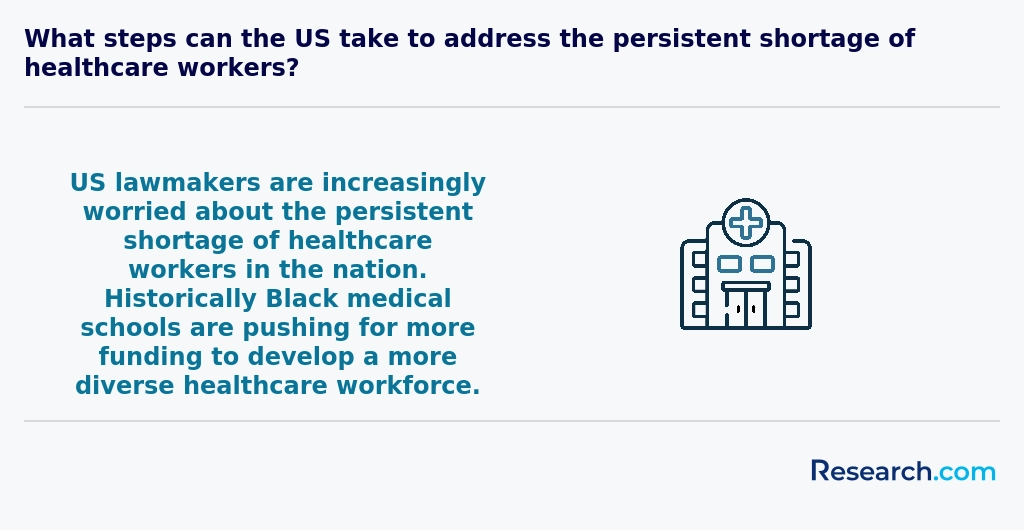
Students pursuing an online healthcare management degree in Minnesota often find federal financial aid to be the foundational support, with completing the FAFSA unlocking access to grants like the Pell Grant, loans, and work-study opportunities. For example, graduates from the University of Minnesota's online program recall how Pell Grants significantly eased their tuition burdens without adding debt.
State aid can supplement federal funds, yet eligibility varies-Minnesota's State Grant program benefits many undergraduates but may limit graduate access depending on the institution. Those attending Metropolitan State University or Minnesota State College might find such grants more accessible, fostering encouraging pathways to manage costs.
Employer tuition assistance presents a valuable, often overlooked option. Healthcare workers employed by Minnesota hospitals describe relief when employers reimbursed part of their tuition, directly connecting their education with career advancement.
Scholarships from local organizations like the Minnesota Hospital Association or professional groups further enrich funding possibilities, with some students sharing how these awards renewed their motivation during challenging semesters.
Beyond this, veterans tapping into the GI Bill or Minnesota's Veteran Tuition Reimbursement program report a profound sense of gratitude as their military service translates into educational opportunities. Each of these financial avenues interacts uniquely with personal circumstances, underscoring the importance of exploring multiple options when pursuing healthcare management in Minnesota.
Enrolling in an online healthcare management degree in Minnesota typically demands a bachelor's degree from an accredited university, such as the University of Minnesota or institutions within the Minnesota State system. Many graduates recall that having an undergraduate background in healthcare, business, or nursing smoothed their transition into advanced coursework, yet some admit their diverse academic paths required extra effort to grasp management concepts. A solid academic record, usually a GPA between 2.5 and 3.0, is often expected; this reflects the program's rigor and prepares students for graduate-level challenges.
Practical experience frequently shapes admissions decisions. Several Minnesota graduates share how having one to three years in healthcare or management roles enriched their understanding and was valued by admissions committees. Although some schools have relaxed standardized test requirements like the GRE or GMAT, applicants with lower GPAs may still need to submit scores, underscoring the importance of verifying each program's criteria.
Letters of recommendation and personal statements are critical components, offering candidates the chance to demonstrate commitment and career aspirations. For example, graduates from Minnesota's leading programs often highlight how personal statements allowed them to connect their past experience with future goals, which resonated with admissions panels.

Online healthcare management degree programs in Minnesota commonly include core courses such as healthcare systems and policy, healthcare finance, healthcare ethics and law, and leadership. Graduates from universities like the University of Minnesota often mention how learning about the structure of the U.S. healthcare system alongside Minnesota-specific regulations helped them feel prepared for real-world managerial challenges.
For instance, studying healthcare finance gives students practical budgeting skills that are essential in Minnesota's complex medical landscape, which graduates describe as empowering when handling costs in diverse settings. Leadership and organizational behavior courses are also valued, as former students highlight their experiences in team management exercises that mirror workplace scenarios.
Additionally, courses in healthcare data management are increasingly emphasized. Graduates from St. Catherine University note that gaining proficiency with electronic health records and data analytics was instrumental in navigating Minnesota's expanding medical technology sector. Electives like public health and health informatics provide broader perspectives, contributing to a well-rounded education aligned with local industry needs.
Online healthcare management degrees in Minnesota typically offer specialized tracks that align with distinct career aspirations and industry demands. Graduates from well-known institutions across Minnesota often mention how choosing areas such as Healthcare Informatics or Healthcare Finance helped them gain targeted expertise-whether managing complex health data systems or navigating reimbursement strategies essential to hospital operations. These focus areas reflect real challenges faced in Minnesota's diverse healthcare settings, from large urban hospitals to rural clinics.
Some students highlight the rewarding experience of studying Public Health Administration, which equips them to lead community health initiatives, a crucial skill given the state's commitment to disease prevention. Others find the Quality Improvement and Patient Safety specialization particularly valuable as it directly enhances patient outcomes through improved protocols. These popular Minnesota programs emphasize practical skills, often praised by graduates for enabling them to confidently enter leadership roles.
For those considering flexibility, combining these focus areas with an accelerated healthcare management master's online can be a fit, offering a balance between rigorous learning and work-life demands. Exploring healthcare management degree focus areas Minnesota offers can thus reveal opportunities for personalized pathways suited to varied professional goals.
Choosing the best online healthcare management degree Minnesota students appreciate means scrutinizing accreditation, curriculum, and cost carefully. Graduates from well-known colleges in Minnesota often emphasize the value of regional accreditation like the Higher Learning Commission (HLC), which adds credibility and eases job placement. Equally important is a curriculum blending core subjects such as healthcare finance and policy with options to specialize in fields like healthcare informatics or public health administration-key for adapting to the sector's evolving demands.
Affordability matters, but it's crucial to consider whether tuition fits your circumstances, especially distinguishing in-state versus out-of-state rates. Many programs offer financial aid that helped graduates pursue their degrees without overwhelming debt. Flexibility was another decisive factor, with online courses enabling working professionals to study asynchronously and start at multiple points in the year, a feature popular among Minnesota-based students balancing careers and learning.
Graduates also highlight programs that prepare them for certifications like Certified Medical Manager (CMM) or Fellow of the American College of Healthcare Executives (FACHE), enhancing career prospects. Delving into graduation rates and alumni outcomes reveals how well a program positions students in Minnesota's growing healthcare market, projected to grow 15% by 2030. For those estimating their future earning potential, exploring the average salary for mha graduate can provide practical insight for weighing options.
Ultimately, selecting from affordable healthcare management master's programs Minnesota offers demands balancing reputation, cost, flexibility, and professional preparation-each aspect reflecting personal priorities and life circumstances.
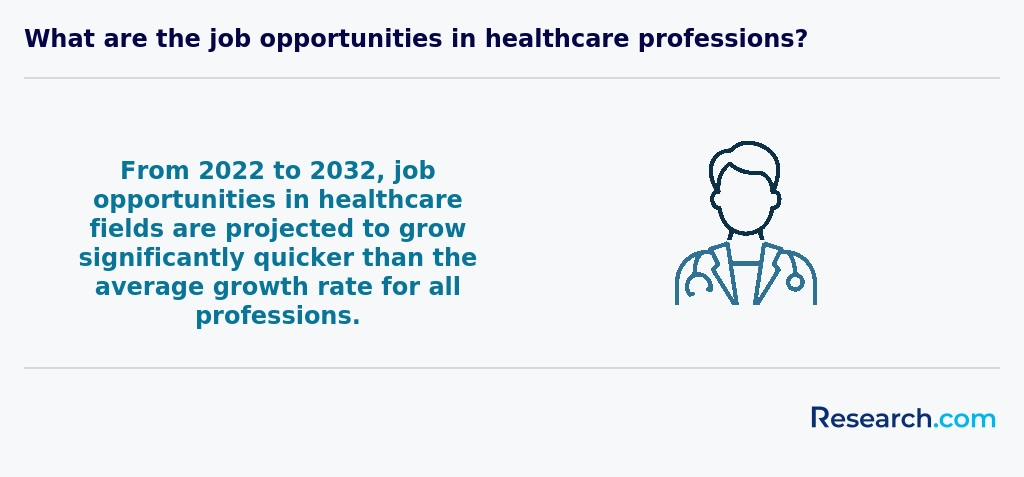
Online healthcare management careers Minnesota graduates often pursue include healthcare administrator, medical and health services manager, and clinical manager roles. These positions typically require strong leadership coupled with expertise in finance and health policy. Graduates from well-known institutions in the state frequently share positive experiences about transitioning into management roles at major Minneapolis hospitals or rural health systems, illustrating the broad applicability of their degrees.
Others branch into specialized areas like health informatics, regulatory compliance, or quality assurance. Some take on consulting roles, helping healthcare organizations improve efficiency and patient outcomes. A few graduates engage in health policy analysis or advocacy, leveraging their knowledge to influence public health regulations. Careers in insurance administration or pharmaceutical firms also attract those interested in corporate healthcare pathways, reflecting the diverse job opportunities available.
When researching options, students find that selecting a reputable program, such as the best online mba healthcare management program, can significantly impact career trajectories in this competitive field.
The job market for graduates holding an online healthcare management degree in Minnesota remains promising, driven by a growing healthcare sector anchored by institutions like Mayo Clinic and the University of Minnesota's Carlson School of Management. Many graduates from these programs express confidence in their ability to secure roles within the Minneapolis-St. Paul metro area, where healthcare management career growth Minnesota is most concentrated. These roles often involve overseeing hospital operations, managing outpatient services, or developing healthcare policies amidst a rapidly evolving environment.
While median annual wages hover around $110,000 according to recent reports, graduates also appreciate the flexibility online programs offer, balancing work, study, and family life. However, competition is notable, especially for positions in major health systems requiring experience alongside qualifications. Some students find that internship opportunities connected through local universities help bridge this gap.
For those weighing options, exploring best jobs in healthcare administration may clarify which roles align with their skills and aspirations, underlining the careful consideration needed when investing in an online healthcare management jobs Minnesota pathway.
2027 Easiest Online Master's in Healthcare Management Degree Programs Ranking in Minnesota
Investing in your education is a significant decision, and the Research.com team recognizes the importance of providing reliable information to guide you. To support prospective students interested in healthcare management, we have carefully developed the "2027 Easiest Online Master's in Healthcare Management Degree Programs Ranking in Minnesota." Our dedication to quality, credibility, and accuracy is demonstrated through rigorous research and thorough analysis.
We utilized the following reputable data sources to compile this ranking:
By consulting this ranking, readers will gain valuable insights into the easiest online healthcare management master's programs available in Minnesota, enabling well-informed educational decisions. For more information on how this ranking was created, please visit our Research.com methodology page.
# 1 position
Walden University
Master of Healthcare Administration



Frequently Asked Questions About healthcare management
Online healthcare management degree students in Minnesota can maximize their learning experience by actively engaging with course materials and participating in virtual discussions. Minnesota's healthcare sector is growing, with employment for medical and health services managers expected to increase by 16% through 2030, according to the U.S. Bureau of Labor Statistics. Taking advantage of internships or practicum opportunities within local healthcare facilities helps students gain practical experience.
Students should also utilize resources offered by their institutions, such as academic advising and career services tailored to healthcare management. Networking with Minnesota healthcare professionals through online forums and local associations can provide valuable insights and job leads.
Finally, staying current with healthcare policies affecting Minnesota, including Medicaid and regional health initiatives, will enhance a student's expertise and employability in the state's evolving healthcare environment.
The healthcare management field is rapidly evolving, with emerging niches that address the changing needs of Minnesota's healthcare system. One significant area is health informatics, blending data analysis and technology to improve patient care and operational efficiency. According to the Minnesota Department of Health, demand for informatics specialists is growing annually by over 5% in the state.
Another expanding niche is telehealth management, especially following the COVID-19 pandemic, which accelerated virtual care adoption. Healthcare organizations in Minnesota are investing in professionals who can oversee these remote services effectively.
Additionally, population health management focusing on preventive care and chronic disease management is gaining importance. This niche aligns with Minnesota's public health goals, targeting health disparities among diverse communities, as reported by the Minnesota Public Health Association.
After earning an online healthcare management degree in Minnesota, preparing for the job market involves strategic steps. First, gaining relevant experience through internships or volunteering in local healthcare facilities helps build practical skills.
Networking is essential; joining professional organizations like the Minnesota Healthcare Executives Forum can connect graduates with industry leaders. According to the Minnesota Department of Employment and Economic Development, healthcare management jobs are expected to grow by 11% from 2022 to 2032.
Additionally, obtaining certifications such as Certified Professional in Healthcare Management can improve job prospects. Tailoring resumes to highlight leadership and healthcare knowledge is critical when applying to Minnesota's diverse health systems.
Employers in Minnesota seek healthcare management graduates with strong leadership and communication skills to navigate complex healthcare environments. According to the Minnesota Department of Employment and Economic Development, professionals who demonstrate proficiency in health informatics and data analysis are in high demand due to the increasing role of technology in healthcare systems.
Financial management and understanding regulatory compliance also rank as key skills, given Minnesota's strict healthcare laws. Additionally, problem-solving abilities and knowledge of healthcare policies are essential, as they help graduates contribute effectively to improving patient care and operational efficiency.
Adaptability and teamwork are equally valued to accommodate the fast-paced and collaborative nature of Minnesota's healthcare industry.
Finding internships related to healthcare management in Minnesota involves leveraging local healthcare networks and academic resources. Many hospitals and healthcare organizations across Minnesota offer internship programs, particularly in the Minneapolis-Saint Paul area, where numerous healthcare companies are based.
Start by checking with your online program's career services, as they often have ties to Minnesota healthcare employers. Additionally, the Minnesota Hospital Association website lists member hospitals that may provide internship opportunities.
Utilize job platforms like Handshake or LinkedIn, filtering for healthcare management internships in Minnesota. Networking through Minnesota-based professional groups, such as the Healthcare Financial Management Association (HFMA) Minnesota chapter, can also be useful.
According to the U.S. Bureau of Labor Statistics, healthcare management roles in Minnesota are expected to grow by 15% through 2031, signaling expanding internship opportunities.
An online healthcare management degree can significantly enhance career mobility and advancement for professionals in Minnesota's healthcare sector. With the state experiencing a steady growth rate of about 18% in healthcare management jobs from 2020 to 2030, according to the Minnesota Department of Employment and Economic Development, demand for qualified managers is rising.
Graduates of online programs gain essential skills in leadership, finance, and healthcare policy, positioning them for roles such as healthcare administrators or operations directors. Minnesota employers often recognize accredited online degrees, especially from regionally accredited institutions, as meeting hiring and promotion criteria.
Moreover, flexible online learning allows working professionals to upskill without interrupting their careers, which supports upward mobility within healthcare organizations across Minnesota.
Studying for a healthcare management degree in Minnesota equips students with the skills needed for interdisciplinary roles by blending business, healthcare policy, and leadership training. Programs in the state emphasize collaboration across clinical, administrative, and technological fields to meet evolving healthcare demands. Online degrees often incorporate real-world case studies from Minnesota's diverse healthcare systems, including major hospitals and community health organizations.
According to the Minnesota Department of Health, healthcare employment in the state is projected to grow 16% by 2030, increasing the need for managers who understand multiple disciplines. Coursework typically covers healthcare law, finance, information systems, and ethics, preparing graduates to lead diverse teams.
These programs prioritize communication and coordination skills, essential for managing interdisciplinary projects within Minnesota's health infrastructure.
Choosing between a thesis and a non-thesis healthcare management degree in Minnesota depends on your career goals and learning preferences. Thesis programs emphasize research, preparing students for roles involving data analysis or potential doctoral studies. Non-thesis options focus more on practical skills and coursework, suited for professionals targeting management positions in hospitals or clinics.
In Minnesota, healthcare employers increasingly value project management and leadership skills, which non-thesis programs highlight. According to the Minnesota Department of Employment and Economic Development, healthcare management jobs are projected to grow by 10% by 2030, emphasizing applied expertise.
If you enjoy academic research and may consider teaching or consulting, a thesis track offers strong preparation. Conversely, non-thesis degrees often provide faster completion times and practical internship opportunities.
Students based in Minnesota interested in studying healthcare management abroad face limited direct options due to the U.S. higher education system's focus on domestic accreditations and regulations. Most healthcare management programs overseas often lack recognition by U.S. credential evaluators, which can impact licensure and employment back home.
However, Minnesota students can consider enrolling in online programs offered by internationally based universities that meet U.S. accreditation standards. This approach allows access to global perspectives without leaving the country. Additionally, partnerships between Minnesota schools and foreign institutions occasionally provide study-abroad opportunities tied to online degrees.
According to the U.S. Bureau of Labor Statistics, healthcare management job growth in Minnesota is expected at 11% through 2032, emphasizing the value of recognized qualifications. Online programs aligned with U.S. accreditation remain the most practical for career advancement in this field.
In Minnesota, part-time job opportunities that complement an online healthcare management degree include roles such as medical office assistant, health information technician, and patient services coordinator. These positions provide practical experience in healthcare settings, helping students understand administrative and operational functions crucial to the industry. According to the Minnesota Department of Employment and Economic Development, healthcare support occupations are projected to grow by 12% from 2020 to 2030, highlighting job availability.
Working part-time in clinics, hospitals, or public health organizations offers insight into regulatory compliance, billing procedures, and patient interaction. These experiences enhance skills valuable for future management roles.
Online healthcare management students in Minnesota benefit from a variety of networking opportunities tailored to the state's strong healthcare sector. Several universities offer virtual events, webinars, and discussion forums that connect students with industry professionals and alumni.
Additionally, Minnesota hosts regional chapters of national organizations like the American College of Healthcare Executives (ACHE). These offer both virtual and in-person networking events, allowing students to build relationships within the local healthcare management community.
Healthcare innovations and leadership are prominent in the state, with institutions like the Mayo Clinic and Allina Health providing collaboration prospects through internships and mentorship programs. According to the Minnesota Department of Employment and Economic Development, healthcare remains a top employer in the state, supporting strong professional networks.
Alumni networks provide valuable support to online healthcare management degree students in Minnesota by connecting them with experienced professionals across the state's healthcare sector. These networks offer mentoring opportunities, career advice, and access to job openings in Minnesota's growing healthcare management industry, which employs over 40,000 professionals according to the Minnesota Department of Employment and Economic Development.
Through active alumni groups, students can build professional relationships that help with internships and job placements. Networking events and online forums allow for knowledge sharing about industry trends and management best practices.
In a field where local connections matter, Minnesota-based alumni networks help graduates navigate the state-specific healthcare system and regulatory environment, supporting career advancement effectively.
Customizing an online healthcare management degree in Minnesota typically involves selecting concentrations, electives, or certificates aligned with your career goals. Many programs offer specializations such as healthcare informatics, policy, or administration, allowing you to focus on areas in demand locally.
The Minnesota Department of Employment and Economic Development notes a growing need for healthcare managers skilled in technology and regulatory compliance. Tailoring your coursework to include these topics can enhance job prospects.
Additionally, some schools allow internships or capstone projects with Minnesota healthcare organizations, providing practical experience and networking opportunities relevant to the state's market.
Consult program advisors to align your studies with both personal aspirations and Minnesota's evolving healthcare landscape.
Online healthcare management students in Minnesota often face challenges related to balancing work, family, and academic responsibilities. Many learners are working professionals in a fast-growing healthcare sector, requiring strong time management skills to meet coursework demands alongside job duties. Accessibility to clinical or practical experiences can also be limited due to geographical constraints or scheduling conflicts.
Additionally, some students report difficulties with technology platforms used for online learning, which can disrupt the educational process. Minnesota's healthcare system employs over 150,000 individuals, intensifying competition for internships and relevant hands-on training opportunities (Minnesota Department of Employment and Economic Development, 2023).
Students may also experience limited networking opportunities compared to traditional programs, potentially affecting career advancement. These factors collectively contribute to the unique challenges faced by healthcare management students studying remotely in Minnesota.
With an online healthcare management degree in Minnesota, graduates can pursue several respected professional certifications to enhance their careers. Popular certifications include the Certified Medical Manager (CMM) and the Certified Professional in Healthcare Management (CPHM), which validate expertise in healthcare administration.
Another highly regarded certification is the Fellow of the American College of Healthcare Executives (FACHE). This credential is nationally recognized and often sought by Minnesota healthcare managers aiming for leadership roles.
According to the Minnesota Department of Employment and Economic Development, healthcare management positions requiring certification have grown by 8% in recent years, demonstrating the increasing value of such credentials in the local job market.
These certifications typically require a combination of education, work experience, and passing a comprehensive exam, offering graduates strong competitive advantages.
To write a winning application for an online healthcare management program in Minnesota, start by clearly demonstrating your understanding of the state's healthcare challenges and opportunities. Minnesota is known for its robust healthcare industry, employing over 300,000 people statewide according to the Minnesota Department of Employment and Economic Development.
Highlight relevant experience, such as work or volunteer roles in healthcare settings. Include specific skills like data analysis, leadership, or knowledge of healthcare policies. Emphasize academic strengths, especially in business or health sciences, supported by strong transcripts and test scores when required.
Finally, craft a compelling personal statement explaining your career goals and why a Minnesota program fits your aspirations. Many schools look for candidates committed to advancing healthcare locally.
Healthcare management careers in Minnesota reflect growing global trends emphasizing leadership in complex healthcare systems. Internationally, demand for skilled managers is rising due to aging populations and technological advances, requiring expertise in policy, finance, and patient care coordination. In the U.S., and specifically Minnesota, the Bureau of Labor Statistics projects a 32% growth in medical and health services managers from 2021 to 2031, much faster than average.
Global perspectives highlight the need for cross-cultural competence and adaptability as healthcare organizations operate more internationally. Online healthcare management degrees in Minnesota often incorporate these trends, preparing students for diverse roles.
Gaining practical experience while studying for an online healthcare management degree in Minnesota is essential for career readiness. Many programs encourage internships or practicums with local healthcare providers, including hospitals and clinics in Minnesota's vast medical network. For example, the Minnesota Department of Health collaborates with educational institutions to offer students hands-on learning opportunities.
Additionally, some schools partner with Minnesota-based healthcare organizations for remote projects, helping students apply management theories in real settings. Networking through professional associations such as the Minnesota Healthcare Executives Forum can also connect students with mentors and job shadowing opportunities, enhancing practical skills during their studies.
Choosing the right concentration within an online healthcare management degree program in Minnesota requires understanding the state's healthcare landscape and job market. Minnesota's healthcare industry is robust, with over 320 hospitals and health systems employing thousands of healthcare managers, according to the Minnesota Hospital Association.
Focus on concentrations that align with regional growth areas such as healthcare informatics, administration, or policy, which are in demand locally due to Minnesota's emphasis on technology-driven patient care and public health.
Research programs accredited by the Commission on Accreditation of Healthcare Management Education (CAHME) for quality education. Also, consider your career goals and the types of organizations you wish to work for-options range from hospitals to insurance companies.
Finally, explore concentrations offering coursework in healthcare finance, compliance, or operational leadership to increase your competitiveness in Minnesota's evolving healthcare market.
- 2027 Easiest Online Master's in Healthcare Management Degree Programs Ranking in Illinois
- 2027 Easiest Online Master's in Healthcare Management Degree Programs Ranking in Missouri
- 2027 Easiest Online Master's in Healthcare Management Degree Programs Ranking in Michigan
- 2027 Easiest Online Master's in Healthcare Management Degree Programs Ranking in Ohio
- 2027 Easiest Online Master's in Healthcare Management Degree Programs Ranking in Colorado
- 2027 Easiest Online Master's in Healthcare Management Degree Programs Ranking in Texas
- 2027 Easiest Online Master's in Healthcare Management Degree Programs Ranking in Florida
- 2027 Easiest Online Master's in Healthcare Management Degree Programs Ranking in North Carolina
- 2027 Easiest Online Master's in Healthcare Management Degree Programs Ranking in Pennsylvania
- 2027 Easiest Online Master's in Healthcare Management Degree Programs Ranking in New York
- Healthcare Management: Global Perspectives https://www.routledge.com/Healthcare-Management-Global-Perspectives/Gillies/p/book/9781032765259
- What are the essential skills needed for health care management | UNF https://www.unfc.ca/blog/healthcare-management-skills
- Niche Markets in Healthcare https://ultrariskadvisors.com/niche-markets-in-healthcare/
- What can you do with a healthcare management degree? | edX https://www.edx.org/resources/what-can-you-do-with-a-healthcare-management-degree
- Careers with a Health Services Management Degree https://www.mhaonline.com/faq/careers-with-a-health-services-management-degree
- HEALTH MANAGEMENT (THESIS / NON-THESIS) - Lisansüstü Eğitim Enstitüsü https://lee.nisantasi.edu.tr/en/health-management-thesis-non-thesis/
- Interdisciplinary Healthcare and Management https://www.haw-hamburg.de/en/bachelor-interdisciplinary-healthcare-and-management/
- Healthcare Management Master's Degree Program (Thesis/Non Thesis) https://www.kent.edu.tr/healthcare-management-masters-degree-program-thesis-non-thesis-101211
- 14 Healthcare Administrator Cover Letter Examples: Plus Recruiter Insights (Updated for 2025) https://resumeworded.com/cover-letter-samples/healthcare-administrator
- Where to study health management - EHMA https://ehma.org/where-to-study-health-management/