2027 Easiest Online Master's in Healthcare Management Degree Programs Ranking in Michigan

Co-Founder and Chief Data Scientist
Are you considering advancing your career with a master's degree in healthcare management? Choosing the right program can be overwhelming, especially when balancing work and life. This article introduces the 2027 Easiest Online Master's in Healthcare Management Degree Programs Ranking in Michigan, created by the Research.com team of data scientists to help you make an informed decision.
By exploring these programs, you'll discover options that suit your schedule and career goals, making your journey smoother and more rewarding. A healthcare management degree opens doors to meaningful opportunities in a growing field-investing in your future has never felt more achievable.
Key benefits of getting online healthcare management degree in Michigan
- Healthcare management graduates in Michigan can expect competitive salaries, with many entry-level positions in healthcare administration offering around $60,000 annually, providing a strong foundation for financial growth.
- Graduates often find rewarding careers in hospital administration, health services management, or policy development, as seen with alumni from the University of Michigan's healthcare management program, who enjoy diverse job opportunities.
- Completing a healthcare management degree online, like students at Wayne State University, offers flexibility to balance work and study, often resulting in quicker degree completion and immediate application of skills in the workplace.
- 2027 Easiest Online Master's in Healthcare Management Degree Programs Ranking in Michigan
- What can I expect from online healthcare management degree in Michigan?
- Where can I work with online healthcare management degree in Michigan?
What can I expect from online healthcare management degree in Michigan?
The average cost of an online healthcare management degree in Michigan typically ranges from $20,000 to $50,000, depending on the institution and program length. Graduates from popular universities in Michigan often mention that investing in these programs is worthwhile given the demand for skilled healthcare managers in the state's booming healthcare sector.
Many students find that paying for an accredited program, especially those recognized by CAHME, opens doors to better job opportunities and salaries. For example, graduates from well-known Michigan colleges appreciate the flexible online format that allows them to continue working while completing 30 to 40 credit hours in about two years.
Online students also benefit from programs that integrate real-world scenarios like virtual internships and project-based learning, making the higher tuition feel justified by the practical skills gained. This approach helps students confidently navigate healthcare policies and financial management unique to Michigan's healthcare landscape.
Financial aid, employer tuition support, and scholarships are common strategies students use to manage costs effectively while pursuing their degrees.
Where can I work with online healthcare management degree in Michigan?
Graduates with an online healthcare management degree from well-known Michigan institutions often start their careers in hospitals, where they manage departments, coordinate patient services, and ensure compliance with healthcare regulations. For example, alumni from popular programs at Michigan State University frequently secure roles in major hospital systems across Detroit and Grand Rapids, finding the dynamic environment exciting and rewarding.
Others pursue positions in long-term care facilities like nursing homes, where their skills in staffing, budgeting, and regulatory adherence meet Michigan's growing demand due to an aging population. Graduates report feeling a strong sense of purpose working to improve quality of life for elderly residents in these community-centered roles.
Career options also exist in health insurance companies and consulting firms, where graduates apply strategic planning and data analysis skills learned online to improve service delivery and compliance. Those from the University of Michigan's healthcare management program highlight how their coursework prepared them well for these analytical roles.
Public health departments across Michigan hire healthcare managers to lead community health initiatives and emergency response coordination, offering a fulfilling way to impact public welfare. Other alumni find exciting opportunities in pharmaceutical firms and medical device manufacturing, managing operations or regulatory affairs in Michigan's broad healthcare sector.
Graduates with an online healthcare management degree in Michigan typically start with salaries between $65,000 and $75,000 annually, depending on their role and employer. For example, many graduates from popular institutions like the University of Michigan or Grand Valley State University report initial positions in hospital administration or outpatient care centers within this range. As they gain experience, especially managing larger teams or multiple departments, salaries can increase significantly, often surpassing $100,000.
Healthcare managers in cities like Detroit or Grand Rapids enjoy higher wages due to local demand and cost of living. Graduates who earn certifications such as Certified Medical Manager (CMM) or Fellow of the American College of Healthcare Executives (FACHE) often accelerate their salary growth. Those with advanced degrees, such as a master's, frequently secure leadership roles offering upward of $140,000 annually.
Networking with alumni from Michigan colleges and gaining real-world experience during internships can boost career prospects and salary potential in this evolving field.
- The total cost for a master's degree in healthcare management in Michigan ranges from $20,000 to $40,000, with public universities offering lower tuition for residents.
- Entry-level salaries for healthcare management graduates start around $60,000, increasing to over $90,000 annually with experience.
- Healthcare jobs in Michigan are expected to grow by about 15% over the next decade, outpacing the average growth rate for all occupations.
- Accredited online programs in Michigan often have credentials from ACBSP or CAHME, ensuring they meet industry standards.
- Most programs require a bachelor's degree and sometimes related healthcare or administration work experience, with options to specialize in fields like healthcare informatics or policy.
Completing an online healthcare management degree in Michigan typically takes 18 to 24 months for master's programs when studied full-time. Graduates from schools like Eastern Michigan University appreciate the clear timeline, which helps them balance work and family while earning their degree. Part-time options extend the timeline to 3 to 4 years, allowing flexibility for working professionals who need to pace their studies.
Some students at the University of Michigan-Flint choose accelerated tracks, finishing in as little as 12 to 15 months by taking heavier course loads or studying year-round. This approach suits highly motivated students eager to move quickly into new healthcare roles.
Bachelor's degree seekers often complete their programs in about four years, but flexible online structures and credit transfers from previous coursework can shorten this period. Many Michigan students find these programs accommodating, enabling them to maintain jobs while progressing steadily.
Those without prior healthcare or business experience may add foundational courses, slightly increasing their completion time. However, many programs credit professional experience, helping students save time and boost confidence as they advance.
Choosing between online and on-campus healthcare management degrees in Michigan boils down to how you want to balance flexibility with hands-on experience. Online programs, like those offered by some Michigan State University affiliates, let you study on your own schedule-ideal if you're juggling work or family. Graduates often appreciate avoiding long commutes and feeling in control of their pace while still covering important subjects like healthcare policy and leadership.
On-campus options, such as those at the University of Michigan, immerse you in a vibrant community with direct access to faculty and networking events. Many students value this interaction for motivation and real-time feedback, which can boost learning confidence. However, these programs may involve extra costs like parking or housing, which online students can often sidestep.
Both formats demand commitment, especially as internships or clinicals might need some in-person attendance. Students who thrive on connection often choose on-campus, while those craving flexibility lean online-a choice that fits your lifestyle and career goals best.
The average cost of an online healthcare management degree in Michigan typically centers around $35,773, reflecting the median total tuition expense. Graduates from public universities like Eastern Michigan University and Western Michigan University often appreciate the balance between quality and affordability, especially for in-state students who benefit from lower tuition rates per credit hour. These programs usually require 30 to 40 credits, with public institutions charging about $500 to $800 per credit, making the overall cost more manageable.
Many Michigan students find value in how these programs accommodate working professionals, allowing them to study at their own pace without sacrificing income. Private colleges tend to be pricier, sometimes charging over $900 per credit hour, which can push total tuition closer to or above $35,000. Despite the higher upfront cost, students often report that specialized tracks or combined certifications add real career advantage and increase long-term earning potential.
Prospective students should also explore financial aid opportunities such as scholarships and employer tuition assistance to reduce the net cost. Understanding the time-to-degree and completion rates from schools popular in Michigan can provide additional insight into affordability. Additionally, students may want to review detailed courses for health administration to ensure alignment with their career goals and investment.
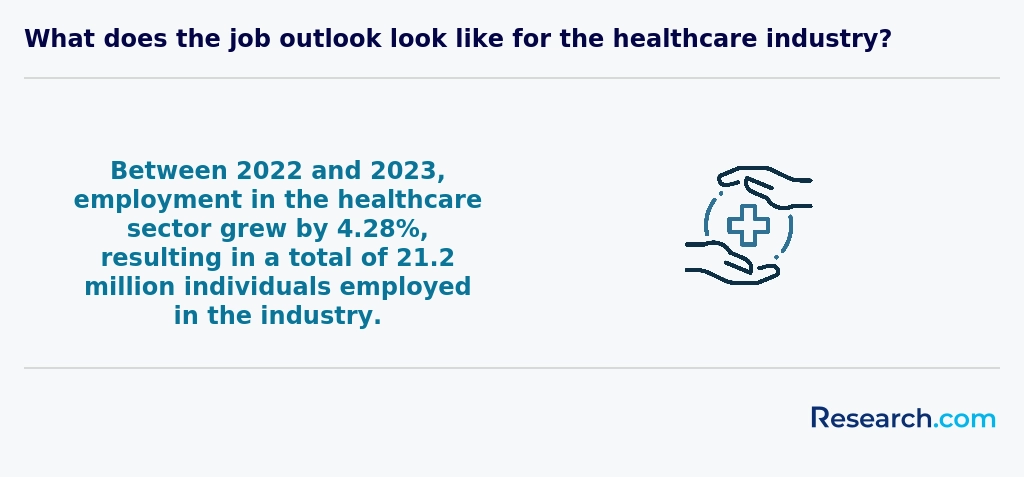
Online healthcare management students in Michigan can access diverse financial aid options to ease tuition costs, which typically range from $15,000 to $40,000. Completing the FAFSA is essential to unlock federal aid such as Pell Grants for undergraduates, and unsubsidized or Grad PLUS loans at the graduate level. These programs have helped many graduates manage expenses while focusing on their studies.
State-specific aid like the Michigan Competitive Scholarship Program and the Tuition Incentive Program (TIP) provide valuable support to residents. Students at institutions like Western Michigan University or the University of Michigan-Flint often benefit from merit- or need-based scholarships tailored for healthcare management fields, directly reducing their financial burden.
Working professionals can leverage employer tuition assistance programs offered by Michigan's healthcare organizations, allowing them to pursue degrees without sacrificing income. Additionally, joining professional bodies like the American College of Healthcare Executives opens doors to scholarships and fellowships, enriching both finances and networking opportunities.
Applying early and thoroughly researching all options can transform financial hurdles into achievable goals, empowering students throughout their educational journey.
To enroll in an online healthcare management degree program in Michigan, applicants typically need a bachelor's degree from an accredited institution. It doesn't always have to be healthcare-related, but graduates from Michigan colleges with backgrounds in related fields often find the transition smoother. A GPA of around 3.0 is commonly expected, serving as a baseline for academic readiness.
Many programs, including those at popular Michigan universities, value work experience in healthcare or administration. Graduates often share how one to two years working in hospitals or clinics strengthened their applications and boosted their confidence once enrolled.
Test scores like the GRE are less commonly required but having strong letters of recommendation and a compelling personal statement explaining your leadership goals in healthcare management remains essential. For example, students from universities such as Wayne State or University of Michigan-Flint highlight how these documents helped them stand out.
Lastly, completing prerequisite courses in subjects like statistics or economics-either before starting or early in the program-prepares you for success by building foundational knowledge.
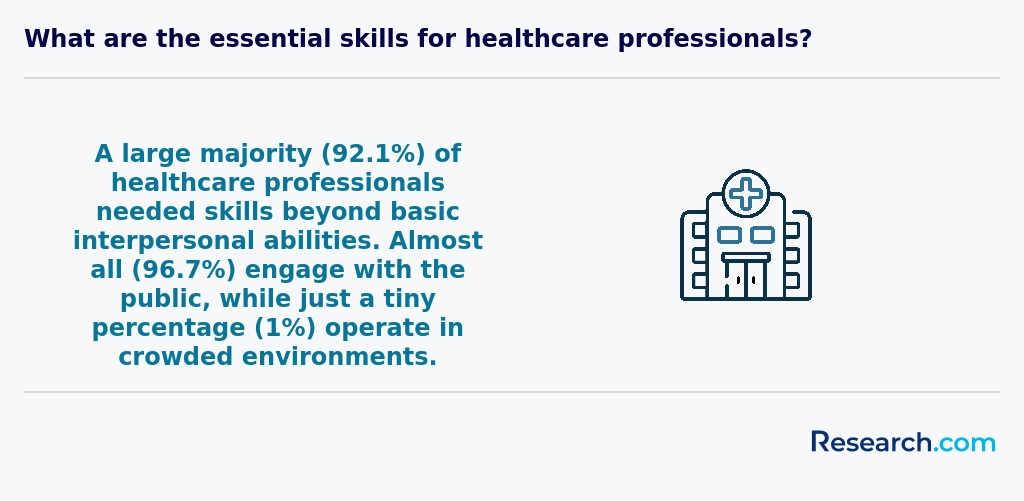
Online healthcare management degrees in Michigan typically include core courses designed to equip you with leadership and administrative expertise relevant to local healthcare settings. Graduates from popular institutions in Michigan often highlight courses like Healthcare Financial Management, where you learn budgeting and billing tailored to hospitals and clinics within the state's unique regulatory environment.
Another crucial course is Health Informatics, teaching how to use data systems that improve patient care-a skill many Michigan students find immediately applicable when working in community health centers or large hospital networks.
Healthcare Law and Ethics classes address compliance with Medicare and Medicaid rules affecting Michigan providers, an area that graduates often recall as eye-opening and essential for their roles.
- Quality Improvement and Patient Safety, focusing on reducing errors in care delivery.
- Organizational Behavior and Human Resources, important for managing diverse healthcare teams effectively.
Many programs also offer electives like public health or long-term care management, allowing you to tailor studies to Michigan's evolving healthcare demands. Students frequently appreciate this flexibility to align coursework with their career goals, such as working in Detroit's urban hospitals or rural health facilities.
Online healthcare management specializations Michigan programs typically include Healthcare Administration, Health Informatics, Public Health Management, Long-Term Care Management, and Healthcare Quality and Patient Safety. Graduates from popular Michigan universities often share how focusing on Healthcare Administration helped them develop strong leadership and financial skills, preparing them to manage hospitals or clinics effectively.
Health Informatics is especially relevant as digital health records are now standard; students learn to analyze and use data to improve patient care, a crucial skill praised by recent degree holders. Public Health Management appeals to those passionate about community wellness, where graduates have contributed to successful local health initiatives.
Long-Term Care Management trains students to oversee nursing homes and assisted living facilities with an emphasis on regulations and operations-valuable for working in Michigan's growing eldercare sector. Those who choose Healthcare Quality and Patient Safety specialize in compliance and outcome improvements, fields in high demand statewide.
Many Michigan students appreciate that programs include practicum opportunities, giving real-world experience reflective of the region's healthcare trends. For those seeking faster advancement, exploring an accelerated executive master of health administration online can be a strategic choice.
Michigan healthcare management degree concentrations often align closely with the state's diverse healthcare needs, offering practical pathways to rewarding careers.
Focus first on accreditation when selecting the best online healthcare management programs Michigan offers. Graduates from Central Michigan University and Wayne State University express confidence knowing their degrees meet standards set by the Commission on Accreditation of Healthcare Management Education, ensuring industry relevance. Evaluate how the curriculum balances foundational topics like healthcare policy and ethics with modern trends such as telehealth management, which recent students value for staying competitive.
Flexibility matters for working professionals in Michigan juggling multiple commitments. Programs with asynchronous courses and varied start dates allow learners to progress at their own pace, reducing stress and increasing satisfaction. Affordable healthcare management degrees Michigan residents appreciate often come with in-state tuition benefits and available financial aid, making investment decisions easier.
Finally, graduates emphasize career services connecting them to internships and local healthcare employers, vital for success in Michigan's growing job market. Check programs that foster such opportunities to enhance your future. For insights on career paths, explore career opportunities after mba in healthcare management.

Graduates with an online healthcare management degree in Michigan can pursue various rewarding career paths tailored to the state's evolving healthcare landscape. Popular roles include healthcare administrators or managers who oversee operations in hospitals or nursing homes, ensuring compliance and quality care. Health services managers focus on specific departments such as finance or patient services, while clinical managers coordinate between medical and administrative staff to enhance patient outcomes. Many Michigan graduates from well-known institutions find success as health information managers, improving data systems and privacy compliance, or as healthcare consultants advising organizations on efficiency and cost control.
Michigan's urban centers like Detroit and Ann Arbor present fertile ground for these careers, offering ample opportunities to apply skills gained through degrees from respected colleges. Graduates often share how these roles bring a sense of purpose and professional growth, especially as healthcare systems adapt to technological advances. For those exploring online healthcare management careers Michigan options, programs such as those at top universities provide a flexible yet comprehensive path toward leadership roles. Consider researching the best online mba healthcare management program for tailored guidance.
By focusing on these careers, students position themselves at the forefront of Michigan healthcare management degree jobs, ready to impact the state's health outcomes and organizational success.
The job market for online healthcare management degree graduates in Michigan is robust and expanding, particularly for those equipped to navigate the state's diverse healthcare settings. Graduates from popular institutions like the University of Michigan and Wayne State University often find opportunities in hospitals, outpatient centers, and insurance firms throughout the state. These roles typically leverage both clinical insight and leadership skills, making the degrees highly practical.
Graduates report feeling confident stepping into positions such as healthcare administrators or health services managers, thanks to curricula tailored to Michigan's healthcare landscape. The aging population and growth in telehealth services drive demand, reinforcing the value of specialized expertise gained online.
For those exploring Michigan healthcare management career opportunities, focusing on compliance, data management, and quality assurance can create a competitive edge. Many also consult resources detailing the best jobs in healthcare administration to align their skills with market needs.
2027 Easiest Online Master's in Healthcare Management Degree Programs Ranking in Michigan
Investing in your education is a significant decision that can shape your future, and the Research.com team is keenly aware of the importance of making well-informed choices. To support prospective students in Michigan, we have carefully developed the "2027 Easiest Online Master's in Healthcare Management Degree Programs Ranking in Michigan." Our dedication to quality, credibility, and accuracy is demonstrated through thorough research and analysis used to create this ranking. We utilized the following reputable data sources to ensure a comprehensive evaluation of programs:
By reviewing this ranking, readers will gain valuable insights into accessible and flexible healthcare management programs that suit their needs, enabling them to make confident educational decisions. For more information on our process, please visit our Research.com methodology page.


Frequently Asked Questions About healthcare management
Students pursuing online healthcare management degrees in Michigan can maximize their learning by actively engaging with course materials and participating in virtual discussions. Michigan's healthcare sector is growing rapidly, with over 500,000 healthcare workers statewide, making practical knowledge crucial (Michigan Department of Health and Human Services, 2023).
Connecting with local healthcare organizations for internships or networking can enhance real-world experience. Utilizing Michigan's strong regional healthcare networks provides opportunities to observe management practices firsthand. Additionally, leveraging resources like online libraries and Michigan-based healthcare databases can deepen understanding of state-specific regulations.
Time management and setting a consistent study schedule are essential, especially for working professionals balancing education and career. Seeking mentorship from experienced healthcare managers in Michigan or joining relevant professional groups online also supports career development.
Emerging niches in healthcare management reflect the evolving needs of Michigan's healthcare system. One promising area is health informatics, focusing on managing patient data and electronic health records. According to the Michigan Health Information Network, demand for professionals skilled in data analytics is rising rapidly.
Another growing field is population health management, emphasizing disease prevention and community wellness strategies, crucial in Michigan's diverse urban and rural settings. The state's Department of Health and Human Services notes increased funding toward these initiatives.
Additionally, telehealth management is expanding, driven by remote care needs highlighted during the COVID-19 pandemic. Michigan's healthcare providers are investing significantly in telehealth infrastructure, creating opportunities for specialized administrators.
These niches offer fruitful career paths for students pursuing online healthcare management degrees in Michigan.
After completing an online healthcare management degree in Michigan, preparing for the job market involves several strategic steps. Start by gaining relevant experience through internships or part-time roles within Michigan's healthcare system, which is the state's second-largest industry according to the Michigan Health & Hospital Association.
Networking plays a key role. Join professional organizations like the Michigan Society for Healthcare Planning and Marketing or local chapters of the American College of Healthcare Executives to connect with industry professionals.
Obtaining certifications such as Certified Professional in Healthcare Management (CPHM) can enhance your resume and align with employer expectations in Michigan's competitive job market. Stay updated on healthcare regulations specific to Michigan through state resources.
Employers in Michigan seeking graduates with online healthcare management degrees prioritize a combination of leadership and technical skills. Strong communication and interpersonal abilities rank high, as managing medical staff and coordinating with diverse teams is essential. Analytical skills, including data interpretation and decision-making, are critical due to increasing use of healthcare technology and electronic health records.
Knowledge of healthcare laws and policies, especially those affecting Michigan's healthcare system, is also vital. According to the Michigan Healthcare Association, graduates familiar with state-specific regulations and quality improvement practices stand out to employers.
Finally, adaptability and problem-solving skills are important as the industry evolves rapidly, particularly with ongoing changes in healthcare reform and technology integration.
Finding internships in Michigan relevant to healthcare management degrees involves targeted approaches. Start by exploring university career centers, which often connect students with local healthcare organizations offering internships. For example, institutions like the University of Michigan and Wayne State University provide internship listings tailored to healthcare management students.
Additionally, consider hospitals and health systems such as Henry Ford Health System and Spectrum Health, major employers in Michigan's healthcare sector. These organizations frequently offer structured internship programs.
Professional associations like the Michigan Health & Hospital Association also list internship opportunities and networking events, facilitating valuable connections.
Online platforms such as Handshake or LinkedIn can help identify internships in the state. Students should focus on positions in healthcare administration, policy, or management to gain pertinent experience.
An online healthcare management degree in Michigan significantly enhances career mobility and advancement opportunities. The state's healthcare sector is expanding rapidly, driven by an aging population and healthcare innovation, which increases demand for skilled managers. According to the U.S. Bureau of Labor Statistics, employment of medical and health services managers in Michigan is projected to grow by 18% from 2022 to 2032, much faster than average.
Holding an online degree allows professionals to gain relevant skills like healthcare policy, finance, and leadership flexibility while continuing to work. This flexibility supports career progression without interrupting current employment.
Michigan employers often prefer candidates with graduate degrees for leadership roles, enhancing promotion chances and higher salary prospects. Additionally, accredited online programs that align with Michigan's healthcare regulations bolster graduates' credibility locally.
Studying for a healthcare management degree in Michigan equips students with skills to navigate interdisciplinary roles effectively. Programs often integrate courses in public health, business administration, and informatics, reflecting the collaborative nature of healthcare today. This approach prepares graduates to work alongside clinicians, IT professionals, and policy makers.
Michigan's healthcare sector employs over 600,000 people, making interdisciplinary teamwork critical. According to the Michigan Health & Hospital Association, management roles require understanding diverse perspectives to improve patient outcomes and operational efficiency.
Online programs emphasize communication, leadership, and systems thinking, essential in bridging gaps across departments in hospitals and health services.
Choosing between a thesis and a non-thesis online healthcare management degree in Michigan depends on your career goals and learning preferences. Thesis programs focus on research, requiring students to complete an original study, which is ideal for those aiming at leadership roles or doctoral studies. Non-thesis options emphasize practical skills through coursework, suited for professionals seeking to advance quickly in healthcare administration.
Michigan's healthcare sector is growing, with a 12% increase in management jobs projected by 2030 according to the Bureau of Labor Statistics. Research skills may give an edge if you plan to influence policy or conduct healthcare studies.
Students in Michigan interested in studying healthcare management abroad often face challenges, as most international programs require physical presence. However, many U.S. universities offer online degrees with global perspectives, allowing Michigan residents to access international healthcare management curricula remotely.
Programs accredited by bodies recognized in the U.S. are preferable, ensuring quality and transferability of credits. For example, some universities partner with institutions abroad, providing exposure to healthcare systems outside the U.S. while maintaining online accessibility.
Michigan's own healthcare sector employs over 286,000 professionals, making internationally informed management skills valuable for local career advancement (Michigan Department of Labor, 2023).
Students should verify accreditation and program format before enrolling in any international option to align with American credentialing standards.
Part-time job opportunities in Michigan that complement an online healthcare management degree are varied and often available in both clinical and administrative settings. Common roles include medical office assistant, patient services coordinator, and health information technician. These positions provide practical experience in healthcare operations, essential for management careers. According to the Michigan Department of Labor and Economic Opportunity, healthcare support roles are projected to grow by 12% through 2030, reflecting strong demand.
Additionally, working in insurance companies or public health offices can deepen understanding of healthcare policies and finance. Many healthcare facilities in Detroit and Grand Rapids offer flexible part-time roles suitable for students.
Online healthcare management students in Michigan benefit from multiple networking opportunities designed to support their professional growth. Many universities offering online degrees partner with local healthcare organizations, providing virtual job fairs, webinars, and alumni networks tailored specifically to Michigan's healthcare sector.
The Michigan Health & Hospital Association (MHA) hosts events and conferences that encourage participation from students and professionals statewide, enabling connections with employers and industry leaders. According to the MHA, Michigan's healthcare industry employs over 700,000 people, making networking critical for job placement and career advancement.
Additionally, online students often join student chapters of national groups like the American College of Healthcare Executives (ACHE), which has regional events in Michigan cities such as Detroit and Grand Rapids. These resources help students build relationships despite geographic distances.
Alumni networks play a significant role in supporting online healthcare management degree students in Michigan. These networks provide access to a broad community of experienced professionals working in healthcare settings across the state. Through connections made within alumni groups, students can gain valuable career advice, mentorship, and job leads in Michigan's growing healthcare sector.
Michigan's healthcare industry employs over 500,000 workers, making networking a key tool for career advancement, according to the Michigan Bureau of Labor Market Information. Alumni often share insights about local employers, hiring trends, and continuing education opportunities.
Additionally, online students benefit from virtual events and forums hosted by alumni associations, fostering engagement despite physical distance. Access to these professional connections improves graduates' chances of securing roles in hospitals, clinics, and health organizations throughout Michigan.
In Michigan, online healthcare management degree programs offer flexibility to tailor your studies according to your career goals. Many universities allow students to choose electives focused on areas such as healthcare policy, informatics, or finance, helping you develop skills relevant to specific roles.
Some programs also provide opportunities for specialization through certificates or concentrations, which can enhance your expertise and marketability in fields like hospital administration or health data analysis. Additionally, selecting internships or capstone projects aligned with Michigan's healthcare industry can build practical experience.
According to the Michigan Department of Health and Human Services, the state's healthcare sector is among the largest employers, emphasizing the value of customized skills to meet local needs. Exploring program options carefully helps ensure your education supports your targeted career path.
Online healthcare management students in Michigan often face challenges balancing rigorous coursework with professional and personal responsibilities. Many are working adults managing full-time jobs in a state with a healthcare sector employing over 330,000 people as of 2023 (Michigan Department of Labor). Time management is critical but difficult due to fluctuating work shifts in healthcare settings.
Technical issues can also hinder progress, especially as some programs require proficiency with specialized healthcare software or data analytics tools. Limited in-person networking opportunities pose another obstacle, reducing chances to connect with local healthcare leaders.
Additionally, navigating Michigan's diverse healthcare laws and policies online requires strong self-motivation and access to updated resources to succeed academically and professionally.
Graduates with an online healthcare management degree in Michigan have several professional certifications available to enhance their careers. Common certifications include the Certified Professional in Healthcare Quality (CPHQ), offered by the Healthcare Quality Certification Board, and the Fellow of the American College of Healthcare Executives (FACHE), which reflects leadership expertise.
Another relevant option is the Certified Medical Manager (CMM) credential, focusing on medical practice administration. These certifications can improve job prospects in Michigan's growing healthcare industry, where management roles are expected to grow by 18% through 2030, according to the U.S. Bureau of Labor Statistics.
Obtaining certifications often requires a combination of education, experience, and passing a comprehensive exam, making a degree a foundational step for these pursuits. Professional credentials validate skills and can lead to higher salaries and leadership opportunities within healthcare organizations statewide.
To write a winning application for an online healthcare management program in Michigan, start by clearly demonstrating your interest and experience in healthcare. Michigan's healthcare industry employs over 400,000 professionals, making relevant work or volunteer experience especially valuable. Highlight any leadership roles or projects related to healthcare systems or administration.
Strong academic records matter; most Michigan programs expect a minimum undergraduate GPA of 3.0. Submit well-crafted personal statements that align your career goals with the program's focus. Additionally, gather compelling letters of recommendation from professionals or educators familiar with your abilities.
Finally, showcase your familiarity with healthcare challenges specific to Michigan, such as rural hospital management or healthcare policy, based on data from the Michigan Health & Hospital Association.
Healthcare management is a growing field with increasing global importance, influenced by diverse health systems and policies worldwide. In the United States, including Michigan, healthcare managers play critical roles in organizing services, improving quality, and controlling costs. According to the U.S. Bureau of Labor Statistics, employment for medical and health services managers is projected to grow 28% from 2021 to 2031, much faster than average.
Globally, healthcare management professionals must adapt to challenges like aging populations and technological change. Michigan's aging demographic reflects these trends, increasing demand for skilled managers in hospitals and community health.
The global aspect means professionals often need fluency in regulations, international standards, and cultural competence, skills emphasized in many online healthcare management programs available to Michigan students.
Gaining practical experience while pursuing an online healthcare management degree in Michigan is essential for career readiness. Many programs encourage internships or practicum placements with local hospitals, clinics, or healthcare organizations. According to the Michigan Health & Hospital Association, the state employs over 700,000 healthcare workers, offering diverse opportunities for students.
Students can also participate in virtual simulations and case studies designed to mirror real-world challenges. Some Michigan universities partner with healthcare providers to facilitate hands-on projects, even for remote learners. Networking through professional organizations like the Michigan Society of Healthcare Risk Management can further enhance practical exposure.
Choosing the right concentration within an online healthcare management degree in Michigan involves aligning your career goals with local industry needs. Michigan's healthcare sector is diverse, including hospital administration, public health, and healthcare informatics. According to the Michigan Department of Health and Human Services, demand for healthcare managers is growing by 18% through 2030, particularly in aging population services.
Consider specializations such as health information systems or compliance, which are highly relevant in Michigan's healthcare landscape. Research program curricula for courses that offer practical skills and connections to local healthcare providers. Also, evaluate if the concentration supports licensure or certification needed for your desired role.
- 2027 Easiest Online Master's in Healthcare Management Degree Programs Ranking in Ohio
- 2027 Easiest Online Master's in Healthcare Management Degree Programs Ranking in Illinois
- 2027 Easiest Online Master's in Healthcare Management Degree Programs Ranking in Minnesota
- 2027 Easiest Online Master's in Healthcare Management Degree Programs Ranking in Pennsylvania
- 2027 Easiest Online Master's in Healthcare Management Degree Programs Ranking in Missouri
- 2027 Easiest Online Master's in Healthcare Management Degree Programs Ranking in New York
- 2027 Easiest Online Master's in Healthcare Management Degree Programs Ranking in North Carolina
- 2027 Easiest Online Master's in Healthcare Management Degree Programs Ranking in Florida
- 2027 Easiest Online Master's in Healthcare Management Degree Programs Ranking in Colorado
- 2027 Easiest Online Master's in Healthcare Management Degree Programs Ranking in Texas
- Master of Healthcare Administration (M.H.A.) Major in Healthcare Administration (Non-thesis Option) https://mycatalog.txstate.edu/graduate/health-professions/administration/mha/
- Where to study health management - EHMA https://ehma.org/where-to-study-health-management/
- Top Challenges Facing Healthcare Management Professionals Today - Asia Pacific https://www.asiapacific.edu/blog/mba/top-challenges-facing-healthcare-management-professionals-today/
- MSU | M.S. in Healthcare Management | 100% Online https://explore.michiganstateuniversityonline.com/ms-hcm
- Explore Healthcare Admin Degree Concentrations https://www.baypath.edu/news/bay-path-university-blogs/post/explore-healthcare-admin-degree-concentrations/
- Advancing Your Career in Healthcare: Tips and Strategies https://www.sunshinecarenetwork.com/blog/advancing-your-career-in-healthcare-tips-and-strategies
- The Biggest Challenges Healthcare Managers Face Today - Oxford Training Centre https://oxfordcentre.uk/resources/healthcare-management/the-biggest-challenges-healthcare-managers-face-today/
- What Exactly Is A Healthcare Management Degree? - Healthcare Management Degree Guide https://www.healthcare-management-degree.net/faq/what-exactly-is-a-healthcare-management-degree/
- Find Healthcare Administration Programs in Michigan https://www.healthadministrationdegrees.com/states/michigan/
- 2025 Most Affordable Healthcare Administration Degrees Online https://www.onlineu.com/most-affordable-colleges/healthcare-administration-degrees