2027 Most Valuable Online Doctorate in Healthcare Management Degree Programs Ranking in the South

Co-Founder and Chief Data Scientist
Are you considering advancing your career with a doctorate in healthcare management? This article introduces the 2027 Most Valuable Online Doctorate in Healthcare Management Degree Programs Ranking in the South, developed by the Research.com team of data scientists. It is designed to help you discover which programs offer the best value and opportunities in this growing field.
By exploring the ranking, you can make an informed decision that aligns with your professional goals. Earning a healthcare management degree opens doors to leadership roles that make a real impact on healthcare delivery.
Key benefits of getting online healthcare management degree in the South
- Healthcare management graduates in the South can expect competitive salaries, with many healthcare administration roles in the US offering average annual wages around $100,000, providing financial stability and growth potential.
- Career paths include healthcare administrator, health services manager, and consultant, with examples from Southern universities showing graduates quickly moving into leadership roles in hospitals, clinics, and insurance companies.
- Online degrees offer flexibility and convenience, allowing students to balance work and life while earning credentials, as demonstrated by Southern online program graduates who appreciate the ability to learn at their own pace without relocating.
- 2027 Most Valuable Online Doctorate in Healthcare Management Degree Programs Ranking in the South
- What can I expect from online healthcare management degree in the South?
- Where can I work with online healthcare management degree in the South?
What can I expect from online healthcare management degree in the South?
The average cost of an online healthcare management degree in the South varies but often becomes surprisingly affordable thanks to in-state tuition benefits offered by many institutions. Graduates from universities like the University of Florida and Texas A&M share how accessing in-state rates while studying remotely helped them balance education and family budgets without sacrificing quality. These programs typically range from moderate tuition fees to more competitive pricing structures designed to accommodate working professionals.
Many students find that financial aid, scholarships, and employer tuition reimbursement programs further alleviate costs, making the dream of advancing in healthcare leadership genuinely attainable. Imagine being able to focus on mastering regional healthcare challenges, such as rural access and patient care disparities, without the constant worry of overwhelming expenses. This supportive financial environment helps foster confidence and motivation to succeed in a field where demand is only growing stronger throughout the South.
Where can I work with online healthcare management degree in the South?
Graduates with an online healthcare management degree in the South find themselves stepping into vibrant career opportunities across diverse healthcare settings. Many alumni from renowned Southern institutions like the University of North Carolina and the University of Florida celebrate their roles in leading departments within major hospitals in Houston and Miami, where their expertise directly improves patient care and operational efficiency. These professionals thrive in fast-paced environments, turning challenges into rewarding successes every day.
Others shine in health insurance companies based in cities like Nashville, managing complex policy development and fostering strong provider relationships. Many graduates speak proudly about transforming outpatient clinics and specialty care centers by streamlining business operations, ensuring smooth, patient-centered experiences.
Public health agencies across the South offer meaningful paths for graduates passionate about community impact, as they engage in program management and policy innovation. With the rise of telehealth companies in tech hubs like Austin and Raleigh-Durham, graduates combine healthcare insight with technology to lead cutting-edge projects, feeling inspired by their role in shaping the future of health services in the region.
Graduates holding online healthcare management degrees in the South can anticipate a rewarding financial future, with salaries reflecting their valuable expertise. Many Southern professionals in healthcare management enjoy starting salaries ranging from $60,000 to $75,000 annually, especially fresh graduates from well-regarded institutions like the University of Florida or Texas A&M.
With time and experience, these salaries grow significantly. Professionals advancing into senior roles within bustling metropolitan areas such as Atlanta or Houston often see earnings surpass $120,000 per year. This progression is fueled by expanding healthcare networks and the increasing demand for skilled leaders in hospitals, insurance firms, and government agencies.
Graduates often share how their online degrees empowered them to balance work and study, enabling career advancement and salary growth. The vibrant Southern healthcare sector embraces this growth, offering a strong job market with promising prospects and competitive compensation packages that include bonuses and insurance benefits, making it a truly motivating career path.
- Tuition for online healthcare management degrees in the South ranges from $15,000 to $40,000, with public universities often more affordable for in-state students.
- Healthcare management jobs in Southern states are expected to grow by about 15% over the next decade, higher than the national average.
- Entry-level salaries typically range from $65,000 to $70,000, while experienced managers can earn between $95,000 and $110,000 annually.
- Cities like Nashville, Atlanta, and Dallas tend to offer higher salaries due to the large number of healthcare facilities and corporate offices.
- Accredited programs are important, as they meet regional standards and improve job prospects and certification eligibility.
- Many Southern online programs offer flexible schedules and part-time options to accommodate working professionals.
Completing an online healthcare management degree in the South is an achievable and rewarding journey that fits many lifestyles. Graduates from leading Southern universities often share how their bachelor's programs typically take about four years of full-time study, balancing around 120 credit hours with courses that build both healthcare expertise and versatile skills.
Master's students embrace flexible schedules, with programs lasting 18 months to 3 years. Many part-time learners, juggling work and family, thrive in this adaptive model offered by popular Southern schools, celebrating the ability to advance their careers while studying. Some have even taken advantage of accelerated options, finishing in as little as 12 to 18 months, demonstrating that determination can turn ambitions into reality sooner than expected.
Doctoral candidates experiencing the rigor of Southern institutes dedicate 3 to 6 years to in-depth research and leadership development. Their stories highlight perseverance and passion, showing how the online format supports professionals who balance demanding careers with scholarship-all working toward transforming healthcare management in their communities.
Choosing between online and on-campus healthcare management degrees in the South offers exciting possibilities tailored to your lifestyle and goals. Online programs, like those offered by popular Southern institutions such as the University of Florida or Texas A&M, bring flexibility that empowers busy professionals to balance work, family, and study effortlessly. Graduates often share how accessing lectures anytime helped them stay motivated and engaged without sacrificing their daily commitments.
On-campus experiences at respected colleges like Emory University provide vibrant communities where face-to-face mentorship and networking flourish. Many students treasure the hands-on internships with local healthcare providers, gaining confidence through real-world exposure. This personal interaction can ignite lasting professional relationships that open doors in competitive Southern healthcare markets.
Both paths lead to accredited degrees respected by employers across the region. Whether embracing the adaptable pace of online study or the energetic campus life, Southern students discover meaningful, achievable routes to careers that improve healthcare for their communities.
The average cost of an online healthcare management degree in the South typically centers around a median total tuition of approximately $43,260. Many graduates from popular universities and colleges in Southern states find this to be a worthwhile investment, as the region offers a blend of quality education and affordability compared to other parts of the country. For example, students from well-regarded programs report feeling empowered knowing they accessed excellent resources and faculty support without incurring overwhelming debt, highlighting the balance between cost and value.
Public institutions in the South especially stand out for offering competitive rates, often tailored to provide affordable online enrollment options that attract professionals and career changers alike. These participants embrace flexible schedules and personalized support, encouraging learning that adapts to busy lives while remaining financially accessible. When considering the average cost of online healthcare management degree in the South, potential students often express relief seeing tuition costs align with their budget goals while opening doors to promising career paths.
Additionally, affordable online healthcare management doctorate programs in the Southern US complement master's pathways by offering extended opportunities for leadership advancement in healthcare. Graduates frequently praise the extensive financial aid options available, such as scholarships and assistantships, along with employer tuition reimbursement plans. This aspect eases the financial journey and keeps motivation high throughout their studies.
For those exploring future career prospects, understanding the investment is key. Students often look into jobs for mba in healthcare management that become accessible after completing their degrees, reinforcing the positive impact this educational step can have on their professional lives and community contributions.
Financial aid options for online healthcare management students in the South open doors to achieving dreams without overwhelming debt. Graduates from institutions like the University of Texas or the University of North Carolina often share how federal Pell Grants-covering up to $7,395 annually-made their education accessible and stress-free. These grants, combined with flexible federal loans, provide a strong financial foundation to focus fully on studies and career growth.
State-specific scholarships, such as Texas Grant and NC Need-Based Scholarship, offer tailored support to Southern residents, making it easier to afford tuition at public universities. Students at these schools confidently balance work and study, knowing their financial burden is reduced through these local programs.
Many also benefit from scholarships offered directly by their universities or professional groups like the American College of Healthcare Executives, rewarding leadership and dedication. Plus, employer tuition assistance programs empower working professionals, allowing them to pursue advanced education with financial backing from healthcare organizations that value their growth and success.
With so many supportive options, pursuing an online healthcare management degree in the South becomes not just a goal, but a fully achievable reality.
To embark on an online healthcare management degree in the South, prospective students typically need a bachelor's degree, which opens the door to countless rewarding opportunities. Many graduates from well-known Southern universities have found their diverse backgrounds in health sciences or business gave them a solid foundation to build upon.
A minimum GPA between 2.5 and 3.0 often reflects a student's readiness for advanced study, and submitting transcripts, recommendation letters, and a personal statement helps programs understand your unique story and ambitions. Imagine yourself confidently sharing your commitment to improving healthcare systems, just like many successful learners from popular Southern colleges have done.
Relevant healthcare experience, such as working in hospitals or clinics, greatly enriches your journey, allowing you to connect theory with real-world impact. Though standardized tests like the GRE are becoming less common, some programs still value your demonstrated expertise or previous graduate work, offering flexibility tailored to busy professionals.
Choosing a program in the South means benefiting from affordable tuition rates and vibrant, supportive learning communities that empower you every step of the way.

Students pursuing an online healthcare management degree in the South dive into courses that empower them to become confident leaders in a dynamic industry. At universities known across the region, graduates have shared how core subjects like healthcare policy and regulation helped them understand the complex laws that shape patient care every day. Imagine confidently navigating budgets after mastering healthcare finance classes, just as many have done while advancing their careers from bustling urban centers to rural clinics.
Courses on healthcare ethics and compliance cultivate a strong sense of responsibility and integrity, essential for thriving in environments where lives depend on sound decisions. Leadership and organizational behavior classes inspire students to motivate teams and drive positive change, skills graduates recall using to improve healthcare outcomes across southern communities.
With hands-on learning in health information technology, students gain essential knowledge about electronic health records and data security, preparing them for the digital transformation reshaping healthcare management in the South.
Electives uniquely tailored to southern challenges-like quality improvement, strategic planning, and rural health disparities-offer students tools to make a real difference where it's needed most.
The online healthcare management specializations in the South offer dynamic pathways to empower students in meaningful careers. Graduates from popular institutions such as the University of Florida and Emory University embrace concentrations like healthcare administration, where they learn to lead hospitals and clinics with confidence, balancing ethical care with smooth operations. Others thrive in health informatics programs, mastering the use of data systems to enhance patient outcomes-a field growing rapidly in the region's technologically advancing health systems.
Southern region healthcare management degree concentrations also include public health management, perfectly suited for those passionate about impacting rural communities and addressing pressing local health challenges. Finance and quality improvement specializations prepare students to manage budgets effectively and champion patient safety initiatives, reflecting the high standards upheld across Southern healthcare facilities.
Many working professionals appreciate these flexible options while pursuing their degree online, often exploring accelerated online mba programs in healthcare management that fit their busy lifestyles and career ambitions.
Choosing the best online healthcare management degree in the South means focusing on programs that combine quality accreditation, affordability, and practical relevance. Graduates from prominent Southern universities often share how accreditation by recognized bodies like CAHME provided them confidence their education was respected by employers. Affordability is also key-many find public universities in the South offer competitive tuition rates, sometimes between $10,000 and $20,000 for the entire program, helping them invest wisely in their future.
Look for programs offering flexible, asynchronous courses that fit around your busy life, just like many working professionals in the South who balance jobs and family while studying. Popular colleges often offer concentrations such as long-term care or hospital administration, giving students the power to tailor their degrees to their passions and career dreams. Many graduates find local networking valuable, with alumni connections leading to rewarding careers within the regional healthcare industry.
For those seeking further guidance, exploring affordable online mba programs healthcare management can open doors to programs that match both your goals and budget.
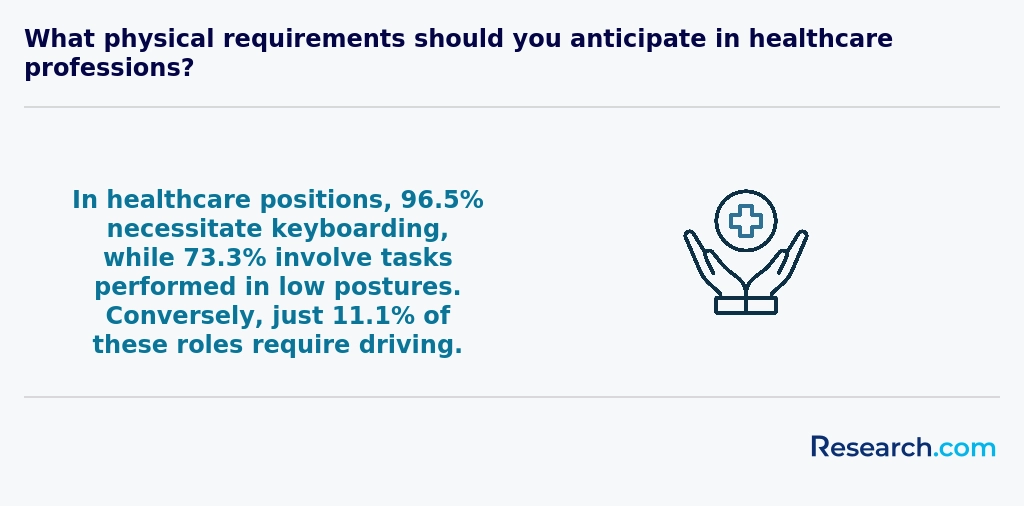
Graduates pursuing online healthcare management careers in the South find themselves stepping into a world of rewarding opportunities filled with purpose and impact. From managing bustling hospital operations in Florida to optimizing patient records in Texas, these professionals play vital roles that shape the region's healthcare future. Popular Southern schools attract students who share inspiring stories of growing through programs that balance flexibility with rigorous training, allowing them to excel both academically and professionally in diverse settings.
Career paths include roles like Healthcare Administrator, Clinical Manager, and Healthcare Consultant, each offering a chance to lead improvements in patient care and organizational efficiency. Many graduates from well-known Southern colleges embrace positions as Healthcare Policy Analysts or Practice Managers, where they influence critical decisions and daily operations, making a measurable difference in their communities.
For those eager to explore the easiest online mha programs, Southern institutions provide accessible, reputable options that open doors to these fulfilling jobs. The healthcare management job opportunities Southern US offers motivate students to advance confidently, knowing their degree equips them with skills for a vibrant, impactful career.
The job market for online healthcare management degrees in the South is remarkably promising, fueled by rapid growth in healthcare infrastructure and an increasing demand for skilled administrators. Graduates from popular Southern universities often find themselves stepping into roles at major hospitals or outpatient centers across states like Texas and Florida, where their expertise is crucial for navigating complex regulations and improving patient care. Many feel empowered by their ability to lead teams and innovate in thriving healthcare systems.
Those pursuing a healthcare management career outlook in Southern states experience vibrant opportunities, especially with expanding Medicare and Medicaid programs increasing the need for knowledgeable leaders. The competitive salaries, often ranging between $90,000 and $120,000 in metropolitan areas, further motivate students to excel. For those committed to advancing their careers while balancing life commitments, programs like an online mba healthcare administration offer the perfect blend of flexibility and quality education.
2027 Most Valuable Online Doctorate in Healthcare Management Degree Programs Ranking in the South
Investing in your education is a significant decision that can shape your future, and the Research.com team understands the importance of making informed choices. To assist prospective students, we have meticulously crafted the "2027 Most Valuable Online Doctorate in Healthcare Management Degree Programs Ranking in the South." Our commitment to quality, credibility, and accuracy is reflected in the extensive research and analysis conducted to compile this ranking.
We utilized the following reputable data sources to ensure a comprehensive evaluation of healthcare management doctoral programs:
By exploring this ranking, readers will gain valuable insights into the most valuable online doctorate programs in healthcare management across the South, empowering them to make well-informed educational decisions. For more details on how the ranking was created, please visit our Research.com methodology page.


# 3 position
Eastern Virginia Medical School
Doctor of Health Sciences

Frequently Asked Questions About healthcare management
Online healthcare management degree students in the South can maximize their learning by actively engaging with their coursework and leveraging regional healthcare resources. Connecting with local healthcare organizations for internships or practicum opportunities enhances practical skills and industry understanding. According to the U.S. Bureau of Labor Statistics, the Southern states have seen a 15% growth in healthcare management jobs, highlighting ample networking possibilities.
Students should also participate in virtual study groups and professional associations like the American College of Healthcare Executives, which often offer region-specific webinars. Time management and consistent communication with instructors are essential for success in online programs, ensuring students stay on track and gain the full benefit of their education.
Emerging niches within healthcare management reflect the evolving needs of the US healthcare sector, especially in the South. One key area is telehealth administration, driven by increased digital care access and a 63% growth in telehealth use in Southern states since 2020, according to data from the Healthcare Information and Management Systems Society (HIMSS).
Another niche gaining traction is health informatics, focusing on data analytics to improve patient outcomes. The Southern Regional Education Board highlights strong demand for professionals skilled in electronic health records management.
Additionally, population health management is growing, targeting regional chronic diseases prevalent in the South, such as diabetes and heart disease.
After earning an online healthcare management degree in the South, preparing for the job market involves strategic steps. First, gaining relevant experience through internships or remote practicums is vital, as healthcare employers value hands-on skills. Networking within regional healthcare associations, like the Southern Healthcare Executives Network, helps connect with industry professionals. Understanding state-specific healthcare laws and regulations improves job readiness, since Southern states may have unique compliance requirements.
According to the U.S. Bureau of Labor Statistics, healthcare management jobs in states such as Texas, Florida, and Georgia are projected to grow by 15% through 2030, indicating strong demand. Building proficiency with healthcare technologies and electronic health record systems is also essential.
Employers in the South prioritize healthcare management graduates who demonstrate strong leadership and communication skills. These abilities are essential for effectively coordinating care teams and managing healthcare facilities. Employers also seek candidates with proficiency in healthcare laws and regulations, given the complex compliance requirements across Southern states.
Analytical skills are equally important, as employers want managers who can interpret data to improve patient outcomes and reduce costs. According to the Southern Healthcare Management Association, over 70% of regional employers emphasize familiarity with healthcare technology and electronic health records (EHR) systems.
Problem-solving aptitude and adaptability rank highly due to the evolving nature of healthcare policies in the South. This ensures graduates can navigate challenges specific to rural and urban healthcare disparities common in this region.
Finding internships in the South for healthcare management students involves several strategic steps. Start by exploring partnerships between online programs and local healthcare providers, as many Southern universities collaborate with hospitals and clinics to offer practical placements. According to the Southern Regional Education Board, states like Texas, Florida, and Georgia have some of the highest healthcare employment growth, making them ideal for internship opportunities.
Utilize school career services and online job boards focused on healthcare administration roles. Networking through professional organizations such as the American College of Healthcare Executives (ACHE) Southeast Chapter can also connect students with internships.
Additionally, contact local health departments and non-profit organizations, as these entities often seek interns familiar with healthcare regulations and management trends specific to the South.
Obtaining an online healthcare management degree significantly enhances career mobility and advancement opportunities in the South. The region faces a growing demand for qualified healthcare leaders due to rapid population growth and aging demographics, particularly in states like Texas and Florida, according to the U.S. Bureau of Labor Statistics. Graduates with such degrees often access higher-level administrative roles, including health services manager positions, where the median salary is notably above the national average at about $104,000 annually. Online programs offer flexibility, allowing working professionals in Southern states to balance education with current job responsibilities, which accelerates career progression without relocating.
Employers in Southern healthcare systems increasingly prefer candidates with advanced degrees as these credentials demonstrate expertise in healthcare policy, finance, and operations. Moreover, many accredited Southern universities tailor online curricula to regional healthcare challenges and regulations, better preparing graduates for leadership roles. The Southern Regional Education Board also highlights the importance of higher education in meeting the workforce needs of healthcare providers in this fast-evolving sector, emphasizing that graduates' advanced skills directly support improved healthcare delivery and organizational efficiency in Southern communities.
Online healthcare management degrees in the South equip students with skills essential for interdisciplinary roles by integrating business, public health, and clinical knowledge. Programs emphasize collaboration among diverse healthcare professionals, preparing graduates to manage teams effectively in various settings.
Southern institutions often include coursework covering healthcare policy, ethics, and informatics, reflecting regional healthcare challenges. According to the U.S. Bureau of Labor Statistics, healthcare management jobs in the South are projected to grow by 20% through 2030, highlighting demand for versatile leadership.
Students gain experience in data analysis and communication, critical for navigating complex healthcare environments. This interdisciplinary approach ensures graduates can address administrative and clinical concerns in hospitals, government agencies, and private organizations.
Choosing between a thesis and a non-thesis healthcare management degree program in the South depends on your career goals and learning preferences. Thesis programs typically focus on research, preparing students for academic or leadership roles that require strong analytical skills.
Non-thesis options often emphasize practical skills and may include internships or projects, appealing to those aiming for immediate administrative positions in healthcare facilities.
According to the Southern Regional Education Board, many Southern universities offer flexible online formats for both options, catering to working professionals.
Consider your interest in research, time availability, and the intended career path when deciding your program type.
Students based in the South who want to study healthcare management abroad generally have limited options for fully online degrees from non-US institutions. Most international programs require some physical presence or are tailored to domestic students. However, many Southern universities offer online healthcare management programs with global perspectives, often including international case studies and collaborations.
The US Department of Education reports that Southern states lead in healthcare jobs, making regional online degrees attractive for local applicability and licensure. For truly abroad study, students may consider hybrid programs or short-term study exchanges through US institutions partnered with foreign schools.
Accreditation is crucial; students should ensure programs meet standards like CAHME or regional accreditation recognized in the US to maintain career mobility.
Students pursuing online healthcare management degrees in the South can enhance their education with various part-time jobs. Roles such as medical office assistants, patient service coordinators, and healthcare administrative support staff offer practical experience. According to the U.S. Bureau of Labor Statistics, healthcare support jobs in Southern states like Texas and Florida are projected to grow faster than average through 2030, providing abundant opportunities.
Part-time employment in outpatient care centers or local clinics allows students to apply administrative skills and understand patient flow. Additionally, internships with regional health departments or nonprofit organizations give insight into healthcare operations and policy.
Such positions not only build relevant skills but also strengthen résumés and professional networks, critical for advancing in healthcare management fields.
Online healthcare management students in the South benefit from diverse networking opportunities through regional professional associations such as the Southern Healthcare Management Association (SHMA). These organizations often host virtual conferences, workshops, and forums, enabling students to connect with industry leaders and peers. Additionally, universities frequently facilitate online alumni networks that help students build local contacts in healthcare administration.
Hospitals and healthcare systems in Southern states, like Texas and Florida, also partner with programs to offer remote internships and mentorships, providing practical experience and expanded professional ties. According to the Bureau of Labor Statistics, healthcare management jobs in the South are projected to grow by 16% by 2030, raising the importance of robust networking during studies.
Alumni networks provide significant advantages to students pursuing online healthcare management degrees in the South. These networks create opportunities for mentorship, professional development, and expanded job access within a region that is seeing rapid growth in healthcare employment. According to the U.S. Bureau of Labor Statistics, healthcare management roles in Southern states like Texas and Florida are projected to increase by over 20% through 2030.
Through alumni connections, students can gain insights into regional industry trends, including regulatory changes and healthcare technology adoption unique to the South. Networking events and online platforms hosted by universities also facilitate collaboration and knowledge sharing.
Many Southern universities maintain strong ties with local hospitals and healthcare organizations, allowing alumni and current students to tap into exclusive internship and job placement programs. Ultimately, these networks help students transform their degrees into practical career advancements in the competitive Southern healthcare market.
Customizing an online healthcare management degree in the South allows students to align their education with specific career aspirations. Many Southern universities offer elective courses focusing on areas like healthcare policy, informatics, or administration, enabling learners to concentrate on their preferred specialty.
Students can often select practicum placements or capstone projects relevant to local healthcare organizations, enhancing real-world experience within regional contexts. Some programs also provide opportunities to tailor coursework based on industry trends unique to Southern states, such as rural healthcare challenges.
By combining these options with flexible scheduling, students can build a personalized curriculum that meets their professional goals within the evolving healthcare landscape.
Online healthcare management students in the South often face challenges related to limited high-speed internet access, especially in rural areas. According to the Federal Communications Commission, nearly 23% of Southern rural residents lack broadband, which can hinder participation in live classes and access to digital resources.
Another challenge is balancing rigorous coursework with professional and family responsibilities. Many students in this region pursue degrees while working full-time in growing healthcare sectors.
Additionally, navigating state-specific healthcare regulations and policies presents complexity. Southern states have diverse healthcare systems, requiring students to stay updated on varying laws impacting management practices.
Finally, disparities in mentorship and networking opportunities compared to larger metropolitan areas can affect career development.
With an online healthcare management degree, graduates in the South can pursue several respected professional certifications that enhance their career prospects. Popular options include the Certified Healthcare Manager (CHM) and the Certified Medical Manager (CMM), both recognized nationally and highly valued by employers.
Another key certification is the Fellow of the American College of Healthcare Executives (FACHE). This credential demonstrates advanced expertise and leadership in healthcare management and is sought after by Southern healthcare organizations.
Additionally, the Certified Professional in Healthcare Quality (CPHQ) is growing in demand as healthcare facilities across the South focus on quality improvement and patient safety. These certifications often require a combination of education, experience, and passing an exam.
According to the Healthcare Financial Management Association, Southern states have seen a 12% growth in healthcare management roles, emphasizing the value of these credentials in the job market.
Writing a winning application for an online healthcare management program in the South requires clear demonstration of your commitment to healthcare leadership. Begin by highlighting relevant professional experience in healthcare settings, especially if tied to Southern states where healthcare challenges like rural access are significant. According to the Southern Regional Education Board, emphasizing familiarity with regional healthcare issues can strengthen your application.
Showcase academic achievements, including any coursework or certifications in healthcare or management. Strong letters of recommendation, preferably from healthcare professionals or educators in the region, add credibility.
Finally, articulate your career goals, focusing on how the degree will empower you to improve healthcare delivery in Southern communities, which face unique demographic and infrastructure challenges.
A career in healthcare management offers significant global opportunities, driven by the increasing demand for skilled leaders in healthcare systems worldwide. In the United States, particularly in the South, healthcare management professionals are essential to improving quality and efficiency in both public and private sectors.
The U.S. Bureau of Labor Statistics projects a 28% growth in healthcare management jobs from 2021 to 2031, much faster than average. Southern states like Texas, Florida, and Georgia are experiencing high growth due to expanding healthcare facilities and aging populations.
Global perspectives emphasize healthcare leaders' roles in managing resources, complying with regulations, and improving patient services. Online degrees in healthcare management equip Southern students with knowledge adaptable to diverse healthcare systems, enhancing their international employability.
Gaining practical experience while studying for an online healthcare management degree in the South involves several strategic options. Many programs encourage internships or practicum placements at local healthcare facilities, such as hospitals or public health organizations. These opportunities allow students to apply classroom knowledge to real-world settings.
Additionally, online learners can pursue remote projects or virtual internships tailored to healthcare administration. This flexibility is crucial for Southern students balancing work or family commitments. According to the Southern Regional Education Board, nearly 70% of healthcare management programs in the region integrate hands-on experiences.
Partnering with healthcare providers across Southern states like Texas and Georgia increases chances of relevant experience. Professional associations, such as the American College of Healthcare Executives, often list local networking and mentorship programs ideal for students. Through these avenues, practical skills and regional industry insights are gained concurrently with academic study.
Choosing the right concentration within an online healthcare management degree in the South begins with understanding regional industry demands. The Southern healthcare sector is notably strong in hospital administration and public health management, reflecting trends from sources like the U.S. Bureau of Labor Statistics. Specializing in areas like health informatics or healthcare policy can position students well for leadership roles in growing markets such as Texas and Florida. Prospective students should also consider their career goals and the specific expertise provided by Southern universities, many of which emphasize rural health or healthcare finance to address local community needs. Reviewing program curriculum and alumni outcomes aids informed decisions.
- Health Management Careers https://www.ache.org/Career-Resources/Start-Your-Career/Health-Management-Careers
- 10 Skills Employers Are Looking for in Healthcare Management Jobs https://www.aiuniv.edu/blog/10-top-skills-for-healthcare-management-jobs
- What can you do with a healthcare management degree? | edX https://www.edx.org/resources/what-can-you-do-with-a-healthcare-management-degree
- How to Get a Job in Healthcare Management https://sha.edu.in/how-to-get-a-job-in-healthcare-management/
- What Are the Prerequisites for a Degree in Healthcare Management? - Healthcare Management Degree Guide https://www.healthcare-management-degree.net/faq/what-are-the-prerequisites-for-a-degree-in-healthcare-management/
- Motivation letter sample for a Master in Healthcare Management - Motivation letter samples and templates https://motivationalletter.com/2017/08/30/master-in-healthcare-management/
- 20 healthcare investment niches and 3 things to know: The evolution of ... https://blackbookmarketresearch.com/20-healthcare-investment-niches-and-3-things-to-know-the-evolution-of
- Online MHA Programs Ranked by Affordability (2025) https://www.mhaonline.com/blog/affordable-online-mha-programs-ranked
- 5 Strategies for Engaging Healthcare Alumni Networks | AlumniFinder https://www.alumnifinder.com/healthcare-alumni-engagement-strategies/
- Niche Markets in Healthcare: How to Find & Target https://nechayadvisors.com/blog/niche-markets-in-healthcare