2027 Best Online Healthcare Management Degree Programs Ranking in the Northeast

Co-Founder and Chief Data Scientist
Choosing the right healthcare management degree is a big step, especially for students in the Northeast looking to advance their careers. This article features the 2027 Best Online Healthcare Management Degree Programs Ranking in the Northeast, created by the Research.com team of data scientists to help you find programs that truly stand out.
By exploring this ranking, you'll gain clear insights into top-quality options and discover how a healthcare management degree can open doors to rewarding opportunities. Whether you're starting fresh or advancing your skills, this guide is designed to support your journey with trustworthy information.
Key benefits of getting online healthcare management degree in the Northeast
- Healthcare management graduates in the Northeast can expect rewarding salaries, with the US average for healthcare managers around $104,280 annually, offering financial stability and growth opportunities.
- Career paths include hospital administration, health services management, and consulting, as seen with graduates from institutions like Northeastern University, providing diverse and exciting roles.
- Online healthcare management degrees offer flexibility and convenience, as experienced by graduates from the University of Massachusetts Online, allowing you to balance work and study without compromising quality.
- 2027 Best Online Healthcare Management Degree Programs Ranking in the Northeast
- What can I expect from online healthcare management degree in the Northeast?
- Where can I work with online healthcare management degree in the Northeast?
What can I expect from online healthcare management degree in the Northeast?
The average cost of an online healthcare management degree in the Northeast typically ranges between $20,000 and $40,000, depending on the institution and program length. Graduates of accredited programs from well-known schools like those in New York or Massachusetts often share how affordable tuition combined with flexible payment plans helped them balance budgeting with work and family life.
Many students appreciate that their programs accommodate part-time study, allowing them to continue working while earning credits. For instance, graduates from programs at prominent universities in Pennsylvania describe how spreading course loads over several semesters made managing expenses easier, especially when paired with employer tuition assistance.
Internships integrated into Northeast programs offer real-world experience close to home, making the investment feel worthwhile. Alumni frequently mention the value of hands-on projects within local hospitals and clinics, highlighting how these opportunities enhanced their resumes without extra financial burden.
Prospective students should check for financial aid options and scholarships, particularly those targeting healthcare management fields, to reduce out-of-pocket costs and feel confident investing in their education.
Where can I work with online healthcare management degree in the Northeast?
With an online healthcare management degree from popular Northeast institutions like Northeastern University or Rutgers University, graduates find abundant career opportunities across hospitals, outpatient centers, and nursing homes. Many alumni share how their coursework prepared them to step confidently into roles managing day-to-day hospital operations or overseeing financial planning in busy urban systems like those in New York City and Boston.
Long-term care facilities and assisted living centers are in high demand for skilled administrators, especially in states like Massachusetts and New Jersey where the elderly population is growing. Graduates often describe feeling motivated knowing they can improve care quality while balancing budgets in these settings.
Health insurance companies also offer diverse roles in policy management and compliance. Graduates appreciate how hands-on projects simulating insurance workflows give them real-world confidence when entering the robust insurance market of the Northeast.
Many find fulfilling positions in public health agencies and nonprofits, managing programs that enhance community health. The region's dense network of healthcare providers means graduates usually secure jobs quickly, tapping into a strong, expanding market driven by the Northeast's aging population and healthcare needs.
Graduates with an online healthcare management degree in the Northeast can typically expect starting salaries between $70,000 and $85,000, especially from well-known institutions like Northeastern University or the University of Massachusetts. Those who pursue advanced degrees or gain relevant experience often see their earnings rise above $130,000 annually, reflecting the competitive healthcare market in cities such as Boston and New York.
Healthcare managers in this region benefit from proximity to large hospital systems and insurance companies, creating diverse opportunities in administration, finance, and policy roles. For example, graduates from programs affiliated with Boston's medical centers report feeling confident about securing roles with salaries around $125,000, thanks to the dense healthcare infrastructure and strong industry demand.
As students gain certifications like the Certified Healthcare Manager (CHM) credential alongside their degrees, many experience noticeable salary boosts. The combination of specialized skills and the Northeast's high cost of living contributes to these promising compensation figures, helping graduates confidently plan their careers within the region's thriving healthcare economy.
- Tuition for online healthcare management degrees in the Northeast typically ranges from $15,000 to $35,000, with public universities offering lower costs for in-state students.
- Entry-level salaries for healthcare management graduates start between $55,000 and $65,000 annually, rising to a median of $90,000 or more in major cities like Boston and New York City.
- The job market is growing steadily, with an expected 18% nationwide employment growth for medical and health services managers through 2032.
- Many programs include practical experiences such as virtual internships or project-based learning to enhance job readiness.
- Regional accreditation from bodies like the Middle States or New England Commissions ensures program quality and employer recognition.
In the Northeast, completing an online healthcare management degree typically takes about three to four years for bachelor's students studying full-time at leading institutions like Northeastern University or University of Massachusetts. Many graduates share how accelerated options helped them finish in as little as two and a half years by taking extra courses during summer or heavier course loads each term.
For master's programs, top regional schools such as Boston University often see full-time students graduating within one and a half to two years. Part-time students, balancing work and family, usually take two to three years, thanks to flexible scheduling and asynchronous classes that allow studying anytime.
Graduates appreciate programs designed around busy lives-structured with 8- to 16-week terms and opportunities to earn credit for prior experience-which enable quicker progress without overwhelming schedules. This adaptability helps working professionals move confidently toward promotions without sacrificing income or personal time.
Online healthcare management degrees in the Northeast offer students flexibility that many find essential, especially working professionals balancing jobs and family. Graduates from programs at well-known institutions like Northeastern University appreciate being able to study on their own schedule, avoiding long commutes common in cities such as Boston or New York. This convenience allows them to manage coursework during evenings or weekends without sacrificing career or personal time.
In contrast, graduates from traditional on-campus programs at colleges like University of Pennsylvania highlight the benefits of face-to-face interactions with faculty and peers. Access to campus resources such as healthcare labs and internships within local hospital systems fosters hands-on experience and networking opportunities that can lead to valuable job connections in the Northeast healthcare industry.
Financially, online students often save on housing and commuting costs, though tuition fees can be comparable. Both paths cover similar core subjects and require accredited programs to ensure quality. Ultimately, weighing lifestyle needs against the desire for in-person engagement helps prospective students determine the best fit for their healthcare management education.
The average cost of an online healthcare management degree in the Northeast typically centers around $37,000, with median total costs for in-state students near $36,580 and out-of-state students facing about $41,640. These figures reflect the balance between public and private institution tuition rates across states like New York, Massachusetts, Pennsylvania, and New Jersey, where many students pursue reputable programs.
Graduates from universities such as Rutgers and the University of Massachusetts often share positive experiences, noting that while tuition can feel substantial, the investment has been worthwhile thanks to strong program reputations and flexible online course structures. These programs align with market averages and frequently include fees covering technology and online resources, which enhance the learning experience without unexpected costs.
To offset expenses, many students recommend exploring financial aid, scholarships, or employer tuition assistance programs widely available in the region. Being proactive in these areas can dramatically reduce the cost and increase accessibility.
For those seeking to understand tuition variations and find opportunities that fit their budget, researching specific schools and considering differences between in-state and out-of-state rates is crucial. To evaluate options further, prospective students should look into program accreditation, graduation rates, and job placement success. Interested learners can also compare programs through resources like the online bachelor degree healthcare administration listings, which offer detailed insights into the northeast online healthcare management degree tuition fees and outcomes.
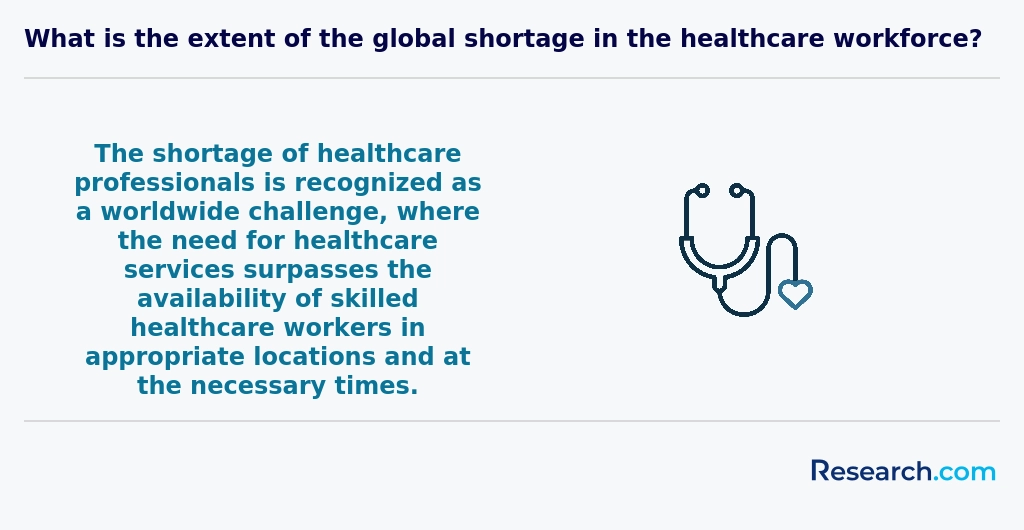
Students pursuing online healthcare management degrees in the Northeast can secure vital financial aid through multiple avenues. Completing the FAFSA is crucial to access federal support like Pell Grants, which can provide up to $7,395 yearly for eligible undergraduates, greatly easing tuition costs at universities such as Rutgers or SUNY. Federal Direct Loans also offer affordable borrowing options with subsidized interest rates.
Many Northeast schools, including the University of Massachusetts, offer institutional scholarships tailored for healthcare management students, often focusing on underrepresented communities or working professionals returning to school. State aid programs like New York's Excelsior Scholarship and Massachusetts' MassGrant program further reduce tuition expenses for in-state students enrolled online.
Working professionals frequently benefit from employer tuition reimbursement programs, with nearly 40% of healthcare workers in the region receiving such support. Private scholarships from associations like the American College of Healthcare Executives provide additional funding, helping graduates feel confident investing in their education without overwhelming debt.
To enroll in online healthcare management degree programs in the Northeast, students must meet clear academic and professional prerequisites that prepare them for success. For undergraduates, a high school diploma or GED is essential, along with a GPA typically between 2.5 and 3.0. Many graduates recall that schools in states like Massachusetts and New York have become more flexible with standardized tests, often opting for test-optional admissions, which offers relief and confidence during application.
Graduate-level programs, such as an online Master of Healthcare Administration, require a completed bachelor's degree, often from an accredited institution. Graduates from recognized colleges in Pennsylvania share that having a foundation in business or health sciences strengthened their applications. A GPA of at least 3.0 is generally needed, plus transcripts, recommendation letters, and sometimes a personal statement describing career goals and healthcare experience.
Real-life applicants have found that showcasing one to two years working in healthcare settings makes a crucial difference. This practical exposure, appreciated by many Northeastern universities, boosts understanding of clinical operations and management principles. Preparing these prerequisites thoughtfully can lead to a rewarding and manageable journey into healthcare management.
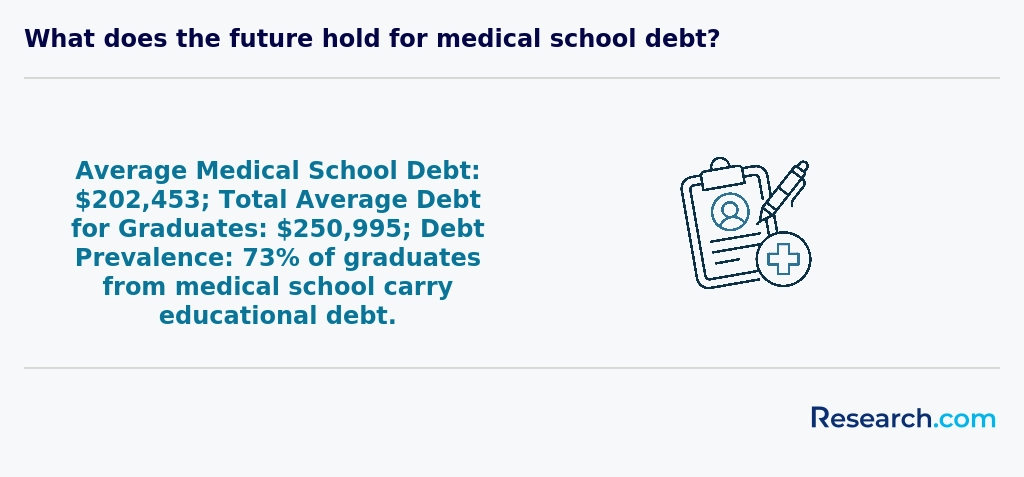
Online healthcare management degrees in the Northeast include essential courses designed to prepare you for leadership in the region's complex healthcare systems. Graduates from well-known universities in New York and Massachusetts commonly highlight how foundational classes like Health Care Systems and Policy helped them navigate the regulatory environment shaped by federal programs such as Medicare and Medicaid, which are especially important for the area's large elderly population.
Coursework in Healthcare Law and Ethics provides a clear understanding of compliance challenges, easing real-world decision-making. Many students appreciate how Organizational Behavior and Leadership classes strengthened their ability to manage diverse teams within busy hospital settings common in Northeast cities.
Financial Management in Healthcare is another staple course, teaching practical budgeting and reimbursement strategies-skills that graduates find immediately applicable when dealing with complex billing systems in major hospital networks near them.
Data Analytics and Health Information Systems courses enable students to leverage electronic health records and improve patient care quality, a crucial advantage as digital health innovation rapidly expands across the region's medical centers.
- Health Care Systems and Policy
- Healthcare Law and Ethics
- Organizational Behavior and Leadership
- Financial Management in Healthcare
- Health Information Systems and Data Analytics
- Quality Improvement and Patient Safety
- Strategic Planning in Healthcare Organizations
Students pursuing online healthcare management specializations Northeast often choose from areas like healthcare informatics, healthcare finance and administration, healthcare quality improvement, public health administration, and health policy. Graduates from well-known colleges in Boston or New York frequently share how specializing in healthcare informatics helped them navigate digital healthcare systems effectively, a skill highly sought after due to the Northeast's fast-growing demand for electronic health records management.
Those selecting healthcare finance and administration report feeling empowered managing budgets and financial operations in large healthcare settings, which is valuable in urban centers with complex healthcare economies. Others find healthcare quality improvement increasingly rewarding, as it equips them with strategies to boost patient safety in hospitals subject to strict regulatory standards common in this region.
Public health administration specialization enables graduates to tackle public health programs addressing diverse populations, reflecting the Northeast's demographic realities. Meanwhile, specializing in health policy prepares students for shaping healthcare laws amid constantly evolving regional regulations. For a clear comparison of degree focuses, prospective students often consult resources like the healthcare management vs administration comparison to align their goals effectively.
Tailoring your degree with these focus areas ensures readiness for Northeast's competitive healthcare landscape while adapting to its specific needs.
When selecting the best online healthcare management degree in the Northeast, start by verifying that the program holds CAHME or strong regional accreditation, ensuring respected standards. Graduates from well-known universities in Massachusetts and New York often praise programs that balance theory with practical healthcare challenges, making the curriculum highly relevant and engaging.
Affordability is another key concern. Many find affordable healthcare management programs in the Northeast that range within a reasonable tuition bracket, especially when factoring in financial aid and scholarships. Flexible learning formats matter too-students juggling work and family appreciate asynchronous courses or hybrid options common in leading institutions, enabling them to study without sacrificing their personal commitments.
Graduates emphasize the value of institutions connected to local healthcare organizations for internships and job placements, particularly in busy urban centers like Boston. Exploring a detailed list of healthcare degree programs can reveal choices tailored to your career goals and regional opportunities.
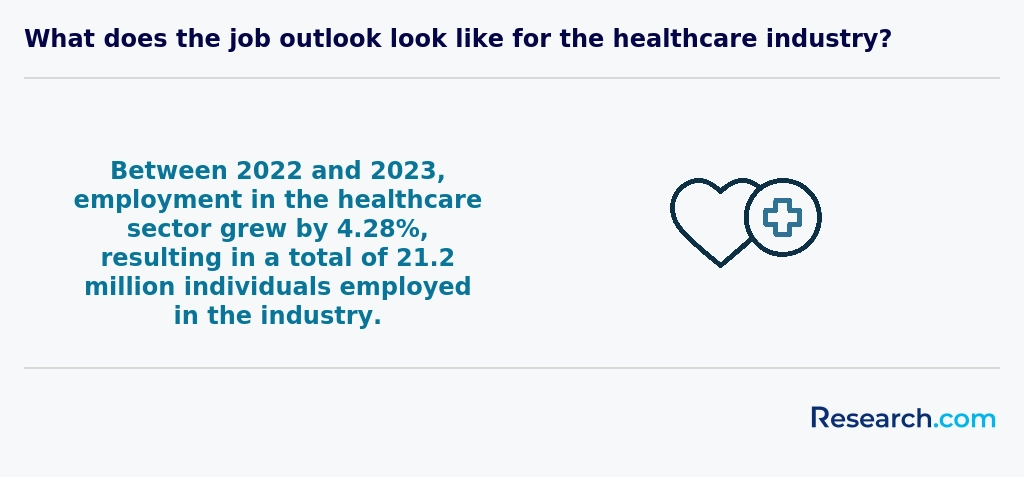
Graduates with an online healthcare management degree in the Northeast find diverse career paths that leverage both management skills and healthcare knowledge. Many secure roles in hospitals and healthcare systems, where they oversee daily operations and ensure compliance with complex health regulations-gaining hands-on experience managing staff and patient services at well-known institutions such as those affiliated with prominent universities in New York and Massachusetts. Others branch into insurance companies, handling claims management and health plan administration, which graduates appreciate for its blend of data analysis and policy interpretation.
Job opportunities expand further into government health agencies, where professionals help shape public health initiatives and regulations impacting millions. Consulting firms offer another exciting path, allowing graduates to advise healthcare organizations on improving efficiency and strategic growth across the Northeast's competitive market. For those looking to cut costs while advancing, options like the cheapest online master's in healthcare administration stand out as practical solutions for investing wisely. These roles create fulfilling careers for graduates eager to impact healthcare quality and accessibility regionally.
The job market for graduates holding an online healthcare management degree in the Northeast is vibrant, fueled by expanding healthcare facilities and aging populations in urban hubs like New York City and Boston. Graduates from popular institutions in this region often find themselves quickly absorbed into roles managing complex healthcare operations or leading technology integration projects. Many report rewarding experiences navigating the high standards set by state regulations, which demand both administrative skill and technical knowledge.
Students pursuing this path benefit from strong career opportunities through connections with large hospital systems and insurance providers concentrated in the Northeast. The healthcare management career opportunities Northeast region offers are supported by competitive salaries ranging from $95,000 to $120,000, making an online degree a financially smart investment. Those interested should explore programs at well-known colleges offering flexible online options and consider hands-on internships to boost employability. Researching specifics at each institution is key to aligning career goals with job market demands, and checking out online degree healthcare management options can clarify these pathways for prospective students.
2027 Best Online Healthcare Management Degree Programs Ranking in the Northeast
Investing in your education is a significant decision that can shape your future, and the Research.com team takes this responsibility seriously. To support prospective students in the Northeast, we have carefully developed the "2027 Best Online Healthcare Management Degree Programs Ranking in the Northeast." Our dedication to quality, credibility, and accuracy is demonstrated by the thorough research and analysis that informed this ranking.
We utilized the following reputable data sources to ensure a comprehensive evaluation of healthcare management programs:
By exploring this ranking, readers will gain valuable insights to help identify quality online healthcare management programs tailored to their needs, enabling informed and confident educational choices. For more information on how we created this ranking, please visit our Research.com methodology page.

# 2 position
Hofstra University
Master of Strategic Business Management and Strategic Healthcare Management


# 8 position
University of Massachusetts Lowell
Master of Health Information Management: Health Service Management Option



# 11 position
State University of New York Polytechnic Institute
Bachelor of Health Information Management

# 12 position
St. Joseph's University, Brooklyn Campus
Master of Health Administration/Health Care Management


# 14 position
Slippery Rock University of Pennsylvania
Bachelor of Healthcare Administration and Management

# 16 position
Charter Oak State College
Bachelor of Healthcare Administration


# 20 position
University of Massachusetts Dartmouth
Bachelor of Economics-Healthcare Services Administration

Frequently Asked Questions About healthcare management
Students pursuing online healthcare management degrees in the Northeast can enhance their learning by engaging actively with regional healthcare organizations. Many institutions in states like New York and Massachusetts offer virtual networking events and internships that provide real-world experience. According to the Bureau of Labor Statistics, the Northeast employs over 15% of the nation's healthcare managers, making local connections vital for career advancement.
Utilizing resources such as online libraries and databases from accredited Northeast universities ensures access to up-to-date research. Additionally, joining professional associations like the Northeast Healthcare Executives Network supports peer learning and mentoring opportunities.
The healthcare management field is evolving rapidly, especially within the Northeast, driven by technological advancements and changing patient needs. Emerging niches include health informatics, which focuses on managing electronic health records and data analytics to improve patient outcomes. According to the Bureau of Labor Statistics, the demand for health information managers is expected to grow 28% nationally by 2031, with strong growth concentrated in urban centers like Boston and New York.
Another growing area is population health management. Professionals in this niche focus on improving community health outcomes through data-driven strategies and care coordination.
Additionally, telehealth administration is expanding, propelled by recent regulatory changes and increased remote care adoption, which is particularly relevant in the Northeast's rural and suburban areas.
After completing an online healthcare management degree in the Northeast, preparing for the job market requires a strategic approach. Start by gaining practical experience through internships or volunteer positions in local hospitals, clinics, or healthcare organizations. The Bureau of Labor Statistics notes that healthcare management jobs in the Northeast are projected to grow about 15% through 2030, reflecting strong regional demand.
Networking is crucial; join regional professional associations such as the New England Society for Healthcare Administration. Additionally, pursue relevant certifications like Certified Healthcare Administrator (CHA) to enhance your credentials.
Utilize career services offered by your online program to connect with employers and access job listings targeted for Northeast healthcare markets.
Employers in the Northeast value healthcare management graduates who combine strong leadership with practical knowledge of regional healthcare regulations. Effective communication is essential, as managers coordinate between medical staff and administrative teams. Data analysis skills are increasingly important given the rise of electronic health records and health informatics in New England hospitals.
A 2023 report from the Northeast Healthcare Employers Association highlights that 70% of healthcare organizations seek graduates proficient in budgeting and financial management. Understanding healthcare policies specific to states like New York and Massachusetts also improves job prospects. Additionally, adaptability to evolving technologies remains crucial in this rapidly changing sector.
Finding internships in the Northeast for healthcare management students involves targeted research and networking. Many healthcare organizations offer internships, including prominent hospital systems like Massachusetts General Hospital and NewYork-Presbyterian. Check their websites for application details.
Utilize your university's career services, which often have partnerships with regional healthcare providers. The Northeast is home to numerous healthcare employers, and institutions like the New York State Department of Health post internship opportunities regularly.
Online platforms such as Handshake and LinkedIn also list regional internships specifically for healthcare management students. According to the U.S. Bureau of Labor Statistics, healthcare management roles in the Northeast are growing faster than the national average, increasing internship availability.
Lastly, consider professional associations such as the American College of Healthcare Executives' local chapters for networking and internship information.
Obtaining an online healthcare management degree in the Northeast significantly enhances career mobility and advancement opportunities. The region hosts a dense network of hospitals, health systems, and biotech firms that prefer candidates with formal management education. According to the Bureau of Labor Statistics, healthcare management jobs in states like New York and Massachusetts are expected to grow 15% to 20% by 2030, well above the national average.
Graduates with an accredited online degree often gain access to higher-paying roles such as health services managers or administrators. Many employers in the Northeast value flexible, online programs for their relevance and rigor, enabling professionals to continue working while advancing their skills.
Additionally, strong alumni networks and partnerships between online programs and local healthcare providers facilitate job placement and promotions. This blend of education and regional demand creates a fertile environment for career growth in healthcare management.
Studying for a healthcare management degree in the Northeast prepares students to take on interdisciplinary roles by emphasizing collaboration across diverse fields. Programs often incorporate curriculum that combines healthcare policy, business administration, information technology, and public health. This integrated approach reflects the complexity of healthcare systems in states like New York and Massachusetts, where innovation and diverse populations demand versatile leaders.
According to the Association of American Colleges and Universities, nearly 70% of healthcare management programs in the Northeast offer courses in data analytics and healthcare informatics to enhance decision-making skills. These skills enable graduates to work effectively with medical professionals, IT specialists, and policymakers.
Choosing between a thesis and a non-thesis healthcare management degree program in the Northeast depends on your career goals and learning preferences. Thesis programs are ideal for students interested in research or pursuing a doctoral degree later. They involve extensive research and a written dissertation, developing analytical skills valued by academic and some clinical employers.
Non-thesis programs typically focus more on practical skills and coursework, appealing to working professionals aiming for management roles without the research component.
According to the National Center for Education Statistics, about 60% of graduate healthcare management students in the Northeast opt for non-thesis tracks, reflecting the region's strong job market in healthcare administration.
Students based in the Northeast interested in studying healthcare management abroad typically explore exchange programs and partnerships offered by their U.S. institutions. While fully online international degrees are rare, many universities in the Northeast collaborate with global schools to provide study-abroad opportunities that complement online coursework.
Some programs include short-term residencies or internships in countries with advanced healthcare systems, such as Canada or the United Kingdom, allowing students to gain international experience. According to the National Center for Education Statistics, approximately 15% of Northeast healthcare management students participate in study-abroad programs during their degree.
These options help students develop a global perspective important in healthcare leadership, although purely online international degree options remain limited.
Students pursuing online healthcare management degrees in the Northeast can benefit greatly from part-time jobs that offer relevant experience. Common opportunities include administrative assistant roles in hospitals, clinics, or insurance companies, where understanding healthcare operations is key. According to the U.S. Bureau of Labor Statistics, the healthcare administrative sector in this region is expected to grow by 13% through 2031, supporting increased job availability.
Medical billing and coding positions also complement coursework, offering practical exposure to patient data management and insurance processes. Additionally, part-time roles in public health organizations or health IT firms provide insights into policy and technology integration, essential for healthcare managers.
Online healthcare management students in the Northeast benefit from robust networking opportunities through regional professional associations and university-affiliated events. Many schools offer virtual career fairs and networking mixers tailored to healthcare fields. For example, the New England Healthcare Assembly frequently hosts webinars and online meetups that bring together students, alumni, and industry leaders.
Additionally, organizations like the American College of Healthcare Executives (ACHE) have active chapters in the Northeast, providing access to mentoring programs and local conferences. According to a 2023 report from the Northeast Public Health Association, 65% of healthcare management graduates who engaged with these networks secured employment within six months.
Such connections are crucial for career advancement in a competitive regional market.
Alumni networks provide significant advantages for students pursuing online healthcare management degrees in the Northeast. These networks connect graduates with professionals working across hospitals, private practices, and public health organizations, enhancing job prospects. According to the National Center for Education Statistics, institutions in the Northeast have some of the highest alumni engagement rates nationally, often exceeding 40% participation. This engagement can facilitate mentorship opportunities and industry insights specific to the region's healthcare landscape.
Many alumni also share job openings and collaborate on projects, creating a supportive community even for remote learners. Such networks are valuable for professional growth in a competitive market like Boston or New York City, where healthcare management roles are abundant but require strong connections.
Customizing an online healthcare management degree program in the Northeast allows students to align their education with specific career objectives. Many accredited universities offer flexible curricula with elective courses in areas like health policy, informatics, or finance. Students can select concentrations that prepare them for roles in hospital administration, public health, or healthcare consulting.
Some programs provide practical options like internships or capstone projects to gain real-world experience in Northeast healthcare settings, which is important given the region's complex healthcare systems. According to the Northeast Human Resources Association, nearly 70% of healthcare managers in the region have formal management training.
Additionally, students can benefit from online schools that connect them to local healthcare networks, facilitating mentorship and job placement. This tailored approach ensures students graduate with skills directly relevant to Northeast market demands.
Online healthcare management students in the Northeast often face unique challenges related to balancing rigorous coursework with professional and personal responsibilities. According to the National Center for Education Statistics, many students in this region juggle jobs in a fast-paced healthcare sector while studying, which can increase stress.
Another common hurdle is navigating state-specific regulations and healthcare policies. The Northeast includes states like New York and Massachusetts, which have complex healthcare laws affecting curriculum relevance and practical applications.
Technical barriers also impact some students, especially in rural areas with limited broadband access, slowing their ability to participate fully in online classes.
Lastly, students frequently report a need for more networking opportunities and hands-on experiences, crucial for careers in healthcare management.
With an online healthcare management degree, you can pursue several respected professional certifications that enhance your career prospects in the Northeast healthcare sector. Popular options include the Certified Professional in Healthcare Management (CPHM) and the Certified Healthcare Administrative Professional (cHAP), which validate your leadership and administrative skills.
Another well-regarded credential is the Fellow of the American College of Healthcare Executives (FACHE), often pursued by mid- to senior-level managers. According to the American Hospital Association, over 40% of healthcare executives in the Northeast hold advanced certifications, underscoring their importance in this competitive region.
Additionally, certifications like the Healthcare Information and Management Systems Society (HIMSS) credentials support specialization in health IT management, increasingly relevant due to digital health growth in this area.
Writing a winning application for an online healthcare management program in the Northeast requires a clear demonstration of your passion and relevant experience. Begin by highlighting any healthcare or managerial background, as Northeastern employers value practical skills combined with academic knowledge.
Focus on your goals by explaining how the program aligns with your career plans, using data from the Bureau of Labor Statistics showing healthcare management jobs in the Northeast are projected to grow faster than the national average. Include strong letters of recommendation from professionals familiar with your leadership abilities.
Finally, ensure your personal statement is concise, well-organized, and free from errors to make a professional impression.
Healthcare management careers are increasingly viewed through a global lens, given the interconnected nature of healthcare systems worldwide. Professionals in this field need to understand diverse healthcare policies, delivery models, and cultural factors. In the Northeast, where healthcare innovation and research are prevalent, programs often emphasize global health trends alongside U.S. regulations.
According to the U.S. Bureau of Labor Statistics, healthcare management jobs are projected to grow 28% from 2021 to 2031, reflecting demand not only locally but also in international healthcare organizations. Many online programs in the Northeast incorporate case studies from global health systems such as those in Europe and Asia.
This global perspective equips graduates to work effectively in multinational environments, adapting to varying healthcare challenges. Institutions like Johns Hopkins and Boston University provide resources that highlight both global trends and regional specifics, preparing students for a versatile career path.
Gaining practical experience while studying for an online healthcare management degree in the Northeast is essential. Many programs incorporate internships or externships with hospitals, clinics, or health organizations. These opportunities allow students to apply theoretical knowledge in real-world settings. In states like New York and Massachusetts, where healthcare is a significant industry, numerous partnerships exist to support student placements.
Additionally, some schools offer virtual simulations and case studies to develop management skills. According to the Bureau of Labor Statistics, healthcare management jobs in the Northeast are projected to grow 18% from 2022 to 2032, highlighting strong industry demand for experienced graduates.
Choosing the right concentration within an online healthcare management degree program in the Northeast begins with understanding your career goals. Common concentrations include healthcare administration, informatics, policy, and finance. Each prepares students for different roles in the industry.
Consider job market demand in the Northeast, where healthcare administration and informatics are growing fields. According to the U.S. Bureau of Labor Statistics, healthcare managers in New York and Massachusetts earn median salaries above the national average, often reflecting specialized skills.
Evaluate the curriculum for practical skills like data management or regulatory knowledge, crucial in states with complex healthcare systems such as New Jersey and Pennsylvania.
Finally, research program accreditation as it ensures quality and enhances employability in the Northeast healthcare sector.
- What is the Timeline for Obtaining a Degree in Healthcare Management? - Healthcare Management Degree Guide https://www.healthcare-management-degree.net/faq/what-is-the-timeline-for-obtaining-a-degree-in-healthcare-management/
- Master of Health Management (Non-Thesis) https://www.istinye.edu.tr/en/postgraduate/programs/master-health-management-non-thesis
- What are the essential skills needed for health care management | UNF https://www.unfc.ca/blog/healthcare-management-skills
- HEALTH MANAGEMENT (THESIS / NON-THESIS) - Lisansüstü Eğitim Enstitüsü https://lee.nisantasi.edu.tr/en/health-management-thesis-non-thesis/
- Top Health Care Management / Health Studies Courses abroad from 152 Universities https://www.hotcoursesabroad.com/india/training-degrees/international/health-care-management-health-studies-courses/cgory/pa.-4/sin/ct/programs.html
- Future Students https://www.aupha.org/resourcecenter/futurestudents
- How to Get a Job in Healthcare Management https://sha.edu.in/how-to-get-a-job-in-healthcare-management/
- Top 7 Career Paths with an International Health Management Degree | BSBI https://www.berlinsbi.com/blog/top-7-career-opportunities-after-an-international-health-management-degree
- Healthcare Management https://ntcc.edu/academics/programs-study/health-sciences/healthcare-management
- 3 Degrees of Healthcare Management: MSHCM vs. MBA vs. MHA https://www.michiganstateuniversityonline.com/resources/healthcare-management/degrees-in-healthcare-management-mba-vs-mha-mshcm/