2027 Best Online Healthcare Management Degree Programs Ranking in North Carolina

Co-Founder and Chief Data Scientist
Choosing the right healthcare management degree program can be overwhelming, especially with so many options available in North Carolina. This article introduces the 2027 Best Online Healthcare Management Degree Programs Ranking in North Carolina, created by the Research.com team of data scientists. It's designed to help you make an informed decision about which programs truly stand out.
Exploring this ranking will guide you toward programs that fit your goals and lifestyle. Earning a healthcare management degree opens doors to rewarding careers and growth opportunities in a vital industry. Take this step confidently toward your future.
Key benefits of getting online healthcare management degree in North Carolina
- Healthcare management degree graduates in North Carolina can expect competitive salaries, with US healthcare managers earning a median annual wage of about $101,340, offering strong financial stability.
- Graduates from universities like the University of North Carolina often find diverse career paths in hospital administration, health services management, and policy planning, providing exciting opportunities to make a difference.
- Online healthcare management degrees, such as those from East Carolina University, offer flexibility to balance work and study, letting students advance their careers without pausing their income or personal life.
- 2027 Best Online Healthcare Management Degree Programs Ranking in North Carolina
- What can I expect from online healthcare management degree in North Carolina?
- Where can I work with online healthcare management degree in North Carolina?
What can I expect from online healthcare management degree in North Carolina?
The average cost of an online healthcare management degree in North Carolina generally falls between $15,000 and $40,000, depending on the institution and program level. Graduates from well-known universities like UNC Chapel Hill or East Carolina University often recall that investing in these programs felt worthwhile, given the flexible pacing and practical curriculum tailored to the region's healthcare demands.
Many students find that the cost is manageable when spread over two to three years, with some programs offering accelerated tracks. Scholarships and employer tuition assistance also help offset expenses, making the financial commitment less daunting. For example, graduates often share how balancing work and study allowed them to continue earning while advancing their careers.
Importantly, programs accredited by CAHME at institutions such as Western Carolina University provide reassurance about quality, which helps graduates confidently pursue certifications and job opportunities statewide. Hands-on practicum options embedded in the curriculum further enhance real-world readiness without extra costs.
Where can I work with online healthcare management degree in North Carolina?
Graduates with an online healthcare management degree from popular North Carolina schools like East Carolina University or the University of North Carolina at Chapel Hill often find themselves stepping directly into vital roles within the state's healthcare system. Many begin by working in hospital administration, managing departments, budgets, and compliance at prominent systems such as UNC Health or Atrium Health. This hands-on experience quickly builds confidence and expertise.
Others pursue positions in outpatient care centers or medical group practices, where they handle staffing and patient services. These environments offer dynamic challenges and opportunities to impact preventive care initiatives, reflecting the state's expanding focus on ambulatory services.
Some graduates partner with nursing homes and long-term care facilities, addressing the rising needs of North Carolina's aging population. Managing these settings brings personal satisfaction as they improve quality of life for elders.
Healthcare management alumni also find roles in insurance firms, government agencies, and consulting, engaging in policy development and data analysis. Their practical skills acquired through local programs enable them to contribute meaningfully to public health and community programs across North Carolina.
Graduates with an online healthcare management degree in North Carolina can generally expect to earn competitive salaries, with many landing roles paying around $104,000 annually. This aligns closely with the state's average for healthcare managers, which is slightly above the national figure, reflecting solid earning potential for those completing programs at well-known institutions like the University of North Carolina or North Carolina State University.
Early-career graduates often find positions such as healthcare administrative assistants or coordinators, typically earning between $50,000 and $65,000 per year. With experience, many move into higher-paying roles, such as clinical managers or health services managers, where salaries rise to the $85,000-$120,000 range. This progression is common among alumni who start in entry-level jobs and gradually leverage their degrees and certifications to secure promotions.
Many graduates working in metropolitan areas like Raleigh or Charlotte report higher earnings, thanks to the demand in these urban healthcare hubs. Obtaining certifications such as Certified Professional in Healthcare Management (CPHM) also plays a key role in boosting salary prospects, demonstrating the practical steps students can take to maximize their income after graduation.
- Online healthcare management degrees in North Carolina cover healthcare policy, finance, ethics, and leadership skills needed for managing healthcare facilities.
- Bachelor's degree tuition ranges from $7,000 to $15,000 per year for in-state online students, while master's programs cost about $15,000 to $25,000 total.
- Starting salaries for graduates are around $55,000 to $65,000 annually, with experienced professionals earning between $85,000 and $110,000 or more.
- Healthcare management jobs in North Carolina are expected to grow by 14% over the next decade due to an aging population and expanding healthcare services.
- Employers prefer candidates from accredited programs, especially those with internships or capstone projects, and value knowledge of North Carolina's healthcare regulations.
Completing an online healthcare management degree in North Carolina typically takes about four years if you study full-time, aligning with many graduates' experiences from universities like East Carolina University. They often mention the flexibility that helped them balance work and family while finishing on schedule. If you're motivated, accelerated programs can cut this down to around three years by taking summer courses and heavier semesters.
Graduate degrees, such as a Master of Healthcare Administration from popular state schools, usually require about two years full-time. Some busy professionals opt for part-time study, stretching completion to three or four years, which lets them keep working while advancing their careers. Accelerated master's tracks can shorten this to 12-18 months, ideal for those ready to commit intensive effort.
When planning your path, consider factors like transfer credits from previous schooling, your enrollment status, and required internships. These can significantly impact how long it takes you to graduate and how manageable your coursework feels alongside life's demands.
Online healthcare management degrees in North Carolina offer flexibility that appeals to students balancing work, family, or other commitments. A graduate from a university in Charlotte shared how accessing lectures anytime allowed managing night shifts while progressing through courses without missing deadlines. This is ideal if you need to study on your own schedule.
On-campus programs at institutions like those in Raleigh or Durham, however, provide direct, face-to-face interaction and quicker feedback from professors. One graduate recalled the value of immediate access to campus career services and networking events, which helped secure internships within local hospitals.
Both formats cover healthcare economics, policy, and management. Online learning demands strong self-discipline, but saves on commuting and housing costs, typically a few thousand dollars annually. Meanwhile, on-campus programs offer structured schedules that make it easier to stay on track if you thrive on routine.
Ultimately, choosing between formats depends on your lifestyle and learning preferences within the North Carolina healthcare job market's realities.
When planning for the average cost of online healthcare management degree in North Carolina, understanding tuition structures is essential. Median total tuition for these programs in the state is approximately $49,002, with in-state students benefiting from a reduced median cost of about $22,260. Graduates from well-known universities in North Carolina often remark on the affordability of public institutions where per-credit rates range roughly $300 to $400, making degrees more accessible without sacrificing quality.
Many students pursuing their degree online at local state schools find that practical cost management coupled with convenient program schedules fits well with their busy lives. However, private colleges in North Carolina tend to charge higher rates, sometimes pushing tuition beyond $50,000. Despite the higher cost, the personalized support and networking opportunities can offer compelling value for certain students looking to advance in healthcare administration.
Additional expenses like technology fees and course materials should also be accounted for when calculating total tuition and fees for North Carolina online healthcare management programs. Prospective students often use scholarships, federal aid, and employer tuition reimbursement to reduce financial strain. For those seeking specialized study paths, exploring an mba with concentration in healthcare administration is a strategic choice that enhances career prospects while aligning with industry demands.

Students pursuing an online healthcare management degree in North Carolina often start by applying for federal financial aid through the FAFSA. This opens doors to Federal Pell Grants, which provide need-based, no-repayment funding, and Federal Direct Loans that offer manageable interest rates and repayment plans. Many graduates from institutions like the University of North Carolina at Chapel Hill found these options crucial in managing their tuition costs.
State-specific aid from the North Carolina State Education Assistance Authority (NCSEAA) also plays a big role. Programs like the North Carolina Need-Based Scholarship and Community College Grant have helped students at schools such as Central Piedmont Community College reduce their expenses while studying healthcare management online.
Additionally, institutional scholarships are common at universities offering these programs. Several working professionals reported receiving merit-based aid tailored for those with healthcare experience, easing their financial burden significantly.
For many, employer tuition reimbursement is a practical solution, especially in healthcare hubs like Charlotte or Raleigh. Hospitals and healthcare organizations often support continued education to build a skilled workforce.
Professional bodies like the American College of Healthcare Executives also provide targeted scholarships, offering vital support that makes completing degrees more achievable and motivating.
To enroll in an online healthcare management degree in North Carolina, start by ensuring you have at least a high school diploma or GED for bachelor's programs. Graduates from schools like UNC Charlotte share that having this basic credential was their first step toward admission. If you're aiming for a master's degree, you'll need a completed bachelor's, ideally in healthcare, business, or management fields, which graduates from East Carolina University found essential for a smooth transition.
Most programs ask for a minimum GPA around 2.5 to 3.0, so maintaining steady academic performance during undergrad is crucial. Some students testify that healthcare-related work experience, even a few months at Duke Health or UNC Health, can really boost your application by showing practical knowledge in North Carolina's healthcare environment.
While standardized test requirements are becoming lenient, certain programs might still request SAT, ACT, GRE, or GMAT scores. Preparing technically is also important-new students at universities offering online healthcare management mention having reliable internet and basic computer skills as key to success.
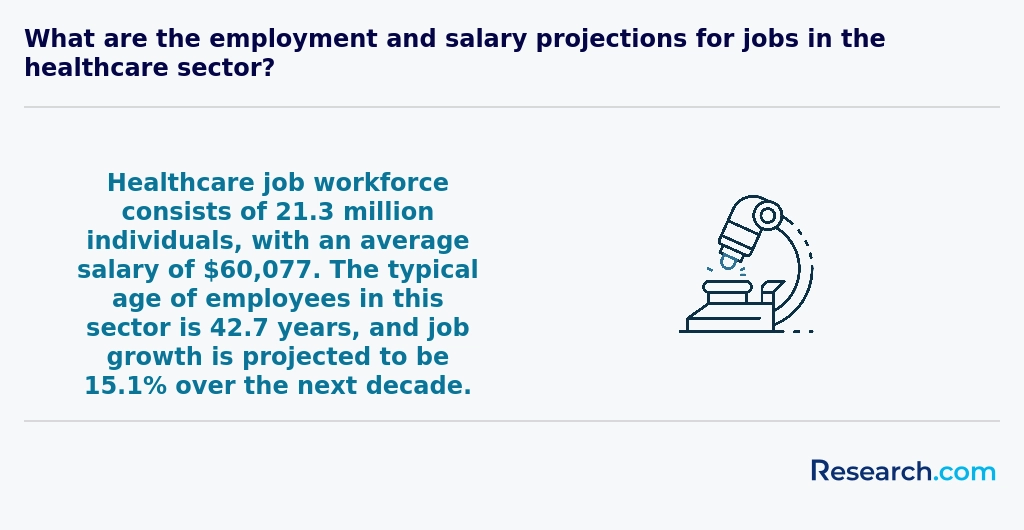
When pursuing an online healthcare management degree in North Carolina, you'll encounter a curriculum designed to equip you with practical skills for the state's diverse healthcare settings. Graduates from universities like UNC Chapel Hill and East Carolina University often highlight courses such as Healthcare Law and Ethics, which prepare them to navigate legal challenges that rural clinics and urban hospitals face daily.
Students gain hands-on knowledge in Health Information Systems, mastering electronic health records critical to efficient care management. Financial Management in Healthcare is another core course, teaching budgeting and accounting essential for running healthcare organizations smoothly. Many found studying Healthcare Quality and Performance Improvement rewarding because it directly impacts patient care and operational success.
- Organizational Behavior in Healthcare helps understand leadership and teamwork, skills graduates say improved their confidence during internships or first jobs.
- Health Policy and Advocacy provides insight into state-level health reforms, relevant to North Carolina's unique policy environment.
Electives such as strategic planning or marketing healthcare services add flexibility, allowing you to tailor your learning to career ambitions in North Carolina's expanding healthcare industry.
When exploring online healthcare management specializations North Carolina offers, students often find Health Informatics at the top of the list. Graduates from well-known institutions like UNC and NC State report that focusing on informatics helped them confidently manage healthcare data systems, improving patient care outcomes in real-world settings.
Healthcare Administration is another practical concentration, teaching budgeting, compliance, and staff management skills. Students appreciate how this specialization prepares them for leadership roles within hospitals or clinics. The median wage of about $105,000 for administrators in North Carolina confirms the value of this path.
For those drawn to community impact, Public Health Management is an attractive option. Graduates working in state health agencies highlight how this focus equips them with the tools to design and implement effective health programs tailored to local needs, perfectly aligning with healthcare management degree concentration options NC students seek.
Other useful specializations include Long-term Care Management, Healthcare Quality and Performance Improvement, and Health Policy and Management. Students frequently share that these areas allow them to tailor their careers toward eldercare, patient outcomes, or influencing healthcare laws. To learn more about career outcomes, consider reviewing what jobs can you get with a healthcare management degree.
When choosing the best online healthcare management degree in North Carolina, start by verifying the program's accreditation, such as CAHME or SACSCOC, which ensures quality education recognized by employers. Graduates from schools like the University of North Carolina and East Carolina University often emphasize how accredited programs boosted their confidence entering the healthcare workforce.
Next, examine the curriculum to confirm it covers practical healthcare economics, policy, and leadership skills. Many students appreciate programs that incorporate real-world case studies or internships with local healthcare systems, fostering hands-on experience while balancing work and study. This approach resonates well with professionals seeking the best online healthcare management degrees North Carolina offers.
Cost is a key factor; in-state tuition at public universities helps keep education affordable. Compare fees carefully to find affordable healthcare management programs NC without sacrificing quality or support services like academic advising and technical help, which graduates highlight as crucial to their success.
Finally, investigate graduation and job placement rates. Strong alumni networks and partnerships with healthcare providers in North Carolina can ease transitions to rewarding jobs. For accelerated options, consider looking into a one year online mha degree that fits your timeline and career goals.

Graduates with an online healthcare management degree in North Carolina often find versatile career paths suited to their skills and interests. Many start in hospital administration, managing daily operations at hospitals or clinics, a field expected to grow by 15% in the state through 2030. Others focus on health information management, handling electronic health records in hospitals and private practices, leveraging North Carolina's strong investment in digital health infrastructure.
For those exploring online healthcare management job opportunities NC, healthcare consulting offers a practical avenue. Graduates advise organizations on regulatory compliance and operational efficiency, applying analytical skills honed during their studies at popular institutions like the University of North Carolina or East Carolina University. These roles create a sense of accomplishment by directly improving healthcare delivery.
Additional roles include health services manager, clinical manager, healthcare policy analyst, and managed care director, each offering a unique blend of leadership and problem-solving. Prospective students can explore online masters programs for healthcare administration tailored to prepare for these dynamic careers.
Graduates with online healthcare management degrees in North Carolina find a steadily growing job market fueled by the state's expanding healthcare sector. Many graduates from universities like the University of North Carolina at Chapel Hill or East Carolina University report entering roles such as healthcare administrators and medical practice managers, driven by the increasing need for skilled professionals who can manage operations and budgets effectively. Those interested can explore what does healthcare administrator do to better understand job responsibilities.
For students considering online healthcare management jobs in North Carolina, entry-level salaries typically start around $70,000, with opportunities to increase as experience grows. Alumni from these programs often describe feeling encouraged by the diverse settings-from large hospitals to rural clinics-where their skills are in demand, allowing for flexible career pathways. Healthcare management career outlook North Carolina is further supported by certifications like CHA or FACHE that many graduates pursue to enhance their credentials and job market competitiveness.
2027 Best Online Healthcare Management Degree Programs Ranking in North Carolina
Investing in your education is a significant decision that can shape your future, and the Research.com team understands the importance of making informed choices. To assist prospective students in North Carolina, we have meticulously crafted the "2027 Best Online Healthcare Management Degree Programs Ranking." Our commitment to quality, credibility, and accuracy is reflected in the extensive research and analysis conducted to compile this ranking.
We utilized the following reputable data sources to ensure a comprehensive evaluation of healthcare management programs:
By exploring this ranking, readers will gain valuable insights into the best online healthcare management degree programs available in North Carolina, empowering them to make well-informed decisions about their educational journeys. For more details on our methodology, please visit our Research.com methodology page.

# 2 position
University of North Carolina Wilmington
Master of Clinical Research & Product Development


Frequently Asked Questions About healthcare management
Online healthcare management degree students in North Carolina can enhance their learning by actively engaging with course materials and participating in virtual discussions. Leveraging available technology, such as video conferencing and learning management systems, helps replicate the classroom experience. Connecting with peers and faculty through study groups or online forums encourages knowledge sharing and networking.
Choosing programs accredited by recognized bodies like the Commission on Accreditation of Healthcare Management Education (CAHME) ensures quality education. Statistically, North Carolina hospitals employ over 100,000 healthcare managers, creating broad internship and job opportunities for students. Utilizing local healthcare organizations for practical experience can deepen understanding and improve career prospects.
The healthcare management field is evolving rapidly, with several emerging niches gaining prominence. One key area is telehealth administration, driven by the expansion of remote care services, especially significant in North Carolina where rural populations benefit greatly from virtual healthcare options. According to the North Carolina Department of Health and Human Services, telehealth usage increased by over 50% in recent years.
Another promising niche is healthcare data analytics. Professionals skilled in managing and analyzing patient information help improve quality and efficiency in healthcare systems. This aligns with North Carolina's focus on integrating technology in healthcare to boost patient outcomes.
Additionally, population health management is growing, emphasizing preventive care and reducing hospital readmissions. Organizations in North Carolina increasingly seek managers who understand social determinants of health.
Lastly, healthcare compliance and risk management are critical as regulations become more complex. These emerging niches offer strong career opportunities in North Carolina's healthcare landscape.
Preparing for the job market after completing an online healthcare management degree in North Carolina requires both strategic experience-building and networking. Graduates should seek internships or practicum opportunities during their studies to gain real-world insights. North Carolina's healthcare sector, including top employers like UNC Health and Duke University Health System, values candidates with hands-on experience.
It is also critical to obtain relevant certifications such as Certified Healthcare Manager (CHM) or Certified Professional in Healthcare Quality (CPHQ), which enhance employability. According to the North Carolina Department of Commerce, healthcare management jobs are expected to grow by over 15% through 2030, making timely preparation essential.
Networking through professional associations like the North Carolina Healthcare Associations can open doors to job leads and mentorship.
Employers in North Carolina highly value healthcare management graduates who demonstrate strong leadership and communication skills. These abilities are crucial for coordinating diverse healthcare teams and ensuring effective patient care administration. Knowledge of healthcare laws and regulations, particularly those specific to North Carolina and federal guidelines, is also essential for compliance and operational success.
Analytical skills are increasingly in demand as healthcare managers must navigate data to improve patient outcomes and optimize resources. According to the North Carolina Healthcare Association, graduates with proficiency in healthcare informatics and budgeting stand out in the job market. Additionally, problem-solving abilities and adaptability remain key traits employers seek amid the evolving healthcare landscape.
Finding internships in North Carolina for healthcare management students requires proactive research and networking. Many universities in the state have partnerships with local hospitals, clinics, and healthcare organizations that offer internship opportunities. Students enrolled in online programs should check with their school's career services for access to these connections.
Major healthcare employers in North Carolina, such as Atrium Health and UNC Health, often provide structured internship programs in healthcare administration. According to the North Carolina Healthcare Association, these internships can significantly boost employment prospects.
Additionally, students should explore statewide healthcare job boards like NCJobReady and use LinkedIn to connect with professionals in the healthcare management field. Volunteering at local health agencies can also lead to internships and valuable experience.
An online healthcare management degree in North Carolina significantly enhances career mobility and advancement opportunities. The state's healthcare industry is one of the fastest-growing sectors, with a 16% projected growth rate in healthcare administration jobs through 2030, according to the U.S. Bureau of Labor Statistics. Graduates with these degrees often qualify for leadership roles such as healthcare administrators, practice managers, or health services managers. Online programs provide flexibility for working professionals, enabling them to gain skills in healthcare policy, finance, and management without interrupting their careers. This education aligns with North Carolina's demand for qualified healthcare leaders to improve system efficiency and patient care.
Studying for a healthcare management degree in North Carolina equips students with skills essential for interdisciplinary roles by combining business, healthcare, and policy education. Programs emphasize collaboration with professionals in nursing, public health, and administration, reflecting the integrated nature of healthcare systems.
Students learn to navigate complex healthcare environments, including hospitals and community health organizations. According to the North Carolina Department of Health and Human Services, effective coordination across disciplines improves patient outcomes and operational efficiency.
Online degrees also offer practical case studies and projects that simulate real-world challenges requiring teamwork among different healthcare sectors. This prepares graduates to lead diverse teams and manage cross-functional projects effectively.
When choosing between a thesis and a non-thesis online healthcare management degree in North Carolina, consider your career goals. Thesis programs emphasize research and are ideal if you plan to pursue a doctorate or a role in academic or policy research. Non-thesis options focus on practical skills, appealing to students targeting leadership roles in hospitals or healthcare organizations.
The North Carolina Department of Commerce reports healthcare as a top industry with ongoing administrative job growth of 15% through 2030. This trend supports hands-on, non-thesis pathways geared toward management positions.
Also assess faculty expertise, available resources, and time commitment; thesis tracks often require longer completion times.
Students in North Carolina interested in studying healthcare management abroad through online programs have limited direct options due to accreditation and transferability concerns. Most universities emphasize domestic degree programs to meet regional healthcare regulations and licensing requirements. However, some U.S.-based institutions offer partnerships with international universities, allowing students to take online courses or participate in study abroad components within healthcare management curricula.
Considering North Carolina's strong healthcare industry, with over 500,000 healthcare jobs reported by the North Carolina Department of Commerce, many students prioritize programs with clear pathways to employment locally. Programs accredited by the Commission on Accreditation of Healthcare Management Education (CAHME) are preferred for quality assurance.
When exploring foreign online options, students should verify accreditation recognized by U.S. authorities and potential impacts on career prospects in North Carolina's healthcare sector.
Part-time job opportunities in North Carolina can effectively complement online healthcare management degree education by providing practical experience alongside academic learning. Positions such as medical office assistant, healthcare administrative aide, or patient services representative allow students to develop essential skills in healthcare operations and patient communication.
These roles often require minimal prior experience and offer flexible hours suitable for students. According to the North Carolina Department of Commerce, healthcare support occupations are projected to grow by 16% from 2020 to 2030, indicating ample availability of these positions statewide. Gaining experience in these roles enhances resume strength and deepens understanding of healthcare facility management and compliance.
More advanced part-time roles, such as coding and billing specialists, are also accessible to students with foundational healthcare knowledge and can lead to higher earning potential post-graduation.
Online healthcare management students in North Carolina have multiple networking opportunities despite studying remotely. Many universities offering these programs provide virtual career fairs and alumni networking events. These events connect students with healthcare leaders across the state.
Professional organizations like the North Carolina Healthcare Association (NCHA) and the Healthcare Financial Management Association (HFMA) of the Carolinas often host conferences and webinars. Participating in these can help students build valuable local industry contacts.
Additionally, internship placements facilitated by schools connect students with North Carolina hospitals and healthcare providers, offering direct access to healthcare management professionals.
Alumni networks play a key role in supporting online healthcare management degree students in North Carolina. These networks provide valuable opportunities for mentorship, career advice, and job placement assistance. Graduates who stay connected often share job openings within North Carolina's healthcare sector, which employed over 500,000 people as of 2023 according to the North Carolina Department of Commerce.
Additionally, alumni networks help students navigate the complexities of healthcare regulations and management practices specific to the state. Networking events, both virtual and in-person, enable students to build professional relationships that can lead to internships and leadership roles in hospitals and health systems.
Many schools also use alumni success stories to enhance professional development, giving current students insight into the evolving industry standards and technologies.
Online healthcare management degree programs in North Carolina offer several ways to customize your studies to align with your career goals. Many universities allow you to choose electives focused on areas like health informatics, policy, or administration. This helps tailor your knowledge to specific sectors within healthcare.
Some programs also provide capstone projects or internships with local healthcare providers, giving practical experience in North Carolina's growing healthcare industry, which is expected to add over 20,000 jobs by 2028 according to the NC Department of Commerce. Specializing in leadership or technology can improve your job prospects in hospitals or health systems.
Additionally, accredited online degrees often allow flexibility in pacing, letting you balance work and study efficiently.
Students pursuing online healthcare management degrees in North Carolina often face challenges related to balancing coursework with professional and personal responsibilities. Many learners are working adults, which can make time management difficult. Technical difficulties, such as unstable internet connections or unfamiliarity with learning platforms, can also hinder progress.
Additionally, gaining hands-on experience through internships or practicums may be complicated by the state's healthcare facility requirements and COVID-19 restrictions. According to the North Carolina Department of Health and Human Services, access to clinical placements remains a critical hurdle for many students.
Finally, some students report that networking opportunities in an online setting are limited compared to traditional classroom environments, impacting career advancement possibilities.
Graduates with an online healthcare management degree in North Carolina can pursue several respected professional certifications that enhance career prospects. One of the most recognized is the Certified Professional in Healthcare Quality (CPHQ), which validates expertise in healthcare quality management and is valued nationwide.
Additionally, the American College of Healthcare Executives (ACHE) offers the Fellow of the American College of Healthcare Executives (FACHE) credential, targeting leadership roles. Another notable option is the Certified Medical Manager (CMM) credential, which focuses on healthcare practice management.
North Carolina's growing healthcare industry, highlighted by the NC Department of Commerce, supports demand for professionals with these certifications, especially in research and hospital administration sectors.
Writing a winning application for an online healthcare management program in North Carolina requires clear focus and preparation. Start by carefully researching programs accredited by CAHME or recognized regional accreditors, which ensures quality education relevant to the state's healthcare market.
Highlight your background in healthcare or management, emphasizing any practical experience. North Carolina's healthcare sector is growing, with a 15% expected employment increase by 2030 according to the North Carolina Department of Commerce, so showcasing relevant skills is crucial.
Craft a compelling personal statement explaining your career goals in healthcare management and how the program aligns with North Carolina's unique healthcare challenges. Include strong recommendation letters from supervisors or professors who can attest to your leadership potential and commitment.
Lastly, ensure your application materials are error-free and tailored specifically to the program's requirements and focus areas.
Healthcare management careers are increasingly viewed through a global lens, reflecting the interconnected nature of health systems worldwide. Within the United States, and specifically North Carolina, there is strong demand for professionals who understand international healthcare trends, policies, and technologies. According to the North Carolina Department of Commerce, healthcare management jobs are growing faster than many other sectors, emphasizing skills that align with global standards.
Globally, healthcare managers must navigate diverse regulatory environments and adapt to evolving public health challenges. Online healthcare management degrees in North Carolina often integrate topics like global health policies and cross-cultural leadership, preparing students for this complexity.
Such programs equip graduates to work with international agencies or multinational health organizations, reflecting a growing trend toward globalization in healthcare management careers.
Students pursuing an online healthcare management degree in North Carolina can gain practical experience through internships and practicums offered by many universities in partnership with local healthcare organizations. These hands-on opportunities allow students to apply classroom knowledge to real-world settings, often with hospitals, clinics, or insurance companies.
The North Carolina healthcare sector is robust, providing numerous organizations where students can intern while studying. The North Carolina Healthcare Association reports that healthcare is one of the state's largest employment sectors, increasing internship possibilities.
Additionally, some programs offer virtual simulations and case studies to complement field experiences. Networking through local healthcare management associations in North Carolina can also help secure relevant work experience during studies.
Choosing the right concentration within an online healthcare management degree in North Carolina involves aligning your career goals with the regional healthcare industry's demands. Focus areas can include health informatics, policy, administration, or finance.
North Carolina's growing healthcare sector, valued at over $62 billion annually, offers diverse opportunities in hospital administration, insurance, and public health (NC Department of Commerce, 2023). Consider concentrations that reflect strong job growth in the state.
Also, evaluate programs' curriculum depth in your area of interest and check for faculty expertise. Certifications tied to concentrations, like Certified Professional in Healthcare Quality (CPHQ), enhance employability in North Carolina's competitive market.
- 2027 Best Online Healthcare Management Degree Programs Ranking in Virginia
- 2027 Best Online Healthcare Management Degree Programs Ranking in Kentucky
- 2027 Best Online Healthcare Management Degree Programs Ranking in Florida
- 2027 Best Online Healthcare Management Degree Programs Ranking in Maryland
- 2027 Best Online Healthcare Management Degree Programs Ranking in Alabama
- 2027 Best Online Healthcare Management Degree Programs Ranking in Pennsylvania
- 2027 Best Online Healthcare Management Degree Programs Ranking in Ohio
- 2027 Best Online Healthcare Management Degree Programs Ranking in Indiana
- 2027 Best Online Healthcare Management Degree Programs Ranking in Missouri
- 2027 Best Online Healthcare Management Degree Programs Ranking in New York
- How to Get a Job in Healthcare Management https://sha.edu.in/how-to-get-a-job-in-healthcare-management/
- Top Options for Healthcare Career Advancement https://www.baypath.edu/news/bay-path-university-blogs/post/top-options-for-healthcare-career-advancement/
- Can I Work From Home with a Healthcare Management Degree? - Healthcare Management Degree Guide https://www.healthcare-management-degree.net/faq/can-i-work-from-home-with-a-healthcare-management-degree/
- Healthcare Management Master's Degree Program (Thesis/Non Thesis) https://www.kent.edu.tr/healthcare-management-masters-degree-program-thesis-non-thesis-101211
- Niche Markets in Healthcare: How to Find & Target https://nechayadvisors.com/blog/niche-markets-in-healthcare
- What can you do with a healthcare management degree? | edX https://www.edx.org/resources/what-can-you-do-with-a-healthcare-management-degree
- Healthcare Administration Certifications https://www.publichealthdegrees.org/careers/healthcare-administrator/certification/
- Online Bachelor in Healthcare Management (BS) Degree | South University https://www.southuniversity.edu/online/degrees-programs/healthcare/healthcare-management-bs
- The Value of Healthcare Organization Alumni Associations https://consultqd.clevelandclinic.org/the-value-of-healthcare-organization-alumni-associations
- Top Healthcare Management Conferences for Students https://www.asiapacific.edu/blog/mba/top-healthcare-management-conferences-students/