2027 Most Valuable Online Healthcare Management Degree Programs Ranking in Pennsylvania

Co-Founder and Chief Data Scientist
Exploring healthcare management degree programs can be overwhelming, especially when deciding which options truly stand out. To support students in Pennsylvania, this article presents the 2027 Most Valuable Online Healthcare Management Degree Programs Ranking in Pennsylvania, developed by the Research.com team of data scientists.
By reading this ranking, you'll gain clear insights into programs that offer quality education and strong career prospects. Pursuing a healthcare management degree opens doors to meaningful roles in a growing industry, empowering you to make a real difference in healthcare delivery.
Take a confident step toward your future by discovering programs that align with your goals.
Key benefits of getting online healthcare management degree in Pennsylvania
- Healthcare management graduates in Pennsylvania can expect competitive salaries, with many US healthcare managers earning around $104,280 annually, offering strong financial rewards for their expertise.
- Career paths include hospital administration, health services management, and policy coordination, as seen in graduates from institutions like the University of Pennsylvania who gain diverse opportunities in healthcare leadership.
- Online degrees provide flexibility and convenience, allowing students from busy Pennsylvania lifestyles to earn their credentials while working, as demonstrated by successful online graduates from Drexel University.
- 2027 Most Valuable Online Healthcare Management Degree Programs Ranking in Pennsylvania
- What can I expect from online healthcare management degree in Pennsylvania?
- Where can I work with online healthcare management degree in Pennsylvania?
What can I expect from online healthcare management degree in Pennsylvania?
The average cost of an online healthcare management degree in Pennsylvania typically ranges between $15,000 and $35,000 for bachelor's programs, while master's degrees often cost $20,000 to $50,000. These figures reflect the pricing at well-known institutions such as Temple University and the University of Pennsylvania, which balance affordability with strong reputations.
Graduates from these programs often highlight how flexible tuition payment plans and employer tuition assistance helped manage expenses, allowing them to pursue their degrees without financial strain. Many students find value in the investment due to the practical curriculum that prepares them to navigate careers in hospitals or health systems across Pennsylvania's diverse healthcare network.
Students strongly recommend exploring scholarships offered specifically for healthcare management majors and connecting with financial aid advisors at colleges like Drexel University, where personalized guidance can make funding clearer and more accessible.
Planning ahead to maximize available financial resources can turn the cost of education into a manageable step toward a rewarding career in healthcare leadership.
Where can I work with online healthcare management degree in Pennsylvania?
Graduates with an online healthcare management degree in Pennsylvania can find rewarding careers in multiple vital sectors. Many start in hospitals like those affiliated with the University of Pennsylvania or Temple University Health System, where they manage operations, coordinate staff, and ensure smooth patient care. Working in these fast-paced environments offers real-world experience balancing budgets and improving healthcare delivery.
Others pursue roles in outpatient centers or clinics, handling scheduling, billing, and regulatory tasks. This variety fits graduates who enjoy dynamic workplaces outside traditional hospitals. Nursing homes and residential care facilities also hire healthcare managers to maintain quality standards and comply with state regulations, meeting growing demands from Pennsylvania's aging population.
Some graduates find satisfying careers with health insurance companies or public health agencies, managing policies or coordinating health programs across communities. The flexibility of an online degree even opens doors for remote positions in health data analysis or compliance. Graduates from schools like Drexel University appreciate this blend of local impact and flexible work options.
Graduates with an online healthcare management degree from well-known Pennsylvania institutions often start their careers earning between $60,000 and $70,000 annually in entry-level roles such as administrative coordinators or assistant managers. These positions, common in hospitals and clinics across cities like Philadelphia and Pittsburgh, offer hands-on experience that helps boost confidence and skills early on.
As these graduates gain experience and take leadership responsibilities, salaries typically increase to the $110,000 to $130,000 range, especially in larger healthcare systems or government agencies. Many students from Pennsylvania universities report that obtaining certifications like the Certified Healthcare Administrative Professional (cHAP) accelerated their career growth, leading to higher pay and more job opportunities.
Location also matters. Graduates working in metropolitan hubs within Pennsylvania tend to enjoy better pay compared to rural areas, reflecting higher living costs and healthcare demand. By combining degree programs from respected local colleges with relevant certifications, graduates position themselves to capitalize on Pennsylvania's expanding healthcare sector and enjoy rewarding salaries.
- Online healthcare management degrees in Pennsylvania cover healthcare policies, administration, finance, and ethics.
- Tuition for a bachelor's degree ranges from $15,000 to $35,000, with public universities generally costing less than private ones.
- Entry-level salaries start around $50,000 per year, with median salaries reaching about $85,000 after five to ten years.
- The job market in Pennsylvania for healthcare management is growing at an estimated rate of 18% over the next decade.
- Major employers include healthcare systems in Philadelphia, Pittsburgh, and Harrisburg offering diverse career options.
- Look for programs with regional accreditation and CAHME accreditation for quality assurance and employer recognition.
Online healthcare management degrees in Pennsylvania typically take between three to six years to complete, depending on your enrollment status and program level. For example, graduates from reputable schools like Penn State World Campus often finish their bachelor's in four years full-time, but many appreciate the option to accelerate or transfer credits to finish sooner.
Master's programs, such as an MHA at Drexel University, usually take about two years full-time. However, part-time students balancing careers often extend this to three or four years, benefitting from asynchronous classes that fit busy schedules. Graduates frequently highlight how program flexibility lets them upskill without sacrificing their current jobs.
Doctoral degrees demand a greater time investment, typically three to six years, depending on course load and research pace. Graduates report that planning around work and personal life is key to success.
Strategically choosing part-time or accelerated paths, leveraging transfer credits, and selecting programs with flexible online formats make completing your degree feasible and rewarding in Pennsylvania's competitive healthcare field.
Choosing a program with proper accreditation and clear certification pathways ensures quality education and career readiness.
- Regional accreditation (e.g., Middle States Commission) confirms overall academic standards and smooth credit transfer
- CAHME accreditation validates specialized healthcare management curriculum and industry relevance
- Eligibility for the Fellow of the American College of Healthcare Executives (FACHE) credential often requires graduation from an accredited program
- Ongoing professional certifications and state regulations may mandate specific coursework or continuing education
For a streamlined guide to accredited options, explore our healthcare administration degree online.
Online healthcare management degrees in Pennsylvania provide flexibility that suits working professionals balancing jobs or family life. Graduates from popular universities like Temple University appreciate how asynchronous coursework allows them to study evenings or weekends without commuting. This flexibility helps maintain steady progress without sacrificing current responsibilities.
On-campus programs at schools such as the University of Pittsburgh offer immersive experiences with face-to-face access to faculty, networking events, and clinical practicum opportunities. Graduates often highlight how direct engagement in these settings builds confidence and connections essential for healthcare careers in cities like Philadelphia or Pittsburgh.
Cost differences also matter. Online degrees generally incur lower tuition and fees for Pennsylvania residents, as seen at Penn State World Campus, but students should budget for technology costs. Meanwhile, on-campus programs may have higher tuition but provide structured schedules and hands-on learning that some students find motivating and rewarding.
Ultimately, choosing online or on-campus depends on your lifestyle, learning preferences, and career goals. Leveraging online options can offer a balance, while on-campus experiences might accelerate networking critical for local healthcare roles.
Accreditation ensures program quality, credit transferability, and employer recognition. When evaluating online healthcare management degrees in Pennsylvania, verify:
- Regional accreditation by bodies like the Middle States Commission on Higher Education
- Specialized accreditation from CAHME for healthcare management programs
- Approval by state education boards or nursing boards for practicum components
- Alignment with industry standards and professional associations
Choosing an accredited program unlocks:
- Access to federal financial aid and employer tuition assistance
- Seamless credit transfers if you switch schools or pursue advanced degrees
- Greater confidence for employers, licensure boards, and graduate programs
For additional benchmarks and program comparisons, explore our guide to a healthcare administration degree online.
The average cost of an online healthcare management degree in Pennsylvania typically totals around $23,184 for in-state students, based on recent median total cost data. Many students pursuing this path find programs offered by public universities within Pennsylvania's state system to be financially manageable while delivering strong academic value. For example, graduates from online programs at universities like West Chester University often share that the tuition, which hovers just below $10,000 annually for residents, aligns well with their budgets and has allowed them to focus fully on their studies without overwhelming financial stress.
However, costs can vary widely depending on whether the program is at a public or private institution. Private colleges often cost significantly more, sometimes exceeding $20,000 annually. Graduate-level healthcare management programs often have higher tuition rates, ranging from approximately $15,000 to $30,000 per year. Despite these costs, many students report finding that the investment in their education pays off quickly, noting improved career opportunities and salary potential. Researching the average cost of online healthcare management degree Pennsylvania programs helps prospective students budget effectively and identify institutions with the best return on investment.
Additional fees such as technology, textbooks, and materials usually add a few hundred to several thousand dollars annually, so factoring these into your financial planning is important. Many students benefit from seeking financial aid, scholarships, or employer tuition assistance programs to offset total expenses. This approach helped numerous graduates manage their costs without sacrificing educational quality or momentum.
For those curious about career prospects linked to these programs, understanding the salary after mba in healthcare management can offer encouraging motivation to invest in their education.
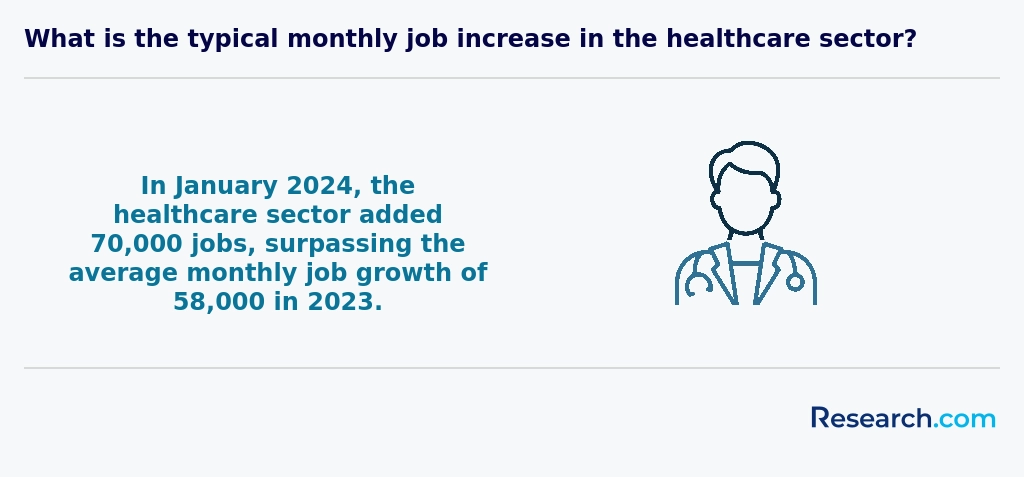
Ensuring your online healthcare management program holds recognized accreditation is essential for quality assurance, seamless credit transfer and employer confidence.
- CAHME Accreditation: the gold standard for healthcare management curricula, validating academic rigor and industry relevance.
- Regional Accreditation: authorizations from bodies like the Middle States Commission on Higher Education (MSCHE) confirm institutional quality and federal financial aid eligibility.
- Professional Recognition: programs endorsed by the Council for Higher Education Accreditation (CHEA) boost credibility and access to specialized certifications.
Many accredited institutions also offer accelerated pathways; to explore options, check our guide on healthcare administration degree online.
Students pursuing an online healthcare management degree in Pennsylvania have access to multiple financial aid options to ease tuition costs. For example, graduates from programs at institutions like Penn State World Campus often emphasize how completing the FAFSA opened doors to federal aid such as Pell Grants, which don't require repayment and significantly reduce expenses.
State aid through the Pennsylvania Higher Education Assistance Agency (PHEAA) is another critical resource. Many students enrolled at schools like Temple University's online healthcare management program rely on the Pennsylvania State Grant Program for additional support based on financial need, helping them afford tuition without heavy debt.
Institutional scholarships also play a big role. Graduates frequently share how gift aid based on academic performance or leadership, offered by their universities, made online study manageable. Some colleges even offer reduced tuition specifically for online learners, creating a supportive financial environment.
Beyond college-funded help, professional organizations such as the American College of Healthcare Executives offer scholarships that healthcare management students in Pennsylvania can apply for to further ease costs.
Lastly, working professionals note how employer tuition reimbursement programs in Pennsylvania's strong healthcare sector enabled them to advance their degrees while maintaining paychecks, a practical way to invest in education without financial stress.
- Flexibility to balance work, family and study with asynchronous course formats
- Lower tuition and overhead costs compared to on-campus programs
- Development of critical skills in finance, policy, leadership and health informatics
- Enhanced career prospects and salary growth with a recognized healthcare administration degree online
- Networking opportunities through virtual cohorts and industry partnerships
To enroll in an online healthcare management degree in Pennsylvania, students must meet key prerequisites tailored to their degree level. Undergraduate applicants typically need a high school diploma or GED and a GPA around 2.5 to 3.0. For example, graduates from renowned programs at universities like Penn State have noted the ease of submitting transcripts and meeting GPA requirements, which helped them focus on gaining relevant healthcare experience alongside their studies.
Many programs also request standardized test scores, though several Pennsylvania colleges now offer test-optional admission to reduce stress for applicants balancing work and family. Supplementary materials, such as letters of recommendation and personal statements reflecting passion for healthcare, greatly strengthen applications.
Graduate candidates aiming for a Master's in Healthcare Administration often must hold a bachelor's degree, sometimes needing prerequisite courses in subjects like biology or economics. Work experience in healthcare or administrative roles-typically 1 to 3 years-is highly valued and can sometimes replace GRE test requirements, making professional background a real advantage.
This approach aligns with feedback from graduates who appreciated the practical focus Pennsylvania schools emphasize, allowing them to translate their prior experience directly into career growth in the healthcare sector.
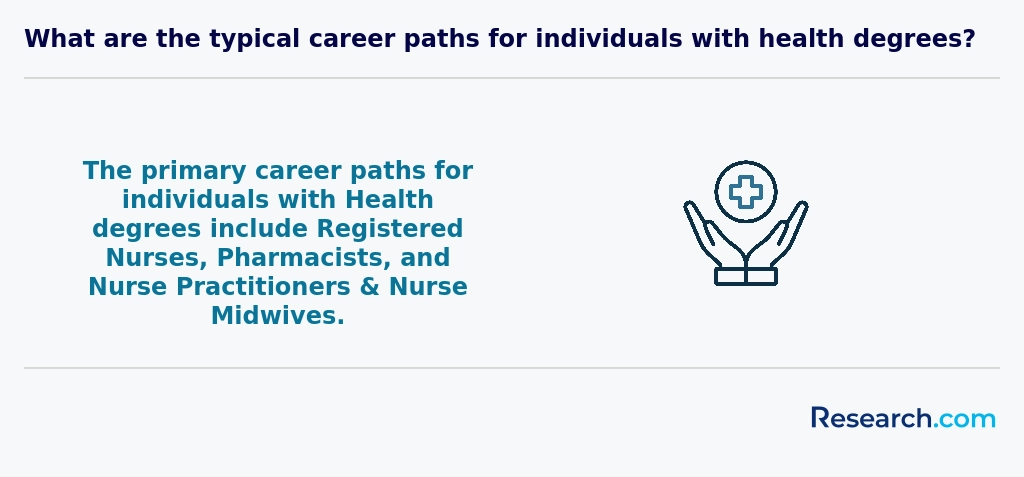
When selecting an online program, focus on these essential features to ensure quality education and strong career outcomes.
- Accreditation: CAHME and regional accreditation guarantee rigorous standards and employer trust.
- Curriculum scope: comprehensive coverage of finance, policy, leadership, and health informatics.
- Practicum and networking: access to internships, mentorships, and alumni networks for real-world connections.
- Faculty experience: instructors with leadership backgrounds in healthcare settings.
- Flexibility and technology: user-friendly learning platforms, asynchronous classes, and mobile access.
- Career services: strong job placement rates, resume reviews, and interview coaching.
- Specialization options: diverse tracks-like informatics or finance-and accelerated paths such as healthcare administration degree online.
Online healthcare management degrees in Pennsylvania typically include courses tailored to equip students with practical skills to thrive in the state's unique healthcare environment. Graduates from well-known institutions in Pennsylvania often highlight courses such as Healthcare Systems and Structures, where they explore how large hospital networks and regional health systems operate, giving them a solid understanding of local healthcare delivery.
Others emphasize the value of Health Policy and Ethics, which covers Pennsylvania-specific regulations and patient privacy laws like HIPAA. This knowledge helps learners confidently navigate compliance challenges.
Financial expertise is built through Healthcare Financial Management courses, teaching budgeting and accounting critical for sustaining organizations-which resonates deeply given Pennsylvania's competitive healthcare job market.
Many students appreciate hands-on training in Healthcare Informatics, managing electronic health records just as they would in state hospitals.
Courses in Organizational Leadership and Quality Improvement prepare students to lead teams and enhance patient care effectively, reflecting real challenges graduates encounter in both urban and rural Pennsylvania healthcare settings.
Online healthcare management specializations Pennsylvania students can pursue are diverse and focused on practical skills. Popular areas include Health Informatics, which equips graduates to manage electronic medical records and data systems, improving patient care efficiency. Healthcare Compliance and Legal Studies prepare students to navigate complex regulations, ensuring organizations stay ethical and lawful-something many graduates at well-known colleges in the state find essential for career advancement.
Other students opt for Public Health Administration to impact community health programs directly, or Healthcare Finance and Accounting, where learners develop budgeting and financial planning abilities crucial for hospital management. Leadership and Organizational Development is favored by those aiming to lead teams or drive strategic changes in healthcare settings, especially in Pennsylvania's dynamic job market. Graduates from these programs often praise how their specialization tailored their expertise to match real job demands.
To maximize relevance, universities frequently align coursework with local healthcare trends. For example, many successful alumni mention how the fastest online healthcare management mba tracks offer accelerated paths focused on these specializations, allowing students to jump into rewarding roles quickly.
When choosing the best online healthcare management degree Pennsylvania students should prioritize accreditation to ensure their degree is valued by employers. Graduates from popular Pennsylvania colleges often highlight programs accredited by the Commission on Accreditation of Healthcare Management Education (CAHME) or regional bodies like the Middle States Commission on Higher Education as key to their success. Cost is also critical; many students find affordable healthcare management programs Pennsylvania offers through public universities with in-state tuition discounts and consider additional expenses such as fees and technology costs.
Flexibility ranks high for working professionals balancing life and study. Programs offering asynchronous classes and robust support services, including academic advising and career counseling, allow students to thrive. Graduates from these programs frequently share how real-world practicum opportunities with local healthcare providers in Pennsylvania helped them build strong networks and gain practical experience essential for employment.
Choosing a curriculum that matches Pennsylvania's healthcare landscape-focusing on policy, finance, and telehealth-makes a tangible difference. For those seeking economical options, exploring the cheapest mba in healthcare management programs could be a strategic step toward advancing their careers without excessive financial burden.

Graduates with an online healthcare management degree in Pennsylvania find diverse career paths that match their skills and ambitions. Common roles include healthcare administrators managing hospital operations, clinical managers overseeing nursing or surgical departments, and health information managers handling increasingly vital patient data systems. Graduates from popular Pennsylvania universities often share how their programs prepared them to lead in fast-paced healthcare settings, confidently managing budgets, staff, and quality care efforts. For aspiring professionals exploring online healthcare management careers Pennsylvania offers, opportunities also extend to healthcare consultants who improve organizational efficiency and care coordinators who directly support patient care integration across providers.
These practical roles reflect the state's growing demand for skilled management professionals in a landscape shaped by a large aging population and established healthcare networks. Students looking to balance educational cost and job prospects can explore some of the most affordable mha programs, gaining credentials that pay off through competitive salaries and meaningful impact in Pennsylvania's healthcare system.
An understanding of healthcare management job opportunities in Pennsylvania empowers graduates to pursue fulfilling careers with real-world applications from day one, helping to navigate evolving industry challenges.
The job market for graduates with an online healthcare management degree in Pennsylvania is robust, with strong demand from hospitals, outpatient centers, and government agencies. Metropolitan areas like Philadelphia and Pittsburgh provide numerous opportunities thanks to their extensive healthcare networks. Many graduates from popular Pennsylvania colleges find rewarding positions managing operations, finances, and compliance in these settings, experiencing firsthand how their degree translates into real-world impact.
Employment growth is fueled by ongoing healthcare expansion and regulatory complexity, making skills learned through an online healthcare management degree increasingly valuable. For those looking to enter this field, programs at well-known universities offer practical knowledge that employers seek. Graduates report competitive salaries averaging around $110,000 and highlight how their education prepares them to navigate complex healthcare challenges.
Students aiming to boost their career prospects should consider additional certifications or advanced degrees. To explore more options and identify suitable programs, check out online healthcare management degrees that cater to Pennsylvania residents.
Those searching for online healthcare management jobs Pennsylvania will find a growing landscape ready to reward the right expertise and dedication.
2027 Most Valuable Online Healthcare Management Degree Programs Ranking in Pennsylvania
Investing in your education is a significant decision that can shape your future, and the Research.com team recognizes the importance of making informed choices in selecting an online healthcare management degree program in Pennsylvania. Our commitment to quality, credibility, and accuracy is demonstrated through rigorous research and careful analysis in compiling the "2027 Most Valuable Online Healthcare Management Degree Programs Ranking in Pennsylvania."
We utilized the following reputable data sources to ensure a comprehensive evaluation of programs:
By reviewing this ranking, readers will gain valuable insights into the most worthwhile online healthcare management programs in Pennsylvania, enabling them to make well-informed educational decisions. For a detailed explanation of our methodology, please visit our Research.com methodology page.

# 2 position
Peirce College
Bachelor of Healthcare Administration


# 7 position
Slippery Rock University of Pennsylvania
Bachelor of Healthcare Administration and Management


Frequently Asked Questions About healthcare management
Online healthcare management degree students in Pennsylvania can enhance their learning by actively engaging with course materials and participating in virtual discussions. Research shows that students who consistently interact with instructors and peers demonstrate higher retention rates in online programs.
Utilizing Pennsylvania's extensive network of healthcare facilities for internships and practical experience is crucial. According to the Pennsylvania Department of Health, over 650,000 people are employed in the state's healthcare sector, offering diverse opportunities for real-world exposure.
Additionally, students should leverage digital libraries and academic databases offered by Pennsylvania universities. Platforms like the Pennsylvania State Library Network provide access to current healthcare management journals and data.
Time management and setting a structured study schedule also contribute significantly to success in an online learning environment.
Emerging niches in healthcare management reflect advancements in technology and patient care demands. One growing area is health informatics, where professionals analyze data to improve hospital operations and patient outcomes. According to the Pennsylvania Department of Labor & Industry, health informatics roles are expected to grow faster than average in the state through 2030.
Another niche gaining traction is telehealth management, especially after the COVID-19 pandemic accelerated virtual care. Managing these services requires expertise in both healthcare and digital platforms. Additionally, population health management is expanding, focusing on preventive care and chronic disease management to reduce costs and improve community health in Pennsylvania.
Finally, healthcare compliance and regulatory management are becoming critical due to stricter laws and data security needs. These specialties represent valuable career paths for students pursuing an online healthcare management degree in Pennsylvania.
Preparing for the job market after completing an online healthcare management degree in Pennsylvania requires strategic steps. Graduates should focus on gaining relevant experience through internships or practicum opportunities available in Pennsylvania healthcare facilities. According to the Pennsylvania Department of Labor & Industry, healthcare management roles in the state are expected to grow by 15% through 2030, highlighting strong job prospects.
Networking with professionals via state healthcare associations, such as the Pennsylvania Healthcare Executives Network, can open doors to job opportunities. Obtaining certifications like the Certified Healthcare Manager (CHM) can improve employability. Additionally, tailoring resumes to emphasize skills like healthcare policy, finance, and compliance will align with employer needs in Pennsylvania's healthcare market.
Employers in Pennsylvania highly value healthcare management graduates who combine strong leadership with practical knowledge of the healthcare system. Key skills sought include proficiency in healthcare regulations, financial management, and data analysis. According to the Pennsylvania Department of Labor & Industry, graduates with expertise in electronic health records (EHR) and healthcare IT show greater employability.
Communication skills are also essential, as managers often coordinate between clinical staff and administrative teams. Employers look for those capable of strategic planning and problem-solving to improve patient care while controlling costs.
Furthermore, familiarity with Pennsylvania's specific healthcare laws and policies, such as Medicaid and state public health mandates, gives candidates an edge in this competitive job market.
Finding internships in Pennsylvania relevant to a healthcare management degree involves strategic research and networking. Start by exploring Pennsylvania's major healthcare networks such as UPMC and Penn Medicine, which offer structured internship programs in healthcare administration. Use state resources like the Pennsylvania Department of Labor & Industry's internship portal to identify opportunities tailored to healthcare students.
Many universities with online healthcare management programs maintain partnerships with Pennsylvania healthcare providers. Contacting college career centers can reveal exclusive internship listings. Additionally, professional organizations like the American College of Healthcare Executives (ACHE) Pennsylvania chapter provide networking events and internship postings specific to healthcare management.
According to the Bureau of Labor Statistics, healthcare management employment in Pennsylvania is projected to grow by 14% from 2020 to 2030, increasing internship demand. Securing an internship in major urban centers like Philadelphia or Pittsburgh can enhance practical experience alongside your online studies.
Obtaining an online healthcare management degree in Pennsylvania significantly boosts career mobility and advancement opportunities. The healthcare sector in Pennsylvania is one of the state's largest employers, accounting for over 700,000 jobs according to the Pennsylvania Department of Labor & Industry. A degree equips professionals with critical skills in administration, finance, and policy, making them qualified for leadership roles.
Graduates often pursue positions such as healthcare administrators, practice managers, or quality assurance directors, roles that saw an average salary growth of 12% statewide over the past five years (Bureau of Labor Statistics, 2023). Online degrees also offer flexibility for working professionals to upskill without interrupting their careers.
Moreover, Pennsylvania's healthcare employers increasingly prefer candidates with formal education due to evolving regulatory requirements and the need for cost-effective management. This trend enhances promotion prospects for those with accredited online degrees.
Studying for a healthcare management degree in Pennsylvania equips students with skills to collaborate across disciplines in healthcare settings. Programs combine courses in business, public health, and healthcare policy, reflecting the integrated nature of modern healthcare. Pennsylvania's healthcare industry is diverse, including hospitals, insurance companies, and government agencies, offering varied opportunities for interdisciplinary teamwork.
Students learn to communicate effectively with clinical staff, IT specialists, and administrators. Many Pennsylvania institutions incorporate case studies and simulations, enhancing problem-solving in real-world contexts. According to the Pennsylvania Department of Labor, healthcare management jobs are expected to grow 15% by 2030, emphasizing the need for versatile professionals.
Such degrees prepare graduates to lead initiatives that bridge gaps between clinical care and organizational management.
Choosing between a thesis and a non-thesis healthcare management degree in Pennsylvania depends on your career goals and learning preferences. Thesis programs typically appeal to those interested in research or pursuing doctoral degrees. They require completing a substantial research project, which can help develop analytical and writing skills valuable in academic or policy roles.
Non-thesis options often focus on practical, hands-on skills favored by students aiming for administrative roles in hospitals or healthcare organizations. These programs may include additional coursework or a capstone project instead of a thesis.
According to the Pennsylvania Department of Health, healthcare management jobs in the state are expected to grow by 18% through 2030, highlighting the need for versatile skills. Considering this, evaluate whether research experience or applied management training best suits your future plans.
Students based in Pennsylvania who seek to study healthcare management abroad while pursuing an online degree have several pathways to consider. Many U.S. institutions partner with international universities to offer dual-degree or exchange programs, providing global perspectives on healthcare systems. Pennsylvania residents can also enroll in fully online programs offered by foreign universities accredited in their home countries, though they should ensure these programs meet U.S. accreditation standards for career advancement.
According to the Pennsylvania Department of Labor & Industry, the state's healthcare management sector is growing, making global experience beneficial. However, students should carefully evaluate international curricula to align with Pennsylvania's healthcare regulations and market needs.
Options also include virtual internships with international healthcare organizations, providing practical experience without relocating. These alternatives enable Pennsylvania students to benefit from international exposure while completing U.S.-based online studies.
Part-time job opportunities in Pennsylvania that complement healthcare management degrees often include administrative roles in hospitals, clinics, and long-term care facilities. Positions such as medical receptionist, health services assistant, or patient coordinator provide practical experience in healthcare operations.
According to the Pennsylvania Department of Labor & Industry, healthcare support occupations are projected to grow by 15% through 2030, reflecting strong employment prospects. Additionally, part-time positions in insurance companies or public health organizations allow students to develop skills in health information management and policy analysis.
These roles not only offer income but also valuable insights into healthcare systems, aiding students applying theoretical knowledge in real-world settings.
Online healthcare management students in Pennsylvania have several networking opportunities to support their career growth. Many universities offering online degrees, like Penn State World Campus, host virtual career fairs and webinars connecting students with healthcare leaders statewide. Professional organizations such as the Pennsylvania Health Care Association provide memberships that include access to conferences, workshops, and online forums specifically geared toward healthcare management professionals.
Additionally, students can join national groups like the American College of Healthcare Executives (ACHE), which has local chapters in Pennsylvania. These groups offer mentorship programs and local events that encourage networking. According to the Pennsylvania Department of Labor, healthcare management jobs are projected to grow 12% by 2030, increasing the importance of strong professional connections.
Alumni networks offer significant advantages to online healthcare management degree students in Pennsylvania by fostering professional connections that extend beyond graduation. These networks enable current students to access mentorship from experienced graduates working in Pennsylvania's healthcare sector, which is valued at over $50 billion annually according to the Pennsylvania Department of Labor & Industry.
Through alumni events and online platforms, students gain insights into local healthcare job markets, emerging trends, and continuing education opportunities. Many Pennsylvania healthcare employers prefer candidates recommended through alumni connections, enhancing job placement prospects.
Furthermore, alumni networks support collaboration on industry research and leadership initiatives, important in a state with a growing demand for healthcare managers due to an aging population and expanding healthcare services.
Online healthcare management degree programs in Pennsylvania often offer customizable curricula to align with your specific career goals. Many schools allow students to select electives focused on areas like health informatics, policy, or administration. This flexibility helps tailor your expertise to roles such as hospital management or healthcare consulting.
Some programs also provide opportunities for internships and capstone projects within Pennsylvania's diverse healthcare systems, enhancing practical experience. According to the Pennsylvania Department of Health, healthcare management jobs in the state are expected to grow by 18% through 2030, emphasizing the value of specialized knowledge.
Choosing programs accredited by the Commission on Accreditation of Healthcare Management Education (CAHME) can further ensure quality and relevance to industry needs.
Online healthcare management students in Pennsylvania often face challenges related to balancing work, family, and study commitments. Many students are working professionals, which can make scheduling coursework and clinical practice difficult. Pennsylvania's diverse healthcare landscape requires students to adapt to varying state regulations and insurance policies, complicating their learning experience.
Access to quality practicum placements can also be limited, given the competitive healthcare market. According to the Pennsylvania Department of Health, healthcare managers must understand both urban and rural healthcare settings, adding complexity for students in remote areas.
Additionally, technology barriers and a need for strong self-motivation are common hurdles in online learning environments.
An online healthcare management degree in Pennsylvania opens doors to several valuable professional certifications. Graduates often pursue the Certified Professional in Healthcare Management (CPHM) credential, which enhances leadership skills specific to healthcare settings. Another popular certification is the Certified Healthcare Administrator (CHA), recognized nationwide and beneficial for hospital or clinic management roles.
Many professionals also seek the Fellow of the American College of Healthcare Executives (FACHE) designation, known for affirming expertise in healthcare leadership. According to the Pennsylvania Department of Health, certification holders report stronger job prospects and higher salaries compared to uncertified peers.
Additional entry-level certifications include Certified Medical Manager (CMM), which supports practice managers. These certifications align well with Pennsylvania's growing healthcare sector, ensuring graduates are competitive for administrative roles in hospitals, insurance companies, and other healthcare organizations.
To write a winning application for an online healthcare management program in Pennsylvania, start by clearly demonstrating your commitment to the healthcare field. Highlight any relevant work experience or academic background that aligns with healthcare administration. Admissions committees value candidates who showcase strong leadership and problem-solving skills, essential for managing healthcare organizations.
Detail your understanding of the healthcare landscape in Pennsylvania, noting that the state's healthcare sector employs over 600,000 workers, making it a significant economic driver (Pennsylvania Department of Labor & Industry, 2023). Emphasize your interest in contributing to this dynamic field.
Strong recommendation letters and a well-crafted personal statement focusing on your career goals and how the program fits into them will improve your chances.
Healthcare management careers are increasingly valued worldwide due to the growing complexity of health systems. In the United States, and specifically in Pennsylvania, the demand for skilled healthcare managers is rising rapidly. The Bureau of Labor Statistics projects a 32% growth rate for medical and health services managers nationally from 2021 to 2031, which is much faster than average.
Globally, healthcare management professionals are crucial for improving patient outcomes and optimizing resources. Pennsylvania hosts numerous hospitals and healthcare organizations requiring leadership with knowledge of both local regulations and international best practices. Institutions like the Pennsylvania Department of Health emphasize the need for managers who understand global health trends as they impact local care delivery.
Online healthcare management degrees enable Pennsylvania students to access comprehensive curricula that include global perspectives, helping graduates compete internationally while addressing state-specific challenges.
Gaining practical experience while studying for an online healthcare management degree in Pennsylvania can significantly enhance your career prospects. Many Pennsylvania institutions encourage students to complete internships or practicum hours at local hospitals, clinics, or healthcare organizations. These opportunities often allow students to apply theoretical knowledge in real-world settings, improving both skills and professional networks.
Online programs may also offer virtual simulations and case studies to supplement hands-on learning. According to the Pennsylvania Department of Health, over 200 healthcare facilities participate in educational partnerships statewide, providing students with access to diverse clinical environments.
Additionally, networking through professional associations like the Pennsylvania Health Care Association can connect students with mentors and job placements in healthcare management.
When choosing a concentration within an online healthcare management degree in Pennsylvania, it is important to consider your career goals and the local healthcare landscape. Pennsylvania's healthcare sector is diverse, including hospitals, insurance companies, and public health organizations. Concentrations such as health informatics, policy, or financial management align with different job roles in these settings.
Review labor market data from the Pennsylvania Department of Labor & Industry, which shows strong demand for healthcare administrators and health information managers. Also, consider program accreditation and curriculum alignment with industry needs. Selecting a focus that matches regional employment trends can improve job prospects after graduation.
- 2027 Most Valuable Online Healthcare Management Degree Programs Ranking in Maryland
- 2027 Most Valuable Online Healthcare Management Degree Programs Ranking in New York
- 2027 Most Valuable Online Healthcare Management Degree Programs Ranking in Ohio
- 2027 Most Valuable Online Healthcare Management Degree Programs Ranking in Virginia
- 2027 Most Valuable Online Healthcare Management Degree Programs Ranking in Massachusetts
- 2027 Most Valuable Online Healthcare Management Degree Programs Ranking in Kentucky
- 2027 Most Valuable Online Healthcare Management Degree Programs Ranking in North Carolina
- 2027 Most Valuable Online Healthcare Management Degree Programs Ranking in Indiana
- 2027 Most Valuable Online Healthcare Management Degree Programs Ranking in New Hampshire
- 2027 Most Valuable Online Healthcare Management Degree Programs Ranking in Michigan
- Health Care Management, B.S. https://www.immaculata.edu/academics/degrees-programs/health-care-management-b-s-adult-professional-studies/
- Medical/Healthcare Management Programs https://westmoreland.edu/academics/programs/medical-healthcare-management.html
- Online MHA Programs Ranked by Affordability (2026) https://www.mhaonline.com/blog/affordable-online-mha-programs-ranked
- Health Care Management https://www.hacc.edu/ProgramsandCourses/Programs/HealthCareers/Health-Care-Management.cfm
- Healthcare Administration | York College of Pennsylvania https://www.ycp.edu/academics/programs/healthcare-administration
- Healthcare Management Degree https://www.centralpenn.edu/academics/healthcare-management/
- What is the Timeline for Obtaining a Degree in Healthcare ... https://www.healthcare-management-degree.net/faq/what-is-the-timeline-for-obtaining-a-degree-in-healthcare-management/
- Future Students - AUPHA Main https://www.aupha.org/resourcecenter/futurestudents
- Online MHA Programs in PA: Find Top Schools https://www.edumed.org/online-schools/healthcare-administration-degrees/masters-mha-programs/pennsylvania-pa/
- Healthcare Management Degree Program https://cpi.edu/programs/healthcare-management/