2027 Most Valuable Online Master's in Healthcare Management Degree Programs Ranking in the Midwest

Co-Founder and Chief Data Scientist
Choosing the right online master's degree in healthcare management can feel overwhelming, especially with so many options available in the Midwest. This article presents the 2027 Most Valuable Online Master's in Healthcare Management Degree Programs Ranking in the Midwest, created by the Research.com team of data scientists. It's designed to help you make an informed decision about which programs truly stand out for quality and value.
Pursuing this degree opens doors to rewarding career opportunities in a growing field. Reading this guide will empower you to find a program that fits your goals and lifestyle, setting you on a path to success.
Key benefits of getting online healthcare management degree in the Midwest
- Healthcare management graduates in the Midwest often see starting salaries around $60,000 to $80,000 annually, with promising growth as they gain experience and take on leadership roles.
- Graduates from popular Midwest universities pursue diverse careers, including hospital administration, health services management, and policy planning, offering exciting opportunities to make a real impact in healthcare systems.
- Obtaining a healthcare management degree online from a respected Midwestern university allows flexible scheduling and the chance to balance work and study, making it easier to advance quickly without interrupting your career.
- 2027 Most Valuable Online Master's in Healthcare Management Degree Programs Ranking in the Midwest
- What can I expect from online healthcare management degree in the Midwest?
- Where can I work with online healthcare management degree in the Midwest?
What can I expect from online healthcare management degree in the Midwest?
The average cost of an online healthcare management degree in the Midwest often sparks curiosity for eager learners juggling work and life. Many public universities here offer tuition rates that feel surprisingly accessible, especially for in-state students who find relief in competitive pricing. Graduates from institutions like the University of Illinois or Ohio State frequently share how these programs helped them manage expenses while gaining top-tier education.
Imagine studying healthcare management while balancing a full-time job-graduates often describe the joy of affordable tuition paired with financial aid options, including scholarships and employer tuition reimbursement. This financial flexibility opens doors without the burden of overwhelming debt, allowing students to focus on absorbing complex subjects like healthcare policy and finance.
For example, a graduate from a Midwest online program recalls how they maximized regional tuition advantages, making the dream of career advancement attainable without uprooting their family. These accessible costs combined with quality education create an inviting path for future healthcare leaders ready to tackle the unique challenges of Midwest healthcare systems.
Where can I work with online healthcare management degree in the Midwest?
With an online healthcare management degree from renowned Midwest institutions like the University of Illinois or Ohio State University, graduates find themselves stepping into dynamic roles across hospitals, outpatient centers, and long-term care facilities. Imagine working alongside leaders at the Cleveland Clinic or the Mayo Clinic, guiding patient care strategies and managing complex budgets-this is a reality for many who have embraced the challenge.
Graduates often describe the thrill of coordinating services in rehab or assisted living facilities, where every decision touches lives amid the region's aging population. Public health departments also call, offering chances to shape community health programs or influence policy that benefits rural towns and urban centers alike.
Those adventurous graduates who dive into healthcare consulting or insurance enjoy analyzing trends and innovating delivery systems in bustling hubs like Chicago. And with telemedicine booming across the Midwest, healthcare managers with a tech-savvy edge are in demand, developing systems that connect patients with care seamlessly. The possibilities are as wide as the Midwest's horizons.
Graduates from online healthcare management programs at well-known Midwestern institutions like the University of Illinois or Ohio State University discover promising salary opportunities that match the vibrant regional healthcare landscape. Even though exact salary data from the Bureau of Labor Statistics isn't available, those entering the field typically start with annual earnings around $65,000 to $75,000, especially in thriving metro areas like Chicago or Columbus.
Picture a recent graduate managing operations at a bustling Chicago hospital system, already seeing wages climb beyond $110,000 after several years of experience. Others find rewarding roles in less populated states like Iowa, where competitive salaries hover near $95,000. Flexibility in education through online degrees means students balance real life while preparing to dive into rewarding healthcare careers.
Many graduates report feeling energized by the chance to support critical healthcare services while enjoying salaries aligned with regional economic factors. Earning certifications such as Certified Healthcare Manager adds that adventurous spark, boosting incomes by $10,000 or more, making the investment in education feel truly worthwhile.
- Tuition for online healthcare management degrees in the Midwest ranges from $15,000 to $30,000, which is generally lower than the national average.
- Entry-level healthcare administration jobs in the Midwest pay between $60,000 and $75,000 annually, while mid-career professionals earn between $90,000 and $110,000.
- The healthcare management job market in the Midwest is expected to grow by about 32% from 2022 to 2032, driven by an aging population and expanding healthcare facilities.
- Many programs focus on practical skills and leadership, including courses in healthcare finance, organizational behavior, policy, and ethics.
- Accreditation from bodies like CAHME or regional accreditors is important for degree value and employer preference.
- Online learning options often include asynchronous classes, enabling working professionals to study on their own schedules.
Completing an online healthcare management degree in the Midwest often feels like setting off on a personal adventure where time molds to your pace. Many bachelor's degree seekers at prominent universities such as those in Illinois or Ohio find themselves crossing the finish line in about four years when studying full-time, a familiar rhythm that blends well with traditional paths. However, part-time students juggling work and family responsibilities embrace a more flexible journey, sometimes extending their studies to fit comfortably around life's other demands.
For those diving into master's programs at respected Midwest institutions, the timeline is equally exciting and varied. Graduates often share stories of finishing in as little as 18 months to three years, with some accelerated paths even shaving that down to just over a year-intense but thrilling, like mastering a new skill in record time. These programs encourage students to immerse themselves in leadership roles quickly, balancing coursework with real-world experiences.
Along the way, factors such as transferring credits and fitting in internships spice up the journey, making each student's timeline unique and engaging.
Choosing between online and on-campus healthcare management degrees in the Midwest opens a world of possibilities based on how you want to learn and connect. Imagine juggling a busy schedule while earning your degree from Indiana University's online program, soaking in lessons at your own pace without a daily commute. Graduates often share how this flexibility helped them balance work and family, enjoying the convenience of virtual study alongside dynamic webinars and digital libraries.
Meanwhile, those attending the University of Minnesota Twin Cities experience the vibrant energy of campus life-engaging face-to-face with professors and classmates. These students thrive on spontaneous conversations after class, collaborative group projects in campus labs, and direct mentorship that fuels their passion. The on-campus path obviously creates a rich network, crucial for healthcare management roles in the close-knit Midwest professional community.
Both paths cover core topics like healthcare policy and ethics, but the choice comes down to your lifestyle and the kind of connections you want to build as you launch your career.
The average cost of an online healthcare management degree in the Midwest hovers around $26,535, offering a balance between affordability and quality. Many graduates recall enrolling at well-known state universities where in-state tuition averaged closer to $21,060, making it a practical choice for local students eager to advance their careers without breaking the bank. For those coming from out of state, tuition tends to increase slightly, with a median around $27,750, but the wide array of financial aid and scholarships often softens this impact.
Prospective students often explore programs at universities in Illinois, Ohio, and Michigan, where flexible online formats and competitive tuition fees create an encouraging learning environment. A number of online learners appreciate how these Midwest colleges combine affordability with robust course offerings, allowing them to juggle work and study effectively. The Midwest online healthcare management degree tuition fees reflect this blend of value and excellence, making these programs attractive for driven individuals seeking practical education options.
One graduate from a Midwestern university expressed enthusiasm about how the cost aligned perfectly with their career goals, especially when factoring in employer tuition reimbursement. This pragmatic approach helps many students feel empowered as they pursue healthcare management careers. For those weighing their options, researching specific programs is crucial, especially to understand fees beyond tuition.
Students curious about future opportunities often find it helpful to connect their educational investment with potential rewards by checking out job opportunities for mba in healthcare management, which adds a hopeful dimension to their academic journey.

Venturing into an online healthcare management degree in the Midwest unlocks a treasure trove of financial aid options that many students find exciting and empowering. Graduates from flagship universities like those in Illinois or Michigan often share how institutional scholarships made their journey not only affordable but inspiring, easing the weight of tuition through merit-based or need-based awards tailored to healthcare professionals moving into management roles.
Picture yourself applying for federal aid through FAFSA, unlocking access to Direct Unsubsidized Loans or Grad PLUS Loans, which offer flexible repayment options perfect for those balancing work and study. While Pell Grants may be off the table for many graduate students, these federal loans still bring welcome support without overwhelming interest rates.
Imagine a student living in Ohio or Minnesota tapping into unique state scholarships or loan forgiveness programs, fueled by local healthcare systems eager to keep talent close. Even employers step into the scene, with tuition reimbursement programs that feel like a vote of confidence in your future career.
Many also find unexpected allies in professional organizations like the American College of Healthcare Executives, where scholarships and networking open doors beyond just financial aid-offering both support and career momentum.
Diving into an online healthcare management degree in the Midwest often starts with a solid undergraduate foundation. Graduates from institutions like the University of Illinois or Ohio State University share how earning a bachelor's degree-commonly in healthcare, business, or related fields-opened doors for them. A minimum GPA around 3.0 is frequently expected, ensuring applicants are ready to tackle complex healthcare challenges.
Many programs in the region invite applicants to submit GRE scores, though some Midwestern universities waive this for those boasting strong professional experience or academic records. Imagine stepping into an application with two or three years of healthcare work under your belt-a valuable credential that some schools actively welcome, recognizing real-world expertise as just as crucial as classroom success.
Beyond test scores, hopeful students prepare recommendation letters and personal essays that express their passion and drive, echoing the journeys of peers who balanced family, work, and study. These requirements collectively paint a vibrant picture of motivated learners ready to transform Midwest healthcare landscapes through leadership and innovation.
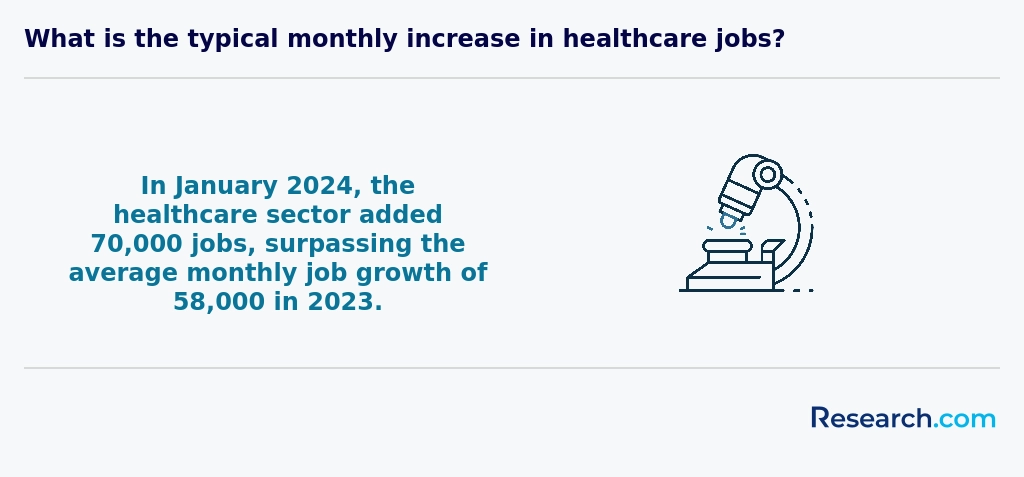
Diving into an online healthcare management degree in the Midwest, you'll quickly find courses that blend healthcare insight with business savvy. Graduates from well-known Midwestern universities often recount how foundational classes like healthcare systems and policy brought the complex U.S. healthcare landscape to life, especially highlighting the unique challenges of both bustling cities and rural areas surrounding them.
Picture yourself mastering financial management skills-budgeting, accounting, and strategic planning tailored specifically for healthcare settings-just as many students have, readying for the hefty operational expenses that Midwestern hospitals face daily. The excitement grows as you explore healthcare informatics, learning to wield data through electronic health records, much like peers from Chicago-area schools who now confidently oversee data systems across diverse medical networks.
Electives such as healthcare law and ethics captivate with real-world debates on patient privacy and HIPAA rules, while leadership courses empower you to navigate staff management challenges. These lessons turn theory into tangible, career-launching skills that resonate deeply with students eager to improve healthcare outcomes in their communities.
Diving into online healthcare management specializations Midwest programs reveals a vibrant spectrum tailored to ambitious learners. Graduates from popular colleges in Illinois and Ohio often share excitement about specializing in Healthcare Administration, where they step into leadership shoes managing clinics and hospitals. Others find joy in Health Informatics, merging healthcare with tech to improve digital records and decision-making-imagine transforming patient care through data! Some even pursue Public Health Management, focusing on community wellness and preventive strategies that feel deeply impactful.
Long-Term Care Administration speaks to those drawn to elder care management amid the Midwest's aging population, while Financial Management in Healthcare attracts students fascinated by budgeting and financial strategy, a vital skill as healthcare costs rise. These specializations create a powerful connection to real-world needs and opportunities. Midwest universities offer these diverse tracks online, empowering students to explore and grow.
For a truly dynamic journey, explore accelerated online mba healthcare management programs to dive deeper, shaping your career with speed and focus.
Choosing the best online healthcare management programs Midwest means diving into real-world experiences and possibilities. Graduates from popular universities often recall how programs that embraced regional healthcare issues, like rural health challenges in Iowa or policy shifts in Illinois, made their studies feel immediately relevant and exciting. Imagine tailoring your degree with electives on data analytics or financial management while juggling a busy schedule-many online programs in the Midwest offer that flexibility.
Affordable tuition ranks high on the list, too. Students often share relief when finding options that align with budget realities without sacrificing quality, especially when public universities keep costs between $12,000 to $20,000 annually. Exploring options like the affordable online mba healthcare management programs can open doors while keeping finances manageable.
Accreditation and job placement rates also guide many adventures in education. Graduates appreciate programs recognized by CAHME for adding credibility and value in a competitive job market. Plus, career services that support resume crafting and internships often create the bridge from study to job, enhancing confidence along the way.
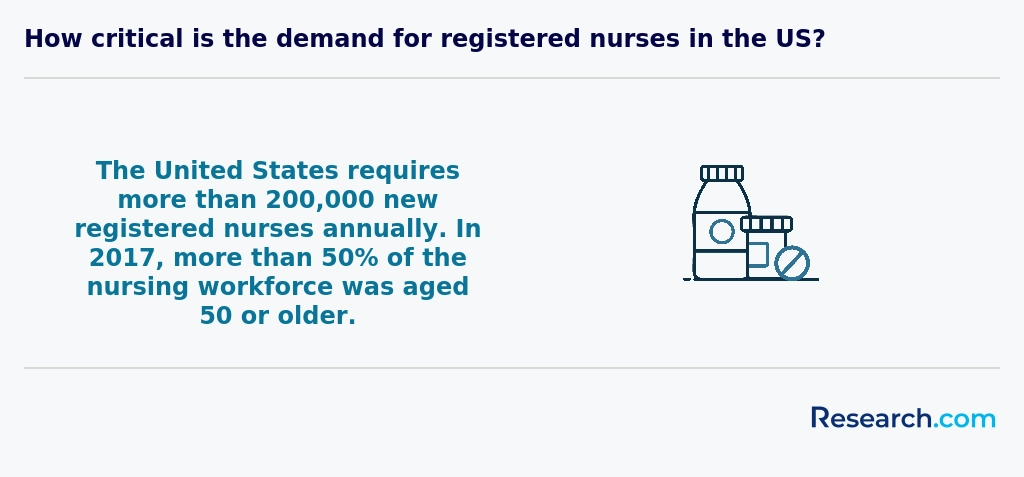
Exploring online healthcare management careers Midwest reveals a treasure trove of opportunities. Graduates often step into vibrant roles such as healthcare administrators, practice managers, or operations managers, leading teams in bustling hospitals or community health centers. Many discover rewarding paths in specialized fields like health informatics or healthcare consulting, where the blend of data and decision-making shapes patient care in exciting ways.
Imagine a graduate from a well-known Midwestern university navigating the complexities of a major hospital in Chicago or managing integrated care systems in Ohio. Their daily work might balance budgets, implement telehealth programs, or improve rural clinic operations, fueling both professional growth and community impact. The variety available makes each day a new adventure, full of meaningful challenges and leadership opportunities.
Choosing a Midwest program like those found at regional colleges not only opens doors but also often comes with more affordable tuition. Students benefit from strong job growth in the area and discover how affordable online degrees in healthcare administration can be their launchpad into this dynamic field.
The Midwest presents an exciting landscape for graduates with an online healthcare management degree, where the demand for skilled professionals continues to surge. Graduates from popular institutions find themselves stepping into roles as healthcare administrators or clinical managers within bustling health systems across Illinois and Ohio. These positions offer a chance to impact the efficiency and quality of care in hospitals and clinics, making day-to-day work deeply rewarding.
Students pursuing online healthcare management jobs in the Midwest feel encouraged by competitive salaries, often ranging between $90,000 and $110,000 annually, with urban hubs like Chicago providing especially attractive compensation. This blend of financial prospect and meaningful work energizes many who balance their studies alongside professional or family commitments.
Experiencing flexible degree programs from well-regarded Midwest colleges allows learners to thrive while tapping into a thriving job market. Resources like the Midwest Healthcare Executives Network emphasize this growth, reinforcing confidence in future opportunities. For those curious about the financial outlook of healthcare roles, mba healthcare management jobs salary data confirms positive trends that invite exploration.
Midwest healthcare management employment outlook is bright, anchored by expanding healthcare infrastructures needing savvy administrators to navigate complex regulations. This evolving environment offers graduates a dynamic, engaging career path brimming with possibility.
2027 Most Valuable Online Master's in Healthcare Management Degree Programs Ranking in the Midwest
Investing in your education is a significant decision that can shape your future, and the Research.com team understands the importance of making informed choices. To assist prospective students interested in healthcare management, we have carefully developed the "2027 Most Valuable Online Master's in Healthcare Management Degree Programs Ranking in the Midwest." Our commitment to quality, credibility, and accuracy is demonstrated through rigorous research and analysis conducted to compile this ranking.
We utilized the following reputable data sources to ensure a comprehensive evaluation of master's programs:
By exploring this ranking, readers will gain valuable insights into quality online healthcare management programs in the Midwest, enabling well-informed educational decisions. For more details on how this ranking was created, please visit our Research.com methodology page.
# 2 position
University of Cincinnati
Master of Pharmaceutical Science in Health Outcomes and Pharmacoeconomics


# 5 position
Walden University
Master of Healthcare Administration





# 12 position
The Ohio State University at Columbus
Master of Pharmaceutical Sciences with a Specialization in Health-System Pharmacy Administration and Leadership



# 16 position
Southern Illinois University-Edwardsville
Master of Business Administration- Healthcare Administration


Frequently Asked Questions About healthcare management
Students pursuing online healthcare management degrees in the Midwest can enhance their learning by actively engaging with course materials and participating in virtual discussions. The flexibility of online programs requires strong time management skills to balance study with other commitments. Many Midwestern universities offer access to healthcare databases and case studies tailored to regional industry trends, which helps students connect theory with real-world practice. According to the Midwest Healthcare Managers Association, internships and networking with local healthcare providers increase job readiness and professional growth. Utilizing university career services and seeking mentorship opportunities within Midwest healthcare systems also proves beneficial for student success.
Emerging niches within the healthcare management field reflect the growing complexity of healthcare systems, especially in the Midwest. One key area is health informatics, which focuses on managing patient data and improving healthcare delivery through technology. According to the Bureau of Labor Statistics, jobs in healthcare IT are growing faster than the national average.
Another niche is population health management, where managers develop strategies to improve community health, a priority in Midwestern states with diverse rural and urban populations.
Behavioral health management is also expanding due to increased awareness of mental health issues. Professionals specializing in this field help design programs to integrate behavioral and physical healthcare services, which is vital in states like Michigan and Ohio.
Preparing for the job market after earning an online healthcare management degree in the Midwest starts with gaining relevant experience. Internships and practicum opportunities, often part of online programs, are vital for building practical skills and professional connections. According to the U.S. Bureau of Labor Statistics, Midwest states like Illinois and Ohio are projected to grow healthcare management jobs by about 11% through 2030, emphasizing strong regional demand.
Networking with local healthcare organizations and attending industry conferences can provide valuable insights and job leads. Certification options, such as the Certified Healthcare Manager (CHM), also boost employability by validating expertise. Additionally, tailoring resumes to highlight leadership, data analytics, and regulatory knowledge enhances candidates' appeal to employers focused on efficient healthcare delivery and compliance.
Employers in the Midwest seek healthcare management graduates who demonstrate a blend of leadership, analytical, and communication skills. According to the U.S. Bureau of Labor Statistics, strong organizational abilities are vital, as managers often coordinate between clinical staff and administrative teams. Financial acumen is also critical; graduates should understand budgeting, healthcare laws, and insurance processes to optimize facility operations.
Data management is increasingly important due to the rise of electronic health records (EHRs). The Illinois Health and Hospital Association highlights proficiency in health informatics as a top skill. Additionally, cultural competency and ethical decision-making rank high, reflecting the region's diverse population and regulatory environment.
Finding internships in the Midwest for healthcare management students involves strategic research and networking. Many hospitals, clinics, and healthcare organizations in states like Illinois, Michigan, and Ohio actively offer internship programs designed to develop management skills. The Midwest Healthcare Executives Network reports that nearly 60% of healthcare institutions in this region partner with universities for internship placements.
Start by exploring the career services of your online university; they often maintain regional internship listings. Additionally, platforms such as Handshake and the Healthcare Financial Management Association's internship board list local opportunities.
Contact state hospital associations, like the Illinois Hospital Association, which frequently post internships relevant to healthcare management. Leverage LinkedIn to connect with local professionals and alumni who can provide guidance or referrals.
Midwest internships typically focus on administration, patient services, and data management, offering practical experience to complement your degree coursework.
An online healthcare management degree significantly enhances career mobility and advancement opportunities in the Midwest. According to the U.S. Bureau of Labor Statistics, healthcare management roles in the Midwest are projected to grow by 11% between 2022 and 2032, faster than the average for all occupations. This growth creates increasing demand for qualified professionals with specialized knowledge.
Employers in the region often prefer candidates with graduate-level credentials, as these degrees demonstrate advanced skills in healthcare policy, finance, and leadership. An online format allows working professionals to balance education with their current roles, facilitating timely career progression.
Graduates frequently secure leadership positions in hospitals, clinics, and insurance firms, benefiting from networking opportunities provided by accredited Midwestern universities.
Studying for an online healthcare management degree in the Midwest equips students with skills essential for interdisciplinary collaboration. Programs in this region emphasize integrating knowledge from business, public health, and clinical disciplines, preparing graduates to work across varied healthcare settings. According to the Midwest Center for Health Workforce Studies, nearly 60% of healthcare roles require managers to coordinate teams including clinicians, IT specialists, and policy makers.
Midwestern universities often partner with local hospitals and public health organizations, providing students real-world case studies that focus on teamwork and communication. These experiences enhance their ability to navigate complex healthcare systems.
Courses typically cover healthcare law, ethics, and informatics, fostering broad competencies needed in interdisciplinary roles. This comprehensive approach aligns with national trends reported by the American College of Healthcare Executives, highlighting a growing demand for leaders adept in multiple health domains.
When choosing between a thesis and a non-thesis online healthcare management degree program in the Midwest, consider your career goals first. Thesis options often appeal to students aiming for research roles or doctoral studies, requiring original research and a formal paper.
Non-thesis programs generally focus on practical skills and coursework, making them suitable for professionals seeking leadership roles within hospitals or healthcare organizations. According to the Midwest Center for Healthcare Workforce Development, demand for healthcare managers with applied experience is growing 12% annually in the region, emphasizing practical training.
Also, thesis programs typically take longer-on average 24 months versus 18 months-and may require closer faculty mentorship, which can be limited in online formats.
Your decision should align with your intended career path and learning preferences.
Students in the Midwest seeking to study healthcare management abroad often face limited options due to the nature of online degree programs offered predominantly by US institutions. Few international universities provide fully online healthcare management degrees tailored to meet US accreditation standards.
Midwestern students interested in international perspectives can explore study-abroad programs or exchange partnerships facilitated by their home universities, although these typically supplement rather than replace their primary online degree.
According to the National Center for Education Statistics, less than 10% of accredited healthcare management online programs in the US have formal international study components.
Some programs include virtual internships or global healthcare case studies to broaden students' understanding without leaving the Midwest.
Part-time job opportunities in the Midwest that complement healthcare management degree education often involve roles within healthcare facilities and administrative settings. Positions such as medical office assistant, patient services coordinator, and health information technician are commonly available. These jobs provide practical exposure to healthcare workflows and data management, aligning well with academic learning.
According to the U.S. Bureau of Labor Statistics, healthcare support roles in the Midwest are projected to grow by 15% from 2022 to 2032, indicating increasing availability of such positions. Working part-time in these fields can enhance a student's understanding of healthcare operations while balancing study demands.
Additionally, many hospitals and clinics in the region seek part-time employees for compliance support and quality assurance tasks, which are directly related to healthcare management competencies.
Online healthcare management students in the Midwest benefit from a variety of networking opportunities despite the virtual format. Many universities organize regional events and virtual career fairs designed to connect students with local healthcare organizations. Professional associations such as the American College of Healthcare Executives (ACHE) have active Midwest chapters that host networking events and workshops, often accessible online.
Additionally, healthcare systems in states like Illinois and Ohio frequently partner with universities to offer internships and mentorships for online students. According to the Midwest Health Care Report 2023, over 70% of healthcare management students find internships through such networks. These connections are vital for career advancement in this region's leading healthcare markets.
Alumni networks offer valuable benefits for students pursuing online healthcare management degrees in the Midwest. These networks provide access to a community of professionals who understand the regional healthcare landscape and employment market. According to the Midwest Healthcare Alumni Association, nearly 70% of job placements for graduates come through connections made within alumni groups.
Networking opportunities help students find internships, mentorships, and job openings in states like Illinois, Ohio, and Michigan, where healthcare demand is rapidly growing. Alumni can share insights about local healthcare regulations and leadership trends, enhancing students' practical knowledge.
Moreover, alumni often host webinars and events tailored to healthcare management in the Midwest, fostering ongoing professional development. This support system is crucial for online students who may lack in-person campus interactions but still need strong career guidance.
Customizing your online healthcare management degree program in the Midwest allows you to align education with specific career goals. Many Midwestern universities offer specialization tracks such as healthcare informatics, policy, or finance, letting students focus on their area of interest. You can also choose elective courses related to regional healthcare challenges, like rural health management, which is particularly relevant given the Midwest's large rural populations (source: Rural Health Information Hub, 2023).
Additionally, programs often include practical experiences such as internships or capstone projects with Midwestern hospitals or healthcare organizations. This hands-on approach helps build relevant skills and professional networks. Online formats typically provide flexibility in pacing, enabling you to balance work while advancing your education.
Online healthcare management students in the Midwest often face challenges related to balancing work, family, and study commitments. Many students are working professionals, making time management a critical issue. According to the National Center for Education Statistics, about 60% of online learners in the US are employed full time, which impacts their course pacing and deadlines.
Another challenge is access to reliable internet and technology. Rural areas in states like Nebraska and Kansas still experience connectivity issues, which can affect participation in live lectures and timely submission of assignments.
Additionally, students sometimes report limited local networking and mentorship opportunities that are easily available to on-campus peers. This can affect career growth and access to healthcare industry professionals.
Finally, navigating state-specific licensing and healthcare regulations within online coursework requires focused attention, as healthcare laws vary across Midwestern states.
With an online healthcare management degree, professionals in the Midwest can pursue several key certifications to enhance their careers. The most recognized is the Certified Professional in Healthcare Management (CPHM), which validates skills in management, finance, and healthcare law.
Another valuable credential is the Certified Healthcare Financial Professional (CHFP), focused on financial practices in healthcare settings. The Fellow of the American College of Healthcare Executives (FACHE) is widely respected, requiring a combination of education, experience, and exam success.
According to the American College of Healthcare Executives, nearly 30% of healthcare managers in the Midwest hold professional certification, highlighting its career importance.
Writing a winning application for an online healthcare management program in the Midwest requires clarity and relevance. Applicants should highlight their professional experience in healthcare or administration, as many Midwestern programs value practical background. According to the American College of Healthcare Executives, leadership and problem-solving skills are key assets to feature.
Strong letters of recommendation from supervisors or professors familiar with healthcare can enhance your profile. Additionally, a well-crafted personal statement should explain your career goals and why a Midwestern online program fits your needs, referencing regional healthcare challenges such as rural health disparities reported by the Midwest Health Initiative.
Applicants must meet GPA and prerequisite requirements; typically, a minimum 3.0 GPA is competitive. Emphasizing any previous coursework or certifications in healthcare administration is beneficial.
Finally, demonstrating familiarity with Midwest healthcare trends and the program's curriculum shows genuine interest and readiness.
Healthcare management careers are increasingly viewed through a global lens, emphasizing skills in leadership, policy, and technology. Professionals trained in the Midwest benefit from U.S. standards that align closely with international healthcare systems. According to the U.S. Bureau of Labor Statistics, healthcare management jobs are projected to grow 28% from 2021 to 2031, reflecting global demand for effective health administrators.
The Midwest hosts key healthcare hubs adapting to worldwide trends like digital health records and data analytics. Programs often incorporate these elements, preparing graduates to work in various global contexts.
Expertise gained in online healthcare management degrees in this region often translates well abroad due to the emphasis on regulatory knowledge and operational efficiency.
Gaining practical experience while studying for an online healthcare management degree in the Midwest is essential for career advancement. Many programs encourage students to complete internships or practicums at local healthcare facilities, such as hospitals, clinics, or public health organizations. These hands-on experiences allow learners to apply theoretical knowledge in real-world settings.
Additionally, Midwest states often have partnerships with healthcare providers, easing access to placements. For example, according to the Illinois Department of Public Health, internships improve job readiness and networking opportunities. Some universities also offer virtual simulations and case studies to complement fieldwork, helping students develop critical decision-making skills without physical presence.
Choosing the right concentration within an online healthcare management degree in the Midwest depends on your career goals and the region's industry demands. The Midwest hosts a large healthcare workforce, with states like Illinois and Ohio experiencing growth in healthcare administration roles, according to the U.S. Bureau of Labor Statistics (2023). Common concentrations include health informatics, hospital management, and policy administration. Health informatics is gaining traction as digital records become standard. Hospital management focuses on operational leadership, while policy prepares students for public health roles. Researching job openings in your state can help align your concentration with local market needs and future opportunities.
- Key Challenges Facing Healthcare Administrators https://slchc.edu/healthcare-administrator/healthcare-administration-career/key-challenges-facing-healthcare-administrators/
- The Biggest Challenges Healthcare Managers Face Today - Oxford Training Centre https://oxfordcentre.uk/resources/healthcare-management/the-biggest-challenges-healthcare-managers-face-today/
- Iowa Health Administration Degree Programs https://www.healthadministrationdegrees.com/states/iowa/
- 5 Healthcare Management Master's Concentrations - Healthcare Management Degree Guide https://www.healthcare-management-degree.net/list-articles/healthcare-management-masters-concentrations/
- Top 7 Career Paths with an International Health Management Degree | BSBI https://www.berlinsbi.com/blog/top-7-career-opportunities-after-an-international-health-management-degree
- Networking https://www.whcm.org/networking/
- Trends and opportunities in healthcare across emerging markets - Inizio https://inizio.com/insights/trends-and-opportunities-in-healthcare-across-emerging-markets/
- 6 Tips On Networking For Medical Professionals https://aaams.net/blog/how-to-network-in-the-medical-field-nurses/
- Online Bachelor of Science in Health Care Management | Illinois College https://www.ic.edu/healthcare-mgmt/online
- BSHA - Healthcare Administration Degree Online at Aurora University https://online.aurora.edu/online-degrees/bsha-bachelor-science-healthcare-administration/