2027 Best Online Master's in Healthcare Management Degree Programs Ranking in Texas

Co-Founder and Chief Data Scientist
Choosing the right healthcare management degree program can feel overwhelming, especially with so many options available online. That's why this article presents the 2027 Best Online Master's in Healthcare Management Degree Programs Ranking in Texas, developed by Research.com's team of data scientists.
This ranking aims to guide Texas students toward programs that combine quality education with flexible learning. Pursuing a healthcare management degree opens doors to rewarding careers that make a real difference in people's lives.
Explore this article to find trusted information and take confident steps toward your future in healthcare leadership.
Key benefits of getting online healthcare management degree in Texas
- Healthcare management graduates in Texas can expect competitive earnings, with general U.S. healthcare management roles averaging around $70,000 annually, supporting financial stability and growth.
- Graduates from Texas universities often pursue diverse careers such as hospital administration, health services management, or consulting, offering exciting opportunities to impact healthcare systems.
- Completing a healthcare management degree online from a Texas institution provides flexibility to balance work and study, allowing students to advance their education without disrupting their personal lives.
- 2027 Best Online Master's in Healthcare Management Degree Programs Ranking in Texas
- What can I expect from online healthcare management degree in Texas?
- Where can I work with online healthcare management degree in Texas?
What can I expect from online healthcare management degree in Texas?
The average cost of an online healthcare management degree in Texas typically ranges from $15,000 to $40,000, depending on the institution and program length. Graduates from popular schools like the University of Texas or Texas A&M often share how this investment felt manageable compared to the value gained through flexible schedules and tailored Texas-specific coursework.
Many students appreciate how programs blend asynchronous learning with occasional live sessions, which helps balance work, family, and study commitments. One graduate recounted managing a full-time job while completing practicum hours at a local hospital in Houston, highlighting the real-world experience Texas programs emphasize.
Financially, the costs align with the practical benefits-courses focus on Texas healthcare policies such as Medicaid and Medicare, preparing students thoroughly for leadership roles in Texas' unique healthcare environment. Graduates often feel empowered knowing their education addresses local challenges, which makes the expenses worthwhile as they advance in careers offering median salaries between $85,000 and $120,000.
Where can I work with online healthcare management degree in Texas?
Graduates with an online healthcare management degree in Texas find a wealth of career opportunities across the state's thriving healthcare landscape. Many from programs at institutions like the University of Texas and Texas A&M step confidently into roles managing hospital operations, where they lead teams, optimize patient care, and navigate complex regulations. Imagine yourself in a bustling Texas Medical Center hospital in Houston, making decisions that improve outcomes for thousands of patients daily.
Others have carved fulfilling paths in nursing homes and outpatient centers, addressing the unique challenges of an aging population. These graduates often share how coursework prepared them to handle budgeting and staffing with confidence, directly benefiting the communities they serve. Careers in public health agencies also attract graduates passionate about advancing community health initiatives and emergency preparedness across urban and rural Texas alike.
Healthcare consulting firms and pharmaceutical companies in Dallas and Houston eagerly hire these professionals to innovate and streamline services. The rapidly growing demand across Texas-reflected by a projected 23% job growth-means graduates are stepping into roles filled with purpose and growth potential every day.
Graduates with an online healthcare management degree in Texas often find themselves stepping into rewarding roles with salaries that reflect both their dedication and the state's robust healthcare industry. While specific salary data from the U.S. Bureau of Labor Statistics is unavailable, real-world examples from Texas graduates paint a clear picture. For instance, alumni from well-known programs like those at the University of Texas or Texas A&M have shared experiences of starting out with salaries in the $65,000 to $80,000 range in community hospitals or smaller clinics.
As these graduates gain experience, especially in vibrant metro areas like Houston or Dallas, their earning potential frequently rises to between $100,000 and $130,000. This growth is often fueled by additional certifications, such as the Certified Healthcare Manager credential, and advanced degrees. Imagine managing a large hospital system in Dallas-Fort Worth, where you might earn even more due to the high demand and concentration of healthcare networks.
Texas's lower cost of living compared to other states further enhances the value of these salaries, enabling graduates to enjoy a comfortable lifestyle while making a positive impact on community health. With perseverance and the right focus, your healthcare management degree can open doors to leadership roles with meaningful compensation.
- Healthcare management jobs in Texas are expected to grow about 18% from 2020 to 2030, faster than average for all occupations.
- Annual in-state tuition for master's programs at public universities ranges from $7,000 to $15,000, while private schools charge between $20,000 and $35,000.
- Entry-level salaries average around $65,000 per year, with experienced managers earning between $90,000 and $120,000 annually.
- Programs focus on healthcare policy, leadership, finance, and information systems, often with accreditation from CAHME or regional bodies like SACSCOC.
- Graduates benefit from networking within Texas's large healthcare industry, including hospitals, public health, and private providers.
Completing an online healthcare management degree in Texas typically takes between 18 months and 3 years, depending on your pace and program structure. Many students at well-regarded Texas universities find that full-time study lets them finish in about 18 to 24 months, while part-time learners-often balancing demanding jobs-take closer to three years. This flexibility is a blessing for working professionals eager to advance their careers without pausing their lives.
Programs usually require 30 to 45 credit hours, roughly 10 to 15 courses. Some students choose accelerated tracks offered by schools known for their healthcare programs, like those in Houston or Dallas, cutting completion to 12-18 months. However, this path demands dedication and a strong commitment.
Graduates frequently share how balancing prerequisites or capstone projects challenged them but also enriched their learning experience, preparing them to lead confidently in Texas's growing healthcare sector. This blend of flexibility and structure ensures you can tailor your journey while meeting professional goals.
Choosing between online and on-campus healthcare management degrees in Texas often comes down to your lifestyle and learning preferences. Graduates from popular institutions like the University of Texas at Austin appreciate how online programs offer unmatched flexibility, allowing them to balance family, work, and study at their own pace. Imagine completing coursework late at night after a day at the hospital, a freedom that on-campus schedules can rarely provide.
On the other hand, students attending on-campus programs at schools such as Texas State University often cherish the face-to-face interaction and networking opportunities. Being physically present means engaging in lively campus discussions and collaborating directly with professors and peers, which sparks inspiration and builds lasting professional connections.
Cost plays a practical role too. Online learners frequently save on commuting and housing, although tuition fees can be similar. For internships, on-campus students benefit from more structured placement assistance through established local healthcare partnerships, while online students learn to navigate these independently-an empowering experience in itself.
- Online programs provide greater schedule flexibility with asynchronous learning options.
- On-campus programs offer more direct social interaction and in-person networking.
- Tuition costs vary, but online students may save on housing and transportation.
- Access to internships may be more structured on-campus due to institutional partnerships.
The average cost of an online healthcare management degree in Texas generally centers around $13,000 for in-state students, making it an accessible option for many. Graduates from popular Texas institutions like the University of Texas and Texas A&M University often highlight how these relatively modest tuition fees, compared to private schools, allowed them to pursue their educational goals without overwhelming debt. These public universities typically offer comprehensive programs where tuition costs form only part of the total expenses, so it's wise to budget for technology fees and materials too.
For those exploring the total tuition fees for healthcare management degree Texas options, private universities usually carry higher price tags, sometimes doubling the in-state public rates. However, many learners share optimistic experiences about accessing scholarships and employer tuition reimbursement programs that significantly ease the financial burden. Understanding these avenues can turn what seems like a costly investment into a rewarding career step.
Programs often charge tuition per credit hour, ranging between $500 and $1,200, with degree lengths spanning 30 to 45 credits. These factors together shape the total cost, and planning accordingly can help you maintain financial balance during your studies. If you want to explore accelerated pathways, some students successfully reduce time and costs through a healthcare administration accelerated degree.
Taking the time to align your choices with budget realities while focusing on quality education in Texas will serve you well on your path to a fulfilling healthcare management career.
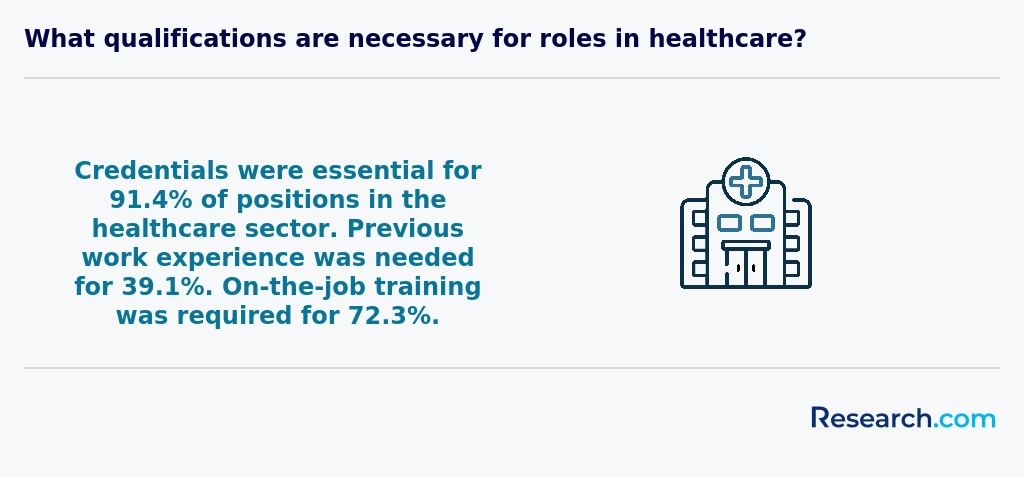
Many students pursuing online healthcare management degrees in Texas find that financial aid can transform their educational journey from a daunting expense into an achievable goal. Graduates from well-known institutions like the University of Texas and Texas A&M often credit federal aid, especially Direct Unsubsidized Loans, for making their studies possible. Completing the FAFSA early is key, as it unlocks access to these loans and potentially Pell Grants for undergraduates.
State-specific programs add another layer of support. For example, students at Texas Tech University benefit from the Texas Higher Education Coordinating Board's grants and tuition exemptions, which can lighten the financial load substantially. Imagine a working professional balancing family and job responsibilities while their employer reimburses tuition-this employer assistance is a game-changer for many online learners across Texas.
Scholarships from groups like the American College of Healthcare Executives or local healthcare systems provide practical relief, turning dreams into realities. These opportunities help students focus on learning and growth rather than just costs, making the path to a healthcare management degree feel truly attainable.
To enroll in an online healthcare management degree in Texas, you'll generally need a bachelor's degree from an accredited institution, though it doesn't always have to be in healthcare or business. Many graduates from universities like the University of Texas or Texas A&M shared how their varied backgrounds gave them unique perspectives in class, helping them stand out.
Official transcripts demonstrating solid academic performance are essential, with many programs favoring a minimum 3.0 GPA. However, if your GPA is a bit lower, relevant professional experience in healthcare settings such as hospitals or clinics often balances that out. Graduates often emphasize how their real-world experience brought concepts to life during their studies.
While GRE scores are less commonly required nowadays-especially for those with strong academic records or experience-it's wise to check specific program requirements at schools like Texas State University. Submitting letters of recommendation, a personal essay, and sometimes interviewing shows your dedication and readiness for this competitive field.
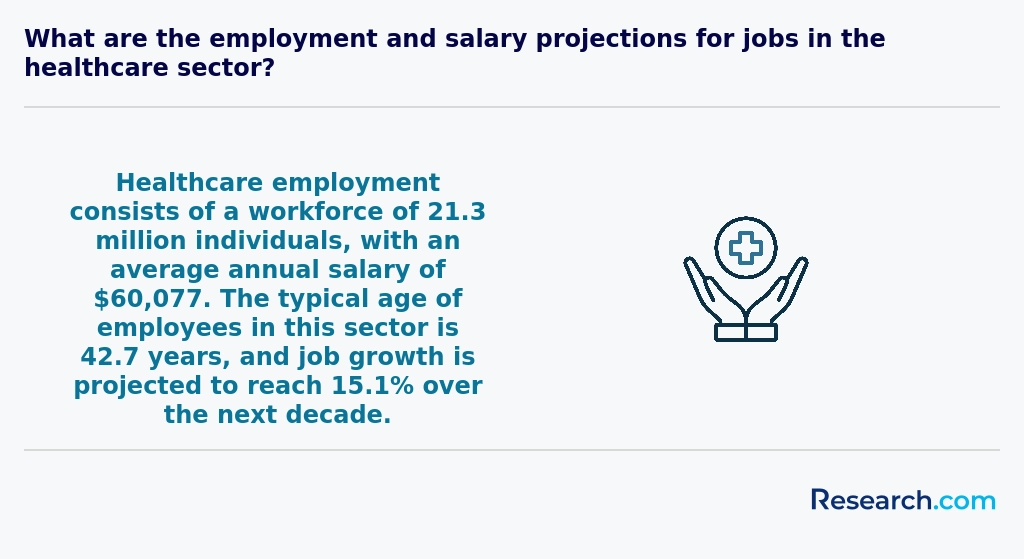
When pursuing an online healthcare management degree in Texas, you'll encounter courses designed to build both your expertise and confidence for leadership roles. Graduates from well-regarded institutions like the University of Texas system often highlight how Healthcare Systems and Policy opened their eyes to the complexities of Texas's diverse healthcare landscape, from urban medical hubs in Houston to rural clinics.
Courses such as Healthcare Finance and Economics equip you with budgeting skills critical for managing hospital resources efficiently, while Healthcare Law and Ethics prepares you to navigate patient rights and compliance issues-a must-have in today's regulatory environment.
Students frequently share how Health Information Systems and Informatics make real their vision of improving patient care through technology, bridging classroom learning with practices seen in Dallas-area health systems. Practical classes like Healthcare Operations Management and Strategic Planning and Leadership teach you team management and operational excellence, vital for driving positive changes in any healthcare setting.
Finally, Population Health and Epidemiology course material resonates deeply, especially given Texas's growing and diverse populations, preparing you to tackle real-world health challenges with informed strategies.
When pursuing online healthcare management specializations in Texas, you'll find a variety of focused tracks designed to elevate your skills in real-world settings. Graduates from institutions like the University of Texas and Texas A&M often highlight specializations such as healthcare informatics, where they learn to harness technology to enhance patient care and improve data management-critical skills as Texas hospitals adopt more digital systems.
Another common concentration involves healthcare policy and administration, equipping students to effectively lead organizations while navigating the state's complex regulatory environment. This area prepares graduates to make a meaningful impact on healthcare delivery within Texas's diverse and evolving demographic landscape.
Students also explore health services management, learning to oversee daily operations in hospitals or eldercare facilities. This practical focus on finance and human resources resonates deeply with graduates, especially in a state expecting significant growth in medical management roles. For anyone wondering how long does it take to get a healthcare administration degree, choosing the right specialization can refine career goals and increase job satisfaction.
When choosing the best online healthcare management degree in Texas, accreditation is your first compass. Graduates from well-regarded Texas institutions often share how regional and CAHME accreditation opened doors to trusted employers. Imagine immersing yourself in courses tailored to Texas's healthcare policies, finance, and law-giving you a competitive edge in a state with over 400,000 healthcare managers.
Affordability plays a big role, too. Many find that the best online healthcare management degree Texas programs balance cost and quality, with tuition ranging from $15,000 to $40,000. One graduate I know pursued an online program because it fit their budget without sacrificing the depth needed for career growth.
Flexibility is key, especially if you're working full-time. Popular Texas colleges offer asynchronous classes letting you study on your schedule, some finishing in just 18 months. Hands-on support from career services and ties to local hospitals often transform learning into real opportunities.
For foundational studies, don't overlook options like an online associate degree in healthcare administration to build core skills affordably before advancing to a master's.
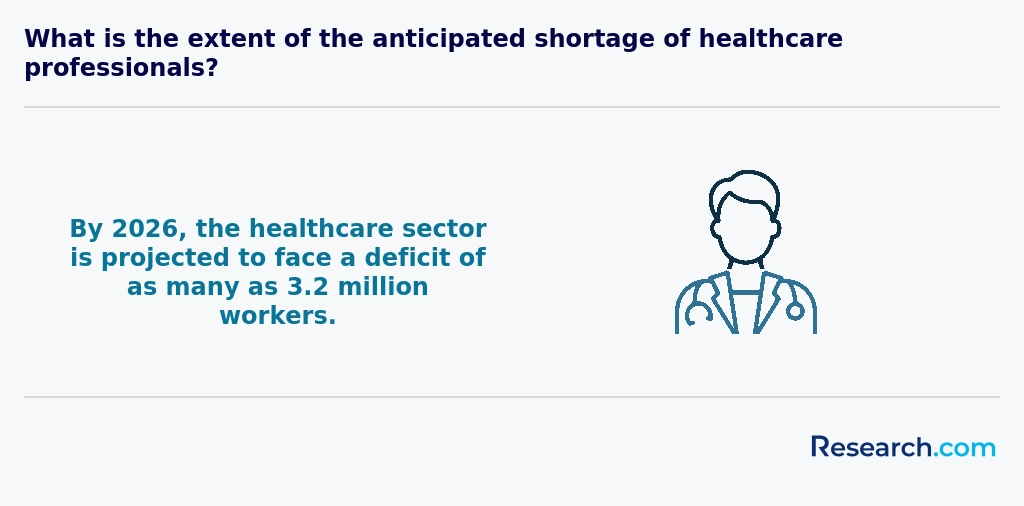
Graduates with an online healthcare management degree in Texas unlock diverse career opportunities that match the state's booming healthcare industry. Many step into healthcare administration roles, managing hospitals or clinics where they apply their skills overseeing budgets, staff, and compliance. Texas A&M and the University of Texas system offer strong programs whose graduates often share how this practical experience prepares them to lead in dynamic environments. Others find rewarding work in health informatics, handling electronic health records and improving decision-making through data. In fact, healthcare management job opportunities Texas also include roles in policy and consulting, where graduates contribute to shaping health initiatives tailored to Texas' diverse communities. These paths provide meaningful impact and career growth. For those exploring options, discovering the cheapest healthcare administration online programs can be a smart first step toward entering these promising fields.
The job market for graduates with an online healthcare management degree in Texas is thriving, fueled by a rapidly growing healthcare sector and rising demand for skilled managers. Graduates from institutions like the University of Texas and Texas A&M often find themselves stepping into leadership roles across hospitals, clinics, and insurance companies throughout the state. These professionals navigate diverse environments-from bustling urban centers to rural healthcare facilities-gaining valuable experience and advancing quickly in their careers. Many alumni express confidence knowing their degree matches the needs of employers who prize flexibility and expertise in healthcare policy and technology.
Understanding the healthcare management career outlook Texas reveals promising salary potential, especially in metropolitan areas such as Houston and Dallas. Salaries frequently surpass six figures, reflecting the industry's high value on managerial talent. For those evaluating financial priorities, it's worth exploring the mba with healthcare concentration salary to weigh the return on investment. This sector offers a unique blend of personal fulfillment and professional growth, making it an inspiring path for driven students eager to make a lasting impact.
Those seeking online healthcare management jobs Texas find themselves well-positioned thanks to strong healthcare infrastructure and ongoing expansions. Graduates benefit from robust job availability and specialized skills that meet contemporary healthcare challenges, empowering them to contribute meaningfully to patient care and organizational success.
2027 Best Online Master's in Healthcare Management Degree Programs Ranking in Texas
Investing in your education is a significant decision that can shape your future, and the Research.com team understands the importance of making informed choices. To assist prospective students in Texas, we have meticulously crafted the "2027 Best Online Master's in Healthcare Management Degree Programs Ranking in Texas." Our commitment to quality, credibility, and accuracy is reflected in the extensive research and analysis conducted to compile this ranking.
We utilized the following reputable data sources to ensure a comprehensive evaluation of online healthcare management programs:
By exploring this ranking, readers will gain valuable insights into the best online master's programs in healthcare management available in Texas, enabling them to make well-informed decisions about their educational journey. For more details on our methodology, please visit our Research.com methodology page.


Frequently Asked Questions About healthcare management
Online healthcare management degree students in Texas can enhance their learning by actively engaging with their coursework and leveraging available resources. Participating in virtual discussions and group projects helps build professional networks, which are crucial in Texas's large healthcare sector. According to the Texas Workforce Commission, healthcare management jobs are expected to grow 16% by 2030, highlighting the value of practical knowledge and connections. Students should also utilize academic advising and career services offered by their institutions to align studies with industry demands. Staying current with Texas-specific healthcare policies and regulations further strengthens their expertise and employability.
The healthcare management field is evolving rapidly with several emerging niches gaining prominence. One key area is health informatics, which focuses on managing patient data and improving healthcare delivery through technology. Texas hospitals are increasingly adopting electronic health records, creating strong demand for managers skilled in this niche.
Another growing specialty is population health management, where professionals analyze community health trends to design effective programs. Texas, with its diverse population, sees rising investment in this sector to address chronic diseases and social determinants of health.
Finally, telehealth administration is expanding as remote healthcare services grow, particularly boosted by recent policy changes in Texas encouraging virtual care access.
Graduates with an online healthcare management degree in Texas should begin preparing early for the job market by gaining relevant experience through internships or volunteer opportunities. Texas' healthcare sector is one of the largest in the nation, employing over 1.3 million people, according to the Texas Workforce Commission.
Networking is crucial; joining professional organizations like the Texas Healthcare Trustees or the American College of Healthcare Executives can provide valuable connections and job leads. Additionally, obtaining certifications such as the Certified Healthcare Executive (CHE) can enhance employability.
Developing strong skills in healthcare laws, technology, and data analysis is also important, as Texas healthcare employers value these competencies heavily.
Employers seeking healthcare management graduates in Texas prioritize strong leadership and communication skills. These skills enable professionals to effectively manage teams and interact with diverse healthcare stakeholders. Analytical abilities are essential, helping graduates interpret data to improve healthcare operations and patient outcomes. Knowledge of healthcare regulations, especially Texas-specific policies, is highly valued due to the state's unique legal framework.
Additionally, proficiency in healthcare technology and information systems is increasingly important, reflecting the digital transformation in medical facilities. The Texas Workforce Commission notes that demand for healthcare managers with these skills is expected to grow by 18% through 2030, emphasizing their relevance in the state's healthcare sector.
Finding internships in Texas relevant to a healthcare management degree requires targeting organizations with strong healthcare sectors. Texas hosts numerous hospitals, health systems, and public health agencies offering internship opportunities, particularly in cities like Houston, Dallas, and Austin.
To start, students should utilize university career centers linked to their online programs, as many schools partner with local healthcare providers for placements. Websites like Handshake and Texas Workforce Commission's portal also list healthcare internships. Networking through professional groups such as the Texas Healthcare Trustees can be valuable.
According to the Texas Health and Human Services Department, healthcare employment in Texas grew by 10.3% from 2019 to 2022, reflecting increased internship availability. Internships typically focus on hospital administration, health policy, and data management roles.
An online healthcare management degree in Texas significantly enhances career mobility by equipping graduates with skills in leadership, policy, and healthcare systems. Texas's growing healthcare industry, projected to add over 100,000 new jobs by 2030 according to the Texas Workforce Commission, values these competencies for managerial roles.
Graduates can access diverse career paths, including hospital administration, healthcare consulting, and insurance management. The degree also supports advancement, with many employers preferring candidates holding a master's qualification for senior positions.
Furthermore, the flexibility of online study allows professionals to gain credentials without interrupting employment, promoting continuous career development within Texas's competitive healthcare market.
Studying for a healthcare management degree in Texas equips students with skills to work across multiple healthcare disciplines. The curriculum often includes coursework in leadership, healthcare policy, finance, and information systems, fostering a broad understanding of the industry.
Texas is home to a diverse healthcare system, which allows students to apply interdisciplinary strategies in real-world settings, particularly in urban and rural areas. According to the Texas Health and Human Services, the state employs over 1.3 million healthcare workers who depend on managers to coordinate efforts between clinical and administrative teams.
Many programs emphasize collaboration with nursing, public health, and business professionals, preparing graduates to lead complex projects and improve patient outcomes effectively.
Choosing between a thesis and a non-thesis healthcare management degree program in Texas depends on your career goals and learning preferences. A thesis option typically requires conducting original research, which suits those interested in pursuing doctoral studies or research-focused roles.
The non-thesis track often emphasizes practical skills through coursework, ideal for professionals aiming for managerial positions in hospitals or health organizations.
According to the Texas Higher Education Coordinating Board, schools like the University of Texas offer both options, with thesis programs involving about 6-9 credit hours of research.
Consider your future plans carefully before deciding which path aligns best with your ambitions.
Students based in Texas interested in studying healthcare management abroad while pursuing online degrees have several pathways. Many universities in Texas offer fully online programs with international partnerships, allowing students to access global faculty expertise and curricula without relocating.
Additionally, Texas residents can enroll in accredited online healthcare management programs offered by foreign institutions that comply with U.S. educational standards. This option provides exposure to international healthcare systems and management practices.
It is important to verify accreditation through recognized bodies like the Council on Education for Public Health (CEPH) or the Commission on Accreditation of Healthcare Management Education (CAHME). Texas currently has a growing healthcare management workforce projected to increase by 15% through 2030, creating value for globally informed graduates (Texas Workforce Commission, 2023).
Part-time job opportunities in Texas that complement an online healthcare management degree often include roles in medical billing and coding, patient coordination, and healthcare administration support. These positions provide practical experience with healthcare policies and operational workflows, essential for career growth. Texas reports strong employment growth in healthcare administration, with the Bureau of Labor Statistics projecting a 16% increase in related jobs from 2022 to 2032.
Internships or assistant roles within hospital networks or clinics are also valuable, offering insights into electronic health records and compliance standards. Many graduates find roles in community health organizations or insurance companies supportive of their academic progress. These positions help develop leadership and problem-solving skills vital for future managers in healthcare settings.
Online healthcare management students in Texas have access to a variety of valuable networking opportunities. Many universities offering these programs encourage participation in virtual career fairs and online alumni networks. For instance, schools often connect students with healthcare organizations across Texas, where the healthcare industry employs over 1.3 million people as of 2023 (Texas Workforce Commission).
Professional associations like the Texas Hospital Association and Healthcare Financial Management Association provide state-specific online forums and events for students. These platforms allow connections with industry leaders and potential employers.
Additionally, students can join LinkedIn groups focused on Texas healthcare management, facilitating peer and professional networking across the state's fast-growing healthcare market.
Alumni networks play a crucial role for students pursuing online healthcare management degrees in Texas by providing valuable connections and support. Graduates often gain access to job opportunities within Texas' large healthcare industry, which employs over 1.4 million people as of 2023, according to the Texas Workforce Commission.
Through alumni events and online platforms, students can connect with experienced professionals working in hospitals, clinics, and health agencies across the state. These connections aid in mentorship, career advice, and professional development.
Moreover, alumni networks frequently share industry trends and Texas-specific regulations, helping students stay informed in a rapidly evolving field. This network also enhances credibility when seeking leadership roles in healthcare organizations.
Customizing an online healthcare management degree in Texas allows students to align their education with specific career goals. Many Texas universities offer elective courses in areas like health informatics, policy, and finance, enabling a tailored learning experience. Students can select concentrations that match roles such as hospital administration or public health leadership.
Internships and capstone projects often focus on Texas healthcare challenges, providing practical experience. Schools may also offer flexible pacing options, helping working professionals balance study and career. According to the Texas Workforce Commission, healthcare management jobs in Texas are projected to grow 18% by 2030, highlighting the value of specialized skills.
Online healthcare management students in Texas often face challenges balancing coursework with professional and personal responsibilities. Many students are working adults who must manage jobs alongside demanding study schedules. According to the Texas Higher Education Coordinating Board, time management is a key barrier for online learners statewide.
Additionally, limited access to in-person networking opportunities can hinder building professional connections, which are important in healthcare management careers. Technical difficulties, such as unreliable internet service in rural Texas areas, also impact student success, as reported by the Texas Education Agency.
Furthermore, some students struggle with mastering complex healthcare regulations and policies specific to Texas, which require close attention and practical understanding. These challenges call for strong self-discipline and institutional support to help online healthcare management students succeed.
Graduates with an online healthcare management degree in Texas have access to several respected professional certifications. One popular option is the Certified Healthcare Administrative Professional (cHAP) credential, which validates skills in healthcare administration.
Another relevant certification is the Fellow of the American College of Healthcare Executives (FACHE), widely recognized for leadership roles in healthcare management. Earning FACHE status requires at least five years of experience, making it ideal for professionals advancing their careers.
The Texas Healthcare Association also supports certifications tailored to state-specific healthcare regulations. According to the Texas Workforce Commission, demand for certified healthcare managers is expected to grow by 15% through 2030, reflecting strong job prospects for credential holders.
To write a winning application for an online healthcare management program in Texas, start by clearly demonstrating your motivation and career goals. Highlight any healthcare-related experience, including internships or jobs, as Texas healthcare employers seek candidates with practical knowledge.
Emphasize your understanding of Texas's healthcare landscape, such as the state's large rural population challenges or its expanding healthcare infrastructure. Use data from the Texas Department of State Health Services to show awareness.
Prepare a strong statement of purpose, detailing how the degree aligns with your ambition to improve healthcare delivery in Texas. Also, ensure your academic records and standardized test scores meet program requirements.
Lastly, secure professional recommendations that attest to your leadership and commitment, as these are highly valued by admissions committees in Texas institutions.
Healthcare management careers have a broad global appeal, reflecting the universal need for efficient health systems. In the United States, including Texas, demand for skilled healthcare managers continues to grow due to expanding population and complex healthcare regulations. According to the U.S. Bureau of Labor Statistics, healthcare management jobs are projected to increase by 32% from 2021 to 2031, much faster than average.
Internationally, healthcare management professionals often navigate diverse systems, but U.S. degrees-especially from Texas-based online programs-are highly regarded. They blend leadership with policy, finance, and technology skills.
Texas is a key hub, with its large healthcare sector driving job opportunities worldwide, including multinational healthcare corporations headquartered in the state.
Students pursuing an online healthcare management degree in Texas can gain practical experience through several hands-on opportunities. Many programs encourage internships with local healthcare providers, including hospitals and clinics, which are abundant in Texas's large medical hubs like Houston and Dallas. According to the Texas Hospital Association, practical internships enhance skills and improve job prospects in a competitive market.
Virtual simulations and case studies are also widely used in coursework, allowing students to apply management principles in real-world scenarios without leaving home. Additionally, some Texas schools partner with healthcare organizations to offer fieldwork options tailored for remote learners.
Professional networking through Texas-based healthcare associations further supports practical learning and career development.
Choosing the right concentration within an online healthcare management degree program in Texas depends on your career goals and interests. Common concentrations include healthcare informatics, finance, policy, and administration. Texas has a large healthcare sector, employing over 1.5 million people as of 2023 according to the Texas Workforce Commission, which influences demand for varied expertise.
Evaluate your strengths and preferred work environments, such as hospitals, insurance companies, or public health agencies. Research job market trends in Texas; for example, healthcare informatics is growing rapidly due to increasing digital health initiatives.
Additionally, consider programs accredited by CAHME, ensuring quality education recognized by Texas employers.
- 2027 Best Online Master's in Healthcare Management Degree Programs Ranking in Missouri
- 2027 Best Online Master's in Healthcare Management Degree Programs Ranking in Colorado
- 2027 Best Online Master's in Healthcare Management Degree Programs Ranking in Florida
- 2027 Best Online Master's in Healthcare Management Degree Programs Ranking in North Carolina
- 2027 Best Online Master's in Healthcare Management Degree Programs Ranking in Illinois
- 2027 Best Online Master's in Healthcare Management Degree Programs Ranking in Minnesota
- 2027 Best Online Master's in Healthcare Management Degree Programs Ranking in Ohio
- 2027 Best Online Master's in Healthcare Management Degree Programs Ranking in Michigan
- 2027 Best Online Master's in Healthcare Management Degree Programs Ranking in Pennsylvania
- 2027 Best Online Master's in Healthcare Management Degree Programs Ranking in New York
- Master of Health Management (Non-Thesis) https://www.istinye.edu.tr/en/postgraduate/programs/master-health-management-non-thesis
- With a Healthcare Management Degree, Where Will I Be Qualified to Work? - Healthcare Management Degree Guide https://www.healthcare-management-degree.net/faq/with-a-healthcare-management-degree-where-will-i-be-qualified-to-work/
- 14 Healthcare Administrator Cover Letter Examples: Plus Recruiter Insights (Updated for 2025) https://resumeworded.com/cover-letter-samples/healthcare-administrator
- Master of Health Administration - Online https://www.unthealth.edu/tcom/public-health/online-master-of-health-administration.html
- Top Options for Healthcare Career Advancement https://www.baypath.edu/news/bay-path-university-blogs/post/top-options-for-healthcare-career-advancement/
- Study Healthcare Management Abroad: The Course Every Indian Student Overlooks https://www.karangupta.com/blog/study-healthcare-management-abroad
- Preparing for a Career in Healthcare Management: What You Need to Know https://www.merco.co.uk/blog/preparing-for-a-career-in-healthcare-management-what-you-need-to-know
- Find Healthcare Administration Schools in Texas https://www.healthadministrationdegrees.com/states/texas/
- Top Health Care Management / Health Studies Courses abroad from 152 Universities https://www.hotcoursesabroad.com/india/training-degrees/international/health-care-management-health-studies-courses/cgory/pa.-4/sin/ct/programs.html
- Interdisciplinary Healthcare and Management https://www.haw-hamburg.de/en/bachelor-interdisciplinary-healthcare-and-management/