2027 Easiest Online Healthcare Management Degree Programs Ranking in Minnesota

Co-Founder and Chief Data Scientist
Are you considering a career in healthcare management and looking for the easiest online degree programs in Minnesota? This article presents the 2027 Easiest Online Healthcare Management Degree Programs Ranking in Minnesota, crafted by the Research.com team of data scientists. It is designed to help you make an informed decision about which programs align best with your goals.
Discover programs that balance quality with accessibility, making your educational journey smoother. A healthcare management degree opens doors to rewarding opportunities where you can truly make a difference.
Read on to explore options that fit your lifestyle and ambitions.
Key benefits of getting online healthcare management degree in Minnesota
- Healthcare management graduates in Minnesota can expect competitive salaries, with typical roles like medical and health services managers earning a median wage around $104,280 annually in the US, reflecting strong financial potential.
- Graduates from Minnesota institutions like the University of Minnesota often find diverse career paths in hospital administration, health policy, and clinic management, offering rewarding leadership opportunities.
- Completing a healthcare management degree online, for example through Minnesota State University, Mankato, allows flexibility to balance work and studies while gaining the same valuable skills and credentials as traditional programs.
- 2027 Easiest Online Healthcare Management Degree Programs Ranking in Minnesota
- What can I expect from online healthcare management degree in Minnesota?
- Where can I work with online healthcare management degree in Minnesota?
What can I expect from online healthcare management degree in Minnesota?
The average cost of an online healthcare management degree in Minnesota typically falls between $20,000 and $40,000 for a bachelor's program, while master's degrees can range from $25,000 to $50,000. Graduates from institutions like Metropolitan State University often reflect on the tangible value of investing in these programs-not just in tuition but in the flexibility and practical experience gained.
Many students emphasize how programs tailored to Minnesota's healthcare landscape prepare them for real-world challenges, making the cost feel like an investment rather than an expense. For example, access to local internships and capstone projects enables students to build networks within renowned organizations such as Mayo Clinic or Allina Health, turning theoretical learning into career opportunities.
This financial commitment encourages a deeper appreciation for courses blending business management with healthcare-specific knowledge, especially as online learning allows working professionals to advance without sacrificing income or stability. The cost, while notable, often translates into confidence and readiness in a rapidly evolving healthcare sector.
Where can I work with online healthcare management degree in Minnesota?
Graduates from online healthcare management programs at Minnesota State University or the University of Minnesota often find themselves stepping into dynamic roles within hospitals like Mayo Clinic or Allina Health, where the fast pace and high stakes make every decision impactful. Rather than simply filing paperwork, many report the excitement of coordinating patient services or leading operational strategies that directly improve care quality.
Others reflect on their transition into outpatient care centers or private clinics, where their skills in managing budgets and ensuring smooth daily operations become essential. These settings offer a more intimate atmosphere, appealing to those who value close-knit teams and visible results from their efforts.
Some graduates discover unexpected opportunities with major insurers such as Blue Cross and Blue Shield of Minnesota, navigating complex healthcare policies or innovating customer service models. The challenge of balancing finance with patient welfare can be both demanding and deeply rewarding.
For graduates passionate about community impact, working with public health agencies offers a meaningful path to shape policy and improve population health across Minnesota's diverse counties. Their roles extend beyond administration to becoming crucial advocates for equitable care.
With Minnesota's aging population reshaping care needs, careers in long-term care facilities have grown in significance, inviting graduates to blend compassion with management expertise in a field that promises personal fulfillment and professional growth.
Graduates from online healthcare management programs at Minnesota institutions often find themselves pleasantly surprised by the earning potential in the state's thriving healthcare sector. While specific salary data from the U.S. Bureau of Labor Statistics is unavailable for many roles, real-world figures from Minnesota reveal strong opportunities. For example, entry-level managers with bachelor's degrees can start around $70,000 to $80,000 annually, reflecting a competitive entry point compared to other states.
Mid-career professionals, perhaps alumni from well-regarded programs at universities such as the University of Minnesota or St. Catherine University, report salaries typically ranging from $90,000 to $120,000. These figures underscore the value of gaining experience and leveraging networking within Minnesota's healthcare hubs, including Mayo Clinic and Allina Health.
For those aiming higher, senior roles often exceed $150,000, rewarding advanced degrees and leadership abilities. Graduates frequently share that beyond salaries, the sense of purpose and positive impact felt working in such roles is incredibly fulfilling, proving financial gain is just one part of the career journey.
- Tuition for online healthcare management degrees in Minnesota ranges from $20,000 to $40,000, with public universities offering lower rates for in-state students.
- Entry-level salaries in healthcare management typically range from $58,000 to $65,000 annually, increasing to over $90,000 with experience.
- Employment for healthcare managers in Minnesota is projected to grow by about 15% over the next decade, faster than the national average.
- Most programs offer flexibility for working students and should be accredited by bodies like CAHME for quality assurance.
- Minnesota universities provide strong local job placement support and have networks that help graduates secure healthcare sector roles.
Completing an online healthcare management degree in Minnesota often takes about four years for full-time bachelor's students, mirroring the experiences of many graduates from well-known institutions like the University of Minnesota or St. Catherine University. These students juggle roughly 120 to 130 credit hours, combining general education with healthcare and management courses, which creates a balanced yet demanding path.
Part-time learners, such as working professionals from Twin Cities hospitals, typically extend their studies to five or six years. Their stories reveal a rewarding challenge: balancing family, work, and coursework, uncovering a new appreciation for time management and perseverance.
Some universities offer accelerated programs, where motivated students reduce time by taking extra credits or enrolling year-round. Graduate students in Minnesota pursue their Master of Healthcare Administration degrees in one to two years, or as little as 12 to 18 months when fully committed-examples that inspire others to rethink what's possible when dedication meets the right program structure.
Choosing between online and on-campus healthcare management degrees in Minnesota often reveals surprising contrasts beyond convenience. Graduates from the University of Minnesota's on-campus program frequently highlight the energizing atmosphere of in-person collaborations with peers and professors, which cultivates a strong professional network in Minneapolis's healthcare scene. This tangible interaction fosters mentorships that online platforms struggle to replicate authentically.
Yet, alumni from St. Cloud State University's online program express deep appreciation for its flexibility, allowing them to juggle full-time jobs and family while pursuing their degrees. These students describe accessing lectures and assignments during late nights or weekends, making education feel personalized and empowering.
Cost also reshapes the experience. While on-campus students might gain from reduced in-state tuition and direct internship connections at local hospitals, online learners often save on commuting and housing, enabling a focused investment in career advancement. Many Minnesota-based online programs go the extra mile, helping students secure practicums that embed them in the community despite physical distance.
Ultimately, the decision hinges on how you value structured, face-to-face immersion versus adaptable, self-directed progress within Minnesota's rich healthcare education landscape.
The average cost of an online healthcare management degree in Minnesota challenges many assumptions about affordability in higher education. Median total costs for these degrees hover around $46,000, revealing a nuanced reality that varies significantly between in-state and out-of-state students. Residents can expect to pay considerably less-often close to $13,875-making public institutions especially appealing for those who qualify for in-state tuition. For example, graduates from well-known Minnesota colleges often recount their relief at finding programs that balanced quality education with cost-effective tuition, enabling them to pursue their careers without overwhelming debt.
Online students typically find that Minnesota's comprehensive range of healthcare management programs not only offer financial advantages but also flexibility. The Minnesota online healthcare management degree tuition fees reflect this, with some schools allowing students to spread costs across credit hours, often priced between $300 and $500 for residents. Combining these elements with employer tuition assistance or scholarships transforms the financial landscape even further into an accessible path for many aspiring healthcare leaders.
However, potential students should weigh these costs against the benefits of the specialized training they receive. Many healthcare management graduates praise the real-world relevance of their training, which often includes core healthcare administration courses that directly translate into workplace impact. This practical knowledge, gained at schools across Minnesota, is invaluable and justifies the investment despite the sticker price.
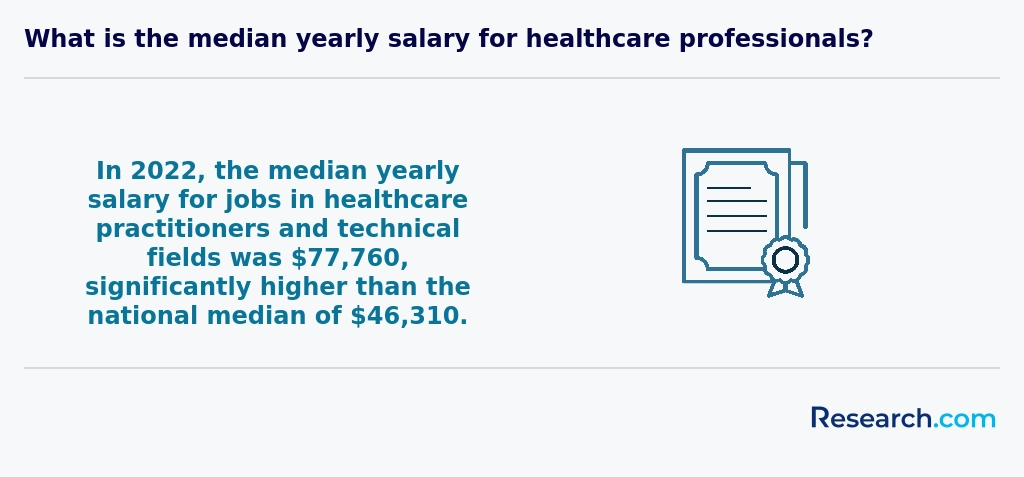
Financing an online healthcare management degree in Minnesota often begins with federal aid, especially the FAFSA, which unlocks access to grants, loans, and work-study options. Consider a graduate from the University of Minnesota who relied on the Pell Grant, receiving up to $7,395, a sum that lifted a significant financial burden amid juggling family and work. This foundational federal support often intertwines with Minnesota's unique State Grant program, designed to assist lower- and middle-income residents attending approved institutions, including online programs.
Many students at Minnesota State University, Mankato, recount how scholarships targeted at healthcare and management fields bridged the gap to afford tuition. Professional entities like the Minnesota Healthcare Financial Management Association add to this ecosystem with awards that reward dedication, igniting motivation to excel in healthcare administration.
Furthermore, working professionals frequently tap into employer tuition assistance-hospitals in the Minneapolis-St. Paul area commonly support staff advancing their degrees through tuition reimbursement, turning ambition into achievable progress without sacrificing income. Yet, private loans and payment plans remain options to navigate shortfalls, though they require cautious deliberation due to interest rates and repayment terms.
Contrary to what some might expect, enrolling in an online healthcare management degree in Minnesota isn't about perfect test scores or an intimidating pile of prerequisites. Graduates from well-known Minnesota institutions often share how a simple high school diploma or GED set the stage for their journey, dispelling myths that only elite academic records pave the way. Many programs ask for a GPA around 2.5 to 3.0, but what truly stands out is the transferability of previous college credits-allowing students to fast-track their path if they've already completed foundational courses in English, math, or social sciences.
Several graduates recount how submitting a statement of purpose and letters of recommendation helped showcase their passion and relevant healthcare experience, emphasizing that genuine commitment matters as much as grades. Unlike traditional programs, SAT or ACT scores are mostly dismissed here, especially for adult learners balancing jobs and family.
By focusing on practical readiness over rigid credentials, Minnesota's online programs open doors wide, inviting diverse learners to transform their healthcare aspirations into reality.
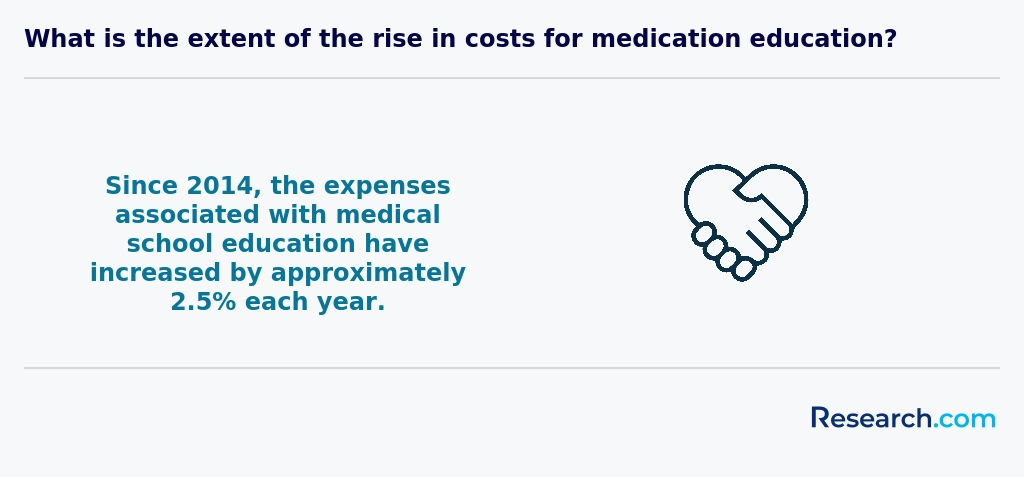
Typical courses in Minnesota's online healthcare management degrees go beyond basic concepts, immersing students in complex, real-world issues they'll face in leadership roles. Graduates from institutions like the University of Minnesota often recall how classes on healthcare systems and health policy challenged their assumptions about care delivery and regulation, pushing them to think critically about the impact of laws on patient outcomes.
Courses in healthcare law and ethics aren't just academic requirements-they become daily tools for navigating the moral complexities of running a healthcare organization. For many students, understanding compliance through these classes felt empowering, as they could envision preventing costly legal pitfalls while fostering patient trust.
Business fundamentals tailored to healthcare form a core too. Minnesota State graduates describe financial management and strategic planning courses as eye-opening experiences that transformed their approach to budgeting and resource allocation, skills they apply managing teams remotely during their practicum projects.
Moreover, the emphasis on data analytics taps into Minnesota's health informatics boom; students often find themselves excitedly translating electronic health record data into actionable strategies, feeling directly connected to pioneering care improvements at local giants.
Online healthcare management specializations Minnesota programs often challenge students to go beyond traditional administration roles and engage with rapidly evolving sectors. Graduates from known institutions report that focusing on Healthcare Informatics helped them bridge clinical care with technology, managing electronic health records and data analytics crucial in today's systems. Such hands-on relevance makes the learning deeply satisfying and immediately applicable.
Others who pursued Health Policy and Management discovered the complexity behind decision-making in hospitals, gaining leadership skills that empowered them to influence healthcare delivery on a foundational level. This specialization reflects a real-world urgency, especially in Minnesota's dynamic health sector.
Long-term care administration attracts students motivated by Minnesota's aging population, preparing them to handle regulatory and quality challenges in nursing homes. Meanwhile, those drawn to numbers find value in Healthcare Financial Management, mastering budgeting and revenue optimization amidst healthcare's billing labyrinth.
For a more clinical-administrative blend, some embrace Clinical Management, stepping into roles that balance patient safety with efficient operations. Exploring these focus areas at institutions across Minnesota reveals why many choose online paths; it's about matching career ambitions with meaningful impact. Consider an accelerated executive master of health administration to fast-track such growth.
Choosing the best online healthcare management degree Minnesota offers means looking beyond rankings and flashy marketing. Graduates from reputable programs at universities like the University of Minnesota often emphasize the value of accreditation by bodies such as CAHME or the Higher Learning Commission. This credibility ensures that coursework, whether in healthcare policy or data analytics, truly prepares you for Minnesota's competitive healthcare sector.
Affordability is more than just sticker price. Many students at public colleges appreciate how in-state tuition can ease financial burdens, yet they also caution about hidden fees and program length. Those juggling jobs and family favor schools offering flexible, asynchronous formats that fit real-life schedules without sacrificing depth.
Reflect on what specialties resonate with you-finance, leadership, or health information systems-and seek programs that mirror Minnesota's healthcare landscape, home to giants like the Mayo Clinic. Hearing from graduates who successfully navigate job markets reinforces how critical it is to choose a program that aligns with your career goals and offers strong alumni networks. For those wondering about career outlooks, explore the insights on a career healthcare management mba path.
Truly, affordable healthcare management programs Minnesota students trust focus on practical skills and proven outcomes, not just prestige. This mindset guides thoughtful, confident choices for a rewarding future in healthcare management.
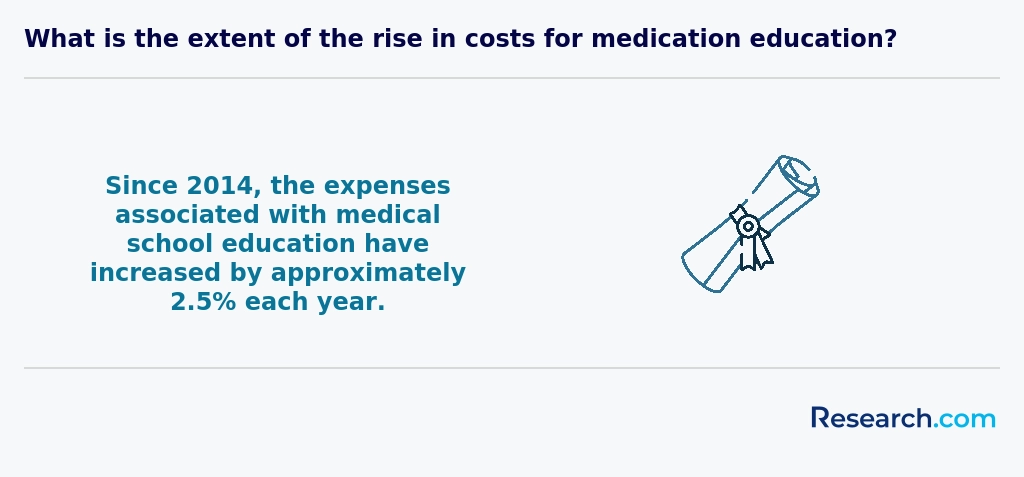
Graduates holding an online healthcare management degree in Minnesota find themselves stepping into a landscape rich with opportunity, far beyond the typical administrative roles. From managing bustling hospitals to steering complex electronic health record systems, career paths are diverse and deeply impactful. Many graduates from renowned Minnesota colleges describe their transition into roles such as medical and health services manager or healthcare policy analyst with a sense of pride and fulfillment, knowing they shape the future of healthcare delivery in their communities.
Consider the graduate who, after studying at a prominent Minnesota university, embraced health information management, securing and optimizing patient data in an era where digitization is transforming care standards. Another often pursues healthcare consulting, applying analytical skills honed during studies to advise organizations on boosting efficiency and reducing costs, experiences that resonate with those seeking meaningful, results-driven work. For anyone exploring online healthcare degree job opportunities Minnesota offers, these pathways exemplify how local education connects directly to evolving market demands.
Those mindful of cost and return often find comfort in programs like the affordable master's of healthcare administration online, which combine accessibility with real-world relevance, fueling career trajectories from clinical management to healthcare program coordination.
- Medical and health services manager
- Health information manager
- Healthcare consultant
- Healthcare policy analyst
- Clinical manager
The job market for online healthcare management degree graduates in Minnesota offers more than a steady paycheck-it presents an evolving landscape shaped by the state's expansive healthcare network. Graduates from popular Minnesota institutions frequently find themselves navigating competitive roles within renowned systems like Mayo Clinic and Allina Health, where expertise in management software and healthcare policy is in high demand. For students weighing the value of an online program, real success stories from local graduates highlight how flexible online learning can lead directly to impactful positions, especially in urban centers.
Employment outlooks show that positions in medical and health services management in Minnesota are expected to grow roughly 15% over the next decade, surpassing national averages. This growth is inspired by demographic shifts and healthcare infrastructure expansion, making the field ripe with opportunity. Many online healthcare management jobs Minnesota offer not only meaningful work but also starting salaries that can reach approximately $70,000, rising substantially with experience.
Students often turn to programs at respected colleges with robust curricula emphasizing regulatory compliance and patient care coordination. These programs provide pathways that balance affordability and quality-important when considering the overall investment. To explore choices and ensure program credibility, prospective students can refer to an accredited healthcare management degree online, helping them confidently step into Minnesota's promising job market.
2027 Easiest Online Healthcare Management Degree Programs Ranking in Minnesota
Investing in your education is a significant decision that can shape your future, and the Research.com team understands the importance of making informed choices. To assist prospective students in Minnesota, we have meticulously developed the "2027 Easiest Online Healthcare Management Degree Programs Ranking in Minnesota." Our dedication to quality, credibility, and accuracy is reflected in the rigorous research and analysis conducted to create this ranking.
We utilized the following reputable data sources to ensure a comprehensive evaluation of healthcare management programs:
By exploring this ranking, readers will gain valuable insights into the easiest online healthcare management degree programs in Minnesota, helping them make confident and well-informed decisions about their educational journeys. For more details on our methodology, please visit our Research.com methodology page.
# 1 position
Walden University
Master of Healthcare Administration



# 4 position
The College of St. Scholastica
Bachelor of Health Informatics and Information Management
Frequently Asked Questions About healthcare management
Students pursuing online healthcare management degrees in Minnesota can maximize their learning by actively engaging with both coursework and industry resources. Participating in virtual study groups and discussion forums enhances understanding through peer collaboration. Utilizing Minnesota's healthcare data and reports, such as those from the Minnesota Department of Health, helps apply theoretical knowledge to real-world challenges.
Internships or practicum opportunities within Minnesota's robust healthcare sector, which employs over 300,000 people, provide valuable hands-on experience. Staying updated on state-specific healthcare policies and regulations is crucial, as Minnesota's healthcare market is influenced by local legislation. Finally, leveraging university career services can connect students to networks and job prospects in this growing field.
Emerging niches within healthcare management reflect the evolving needs of Minnesota's healthcare system. One significant area is healthcare informatics management, which combines data analysis with patient care to improve efficiency and outcomes. According to the Minnesota Department of Health, demand for professionals managing electronic health records and health IT continues to grow rapidly.
Another growing niche is population health management. Professionals in this field focus on community wellness and reducing health disparities, a priority given Minnesota's diverse population. The use of telehealth management has also expanded, accelerated by the COVID-19 pandemic, requiring managers adept in virtual care coordination.
Lastly, healthcare financial management remains critical, with emphasis on value-based care models and cost containment strategies specific to Minnesota's healthcare markets.
After completing an online healthcare management degree in Minnesota, preparing for the job market involves several strategic steps. Start by gaining relevant experience through internships or volunteer roles at local healthcare organizations, which can enhance practical skills and expand your professional network. According to the Minnesota Department of Employment and Economic Development, healthcare management jobs in the state are projected to grow by 11% through 2030, indicating robust opportunities.
It is also important to obtain industry-recognized certifications such as Certified Healthcare Administrative Professional (cHAP) or Fellow of the American College of Healthcare Executives (FACHE).
Networking with local healthcare professionals and joining Minnesota-specific associations like the Minnesota Organization of Healthcare Leaders can provide valuable connections and job leads.
Employers in Minnesota value healthcare management graduates who demonstrate strong leadership and communication skills. According to the Minnesota Department of Employment and Economic Development, effective team management and conflict resolution are critical in this expanding field.
Analytical skills are also highly sought after, as managing budgets and understanding healthcare data supports better decision-making. Familiarity with healthcare regulations, such as HIPAA compliance, is essential due to the state's rigorous standards.
Additionally, employers prefer candidates proficient in healthcare technology and electronic health records, reflecting national trends in health information management.
Problem-solving and adaptability help graduates navigate the complexities of Minnesota's diverse healthcare systems, including rural and urban care settings.
Finding internships in Minnesota relevant to a healthcare management degree involves combining local healthcare industry knowledge with proactive networking. Minnesota hosts major healthcare organizations like Mayo Clinic and Allina Health, which frequently offer internships for students seeking experience in healthcare administration. Checking the career services of your online program can be crucial, as these often connect students to internship opportunities statewide.
Online students should explore resources such as the Minnesota Hospital Association or Minnesota Public Health Association for internship listings. According to the Minnesota Department of Employment and Economic Development, healthcare management jobs are growing by 12% statewide, increasing demand for practical experience. Early application and reaching out to local health systems improve chances of placement.
An online healthcare management degree can significantly enhance career mobility and advancement opportunities in Minnesota's healthcare industry. This degree provides essential skills in administration, finance, and policy, aligning with the growing demand for qualified healthcare managers across the state. According to the Minnesota Department of Employment and Economic Development, healthcare management roles are projected to grow by 12% from 2022 to 2032, outpacing many other fields.
Graduates with an online healthcare management degree often qualify for higher-level positions such as healthcare administrator or clinical manager. These roles typically offer median salaries above $90,000 annually in Minnesota, reflecting substantial advancement potential.
Moreover, online programs allow working professionals to balance current employment while gaining credentials recognized by Minnesota employers, increasing flexibility in career progression.
Studying for a healthcare management degree in Minnesota equips students with skills essential for interdisciplinary roles in healthcare settings. Programs emphasize collaboration among professionals from diverse fields like nursing, public health, and business administration. According to the Minnesota Department of Health, healthcare managers often work alongside clinical staff to improve patient care and organizational efficiency.
Online degrees typically include coursework in healthcare policy, ethics, and data analytics, preparing students to navigate complex healthcare systems. They foster communication and leadership skills needed to manage multidisciplinary teams effectively. These programs align with U.S. healthcare standards, ensuring Minnesota graduates meet industry expectations for versatile roles.
When choosing between a thesis and a non-thesis healthcare management degree program in Minnesota, consider your career goals and learning preferences. Thesis programs focus on research and typically require students to complete a substantial project, which can be valuable if you plan to pursue advanced degrees or research roles.
Non-thesis tracks generally emphasize coursework and practical skills, appealing to professionals seeking to advance directly into healthcare management positions without the research component. According to the Minnesota Private College Council, many online programs offer both options, making flexibility a key factor.
Additionally, consider the time commitment: thesis programs often take longer to complete. According to the Bureau of Labor Statistics, Minnesota's healthcare management sector is expected to grow 14% through 2030, highlighting the importance of practical skills in leadership roles.
Students in Minnesota seeking online healthcare management degrees with an international focus have limited direct options for studying abroad within the U.S. higher education system. Most healthcare management programs emphasize domestic healthcare regulations and policies, which are quite specific to the U.S. context.
However, some Minnesota institutions partner with foreign universities to offer exchange or dual-degree programs, often requiring students to visit the partner campus abroad as part of their curriculum. These experiences provide exposure to global healthcare systems while maintaining U.S. accreditation standards.
According to the Minnesota Department of Employment and Economic Development, healthcare remains a leading industry in the state, urging programs to stress localized knowledge over international settings, which influences the structure of these degrees.
Students aiming for broader international perspectives are encouraged to supplement their online degree with internships or short-term programs abroad that focus on global healthcare management practices.
Part-time jobs in Minnesota that complement healthcare management degrees often involve roles in medical offices, hospitals, and insurance companies. Positions such as medical administrative assistant, patient services coordinator, or healthcare data analyst provide practical experience aligned with coursework.
According to the Minnesota Department of Employment and Economic Development, healthcare administration roles in the state are projected to grow by 12% through 2030, indicating solid career opportunities. Working part-time in these fields helps build skills in operations, compliance, and communication, which are crucial for healthcare managers.
Additionally, internships or part-time work in public health organizations or long-term care facilities can enhance understanding of healthcare systems and policy.
Online healthcare management students in Minnesota benefit from a variety of networking opportunities tailored to support their academic and career goals. Many universities hosting online programs encourage virtual interactions through discussion boards, group projects, and career services.
Additionally, Minnesota's healthcare sector is supported by professional groups such as the Minnesota Healthcare Executives Forum and the Minnesota Hospital Association, which offer webinars, conferences, and local chapter meetings. These events help students connect with industry leaders and peers.
The state's strong healthcare market, ranking in the top 10 nationally for healthcare employment, enhances access to internships and job shadowing opportunities for students. This practical exposure facilitates meaningful professional connections.
Alumni networks offer significant advantages for online healthcare management degree students in Minnesota. These networks create connections between current students and graduates working across the state's healthcare sector, which includes prominent hospital systems like Mayo Clinic and Allina Health.
Such connections provide mentorship opportunities, career advice, and job leads, which are crucial in Minnesota's competitive healthcare market. According to the Minnesota Hospital Association, job placements increase by up to 30% when students engage with their alumni communities.
Moreover, alumni often share insights on industry trends and continuing education, aiding in professional growth. These networks foster a sense of community and support, bridging the gap between online learning and real-world application in healthcare management.
Students pursuing an online healthcare management degree in Minnesota can tailor their programs through elective courses and specialization tracks to align with specific career ambitions. Many accredited institutions offer concentrations such as health informatics, policy, or financial management, enabling learners to focus their expertise. Additionally, flexible credit transfer policies often accommodate prior work experience or certifications, accelerating degree completion. According to the Minnesota Department of Employment and Economic Development, healthcare management jobs are projected to grow 13% through 2030, highlighting the importance of targeted skills. Customization options help students meet regional employer demands and prepare for roles in hospitals, clinics, and health systems.
Online healthcare management students in Minnesota often face challenges related to balancing coursework with employment and personal responsibilities. Since many learners are working professionals, finding time for study can be difficult. Connectivity and technology issues also arise, especially in rural areas where high-speed internet access remains limited. According to the Minnesota Office of Broadband Development, nearly 8% of residents lack reliable internet, which impacts online learning. Additionally, students may struggle with limited face-to-face interaction, which can affect networking and mentorship opportunities crucial in healthcare management careers. Understanding complex healthcare regulations and staying updated on state-specific policies is another significant hurdle.
An online healthcare management degree from Minnesota opens pathways to valuable professional certifications that enhance career prospects. One widely recognized certification is the Certified Healthcare Administrative Professional (cHAP), which validates skills in healthcare management and administration.
Another key credential is the Certified Professional in Healthcare Quality (CPHQ), focusing on quality improvement and patient safety. The Healthcare Financial Management Association (HFMA) offers the Certified Revenue Cycle Specialist (CRCS) certification, relevant for those interested in healthcare finance roles.
According to the Minnesota Department of Employment and Economic Development, holders of these certifications often experience higher employment rates and better salaries in the state's growing healthcare sector.
To craft a winning application for an online healthcare management program in Minnesota, start by highlighting your relevant experience in healthcare or management. Admissions committees look for candidates who demonstrate leadership potential and clear career goals.
Emphasize any involvement with Minnesota's healthcare systems, such as internships or volunteer work, as familiarity with local healthcare policies can be an asset. According to the Minnesota Department of Health, the industry grows by 3% annually, showing strong regional demand.
Strong letters of recommendation and a concise personal statement outlining your commitment to healthcare leadership will also strengthen your application. Finally, ensure all materials meet the specific program requirements and deadlines to improve your chances of admission.
The career outlook for healthcare management professionals is strong both nationally and globally due to the growing demand for efficient healthcare systems. In the United States, including Minnesota, healthcare management roles are expected to grow about 28% from 2021 to 2031, much faster than average for all occupations, according to the U.S. Bureau of Labor Statistics.
Globally, healthcare faces challenges like aging populations and increased chronic diseases, driving the need for skilled managers. Minnesota's healthcare market is robust, with the Mayo Clinic and other major providers requiring expert leadership to navigate complex healthcare delivery and policy reforms.
Understanding global trends equips students with skills to improve patient care systems and adapt to international healthcare standards. Online healthcare management degrees offer flexibility to learn these essential competencies while staying connected to Minnesota's growing healthcare industry.
Students pursuing an online healthcare management degree in Minnesota can gain practical experience through internships and practicum placements. Many Minnesota colleges partner with local hospitals, clinics, and health organizations to provide these opportunities. According to the Minnesota Department of Employment and Economic Development, healthcare management roles have grown by 15% over the last five years, increasing demand for hands-on experience.
Online programs often assist in securing remote or hybrid internships, allowing students to apply theory to real-world settings. Volunteering with healthcare nonprofits or joining state professional associations can also build relevant skills.
These experiences help students meet industry standards and improve job prospects upon graduation.
Choosing the right concentration within an online healthcare management degree program in Minnesota requires careful consideration of your career goals and the needs of the local healthcare industry. Minnesota has a growing healthcare sector, particularly in areas like hospital administration, long-term care, and public health, according to the Minnesota Department of Employment and Economic Development (DEED).
Students should review concentrations such as health informatics, health policy, or management of healthcare organizations. Each offers specific skill sets aligned with different job roles. For example, health informatics is ideal if you want to work with healthcare data systems, while policy focuses on regulatory and community health issues.
Evaluate programs for curriculum alignment with Minnesota's healthcare priorities and employment trends. Networking opportunities with local healthcare providers can be invaluable.
- 2027 Easiest Online Healthcare Management Degree Programs Ranking in Wisconsin
- 2027 Easiest Online Healthcare Management Degree Programs Ranking in Illinois
- 2027 Easiest Online Healthcare Management Degree Programs Ranking in Missouri
- 2027 Easiest Online Healthcare Management Degree Programs Ranking in Michigan
- 2027 Easiest Online Healthcare Management Degree Programs Ranking in Ohio
- 2027 Easiest Online Healthcare Management Degree Programs Ranking in Colorado
- 2027 Easiest Online Healthcare Management Degree Programs Ranking in Alabama
- 2027 Easiest Online Healthcare Management Degree Programs Ranking in Texas
- 2027 Easiest Online Healthcare Management Degree Programs Ranking in Florida
- 2027 Easiest Online Healthcare Management Degree Programs Ranking in Virginia
- Online Healthcare Administration Bachelors Degree | CHCP https://www.chcp.edu/degrees-certificates/healthcare-administration-bachelors-degree/online/
- Top Healthcare Management Conferences for Students https://www.asiapacific.edu/blog/mba/top-healthcare-management-conferences-students/
- HEALTH MANAGEMENT (THESIS / NON-THESIS) - Lisansüstü Eğitim Enstitüsü https://lee.nisantasi.edu.tr/en/health-management-thesis-non-thesis/
- Master’s in Healthcare Management Degrees in Minnesota - C - Healthcare Management Degree Guide https://www.healthcare-management-degree.net/in/minnesota-c/
- Alumni Reconnect - Poznan University of Medical Sciences https://pums.edu.pl/alumni-friends/alumni-reconnect/
- 14 Healthcare Administrator Cover Letter Examples: Plus Recruiter Insights (Updated for 2025) https://resumeworded.com/cover-letter-samples/healthcare-administrator
- Motivation letter sample for a Master in Healthcare Management - Motivation letter samples and templates https://motivationalletter.com/2017/08/30/master-in-healthcare-management/
- 5 Concentrations for a Bachelor’s of Healthcare Administration - Healthcare Administration Degree Programs https://www.healthcare-administration-degree.net/lists/5-concentrations-for-a-bachelors-of-healthcare-administration/
- Challenges and Opportunities in Healthcare Management - European Society of Medicine https://esmed.org/challenges-and-opportunities-in-healthcare-management/
- How to Get a Job in Healthcare Management https://sha.edu.in/how-to-get-a-job-in-healthcare-management/