2027 Fastest Online Master's in Healthcare Management Degree Programs Ranking in the Northeast

Co-Founder and Chief Data Scientist
For those in the Northeast seeking to advance their careers, a healthcare management degree is a powerful step forward. Navigating online programs can be overwhelming, but this article is here to help.
We present the 2027 Fastest Online Master's in Healthcare Management Degree Programs Ranking in the Northeast, crafted by Research.com's expert data scientists. This ranking highlights quality programs that combine speed and flexibility.
By reading, you'll gain clear insights to choose a program that fits your goals and lifestyle, empowering your journey into healthcare leadership.
Key benefits of getting online healthcare management degree in the Northeast
- Healthcare management graduates in the Northeast can expect competitive salaries, with healthcare managers nationwide earning a median annual wage of about $101,000, offering strong financial stability.
- Graduates often move into diverse roles like hospital administration, health services management, or policy planning, as shown by alumni of well-known Northeast universities such as Northeastern University.
- Completing a healthcare management degree online offers flexibility for working adults, as demonstrated by successful graduates from institutions like Southern New Hampshire University, allowing you to balance studies and personal commitments easily.
- 2027 Fastest Online Master's in Healthcare Management Degree Programs Ranking in the Northeast
- What can I expect from online healthcare management degree in the Northeast?
- Where can I work with online healthcare management degree in the Northeast?
What can I expect from online healthcare management degree in the Northeast?
When considering an online healthcare management degree in the Northeast, expect tuition costs to typically fall between $20,000 and $50,000 for the entire program. Graduates from well-known institutions in New York and Massachusetts often reflect on this range as a worthwhile investment that balances quality education with flexibility.
This cost variation reflects the variety of program lengths-most span 18 to 36 months-and the accreditation status, such as those accredited by CAHME, ensuring you receive education aligned with industry standards. Many students I've guided appreciate how financial aid or employer tuition assistance helps make these programs accessible, so don't hesitate to explore those opportunities.
Graduates often share how their programs, with coursework grounded in real-world healthcare challenges and strategic leadership, prepared them to thrive in hospitals or public health agencies across the Northeast. The knowledge gained feels empowering, especially knowing the region's healthcare sector is growing rapidly.
Where can I work with online healthcare management degree in the Northeast?
If you earn an online healthcare management degree in the Northeast, your career possibilities are impressive and diverse. Graduates from well-regarded programs at universities like Northeastern University or Rutgers University often find themselves leading teams in major hospitals such as Massachusetts General or Mount Sinai, managing everything from budgeting to staff coordination. This hands-on experience opens doors to roles that shape patient care and healthcare operations.
Many alumni share how working with prominent health insurance companies like Blue Cross Blue Shield of Massachusetts or Independence Blue Cross enhances their skills in plan administration and provider network management. These roles make a meaningful impact on community health while building a strong professional foundation.
State health departments and government agencies in cities like New York and Boston also provide exciting opportunities. Graduates often contribute to public health programs and regulatory compliance, turning their knowledge into tangible improvements in healthcare delivery.
Finally, the growing field of healthcare consulting offers rewarding careers for those passionate about strategy and technology, with firms such as Huron Consulting actively recruiting Northeast-trained professionals. Pursuing a healthcare management degree here means joining a vibrant workforce driven by innovation and leadership.
Graduates of online healthcare management programs in the Northeast often find themselves stepping into rewarding careers with competitive salaries reflecting the region's dynamic healthcare landscape. For example, graduates from well-known schools like Northeastern University or SUNY's healthcare programs report starting salaries typically ranging from $65,000 to $75,000 in administrative roles, gaining early experience in hospitals or health networks across New York or Massachusetts.
As these professionals grow, their salaries tend to increase significantly, with many moving into senior management positions earning between $85,000 and $120,000 annually. Those taking on roles such as directors of operations or chief administrative officers in major urban centers can see compensation exceeding $130,000, benefiting from the Northeast's concentration of large health systems and teaching hospitals.
Graduates value how regional online degrees blend flexible learning with practical skills in healthcare finance and compliance, preparing them to thrive in the Northeast's high-cost, high-reward healthcare environment. The strong demand for skilled managers ensures not only competitive pay but also job stability and valuable perks like bonuses and retirement plans.
- The cost of online healthcare management master's programs in the Northeast ranges from $15,000 to $40,000, depending on whether the school is public or private and other factors.
- Entry-level salaries for healthcare management graduates typically range between $65,000 and $80,000 annually, with potential growth to median salaries of $100,000 or more in metropolitan areas.
- The job market for healthcare management professionals in the Northeast is strong, supported by the region's large healthcare infrastructure and expected employment growth of 28% nationwide through 2031.
- Many online programs in this region are accredited by the Commission on Accreditation of Healthcare Management Education (CAHME), ensuring education meets national standards.
- Graduates often pursue careers in hospital administration, health services management, policy analysis, and consulting roles.
Completing an online healthcare management degree in the Northeast typically takes between 18 and 24 months for most master's students, though this can shift based on your enrollment status and program choice. Many graduates from universities in New York and Massachusetts have found success finishing within this timeframe, balancing full-time work with intensive coursework.
If you choose to study full-time, accelerated programs at colleges in Pennsylvania can allow you to graduate in as little as 12 to 15 months. These options are especially helpful for busy professionals eager to advance quickly while maintaining a demanding career.
On the other hand, many part-time students take 2 to 3 years to complete their degree, which allows more flexibility and a manageable pace, especially when factoring in the higher tuition costs common in the Northeast. Some students without prior healthcare experience may spend additional time completing prerequisite classes, but they appreciate the strong foundation these courses provide for advanced learning.
Understanding these timeframes can help you plan a schedule that fits your life, ensuring you stay motivated and confident on your path to becoming a healthcare leader.
When weighing your options between online and on-campus healthcare management degrees in the Northeast, it helps to picture the day-to-day experiences of past graduates from well-known institutions like Northeastern University or Boston University. Those who chose on-campus programs often reminisce about thriving in dynamic classrooms, engaging directly with professors and peers, and benefiting from networking events that opened doors to internships in bustling healthcare facilities around Boston or New York City.
On the other hand, graduates from online programs cherish the flexibility these formats provided-balancing full-time jobs and family while attending classes asynchronously. This accessibility allowed many to pursue their degrees at institutions like the University of Connecticut without relocating or sacrificing career momentum.
Both paths demand dedication, but online students frequently highlight how the virtual classroom's convenience fit their busy lives, while on-campus students emphasize the value of face-to-face mentorship. Choosing between these formats hinges on your personal rhythm and professional commitments within the ever-growing healthcare landscape of the Northeast.
The average cost of an online healthcare management degree in the Northeast hovers around $29,300, with in-state students often paying closer to $26,250, while out-of-state attendees may see costs near $31,500. Graduates from popular institutions in the region recall balancing tuition with work and family life, appreciating the value and flexibility that these programs offer. Many find that investing in a degree from a well-known Northeastern college opens doors to rewarding career opportunities that make the cost worthwhile.
For those seeking affordable online healthcare management masters programs in the Northeast, selecting a public university within your state can be a game-changer. Schools in New York or Massachusetts, for example, offer competitive in-state tuition rates that significantly reduce overall expenses. Alumni often recommend looking beyond just tuition by considering technology fees, course materials, and other incidental costs, which can add a few thousand dollars to the total.
Working professionals juggling their careers can take comfort knowing some programs offer accelerated paths or specialization options that may affect pricing and timeline positively. Exploring the detailed curriculum and financial aid opportunities is vital. To get a clearer picture of what you'll study, reviewing healthcare administration program courses will help you prepare for the commitment and long-term benefits of your investment in education.
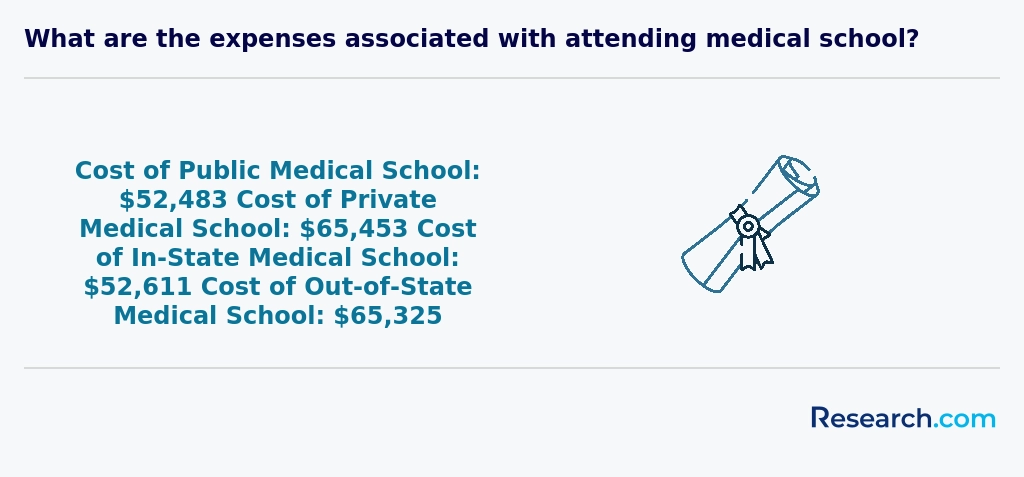
When pursuing an online healthcare management degree in the Northeast, numerous financial aid options can make your journey more affordable and manageable. Many graduates from institutions like Northeastern University and University of Massachusetts have successfully used federal aid by completing the FAFSA, unlocking grants such as the Pell Grant or low-interest federal student loans that ease tuition payments.
State-specific programs, like New York's Tuition Assistance Program (TAP) or Massachusetts' Commonwealth Commitment, offer grants or discounted tuition for residents attending local schools, providing real relief to those studying within their state. Imagine balancing work and studies while your employer reimburses part or all of your tuition-a common path for healthcare professionals advancing their careers.
Institutional scholarships at these universities reward merit and leadership potential, turning your hard work into financial support. Additional aid from professional groups like the American College of Healthcare Executives adds opportunities to reduce costs and build valuable connections. By actively exploring all these options early, you position yourself to thrive both financially and academically throughout your healthcare management education.
To enroll in an online healthcare management degree program in the Northeast, you'll typically need a bachelor's degree from an accredited institution. Graduates from popular schools like Boston University or Northeastern University have found that having a background in healthcare or business truly eases the transition, as these programs dive deep into healthcare policy, finance, and leadership challenges. Imagine starting your studies already familiar with these subjects-that confidence can make a big difference.
Strong academic performance is important, with many programs requiring a minimum GPA around 3.0. However, if you have meaningful professional experience-say, a few years managing a healthcare department like many graduates do-you might find some schools more flexible. Some Northeastern universities still ask for GRE or GMAT scores, but many have moved away from this, embracing holistic admissions that value real-world skills.
Letters of recommendation, a well-crafted personal statement, and a resume highlighting your career goals will strengthen your application. Some programs may even invite you to a virtual interview, giving you a chance to show your motivation and communication skills-just as many successful students have experienced at schools like Pace University.
Online healthcare management degrees in the Northeast typically include courses designed to equip you with practical tools for leadership in this ever-evolving field. Graduates from well-known institutions in New York and Massachusetts often share how mastering healthcare finance helped them confidently navigate budgeting challenges during internships at major hospital systems. These courses dig into reimbursement methods and economic hurdles that shape healthcare delivery in the region.
Healthcare law and ethics is another cornerstone, offering you deep insights into compliance and patient rights-a vital strength given the Northeast's strict HIPAA regulations. Many students recount feeling empowered as they applied ethical frameworks to real-world cases during their studies.
Health information systems courses train you to manage electronic health records and leverage data analytics. Graduates often highlight how this knowledge became their gateway to healthcare innovation hubs in Boston and Philadelphia.
Finally, organizational leadership and public health administration prepare you to lead teams and design community health initiatives, skills that are essential in the region's dynamic healthcare landscape. These courses reflect the active, interconnected public health environment found across the Northeast.
Online healthcare management specializations in the Northeast encompass vital areas such as Healthcare Administration, where graduates from well-known regional schools master managing hospitals and clinics through practical leadership challenges. Many students in these programs develop skills in budgeting and healthcare law that directly translate to managing staff and operational strategy in bustling urban medical centers.
Healthcare Informatics is another dynamic concentration gaining traction. Graduates from prominent Northeast colleges often describe their excitement applying data analytics and electronic health record management in real-world healthcare settings, making them essential contributors to digital healthcare transformation.
For those drawn to policy influence, Healthcare Policy and Management caters to future public health leaders shaping regulations at state or federal levels. Several Northeast universities tailor this to regional health concerns, enriching the experience through case studies on aging populations and chronic disease management.
Health Finance and Economics also stand out, given the burgeoning US healthcare spending. Alumni frequently share how mastering cost control and financial systems prepared them to improve efficiency in large healthcare networks.
When choosing your online healthcare management degree concentrations Northeast, consider programs praised for practical applications and flexibility. For an expedited path, explore options like the fastest executive mha online that balance career advancement with rigorous training.
When choosing the best online healthcare management degree Northeast, focus first on accreditation. Graduates from well-known colleges in Boston or New York often share how CAHME-accredited programs gave them confidence employers valued their education. These programs not only uphold rigorous academic standards but also connect you with regional healthcare leaders. Imagine studying courses tailored to the Northeast's unique health systems, blending ethics, finance, and leadership while maintaining a flexible schedule that fits your busy life.
Affordability matters too. Many students have found that public universities offering in-state tuition rates helped them manage costs without sacrificing quality. Exploring financial aid and employer reimbursement can turn a dream into reality. Networking opportunities also enrich your experience-graduates often praise the access to internships at prominent hospitals in major cities nearby.
For those seeking career growth, understanding available mba in healthcare management entry level jobs can be inspiring, as practical career support boosts long-term success in this evolving field.

Graduates with an online healthcare management degree in the Northeast find themselves well-positioned for diverse career paths that truly make a difference. Many step into leadership roles in hospital or clinic administration, overseeing operations at major medical centers affiliated with popular universities in the region. Others thrive as health information managers, a role growing rapidly due to the Northeast's strong emphasis on tech integration in healthcare systems. From my conversations with recent graduates, these positions offer both challenge and fulfillment, combining strategic decision-making with real-world impact.
Healthcare consulting is another rewarding path. Graduates from renowned Northeast colleges often advise large healthcare organizations on improving patient care and operational efficiency-work that brings a real sense of accomplishment. Public health program management is vital here too, especially as government and nonprofits ramp up efforts in community health. For those curious about the practical value of this degree, consider this mha degree worth it insight to guide your decision. Pursuing online healthcare management careers Northeast provides access to these exciting opportunities fueled by the region's robust healthcare industry.
The job market for graduates with an online healthcare management degree in the Northeast is vibrant and full of opportunity. Graduates from well-known universities in the region often find themselves stepping into roles within prestigious hospitals or large healthcare networks in metropolitan areas like New York and Boston, where demand for skilled managers continues to climb. Many alumni share stories of quickly securing positions due to the region's strong healthcare infrastructure and the competitive salaries ranging from $90,000 to $130,000, which reflect both high living costs and the value employers place on advanced qualifications.
For those pursuing online healthcare management jobs Northeast, the flexibility of online programs from local colleges allows working professionals to gain up-to-date expertise without disrupting their careers. This accessibility, combined with employer tuition assistance and cutting-edge curriculum, often enhances job prospects. If you seek to expand your credentials, consider exploring online dha programs that prepare graduates for leadership in this thriving sector.
2027 Fastest Online Master's in Healthcare Management Degree Programs Ranking in the Northeast
Investing in your education is a significant decision that can profoundly impact your career and future. The Research.com team recognizes this responsibility and has devoted extensive effort to ensure the quality, credibility, and accuracy of the "2027 Fastest Online Master's in Healthcare Management Degree Programs Ranking in the Northeast." Our rigorous analysis aims to provide prospective students with reliable insights to make well-informed choices about their educational investments.
We utilized the following reputable data sources to create this ranking:
By consulting this ranking, readers can confidently identify the fastest online master's programs in healthcare management in the Northeast, enabling them to choose programs that align with their career goals and time commitments. For a deeper understanding of how this ranking was developed, please visit our Research.com methodology page.

# 2 position
Hofstra University
Master of Strategic Business Management and Strategic Healthcare Management


# 6 position
St. Joseph's University, Brooklyn Campus
Master of Health Administration/Health Care Management

# 7 position
University of Massachusetts Lowell
Master of Health Information Management: Health Service Management Option




Frequently Asked Questions About healthcare management
Online healthcare management degree students in the Northeast can enhance their learning by actively engaging with virtual resources provided by accredited institutions. Utilizing digital libraries and webinars complements core coursework and supports deeper understanding. Networking within regional professional healthcare groups, such as those affiliated with the New England Healthcare Institute, offers valuable insights into local healthcare challenges and job markets.
Students should also seek internships or practicums in nearby healthcare facilities, which often partner with universities to provide hands-on experience. According to the Association of American Medical Colleges, practical experience improves employment prospects significantly in the Northeast.
Regular communication with instructors and peers through discussion boards can enrich learning with diverse perspectives. Finally, staying updated on regional healthcare policies via sources like the Northeast Regional Primary Care Association supports informed decision-making in management roles.
The healthcare management field in the Northeast is rapidly evolving, with several emerging niches gaining attention. One prominent area is healthcare informatics, which integrates data analysis with management to improve patient outcomes. According to the National Center for Education Statistics, demand for professionals skilled in electronic health records has grown by over 20% in the region.
Another niche is population health management, focusing on community health initiatives and preventive care strategies. Employers increasingly seek managers who can navigate social determinants of health. Additionally, telehealth administration is expanding due to widespread adoption of virtual care services accelerated by the COVID-19 pandemic.
These specialties reflect a broader shift towards technology-driven, patient-centered healthcare leadership in the Northeast's dynamic healthcare market.
After completing an online healthcare management degree in the Northeast, it is crucial to focus on building both practical experience and professional networks. Internships and fellowships with local healthcare organizations, such as hospitals or public health agencies, can provide valuable hands-on exposure. According to the Bureau of Labor Statistics, healthcare management jobs in the Northeastern U.S. are expected to grow by 18% through 2030, indicating robust job opportunities.
Additionally, obtaining certifications like Certified Healthcare Administrative Professional (cHAP) or Certified Professional in Healthcare Management (CPHM) can enhance employability. Joining regional industry groups, such as the Healthcare Financial Management Association's Northeast chapter, supports networking and career growth.
Employers in the Northeast prioritize strong leadership and communication skills when hiring healthcare management graduates. These skills enable professionals to effectively oversee teams and coordinate with diverse healthcare departments. Additionally, proficiency in healthcare laws and regulations, including HIPAA compliance, is essential due to the region's strict regulatory environment.
Analytical abilities are highly valued, as managers must interpret healthcare data to improve patient outcomes and reduce costs. According to the Bureau of Labor Statistics, the Northeast shows a higher demand for healthcare managers with expertise in health informatics.
Financial management skills also play a critical role, helping graduates manage budgets and resources efficiently within complex healthcare systems.
Finding internships in the Northeast for healthcare management students starts with university career centers, which often have partnerships with local healthcare providers. Many hospitals and health systems in the region, such as Massachusetts General Hospital and Mount Sinai Health System in New York, offer structured internship programs. According to the New England Healthcare Institute, internships in healthcare administration are growing by 5% annually in the area.
Online students can also use platforms like Handshake and LinkedIn to discover regional opportunities. Networking through professional organizations, such as the American College of Healthcare Executives (ACHE) New England chapter, can further increase chances.
Obtaining an online healthcare management degree can significantly enhance career mobility and advancement opportunities in the Northeast. The region's robust healthcare industry, encompassing states like New York, Massachusetts, and Pennsylvania, demands skilled managers familiar with complex regulatory environments and advanced technology. According to the U.S. Bureau of Labor Statistics, employment of medical and health services managers is projected to grow 28% nationwide through 2031, with the Northeast showing strong demand due to numerous hospitals and healthcare organizations.
Online degrees offer flexibility for working professionals to gain critical skills without interrupting their careers. Graduates often qualify for leadership roles in hospitals, insurance companies, and public health agencies, where higher education correlates with increased earning potential and promotion rates. The ability to learn remotely from accredited Northeastern institutions also broadens access to specialized programs aligning with regional industry needs.
Studying for a healthcare management degree in the Northeast equips students with skills essential for interdisciplinary roles. Programs in this region emphasize collaboration between clinical, administrative, and policy professionals, reflecting the complex healthcare environment. According to the New England Journal of Medicine, Northeast programs often integrate public health, business, and technology coursework, fostering a well-rounded expertise.
The Northeast hosts numerous hospitals and healthcare organizations that serve diverse populations, offering practical case studies and internships. This exposure prepares graduates to coordinate across departments and disciplines effectively.
Furthermore, institutions in the Northeast typically align curricula with the U.S. Bureau of Labor Statistics' projections, highlighting strong growth in healthcare administration roles through 2030.
Choosing between a thesis and a non-thesis healthcare management degree program in the Northeast depends on your career goals and learning style. Thesis options require original research and prepare students for roles involving data analysis or further academic work, such as a PhD. Non-thesis tracks focus more on practical skills and coursework, suitable for professionals seeking leadership positions in healthcare organizations.
According to the National Center for Education Statistics, Northeast programs often balance these options, with approximately 40% offering thesis tracks. Programs accredited by CAHME typically emphasize applied learning in non-thesis options, reflecting local healthcare industry needs.
Students based in the Northeast seeking to study healthcare management abroad have limited direct options within US higher education. Most accredited online healthcare management degrees come from domestic institutions, especially as the Northeast hosts many leading universities offering such programs. Global study opportunities often involve short-term exchange programs or partnerships, but full degree completion abroad is uncommon without relocating.
Given the complexity of healthcare systems and licensing, Northeast students typically benefit from programs aligned with US standards. The New England Board of Higher Education notes fewer than 10% of healthcare management students in the region enroll in international degree paths, favoring local accredited online programs.
International internships linked to Northeast universities may provide global perspective, though degrees remain US-based. This approach balances global exposure with regional employment alignment.
Part-time job opportunities that complement online healthcare management degrees in the Northeast often involve roles in medical administration, health information technology, and patient services. Many healthcare facilities in states like New York and Massachusetts seek part-time medical office assistants and billing specialists, providing practical experience aligned with healthcare management studies. According to the U.S. Bureau of Labor Statistics, healthcare support roles in the Northeast show steady growth, offering flexible hours suitable for students.
Additionally, part-time internships or assistant positions in local public health departments or nonprofit healthcare organizations can help develop leadership and organizational skills. These roles enhance a student's resume and build valuable regional connections important for future employment in the healthcare management field.
Online healthcare management students in the Northeast have access to diverse networking opportunities despite studying remotely. Many universities in this region offer virtual events, such as webinars and alumni panels, connecting students with professionals and peers in healthcare administration.
Additionally, organizations like the Northeast Healthcare Executives Network provide a platform for emerging leaders to engage in mentorships and regional conferences. According to the National Center for Education Statistics, Northeastern online programs often emphasize collaboration through group projects and internships with local hospitals, enhancing real-world connections.
State healthcare associations, including those in New York and Massachusetts, frequently host online meetups and certification workshops accessible to students statewide. These structured networking events help build professional relationships critical for career advancement in the competitive healthcare sector.
Alumni networks offer valuable support for online healthcare management degree students in the Northeast. These networks connect students with graduates working in regional healthcare systems, providing insights into industry trends and job markets specific to states like New York, Massachusetts, and Pennsylvania.
Through mentorship programs, alumni help students navigate career paths and develop leadership skills essential in healthcare management roles. According to the National Association of Health Services Executives, strong professional connections can increase employment opportunities by up to 25%.
Moreover, alumni events and online forums foster collaboration and knowledge-sharing, which is crucial in a rapidly evolving sector such as healthcare. This localized network benefits students by aligning education with the Northeast's healthcare challenges and opportunities.
Online healthcare management degree programs in the Northeast offer various options to tailor your learning experience to match your career goals. Many programs allow students to choose electives in areas such as health policy, informatics, or finance, enabling specialization in high-demand fields. According to the Association of American Medical Colleges, healthcare management roles in the Northeast are expected to grow by 18% through 2030, emphasizing the need for focused expertise.
Additionally, some institutions provide capstone projects or practicum experiences with local healthcare organizations, helping you gain practical skills. Flexible scheduling and part-time options also accommodate working professionals aiming for leadership roles in hospitals or health systems.
Online healthcare management students in the Northeast commonly face challenges related to balancing rigorous coursework with professional and personal responsibilities. Many learners juggle full-time jobs while attending classes, which demands effective time management skills. Limited access to in-person networking opportunities can also affect relationship building with peers and faculty, crucial for career advancement.
Technological barriers present another issue; inconsistent internet connectivity and unfamiliarity with learning platforms can hinder progress. Additionally, financial constraints remain significant, as tuition costs in the Northeast tend to be higher than the national average, according to the College Board's 2023 data.
Lastly, navigating diverse state regulations and licensure requirements for healthcare management adds complexity to students planning to work across different Northeast states.
With an online healthcare management degree, professionals in the Northeast can pursue several respected certifications to boost their career prospects. Common options include the Certified Healthcare Administrator (CHA) and Certified Professional in Healthcare Quality (CPHQ), which are widely recognized across the U.S. healthcare industry.
Additionally, the Fellow of the American College of Healthcare Executives (FACHE) credential is popular among mid- to senior-level managers seeking advanced leadership roles. According to the American College of Healthcare Executives, nearly 40% of healthcare executives in the Northeast hold FACHE certification.
These certifications often require a combination of education, experience, and passing an exam, aligning well with online degree programs that emphasize flexibility for working professionals.
Writing a winning application for an online healthcare management program in the Northeast requires clear focus on relevant experience and academic credentials. Admissions committees often look for candidates with a strong foundation in healthcare or business, as well as leadership potential.
Highlight measurable achievements in previous roles, such as managing healthcare teams or improving patient outcomes. According to the Bureau of Labor Statistics, healthcare management jobs in the Northeast are expected to grow by 15% by 2030, showing increased competition.
Be sure to tailor your personal statement to the specific program, emphasizing why an online format suits your career goals and lifestyle.
Include letters of recommendation from supervisors familiar with your healthcare experience, and showcase any certifications such as Certified Healthcare Manager (CHM).
A career in healthcare management offers a broad global perspective, reflecting the interconnected nature of health systems worldwide. Professionals trained in the Northeast are well-positioned to understand diverse healthcare challenges due to the region's strong emphasis on public health and healthcare policy in its institutions.
The U.S. Bureau of Labor Statistics projects a 32% growth rate in healthcare management jobs through 2030, highlighting rising global demand, especially in metropolitan Northeast areas like New York City and Boston.
Moreover, many online programs in the region incorporate global case studies, preparing students to engage with international healthcare standards and practices. This approach aligns with the global shift toward value-based care and digital health innovations, important trends influencing management careers.
Gaining practical experience while studying for an online healthcare management degree in the Northeast is essential for career readiness. Many programs incorporate internships or practicum opportunities with local hospitals, health systems, or public health organizations. These placements often offer flexible scheduling to accommodate online students.
Additionally, partnerships between universities and healthcare providers in states like New York and Massachusetts enhance access to real-world settings. According to the Northeast Healthcare Management Association, over 70% of regional programs include experiential learning credits.
Virtual simulations and case studies also supplement hands-on experiences, helping students develop critical decision-making skills in healthcare administration.
Choosing the right concentration within an online healthcare management degree in the Northeast involves assessing your career goals and local industry demands. Specializations like health informatics, policy, or financial management align with various healthcare sectors in states such as New York and Massachusetts, which lead the region in healthcare employment. According to the U.S. Bureau of Labor Statistics, healthcare management jobs in the Northeast are projected to grow faster than the national average through 2030. Additionally, consider concentrations that emphasize skills relevant to regional healthcare systems and regulations. Reviewing curricula and speaking with program advisors can clarify which focus best suits your professional aspirations.
- 2026 Most Affordable Online Healthcare Management ... https://www.onlineu.com/most-affordable-colleges/healthcare-management-masters-degrees
- What is the Timeline for Obtaining a Degree in Healthcare ... https://www.healthcare-management-degree.net/faq/what-is-the-timeline-for-obtaining-a-degree-in-healthcare-management/
- Future Students - AUPHA Main https://www.aupha.org/resourcecenter/futurestudents
- Healthcare Management https://ntcc.edu/academics/programs-study/health-sciences/healthcare-management
- Comparing the Top Affordable and Cost-No-Object Schools https://www.healthcare-administration-degree.net/best/affordable-vs-cost-no-object-schools/
- Business Administration: Healthcare Management, MBA ... https://www.nec.edu/programs/business-administration-healthcare-management-concentration-m-b-a
- Healthcare Management Online https://www.elms.edu/academics/online-ce/healthcare-management-online/
- How a Healthcare Management Degree Can Boost Your ... https://www.straighterline.com/blog/how-a-healthcare-management-degree-can-boost-your-career-prospects
- Healthcare Management Degree https://www.centralpenn.edu/academics/healthcare-management/
- Online Resources & Scholarships for Healthcare ... https://www.edumed.org/financial-aid/scholarships/healthcare-administration-degrees/