2027 Best Online Doctorate in Healthcare Management Degree Programs Ranking in the USA

Co-Founder and Chief Data Scientist
Choosing the right doctorate program in healthcare management is a big step for your future. This article features the 2027 Best Online Doctorate in Healthcare Management Degree Programs Ranking in the USA, created by the Research.com team of data scientists to support students in making well-informed decisions.
By exploring this ranking, you'll discover top programs designed to fit your schedule and career goals. Earning a healthcare management degree opens doors to leadership roles and positive impact in the evolving healthcare field.
Take the time to find the program that's right for you and advance your career with confidence.
Key benefits of getting online healthcare management degree in America
- Healthcare management graduates often pursue roles like medical and health services managers, earning a median annual wage of around $101,340, providing strong financial stability.
- Graduates from well-known universities, such as the University of Southern California, explore diverse career paths including hospital administration, health policy, and consulting, offering rewarding opportunities to make a real impact.
- Completing a healthcare management degree online from institutions like Arizona State University offers flexibility to balance work and study, making education accessible and convenient without sacrificing quality.
- 2027 Best Online Doctorate in Healthcare Management Degree Programs Ranking in the USA
- What can I expect from online healthcare management degree in America?
- Where can I work with online healthcare management degree in America?
What can I expect from online healthcare management degree in America?
The average cost of an online healthcare management degree in America typically ranges from $15,000 to $40,000, depending on the level and institution. Graduates from well-known programs at universities like the University of Southern California or George Washington University often share how investing in their education unlocked leadership opportunities in complex healthcare settings, making the cost worthwhile.
Many students find that tuition includes access to cutting-edge technology and virtual simulations, crucial for mastering healthcare IT and data analytics. Others enjoy internships and networking events integrated into the curriculum, offering real-world problem-solving that feels directly relevant to today's unpredictable healthcare challenges.
Looking ahead, as healthcare systems become more digital and data-driven, programs may incorporate even more interactive tools and AI-driven learning experiences. This future focus reassures students that their time and financial investment prepare them not only for current roles but also for emerging opportunities in healthcare management leadership across the nation.
Where can I work with online healthcare management degree in America?
Graduates from online healthcare management programs at well-known American institutions often find themselves leading hospital departments where day-to-day operations demand sharp organizational skills and a steady focus on patient care quality. Many share how their hands-on projects at universities helped them confidently manage staff and navigate complex healthcare regulations in real hospital settings. Others branch into outpatient care centers or physician groups, where they drive improvements in scheduling and billing, directly impacting patient satisfaction and clinic efficiency.
Healthcare management students also discuss their excitement about opportunities in health insurance companies and managed care organizations, where they apply data analysis skills learned through online coursework to optimize claims and policy development. The prospect of working with public health agencies appeals to those passionate about community wellness, inspired by case studies from programs popular in America. Long-term care facilities offer another promising path, with graduates eager to balance compassionate care and compliance amidst the growing needs of America's aging population.
In emerging roles, graduates feel energized by chances in pharmaceutical firms and consulting, applying strategic planning to innovate healthcare delivery systems. These experiences illustrate how an online healthcare management degree in America can open diverse, rewarding career doors.
Graduates from online healthcare management programs at institutions like the University of Michigan or Arizona State University often find promising salary opportunities in America. While exact government salary data is unavailable, industry reports show that early-career professionals commonly earn between $60,000 and $75,000 annually. Many graduates describe excitement as they land roles in hospitals or large healthcare organizations where management skills directly impact patient care and operational success.
Those advancing to leadership roles or with advanced degrees from schools such as Johns Hopkins University can see salaries rise beyond $120,000. Real-world experiences shared by alumni highlight the value of certifications like FACHE, which noticeably enhance earning potential and open doors to executive positions.
Looking forward, growing demand in healthcare management, fueled by an aging population and tech-driven healthcare changes, suggests salaries will increase steadily. Graduates report optimism about sustainable career growth and increasingly competitive compensation packages as they progress.
- Annual tuition for online healthcare management bachelor's degrees ranges between $10,000 and $30,000 at public universities, while private schools may charge more.
- Master's programs typically cost between $15,000 and $40,000 per year depending on the institution.
- Employment for medical and health services managers is projected to grow 28% from 2021 to 2031, much faster than average.
- Starting salaries for healthcare management graduates range from $65,000 to $75,000, with median salaries around $100,000 and senior roles exceeding $150,000 annually.
- Many programs offer asynchronous coursework, providing flexibility for students balancing work or personal commitments.
- Accreditation by agencies like the Commission on Accreditation of Healthcare Management Education (CAHME) is important for assessing program quality.
In America, completing an online healthcare management degree typically ranges from two to six years, heavily influenced by the student's pace and enrollment status. For example, graduates from well-known programs like those at George Washington University often share how balancing part-time study with demanding work schedules extends their journey to around five years, but the flexibility keeps them motivated and hopeful about career growth.
Full-time students at institutions such as Arizona State University report finishing bachelor's degrees in the traditional four years, while accelerated master's tracks sometimes allow completion in as little as 12 to 18 months. These accelerated options are especially appealing to professionals eager to upskill rapidly and embrace new leadership roles.
Doctoral candidates at universities known for healthcare administration, like the University of North Carolina, experience a wide range of timelines-some finish in three years, while others take closer to five-reflecting the deep research and real-world application involved. The evolving online formats are making this intense commitment more manageable and inspiring more students to pursue advanced degrees with confidence.
Choosing between online and on-campus healthcare management degrees in America often comes down to lifestyle and learning preferences. Many graduates from institutions like the University of Minnesota or George Washington University praise the online format for its flexibility, allowing them to juggle full-time jobs and family while advancing their education. Imagine logging into lectures after a work shift, mastering complex topics on your own schedule-this asynchronous style fosters a sense of control and accomplishment.
On the other hand, graduates from schools such as the University of Michigan highlight the energy of on-campus programs, where face-to-face interactions with professors and peers create vibrant networking opportunities. They value the hands-on access to healthcare simulation labs and local internships that boost practical skills and confidence within real-world healthcare settings.
Looking ahead, emerging hybrid models may blend these strengths, combining flexibility with immersive experiences. This evolution promises to reshape healthcare management education in America, making it more accessible without sacrificing engagement or quality.
The average cost of an online healthcare management degree in America typically centers around a median total cost of $48,405, reflecting a balance between various program lengths and formats. Many graduates from well-known universities report that while upfront tuition may seem significant, the investment often pays off through expanded career opportunities and higher earning potential. For a bachelor's or master's level, tuition commonly ranges from $15,000 to $45,000, depending on whether the program is offered by a public or private institution and whether the student is in-state or out-of-state.
Graduates often mention the value of flat-rate tuition models offered by some popular colleges, which can encourage accelerated study plans without penalty for heavy credit loads. This flexibility is appealing as students juggle employment and family responsibilities. Given the typical 30 to 60 credit hours required, and additional costs such as textbooks and technology fees, the overall expense can be managed effectively with scholarships, financial aid, and tuition reimbursement programs.
Those pursuing higher credentials, such as doctorate programs in healthcare management, encounter a wider cost spectrum, which can exceed the typical master's degree range. Prospective students should review tuition and fees for healthcare management doctorate USA options carefully, as these vary more widely across institutions. The journey, as described by graduates, is often marked by a rewarding sense of accomplishment and readiness to meet complex healthcare industry challenges.
Aligning educational investment with career rewards is essential; understanding what jobs can i get with mba in healthcare management helps illustrate how the tuition translates into practical outcomes for students seeking advancement in healthcare leadership roles.
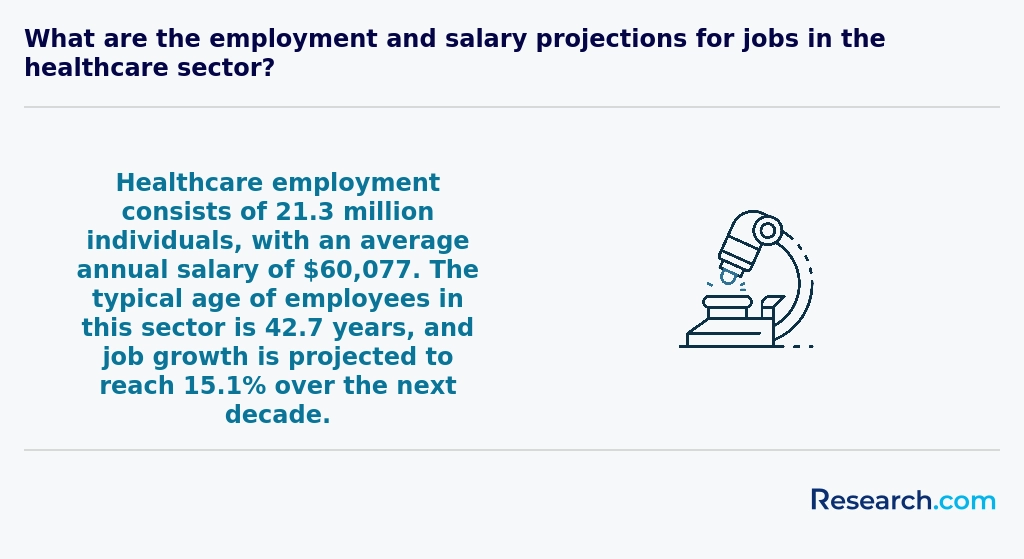
Students pursuing an online healthcare management degree in America frequently rely on a blend of federal aid, scholarships, and employer support to ease financial burdens. Graduates from well-known programs at universities like Arizona State or the University of Southern California often share how completing the FAFSA unlocked Pell Grants, covering thousands annually without repayment. These grants remain a vital lifeline, especially for those balancing work and study.
Federal student loans, such as the Direct Unsubsidized Loan, also provide flexible funding with manageable repayment terms. Many graduates recall feeling reassured by options like the Public Service Loan Forgiveness program, which offers hope for loan forgiveness after a decade of public healthcare service. State-level grants frequently add another layer of support, with students from states like California or New York finding local awards aimed specifically at healthcare professionals.
Above all, institutional scholarships at colleges with strong healthcare management reputations prove transformative. Merit-based awards or need-focused aid directly reduce tuition costs, empowering students to stay committed. Some even benefit from employer tuition reimbursement programs, a growing trend for professionals eager to advance their careers without financial strain.
Private scholarships from industry groups, such as those connected to the American College of Healthcare Executives, add yet another avenue, fostering optimism in future healthcare leaders navigating today's challenges.
Enrolling in an online healthcare management degree in America often begins with having a high school diploma or GED, especially for bachelor's level programs. Graduates from schools like Texas A&M University frequently recall how submitting standardized test scores, when required, felt like a manageable step toward their professional goals. However, many top programs are embracing test-optional policies, focusing instead on candidates' passion and relevant backgrounds.
For master's or doctoral levels, having a related bachelor's or master's degree and a solid GPA (often 3.0 or above) is common. Graduates from Northeastern University share that showcasing professional experience in healthcare settings helped them stand out, reflecting the value employers place on real-world skills.
Letters of recommendation and personal statements allow students to express their unique journeys and ambitions, making admissions more holistic. Future trends may emphasize flexible prerequisites and greater recognition of diverse experiences, enabling aspiring healthcare leaders to access these programs with fewer traditional barriers.
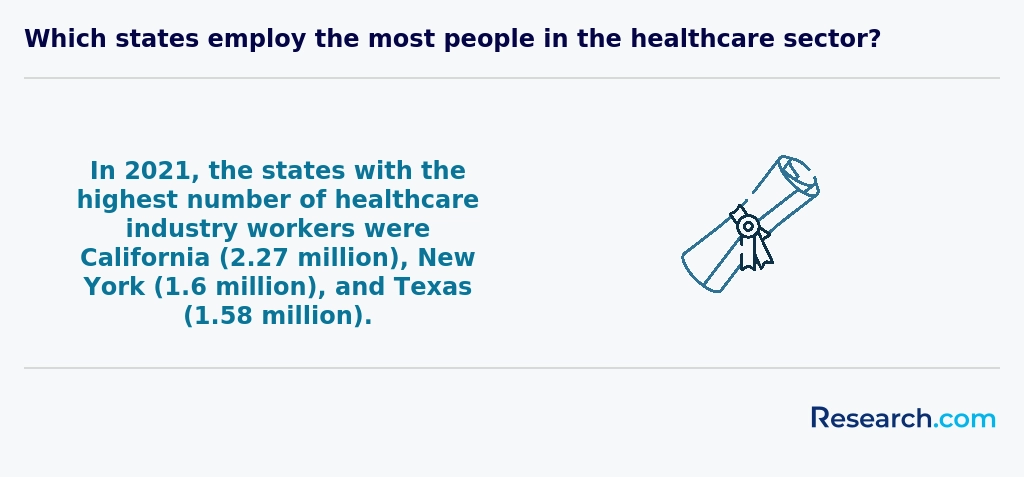
Students pursuing online healthcare management degrees in America often find themselves immersed in core courses like healthcare policy, economics, and law, which provide a practical understanding of the complex U.S. healthcare system. Graduates from well-known institutions share how mastering these subjects helped them confidently navigate regulatory challenges and financial planning in real hospital settings.
Courses on organizational behavior and leadership cultivate skills essential for managing diverse healthcare teams, a common positive reflection from alumni of top colleges. Picture leading a hospital's quality improvement initiative, where lessons in patient safety and strategic planning come to life, mirroring experiences frequently described by recent graduates.
Training in healthcare information systems and data analytics prepares students for emerging tech-driven roles. Many find themselves excited by how knowledge of electronic health records and data-driven decision-making transforms patient care, echoed by those from innovative programs in well-regarded online colleges.
Electives such as ethics, population health, and health services research allow students to engage with evolving trends, offering a broader perspective that graduates often describe as empowering when facing real-world community health challenges.
Students pursuing online healthcare management specializations USA often choose areas like Healthcare Administration, Health Informatics, Public Health Management, Healthcare Finance and Accounting, or Quality Improvement and Patient Safety. Graduates from well-known colleges frequently share how immersing themselves in Health Informatics transformed their understanding of data-driven decision-making, enabling them to revolutionize electronic health records at large hospital systems. Meanwhile, those focusing on Healthcare Administration find themselves confidently managing diverse teams and budgets, motivated by the real-world challenges their programs at top American universities simulate.
Looking ahead, emerging trends suggest increased integration of AI and telemedicine within these specializations, pushing graduates to develop advanced digital literacy alongside traditional management skills. Those interested in healthcare management doctorate concentrations United States foresee opportunities to lead interdisciplinary projects that blend policy, technology, and patient care. For many considering their options, exploring the fastest online mba programs healthcare management offers hope of quickly stepping into impactful leadership roles while staying updated with industry advances.
Choosing the best online healthcare management degree in America means looking beyond traditional criteria and anticipating how the industry and education will evolve. Graduates from popular universities often highlight the value of programs with a curriculum that combines healthcare policy, finance, and leadership, preparing them for dynamic roles in changing healthcare environments. For example, students appreciate courses that incorporate real-world data analytics and ethical decision-making, which are becoming critical as healthcare increasingly leverages technology.
Flexibility remains a top priority, especially for working professionals balancing responsibilities. Many have found programs offering asynchronous courses essential to managing study time effectively while gaining practical skills. Popular colleges known for strong networking opportunities help graduates connect with healthcare organizations, boosting job prospects in a competitive market.
Emerging trends also suggest prioritizing programs with recognized accreditation like CAHME to enhance credibility. When considering costs, students often seek the cheapest online mba in healthcare management without compromising quality, ensuring value in both education and future career growth. Exploring the best online healthcare management degree programs USA means balancing these vital factors thoughtfully.
Understanding how to choose healthcare management doctorate America options involves considering program specialties and career support, as graduates from well-structured degrees report higher satisfaction and better outcomes in advancing their careers.

Graduates with an online healthcare management degree in America find diverse career opportunities in a sector eager for innovation and leadership. Many take on roles as healthcare administrators or practice managers in hospitals, balancing operational challenges with advancing patient care. Others join insurance companies or government agencies, focusing on health policy development or managing complex healthcare programs. These career opportunities for healthcare management graduates in the USA are constantly evolving with technology, leading some to specialize in healthcare informatics, where data and digital tools improve clinical outcomes and efficiency.
Graduates from popular universities often share how their education prepared them to lead confidently in dynamic environments, whether steering a long-term care facility or consulting for a biotech firm. Such real-world success stories highlight the rewarding nature of this career path. For students curious about future potential, exploring what can you do with an mha degree reveals expanding roles shaped by healthcare advances and policy shifts. This makes pursuing an online healthcare management degree jobs in America a promising and adaptable choice.
The job market for online healthcare management jobs in the USA is expanding rapidly, fueled by a growing need for skilled professionals who can navigate both healthcare systems and business operations. Graduates from popular colleges offering online healthcare management degrees often report finding rewarding roles in hospitals and outpatient care centers, where their training in cost control and quality improvement directly impacts patient outcomes. For many, this career path offers the excitement of problem-solving within dynamic healthcare environments.
Many students juggling work and studies find online programs at well-known universities provide flexibility without sacrificing quality, boosting confidence to step into leadership roles post-graduation. The healthcare sector's steady growth means increased opportunities in nursing homes, clinics, and tech-driven healthcare firms. Healthcare management career opportunities in America reflect trends toward outpatient services and integrated IT systems, offering graduates roles where they coordinate care and streamline complex operations. There is also a promising trajectory for those interested in advanced studies, as seen with the option to pursue an online doctorate of healthcare administration, preparing professionals for top-tier leadership positions.
2027 Best Online Doctorate in Healthcare Management Degree Programs Ranking in the USA
Investing in your education is a significant decision that can profoundly impact your career and future, and the Research.com team is committed to supporting you in making well-informed choices. To this end, we have carefully developed the "2027 Best Online Doctorate in Healthcare Management Degree Programs Ranking in the USA." Our dedication to quality, credibility, and accuracy is demonstrated through rigorous research and analysis.
We utilized the following reputable data sources to ensure a comprehensive evaluation of healthcare management doctorate programs:
By exploring this ranking, readers will gain valuable insights into the top online doctorate programs in healthcare management, empowering them to choose programs that align with their professional goals and personal circumstances. For further information on how this ranking was developed, please visit our Research.com methodology page.


# 7 position
Walden University
Doctor of Healthcare Administration


# 9 position
A.T. Still University
Doctor of Health Administration

# 10 position
Eastern Virginia Medical School
Doctor of Health Sciences

Frequently Asked Questions About healthcare management
To maximize their learning experience, online healthcare management degree students in America should actively engage with course materials and participate in virtual discussions. According to the National Center for Education Statistics, students who interact regularly with peers and instructors report higher satisfaction and better retention.
Utilizing resources such as digital libraries and professional healthcare management organizations can deepen understanding of industry trends. Practical application through case studies or internships, even virtual ones, enhances critical thinking skills vital in healthcare leadership roles.
Time management is crucial; setting a consistent study schedule helps balance coursework with personal and professional responsibilities. The Bureau of Labor Statistics forecasts a 28% growth for medical and health services managers by 2031, making focused, applied learning essential for career success.
The healthcare management field in America is evolving rapidly, with several emerging niches gaining prominence. One key area is health informatics management, which combines healthcare and data analytics to improve patient outcomes and operational efficiency. According to the U.S. Bureau of Labor Statistics, employment in healthcare information management is projected to grow 15% from 2021 to 2031, faster than average.
Another growing niche is population health management. This focuses on improving health outcomes for communities while controlling costs, a priority for many healthcare systems amid rising chronic disease rates.
Additionally, telehealth administration has expanded rapidly due to the COVID-19 pandemic. Managing telemedicine services requires specialized skills to handle remote patient engagement and technology integration, making it a valuable expertise for future healthcare managers.
After completing an online healthcare management degree in America, it is essential to strategically prepare for the job market. Start by gaining relevant experience through internships or part-time roles in healthcare facilities, as 70% of healthcare employers value practical experience alongside formal education, according to the U.S. Bureau of Labor Statistics (BLS).
Networking plays a key role; join professional healthcare associations such as the American College of Healthcare Executives (ACHE) to connect with industry leaders and potential employers. Certification, including the Certified Healthcare Executive (CHE) credential, can improve job prospects and demonstrate expertise.
Lastly, keep your skills updated by attending workshops on healthcare technology and compliance, fields expected to grow by 16% through 2030, enhancing your marketability in a competitive landscape.
Employers in American healthcare management value a blend of technical and interpersonal skills. Graduates must demonstrate strong leadership abilities to oversee teams and manage healthcare facilities effectively. Analytical skills are essential, enabling managers to interpret data, improve patient outcomes, and optimize operations.
Communication skills rank highly, as managers coordinate among clinical staff, patients, and regulatory bodies. According to the U.S. Bureau of Labor Statistics, demand for healthcare managers is expected to grow 28% by 2031, underscoring the importance of adaptability and knowledge of healthcare laws and policies.
Additionally, proficiency with electronic health records and healthcare technology is increasingly critical in the digital age.
Finding internships relevant to a healthcare management degree in America requires a proactive approach. Start by researching hospitals, healthcare systems, insurance companies, and public health organizations that offer internship programs. The American College of Healthcare Executives (ACHE) provides a helpful database of internship opportunities nationwide.
Many online programs also connect students to internships through their career services or alumni networks, which is vital considering the competitive nature of healthcare management roles. According to the Bureau of Labor Statistics, healthcare management jobs are expected to grow 28% from 2021 to 2031, increasing demand for qualified professionals.
Students should also leverage platforms like Handshake or LinkedIn to find positions listed specifically for healthcare administration. Volunteering at local clinics or health agencies can sometimes lead to internship offers as well.
An online healthcare management degree significantly enhances career mobility and advancement opportunities in America's healthcare industry. According to the U.S. Bureau of Labor Statistics, healthcare management jobs are expected to grow 32% from 2021 to 2031, much faster than average. This growth creates numerous leadership roles requiring advanced education.
Professionals with an online degree can access flexible learning while maintaining employment, which helps build relevant experience alongside credentials. Employers often prefer candidates with formal degrees for management positions due to recognized competencies in finance, policy, and operations.
Graduates can pursue roles such as healthcare administrators, policy analysts, or executive directors, often with salary increases reflecting their advanced skills. This degree also facilitates networking there are expanding opportunities in hospitals, clinics, and government agencies.
Studying for a healthcare management degree in America equips students with skills needed for interdisciplinary roles by emphasizing collaboration across healthcare, business, and technology fields. Programs integrate courses in health policy, economics, and informatics, reflecting the complex nature of modern healthcare systems.
Many degrees highlight leadership and communication skills, crucial for working with diverse teams including clinicians, administrators, and IT specialists. According to the Bureau of Labor Statistics, healthcare managers often coordinate between departments, underscoring the value of interdisciplinary training.
Accredited online programs align with standards from organizations like the CAHME, ensuring curriculum relevance to real-world challenges. This prepares graduates to adapt and manage cross-functional responsibilities effectively.
When deciding between a thesis and a non-thesis online healthcare management degree in America, consider your career goals carefully. A thesis option typically requires conducting original research and is suited for students aiming for academic, research, or policy roles. It can enhance critical thinking and analytical skills valued in leadership positions.
Non-thesis programs focus more on coursework and practical skills, making them ideal for professionals seeking management or administrative roles. According to the American College of Healthcare Executives (ACHE), over 70% of healthcare managers emphasize applied skills over research experience.
Thesis programs usually take longer to complete, often 3-5 years, while non-thesis programs may be completed faster. Cost and institutional requirements vary, so review specific university offerings closely.
American students interested in studying healthcare management abroad can explore several options through online international programs offered by global universities. Many institutions partner with US universities to provide joint or dual degrees, allowing students to gain international perspectives without relocating. For example, programs in Canada and the United Kingdom often include coursework tailored to global healthcare systems alongside US healthcare policy.
In 2023, amid rising demand for healthcare managers-projected to grow 28% by 2031 according to the U.S. Bureau of Labor Statistics-students benefit by learning diverse healthcare frameworks online. These programs help broaden understanding of healthcare administration within a global context, crucial for future leadership roles in America's complex healthcare environment.
Part-time job opportunities that complement online healthcare management degrees in America often focus on gaining practical experience in healthcare settings. Common roles include medical office assistant, health information technician, and patient services coordinator. These positions provide valuable exposure to healthcare administration and regulatory environments.
According to the U.S. Bureau of Labor Statistics (2023), healthcare support occupations are projected to grow 11% from 2022 to 2032, faster than average for all occupations. This growth highlights increasing availability of part-time roles relevant to healthcare management students.
In addition, internships or part-time work in hospital administration offices or insurance companies can offer insights into healthcare policies, billing, and management processes. Such roles build skills essential for leadership positions in the field.
Online healthcare management students in America benefit from numerous networking opportunities tailored to their professional goals. Many accredited programs integrate virtual events such as webinars, guest lectures, and alumni forums, allowing students to connect with industry experts and peers nationwide. According to the American College of Healthcare Executives, active participation in professional associations can enhance career prospects by linking students to over 48,000 healthcare leaders across the country. Additionally, online platforms like LinkedIn and dedicated student portals provide spaces for collaboration and mentorship. These networks often lead to internships, job placements, and knowledge sharing within healthcare management communities.
Alumni networks play a crucial role for online healthcare management degree students in America by providing access to a wide range of professional opportunities. These networks connect current students with graduates working in diverse healthcare settings, including hospitals, clinics, and policy organizations.
According to the American College of Healthcare Executives, about 82% of healthcare management jobs are secured through networking and referrals, highlighting the value of strong alumni connections.
Alumni networks also offer mentorship, career advice, and job leads specifically tailored to the healthcare industry. This support helps students navigate the complexities of healthcare leadership roles and stay updated on industry trends and regulations.
Participation in alumni events and online forums strengthens relationships and fosters professional growth, which is essential in a rapidly evolving sector like healthcare management.
To customize an online healthcare management degree in America, students can select electives or specializations aligned with their career goals. Many programs offer concentrations such as health informatics, policy, or finance, enabling focus on specific industry areas. According to the U.S. Bureau of Labor Statistics, managerial roles in healthcare are projected to grow 32% through 2030, highlighting the value of targeted skills. Students may also tailor projects and research to current healthcare challenges or technologies. Furthermore, some schools provide flexible pacing options or dual degree opportunities, helping candidates balance education with professional experience for better career advancement.
Online healthcare management students in America often face challenges related to balancing rigorous coursework with professional and personal responsibilities. According to the National Center for Education Statistics, many adult learners juggle full-time jobs and family commitments, which can limit study time. Additionally, students may struggle with limited access to hands-on clinical experiences, which are essential in healthcare fields. Technical difficulties and varying levels of digital literacy also pose barriers, especially for those new to online learning platforms. Finally, navigating complex accreditation and understanding program quality can be confusing, as the healthcare management field requires up-to-date knowledge on regulations and healthcare policies.
Graduates with an online healthcare management degree in the U.S. can pursue several key professional certifications to enhance their career prospects. One of the most recognized is the Certified Professional in Healthcare Management (CPHM), offered by organizations such as the American College of Healthcare Executives (ACHE). This certification proves expertise in healthcare leadership.
Another valuable certification is the Certified Medical Manager (CMM), focused on the administrative side of healthcare practices. For those interested in quality and safety, the Certified Professional in Healthcare Quality (CPHQ) is widely accepted.
According to the U.S. Bureau of Labor Statistics, healthcare management jobs are projected to grow 28% from 2021 to 2031, highlighting the importance of certification for competitiveness.
Crafting a winning application for an online healthcare management program in America requires clarity, preparation, and relevance. Start by clearly demonstrating your career goals and how the degree aligns with them. Highlight any healthcare or managerial experience, as programs value practical knowledge alongside academic achievement. According to the Bureau of Labor Statistics, healthcare management jobs are expected to grow 32% from 2020 to 2030, emphasizing the field's importance.
Include a well-written personal statement focused on leadership skills, problem-solving abilities, and an understanding of healthcare challenges. Use specific examples to illustrate your commitment to improving healthcare systems. Additionally, strong letters of recommendation can greatly boost your application by validating your skills and professionalism. Ensure your resume is up-to-date and tailored to healthcare management roles. Finally, pay close attention to standardized test or prerequisite requirements, as some programs require the GRE or specific coursework.
Healthcare management is a growing field with strong global relevance, but the United States remains a leading hub for education and career opportunities. According to the U.S. Bureau of Labor Statistics, healthcare management jobs are projected to grow 32% from 2020 to 2030, much faster than the average for all occupations. This growth reflects increased demand for skilled professionals who can navigate complex healthcare systems.
Globally, countries emphasize efficient healthcare administration, but the U.S. stands out for its advanced online degree programs and research-driven curricula. Many American programs incorporate international case studies, preparing graduates for global challenges.
Because U.S. healthcare is highly regulated and technology-driven, domestic training often offers competitive advantages for leadership roles worldwide. The mix of policy, economics, and management in American degrees aligns with international trends towards integrated healthcare solutions.
Gaining practical experience while studying for an online healthcare management degree in America is vital for career success. Many programs include internships or practicum opportunities that allow students to work directly with healthcare organizations. These placements typically involve tasks such as managing operations or analyzing healthcare policies.
Another option is to seek volunteer roles in hospitals, clinics, or public health departments. According to the American College of Healthcare Executives, networking through professional associations can connect students with mentorship and job shadowing opportunities.
Some schools also offer simulation labs and case studies to develop decision-making skills relevant to the U.S. healthcare system.
Choosing the right concentration within an online healthcare management degree in America requires careful consideration of your career goals and interests. Common concentrations include health informatics, policy analysis, finance, and administration. According to the U.S. Bureau of Labor Statistics, healthcare management roles are growing faster than average, with a projected 28% growth from 2021 to 2031. This growth affects demand for specialized skills. Evaluating concentrations based on industry needs and employer preferences in your region can enhance job prospects. Additionally, reviewing course offerings and faculty expertise at different programs will help you align your education with evolving healthcare trends.
- Master of Healthcare Administration (M.H.A.) Major in Healthcare Administration (Non-thesis Option) https://mycatalog.txstate.edu/graduate/health-professions/administration/mha/
- BS in Healthcare Administration Degree - Boston Location https://www.baypath.edu/academics/undergraduate-programs/healthcare-administration/bs-in-healthcare-administration-boston-location/
- Advancing Your Career in Healthcare: Tips and Strategies https://www.sunshinecarenetwork.com/blog/advancing-your-career-in-healthcare-tips-and-strategies
- Online Healthcare Administration Degrees with Financial Aid https://www.edumed.org/online-schools/healthcare-administration-degrees/financial-aid/
- Online Healthcare Administration Bachelors Degree | CHCP https://www.chcp.edu/degrees-certificates/healthcare-administration-bachelors-degree/online/
- 14 Healthcare Administrator Cover Letter Examples: Plus Recruiter Insights (Updated for 2025) https://resumeworded.com/cover-letter-samples/healthcare-administrator
- 10 Skills Employers Are Looking for in Healthcare Management Jobs https://www.aiuniv.edu/blog/10-top-skills-for-healthcare-management-jobs
- Where to study health management - EHMA https://ehma.org/where-to-study-health-management/
- Health Care Manager Cover Letter Examples - Templates & Writing Tips https://www.resume-now.com/cover-letter/examples/business-operations/healthcare-management-manager
- Niche Markets in Healthcare: How to Find & Target https://nechayadvisors.com/blog/niche-markets-in-healthcare