2027 Easiest Online Healthcare Management Degree Programs Ranking in Alabama

Co-Founder and Chief Data Scientist
Choosing the right online healthcare management degree program can feel overwhelming, especially in Alabama's growing educational landscape. This article introduces the 2027 Easiest Online Healthcare Management Degree Programs Ranking in Alabama, thoughtfully created by the Research.com team of data scientists.
It's designed to help you make an informed choice about which programs stand out for accessibility and quality. A healthcare management degree opens doors to meaningful careers that impact community well-being and offer long-term growth.
Reading this guide will give you clarity and confidence on your educational journey toward a rewarding future.
Key benefits of getting online healthcare management degree in Alabama
- Healthcare management degree graduates in Alabama can expect competitive salaries, with many related healthcare administrative roles averaging around $104,000 annually nationwide, reflecting strong earning potential in this field.
- Graduates of healthcare management programs in Alabama often pursue diverse careers including hospital administration, health policy planning, and healthcare consulting, offering exciting opportunities in a growing sector.
- Online healthcare management degrees from Alabama universities provide flexible schedules and lower costs, making it easier for busy students or working professionals to advance their careers without sacrificing other commitments.
- 2027 Easiest Online Healthcare Management Degree Programs Ranking in Alabama
- What can I expect from online healthcare management degree in Alabama?
- Where can I work with online healthcare management degree in Alabama?
What can I expect from online healthcare management degree in Alabama?
Curious about the investment for an online healthcare management degree in Alabama? On average, students can expect tuition costs ranging from $10,000 to $25,000 for a full program, depending on the level-associate, bachelor's, or master's-and the university. For instance, graduates from the University of Alabama at Birmingham often share how affordable the flexible, asynchronous courses made it possible for them to juggle work and study without financial strain.
At Auburn University, students appreciate the balance between cost and quality, especially with occasional synchronous sessions that add a personal touch without extra expenses. Many find that the investment quickly pays off, thanks to Alabama's booming healthcare sector offering competitive salaries and promising growth-for example, medical and health services managers in Alabama earn a median of about $102,000 annually.
The opportunity to gain real-world experience through internships with local hospitals like UAB Hospital or Baptist Health System adds invaluable practical skills to the degree, making the cost feel like a worthy, adventure-filled step toward a rewarding career.
Where can I work with online healthcare management degree in Alabama?
Graduates with online healthcare management degrees in Alabama often find themselves stepping into dynamic roles across the state's bustling healthcare landscape. Imagine joining the team at the University of Alabama at Birmingham Hospital, where alumni eagerly manage department budgets and innovate patient care strategies, feeling the pride of directly impacting one of the largest medical centers in the Southeast.
Others discover thrilling opportunities at outpatient centers like Huntsville Hospital Health System, where they streamline workflows and navigate complex healthcare regulations daily, gaining hands-on experience that feels both challenging and rewarding.
Health insurance companies in Alabama also draw these graduates into fast-paced roles involving policy development and claims processing. With Medicaid expansions driving new initiatives, many find purpose in coordinating crucial state healthcare programs, turning their knowledge into real-world solutions.
Public health agencies offer yet another exciting path, where graduates from institutions such as Auburn University collaborate on community health policies and resource management, basking in the satisfaction of improving lives across Alabama.
Graduates from online healthcare management programs in Alabama, such as those offered by well-known institutions like the University of Alabama at Birmingham, often find themselves stepping into a rewarding salary landscape. Fresh out of school, many begin their careers earning between $55,000 and $65,000, which feels encouraging when starting in roles like health services coordinator or administrative assistant.
As these graduates gain experience, salaries climb steadily. Those with a few years of hands-on leadership in healthcare departments or compliance often report earning $80,000 to $90,000 annually. In cities like Birmingham, Huntsville, or Mobile, this figure can be 10 to 15 percent higher, reflecting the bustling healthcare hubs these urban centers have developed.
Imagine managing a busy hospital wing or leading compliance initiatives - for graduates of programs from Alabama's colleges, this reality ties directly to a strong career trajectory where $90,000+ yearly becomes an achievable milestone. With further education or certifications, salaries soar above $100,000, inspiring many to pursue advanced degrees boldly.
- Annual tuition for online healthcare management programs in Alabama ranges from $8,000 to $15,000 at public universities and can exceed $20,000 at private institutions.
- Healthcare management jobs in Alabama are expected to grow by about 16% through the mid-2020s, outpacing the national average.
- Starting salaries for graduates typically begin around $55,000 per year, with experienced professionals earning about $85,000 or more.
- Accreditation from agencies like CAHME or regional bodies is important for program quality and better job opportunities.
- Programs often include courses in healthcare policy, finance, ethics, and operations, and may offer internships with local healthcare providers.
- Major healthcare employers in Alabama include UAB Health System and Huntsville Hospital, which frequently hire healthcare managers.
Diving into an online healthcare management degree in Alabama often means embracing a flexible journey tailored to your own rhythm. Graduates from popular universities like the University of Alabama at Birmingham have discovered they can finish a bachelor's degree in about four years, juggling work and life with their studies. Some adventurous students took advantage of accelerated programs, wrapping up in three years or even less by loading extra courses each term-turning ambition into achievement faster than expected.
For those opting for an associate degree at institutions like Jefferson State Community College, the journey typically lasts around two years, offering a quick yet solid springboard into the healthcare field. Meanwhile, master's candidates at Auburn University have enjoyed programs designed for busy professionals, stretching from 18 months to two years, especially when balancing part-time study with careers.
Transfer credits and competency-based models have also empowered many learners to speed up their progress, proving that in Alabama, the path to healthcare management can be uniquely yours.
Imagine juggling a full-time job in a busy Birmingham hospital while pursuing a healthcare management degree through the University of Alabama's online program. Graduates often share how this flexibility lets them learn during nights and weekends, skipping the commute and fitting classes around unpredictable work shifts. Online programs here thrive on digital platforms, perfect for those who crave control over their schedules without sacrificing academic rigor.
On the other side, Auburn University's on-campus students describe vivid day-to-day interactions with professors and peers, where spontaneous discussions during breaks or group projects create a vibrant learning community. They value the hands-on exposure to local healthcare facilities and easier access to internships, enhancing practical insights beyond textbooks.
Tuition in Alabama's healthcare management programs remains competitive, sometimes lower due to state support, but online learners also save on housing and travel costs. Whether diving into asynchronous classes at UAB or navigating structured semesters at Troy University, the adventure lies in choosing the experience that aligns with your lifestyle and career goals.
When exploring the average cost of online healthcare management degree in Alabama, many soon-to-be students discover the median in-state total hovers around $14,130. This figure reflects a balance between quality education and affordability, especially when compared to out-of-state costs near $30,420. Graduates from universities like the University of Alabama at Birmingham often share how the reasonable tuition allowed them to focus on their studies without overwhelming debt, fueling excitement and confidence throughout their journey.
Students enrolled at Auburn University and similar institutions enjoy tuition fees aligned with the state median, making their education adventure both financially accessible and rewarding. These programs frequently blend theory with practical experiences, and many learners find that the investment pays off as they connect classroom knowledge to real-world healthcare challenges. The relatively modest tuition fees make Alabama a smart choice for those passionate about healthcare management but cautious about the financial commitment.
Additional expenses such as technology fees and materials are part of the adventure, yet many feel supported by scholarships and grants tailored to healthcare fields, which can significantly ease the cost burden. Prospective students curious about future career paths can explore exciting jobs for mba in healthcare management, finding motivation in how their degree investment translates into meaningful opportunities.
When searching Alabama online healthcare management degree tuition fees, it's encouraging to see that in-state options offer a tangible path to success, giving aspiring healthcare leaders a grounded yet inspiring launching point for their ambitions.

Imagine stepping into an online healthcare management program at a renowned Alabama institution like the University of Alabama at Birmingham, where financial aid feels like a trusty companion on your educational journey. Many graduates often share how the FAFSA opened doors to essential funding-like Pell Grants, which provide up to $7,395 without needing repayment, fueling dreams without debt weighing them down.
Others highlight how Federal Direct Loans and Federal Work-Study empowered them to balance studies and earnings, making education feel achievable rather than overwhelming. The state's own Alabama Student Assistance Program (ASAP) adds another layer of support, especially for those enrolled in Alabama-based online programs, rewarding both financial need and academic dedication.
Alabama schools often sweeten the deal with institutional scholarships tailored to healthcare fields, inspiring students to excel by recognizing leadership and academic achievements. Plus, healthcare professionals frequently tap into employer tuition reimbursement to advance while continuing their careers. This blend of aid options crafts a hopeful and realistic path for aspiring healthcare managers eager to grow within Alabama's vibrant medical landscape.
Diving into an online healthcare management degree in Alabama sparks excitement, but first, you'll meet some clear prerequisites that prepare you for success. Imagine a graduate from the University of Alabama confidently starting their journey-this usually begins with holding a high school diploma or GED for undergraduates, or for those chasing a master's, a relevant bachelor's degree from fields like healthcare or business.
Official transcripts are a must-have; they showcase your academic story and readiness. Many students from Auburn University recall submitting theirs and feeling one step closer to their goals. Standardized tests may come into play-undergrad hopefuls might need SAT or ACT scores, though many programs now cheerfully waive these, recognizing diverse strengths.
Work experience in healthcare often shines brightly on applications. Graduates share how their time in clinical or administrative roles boosted both confidence and acceptance chances. Plus, non-native English speakers embrace TOEFL or IELTS scores to prove their readiness to engage fully with the vibrant online classes offered across Alabama's colleges.
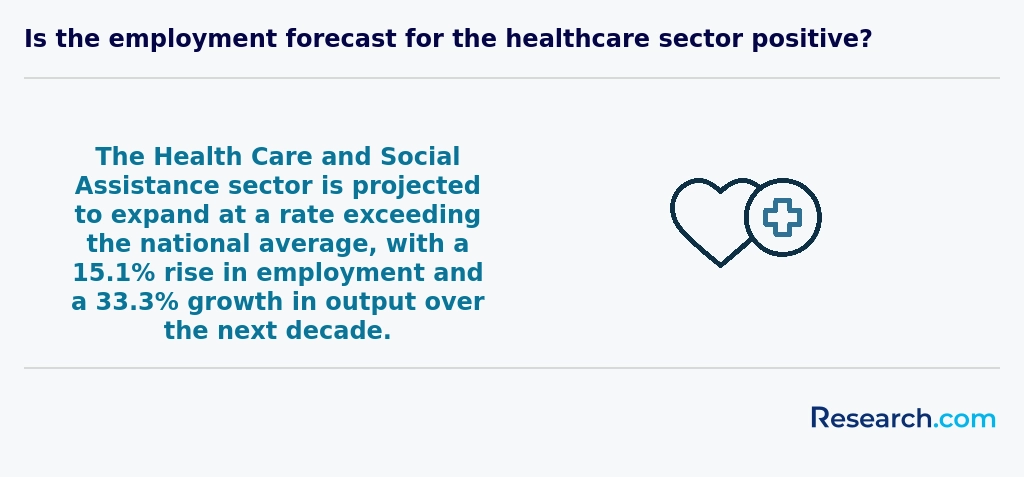
Diving into an online healthcare management degree in Alabama feels like embarking on a rewarding journey through the intricate world of healthcare administration. Students at popular institutions like the University of Alabama at Birmingham discover courses blending healthcare systems and policies with business savvy. Imagine mastering the U.S. healthcare delivery, then zooming into Alabama's unique regulatory landscape-this mix truly prepares you for leadership.
Graduates often speak about the thrill of tackling subjects like healthcare finance and human resources, where they learn real-world skills like budgeting hospital resources or managing staff in bustling clinics. Exploring strategic planning ignites a sense of empowerment, as you envision steering an entire organization toward better patient care.
Courses on legal and ethical issues deepen your understanding of patient privacy and compliance, a vital compass in Alabama's diverse medical environments. Quality management and data analytics classes add another layer, making graduates confident in turning complex data into meaningful improvements in healthcare delivery.
Diving into online healthcare management specializations Alabama offers reveals an exciting range tailored to diverse career dreams. From healthcare informatics, where graduates eagerly handle electronic health records and data security, to public health administration focused on uplifting entire communities, there's a path for every curiosity. Imagine managing a nursing home or assisted living facility through long-term care management-an area gaining momentum thanks to Alabama's aging population.
Graduates from popular institutions like the University of Alabama share how health services administration sharpened their skills in budgeting and navigating healthcare laws. Others find joy in healthcare quality and patient safety, improving standards that directly touch patient lives. Those interested in policy combine strategy and regulation to influence Alabama's healthcare landscape, making each specialization feel immediately relevant.
Exploring Alabama healthcare management degree focus areas motivates students by connecting real-world challenges with flexible online options. Many even weigh continuing their journey with a doctorate in healthcare management online to deepen their impact on this evolving field.
Finding the best online healthcare management degree Alabama offers feels like embarking on a personal journey through education and career dreams. Graduates from programs at popular universities often share how accreditation was their compass-choosing schools recognized by bodies such as CAHME meant confidence that their degree held real value. Imagine diving into courses that unravel healthcare finance, ethics, and policy, just like students balancing full-time jobs who valued Alabama's flexible asynchronous classes and part-time options. Graduates praise programs where faculty combine academic knowledge with real-world experience, making lessons come alive with practical insights and career advice.
For adventurous learners seeking affordability, exploring affordable healthcare management programs Alabama is key-many found tuition lower than traditional on-campus routes, with financial aid easing the path. A standout moment comes when alumni step confidently into roles expected to grow 18% by 2030, thanks to programs blending strong curriculum with career support. And for those curious about what awaits, the chance to land a healthcare administration job with the highest salary often starts here.
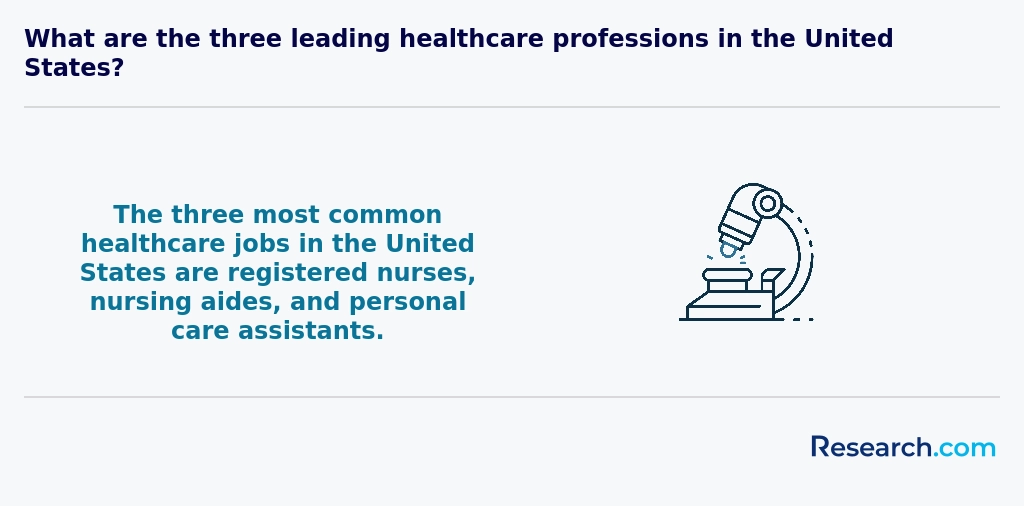
Graduates holding an online healthcare management degree in Alabama find themselves stepping into diverse and dynamic career paths. Many alumni from well-regarded institutions like the University of Alabama or Auburn University embrace roles as healthcare administrators, where they coordinate hospital or clinic operations, ensuring smooth workflows and quality patient care. Their day-to-day involves problem-solving and leadership, making a meaningful impact on community health.
Others venture into specialized positions such as medical and health services managers, often within outpatient departments or rehabilitation centers, where strategic thinking shapes patient experiences. Graduates share a sense of accomplishment watching healthcare facilities evolve under their guidance, fueled by Alabama's growing demand for these skills.
Students with a penchant for organization and technology gravitate toward becoming health information managers. Managing electronic health records and safeguarding patient data feels like a vital adventure in the digital age. Interest in the rising local job market makes online healthcare management careers in Alabama all the more enticing.
Many also explore unconventional roles such as quality coordinators or health policy analysts, weaving together healthcare knowledge and business savvy. Curious minds often ask is an mha a good degree, discovering the rewarding opportunities that stem from this versatile education.
The job market for online healthcare management degree graduates in Alabama shines with promise, fueled by an expanding healthcare landscape and a growing patient base. Graduates from popular institutions across the state often find themselves stepping into rewarding roles at regional hospitals, outpatient care centers, and public health agencies, where their skills are in high demand. Many alumni enjoy starting salaries between $50,000 and $65,000, with experienced professionals moving past $90,000, reflecting a balance that complements Alabama's lower cost of living.
For those exploring online healthcare management jobs in Alabama, the landscape is vibrant not just in traditional healthcare settings but also in emerging fields like telemedicine and health technology. Graduates share positive experiences of flexible online programs from universities within the state, which make it easier to gain credentials while working. The growing demand and diverse opportunities energize those eager to innovate and lead within healthcare administration.
Those interested in advancing further might consider pursuing a doctor of healthcare administration, unlocking even more paths in leadership and strategic roles within Alabama's dynamic healthcare ecosystem.
2027 Easiest Online Healthcare Management Degree Programs Ranking in Alabama
Investing in your education is a significant decision that can profoundly impact your career and personal growth. The Research.com team recognizes the importance of making well-informed choices and has dedicated extensive effort to ensure the quality, credibility, and accuracy of the "2027 Easiest Online Healthcare Management Degree Programs Ranking in Alabama." To create this trusted resource, we leveraged multiple authoritative data sources, combining comprehensive and reliable information to offer the most accurate evaluation available.
We utilized the following reputable data sources to ensure a comprehensive evaluation of online healthcare management programs:
Readers of this ranking will gain valuable insights to confidently select the easiest and most accessible online healthcare management degree programs in Alabama, streamlining their educational journey. For more information on how this ranking was formulated, please visit our Research.com methodology page.

# 2 position
Columbia Southern University
Master of Healthcare Management

# 3 position
Columbia Southern University
Bachelor of Healthcare Administration/Emergency Medical Services
Frequently Asked Questions About healthcare management
Students pursuing online healthcare management degrees in Alabama can maximize their learning by actively engaging with course materials and participating in virtual discussions. Research shows that Alabama's healthcare sector is one of the fastest-growing industries, creating a high demand for skilled managers.
Utilizing Alabama-specific healthcare data, such as insights from the Alabama Department of Public Health, can deepen understanding of local health policies and challenges. Networking with peers and professionals through online forums or Alabama-based healthcare organizations helps build valuable connections.
Additionally, seeking internships or practicum opportunities within Alabama's hospitals and clinics enhances practical skills and employability in the state's healthcare market.
The healthcare management field in Alabama is evolving with several emerging niches that reflect broader national trends. One rapidly growing area is health informatics, which focuses on managing patient data and optimizing electronic health records systems. The Alabama Department of Public Health has reported increasing demand for professionals skilled in data analytics for improving patient outcomes.
Another key niche is population health management, aimed at coordinating care to reduce costs and enhance quality, especially important in Alabama's rural regions where access to healthcare can be limited. Additionally, roles in telehealth administration are expanding, driven by Alabama's efforts to increase remote healthcare delivery.
Compliance and regulatory management also remain a critical niche due to constantly changing healthcare laws and policies. These emerging areas offer promising opportunities for online healthcare management students considering Alabama's job market.
After completing an online healthcare management degree in Alabama, preparing for the job market involves several key steps. First, gaining practical experience through internships or volunteer opportunities with Alabama healthcare providers can enhance your resume. The Alabama Department of Labor reports that healthcare management jobs are growing by about 6% statewide, reflecting strong demand.
Networking is crucial; joining organizations like the Alabama Hospital Association or the American College of Healthcare Executives can connect you with employers. Additionally, obtaining certifications such as Certified Healthcare Manager (CHM) can make candidates more competitive.
Finally, tailoring your resume to emphasize relevant skills and researching local healthcare employers will improve job prospects in Alabama.
Employers in Alabama increasingly value healthcare management graduates who demonstrate strong leadership and communication skills. According to the Alabama Hospital Association, effective team collaboration and clear communication are critical due to the state's growing healthcare demands. Additionally, financial acumen and budgeting capabilities are essential, as managers often oversee complex operational budgets in both urban and rural settings.
Data analysis skills are also in high demand, enabling graduates to improve patient outcomes by interpreting healthcare data. Familiarity with healthcare laws and regulations, including HIPAA compliance, is crucial given Alabama's strict adherence to patient privacy standards.
Adaptability and technology proficiency, especially with electronic health records (EHR) systems, further enhance employability in this competitive field.
Finding internships in Alabama relevant to a healthcare management degree involves leveraging both educational resources and local industry connections. Many Alabama universities with online healthcare management programs maintain partnerships with hospitals, clinics, and health organizations, offering students direct internship opportunities. Exploring state health departments and private healthcare providers like UAB Health System or Huntsville Hospital can also be beneficial.
Students should use platforms such as the Alabama Department of Public Health internship listings and healthcare career fairs. Additionally, professional associations like the Alabama Healthcare Financial Management Association provide networking events and internship leads specific to healthcare management.
According to the Alabama Department of Labor, healthcare is among the fastest-growing sectors in the state, increasing internship availability in various administrative roles. Early outreach through academic advisors and local healthcare employers improves chances of securing quality internships that complement online studies.
In Alabama, earning an online healthcare management degree can significantly enhance career mobility and advancement opportunities. The healthcare sector in Alabama is growing rapidly, with employment projected to increase by 16% from 2020 to 2030, according to the U.S. Bureau of Labor Statistics. This growth creates a strong demand for qualified healthcare managers who can oversee hospital operations, health services, and clinical departments.
Graduates with an online degree gain essential skills in leadership, healthcare law, and data management, which are highly valued by employers across the state. Additionally, many Alabama healthcare facilities prefer candidates with formal education for promotions and specialized roles.
Furthermore, Alabama's increasing investment in healthcare infrastructure supports career advancement for degree holders, as leadership roles often require a bachelor's or master's level healthcare management education. According to the Alabama Department of Labor, those with relevant degrees typically earn 20-30% higher salaries than those without.
Studying for a healthcare management degree in Alabama equips students with skills essential for interdisciplinary roles across healthcare settings. Programs emphasize collaboration between clinical and administrative personnel, preparing graduates to work alongside doctors, nurses, and policy experts effectively.
Curricula often include courses in health informatics, public health, finance, and organizational leadership, providing a broad perspective needed to coordinate diverse teams. According to the Alabama Board of Nursing and state workforce studies, the healthcare sector is growing rapidly, increasing demand for managers who understand multiple disciplines.
Online programs in Alabama also focus on regulatory compliance and quality improvement, further enhancing graduates' ability to lead within complex healthcare systems.
When choosing between a thesis and a non-thesis healthcare management degree program in Alabama, consider your career goals first. Thesis programs often emphasize research skills, ideal for students aiming for advanced studies or roles in policy development. Non-thesis options focus more on practical skills, suited for those pursuing management positions in hospitals or health services.
The Alabama Board of Nursing and healthcare organizations report growth in management jobs by 15% through 2028, highlighting a demand for applied skills. Thesis tracks may require extra time and strong writing abilities, while non-thesis paths usually offer faster completion.
Accredited Alabama universities typically list program details on their sites, helping students evaluate requirements and outcomes.
Students based in Alabama seeking to study healthcare management abroad typically face limited direct options through Alabama institutions. Most online programs from Alabama universities focus on domestic accreditation and curriculum aligned with U.S. healthcare standards. However, students can enroll in internationally recognized online healthcare management degrees offered by universities abroad, provided these programs meet U.S. accreditation requirements.
Alabama residents interested in global perspectives may also consider study-abroad exchanges or partnerships with universities in Canada or the United Kingdom, countries with respected healthcare systems. According to the Alabama Commission on Higher Education, these options are less common but growing due to globalization in healthcare education.
International programs require careful review to ensure they align with career goals within Alabama's healthcare market, especially as local demand for healthcare administrators grows by 16% through 2030, according to the U.S. Bureau of Labor Statistics.
Part-time job opportunities in Alabama that complement a healthcare management degree are available across various healthcare and administrative settings. Positions such as medical office assistants, billing coordinators, and health information technicians provide practical experience relevant to healthcare administration.
For example, Alabama's growing healthcare sector, supported by the Alabama Department of Labor, reports increasing demand for health information technicians, with a projected growth rate of 13% by 2030. These roles allow students to apply coursework in real-world medical environments.
Other part-time roles include patient service representatives and community health workers, which help develop skills in communication, compliance, and healthcare operations management.
Online healthcare management students in Alabama have several networking opportunities that can enhance their careers. Many universities offering these degrees provide access to virtual career fairs and alumni networks. These platforms connect students with healthcare professionals and employers statewide.
The Alabama Hospital Association hosts events and webinars, which online students can attend to meet industry leaders. Additionally, statewide organizations like the Alabama Public Health Association offer membership benefits, including conferences and discussion forums geared toward healthcare management.
Healthcare remains a growing field in Alabama, with employment projected to increase by 18% through 2030, according to the Alabama Department of Labor. This growth supports robust local networking possibilities for students.
Alumni networks offer significant benefits to students pursuing online healthcare management degrees in Alabama. These networks provide valuable connections within the state's growing healthcare industry, which employs over 330,000 people as of 2023 according to the Alabama Department of Labor. By engaging with alumni, students can access mentorship, job leads, and insider knowledge on local healthcare organizations.
Alumni connections also enhance career advancement by facilitating introductions to hiring managers and professional events. Many Alabama universities maintain active online alumni platforms tailored to healthcare management fields, increasing students' opportunities for networking despite studying remotely.
Overall, strong alumni networks help bridge the gap between education and employment in Alabama's healthcare sector.
Customizing an online healthcare management degree in Alabama allows students to align their education with specific career goals. Many programs offer elective courses in areas such as health informatics, policy, or finance, enabling focused expertise.
Students can often choose between certificates or concentrations that enhance their degree, preparing them for roles like hospital administration, health services management, or even public health leadership. Alabama's healthcare industry is growing, with projected employment increases of over 10% by 2030, according to the Alabama Department of Labor.
Additionally, some schools provide internship opportunities in local healthcare facilities, helping students gain practical experience while tailoring their studies. This hands-on approach supports career readiness and networking in Alabama's healthcare market.
Online healthcare management students in Alabama often face challenges related to balancing work, family, and study commitments. Many students are working professionals in Alabama's growing healthcare sector, where time management becomes critical. According to the Alabama Department of Labor, healthcare occupations are expected to grow by 16% through 2030, increasing demand for skilled managers but also placing pressure on students juggling jobs and coursework.
Another challenge is navigating clinical practicum requirements remotely. Some Alabama programs require on-site experience, which can be difficult for online learners in rural areas. Access to reliable, high-speed internet also varies across the state, impacting students' ability to participate in live lectures and discussions.
With an online healthcare management degree, graduates in Alabama can pursue several key professional certifications that enhance their career prospects. Popular credentials include the Certified Healthcare Administrative Professional (cHAP) and the Fellow of the American College of Healthcare Executives (FACHE), both widely recognized in the industry.
Additionally, the Certified Professional in Healthcare Quality (CPHQ) is valuable for those focusing on quality management. The Alabama Department of Public Health and workforce reports emphasize the growing need for certified healthcare managers to meet expanding administrative demands.
Certification often requires passing an exam and relevant experience, making an online degree a strategic step toward these qualifications.
When applying to an online healthcare management program in Alabama, a clear and well-structured application is essential. Start by highlighting your academic background and any relevant healthcare or leadership experience. Many Alabama programs value practical experience, as the healthcare sector here employs over 300,000 professionals according to the Alabama Department of Labor.
Be sure to include a compelling personal statement that explains your career goals and why online learning suits your needs. Schools appreciate candidates who demonstrate understanding of healthcare challenges specific to Alabama, such as rural health disparities.
Finally, submit strong letters of recommendation and maintain a competitive GPA, typically 3.0 or higher, to improve chances of acceptance.
Global perspectives on a healthcare management career emphasize the growing demand for skilled professionals to oversee complex health systems. In the United States, including Alabama, the healthcare management field is expanding rapidly, with the U.S. Bureau of Labor Statistics projecting a 28% growth rate for medical and health services managers from 2021 to 2031.
Internationally, healthcare management integrates best practices from different systems to improve patient care and operational efficiency. Alabama, with its mix of urban and rural healthcare providers, reflects broader global challenges such as cost control, patient safety, and technology integration.
Understanding global trends helps graduates adapt to diverse healthcare environments and policies, enhancing their leadership capabilities.
Gaining practical experience while pursuing an online healthcare management degree in Alabama is essential for career readiness. Many programs encourage students to complete internships or practicums at local hospitals, clinics, or healthcare organizations. These opportunities help students apply classroom knowledge to real-world settings.
Alabama's healthcare sector employs over 250,000 people, offering a variety of internship options. Students often partner with institutions such as the University of Alabama at Birmingham Hospital or regional health systems to gain hands-on experience.
Additionally, virtual simulations and case studies are commonly integrated into coursework, supplementing in-person experiences. Networking through professional organizations like the Alabama Hospital Association can also enhance practical learning and job prospects.
Choosing the right concentration in an online healthcare management degree in Alabama depends on your career goals and local industry needs. Popular focuses include health informatics, hospital administration, and public health management.
Alabama's healthcare sector employed over 300,000 workers in 2022, with nursing and residential care facilities showing strong growth (source: Alabama Department of Labor). Concentrations aligned with these areas may increase job prospects.
Consider programs that emphasize practical skills in Alabama regulations and technology trends. Accreditation and faculty expertise also matter, as they ensure quality training suited for the state's healthcare landscape.
Reviewing degree options on university websites and consulting Alabama healthcare employers can help determine which specialization fits your aspirations best.
- 2027 Easiest Online Healthcare Management Degree Programs Ranking in Kentucky
- 2027 Easiest Online Healthcare Management Degree Programs Ranking in North Carolina
- 2027 Easiest Online Healthcare Management Degree Programs Ranking in Missouri
- 2027 Easiest Online Healthcare Management Degree Programs Ranking in Indiana
- 2027 Easiest Online Healthcare Management Degree Programs Ranking in Illinois
- 2027 Easiest Online Healthcare Management Degree Programs Ranking in Texas
- 2027 Easiest Online Healthcare Management Degree Programs Ranking in Virginia
- 2027 Easiest Online Healthcare Management Degree Programs Ranking in Ohio
- 2027 Easiest Online Healthcare Management Degree Programs Ranking in Oklahoma
- 2027 Easiest Online Healthcare Management Degree Programs Ranking in Kansas
- Healthcare Management Master's Degree Program (Thesis/Non Thesis) https://www.kent.edu.tr/healthcare-management-masters-degree-program-thesis-non-thesis-101211
- Healthcare Management: Global Perspectives https://www.routledge.com/Healthcare-Management-Global-Perspectives/Gillies/p/book/9781032765259
- Challenges and Opportunities in Healthcare Management - European Society of Medicine https://esmed.org/challenges-and-opportunities-in-healthcare-management/
- 5 Concentrations for a Bachelor’s of Healthcare Administration - Healthcare Administration Degree Programs https://www.healthcare-administration-degree.net/lists/5-concentrations-for-a-bachelors-of-healthcare-administration/
- Top Challenges Facing Healthcare Management Professionals Today - Asia Pacific https://www.asiapacific.edu/blog/mba/top-challenges-facing-healthcare-management-professionals-today/
- Advancing Your Career in Healthcare: Tips and Strategies https://www.sunshinecarenetwork.com/blog/advancing-your-career-in-healthcare-tips-and-strategies
- Niche Markets in Healthcare: How to Find & Target https://nechayadvisors.com/blog/niche-markets-in-healthcare
- Master's in Healthcare Management Degrees in Alabama - Healthcare Management Degree Guide https://www.healthcare-management-degree.net/in/alabama/
- Study Healthcare Management Abroad: The Course Every Indian Student Overlooks https://www.karangupta.com/blog/study-healthcare-management-abroad
- Discover Alabama Healthcare Administration Degree Programs https://www.healthadministrationdegrees.com/states/alabama/