2027 Most Affordable Online Bachelor's in Healthcare Management Degree Programs Ranking in Missouri

Co-Founder and Chief Data Scientist
If you're in Missouri and considering a career in healthcare management, this article is crafted just for you. It introduces the 2027 Most Affordable Online Bachelor's in Healthcare Management Degree Programs Ranking in Missouri, created by the Research.com team of data scientists to guide your decision-making.
By exploring these affordable online options, you can find quality programs that fit your budget and lifestyle. Earning a healthcare management degree opens doors to rewarding opportunities in a growing field, helping you make a meaningful impact on healthcare delivery.
Use this ranking to confidently choose a program that aligns with your goals and sets you up for success.
Key benefits of getting online healthcare management degree in Missouri
- Healthcare management graduates in Missouri often earn competitive salaries, with many related healthcare administration roles in the US paying between $70,000 and $100,000 annually, reflecting strong financial potential.
- Graduates from Missouri State University's healthcare management program commonly pursue careers as health services managers, practice managers, or healthcare consultants, offering diverse and rewarding career paths.
- Completing an online healthcare management degree from the University of Missouri allows for flexible scheduling and cost savings, making it easier to balance work, family, and education without compromising career goals.
- 2027 Most Affordable Online Bachelor's in Healthcare Management Degree Programs Ranking in Missouri
- What can I expect from online healthcare management degree in Missouri?
- Where can I work with online healthcare management degree in Missouri?
What can I expect from online healthcare management degree in Missouri?
The average cost of an online healthcare management degree in Missouri typically ranges from $15,000 to $40,000 for a bachelor's program, depending on the institution and residency status. Many students at popular schools like the University of Missouri System find that budgeting for tuition alongside books and technology fees is key for smooth progress. Graduates often mention that this investment feels worthwhile when they secure roles in hospitals or healthcare agencies shortly after finishing.
Missouri colleges frequently offer flexible payment plans and sometimes scholarships targeted at healthcare management students, which eases the financial burden. For example, a graduate from a well-known Missouri college recalls how applying for local grants helped reduce costs significantly. Additionally, online learners appreciate that studying remotely lowers other expenses, such as commuting or housing, making the degree more affordable overall.
Prospective students should also consider costs connected to internships or licensure-related experiences required by some programs, as these add practical value and enhance job readiness. Missouri's accredited programs ensure credits stretch far toward meaningful career advancement, combining quality education with cost-conscious planning.
Where can I work with online healthcare management degree in Missouri?
Graduates with an online healthcare management degree in Missouri commonly secure roles in major hospitals and medical centers like Barnes-Jewish Hospital and University of Missouri Health Care. These environments offer dynamic opportunities to manage patient services, coordinate staff, and ensure regulatory compliance-skills that graduates build through their studies at institutions such as the University of Missouri-St. Louis or Missouri State University.
Many also find rewarding careers in outpatient centers, clinics, and group practices affiliated with healthcare networks like Mercy and SSM Health. Here, graduates apply practical knowledge managing budgets and improving patient care quality, which was emphasized in their coursework and internships tied to these local healthcare systems.
Long-term care facilities such as nursing homes and assisted living centers represent another growing employment avenue. Missouri's aging population creates high demand for skilled managers to oversee smooth daily operations and regulatory adherence. Graduates often feel a strong sense of purpose working in these settings, as reported by alumni from popular programs across Missouri.
Public health departments and government agencies also hire healthcare management professionals to lead programs and implement policies. Insurance companies and consulting firms offer alternative career paths, allowing graduates to leverage analytical and operational skills acquired during their online education in Missouri's expanding healthcare market.
Graduates of online healthcare management programs in Missouri typically see starting salaries between $60,000 and $70,000, reflecting entry-level roles in regional healthcare facilities. For example, graduates from institutions such as the University of Missouri or Saint Louis University often begin their careers managing smaller outpatient centers or specialized clinics, gaining valuable hands-on experience.
With time and professional certifications like the Certified Professional in Healthcare Quality (CPHQ), these professionals can boost their earnings significantly. In larger hospital systems around Kansas City or St. Louis, mid-career healthcare managers often earn closer to $98,000 annually, slightly below the national average but competitive within the state's healthcare landscape.
Experienced graduates who move into senior administrative roles in Missouri's extensive network of public health institutions or major surgical hospitals can exceed $120,000. Building relationships through internships during studies and pursuing leadership opportunities post-graduation are practical strategies to reach these higher salary tiers.
This salary progression illustrates how Missouri's healthcare sector rewards ongoing development and strategic career moves by online healthcare management graduates.
- Tuition for online healthcare management bachelor's degrees in Missouri ranges from $10,000 to $25,000, with public universities offering lower rates for in-state students.
- Early-career salaries for healthcare management graduates are typically between $50,000 and $65,000 annually, increasing to $80,000 or more with experience.
- Employment in healthcare administration is expected to grow by about 15% over the next decade, indicating strong demand for qualified professionals.
- Major medical centers in St. Louis, Kansas City, and Springfield offer many job and internship opportunities for graduates.
- Accreditation by bodies like CAHME or regional agencies is important to ensure quality education and career prospects.
Completing an online healthcare management degree in Missouri typically takes around four years for full-time students pursuing a bachelor's. Graduates from well-known institutions like the University of Missouri often mention balancing work and studies through flexible schedules. Many appreciate the option to take courses part-time, extending their program to five or six years, which helps manage family and job commitments without stress.
For those motivated to finish faster, some programs offer accelerated formats that allow completion in as little as three years. This appeals especially to students eager to quickly enter the workforce and advance their careers.
Graduate degrees, such as online master's programs at Missouri State University, are usually finished within 1.5 to 2 years full-time. Working professionals benefit from part-time paths, extending this to 3 years or more, enabling them to maintain income while studying. Transfer credits and prior experience credit often reduce overall time, helping students graduate sooner and feel confident in their progress.
Online healthcare management degrees in Missouri offer unmatched flexibility, ideal for busy professionals balancing work and family. Graduates from online programs at schools like the University of Missouri appreciate being able to study lectures and complete assignments on their schedule, eliminating commute stress. This allows steady progress without sacrificing daily responsibilities. However, staying disciplined and managing time effectively are essential to succeed in this self-directed format.
On-campus programs, such as those at Missouri State University, provide lively, face-to-face interaction with professors and classmates. Graduates often highlight the value of immediate feedback and networking opportunities gained through in-person discussions and group projects. The hands-on clinical visits and internships offered on campus build practical skills that can be crucial for healthcare management careers.
Cost-wise, online degrees can reduce expenses related to housing and commuting, though technology fees may apply. Both formats hold CAHME accreditation in Missouri, so choosing between online and traditional depends on your learning style and life demands.
The average cost of an online healthcare management degree in Missouri typically centers around $36,000 for both in-state and out-of-state students, with the median total cost reaching about $45,000. Graduates from popular institutions like the University of Missouri or Missouri State University often share how managing tuition and fees within this range made achieving their career goals feel attainable and well worth the investment.
Many Missouri residents benefit from lower tuition rates, making affordable online healthcare management programs Missouri tuition options especially appealing. For example, a student completing the program online from Missouri State University found that the reasonable tuition combined with the flexibility of online classes allowed them to balance work, family, and education.
In addition to tuition, students should consider other expenses such as technology fees, textbooks, and course materials. However, online programs significantly reduce costs related to commuting and housing, which helps keep the overall investment manageable. Students have reported appreciating the online format for its convenience and cost savings.
Exploring financial aid is essential. Missouri-specific scholarships and federal grants can significantly reduce costs, creating more opportunities to afford quality education. For those researching program options, reviewing healthcare administration online programs is a helpful step toward understanding the financial and academic commitments involved.
Understanding these factors equips prospective students with realistic expectations about the average cost of online healthcare management degree Missouri programs while highlighting practical ways to navigate tuition and expenses effectively.
Students pursuing an online healthcare management degree in Missouri can rely on several financial aid options to ease education costs. Completing the FAFSA opens doors to federal Pell Grants covering up to $7,395 annually and low-interest federal loans, a key resource many graduates find invaluable. Those attending institutions like the University of Missouri benefit from institutional aid packages, including merit scholarships and tuition discounts tailored for in-state online learners, which past students frequently praise for making studies more affordable.
State programs such as the Missouri Access and Affordability Program offer scholarships specifically for residents enrolled in public universities. Graduates often share how these grants relieved financial stress and allowed them to focus fully on their coursework. Additionally, healthcare management students should explore scholarships from professional bodies like the Missouri Hospital Association and the ACHE, which support career-focused ambitions.
Working students find employer tuition assistance highly beneficial, especially within Missouri's growing healthcare industry. Many report that these programs provide both financial support and motivation to advance in their careers, making their education journey manageable and rewarding.
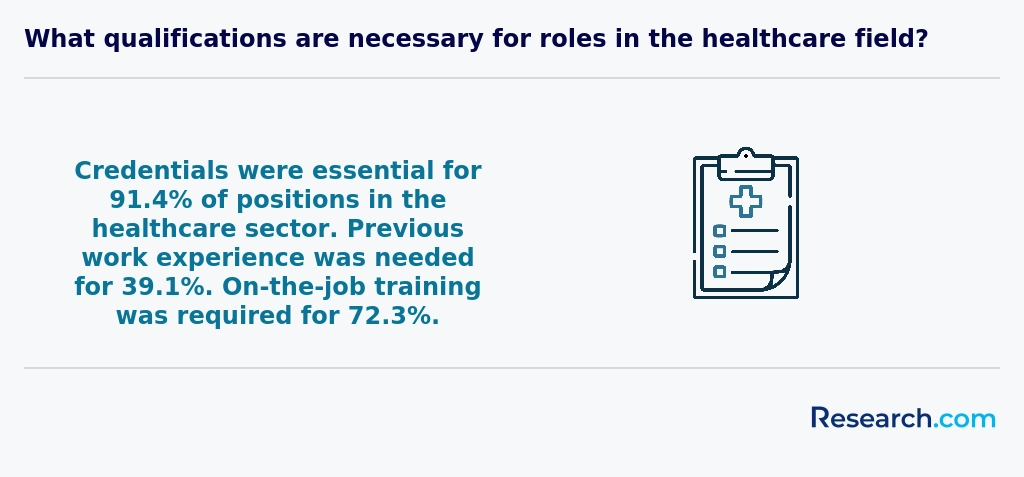
To enroll in an online healthcare management degree in Missouri, you typically need a high school diploma or GED as the foundational requirement. For example, graduates from public universities in Missouri recall submitting official transcripts proving their academic preparedness, often including courses like biology or introductory business. Many programs ask for a minimum GPA around 2.5 to 3.0, which reflects readiness for college-level work.
Standardized tests such as the SAT or ACT may be required, especially for recent high school graduates, though some universities waive these if you have prior college credits or relevant healthcare experience. Graduates share that having hands-on work in healthcare settings-like volunteering or administrative roles-boosted their applications significantly.
Additionally, Missouri schools often require prerequisite courses in math, English, or healthcare basics before formal admission. These ensure you can confidently tackle subjects in health policy and ethics later on. Following these steps helps you start strong and stay motivated throughout your degree journey.
Online healthcare management degree programs in Missouri typically include courses that blend healthcare knowledge with practical management skills. Graduates from popular Missouri universities often highlight how courses like healthcare policy and regulations helped them confidently navigate the complex federal and state laws impacting hospitals and clinics in their communities.
Healthcare finance courses are essential, teaching students to manage budgets and analyze costs-skills graduates frequently use when working on financial planning at local healthcare facilities. The inclusion of health informatics prepares students to handle patient data effectively, a crucial ability as Missouri expands its digital health systems across hospitals and rural clinics.
Additional courses such as organizational behavior, healthcare ethics, quality management, strategic planning, and marketing offer students actionable strategies for real-world challenges. Graduates report feeling empowered to lead teams and improve patient safety by applying these lessons directly in their workplaces, whether at urban medical centers or smaller rural health organizations.
Online healthcare management degree programs in Missouri typically offer specializations designed to match the state's dynamic healthcare environment. Popular options include healthcare administration, health information management, public health management, long-term care administration, and healthcare quality and safety. Graduates from universities like the University of Missouri and Saint Louis University often share how focusing on healthcare administration helped them develop skills for running hospitals or clinics effectively, improving operational workflows and budgeting.
Other students pursuing health information management have found rewarding roles managing electronic health records and ensuring HIPAA compliance, which is crucial given Missouri's evolving health data regulations. Specializations in public health management, common at Missouri State University, prepare professionals to lead community health initiatives and state-level policy projects with real impact.
The choice to specialize in long-term care is especially valuable, as Missouri prioritizes support for its aging population. Many graduates appreciate how this focus prepares them to manage nursing and assisted living facilities with empathy and efficiency. For working professionals seeking growth, understanding the difference between healthcare administration and management roles is vital-consider exploring resources that compare these paths, like healthcare administration vs management degree salary.
Being aware of these healthcare management degree concentration options Missouri offers helps students align their career goals with regional healthcare needs.
Start by confirming the program's accreditation, ideally from the Higher Learning Commission (HLC), recognized by most Missouri institutions. Graduates from popular colleges in Missouri often praise accredited online programs for their smooth credit transfer and eligibility for federal aid. Check the curriculum to ensure a balanced mix of healthcare policy, management, law, and informatics, with practical projects to apply your learning effectively.
Consider your budget carefully. Affordable healthcare management degrees Missouri offer can often reduce costs by eliminating commuting and housing fees. Some graduates highlight how financial aid or employer reimbursement helped make their education manageable. Also, evaluate the flexibility of course formats. Many Missouri students juggling work and study prefer asynchronous classes, allowing them to learn on their own time without strict schedules.
Look for programs with strong career support and proven job placement in healthcare management. Missouri's steady employment growth reinforces this need. Popular institutions often provide specialized tracks like hospital administration or health informatics to align with your career goals.
For further insight into top choices, explore health programs online.

Graduates with an online healthcare management degree in Missouri find diverse career paths within the state's expanding healthcare sector. Many start as healthcare administrators, managing hospital operations at popular institutions like the University of Missouri, or become medical and health services managers who oversee departments such as finance or nursing. Others move into health information management, a critical role given Missouri's increasing focus on digital health records. Those seeking strategic roles may work as policy analysts or healthcare consultants, advising organizations on navigating regulatory changes and boosting efficiency.
Practice managers, who coordinate outpatient facilities or group practices found in cities like St. Louis, also offer rewarding opportunities. Missouri graduates often share that strong analytical and communication skills gained through their degree programs help them confidently lead projects or public health initiatives. For practical insight into these options and more, exploring master's in healthcare administration careers can guide your decision-making toward a fulfilling future in healthcare management careers in Missouri.
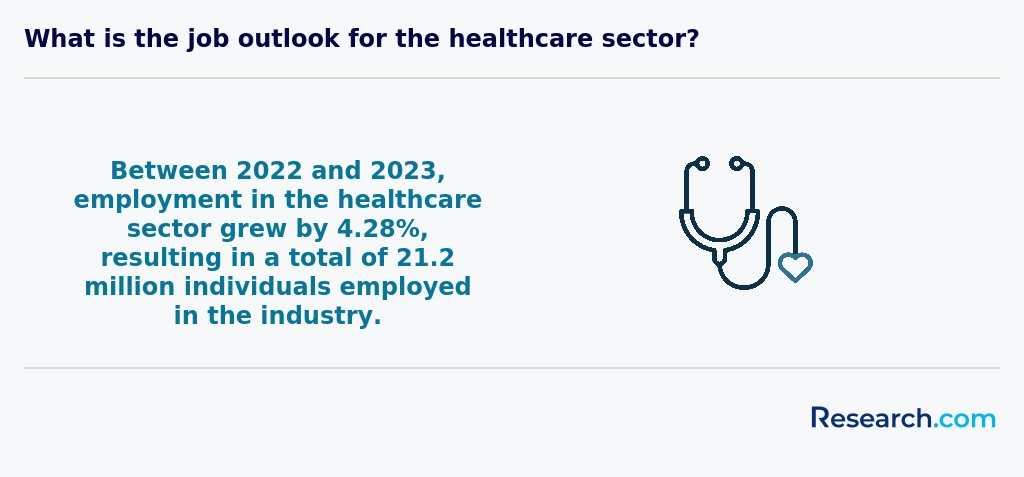
The job market for online healthcare management degree graduates in Missouri is robust, driven by steady growth in healthcare support and management roles. Students from well-known universities and colleges in Missouri often secure positions in hospitals, ambulatory healthcare services, and public health organizations, reflecting the state's wide-ranging demand. Many graduates share that balancing work while advancing their education through online programs has positively impacted their career growth and confidence.
Missouri's aging population and increasing healthcare needs create ongoing opportunities in insurance companies and long-term care facilities. Employers typically prefer candidates with a bachelor's degree in healthcare or business administration paired with relevant experience, making online degrees a practical choice for working professionals. The Missouri healthcare management career outlook remains positive, encouraging more students to pursue this path.
For those aiming to further enhance their qualifications, options like a doctorate in healthcare administration online offer advanced career prospects without interrupting daily responsibilities.
2027 Most Affordable Online Bachelor's in Healthcare Management Degree Programs Ranking in Missouri
Investing in your education is a significant decision that can shape your future, and the Research.com team understands the importance of making informed choices. To assist prospective students, we have meticulously crafted the "2027 Most Affordable Online Bachelor's in Healthcare Management Degree Programs Ranking in Missouri." Our commitment to quality, credibility, and accuracy is reflected in the extensive research and analysis conducted to compile this ranking.
We utilized the following reputable data sources to ensure a comprehensive evaluation of healthcare management programs:
By exploring this ranking, readers will gain valuable insights into affordable and high-quality online healthcare management programs in Missouri, helping them make well-informed educational decisions. For more details on our methodology, please visit our Research.com methodology page.

Frequently Asked Questions About healthcare management
Students pursuing online healthcare management degrees in Missouri can maximize their learning by actively engaging with course materials and participating in virtual discussions. Many Missouri institutions offer access to healthcare databases and regional case studies that help relate theory to local industry practices.
Utilizing Missouri's strong healthcare network, including partnerships with hospitals and clinics in cities like St. Louis and Kansas City, provides valuable internship and practical experience opportunities. According to the Missouri Department of Health and Senior Services, healthcare management roles in the state are expected to grow by 15% through 2030, highlighting the importance of relevant work experience.
Additionally, students should seek out online resources and certifications aligned with Missouri's healthcare regulations to enhance their resumes. Connecting with Missouri-based professional groups can also foster networking and mentorship, which are essential for career advancement in healthcare management.
Emerging niches in healthcare management reflect the evolving demands of Missouri's healthcare sector. One growing area is telehealth administration, fueled by increased telemedicine use across the state since the COVID-19 pandemic. According to the Missouri Hospital Association, telehealth visits rose by over 50% from 2020 to 2023.
Another niche is data analytics management. Healthcare organizations in Missouri increasingly rely on data to improve patient outcomes and reduce costs, creating high demand for managers skilled in healthcare informatics. The Missouri Economic Research and Information Center highlights a 12% job growth for healthcare data professionals through 2028.
Additionally, population health management is gaining traction. With Missouri's diverse demographics, professionals who design community-based health programs are essential for managing chronic diseases and improving statewide health metrics.
After completing an online healthcare management degree in Missouri, preparing for the job market involves several strategic steps. First, gaining relevant experience through internships or part-time roles with local healthcare providers or insurance companies can enhance practical skills and networking opportunities.
Meeting certification requirements is also important; certifications like Certified Healthcare Manager (CHM) can improve job prospects. Missouri's healthcare sector is growing steadily, with the Missouri Economic Research and Information Center noting a 5% increase in healthcare jobs projected through 2028.
Additionally, actively using the Missouri Job Center and professional associations such as the Missouri Hospital Association can help identify job openings and connect with industry professionals.
Employers in Missouri's healthcare industry prioritize several key skills when hiring graduates with a healthcare management degree. Strong leadership abilities are essential, as managers must coordinate teams and oversee healthcare operations effectively. Communication skills, both written and verbal, are highly valued for interacting with staff, patients, and regulatory bodies.
Analytical skills are crucial for handling data related to healthcare finance, patient outcomes, and policy compliance. Knowledge of healthcare laws and regulations specific to Missouri, such as those outlined by the Missouri Department of Health and Senior Services, also benefits candidates.
Finally, proficiency with healthcare information technology systems is increasingly important, reflecting nationwide trends toward digital recordkeeping and telehealth services.
Finding internships in Missouri for healthcare management students involves targeted research and networking. Start by exploring hospitals and healthcare providers like BJC HealthCare and Mercy Health, which operate extensive networks across the state and frequently offer internship opportunities. The Missouri Hospital Association also provides resources for students seeking clinical and administrative internships.
Many universities partner with local healthcare organizations to connect students with internships, even for online programs. Students should contact their college's career services or internship coordinators for guidance and connections.
Additionally, websites such as Missouri Job Center list relevant internships in healthcare administration. Participating in Missouri-based professional groups like the Missouri Organization of Nurse Executives can aid in networking and uncovering hidden internship openings.
Obtaining an online healthcare management degree in Missouri significantly enhances career mobility and advancement opportunities. The state's healthcare industry is growing, backed by the Missouri Economic Research and Information Center, which notes a steady increase in healthcare employment.
Professionals with such degrees often qualify for leadership roles in hospitals, clinics, and public health organizations. According to the U.S. Bureau of Labor Statistics, healthcare managers in Missouri earn a median annual wage above the national average, reflecting strong demand.
Online programs allow working adults to gain relevant skills without relocating, making it easier to advance within Missouri's diverse healthcare market. Graduates also benefit from networking possibilities within the state's professional healthcare associations.
Studying for an online healthcare management degree in Missouri equips students with skills essential for interdisciplinary roles. Programs emphasize collaboration across fields like nursing, public health, and business administration, reflecting the integrated nature of healthcare delivery. Coursework typically covers healthcare policy, informatics, and organizational leadership, preparing graduates to navigate complex healthcare systems efficiently. Missouri's healthcare sector, employing over 300,000 professionals as reported by the Missouri Economic Research and Information Center (MERIC), values such adaptable expertise. Additionally, students gain practical knowledge of state-specific regulations and community health challenges, enhancing their ability to lead diverse teams and improve patient outcomes within various healthcare settings across Missouri.
Choosing between a thesis and a non-thesis healthcare management degree program in Missouri depends on your career goals and learning preferences. A thesis option usually involves conducting original research and writing a formal paper, which can be beneficial if you plan to pursue advanced studies or research roles. According to the Missouri Department of Higher Education, such programs often take longer to complete due to the research requirements.
Meanwhile, non-thesis programs focus more on coursework and practical skills, appealing to students aiming for immediate professional advancement. The U.S. Bureau of Labor Statistics projects a 32% growth in healthcare management jobs in Missouri through 2031, favoring hands-on expertise.
Consider your professional plans and consult individual Missouri universities' curriculum details to decide which track aligns best with your aspirations.
Students based in Missouri who seek to study healthcare management abroad often face limited direct options due to accreditation and transfer credit constraints within the U.S. education system. Most Missouri institutions offering online healthcare management programs focus on domestic accreditation recognized by bodies such as CAHME. However, Missouri students interested in international perspectives can explore study abroad programs or partnerships with foreign universities, typically available through their home institutions.
These opportunities enable students to gain global healthcare insights while completing a Missouri-accredited online degree. Additionally, students may consider joint degree programs offered by some U.S. universities with international partners, ensuring credits apply toward their Missouri degree requirements. According to the Missouri Department of Higher Education & Workforce Development, careful planning is essential for credit transfer and licensure alignment in healthcare administration careers.
Part-time job opportunities in Missouri that complement healthcare management degrees often include roles in hospitals, clinics, and insurance companies. Positions such as medical office assistant, patient services coordinator, and health information technician offer practical experience that aligns well with online coursework. According to the Missouri Economic Research and Information Center, healthcare support occupations are expected to grow by 17% through 2031, reflecting strong demand.
Working part-time in these roles helps students develop organizational, communication, and administrative skills crucial to healthcare management. Additionally, some employers offer flexible schedules accommodating online study. Internships or part-time roles in public health departments can also provide valuable insight into state-specific healthcare systems and regulations, strengthening professional readiness.
Online healthcare management students in Missouri have multiple networking opportunities despite studying remotely. Many universities offer virtual events, webinars, and discussion forums where students connect with peers and faculty. These platforms are crucial for building professional relationships that extend beyond the program.
The Missouri Hospital Association and other local health organizations frequently host conferences and workshops that welcome students and graduates. These events provide face-to-face networking with healthcare leaders who understand the state's specific healthcare challenges.
Additionally, professional groups such as the American College of Healthcare Executives (ACHE) have Missouri chapters offering student memberships. These chapters provide access to mentorship, job postings, and networking mixers tailored to healthcare management careers.
Alumni networks play a crucial role for students pursuing online healthcare management degrees in Missouri. These networks offer valuable professional connections that can lead to internships and job placements within the state's growing healthcare industry.
Missouri's healthcare sector employs over 400,000 people, creating a strong demand for skilled managers. Alumni connections help students navigate this competitive job market by providing mentorship and insights into local healthcare organizations.
Furthermore, these networks often host events and workshops online, accessible to remote learners. This engagement supports career development and keeps students updated on industry trends.
The University of Missouri and Saint Louis University highlight alumni involvement as a key resource in their programs, encouraging peer support and networking opportunities.
Customizing an online healthcare management degree in Missouri involves selecting courses and concentrations that align with your career goals. Many Missouri universities offer electives in areas such as health informatics, policy, and finance. This flexibility allows students to tailor their education toward roles in hospital administration, public health, or insurance management.
Additionally, some programs provide opportunities for internships with local healthcare providers, which can enhance practical experience and networking. According to the Missouri Economic Research and Information Center, healthcare management jobs in Missouri are projected to grow by 15% through 2030, emphasizing the value of specialized skills.
Advisors at Missouri institutions often help students create personalized degree plans, ensuring coursework matches industry demands. Exploring options like certificate programs alongside your degree can also boost expertise in niche areas of healthcare management.
Online healthcare management students in Missouri often face challenges related to balancing work, family, and study commitments. Many students are working professionals in demanding healthcare roles, which can limit the time available for coursework. Technical issues with online platforms may also interrupt learning, especially for those in rural areas with limited internet access, a significant concern in parts of Missouri where broadband coverage is uneven.
Another challenge is securing quality internships or practicums locally. Missouri's healthcare facilities may have limited partnerships with online programs, impacting hands-on experience opportunities. Additionally, understanding state-specific healthcare laws and regulations requires extra attention, as Missouri has unique policies affecting healthcare administration. These hurdles require strong time management and resourcefulness from students.
Graduates with an online healthcare management degree in Missouri can pursue several professional certifications to enhance their careers. One popular option is the Certified Healthcare Administrative Professional (cHAP), which validates skills in healthcare operations and administration. Another widely recognized certification is the Certified Professional in Healthcare Quality (CPHQ), focusing on quality improvement and patient safety.
Missouri professionals may also consider the Fellow of the American College of Healthcare Executives (FACHE) credential, a mark of leadership competence. These certifications often require a combination of education, experience, and passing an exam. According to the Missouri Department of Health and Senior Services, healthcare management roles are expected to grow 16% through 2030, making these credentials valuable for job advancement.
Writing a winning application for an online healthcare management program in Missouri requires careful preparation and presentation. Start by clearly outlining your career goals and how the program aligns with them, demonstrating a strong understanding of Missouri's healthcare landscape. Highlight any relevant work experience or volunteer roles in healthcare settings, as Missouri's healthcare sector values practical knowledge.
Emphasize academic achievements and provide official transcripts that show your readiness for rigorous coursework. Missouri employers expect graduates to be familiar with state healthcare regulations and management practices, so mentioning any local certifications or training can strengthen your application.
Additionally, craft a concise personal statement that reflects your motivation and commitment to healthcare management. Strong letters of recommendation, ideally from healthcare professionals, support your credibility. Finally, pay close attention to application deadlines and requirements, as Missouri universities often have specific criteria for online program applicants.
Healthcare management is increasingly recognized as a dynamic global career with growing demand. In the United States, and specifically Missouri, the Bureau of Labor Statistics forecasts a 32% growth in medical and health services manager jobs between 2020 and 2030, highlighting its expanding role in the healthcare industry.
Globally, healthcare managers must navigate diverse systems, from publicly funded models to privatized care. This calls for adaptability and cultural competence, skills often emphasized in Missouri's online healthcare management degrees.
Missouri's healthcare sector, home to large urban centers and rural communities, offers a unique blend of challenges that prepare students for international perspectives. Institutions integrate lessons on healthcare policy, ethics, and economics, reflecting global trends.
The increasing role of technology in healthcare administration worldwide is also a key focus area, ensuring graduates can manage digital transformation initiatives effectively.
Students pursuing an online healthcare management degree in Missouri can gain practical experience through internships and clinical placements facilitated by their programs. Many Missouri colleges partner with local hospitals, clinics, and healthcare organizations to offer real-world exposure, even for online learners. These experiences help develop skills in administration, compliance, and patient services.
Additionally, Missouri's healthcare sector employs over 300,000 people, providing ample opportunity for part-time roles or volunteer work. Professional associations like the Missouri Hospital Association often offer networking and mentorship programs to support students' career development in healthcare management.
Choosing the right concentration in an online healthcare management degree in Missouri depends on your career goals and interests. Common specializations include hospital administration, health informatics, policy, and finance. Each focuses on distinct skills, such as managing clinical operations or analyzing health data.
Missouri's healthcare sector is growing steadily, with the Missouri Economic Research and Information Center reporting a 12% increase in healthcare jobs from 2017 to 2022. This growth influences which concentrations are in demand locally.
Consider concentrations aligned with Missouri's healthcare providers or rising areas, like population health or health IT. Also, review program curricula and check for alignment with certifications like Certified Medical Manager (CMM).
Consult program advisors for insights tailored to Missouri's healthcare landscape to ensure your concentration matches job market needs.
- 2027 Most Affordable Online Bachelor's in Healthcare Management Degree Programs Ranking in Kansas
- 2027 Most Affordable Online Bachelor's in Healthcare Management Degree Programs Ranking in Illinois
- 2027 Most Affordable Online Bachelor's in Healthcare Management Degree Programs Ranking in Minnesota
- 2027 Most Affordable Online Bachelor's in Healthcare Management Degree Programs Ranking in Wisconsin
- 2027 Most Affordable Online Bachelor's in Healthcare Management Degree Programs Ranking in Colorado
- 2027 Most Affordable Online Bachelor's in Healthcare Management Degree Programs Ranking in Alabama
- 2027 Most Affordable Online Bachelor's in Healthcare Management Degree Programs Ranking in Texas
- 2027 Most Affordable Online Bachelor's in Healthcare Management Degree Programs Ranking in Florida
- 2027 Most Affordable Online Bachelor's in Healthcare Management Degree Programs Ranking in Virginia
- 2027 Most Affordable Online Bachelor's in Healthcare Management Degree Programs Ranking in Pennsylvania
- Healthcare Management BPS Degree | MBU Online https://s49460.p1509.sites.pressdns.com/program/bachelors/healthcare-management/
- Five Résumé Tips for Health Care Management Graduates - Healthcare Management Degree Guide https://www.healthcare-management-degree.net/list-articles/five-resume-tips-for-health-care-management-graduates/
- Most Popular Online Degrees in Healthcare Administration 2025 https://www.onlineu.com/degrees/healthcare-administration
- Healthcare Management Master's Degree Program (Thesis/Non Thesis) https://www.kent.edu.tr/healthcare-management-masters-degree-program-thesis-non-thesis-101211
- 14 Healthcare Administrator Cover Letter Examples: Plus Recruiter Insights (Updated for 2025) https://resumeworded.com/cover-letter-samples/healthcare-administrator
- 5 Concentrations for a Bachelor’s of Healthcare Administration - Healthcare Administration Degree Programs https://www.healthcare-administration-degree.net/lists/5-concentrations-for-a-bachelors-of-healthcare-administration/
- Top Healthcare Management Conferences for Students https://www.asiapacific.edu/blog/mba/top-healthcare-management-conferences-students/
- Trends and opportunities in healthcare across emerging markets - Inizio https://inizio.com/insights/trends-and-opportunities-in-healthcare-across-emerging-markets/
- Study Healthcare Management Abroad: The Course Every Indian Student Overlooks https://www.karangupta.com/blog/study-healthcare-management-abroad
- HEALTH MANAGEMENT (THESIS / NON-THESIS) - Lisansüstü Eğitim Enstitüsü https://lee.nisantasi.edu.tr/en/health-management-thesis-non-thesis/