2027 Most Affordable Online Bachelor's in Healthcare Management Degree Programs Ranking in Texas

Co-Founder and Chief Data Scientist
If you're a student in Texas exploring affordable ways to advance your career, a healthcare management degree could be exactly what you need. This article presents the 2027 Most Affordable Online Bachelor's in Healthcare Management Degree Programs Ranking in Texas, carefully developed by the Research.com team of data scientists. It's designed to help you find quality programs that fit your budget and goals.
Discover programs that balance cost with valuable education, setting you up for success in a growing field. Reading this guide will empower you to make a confident, informed choice about your future.
Key benefits of getting online healthcare management degree in Texas
- Healthcare management graduates in Texas can expect rewarding salaries, with the U.S. median annual wage for medical and health services managers around $101,340, showing strong earning potential.
- Graduates often pursue diverse career paths such as hospital administration, health policy analysis, or clinic management, exemplified by alumni from institutions like the University of Texas.
- Online healthcare management degrees offer flexibility and convenience, allowing students to balance work and study effectively, as experienced by many graduates from Texas Tech University's online program.
- 2027 Most Affordable Online Bachelor's in Healthcare Management Degree Programs Ranking in Texas
- What can I expect from online healthcare management degree in Texas?
- Where can I work with online healthcare management degree in Texas?
What can I expect from online healthcare management degree in Texas?
The average cost of an online healthcare management degree in Texas typically ranges from $7,000 to $20,000 per year for in-state students. Graduates from universities like the University of Texas at Arlington or Texas A&M International University often share how managing tuition alongside work was smoother with financial aid and scholarships designed specifically for healthcare students.
Many found that investing in these programs was worthwhile because of the flexible, asynchronous classes that fit around their busy lives. Imagine balancing a demanding job and family while completing courses on healthcare policy and leadership at your own pace-this flexibility is a game-changer.
Internships with local Texas healthcare providers add hands-on experience, making the learning real and directly applicable. Graduates often reflect on how this blend of affordability, flexibility, and practical exposure helped them secure roles managing hospitals or clinics in diverse Texan communities, turning their education into a rewarding career path.
Where can I work with online healthcare management degree in Texas?
Graduates with an online healthcare management degree in Texas step into a thriving job market filled with impactful roles. Many find themselves leading operations in major health systems like Houston Methodist or Baylor Scott & White Health, where managing patient services and financial workflows is both challenging and rewarding. Picture working behind the scenes in a bustling hospital, ensuring every department runs smoothly - that's the kind of hands-on leadership these programs prepare you for.
Others choose careers in insurance companies, mastering compliance and policy administration. Texas's vast network of health insurance firms means opportunities to shape how care is delivered and paid for are plentiful. Graduates from well-regarded schools in Texas often share how their online studies gave them the confidence to navigate complex healthcare laws seamlessly.
For those drawn to community impact, jobs in outpatient care centers and specialty clinics are growing rapidly. Here, healthcare managers are pivotal in improving patient experiences while controlling costs. Some alumni recall how Texas State University's flexible online program equipped them with real-world skills to adapt quickly in this dynamic setting.
Long-term care facilities also beckon, especially with Texas's expanding elderly population. Managing a nursing home or senior care center means making a real difference in people's lives every day. Public health organizations and government agencies offer roles in policy and program management, providing another rewarding path for graduates seeking wide-ranging influence within the state's healthcare landscape.
Graduates from popular Texas institutions offering online healthcare management degrees, such as the University of Texas at Austin or Texas A&M University, often find themselves stepping into roles that reward their dedication with competitive salaries. While exact salary data from the Bureau of Labor Statistics specific to Texas healthcare management roles is unavailable, professionals in these careers nationwide earn an average annual wage hovering around $115,000.
Starting out, many fresh graduates secure positions with salaries between $55,000 and $65,000, enough to support early career growth. With experience and certifications like the Certified Medical Manager (CMM), these salaries can rise well above $120,000, especially in bustling hubs like Dallas-Fort Worth or Houston, where I've seen recent graduates thrive.
One inspiring example comes from graduates who leverage their degree to work in healthcare consulting or informatics, where pay scales often exceed those of general management roles. Their success illustrates how this degree is not just a credential but a gateway to a rewarding career in Texas's growing healthcare industry.
- Tuition for online healthcare management bachelor's degrees in Texas typically ranges from $7,000 to $20,000 per year for in-state students.
- The healthcare management sector in Texas is expected to grow at an annual rate of about 2.5% through 2030.
- Starting salaries for graduates average between $55,000 and $65,000 per year, with mid-career salaries reaching $80,000 to $100,000 or more.
- Senior healthcare administrators in Texas hospitals or large systems can earn over $120,000 annually.
- Programs often include coursework in healthcare policy, finance, ethics, and healthcare information systems and offer flexible schedules for working professionals.
- Look for programs accredited by SACSCOC or CAHME to ensure educational quality.
Completing an online healthcare management degree in Texas generally takes about four years for full-time students, especially at well-known institutions like the University of Texas or Texas A&M. Many graduates share how maintaining a steady pace of 15 credit hours per semester feels manageable and rewarding, helping them balance their studies alongside work and family.
However, flexibility is key in Texas programs. Some graduates who work full-time healthcare jobs opt for part-time enrollment, extending their journey up to six years. This slower pace lets them earn income while advancing their education-something many find empowering. On the other hand, accelerated tracks, including summer courses offered by colleges such as Texas Tech, can reduce completion time to as little as two and a half years, perfect for those eager to jumpstart their careers quickly.
Transfer credits also make a big difference. Graduates often mention how transferring up to 90 credits from previous studies at regionally accredited Texas institutions significantly lightened their course loads, turning a daunting timeline into an achievable goal.
Choosing between an online and an on-campus healthcare management degree in Texas really comes down to your lifestyle and learning preferences. Graduates from the University of Texas at Arlington often share how the online format gave them the freedom to study after work or on weekends, juggling family life without missing a beat.
Conversely, those who attended Texas State University on campus value the face-to-face interaction with professors and the hands-on projects that created strong connections with local hospitals. Imagine collaborating in person on a healthcare operations simulation or attending networking events right on campus-that immediacy can boost confidence and skills.
Online students sometimes need to independently secure practicum sites, which cultivates initiative and adaptability in real-world settings, especially when living far from big cities like Houston or Dallas. Meanwhile, traditional students benefit from university partnerships that streamline clinical experiences.
Both paths meet the rigorous standards set by Texas accrediting bodies, ensuring your degree holds weight in this growing healthcare market. Reflect on what energizes you-flexibility or direct engagement-and you'll find the route that best fits your journey.
The average cost of pursuing an online healthcare management degree in Texas typically centers around $15,000 for in-state students, aligning well with the median total cost for many programs. Graduates from well-known public universities like Texas A&M University-Commerce often reflect on how affordable tuition combined with flexible scheduling allowed them to invest in their education without overwhelming financial strain. These students appreciate that choosing a public institution helps keep expenses in check because credit hour rates usually remain reasonable compared to private schools.
For those seeking affordable online healthcare management programs Texas-based public universities offer value that is hard to beat, with most online programs requiring around 120 credit hours. This translates into manageable per-credit costs and overall budgeting ease. Students often share stories about balancing their studies with jobs or family commitments, empowered by tuition costs that don't add unnecessary pressure. Additionally, many institutions provide scholarships and financial aid options that can further reduce costs.
Understanding the true value of your investment is crucial. Beyond tuition, possible expenses include textbooks and technology fees, but these are often offset by savings on commuting and housing found in online formats. Many healthcare management graduates highlight the ability to focus on what matters-building skills and gaining knowledge-without worrying excessively about high expenses.
When planning your path, consider how the average cost of online healthcare management degree in Texas fits into your overall educational goals and financial situation. To explore career paths after graduation and how your degree investment can pay off, research job opportunities for mba in healthcare management.
When pursuing an online healthcare management degree in Texas, numerous financial aid options make this goal attainable. Many graduates from institutions like the University of Texas or Texas A&M report relying on federal aid accessed through FAFSA. This includes Pell Grants, which can cover up to $7,395 annually without repayment, and Federal Direct Loans offering manageable interest rates and flexible terms.
Texas residents benefit further from state-specific grants such as the Texas Educational Opportunity Grant (TEOG) and the Texas Grant Program, designed to ease tuition costs for students attending public universities, including those with strong online healthcare programs.
Scholarships from organizations like the Texas Hospital Association significantly boost students' finances, rewarding merit and dedication to healthcare leadership. Schools themselves often provide merit- or need-based scholarships and assistantships that past students have credited for making their studies affordable.
For working professionals, employer tuition assistance programs in Texas's healthcare industry are a game changer. These help employees build expertise while earning, reflecting the state's investment in a skilled healthcare management workforce.
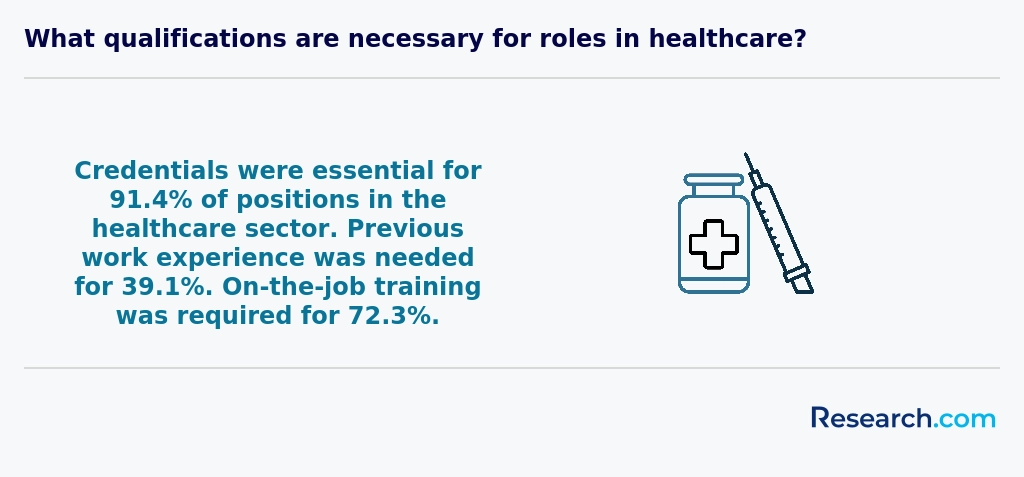
To enroll in an online healthcare management degree program in Texas, you'll first need a high school diploma or GED, which is the fundamental stepping stone. Many graduates from institutions like the University of Texas at Arlington recall how submitting official transcripts helped them smoothly transfer prior credits, speeding up their journey.
Standardized testing requirements, like SAT or ACT scores, vary; some Texas schools have adopted test-optional policies for online learners. This flexibility allows students to focus more on their passion and less on testing stress. Make sure to check each program's guidelines carefully.
Foundational courses in math, English, and occasionally biology are essential for success. Graduates often mention how bridge courses at Texas Woman's University helped them confidently master healthcare terminology and quantitative skills before moving into advanced topics.
Experience in healthcare through internships or jobs greatly strengthens your application. Schools like Texas A&M emphasize real-world insight, and many students find that connecting classroom theory with hands-on practice creates motivation and clarity in their career paths.
Lastly, having access to reliable technology and internet allows you to engage fully with online platforms, an important detail often highlighted by recent graduates pursuing degrees through Texas Tech University's online programs.
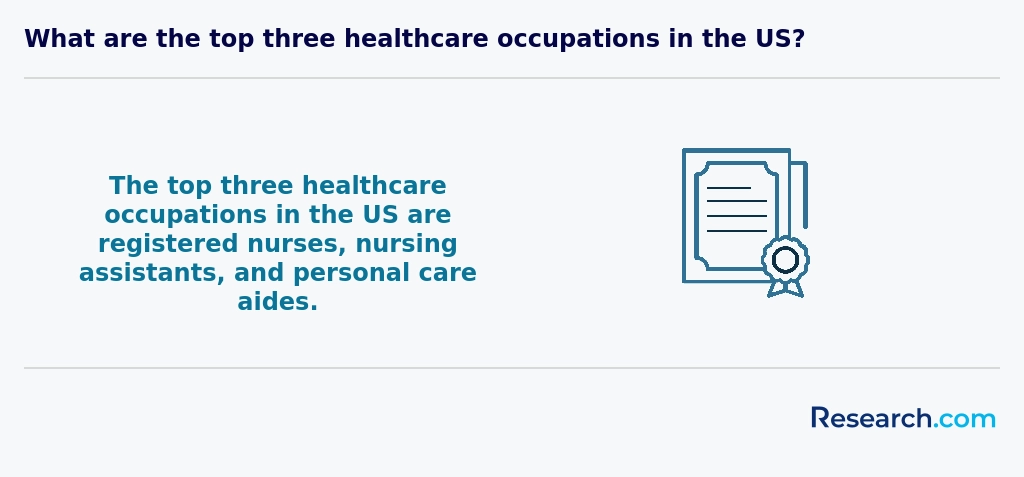
When you embark on an online healthcare management degree in Texas, you'll dive into courses that blend theory with real-world application. Graduates from well-known Texas colleges often tell how courses like Introduction to Healthcare Management helped them grasp the complexities of healthcare systems right away-imagine managing the intricacies of a bustling hospital in Houston or Dallas through strategic organization and funding knowledge.
Other essential courses such as Healthcare Law and Ethics and Financial Management in Healthcare equip you to confidently handle legal regulations and budgeting challenges unique to Texas's diverse healthcare landscape. These subjects prepare you for situations like navigating insurance reimbursements or ensuring compliance with state laws while improving patient care.
Hands-on courses like Health Information Systems introduce electronic medical records technology widely used by clinics across Texas, making you adept at managing critical data securely. Employers in Texas value graduates who understand Human Resources and Healthcare Quality Improvement because these skills push healthcare facilities toward excellence in patient outcomes. Tailoring your education to Texas's healthcare market will position you to lead with knowledge and confidence.
When exploring online healthcare management specializations Texas programs offer, it's essential to know the variety of focused paths that prepare you for specific industry roles. Graduates from institutions like Texas A&M or the University of Texas share how specializations such as Healthcare Administration have empowered them to confidently manage hospitals or clinics, balancing policy and finance effectively. Others found Health Informatics exciting, combining IT skills with healthcare to lead innovations like electronic health records management, which is especially relevant as Texas embraces digital transformation.
Some students are drawn to Long-Term Care Management, addressing the region's growing elder care demands, while Public Health Management alumni speak passionately about improving community health and disease prevention. Medical Billing and Coding remains a practical specialization that appeals to those interested in the administrative backbone of healthcare.
Picking the right concentration aligns your skills with Texas healthcare demands and opens doors to rewarding careers. For those eager to accelerate their learning, consider exploring accelerated online mba healthcare management programs that suit busy professionals seeking swift career advancement.
With options tailored to meet diverse needs, these Texas healthcare management degree concentrations allow you to craft a meaningful, impactful career path in a vibrant industry.
Begin by ensuring the program you choose is properly accredited, such as by CAHME or SACSCOC, to guarantee high academic standards and recognition within Texas's competitive healthcare system. Graduates from leading universities in Texas often highlight how accreditation gave them confidence employers value. Look closely at the curriculum-seek programs that blend healthcare policy, economics, ethics, and data management with faculty who bring real-world experience to online learning. Students balancing work and family find flexibility essential; many top Texas colleges provide asynchronous courses and virtual practicum opportunities, making education accessible anytime.
Cost is a practical factor: public institutions usually offer more affordable online healthcare management degrees Texas residents appreciate, yet private programs can provide stronger networking and career resources. Graduates tell stories of leveraging career services to land roles with starting salaries near $60,000. For those seeking financial balance and quality, explore options like an affordable online mba healthcare management available in Texas that match your goals without compromising value.

Graduates with an online healthcare management degree in Texas unlock diverse and rewarding career paths right in the heart of one of the nation's fastest-growing healthcare markets. Many find themselves thriving as healthcare administrators or medical and health services managers, roles where they influence daily operations at hospitals or specialized care centers. Alumni from renowned Texas universities often share how their programs prepared them to lead teams at the Texas Medical Center in Houston, the world's largest medical complex.
Others pursue roles as health information managers or compliance officers, ensuring medical facilities adhere to vital regulations like HIPAA. This specialty is increasingly important as Texas healthcare providers adopt advanced technology and electronic health records. For graduates interested in strategy, consulting positions or roles in insurance management offer the chance to improve system efficiency and patient outcomes.
If you're considering these paths, explore affordable online degrees in healthcare administration to kickstart your journey. With practical training and Texas's booming healthcare sector, your degree opens doors to careers that are both impactful and future-proof.
The job market for graduates with an online healthcare management degree in Texas is thriving, fueled by the state's expanding healthcare sector. Graduates from well-known programs at universities like the University of Texas or Texas A&M often find themselves quickly absorbed into hospitals or healthcare consulting firms across Houston, Dallas, and Austin. These cities offer abundant online healthcare management jobs Texas that capitalize on the region's growing demand for skilled administrators who can navigate complex regulations and improve patient care quality.
Many graduates share stories of moving seamlessly from coursework into roles managing health information systems or clinical operations. Salaries are competitive, with entry-level professionals earning solid wages and strong potential for advancement. Holding certifications such as CHA or PMP can further open doors.
For anyone curious about real-world incomes, sites like mba healthcare management jobs salary provide helpful salary insights that align with what Texas employers offer. This career path marries meaningful impact with financial stability, making it an inspiring choice.
As healthcare evolves, so do opportunities. Keeping skills current allows graduates to thrive in one of the most dynamic and rewarding fields available.
2027 Most Affordable Online Bachelor's in Healthcare Management Degree Programs Ranking in Texas
Investing in your education is a significant decision that can shape your future, and the Research.com team understands the importance of making informed choices. To assist prospective students in Texas, we have meticulously crafted the "2027 Most Affordable Online Bachelor's in Healthcare Management Degree Programs Ranking in Texas." Our commitment to quality, credibility, and accuracy is reflected in the extensive research and analysis conducted to compile this ranking.
We utilized the following reputable data sources to ensure a comprehensive evaluation of healthcare management programs:
By exploring this ranking, readers will gain valuable insights into the most affordable and high-quality online bachelor's programs in healthcare management in Texas, enabling them to make well-informed decisions that align with their academic and financial goals. For more details on how this ranking was developed, please visit our Research.com methodology page.
# 1 position
Tyler Junior College
Healthcare Technology and Medical Systems, Bachelor of Applied Technology

# 2 position
South Texas College
Bachelor of Medical and Health Services Management


Frequently Asked Questions About healthcare management
Online healthcare management degree students in Texas can maximize their learning by actively engaging with course materials and participating in virtual discussions. Utilizing Texas-based healthcare resources and professional organizations, such as the Texas Hospital Association, provides valuable local context and networking opportunities. Research shows healthcare administration jobs in Texas are expected to grow by 22% from 2020 to 2030, making practical knowledge crucial. Students should seek internships or practicum experiences in Texan healthcare facilities to gain hands-on skills. Staying organized, setting a consistent study schedule, and leveraging academic support services offered by Texas institutions also enhance success in online programs.
The healthcare management field is rapidly evolving, with several emerging niches gaining attention. One key area is health informatics, which combines healthcare with data analysis to improve patient care quality. Texas has invested significantly in health IT, supporting this growth according to the Texas Department of State Health Services.
Another niche is telehealth administration, driven by a 40% increase in telemedicine use during recent years in Texas, as reported by the Texas e-Health Alliance. Professionals skilled in managing virtual care platforms are in high demand.
Population health management is also expanding, focusing on community-based health outcomes and preventive care strategies. Institutions like UT Health emphasize this approach due to Texas' diverse demographics.
Lastly, healthcare compliance and risk management are critical, given evolving regulations in Texas healthcare facilities. These niches offer promising career paths for healthcare management graduates.
After completing an online healthcare management degree in Texas, it is crucial to prepare strategically for entering the job market. Begin by gaining practical experience through internships or volunteer work in local hospitals, clinics, or health organizations. Texas health systems, such as Texas Medical Center, often offer such opportunities that enhance employability.
Networking within professional organizations like the Texas Healthcare Executives Forum allows graduates to connect with industry leaders and uncover job openings. Additionally, obtaining certifications like Certified Healthcare Administrative Professional (cHAP) can improve job prospects.
Healthcare management jobs in Texas are expected to grow by 22% between 2020 and 2030, according to the Texas Workforce Commission, indicating strong demand. Tailoring your resume to highlight knowledge of Texas-specific healthcare laws and technologies can give you an edge.
Employers in Texas highly value strong leadership and communication skills among healthcare management graduates. Effective communication with clinical staff, patients, and stakeholders is critical in Texas's complex healthcare environment. Additionally, knowledge of healthcare laws and regulations specific to Texas is essential, given the state's unique policies and the importance of compliance.
Data analysis and financial management abilities are also crucial. According to the Texas Health and Human Services, these skills help graduates improve healthcare delivery efficiency and manage budgets effectively.
Lastly, proficiency in healthcare information technology, including electronic health records, is increasingly demanded as Texas healthcare providers adopt advanced digital systems.
Finding internships in Texas relevant to a healthcare management degree requires targeted strategies. Start by exploring partnerships between your online program and local healthcare providers, hospitals, or clinics, as many universities collaborate with Texas medical centers for internship placements. The Texas Hospital Association is a useful resource to identify potential employers, given that Texas is home to over 600 hospitals. Additionally, professional organizations like the American College of Healthcare Executives often post internship opportunities. Networking through LinkedIn and attending virtual healthcare career fairs specific to Texas can also expand your options. Early application and a tailored resume improve your chances of securing an internship.
In Texas, earning an online healthcare management degree significantly improves career mobility and advancement opportunities. As the healthcare industry grows rapidly in the state, employers prefer candidates with formal education and management skills. According to the Texas Workforce Commission, healthcare occupations are expected to grow by 22% through 2030, outpacing many other sectors.
Online degrees offer flexibility, enabling working professionals to enhance their credentials without interrupting their careers. Graduates often qualify for higher-level roles such as healthcare administrators, practice managers, or compliance officers.
Additionally, accredited online programs meeting Texas standards ensure graduates meet licensing and certification requirements, boosting employability within the state's diverse healthcare systems.
Online healthcare management degrees in Texas equip students with skills to navigate interdisciplinary roles by emphasizing collaboration across medical, administrative, and information technology fields. Programs integrate courses in healthcare policy, business management, and data analytics, fostering an understanding of how diverse teams improve patient outcomes.
Texas ranks among the top states for healthcare job growth, with a 22% employment increase projected by 2030 from the Texas Workforce Commission. This demand highlights the need for professionals adept at coordinating clinical and operational functions.
Additionally, many Texas programs incorporate case studies and projects involving multiple healthcare sectors, preparing graduates to lead in complex organizational environments.
When choosing between a thesis and a non-thesis online healthcare management degree program in Texas, consider your career goals and learning preferences. Thesis programs focus on research and require students to complete a formal project, ideal for those interested in academic or research roles. Non-thesis options emphasize coursework and practical skills, suited for professionals aiming to enter or advance in healthcare management positions quickly.
Texas health services employ over 1.7 million people, creating diverse job opportunities that often value practical skills. According to the Texas Workforce Commission, managerial roles in healthcare typically require strong leadership and operational knowledge rather than research experience.
Students based in Texas interested in studying healthcare management abroad have limited options through online programs. Most U.S. universities offering online healthcare management degrees are regionally accredited, and foreign institutions often do not meet these accreditation standards recognized by Texas employers and licensing bodies.
Texas students can consider programs with international partnerships that allow study abroad components, but such opportunities are rare and typically part of hybrid degrees rather than fully online ones. According to the Texas Higher Education Coordinating Board, healthcare management graduates in Texas benefit from degrees accredited by organizations like CAHME.
For fully online study abroad, students should verify if credits transfer back to Texas institutions to ensure timely graduation.
Part-time jobs in Texas that complement online healthcare management degrees often involve roles in healthcare administration, medical billing, and office support. Positions such as medical administrative assistants or healthcare office clerks provide practical experience managing patient information and coordinating healthcare services, which are crucial skills in healthcare management.
According to the Texas Workforce Commission, demand for healthcare support occupations is projected to grow by 15% through 2030, offering ample opportunities for students seeking part-time work. These roles often offer flexible hours suitable for students.
Working in a healthcare setting also allows students to network with professionals and gain insight into operational workflows, enhancing their academic knowledge with real-world experience.
Online healthcare management students in Texas benefit from numerous networking opportunities designed to connect them with professionals and organizations in the state. Many accredited Texas universities offer virtual career fairs, webinars, and alumni networking events specifically for their online students. These events foster connections with healthcare administrators, policymakers, and industry leaders.
Professional associations like the Texas Healthcare Trustees and the Texas Organization of Nurse Executives provide forums for students to join, attend virtual meetings, and participate in mentorship programs. According to the Texas Healthcare Association, these connections can significantly enhance job prospects in the state's $150 billion healthcare industry.
Additionally, many programs encourage internships or practicum experiences at local healthcare facilities, which are essential for hands-on networking and career growth in Texas.
Alumni networks provide valuable support for online healthcare management degree students in Texas by fostering professional connections across the state's healthcare industry. Graduates often share job openings, mentorship, and career advice, which is crucial given Texas' diverse healthcare landscape and expanding job market. According to the Texas Workforce Commission, healthcare jobs are projected to grow by over 16% through 2030, emphasizing the importance of networking for career advancement. Alumni groups also offer access to exclusive events and continuing education opportunities, enabling students and graduates to stay updated on industry trends and regulations specific to Texas healthcare systems.
Customizing an online healthcare management degree in Texas allows students to align their education with specific career goals. Many Texas universities offer elective courses in areas such as health informatics, policy, or administration. Selecting these electives enables focus on specialized skills valuable in growing fields like hospital management or health data analysis.
Texas healthcare job markets are diverse, with strong growth projected by the Texas Workforce Commission, particularly in healthcare administration roles. Customizing studies through internships or capstone projects with Texas healthcare providers adds practical experience.
Additionally, some programs offer certificate options alongside degrees, enhancing credentials in areas like compliance or patient safety. This flexibility helps meet both immediate and long-term career objectives.
Online healthcare management students in Texas often face challenges related to balancing work, family, and academic responsibilities. Many learners juggle full-time jobs in healthcare with their studies, which can impact their time management and stress levels. Additionally, access to reliable internet and technology remains an issue in some rural areas of Texas, affecting students' ability to participate fully in online classes.
Another common difficulty is the limited availability of local internship or practicum opportunities that align with state-specific healthcare regulations. According to the Texas Higher Education Coordinating Board, navigating clinical placements is crucial but can be complicated for remote students.
Furthermore, some students report challenges with networking and building professional connections due to the virtual nature of programs. This is significant considering Texas' diverse healthcare market and the competitive job environment.
Graduates with an online healthcare management degree in Texas have access to several valuable professional certifications that can enhance career prospects. Popular certifications include the Certified Healthcare Administrative Professional (cHAP) and the Certified Professional in Healthcare Quality (CPHQ). These credentials demonstrate expertise in healthcare operations and quality management.
Additionally, Texas students may pursue the Fellow of the American College of Healthcare Executives (FACHE) certification, which is highly regarded nationwide. Obtaining such certifications can lead to leadership roles and higher salaries. According to the Texas Department of State Health Services, demand for skilled healthcare managers is growing steadily in the state.
Writing a winning application for an online healthcare management program in Texas requires careful preparation and clear presentation. Start by highlighting your academic background, especially any courses or experience related to healthcare or business management. Texas employers value candidates with strong analytical and leadership skills, so emphasize these in your personal statement.
Provide specific examples of your commitment to healthcare, such as volunteer work or professional roles. Many Texas programs, like those at the University of Texas system, require letters of recommendation-choose individuals who can attest to your dedication and abilities.
Finally, ensure your application meets all deadlines and follows the institution's instructions precisely. Texas Workforce Commission data shows healthcare management jobs growing steadily, reinforcing the value of a strong application to enter this competitive field.
The field of healthcare management is increasingly viewed through a global lens, reflecting the interconnected nature of healthcare systems worldwide. Professionals with healthcare management degrees from Texas can expect their skills to align with international trends, especially in areas like health policy, technology integration, and patient-centered care.
Globally, healthcare managers are essential for improving efficiencies and outcomes. According to the U.S. Bureau of Labor Statistics, healthcare occupations are projected to grow 16% from 2021 to 2031, which reflects a strong demand locally and nationally.
Texas, with its diverse population and large healthcare market, offers practical insights that prepare graduates to engage with global health challenges including aging populations and chronic disease management. Texas's leading healthcare organizations often participate in international collaborations, reinforcing the global relevance of this career.
Understanding global health perspectives also supports roles in policy development, international health programs, and cross-border healthcare services. Thus, a healthcare management degree equips students for the evolving demands of both U.S. and global systems.
Gaining practical experience while studying for an online healthcare management degree in Texas is essential for career readiness. Many Texas universities offer virtual internships or practicum courses that allow students to apply theoretical knowledge in real-world settings. According to the Texas Department of State Health Services, partnerships with local healthcare providers often facilitate these opportunities. Students can also explore externships in hospitals, clinics, or insurance companies, sometimes arranged through the school's career services.
Additionally, volunteering in healthcare organizations or joining professional associations like the Texas Healthcare Trustees can enhance hands-on experience and networking. Balancing these activities with coursework helps develop valuable skills for the Texas healthcare industry.
Choosing the right concentration within an online healthcare management degree program in Texas depends on your career goals and interests. Common concentrations include healthcare administration, informatics, policy, and finance. Texas healthcare employment is expected to grow 15.7% from 2020 to 2030, according to the Texas Workforce Commission, emphasizing the need for specialized skills.
Investigate the concentrations offered by Texas universities and align them with your strengths. For example, if you enjoy data and technology, healthcare informatics could be ideal. If you prefer leadership roles, administration might suit you better.
Consider local industry demand and potential employers in Texas's large healthcare hubs like Houston and Dallas.
Research accreditation and curriculum to ensure comprehensive training relevant to Texas's healthcare system and regulations.
- 2027 Most Affordable Online Bachelor's in Healthcare Management Degree Programs Ranking in Kansas
- 2027 Most Affordable Online Bachelor's in Healthcare Management Degree Programs Ranking in Missouri
- 2027 Most Affordable Online Bachelor's in Healthcare Management Degree Programs Ranking in Colorado
- 2027 Most Affordable Online Bachelor's in Healthcare Management Degree Programs Ranking in Alabama
- 2027 Most Affordable Online Bachelor's in Healthcare Management Degree Programs Ranking in Florida
- 2027 Most Affordable Online Bachelor's in Healthcare Management Degree Programs Ranking in Illinois
- 2027 Most Affordable Online Bachelor's in Healthcare Management Degree Programs Ranking in Virginia
- 2027 Most Affordable Online Bachelor's in Healthcare Management Degree Programs Ranking in Minnesota
- 2027 Most Affordable Online Bachelor's in Healthcare Management Degree Programs Ranking in Wisconsin
- 2027 Most Affordable Online Bachelor's in Healthcare Management Degree Programs Ranking in Pennsylvania
- Networking https://www.whcm.org/networking/
- Top 30 Healthcare Management Degree Options - Healthcare Management Degree Guide https://www.healthcare-management-degree.net/top-healthcare-management-degree-options/
- 10 Skills Employers Are Looking for in Healthcare Management Jobs https://www.aiuniv.edu/blog/10-top-skills-for-healthcare-management-jobs
- 3 Degrees of Healthcare Management: MSHCM vs. MBA vs. MHA https://www.michiganstateuniversityonline.com/resources/healthcare-management/degrees-in-healthcare-management-mba-vs-mha-mshcm/
- Health Management (Non-Thesis) https://www.acibadem.edu.tr/en/akademik/lisansustu/saglik-bilimleri-enstitusu/programlar/yuksek-lisans/saglik-yonetimi/tezsiz
- Master of Health Administration - Online https://www.unthealth.edu/tcom/public-health/online-master-of-health-administration.html
- What are the essential skills needed for health care management | UNF https://www.unfc.ca/blog/healthcare-management-skills
- Online MHA Programs Ranked by Affordability (2025) https://www.mhaonline.com/blog/affordable-online-mha-programs-ranked
- 14 Healthcare Administrator Cover Letter Examples: Plus Recruiter Insights (Updated for 2025) https://resumeworded.com/cover-letter-samples/healthcare-administrator
- Challenges and Opportunities in Healthcare Management - European Society of Medicine https://esmed.org/challenges-and-opportunities-in-healthcare-management/