2027 Easiest Online Healthcare Management Degree Programs Ranking in Missouri

Co-Founder and Chief Data Scientist
Are you looking to advance your career with a healthcare management degree in Missouri? This article features the 2027 Easiest Online Healthcare Management Degree Programs Ranking in Missouri, created by the Research.com team of data scientists to help you make an informed choice.
Discover programs designed for flexibility and success while balancing your busy life. A healthcare management degree opens doors to rewarding opportunities in a growing field.
Read on to find programs that match your goals and start building a brighter future today.
Key benefits of getting online healthcare management degree in Missouri
- The average salary for healthcare managers in Missouri typically ranges around $70,000 to $90,000 annually, reflecting solid earning potential in this rewarding field.
- Graduates from Missouri State University often pursue careers in hospital administration, health services management, and policy planning, offering diverse and impactful job opportunities.
- Completing an online healthcare management degree from the University of Missouri allows flexibility to balance work and study, making it easier to gain experience while earning your credential.
- 2027 Easiest Online Healthcare Management Degree Programs Ranking in Missouri
- What can I expect from online healthcare management degree in Missouri?
- Where can I work with online healthcare management degree in Missouri?
What can I expect from online healthcare management degree in Missouri?
The average cost of an online healthcare management degree in Missouri varies widely depending on the institution, but students typically encounter tuition fees ranging from $10,000 to $30,000 for the full program. Public universities in Missouri often provide more affordable options, especially for in-state residents, while private colleges might charge higher rates yet offer extensive financial aid and scholarships that can reduce the out-of-pocket expense.
Graduates from well-known Missouri institutions report that financial aid packages and employer tuition reimbursement plans played a significant role in managing costs. Many found the flexibility of online programs invaluable for balancing work and study, which helped them avoid lost income while pursuing their degrees.
It's important to consider not just tuition but also additional expenses such as technology fees or textbooks. Some students appreciated programs that included virtual internships without extra charges, which added real-world experience without increasing costs. Thus, the overall investment depends on personal circumstances and program choices available within Missouri's diverse online healthcare management offerings.
Where can I work with online healthcare management degree in Missouri?
Graduates with an online healthcare management degree in Missouri often find employment in diverse settings, reflecting the state's sizable healthcare sector. For example, those who studied at Missouri State University or the University of Missouri frequently enter hospital systems like BJC HealthCare or Mercy Health, where they apply leadership and policy knowledge to manage day-to-day operations effectively. One graduate shared how coordinating staff and managing budgets at a large St. Louis hospital brought a sense of accomplishment and real-world impact.
Others pursue roles in outpatient clinics or long-term care facilities, particularly as Missouri's aging population drives demand in these areas. Graduates from local programs highlight how their coursework prepares them to balance quality patient care with efficient facility administration, enabling them to address evolving community health needs.
Beyond clinical environments, some find rewarding careers in state agencies or healthcare consulting firms based in Missouri, where data analysis and public health program management provide meaningful challenges. These paths show that an online degree can open doors to numerous career options aligned with personal interests and regional healthcare dynamics.
Graduates with an online healthcare management degree in Missouri often find promising salary opportunities, with many earning around $60,000 to $70,000 starting out. For example, those from reputed institutions like the University of Missouri or Saint Louis University report entering the field with salaries near this range, gaining confidence as they apply academic learning to real-world healthcare settings.
Mid-career professionals managing hospital departments in urban areas such as Kansas City may see salaries exceeding $110,000, reflecting the complexity and scale of their roles. Conversely, graduates working in smaller outpatient clinics often experience salaries closer to $70,000 to $90,000, which, while lower, still provide a stable and rewarding income.
Many graduates find that obtaining additional certifications or pursuing a master's degree enhances their earning power significantly. The competitive healthcare landscape in Missouri's larger cities supports this, with advanced credentials frequently translating to salaries above $115,000. Benefits like healthcare coverage and retirement plans also add important value to total compensation packages.
While precise salary data for certain roles remains limited, Missouri's steady job growth and diverse healthcare networks create environments where graduates can meaningfully progress and feel optimistic about their financial futures.
- Tuition for online healthcare management bachelor's degrees in Missouri ranges from $20,000 to $40,000, with public universities generally offering lower rates for in-state students.
- Entry-level salaries for healthcare management graduates in Missouri range from $50,000 to $60,000 annually, with mid-career professionals earning between $75,000 and $90,000 per year.
- The job market for healthcare management in Missouri is growing at about 15% over the next decade, faster than the national average for many fields.
- Many online programs in Missouri are accredited by CAHME, ensuring they meet industry education standards.
- Online degrees offer flexibility for working students, allowing part-time study while gaining practical healthcare experience.
- Financial aid, including scholarships and federal grants, is often available to Missouri residents to help reduce tuition costs.
Completing an online healthcare management degree in Missouri generally ranges from two to four years, but this depends heavily on the degree level and enrollment status. For example, graduates from the University of Missouri's online program often note that a bachelor's degree takes about four years full-time, mirroring national undergraduate norms. On the other hand, associate degree holders from institutions like St. Louis Community College report finishing in roughly two years when studying full-time.
Many students appreciate the flexibility these programs offer. A graduate from Missouri State University shared how enrolling part-time while working allowed a manageable balance, even though it extended their timeline beyond the traditional full-time pace. Other students accelerate their progress by transferring previous credits or taking extra courses each semester.
This varied pace reflects real-world choices-balancing career, family, and finances-especially in a field growing steadily in Missouri. The local education landscape supports multiple routes, making completion times adaptable to individual circumstances without compromising quality.
Online and on-campus healthcare management degrees in Missouri differ mainly in delivery, flexibility, and experiential opportunities. Graduates from online programs at institutions like the University of Missouri appreciate the ability to juggle coursework with full-time jobs or family demands, enjoying the freedom to study without commuting. This flexibility can reduce stress and make education more accessible. However, those attending on-campus programs, such as at Saint Louis University, often highlight the benefit of immediate access to campus resources like libraries and labs, and the chance to network face-to-face with professors and peers.
While both formats cover essential topics-health policy, finance, and leadership-on-campus students may find it easier to secure internships in nearby health systems in Kansas City or St. Louis, gaining hands-on experience crucial for career growth. Conversely, online students often develop strong time-management skills and independent learning habits, which employers also value. Cost differences exist, but the choice often hinges on personal circumstances rather than purely financial factors.
The typical cost of an online healthcare management degree in Missouri centers around $36,000 for both in-state and out-of-state students, reflecting median totals that suggest a relatively consistent pricing landscape. Graduates from popular institutions in Missouri often share that while tuition represents the largest portion of expenses, the overall financial investment feels manageable, especially when programs offer flexibility and support for working professionals. For example, students in online programs at well-known state universities report satisfaction with the balance between cost and quality, emphasizing how the tuition rates align with career expectations in the healthcare sector.
Affordability is a key consideration, with several affordable online healthcare management programs Missouri residents might explore to minimize debt and maximize return on investment. It's important to note that while tuition hovers near median values, additional fees-such as technology charges or occasional in-person sessions-add modest amounts to total costs. Many students find that financial aid options and employer tuition assistance help ease the upfront cost, fostering positive sentiments about pursuing their degree without undue financial strain.
Understanding the financial commitment helps students appreciate the broader context of rising healthcare management demand. Missouri healthcare management graduates frequently highlight the potential for rewarding careers; research demonstrates a solid connection between education affordability and job readiness. For those wondering about the economic benefits, examining the average salary for mba in healthcare management further clarifies the practical outcomes that justify the initial expense.
Choosing a regionally and professionally accredited online healthcare management program in Missouri ensures academic rigor, credit transferability, and employer recognition. Key accreditors include:
- Higher Learning Commission (HLC) for regional accreditation
- Commission on Accreditation of Healthcare Management Education (CAHME) for graduate programs
Graduates from accredited programs qualify for valued certifications, such as:
- Fellow of the American College of Healthcare Executives (FACHE)
- Certified Medical Manager (CMM)
For an expedited path through an accredited curriculum, explore a fast track healthcare administration degree.
Students pursuing online healthcare management degrees in Missouri often rely first on federal financial aid, accessible through the FAFSA. Graduates from schools like the University of Missouri system find that the Federal Pell Grant-offering up to $7,395 annually-can substantially ease their tuition burden, especially for undergraduates with demonstrated financial need. Graduate learners, meanwhile, frequently use federal loans such as unsubsidized Stafford and Grad PLUS Loans, appreciating their flexible repayment options despite the caution needed around eventual debt.
State-specific programs also play a key role. The Access Missouri Financial Assistance Program, administered by the Missouri State Higher Education Commission, presents valuable need-based grants that many online students at institutions like Missouri State University have used to keep costs manageable without accruing excessive loans.
Beyond these, university scholarships and employer tuition reimbursements frequently supplement funding. Graduates recall merit scholarships tied to strong academic performance or healthcare experience, common at schools like St. Louis University. Meanwhile, large healthcare employers in Missouri sometimes support staff education, fostering a sense of encouragement and investment in career growth.
Professional organization scholarships, such as those from the American College of Healthcare Executives (ACHE), provide added opportunities but require proactive application and awareness.
While private loans and payment plans remain options, students often weigh them cautiously, mindful of interest and repayment commitments. Overall, Missouri's financial aid landscape for online healthcare management students is multifaceted, with diverse avenues to make education more attainable.
Enrolling in an online healthcare management degree in Missouri typically begins with a foundational requirement of a high school diploma or GED, a standard expectation among institutions like the University of Missouri and Webster University. Graduates from these programs often reflect on the clarity this baseline provided, allowing them to focus confidently on core subjects without feeling overwhelmed.
Bachelor's candidates usually face requests for prerequisite coursework in English, math, or basic sciences. For example, some students recall appreciating the early preparation gained through biology or statistics classes, which eased their transition into complex healthcare topics. Though test scores-SAT or ACT-were once pivotal, many Missouri schools now offer test-optional policies, a shift welcomed by working professionals balancing job demands and studies.
At the master's level, applicants generally need a bachelor's degree, often in healthcare or business, plus relevant healthcare experience. Many graduates from Missouri colleges emphasize how their one-to-three years of work helped them bridge theory with practice, enriching their learning and boosting confidence as they advanced their careers.

Accreditation verifies that an online healthcare management program meets high educational standards, protects students’ investment, and supports career advancement. When researching programs in Missouri, prioritize:
- Regional accreditation by the Higher Learning Commission (HLC)
- Programmatic accreditation by the Commission on Accreditation of Healthcare Management Education (CAHME)
- Approval or recognition from state boards and professional associations
Accredited programs qualify you for federal financial aid, streamline credit transfer, and are preferred by employers. Those aiming for a master’s degree can compare options in our cheapest online mha programs for cost-effective, quality-assured pathways.
Online healthcare management degrees in Missouri typically include courses that combine theory with practical application. Graduates from well-regarded institutions in the state often mention how foundational courses like Healthcare Administration clarify the complexities of running hospitals and clinics, helping them feel more confident stepping into leadership roles.
Courses such as Health Policy and Law are crucial, especially because Missouri's healthcare regulations can differ from other states. Understanding these laws through real-world case studies prepares students to navigate compliance challenges effectively.
Many students appreciate the inclusion of Healthcare Finance and Accounting, where they learn to manage budgets and financial reports-a skill praised by graduates now handling operations at Missouri-based healthcare organizations.
Classes like Healthcare Informatics resonate well with those interested in technology's role in patient care, while Ethics in Healthcare anchors their decision-making in real ethical dilemmas faced within the Missouri healthcare system.
Graduates from popular universities in Missouri describe these courses as directly relevant to daily tasks, making their online studies feel applicable and empowering.
Online healthcare management specializations Missouri students encounter often include Healthcare Administration, Health Information Management, Public Health, Health Informatics, and Long-Term Care Management. These focus areas reflect the state's healthcare demands-for instance, graduates from popular Missouri colleges frequently highlight how Healthcare Administration prepared them to effectively run hospital operations, while those in Health Informatics emphasize their ability to merge IT and clinical knowledge to enhance patient care systems. However, some students find that the generic focus on administration can overlook evolving areas like healthcare data analytics, which is becoming increasingly important.
Choosing a specialization requires careful consideration of local industry trends. Healthcare management degree focus areas Missouri universities offer include those aligned with the state's healthcare growth and changing demographics. Graduates often share how Public Health specializations helped them engage in meaningful community wellness initiatives, and how Long-Term Care Management suited those passionate about elder care. Some Missouri programs also integrate finance, reflecting local financial challenges in healthcare systems.
For students seeking advanced expertise, resources like the best online doctoral programs in healthcare management can provide insight into strategic leadership roles beyond common specializations.
Choosing the best online healthcare management degree Missouri offers involves more than just picking a highly ranked institution. Graduates from popular colleges in Missouri often emphasize the importance of program accreditation, such as CAHME approval, which assures that the curriculum is relevant and industry-recognized. One graduate described how this accreditation helped them feel confident their education aligned with employer expectations in the local healthcare market.
Affordability is another crucial factor. Many students find that affordable healthcare management programs in Missouri accommodate in-state tuition benefits, reducing financial stress while maintaining quality education. Considering the total cost-including fees and materials-is essential to avoid surprises. Graduates often mention relief when they find programs flexible enough to fit around their work schedules, which affects both personal satisfaction and timely graduation.
Curriculum relevance also matters. Programs that incorporate Missouri-specific healthcare policies or clinical partnerships aid students in envisioning real-world applications, grounding their studies in familiar settings. Additionally, strong career support services make a difference, providing pathways to internships and job opportunities that connect students with regional industry leaders. For those curious about career outcomes, exploring the best paid healthcare administration jobs can help align educational choices with future goals.

Graduates with an online healthcare management degree in Missouri often pursue various career paths such as healthcare administrator, health services manager, or practice manager. These roles typically involve overseeing daily operations in hospitals, outpatient clinics, or nursing homes, requiring both people skills and strong organizational abilities. For instance, graduates from universities like the University of Missouri or Saint Louis University frequently share how their education prepared them to confidently manage staff and streamline patient services, experiences that resonate with many considering online healthcare management careers Missouri.
Job opportunities extend further into specialized areas like health information management, embracing the rise of telemedicine and electronic health records-fields gaining momentum especially in urban centers such as Kansas City. Graduates highlight how programs balancing hands-on case studies with remote learning helped them adapt to these evolving demands, reflecting the expanding horizons of Missouri healthcare management job opportunities.
Considering costs alongside career goals is important; those weighing their options might explore an affordable master's of healthcare administration online to maximize return on investment without sacrificing quality education.
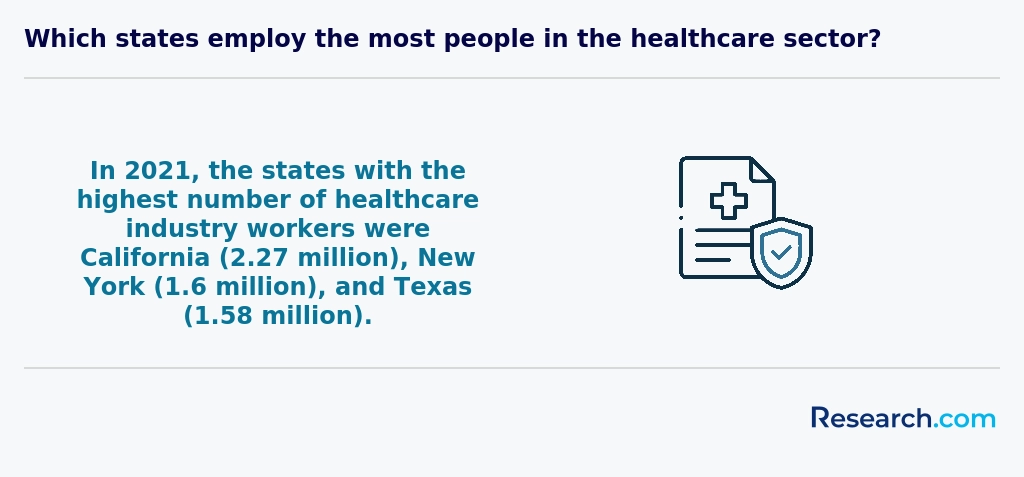
The job market for graduates with an online healthcare management degree in Missouri remains encouraging, though it requires realistic expectations. Many graduates from well-regarded Missouri institutions report access to a range of roles like healthcare administrators and medical services managers, particularly in cities such as St. Louis and Kansas City. These urban centers, along with institutions known for their healthcare programs, provide both the education and local networking opportunities vital for securing positions. Missouri's healthcare management degree employment aligns with the state's sizable healthcare industry, which sustains over 500,000 jobs and benefits from steady growth fueled by technological advancements and an aging population.
One common experience among recent graduates highlights how affordable tuition combined with strong internship placements through university partnerships can lead to early-career success in this field. While starting salaries typically hover around $55,000, graduates find that gaining experience in Missouri's diverse healthcare facilities expands their prospects. For students exploring affordability and quality, pursuing an accredited healthcare management degree online from Missouri institutions offers both flexibility and practical relevance.
Online healthcare management jobs Missouri continue to evolve as healthcare systems increasingly require managers adept in electronic health records and compliance. Though competitive, the field offers meaningful opportunities for those willing to leverage Missouri's unique educational and employment landscape.
2027 Easiest Online Healthcare Management Degree Programs Ranking in Missouri
Investing in your education is a significant decision that can shape your future, and the Research.com team understands the importance of making informed choices. To assist prospective students in Missouri, we have meticulously crafted the "2027 Easiest Online Healthcare Management Degree Programs Ranking in Missouri." Our commitment to quality, credibility, and accuracy is reflected in the extensive research and analysis conducted to compile this ranking.
We utilized the following reputable data sources to ensure a comprehensive evaluation of healthcare management programs:
By exploring this ranking, readers will gain valuable insights into the easiest and most accessible online healthcare management degree programs in Missouri, helping them make informed decisions about their educational paths. For more details on our methodology, please visit our Research.com methodology page.



Frequently Asked Questions About healthcare management
Students pursuing online healthcare management degrees in Missouri can maximize their learning by actively engaging with course materials and participating in virtual discussions. Missouri hosts several accredited universities offering flexible programs tailored to working professionals, such as the University of Missouri system, which is regionally accredited.
Connecting with local healthcare organizations for internships or practicums is essential, as Missouri's healthcare sector employed over 205,000 people as of the latest labor statistics, offering diverse opportunities for hands-on experience. Utilizing state resources, like the Missouri Hospital Association's educational tools, also enhances practical knowledge.
Time management and consistent study schedules are crucial, especially for online learners balancing work and family. Moreover, staying updated on Missouri's healthcare regulations and policies strengthens a student's readiness for leadership roles in the state's dynamic healthcare environment.
The healthcare management field is rapidly evolving, especially in Missouri where the demand for specialized skills is increasing. Emerging niches include healthcare informatics, which focuses on managing patient data and improving electronic health record (EHR) systems. This area is growing due to Missouri hospitals adopting more advanced digital systems, as reported by the Missouri Hospital Association.
Another niche is population health management, aiming to improve health outcomes for specific communities. Missouri's expanding aging population drives growth in this field, requiring managers skilled in coordinating care and optimizing resources.
Additionally, revenue cycle management is gaining importance as healthcare organizations face complex billing and insurance challenges. Expertise in this niche helps improve financial performance amid regulatory changes.
These niches reflect Missouri's healthcare trends and offer promising career paths for students pursuing online healthcare management degrees.
Preparing for the job market after completing an online healthcare management degree in Missouri involves several key steps. Graduates should gain practical experience through internships or volunteer opportunities in local healthcare facilities. This hands-on experience is highly valued by Missouri employers and helps build essential skills.
Networking is also crucial; joining professional organizations like the Missouri Health Care Association can connect graduates with industry professionals and job leads. Strong communication and leadership skills improve employability in this competitive field.
According to the Missouri Economic Research and Information Center, healthcare management jobs in the state are projected to grow by 12% through 2030, highlighting a positive job outlook.
Employers in Missouri highly value healthcare management graduates with strong leadership and communication skills. Effective leadership ensures smooth operation within hospitals and clinics, while clear communication facilitates collaboration among diverse healthcare teams. According to the Missouri Hospital Association, managerial roles often require knowledge of healthcare laws and regulations specific to the state.
Analytical skills are also critical. Graduates must interpret healthcare data to improve patient outcomes and reduce costs. Familiarity with health information technology, including electronic health record systems, is increasingly sought after.
Financial management knowledge is essential, as administrators must handle budgeting and resource allocation efficiently.
Understanding of ethics and patient privacy regulations, such as HIPAA, remains a priority nationwide, including Missouri healthcare settings.
Finding internships in Missouri relevant to healthcare management degrees involves targeted research and networking. Start by exploring local hospitals, health systems, and public health organizations, as Missouri hosts leading institutions such as BJC HealthCare and Mercy Health. These organizations often offer internships or fellowships that provide practical experience.
Utilize university career centers and online internship platforms focused on Missouri, like Handshake or the Missouri Department of Higher Education's resources. Many internships are competitive; contacting program coordinators directly can improve your chances.
Additionally, professional associations like the Missouri Hospital Association provide internship listings and networking events tailored to healthcare management students.
Obtaining an online healthcare management degree in Missouri can significantly enhance career mobility and advancement. The state's growing healthcare sector demands skilled managers who understand both clinical operations and business practices. According to the Missouri Economic Research and Information Center, healthcare employment is projected to grow by 15% through 2030, creating numerous leadership opportunities.
The flexibility of online programs allows working professionals to gain advanced credentials without interrupting their careers. Graduates with a degree often qualify for management roles such as healthcare administrator, clinical manager, or operations director, typically earning 10-20% higher salaries than those with only associate degrees, per U.S. Bureau of Labor Statistics data.
Missouri employers value the combination of local healthcare knowledge and accredited online education, which can speed promotion and geographic job flexibility statewide.
Studying for a healthcare management degree in Missouri equips students with the skills to work across multiple disciplines within the healthcare sector. Programs often emphasize leadership, communication, and understanding of healthcare policies. This interdisciplinary approach prepares graduates to collaborate effectively with clinical staff, IT professionals, and financial experts.
Missouri's healthcare management degrees frequently include coursework in business administration, health informatics, and public health. According to the Missouri Economic Research and Information Center, the healthcare sector employs nearly 400,000 people statewide, highlighting demand for versatile managers able to navigate complex environments.
Such programs also integrate real-world case studies, fostering problem-solving abilities applicable to diverse healthcare settings.
When choosing between a thesis and a non-thesis online healthcare management degree in Missouri, consider your career goals and learning preferences. A thesis option involves conducting original research and writing a detailed paper, which can benefit students seeking roles in healthcare research, policy, or doctoral programs. The non-thesis track typically emphasizes coursework and practical skills, appealing to professionals aiming for leadership roles in healthcare organizations.
Missouri's healthcare sector is growing, with over 300,000 employed in healthcare management (Missouri Economic Research and Information Center, 2023). Programs accredited by CAHME often offer both options. Review program requirements carefully and evaluate how the format aligns with your professional aspirations and time commitments.
Students based in Missouri interested in studying healthcare management abroad can explore several pathways while remaining connected to U.S. accreditation standards. Many U.S. institutions offer online programs with international study components or partnerships allowing students to gain global perspectives without relocating full-time.
Currently, no Missouri public universities provide fully online healthcare management degrees with mandatory overseas residency. However, students may find joint programs through universities with study-abroad options or international internships. Resources like the Missouri Department of Higher Education highlight over 20 accredited healthcare management programs statewide, some with global opportunities.
Choosing programs with American accreditation ensures qualifications remain recognized in Missouri's healthcare sector, which employs over 60,000 management professionals as per the Bureau of Labor Statistics (2023).
Part-time job opportunities in Missouri that complement online healthcare management degrees often include administrative roles in hospitals, clinics, and long-term care facilities. Positions such as medical office assistant, patient services coordinator, and medical records clerk provide practical experience in healthcare settings. According to the Missouri Economic Research and Information Center, healthcare support occupations are expected to grow by 16% over the next decade.
These roles allow students to apply management principles while gaining insight into healthcare operations. Additionally, part-time work in insurance companies or public health organizations can enhance understanding of healthcare policies and patient care coordination.
Online healthcare management students in Missouri benefit from various networking opportunities despite studying remotely. Many universities connect students to local hospital systems and healthcare organizations for internships, mentorships, and project collaborations. Professional associations like the Missouri Hospital Association and the Missouri Health Care Executives Forum offer events, workshops, and conferences where students can engage with industry leaders.
Additionally, online students often have access to virtual networking platforms and alumni groups. According to the U.S. Bureau of Labor Statistics, healthcare management jobs in Missouri are projected to grow 16% by 2030, making these networks crucial for career advancement.
Alumni networks play a crucial role for online healthcare management degree students in Missouri by providing valuable professional connections. Graduates can tap into these networks to access mentorship, job leads, and industry insights, which are vital in Missouri's growing healthcare sector. According to the Missouri Economic Research and Information Center, healthcare continues to be one of the state's fastest-growing employment areas, making networking especially important.
These networks often facilitate events, webinars, and forums where students and alumni exchange knowledge and experiences. This ongoing engagement helps students stay updated with Missouri's healthcare policies and management trends. In addition, strong alumni ties can improve job placement rates and career advancement opportunities within the state.
Customizing an online healthcare management degree program in Missouri allows students to align their education with specific career goals. Many Missouri institutions offer elective courses in areas like healthcare policy, finance, or informatics, letting students focus on preferred specialties. Some programs also provide certificate options to deepen expertise in niche fields such as health information technology or long-term care administration.
Practical experience, such as internships or virtual practicums, is commonly integrated and can be tailored to local healthcare settings in Missouri, enhancing job readiness. Missouri's growing healthcare sector, employing over 250,000 people as of 2022 (Bureau of Labor Statistics), offers diverse opportunities for specialized roles.
Students should consult academic advisors to select courses and experiences that best match industry demands and their career aspirations within the state.
Students pursuing online healthcare management degrees in Missouri often face several challenges. A primary difficulty is balancing coursework with professional and personal responsibilities, as many enrollees are working adults. Access to high-quality clinical placement opportunities within Missouri can be limited, impacting practical experience. Additionally, navigating state-specific healthcare regulations and policies requires focused study, given Missouri's unique healthcare environment.
Technology access and proficiency also present barriers, especially for students in rural areas with slower internet speeds. According to the Missouri Department of Health and Senior Services, roughly 70% of healthcare managers report challenges related to industry changes, which online learners must understand thoroughly. Lastly, some students struggle with limited networking opportunities that on-campus programs naturally provide.
With an online healthcare management degree in Missouri, you can pursue several valuable professional certifications that enhance your career prospects. Common certifications include the Certified Professional in Healthcare Management (CPHM) and the Certified Medical Manager (CMM), both recognized nationally. The American College of Healthcare Executives (ACHE) offers the Fellow of the American College of Healthcare Executives (FACHE) credential, highly regarded in Missouri's healthcare industry.
Missouri's healthcare sector emphasizes leadership and operational skills, making certifications in health information management, such as Registered Health Information Administrator (RHIA), relevant for graduates. These certifications can boost earning potential and job opportunities in hospitals, clinics, and health services management roles across the state.
Applying to an online healthcare management program in Missouri requires careful attention to detail. First, highlight relevant experience in healthcare or administration, as practical insight strengthens your application. Missouri's healthcare industry is growing rapidly, making this background valuable; the Missouri Economic Research and Information Center notes a 10% increase in healthcare jobs over recent years.
Demonstrate strong academic performance, particularly in courses like biology, statistics, or business. Most programs expect at least a 3.0 GPA. Personal statements should clearly explain your motivation to improve Missouri's healthcare system. Mention any leadership roles or community service related to healthcare.
Finally, secure strong letters of recommendation from supervisors or educators familiar with your skills. Tailor your application carefully to each program's specific criteria to improve your chances of acceptance.
Healthcare management is a growing field worldwide, including in the United States and Missouri. Globally, healthcare systems face challenges such as aging populations and rising costs, which increase demand for skilled managers. In Missouri, the Bureau of Labor Statistics projects employment for medical and health services managers to grow by 28% through 2031, much faster than average.
Online healthcare management degrees in Missouri prepare students to meet these challenges by teaching leadership, finance, and policy skills. Many graduates find careers not only in local hospitals but also in global health organizations or multinational companies.
Understanding diverse healthcare models internationally adds value to a manager's skill set, helping them navigate complex systems and improve patient care effectively.
Students pursuing an online healthcare management degree in Missouri can gain practical experience through local internships and externships. Many programs encourage partnerships with healthcare facilities, including hospitals and clinics, which offer real-world work opportunities. Missouri hosts several large healthcare employers such as Mercy Health and BJC HealthCare. These organizations often provide internships that help students apply classroom knowledge in clinical and administrative settings.
Additionally, students can participate in virtual internships, which have grown due to the pandemic and allow flexible, remote experiences. The Missouri Hospital Association also offers resources for students seeking hands-on learning in healthcare management.
Choosing the right concentration within an online healthcare management degree program in Missouri depends on your career goals and the local healthcare landscape. Missouri's healthcare sector is growing, particularly in hospital administration, public health, and long-term care management, reflecting employment trends reported by the Missouri Economic Research and Information Center (MERIC).
Consider concentrations aligned with in-demand fields, such as health information technology, policy, or finance. Research job availability and salary ranges in Missouri, focusing on areas like Kansas City and St. Louis, where healthcare systems are prominent.
Assess program curricula for practical skills and internships that connect you with local healthcare providers. This practical experience can be crucial for your career advancement within Missouri's healthcare industry.
- 2027 Easiest Online Healthcare Management Degree Programs Ranking in Illinois
- 2027 Easiest Online Healthcare Management Degree Programs Ranking in Minnesota
- 2027 Easiest Online Healthcare Management Degree Programs Ranking in Wisconsin
- 2027 Easiest Online Healthcare Management Degree Programs Ranking in Colorado
- 2027 Easiest Online Healthcare Management Degree Programs Ranking in Ohio
- 2027 Easiest Online Healthcare Management Degree Programs Ranking in Michigan
- 2027 Easiest Online Healthcare Management Degree Programs Ranking in Alabama
- 2027 Easiest Online Healthcare Management Degree Programs Ranking in Texas
- 2027 Easiest Online Healthcare Management Degree Programs Ranking in Florida
- 2027 Easiest Online Healthcare Management Degree Programs Ranking in Virginia
- 10 Skills Employers Are Looking for in Healthcare Management Jobs https://www.aiuniv.edu/blog/10-top-skills-for-healthcare-management-jobs
- Healthcare Management: Global Perspectives https://www.routledge.com/Healthcare-Management-Global-Perspectives/Gillies/p/book/9781032765259
- Healthcare Management BPS Degree | MBU Online https://s49460.p1509.sites.pressdns.com/program/bachelors/healthcare-management/
- Preparing for a Career in Healthcare Management: What You Need to Know https://www.merco.co.uk/blog/preparing-for-a-career-in-healthcare-management-what-you-need-to-know
- Find Missouri Healthcare Administration Degree Programs https://www.healthadministrationdegrees.com/states/missouri/
- Healthcare Administration Degree https://www.mssu.edu/academics/education/healthcare-administration/degree-bs-healthcare-administration.php
- Best Online MHA Programs in Missouri (2026 Rankings) – PublicAdministrationPolicy.org https://publicadministrationpolicy.org/health-administration/missouri/
- Health Care Manager Cover Letter Examples - Templates & Writing Tips https://www.resume-now.com/cover-letter/examples/business-operations/healthcare-management-manager
- How to Get a Job in Healthcare Management https://sha.edu.in/how-to-get-a-job-in-healthcare-management/
- Motivation letter sample for a Master in Healthcare Management - Motivation letter samples and templates https://motivationalletter.com/2017/08/30/master-in-healthcare-management/