2027 Most Valuable Online Bachelor's in Healthcare Management Degree Programs Ranking in the USA

Co-Founder and Chief Data Scientist
Choosing the right online healthcare management degree can shape your future career in a rewarding and growing field. To help you navigate the options, this article presents the 2027 Most Valuable Online Bachelor's in Healthcare Management Degree Programs Ranking in the USA created by the Research.com team of data scientists.
By exploring this ranking, you'll gain valuable insights into programs that deliver quality education and strong career prospects. Whether you're starting fresh or considering a change, a healthcare management degree opens doors to meaningful opportunities and personal growth.
Key benefits of getting online healthcare management degree in America
- Healthcare management graduates in the US can expect competitive salaries, with median earnings around $100,000 annually in roles like healthcare administrators, reflecting strong financial rewards for their expertise.
- Graduates from popular programs, such as those at the University of Michigan, often pursue diverse careers including hospital administration, health policy, and consulting, offering dynamic and fulfilling opportunities.
- Online healthcare management degrees, like those from Arizona State University, provide flexible schedules and accessible learning, allowing students to balance work and life while gaining valuable skills efficiently.
- 2027 Most Valuable Online Bachelor's in Healthcare Management Degree Programs Ranking in the USA
- What can I expect from online healthcare management degree in America?
- Where can I work with online healthcare management degree in America?
What can I expect from online healthcare management degree in America?
If you're thinking about earning an online healthcare management degree in America, you're probably curious about the cost. On average, annual tuition for these programs ranges from about $7,000 to $20,000, depending on where you enroll. For example, graduates from popular public universities often feel great about the value they got, especially since in-state tuition keeps costs down. Meanwhile, private or out-of-state options can be pricier but sometimes offer more specialized courses or flexible schedules.
Many students appreciate how financial aid and scholarships help ease the burden. Some even tap into employer tuition reimbursement, making it easier to balance work and study. Imagine juggling a full-time job while tackling coursework on healthcare law or strategic planning-knowing your school's support makes it all feel achievable and motivating. Graduates often share how the mix of video lectures, interactive assignments, and career services helped them stay engaged and confident about investing in their futures.
Where can I work with online healthcare management degree in America?
If you earn an online healthcare management degree in America, you'll find plenty of doors opening for you. Many graduates land jobs in hospitals, which tend to be the biggest employers. Picture yourself managing a department or coordinating between doctors and admin teams in a busy hospital - it's challenging but super rewarding.
Others find spots in outpatient care centers, nursing homes, or physician offices, where your skills in organization and healthcare rules really shine. Graduates from popular programs at universities like Arizona State or University of Minnesota often share how these roles helped them grow their leadership abilities while making an impact on patient care.
Insurance companies are another cool option. You might work on claims, analyze policies, or handle provider networks-jobs that mix business smarts with healthcare knowledge.
Some grads go into public health agencies or consulting firms, advising on efficiency or healthcare tech adoption. These paths bring a satisfying mix of problem-solving and helping communities run healthier.
The variety means you can find a role that fits your vibe and goals, all while enjoying the flexibility and growing demand thanks to America's booming healthcare field.
If you're wondering how much you can make with an online healthcare management degree in America, the numbers are pretty promising. Graduates often start out making around $60,000 to $70,000 a year, especially if they earned their degree from well-known schools with strong programs, like the University of Southern California or Johns Hopkins University. These early-career salaries are solid for entry-level roles in smaller clinics or regional hospitals.
What's exciting is that with a few years of experience, especially working in big city hospitals or specialized healthcare organizations, salaries can jump to over $110,000 annually. Graduates from well-regarded programs in places like Boston or Los Angeles often find themselves in roles that pay even more, sometimes topping $120,000 if they have professional certifications alongside their degree.
The healthcare field is growing fast, so the demand for skilled managers is high. This means steady salary growth for those sticking with their career and gaining experience in top markets around the country.
- Online healthcare management degrees typically take four years to complete for full-time students and offer flexibility to balance work or personal life.
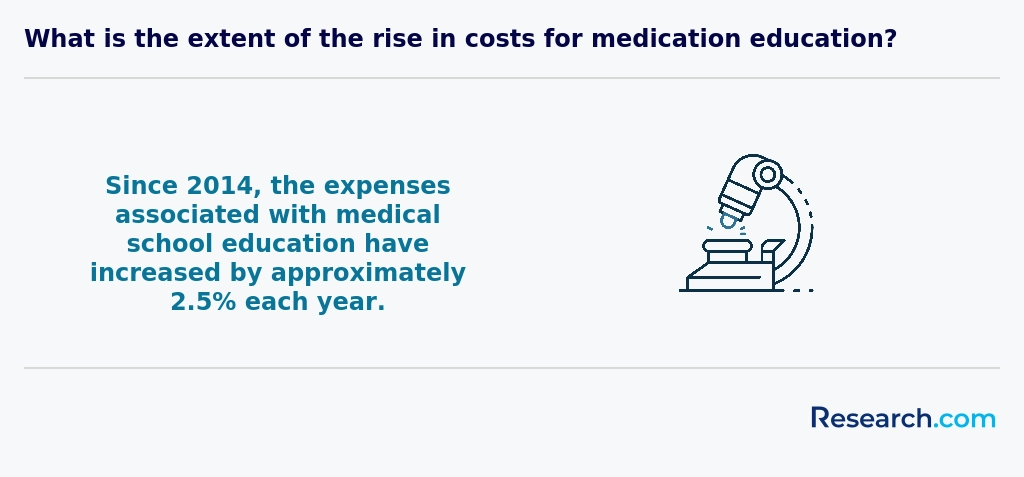
- Tuition costs range from $10,000 to $30,000 per year, varying by institution type and residency status, with additional but generally lower fees than on-campus programs.
- Entry-level salaries for graduates start around $55,000 to $65,000 annually, with potential to exceed $90,000 with experience and advanced certifications.
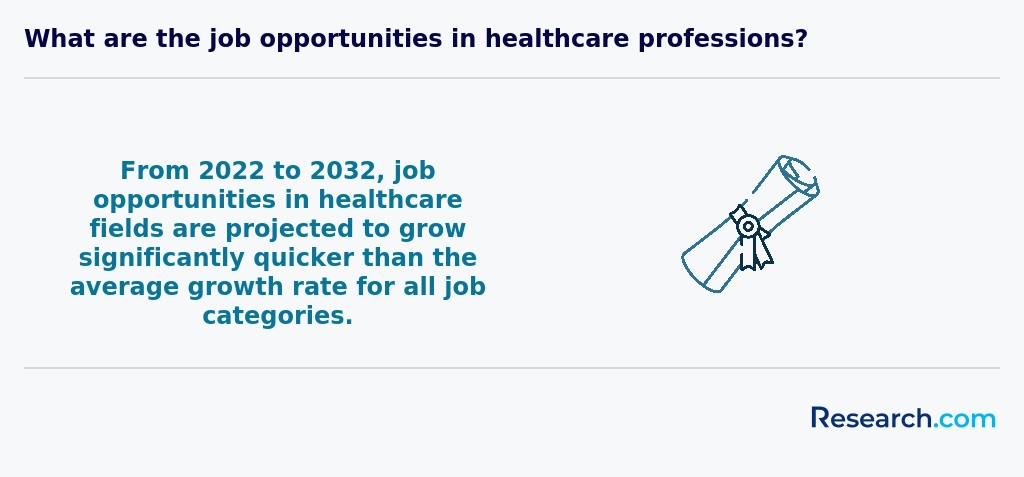
- Employment in healthcare management is projected to grow 32% from 2021 to 2031, driven by an aging population and increased focus on healthcare quality.
- Accreditation by agencies like CAHME ensures programs meet industry standards and can impact job eligibility and graduate study opportunities.
Finishing an online healthcare management degree in America usually takes about four years if you're going full-time, which is pretty standard for many students at well-known schools like the University of Florida or Arizona State University. But here's the cool part: online programs give you flexibility. Some grads shared that balancing work and family while studying part-time stretched their degree to five or six years, which made the process less stressful and super manageable.
On the flip side, for those energetic go-getters, accelerated options let you wrap things up in three years or even less by stacking more classes each semester or jumping in during summer terms. Masters programs, like the ones at Johns Hopkins or George Washington University, tend to be shorter-around two years full-time-and focus on deeper skills like healthcare finance and leadership.
Plus, practical elements like internships can add a bit more time but give you amazing real-world experience, making the wait totally worth it.
Online and on-campus healthcare management degrees in the U.S. offer quite different vibes, but both get you where you want to go. Imagine a busy professional juggling work and family; online programs from schools like the University of Florida give you the freedom to hit lectures late at night or on weekends, fitting study around your life. Graduates often say this flexibility feels like a lifesaver when balancing real-world demands.
On the flip side, going the on-campus route at places like the University of Michigan means more face-to-face time with professors and classmates, which many grads recall as a boost for building relationships and hands-on learning. It's perfect if you're someone who thrives on group projects, in-person discussions, and quick access to campus resources.
Cost-wise, online programs might cut down expenses like commuting or dorm fees, which is a relief for many students. Whether you're taking online classes or sitting in a campus lecture hall, both formats keep standards high with accreditation that employers respect. So really, it's about picking what fits your lifestyle and learning groove.
If you're aiming for an online healthcare management degree in America, you're probably wondering about the average cost. On average, the total tuition and fees for healthcare management bachelor's degrees tend to hover around $47,880. For in-state students attending popular public universities, it's often closer to $36,580, which feels like a much sweeter deal. Out-of-state learners might see figures around $47,928, which can catch some by surprise but is still manageable if you plan smartly.
Graduates from well-known colleges often share how budgeting carefully for tuition, textbooks, and occasional tech fees helped them avoid financial stress. Many find public universities to be a solid balance of quality and price. One graduate mentioned that while private universities might edge towards $60,000, public schools gave them an affordable path without sacrificing the career prep they needed.
Dealing with these costs is easier once you explore financial aid, scholarships, or employer tuition assistance. Plus, taking the time to research healthcare administration required courses early on lets you know exactly what to expect, avoiding surprise expenses. This is especially helpful since healthcare management is a thriving field with growing job opportunities, making the upfront cost feel like a solid investment for the future.
If you're thinking about an online healthcare management degree in America, you'll be glad to hear there's plenty of financial aid out there to help ease the costs. Many students at schools like Arizona State University and the University of Florida start with federal aid by filling out the FAFSA form. This opens doors to grants like the Federal Pell Grant, which can cover thousands of dollars without needing repayment - perfect if you're juggling work and studies.
Some grads have shared how state-specific programs, like California's Cal Grant, made a huge difference by cutting tuition bills while studying online. Plus, professional groups like the American College of Healthcare Executives award scholarships that reward your hard work and passion for healthcare leadership.
Don't forget, a lot of universities offer merit scholarships tailored to healthcare management students, sometimes paired with flexible payment plans. And if you're working in healthcare already, plenty of employers chip in with tuition reimbursements, helping you climb the career ladder without the financial stress.
If you're thinking about jumping into an online healthcare management degree in America, the first thing to know is that having a high school diploma or its equivalent is a must. Pretty much every program, whether it's at a big public university or a well-known private college, starts there. Graduates from popular schools often say these foundational steps set them up for success.
Beyond that, many programs expect you to have taken some basic courses, like English, math, and maybe an intro to biology or healthcare. It's kind of like getting your toolkit ready before diving in-just like students at state universities in the Midwest who found their early classes helped make later lessons much easier to handle.
Some programs might ask for SAT or ACT scores, but don't stress too much. Lots of schools now go test-optional, which is great if you're juggling work or family. If you've got some healthcare experience under your belt-say, from a clinic or hospital admin job-that can really boost your application and your confidence.
Also, you'll probably need to submit stuff like personal statements or recommendation letters. Many graduates mention how sharing their story helped them connect with admissions teams at top colleges in the Northeast. And don't forget to check if the program is accredited-it makes all the difference once you're ready to take your career to the next level.

If you're diving into an online healthcare management degree in America, expect courses that really get you ready to lead in healthcare settings. Graduates from top schools often mention how learning about Healthcare Systems and Policy gave them solid insight into how the US healthcare world ticks, from regulations to everyday challenges.
Many also rave about Health Informatics, where you get hands-on with managing electronic health records-super useful for improving patient care. Then there's Financial Management in Healthcare, which breaks down budgeting and money decisions, making the whole financial side feel less intimidating.
People love the classes on Healthcare Law and Ethics because they show real-life legal and moral issues healthcare pros face daily. Plus, courses on Organizational Behavior and Leadership really helped graduates boost their people skills, making teamwork and leading a breeze.
Schools like Arizona State University and the University of Southern California offer programs packed with these practical classes, so students finish feeling confident and ready to jump into roles like hospital managers or healthcare consultants.
If you're exploring online healthcare management specializations USA, you'll find lots of options tailored to different interests. Many grads from popular colleges in America talk about their focus on Healthcare Informatics, where they learned to handle electronic health records and use data to improve patient care. It's a tech-savvy path with solid job growth. Others dive into Health Services Administration, managing everything from hospital budgets to policies-perfect if you like leadership roles in healthcare settings.
Some students take Public Health Administration to work in government or non-profits, tackling big community health challenges. There's also Long-Term Care Management, which is becoming super important as America's population ages, and many graduates feel proud knowing they're helping seniors get better care.
Plus, many programs offer flexibility with different tracks, making it easier for working pros to finish their degree without stress. If you want to speed things up, check out this fastest executive mha program out there. With options like these, picking your healthcare management degree focus areas America really lets you tailor your future.
When choosing the best online healthcare management degree in America, start by checking if the program has regional accreditation and recognition from industry groups like CAHME. Graduates from well-known programs at popular universities often share how this helped them feel confident their education met high standards. Cost matters too-affordable healthcare management programs in America can vary a lot, so look for options offering in-state tuition discounts or financial aid to keep expenses manageable.
Many students find that a program's curriculum and real-world experiences make all the difference. Think about courses covering healthcare policy, finance, and health informatics, plus hands-on internships or capstone projects. These elements helped past graduates from top colleges feel ready to tackle real jobs right after finishing their degrees.
Flexibility is another big plus if you're balancing work or family. Online classes with asynchronous schedules and strong support services-like advising and career counseling-make life easier. Don't forget to check post-graduation success too; many love sharing their success stories after landing well-paid roles. For more insight into what healthcare grads earn, check out the mba in healthcare management job opportunities that can follow a degree.
If you're diving into online healthcare management careers USA, you're opening doors to tons of exciting paths. Graduates from popular schools, like the University of Arizona or Northeastern, often land roles managing hospital operations or outpatient services, where they get to lead real-world projects that make a difference every day. Some become health information managers, juggling patient data and tech systems while staying HIPAA-compliant-a role that's been booming thanks to hospitals going digital.
Others find themselves consulting for healthcare organizations, helping cut costs and improve policies, or jumping into public health administration roles to shape community health strategies. Some grads even work as practice managers in clinics or lead implementation projects on new healthcare tech. It's great to see how hands-on and varied these job opportunities can be, especially when your online program connects you with experienced faculty and real-world scenarios.
If budget's on your mind, lots of students explore cheapest healthcare administration online programs to get started without breaking the bank.
Healthcare management job opportunities America-wide are definitely growing, making this degree a smart move for anyone who loves mixing leadership with healthcare.
The job market for online healthcare management degree graduates in America is looking pretty bright. Many graduates from well-known universities find themselves stepping into roles like health services managers or healthcare administrators quickly, thanks to the growing demand. Whether it's running day-to-day operations at hospitals or managing outpatient facilities, these jobs are expanding fast because healthcare is booming. People in these roles often share how the flexibility of an online program made it possible to balance work and studies while preparing them for real-world challenges. For example, graduates from popular colleges report feeling ready to tackle issues like telehealth services and regulatory changes right after finishing their degrees.
With such positive job prospects, it's easy to see why many consider online healthcare management jobs USA worth pursuing. Plus, the salaries are competitive-there's even a helpful breakdown of mba with healthcare concentration salary data that often surprises new grads who didn't expect this level of earning potential so early on.
2027 Most Valuable Online Bachelor's in Healthcare Management Degree Programs Ranking in the USA
Investing in your education is a significant decision that can have a lasting impact on your career and future. The Research.com team recognizes the importance of making well-informed choices, which is why we have carefully developed the "2027 Most Valuable Online Bachelor's in Healthcare Management Degree Programs Ranking in the USA." Our dedication to quality, credibility, and accuracy is demonstrated through rigorous research and thorough analysis.
We utilized the following reputable data sources to create this ranking:
By exploring this ranking, readers will gain valuable insights into the most valuable online healthcare management degree programs available in the USA, empowering them to choose the best educational path aligned with their professional goals. For more information on how this ranking was developed, please visit our Research.com methodology page.


# 5 position
Columbia Southern University
Bachelor of Healthcare Administration/Emergency Medical Services

# 6 position
South Texas College
Bachelor of Medical and Health Services Management


# 9 position
The College of St. Scholastica
Bachelor of Health Informatics and Information Management

# 10 position
State University of New York Polytechnic Institute
Bachelor of Health Information Management

# 11 position
University of Wisconsin-Green Bay
Bachelor of Health Information Management & Technology


# 15 position
Charter Oak State College
Bachelor of Healthcare Administration
# 16 position
Colorado Christian University
Bachelor of Healthcare Administration

# 17 position
Walden University
Bachelor of Healthcare Management




Frequently Asked Questions About healthcare management
Students pursuing online healthcare management degrees in America can maximize their learning by actively engaging with course materials and participating in virtual discussions. According to the U.S. Bureau of Labor Statistics, healthcare management jobs are expected to grow 32% from 2021 to 2031, emphasizing the importance of mastering industry-relevant skills.
Utilizing university resources like career services and online libraries enhances knowledge and networking opportunities. Scheduling consistent study times and setting goals helps maintain discipline amid flexible learning. Additionally, seeking internships or volunteer roles in healthcare settings offers practical experience to complement theoretical learning.
Connecting with professional organizations such as the American College of Healthcare Executives provides access to current industry trends and mentorship opportunities, which are vital for career advancement.
Emerging niches within the healthcare management field reflect changes in technology, policy, and patient care priorities. One key area is health informatics management, which combines data analytics with healthcare operations. According to the U.S. Bureau of Labor Statistics, jobs in this specialty are expected to grow 15% from 2021 to 2031, faster than average for all occupations.
Another growing niche is telehealth administration. The COVID-19 pandemic accelerated telemedicine use, creating demand for managers skilled in virtual care delivery and compliance with federal regulations. Additionally, population health management focuses on improving health outcomes through data-driven strategies targeting specific communities.
Preparing for the job market after completing an online healthcare management degree in America involves several key steps. First, gaining practical experience through internships or volunteer work at healthcare facilities is essential. According to the Bureau of Labor Statistics (BLS), healthcare management roles are expected to grow 32% from 2021 to 2031, signaling strong demand.
Next, obtaining relevant certifications like the Certified Medical Manager (CMM) or Fellow of the American College of Healthcare Executives (FACHE) can enhance job prospects. Networking through professional organizations such as the American Association of Healthcare Administrative Management (AAHAM) also helps.
Lastly, building a strong resume and preparing for interviews by understanding industry trends is crucial for success.
Employers in the American healthcare industry prioritize several key skills when hiring healthcare management graduates. Strong leadership and communication abilities are essential, as managers must coordinate diverse teams and interact with medical staff and patients. Knowledge of healthcare laws, regulations, and ethics is crucial to ensure compliance and quality care.
Data analysis skills are increasingly important; according to the U.S. Bureau of Labor Statistics (2023), healthcare managers with proficiency in health informatics report better job performance. Financial management expertise is also critical for budgeting and resource allocation.
Problem-solving and adaptability are valued, given the rapidly evolving healthcare environment.
Finding internships relevant to healthcare management degrees in America involves strategic research and networking. Many universities with online healthcare management programs have career services that connect students with internship opportunities in hospitals, insurance companies, and public health organizations.
Students should also explore platforms like Handshake and Internships.com, which list numerous healthcare-related internships nationwide. According to the American College of Healthcare Executives, gaining hands-on experience through internships increases the likelihood of employment by 20% in healthcare management roles.
Contacting local healthcare providers and administrative offices directly can uncover unadvertised internships, especially in smaller clinics or community health centers. Additionally, joining professional associations such as the Healthcare Financial Management Association can provide valuable internship leads and networking events.
An online healthcare management degree in America significantly enhances career mobility and advancement opportunities. According to the U.S. Bureau of Labor Statistics, jobs in healthcare management are expected to grow 28% from 2021 to 2031, much faster than the average for all occupations. This growth is driven by an increasing demand for healthcare services and the need for efficient management.
Graduates gain critical skills in leadership, finance, and health policy, which are essential for moving into supervisory or executive roles. Many employers prefer candidates with a bachelor's degree, making online programs an accessible path for working professionals.
Additionally, accredited online degrees from recognized U.S. institutions ensure graduates meet industry standards, improving their competitiveness in the job market. Networking opportunities and internships offered through these programs also support career advancement.
Studying for a healthcare management degree in America equips students with a broad understanding of the healthcare system, blending knowledge from business, public health, and policy fields. Coursework typically covers subjects like healthcare law, economics, ethics, and information systems, preparing graduates to work across different sectors.
According to the Bureau of Labor Statistics, healthcare management roles are expected to grow 32% from 2021 to 2031, highlighting demand for versatile professionals. Online programs often emphasize teamwork, communication, and leadership skills, essential for collaborating with medical staff, administrators, and insurers.
This interdisciplinary approach readies students to navigate complex challenges and improve patient outcomes effectively.
Choosing between a thesis and a non-thesis healthcare management degree in America depends on your career goals and learning preferences. Thesis programs require conducting original research and writing a substantial paper, which can benefit students aiming for advanced positions or graduate study. Non-thesis programs often focus on coursework and practical skills, suitable for immediate entry into healthcare administration roles.
The U.S. Bureau of Labor Statistics projects a 28% growth in medical and health services manager jobs through 2032, highlighting strong demand for well-prepared graduates. Accredited programs typically offer both options, allowing flexibility based on whether you prefer research or practical experience.
Students in America interested in studying healthcare management abroad have limited options for fully online degrees from foreign institutions due to accreditation and licensing considerations. Most US-based learners pursuing international perspectives enroll in study-abroad programs or exchange partnerships offered by American universities with global institutions. These opportunities provide exposure to global healthcare systems while earning credits toward a US-accredited degree.
Many American schools offering online healthcare management degrees include global case studies and comparative health policy courses to incorporate international insights.
According to the US Bureau of Labor Statistics, healthcare management jobs in the US are projected to grow 32% from 2021 to 2031, emphasizing the demand for well-qualified managers familiar with both domestic and international healthcare landscapes.
Students should verify foreign programs' accreditation status and how credits transfer before enrolling.
Part-time job opportunities that complement a healthcare management degree in America often involve roles in medical offices, hospitals, and insurance companies. Positions such as medical administrative assistant, health information technician, or patient services representative provide practical experience with healthcare systems and administration.
According to the U.S. Bureau of Labor Statistics, employment in healthcare support roles is growing faster than average, with a 13% projected increase from 2022 to 2032. This growth creates opportunities to gain valuable skills while studying.
Many students also find internships or part-time roles in healthcare IT services beneficial, given the sector's increasing reliance on electronic health records and data analytics.
Networking opportunities for online healthcare management students in America have expanded significantly in recent years. Many accredited programs partner with professional organizations like the American College of Healthcare Executives (ACHE), offering virtual events and mentorship programs tailored to healthcare management students.
Students also gain access to exclusive online forums and alumni networks, which connect them with industry professionals across the country. According to ACHE, over 45,000 healthcare leaders participate in such networks, providing valuable contacts for job placement and career development.
Additionally, internships and practicum placements often serve as practical networking channels, even for online learners. Universities collaborate with hospitals and healthcare organizations, enabling students to engage locally while studying remotely.
Alumni networks offer significant advantages to students pursuing online healthcare management degrees in America. These networks provide access to professionals working in diverse healthcare settings, from hospitals to insurance companies, which can help students with mentorship and career guidance.
According to the American College of Healthcare Executives, strong professional connections boost job placement rates by up to 35% in healthcare fields. Alumni groups also share exclusive job openings and internship opportunities that are not widely advertised.
Moreover, networking through alumni events or online platforms enables students to stay informed about industry trends and innovations, which is crucial in the continually evolving healthcare management sector.
Customizing an online healthcare management degree in America starts with selecting electives that align with your career goals. Many programs allow you to focus on specialties such as health informatics, policy, or administration.
Additionally, look for programs offering internships or practicum experiences. These help build real-world skills and expand your professional network.
Some universities also provide certificate options within their degrees, enabling deeper expertise in areas like healthcare analytics or compliance. According to the Bureau of Labor Statistics, healthcare management jobs are expected to grow 28% through 2031, so tailored skills improve job readiness.
Review program accreditation and course flexibility to ensure they suit your schedule and career plan.
Online healthcare management students in America often face challenges balancing coursework with professional and personal responsibilities. According to the National Center for Education Statistics, over 40% of online learners juggle work and family commitments, which can impact study time and focus.
Another common issue is limited hands-on clinical experience, essential for many healthcare management roles. Online programs must innovate to offer virtual simulations or local practicums that meet accreditation standards.
Students also report difficulties with technology use and lack of direct access to faculty, which may affect understanding complex healthcare regulations and systems unique to the U.S. context.
Lastly, navigating financial aid can be complex since some healthcare management certifications require additional funding beyond tuition costs.
With an online healthcare management degree in the USA, graduates can pursue several professional certifications to enhance their career prospects. Common certifications include the Certified Healthcare Administrative Professional (cHAP) and Certified Professional in Healthcare Management (CPHM). These credentials validate skills in healthcare operations and leadership.
The American Hospital Association reports that certified healthcare managers often earn 10% to 20% more than their non-certified peers. Additionally, the Certified Medical Manager (CMM) credential offered by the Professional Association of Health Care Office Management is popular among those aiming for office management roles.
Pursuing certifications from nationally recognized bodies can open doors to senior positions and improve employability in the competitive healthcare industry.
To write a winning application for an online healthcare management program in America, start by highlighting your academic background and any relevant healthcare or leadership experience. Admissions committees typically look for candidates with a clear understanding of healthcare systems and management principles. Using data from the Bureau of Labor Statistics, the healthcare management field is expected to grow 28% through 2031, making practical knowledge valuable.
Emphasize your motivation for choosing online study, showing your ability to manage time and stay disciplined. Strong letters of recommendation from healthcare or academic professionals can significantly strengthen your application. Lastly, craft a concise personal statement that outlines your career goals and how the program supports them.
The demand for healthcare management professionals is growing worldwide, driven by an aging population and advances in medical technology. In the United States, healthcare management is a vital field, with the Bureau of Labor Statistics projecting a 28% job growth from 2021 to 2031, much faster than the average for all occupations.
Globally, healthcare systems vary greatly, but the need for skilled administrators is universal. Countries with advanced healthcare infrastructure, like the US, Canada, and parts of Europe, emphasize management expertise to improve efficiency and patient care quality.
For American students, earning an online healthcare management degree offers flexibility and access to curricula informed by US healthcare laws, policy, and ethics, preparing them to work both domestically and internationally.
According to the American College of Healthcare Executives, professionals with management education can expect better career advancement opportunities and higher salaries compared to those without formal training. This underscores the value of education in an increasingly interconnected healthcare environment.
Gaining practical experience while studying for an online healthcare management degree in America is essential for career readiness. Many programs encourage students to engage in internships or practicum placements within hospitals, clinics, or healthcare organizations. According to the Bureau of Labor Statistics, hands-on experience improves job prospects given the industry's competitive nature.
Students can also benefit from virtual simulations or case studies incorporated by universities to mimic real-world scenarios. Networking through professional associations such as the American College of Healthcare Executives (ACHE) is another valuable avenue. These connections often lead to mentorships and job shadowing opportunities, even remotely.
Choosing the right concentration within an online healthcare management degree in America depends on your career goals and interests. Popular concentrations include health informatics, healthcare policy, and healthcare administration. Each focuses on different skills: informatics emphasizes data and technology, policy covers regulation and compliance, while administration centers on leadership and operations.
Consider industry demand. The U.S. Bureau of Labor Statistics projects a 28% growth for medical and health services managers through 2031, highlighting strong opportunities. Research job postings and talk to professionals to see which concentration aligns with roles you desire.
Accreditation matters-ensure the program is CHEA- or CAHME-approved for quality and recognition. Finally, review curriculum details to confirm they cover current U.S. healthcare systems and regulations.
- 20 healthcare investment niches and 3 things to know: The evolution of ... https://blackbookmarketresearch.com/20-healthcare-investment-niches-and-3-things-to-know-the-evolution-of
- 14 Healthcare Administrator Cover Letter Examples: Plus Recruiter Insights (Updated for 2025) https://resumeworded.com/cover-letter-samples/healthcare-administrator
- Preparing for a Career in Healthcare Management: What You Need to Know https://www.merco.co.uk/blog/preparing-for-a-career-in-healthcare-management-what-you-need-to-know
- The Biggest Challenges Healthcare Managers Face Today - Oxford Training Centre https://oxfordcentre.uk/resources/healthcare-management/the-biggest-challenges-healthcare-managers-face-today/
- How to Get a Job in Healthcare Management https://sha.edu.in/how-to-get-a-job-in-healthcare-management/
- 66 Institutions offering Health Care Management / Health Studies Courses In the USA https://www.hotcoursesabroad.com/study/training-degrees/us-usa/health-care-management-health-studies-courses/loc/211/cgory/pa.-4/sin/ct/programs.html
- Master of Healthcare Administration (M.H.A.) Major in Healthcare Administration (Non-thesis Option) https://mycatalog.txstate.edu/graduate/health-professions/administration/mha/
- Key Challenges Facing Healthcare Administrators https://slchc.edu/healthcare-administrator/healthcare-administration-career/key-challenges-facing-healthcare-administrators/
- How Do I Decide Which Online Healthcare Management Degree is Right For Me? - Healthcare Management Degree Guide https://www.healthcare-management-degree.net/faq/how-do-i-decide-which-online-healthcare-management-degree-is-right-for-me/
- Top Healthcare Management Conferences for Students https://www.asiapacific.edu/blog/mba/top-healthcare-management-conferences-students/