2027 Best Online Master's in Healthcare Management Degree Programs Ranking in the USA

Co-Founder and Chief Data Scientist
Choosing the right online master's degree in healthcare management can shape your future career and open doors to exciting opportunities. Our article presents the 2027 Best Online Master's in Healthcare Management Degree Programs Ranking in the USA, developed by the Research.com team of data scientists. This carefully crafted ranking aims to guide you in finding programs that suit your goals and lifestyle.
Explore trusted insights and feel confident making an informed decision. Earning a healthcare management degree can empower you to lead, innovate, and make a real difference in a growing field.
Key benefits of getting online healthcare management degree in America
- Healthcare management degree graduates can expect competitive salaries, with many starting roles averaging around $70,000 annually, and growth potential leading to higher wages in senior positions.
- Graduates from popular universities often find diverse career paths such as hospital administration, healthcare consulting, and health services management, offering exciting opportunities to impact patient care and operational efficiency.
- Online healthcare management degrees provide flexibility, allowing students from busy or remote locations to balance work and study effectively, as seen in alumni from well-known online programs who value the convenience and career advancement it supports.
- 2027 Best Online Master's in Healthcare Management Degree Programs Ranking in the USA
- What can I expect from online healthcare management degree in America?
- Where can I work with online healthcare management degree in America?
What can I expect from online healthcare management degree in America?
The average cost of an online healthcare management degree in America typically ranges between $15,000 and $40,000, depending on the institution and program length. Graduates from well-regarded universities often share how this investment unlocked opportunities to grow as confident leaders in healthcare settings. Many students appreciate the flexibility of programs offered by top schools that balance rigorous coursework with real-world scenarios, such as managing a virtual hospital budget or leading a simulated policy reform team.
This affordable range brings access to accredited programs known for their expert faculty and practical learning experiences. For example, learners at renowned American colleges have expressed how engaging asynchronous modules allowed them to study while working full-time, creating a fulfilling and manageable path to earning their degree. These programs empower students to blend ambition with achievement, stepping into rewarding roles that influence healthcare systems nationwide with skill and purpose.
Where can I work with online healthcare management degree in America?
Graduates with an online healthcare management degree from leading American institutions often find themselves stepping into dynamic roles in hospitals, medical group practices, nursing homes, and outpatient care centers. These environments allow them to make a real difference by improving patient care and streamlining operations. Many recall how their studies at universities like the University of Southern California or Penn State prepared them for fast-paced healthcare settings where every decision impacts lives.
Beyond traditional healthcare facilities, alumni frequently take on exciting roles in health insurance companies, pharmaceutical firms, and public health organizations. Picture managing critical healthcare policies or analyzing data that shapes the future of patient well-being-these are common experiences shared by graduates who pursued their degrees online at colleges such as Arizona State University.
Some graduates thrive in government agencies like the CDC or the Department of Health and Human Services, where they contribute to shaping policies that affect millions. Others discover rewarding careers in healthcare consulting, guiding providers to enhance efficiency and patient satisfaction. With the aging U.S. population, many find meaningful work managing long-term care and assisted living facilities, balancing care with challenges creatively and compassionately.
The versatility of skills gained through online healthcare management degrees opens doors in corporate healthcare, non-profits, and academic settings-each offering opportunities to innovate, lead, and inspire. For those studying at top American online programs, the future isn't just promising; it's full of purpose and impact.
Graduates with an online healthcare management degree in America can look forward to rewarding salaries that reflect their valuable skills. Many find their starting salaries in the range of $60,000 to $75,000, especially those pursuing their degrees from respected institutions like the University of Southern California or George Washington University. These entry-level roles serve as a solid foundation for career growth and financial stability.
With dedication and experience, alumni often advance to leadership roles earning upwards of $150,000 annually. Imagine yourself managing a bustling hospital department in New York or directing healthcare services at a major medical center in California - these positions offer both professional fulfillment and lucrative compensation.
Specialized paths like healthcare information systems management bring even higher earnings, with median salaries close to $130,000. Graduates emphasize how combining technical and managerial skills, honed through their online programs, opens doors to exciting, in-demand careers that keep pace with the evolving healthcare landscape.
Professional certifications such as FACHE, alongside your degree, can further boost earnings and help secure top-tier leadership roles.
- The cost of an online master's degree in healthcare management ranges from $20,000 to $60,000, with public universities generally offering lower prices than private ones.
- Early-career salaries in healthcare management typically range from $65,000 to $75,000 annually, while experienced managers can earn $100,000 or more.
- The US Bureau of Labor Statistics projects a 28% job growth in medical and health services management from 2021 to 2031, driven by an aging population and healthcare reforms.
- Key courses in online programs often include healthcare policy, financial management, ethics, and health informatics, with accreditation from bodies like CEPH or CAHME being important.
- Graduates commonly work in hospitals, nursing homes, insurance companies, and government agencies, requiring strong leadership and knowledge of healthcare laws.
Completing an online healthcare management degree in America is an inspiring journey that typically takes between 18 months and 3 years for a master's program. Many graduates from respected institutions like the University of Southern California or George Washington University report that flexible, self-paced course structures empower them to balance work, family, and study with confidence and excitement. For full-time students, earning the degree in about two years feels rewarding and manageable, while part-time or accelerated paths offer the possibility to finish faster or extend learning, tailored to individual lifestyles.
Imagine a busy healthcare professional who, motivated by career growth, completes their Master of Healthcare Administration in just 18 months by dedicating focused evenings to their studies. Meanwhile, others embracing a steady pace over three years enjoy deep engagement and practical experience, emerging well-prepared for leadership roles.
Online bachelor's degrees typically span four years but can be shortened through credit transfers or accelerated programs. This flexibility shows America's commitment to supporting driven learners ready to advance in healthcare management at a rhythm that fits their goals and life.
Online healthcare management programs at universities like George Washington University and University of Southern California offer incredible flexibility, allowing students to balance busy work schedules and family life while advancing their education. Graduates often share how studying remotely gave them the freedom to learn during off-hours without sacrificing career responsibilities in hospitals or insurance companies. This adaptable format empowers motivated learners to progress at their own pace, turning ambition into achievement.
Conversely, on-campus programs at schools such as Ohio State University create vibrant environments buzzing with face-to-face collaboration. Students engage in lively discussions, group projects, and networking events that foster deep personal connections and real-time feedback. For learners who thrive on social interaction and immersive experiences, this traditional approach brings energy and structure to their education journey.
The cost differences also make a big impact. Online students save on commuting and campus housing, making prestigious degrees more accessible. Across both paths, accredited curricula ensure graduates are fully prepared for rewarding healthcare leadership roles, inspiring confidence as they step into America's dynamic healthcare landscape.
In America, the average cost of an online healthcare management degree reflects a valuable investment in your future. Median total tuition fees for healthcare management master's online typically hover around $26,190, while in-state students at many public universities may find more affordable rates near $15,631. This affordability inspires many graduates who have pursued their degrees from well-known colleges renowned for their supportive learning environments and strong career outcomes.
For many students balancing work and study, attending a respected public university that offers in-state tuition benefits represents a practical pathway to achieving their goals without overwhelming debt. Out-of-state learners often pay close to $25,842, which still demonstrates excellent value when considering long-term career advancement. Graduates often recall their rewarding experiences managing busy schedules while gaining expertise essential to today's healthcare systems.
Moreover, numerous online students who previously earned a bachelor degree in healthcare administration online find pursuing a master's degree furthers their professional growth, strengthening leadership skills to thrive in dynamic healthcare settings. These flexible programs empower students nationwide to reach their ambitions while benefiting from financial aid options and reduced textbook costs.

Students pursuing an online healthcare management degree in America find a wealth of financial aid opportunities that turn their dreams into reality. Graduates from well-known schools like the University of North Carolina and the University of Arizona often share how federal aid gave them a strong foundation. By completing the FAFSA, they accessed Pell Grants that can provide up to $7,395 annually, easing tuition burdens significantly.
Federal student loans like Direct Unsubsidized Loans offer up to $20,500 per year, helping students cover expenses with flexible repayment options. Many state programs also brighten the path with additional grants, especially for residents passionate about improving healthcare systems in their communities.
- University scholarships reward merit and dedication, making education affordable for healthcare management students at institutions such as George Washington University.
- Professional associations, like the American College of Healthcare Executives, support members with tuition assistance, fueling advancement in the field.
- Employers in healthcare often back ambitious learners through tuition reimbursement, empowering careers to flourish.
By tapping into these resources early, students turn challenges into triumphs-transforming their passion for healthcare into meaningful leadership roles.
A solid academic record is key-most programs seek a GPA around 3.0 or higher, reflecting your dedication and ability to thrive. Graduates often recall how submitting strong recommendation letters and personal statements helped them share their passion and career vision with admissions committees.
While some universities require GRE scores, many recognize the value of real-world experience. Healthcare leaders with at least two years of relevant work find their practical insights highly valued, strengthening their applications at schools like Johns Hopkins University.
International and non-native English speakers confidently demonstrate proficiency with TOEFL or IELTS scores, embracing every challenge to succeed in rigorous programs. These prerequisites pave the way for an inspiring educational adventure in America's dynamic healthcare management field.

Online healthcare management degrees in America offer a dynamic range of courses designed to empower students with the expertise needed to lead in today's complex healthcare environment. Graduates from respected universities like the University of Michigan and Johns Hopkins often share how foundational courses in healthcare organization and delivery helped them confidently navigate the challenges of U.S. healthcare systems.
Core subjects such as healthcare policy, law, and ethics deepen understanding of regulations and patient rights, vital for anyone aspiring to make an impact. Students also find strategic management, healthcare finance, and human resource management courses invaluable, equipping them to guide teams and budgets with confidence.
Many graduates speak to the excitement of learning healthcare informatics and data analytics, which prepare them for the growing role of technology in managing electronic health records and improving patient outcomes. Whether it's analyzing costs or enhancing care quality, these courses open doors to rewarding careers across hospitals, insurance firms, and public health.
With curriculum grounded in real American healthcare challenges, these programs inspire students to become innovative leaders shaping the future of healthcare management.
Online healthcare management degrees in America offer inspiring opportunities through a range of specializations designed to empower future leaders. Graduates from top universities embrace tracks like Healthcare Administration, where they thrive managing operations and fostering team success in hospitals or clinics. Choosing Healthcare Informatics opens doors to advancing technology-driven solutions, helping students become key players in digital healthcare transformation-a thrilling prospect given the rapid growth in this field.
Exploring healthcare management degree focus areas America students appreciate the deep impact of Policy and Public Health Management, which fuels their passion for shaping healthcare laws and improving communities. Financial Management specialization attracts those eager to master budgeting and revenue strategies, ensuring organizations flourish while delivering quality care. Students often relate their journeys at renowned institutions, sharing how these specializations build confidence and open rewarding careers. For a clear understanding of career paths and program options, learners frequently consult resources explaining the difference between healthcare management and administration.
Focusing on online healthcare management specializations USA students celebrate the varied options, including Quality Improvement and Health Law, each tailored to inspire meaningful change. This exciting variety encourages students to find their unique path and embrace the future of healthcare with enthusiasm and purpose.
Choosing the best online healthcare management degree in America means focusing on what truly fits your lifestyle and goals. Graduates from well-known public universities often share how regional accreditation and specialized program recognition like CAHME gave them confidence employers value. These credentials assure a solid education foundation and open doors to rewarding careers.
Many students appreciate programs offering flexibility, such as part-time or fully asynchronous courses, enabling them to balance work, family, and studies seamlessly. Practical curriculum elements-covering healthcare policy, finance, and leadership-paired with virtual internships or capstone projects allow learners from schools across America to gain real-world skills that boost their confidence and readiness.
Finding affordable healthcare management master's programs America-wide is possible by comparing tuition costs and financial aid opportunities. Those seeking reputable options can explore accredited online healthcare programs that blend quality with accessibility, empowering students to thrive in this dynamic and growing field.
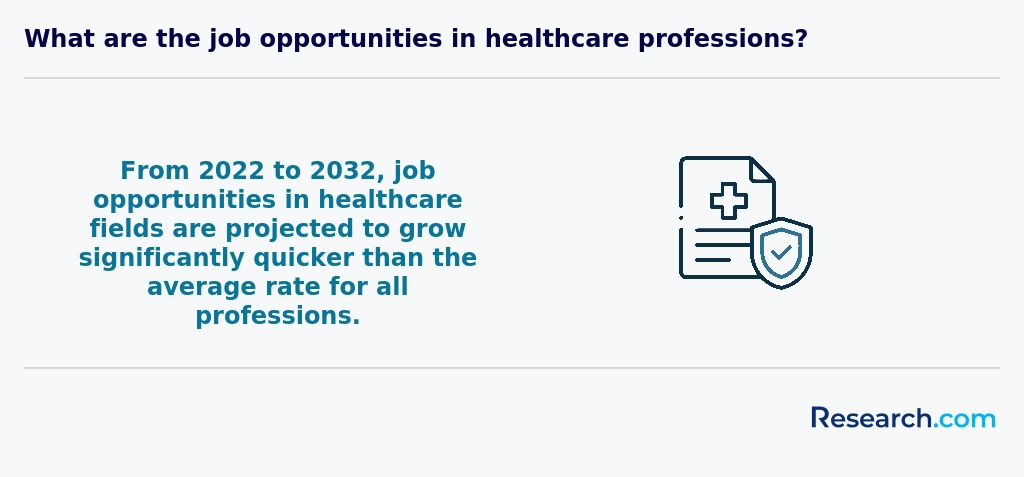
Graduates with an online healthcare management degree in America open doors to dynamic and fulfilling career paths that impact the nation's vital healthcare system. Many find themselves thriving as healthcare administrators, skillfully managing hospital operations or clinic services to enhance patient experiences. Others become health services managers, overseeing nursing or rehabilitation departments at well-known institutions like the University of Michigan's online program, bringing efficient leadership to specialized care areas. Some graduates proudly step into roles as healthcare consultants or policy analysts, using knowledge gained through programs like those at George Washington University to advise on innovations and policies that improve healthcare access and outcomes.
For those balancing work and study, these programs create real-life opportunities to grow without interrupting their current roles, empowering professionals across America to pursue healthcare management job opportunities in America with confidence. Whether managing patient data as health information managers or leading budgeting in medical facilities, online learners gain versatile skills recognized nationwide. Students seeking flexible options often discover the best online mba healthcare management program, allowing them to transform their careers and embrace leadership roles with enthusiasm.
The job market for graduates with an online healthcare management degree in America is thriving, offering abundant healthcare management career opportunities in America. Graduates from well-known programs at universities such as the University of Southern California or the University of Minnesota often find themselves stepping into leadership roles at hospitals, outpatient centers, or nursing facilities. Many report feeling empowered as their education equips them with skills in finance, healthcare laws, and information systems-qualities highly sought after in this evolving industry.
With a projected growth rate of 23% through 2031, the demand for healthcare administrators continues to accelerate, especially in states like California, Texas, and Florida where aging populations increase the need for efficient healthcare management. For many, pursuing an online degree has been a game changer, allowing them to balance work and study without pausing their careers.
Graduates share stories of how their credentials helped them gain competitive advantages in the job market. For those curious about the best jobs in healthcare administration, it's worth exploring opportunities that combine accredited online education and practical experience for rewarding career paths. Learn more about the best jobs in healthcare administration.
2027 Best Online Master's in Healthcare Management Degree Programs Ranking in the USA
Investing in your education is a significant decision that can profoundly impact your career and future opportunities. The Research.com team recognizes this responsibility and has devoted substantial effort to ensure the quality, credibility, and accuracy of the "2027 Best Online Master's in Healthcare Management Degree Programs Ranking in the USA." To develop this trustworthy ranking, we relied on a thorough analysis of multiple authoritative data sources:
By consulting these robust datasets, readers will receive comprehensive insights into leading healthcare management programs, supporting well-informed educational choices. For a detailed explanation of our ranking process, please visit our Research.com methodology page.

# 2 position
The Ohio State University at Columbus
Master of Pharmaceutical Sciences with a Specialization in Health-System Pharmacy Administration and Leadership

# 3 position
University of Cincinnati
Master of Pharmaceutical Science in Health Outcomes and Pharmacoeconomics



# 14 position
Hofstra University
Master of Strategic Business Management and Strategic Healthcare Management


# 17 position
University of North Carolina Wilmington
Master of Clinical Research & Product Development


Frequently Asked Questions About healthcare management
Students pursuing online healthcare management degrees in America can enhance their learning by actively engaging with coursework and virtual discussions. Participating in group projects and networking via university platforms helps develop practical skills and professional connections.
Utilizing resources such as the U.S. Bureau of Labor Statistics, which projects a 32% growth in healthcare management jobs from 2021 to 2031, keeps students informed about industry trends and opportunities. Students should also seek internships or mentorship programs to apply knowledge in real-world settings, improving employability.
Time management and consistent study schedules are vital for balancing online coursework with work or family commitments. Finally, leveraging technology tools designed for online learning can increase productivity and retention.
The healthcare management field in America is evolving rapidly, driven by technological advances and shifting patient needs. Emerging niches include healthcare informatics, focusing on managing patient data and electronic health records. According to the U.S. Bureau of Labor Statistics, employment in healthcare IT is expected to grow 16% from 2022 to 2032, much faster than average.
Another growing area is population health management, which concentrates on improving health outcomes across communities by analyzing data trends and coordinating care. Additionally, telehealth management has expanded significantly since 2020, with more providers adopting remote care technologies.
These specialized roles require managers to have skills in data analysis, technology integration, and strategic planning, making online healthcare management degrees with these focuses highly valuable for today's job market.
After earning an online healthcare management degree in America, preparing for the job market involves several key steps. Begin by gaining relevant experience through internships or volunteer work, which many programs encourage to complement coursework. According to the U.S. Bureau of Labor Statistics, healthcare management roles are projected to grow 28% from 2021 to 2031, indicating strong demand.
Networking is crucial; joining professional groups like the American College of Healthcare Executives can connect you with industry leaders. Additionally, consider obtaining certifications such as the Certified Healthcare Manager (CHM) to enhance credibility. Finally, develop strong communication and leadership skills, as these are highly valued in healthcare administration positions.
Employers in the American healthcare industry prioritize several key skills when hiring graduates with healthcare management degrees. Leadership and communication are essential, as managing teams and coordinating with medical staff require clear and effective interaction. Analytical skills are valued for interpreting healthcare data and improving operational efficiencies. Knowledge of healthcare laws and regulations is critical to ensure compliance and reduce risks.
The Bureau of Labor Statistics highlights that proficiency in health information technology is increasingly important due to the rise of electronic health records (EHRs) and telemedicine. Additionally, problem-solving and financial management skills are necessary to navigate budgeting and resource allocation challenges in healthcare settings.
Finding internships relevant to a healthcare management degree in America involves a strategic approach. Start by exploring university career centers, which often maintain partnerships with hospitals, clinics, and healthcare organizations seeking interns. According to the Bureau of Labor Statistics, healthcare management roles are projected to grow 32% from 2020 to 2030, increasing internship opportunities.
Utilize online platforms like Handshake and Indeed, filtering searches specifically for healthcare administration internships. Networking plays a crucial role; joining professional associations such as the American College of Healthcare Executives (ACHE) can open doors to exclusive internship listings.
Contact local healthcare providers and non-profit organizations directly, expressing interest in internship positions. Many students secure internships through proactive outreach. Early application is key since many programs have deadlines well before the internship start date.
An online healthcare management degree in America significantly enhances career mobility by providing professionals with critical leadership and administrative skills needed in a rapidly growing industry. According to the U.S. Bureau of Labor Statistics, employment for medical and health services managers is projected to grow 28% from 2021 to 2031, much faster than the average for all occupations. This demand opens opportunities for advancement into roles such as healthcare administrators, policy analysts, and operations managers.
The flexibility of online programs allows working professionals to gain credentials without interrupting their careers, often leading to higher earning potential. For example, salary data from the Medical Group Management Association shows median incomes rising substantially with master's-level education.
Graduates can also leverage networking opportunities offered by accredited programs for entry into leadership tracks and specialized fields like health informatics or finance.
Studying for a healthcare management degree in America equips students with the skills to handle interdisciplinary roles that blend business, policy, and clinical knowledge. Programs typically cover topics such as health informatics, finance, law, and ethics, providing a broad understanding of the healthcare ecosystem.
Courses often emphasize collaboration among professionals like doctors, nurses, IT specialists, and administrators. According to the Bureau of Labor Statistics, healthcare managers are expected to grow 32% from 2021 to 2031, highlighting the demand for versatile leaders.
This interdisciplinary training prepares graduates to adapt to evolving roles in hospitals, insurance companies, and government agencies, making them valuable in diverse healthcare settings.
Choosing between a thesis and a non-thesis healthcare management degree program in America depends on your career goals and learning preferences. A thesis option typically involves conducting original research, ideal for students aiming for roles in academia, policy development, or doctoral studies. This path helps develop strong analytical and writing skills.
The non-thesis option focuses more on practical skills and coursework, appealing to professionals seeking immediate advancement in healthcare administration or leadership positions. It often requires completing additional classes instead of a research project.
According to the Commission on Accreditation of Healthcare Management Education, about 60% of online healthcare management programs offer both options, highlighting flexibility in U.S. education.
Consider your time availability, professional goals, and interest in research before deciding.
American students interested in healthcare management who want to study abroad often consider online degree programs offered by international universities. Many institutions in countries like the UK, Australia, and Canada provide fully online master's degrees in healthcare management, allowing students to gain global perspectives without relocating. These programs typically follow curricula recognized by US accrediting bodies, though students should verify accreditation to ensure smooth credit transfer or employer recognition.
Additionally, some US universities have partnerships with foreign institutions, offering joint or dual degrees. According to the National Center for Education Statistics, online graduate enrollment continues to grow in the US, reflecting broader acceptance of remote study, including international options.
Students should research program costs, curriculum relevance to American healthcare systems, and potential language barriers before enrolling.
Part-time job opportunities can significantly enhance the learning experience for students pursuing online healthcare management degrees in America. Roles such as medical office assistant, administrative coordinator, or patient services representative provide practical exposure to healthcare operations. According to the U.S. Bureau of Labor Statistics (2023), positions in healthcare support and administrative functions are expected to grow by 11% over the next decade, emphasizing demand in these areas.
Working part-time in hospital administration or insurance billing departments allows students to apply management theories and strengthen skills in real-world contexts. These experiences also build valuable professional networks within the healthcare industry.
Many employers offer flexible hours suited to students balancing education and work, making these roles a practical complement to academic studies.
Online healthcare management students in America have several valuable networking opportunities despite studying remotely. Many programs offer virtual events, including webinars and career fairs, where students can connect with professionals and alumni in the healthcare industry. According to the American College of Healthcare Executives, nearly 90% of healthcare leaders value networking for career advancement, emphasizing the importance for students. Additionally, online learners often join professional organizations like the Healthcare Information and Management Systems Society (HIMSS), which hosts regional and national conferences. These connections can lead to internships, mentorships, and job placements in the growing US healthcare management field.
Alumni networks play a crucial role for students pursuing online healthcare management degrees in America. These networks offer valuable connections to industry professionals, which can be vital in a competitive job market. According to the American College of Healthcare Executives, networking remains one of the top ways graduates find employment in healthcare management.
Graduates can access mentorship, gain insights into current healthcare trends, and receive career advice from experienced alumni. Such support often leads to internships and job opportunities that are otherwise difficult to secure. Additionally, alumni events and online forums encourage knowledge sharing and professional growth.
Engaging with an active alumni network enhances career prospects by fostering relationships in diverse healthcare sectors across the U.S.
Online healthcare management degree programs in America offer multiple ways to tailor your education to fit specific career goals. Many universities allow students to choose concentrations such as healthcare informatics, policy, or finance, enabling focused skill development. According to the American College of Healthcare Executives, specialized coursework can improve job prospects in competitive sectors.
Electives often include leadership training, data analytics, or legal aspects of healthcare, which are critical in today's evolving industry. Programs may also incorporate internships or capstone projects with healthcare providers that provide practical experience.
Flexibility in scheduling and part-time options help working professionals customize their learning pace, balancing education with career demands.
Online healthcare management students in America often face several challenges that can affect their learning experience. One major issue is balancing coursework with professional and personal responsibilities, especially since many are working professionals. According to the National Center for Education Statistics, time management remains a critical concern for over 60% of online graduate students.
Another challenge is the need for strong technological skills. Students must navigate various learning management systems and virtual communication tools, which can be difficult for those less familiar with digital platforms.
Moreover, gaining practical experience is complex in an online format. Healthcare management programs typically require internships or applied projects, which can be harder to arrange remotely.
Finally, limited networking opportunities compared to on-campus programs may affect career growth. Developing professional connections is crucial in healthcare management, yet online students often report feeling isolated.
An online healthcare management degree opens doors to several key professional certifications in the United States. Graduates commonly pursue the Certified Professional in Healthcare Quality (CPHQ), recognized nationwide for quality improvement expertise. Another popular choice is the Fellow of the American College of Healthcare Executives (FACHE), which demonstrates leadership and management proficiency. Additionally, the Certified Healthcare Financial Professional (CHFP) credential is valuable for those focused on healthcare finance.
These certifications often require a combination of education, work experience, and passing an exam. According to the American College of Healthcare Executives, over 40,000 professionals hold FACHE status as of 2023. Such credentials can significantly improve job prospects and salary potential in healthcare administration roles.
Applying to an online healthcare management program in America requires a clear, focused approach. Start by researching accredited programs recognized by the Commission on Accreditation of Healthcare Management Education (CAHME), as this adds credibility to your application.
Highlight relevant professional experience or academic background in healthcare or business. According to the U.S. Bureau of Labor Statistics, healthcare management positions are expected to grow 28% from 2021 to 2031, so emphasizing your commitment to this field helps your case.
Write a strong personal statement that explains your goals and how the program aligns with them. Include specific examples of leadership or problem-solving abilities. Also, submit all required documents on time, including transcripts and letters of recommendation.
The global perspective on healthcare management careers highlights a growing demand for skilled professionals who can navigate complex healthcare systems. In the United States, the Bureau of Labor Statistics projects a 32% growth in medical and health services manager jobs from 2021 to 2031, much faster than average for all occupations. This trend reflects an increasing need for experts who can improve healthcare delivery and control costs.
Healthcare managers in the U.S. often collaborate with international organizations, adapting global best practices to local challenges. Online healthcare management degrees allow American students to gain knowledge relevant to both domestic and international healthcare environments.
Understanding global health trends and policies enhances a graduate's ability to lead diverse teams and manage cross-border healthcare projects.
Sources include the U.S. Bureau of Labor Statistics and industry reports on healthcare administration.
Gaining practical experience during an online healthcare management degree in America is essential for career readiness. Many programs include internship or practicum opportunities, allowing students to work with hospitals, clinics, or healthcare organizations remotely or locally. According to the Bureau of Labor Statistics, healthcare managers typically benefit from hands-on experience to improve their job prospects.
Students can also pursue part-time or volunteer roles in healthcare settings to develop real-world skills. Networking through professional associations such as the American College of Healthcare Executives provides mentorship and career guidance. Additionally, case studies and simulation projects integrated into coursework help students apply theory in practical scenarios.
Choosing the right concentration within an online healthcare management degree program in America begins with understanding your career goals. Healthcare management offers diverse paths, such as health informatics, policy, finance, or administration. Each concentration targets specific skills and job roles, from data analysis to operational leadership.
Research data from the U.S. Bureau of Labor Statistics highlights a 28% growth in healthcare management jobs through 2031, emphasizing demand in areas like health information technology and finance. Consider industries or settings you prefer, including hospitals, insurance, or government agencies.
Look for accredited programs that offer concentrations aligned with your interests and industry trends. Program flexibility, faculty expertise, and available resources also impact your success and marketability in this competitive field.
- Challenges and Opportunities in Healthcare Management - European Society of Medicine https://esmed.org/challenges-and-opportunities-in-healthcare-management/
- What can you do with a healthcare management degree? | edX https://www.edx.org/resources/what-can-you-do-with-a-healthcare-management-degree
- Healthcare Administration Certifications https://www.publichealthdegrees.org/careers/healthcare-administrator/certification/
- The Value of Healthcare Organization Alumni Associations https://consultqd.clevelandclinic.org/the-value-of-healthcare-organization-alumni-associations
- Interdisciplinary Healthcare and Management https://www.haw-hamburg.de/en/bachelor-interdisciplinary-healthcare-and-management/
- Online Healthcare Management Program https://www.ultimatemedical.edu/program/healthcare-management/
- Can I Work From Home with a Healthcare Management Degree? - Healthcare Management Degree Guide https://www.healthcare-management-degree.net/faq/can-i-work-from-home-with-a-healthcare-management-degree/
- Motivation letter sample for a Master in Healthcare Management - Motivation letter samples and templates https://motivationalletter.com/2017/08/30/master-in-healthcare-management/
- Master of Health Management (Non-Thesis) https://www.istinye.edu.tr/en/postgraduate/programs/master-health-management-non-thesis
- Healthcare Management Master's Degree Program (Thesis/Non Thesis) https://www.kent.edu.tr/healthcare-management-masters-degree-program-thesis-non-thesis-101211