2027 Fastest Online Healthcare Management Degree Programs Ranking in North Carolina

Co-Founder and Chief Data Scientist
Choosing the right healthcare management degree program can shape your future career, especially if you live in North Carolina. This article introduces the 2027 Fastest Online Healthcare Management Degree Programs Ranking in North Carolina, created by the Research.com team of data scientists. It offers clear data to help you find programs that match your goals and lifestyle.
By reading this ranking, you'll gain insights into the best online options that combine quality and flexibility. A healthcare management degree opens doors to meaningful work and growth in a vital industry. Explore your possibilities with confidence.
Key benefits of getting online healthcare management degree in North Carolina
- Salary benefits: Healthcare management graduates in North Carolina can expect competitive salaries, with the national average for healthcare managers around $101,000 per year, reflecting strong earning potential in this field.
- Career paths: Graduates from popular universities in North Carolina often find opportunities in hospital administration, health services management, and policy planning, offering diverse and rewarding career options.
- Online degree advantages: Completing a healthcare management degree online provides flexibility for working adults, allowing students to balance education with life and work commitments while gaining valuable skills from accredited programs.
- 2027 Fastest Online Healthcare Management Degree Programs Ranking in North Carolina
- What can I expect from online healthcare management degree in North Carolina?
- Where can I work with online healthcare management degree in North Carolina?
What can I expect from online healthcare management degree in North Carolina?
The average cost of an online healthcare management degree in North Carolina typically ranges between $15,000 and $30,000, depending on the institution and program length. Graduates from well-known schools like the University of North Carolina at Chapel Hill or East Carolina University often mention the value they received for tuition that aligned well with their career goals and personal commitments.
Many students appreciate how affordable these programs can be compared to on-campus options, allowing them to balance work, family, and study without relocating. One graduate shared how choosing an online program from a North Carolina university gave them the flexibility to complete coursework in the evenings while continuing in a full-time healthcare role.
Beyond tuition, students should also consider costs related to textbooks, technology, and any local practicums required by the curriculum. Fortunately, the strong reputation of North Carolina's healthcare education reduces concerns about program quality despite the cost savings, making it easier to feel confident investing in your future.
Where can I work with online healthcare management degree in North Carolina?
With an online healthcare management degree in North Carolina, career opportunities are truly abundant and rewarding. Graduates from programs at institutions like the University of North Carolina or East Carolina University often find themselves thriving in hospitals across Charlotte and Raleigh, where they coordinate staffing, budgeting, and compliance efforts to keep operations running smoothly.
Many alumni share stories of working in insurance firms managing claims or designing healthcare plans, making a tangible difference in patients' lives. Others have landed roles in public health agencies such as the North Carolina Department of Health and Human Services, where they lead community programs and ensure vital health regulations are met.
Graduates also describe rewarding experiences in consulting firms, analyzing data to boost efficiency and helping healthcare providers adapt and grow. Some even launch their own ventures in health information technology or facility management, embracing innovation while serving a rapidly growing healthcare sector.
North Carolina's expanding population and diverse healthcare environment create a steady demand for skilled leaders like you, ready to step into roles that improve healthcare delivery statewide.
Graduates from online healthcare management programs at well-known North Carolina institutions often find themselves stepping into roles that start around $55,000 to $70,000 annually. Imagine a graduate working as a coordinator in a community clinic near Chapel Hill, gaining valuable experience while earning a competitive entry-level wage. As experience grows, many move into mid-level management roles earning between $80,000 and $95,000, such as assistant directors at hospitals near Charlotte.
North Carolina's vibrant healthcare sector, especially in areas like Research Triangle Park and Raleigh, offers exciting opportunities. Here, healthcare managers can expect salaries close to $110,000, reflecting the dynamic healthcare environment and competitive markets. Senior administrators working at large facilities or in executive roles frequently surpass $120,000, with career growth often tied to obtaining advanced certifications like the CMM or FACHE.
Many graduates from universities across the state express confidence and pride as they advance, knowing their education equips them to support healthcare systems that impact thousands. Your journey in North Carolina's healthcare management field promises not only rewarding financial gains but also the fulfillment of contributing to community health.
- Tuition for bachelor's online healthcare management degrees in North Carolina ranges from $10,000 to $25,000 per year.
- Master's programs typically cost between $15,000 and $40,000 in total tuition.
- Starting salaries for healthcare administration graduates average $55,000 to $65,000 annually, with median salaries rising to $90,000 to $110,000.
- Employment in healthcare management in North Carolina is projected to grow by over 15% through 2030, outpacing average job growth.
- Graduates find work in diverse settings including hospitals, outpatient centers, insurance firms, and government agencies, supporting job flexibility.
Completing an online healthcare management degree in North Carolina typically takes around two years for an associate degree and about four years for a bachelor's degree when attending full-time. Many graduates from universities like the University of North Carolina at Chapel Hill and East Carolina University have found these timelines realistic, especially when balancing work and family commitments. For part-time students, expect a bachelor's degree to stretch between four to six years, offering the flexibility to maintain steady progress without overwhelming your schedule.
Graduates pursuing master's degrees often complete their studies in one to two years full-time. Programs at schools such as North Carolina State University offer accelerated options that enable dedicated students to finish sooner by enrolling in shorter semesters or year-round classes. Many find this challenging yet rewarding, providing a swift pathway to elevate their careers.
Transfer credits and prior experience also make a real difference. Students leveraging these can often reduce their workload, allowing them to graduate earlier and step confidently into leadership roles within North Carolina's growing healthcare sector.
Choosing between an online and on-campus healthcare management degree in North Carolina boils down to your lifestyle and learning preferences. Graduates from universities like UNC Chapel Hill often share how online programs gave them the freedom to balance full-time jobs and family while earning their degree-studying late at night or during breaks without long commutes. This flexibility is invaluable if you're managing work or personal commitments.
Conversely, students attending on-campus programs at institutions such as East Carolina University appreciate hands-on experiences and face-to-face connections. They benefit from access to simulation labs and lively campus events, which foster deeper networking and practical skills. The energy of in-person interaction can be motivating and inspiring.
Online options in North Carolina sometimes come with reduced tuition and eliminate housing costs, saving money without sacrificing quality. Both paths focus on accredited, respected curricula, ensuring your degree is valued by employers statewide. Reflect on what environment will energize and support your success best as you take this important step forward.
The average cost of an online healthcare management degree in North Carolina offers a range many students find encouraging. Graduates from popular institutions like the University of North Carolina appreciate that the median tuition for in-state students is around $22,260, a figure that reflects affordability and access to quality education. When you consider out-of-state tuition, the cost rises closer to $71,211, which still remains competitive compared to other regions. These differences remind prospective students of the important role residency plays in planning educational expenses.
Many find that the average cost of online healthcare management degree in North Carolina is influenced by program length and credit requirements. For example, bachelor's programs often entail completing between 120 and 130 credits, while master's degrees hover around 30 to 45 credits. Students frequently share how budgeting for these credit hours gets easier when they understand the tuition per credit hour, which is often lower at public universities.
One encouraging path is to explore options among the cheapest competitive colleges for healthcare management, which can offer a valuable education without overwhelming financial strain. Graduates often express pride in balancing cost with quality, emphasizing how this balance helped them launch meaningful careers in healthcare administration. Envision yourself studying healthcare management in North Carolina, where affordable tuition enables focus on learning and career growth rather than stressing over finances.
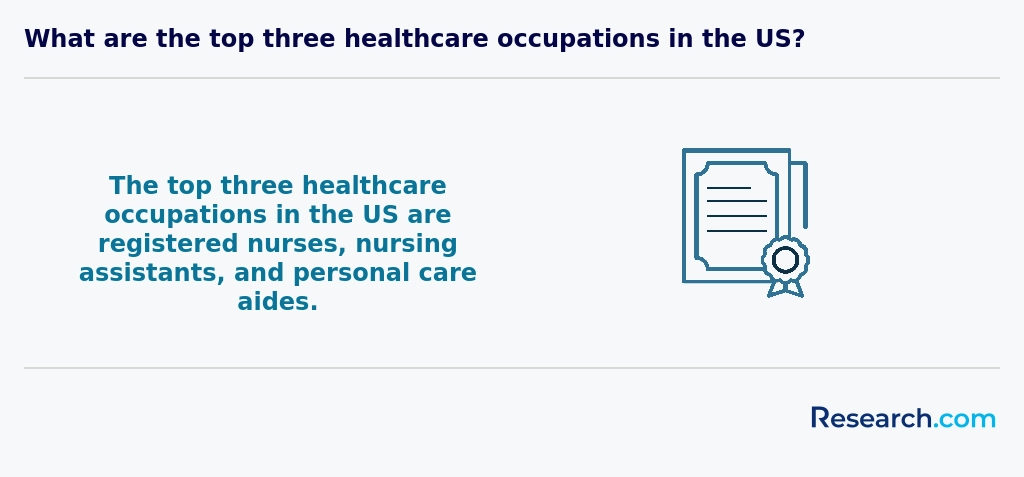
Many online healthcare management students in North Carolina find relief through federal financial aid by completing the Free Application for Federal Student Aid (FAFSA). This step opens doors to Pell Grants, which can cover up to $7,395 annually, significantly easing the financial burden. Graduates from institutions like East Carolina University often mention how these grants made a real difference in managing tuition costs.
State-specific scholarships, such as the North Carolina Need-Based Scholarship, also provide vital support for students demonstrating financial need. Those enrolled at UNC Greensboro share stories of how competitive this aid motivated them to excel academically while receiving much-needed funding.
Institutional scholarships tailored for healthcare management majors from schools like Western Carolina University further boost financial options, rewarding merit and experience. Many working professionals benefit from employer tuition assistance programs highlighting how nursing and healthcare employers in the state invest in their staff's education.
Finally, private scholarships from organizations like the American College of Healthcare Executives and local foundations serve as valuable supplements. Applying broadly for scholarships has helped countless students feel empowered in financing their degrees.
To enroll in an online healthcare management degree in North Carolina, you'll need to meet specific prerequisites designed to set you up for success. Typically, you must have a high school diploma or GED if you're aiming for a bachelor's program. For those pursuing a Master of Healthcare Administration, holding a bachelor's degree from any accredited university in North Carolina or beyond is essential. Graduates from schools like UNC or Appalachian State often recall how maintaining a GPA around 2.5 to 3.0 was key in meeting admissions expectations.
Experience in healthcare or management, whether through jobs or coursework, can make your application stand out. Many students find that even introductory health science classes give them a valuable edge. Some programs may not require SAT or ACT scores, but bachelor's applicants should verify their university's policy to avoid surprises.
Additional materials such as recommendation letters and a statement of purpose reveal your passion and communication skills, just as many successful graduates have experienced. Meeting these prerequisites helps you access competitive tuition benefits and scholarships offered by well-known institutions in North Carolina, easing your journey into this growing field.
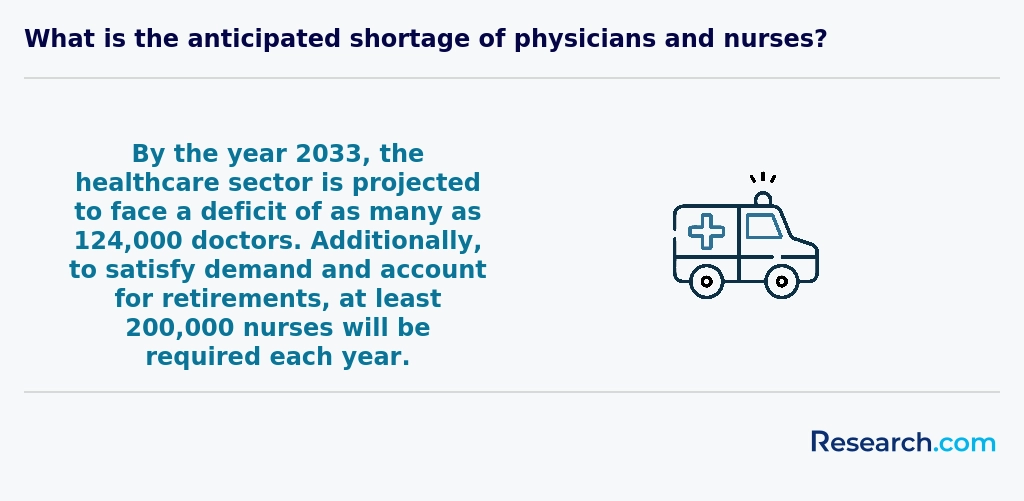
Students pursuing online healthcare management degrees in North Carolina typically engage in courses that blend healthcare expertise with leadership skills essential for navigating today's medical landscape. Graduates from programs at universities like UNC and Duke highlight how classes such as Healthcare Systems and Policy deepened their understanding of North Carolina's unique healthcare environment, preparing them to tackle real-world challenges in hospitals and clinics.
Courses like Healthcare Financial Management empower students to confidently handle budgeting and reimbursement issues, crucial for keeping healthcare facilities financially healthy. Others praise the Healthcare Law and Ethics class, sharing how it helped them navigate complex legal frameworks and make ethical decisions under pressure.
Practical skills come alive in Strategic Planning and Management and Health Information Systems, where students learn to lead teams and manage vital data through electronic health records, directly applicable to roles in nursing homes and outpatient centers.
- Healthcare Systems and Policy
- Healthcare Financial Management
- Healthcare Law and Ethics
- Strategic Planning and Management
- Health Information Systems
- Human Resource Management in Healthcare
- Healthcare Marketing
- Research Methods and Healthcare Analytics
When exploring online healthcare management specializations in North Carolina, you'll find programs designed to match the state's dynamic healthcare environment and your personal career goals. Many graduates from institutions like UNC and Duke have chosen Health Informatics, gaining skills to manage electronic health records and patient data-key as digital systems revolutionize patient care. This specialization is especially promising given the rapid growth in tech-driven healthcare roles.
Others gravitate toward Healthcare Financial Management, mastering budgeting and revenue cycle management vital for running efficient hospitals or clinics. Graduates report feeling empowered by understanding how to sustain healthcare businesses financially, a skill in high demand across North Carolina's healthcare organizations.
Specializations such as Health Policy and Administration prepare you to navigate complex regulations, which is crucial here as North Carolina expands Medicaid programs. Clinical Management tracks, popular among students at local universities, focus on hands-on leadership in clinical settings like UNC Health or Duke Hospital, inspiring a passion for improving patient care logistics.
For tailored guidance on program options, consider exploring the fastest healthcare management master's degree online to find a perfect fit for your ambitions.
Choosing the best online healthcare management degree North Carolina means focusing on programs that combine strong accreditation with relevant, up-to-date curriculum. Graduates from popular universities in the state often share how the Southern Association of Colleges and Schools Commission on Colleges (SACSCOC) accreditation ensured their diploma was respected by employers across the region. Imagine studying healthcare policy and finance through courses tailored alongside real industry needs-this is what sets some programs apart.
Many students appreciate affordable healthcare management programs NC that balance cost with quality. Public universities offer competitive tuition rates, easing financial strain while providing valuable resources and career support. Having flexible, asynchronous schedules allowed working professionals to advance their education without sacrificing their jobs or family time. Graduates highlight how internship opportunities and employer connections in cities like Raleigh and Charlotte boosted their confidence and career prospects.
For insight into career outcomes, exploring master's in healthcare administration jobs salary data helps envision the potential return on investment. These factors combined empower you to make a choice that aligns perfectly with your ambitions and lifestyle.

Graduates pursuing healthcare management careers in North Carolina find exciting opportunities directing the operations of hospitals, clinics, and health systems throughout the state. Many who earned their degrees online from popular institutions like the University of North Carolina or East Carolina University have stepped confidently into roles managing staff, budgets, and regulatory compliance. This career path offers the chance to shape healthcare delivery in fast-growing communities, reflecting the increasing demand for skilled professionals in this field.
Other graduates have discovered rewarding roles in health information management, healthcare consulting, and public health management. These jobs involve everything from leveraging technology to safeguard patient data to designing community health programs, often connecting with the state's evolving healthcare priorities. If you're considering an online healthcare degree job opportunities North Carolina truly shine, with a broad spectrum of roles that offer meaningful impact and growth.
Many students share that balancing work and study through a online healthcare administration master's degree enabled them to pivot into pharmaceutical or insurance management, or to support long-term care facilities serving North Carolina's aging population. These experiences highlight how flexible online education can open doors to careers matching your unique passions and strengths.
The job market for online healthcare management jobs North Carolina graduates is thriving, fueled by an expanding healthcare sector and increasing demand for skilled managers. Graduates from popular universities such as UNC Chapel Hill and East Carolina University often find themselves stepping confidently into roles within major health systems like UNC Health and Atrium Health. These positions range from hospital administration to health information management, offering a variety of fulfilling career paths. Many graduates share how their online programs' flexibility allowed them to balance studies with work or family, making career advancement achievable without sacrificing life priorities.
Employers in North Carolina value the combination of practical knowledge and technology-savvy skills that online healthcare management degree holders bring. Salaries typically reflect this demand, with averages between $85,000 and $115,000 annually, providing financial motivation to pursue these degrees locally. If you wonder how much does a healthcare administrator make, rest assured the prospects in North Carolina are strong and growing.
Healthcare management degree employment NC continues to rise as healthcare systems expand to meet population needs. Graduates commonly report success securing roles at insurance companies, public health agencies, and consulting firms throughout the state. This solid demand combined with competitive tuition rates makes North Carolina an excellent place to launch or enhance your healthcare career.
2027 Fastest Online Healthcare Management Degree Programs Ranking in North Carolina
Investing in your education is a significant decision that can shape your future, and the Research.com team acknowledges the responsibility that comes with providing reliable guidance. To support prospective students in North Carolina, we have carefully developed the "2027 Fastest Online Healthcare Management Degree Programs Ranking in North Carolina." Our dedication to quality, credibility, and accuracy is demonstrated through thorough research and precise evaluation.
We utilized the following reputable data sources to ensure a comprehensive and trustworthy ranking:
By consulting this ranking, readers will gain valuable insights into the fastest online healthcare management degree programs in North Carolina, empowering them to make well-informed decisions about their educational journey. For more information about how this ranking was created, please visit our Research.com methodology page.

# 2 position
University of North Carolina Wilmington
Master of Clinical Research & Product Development


Frequently Asked Questions About healthcare management
Students pursuing online healthcare management degrees in North Carolina can enhance their learning experience by actively engaging with course materials and participating in virtual discussions. Utilizing resources offered by accredited universities is crucial, as North Carolina hosts several highly ranked healthcare programs. According to the North Carolina Department of Health and Human Services, familiarity with state healthcare regulations improves practical understanding.
Networking with local healthcare professionals through virtual events or internships can bridge theory and practice. Additionally, students should leverage state-specific data from sources like the North Carolina Healthcare Association to stay informed on regional healthcare trends.
Time management and disciplined study routines also play essential roles in successfully balancing work, study, and personal commitments.
Emerging niches within healthcare management in North Carolina reflect broader national trends shaped by technology and demographic shifts. One growing field is healthcare informatics, which leverages data analytics to improve patient outcomes and operational efficiency. According to the North Carolina Department of Commerce, demand for professionals skilled in health IT is expected to rise by 15% through 2030.
Another expanding area is population health management, focusing on strategies to manage chronic diseases and improve community health, especially important in North Carolina's rural regions. Additionally, telehealth management has gained prominence due to increased remote care delivery during the COVID-19 pandemic.
Experts highlight that sustainability in healthcare operations is also becoming a key niche, as organizations seek cost-effective and environmentally friendly solutions.
After earning an online healthcare management degree in North Carolina, preparing for the job market involves targeted steps to increase employability. First, gaining relevant experience through internships or part-time roles within local healthcare settings is crucial. North Carolina's healthcare sector is growing rapidly, with an expected 15% rise in healthcare administration jobs by 2030, according to the U.S. Bureau of Labor Statistics.
Networking with professionals via state-specific organizations like the North Carolina Healthcare Association strengthens job prospects. Additionally, obtaining certifications such as Certified Healthcare Administrative Professional (cHAP) can enhance credentials. Staying informed about state healthcare regulations and technological advances also positions graduates competitively in this dynamic field.
Employers in North Carolina highly value healthcare management graduates who demonstrate strong leadership and communication skills. According to the North Carolina Department of Commerce, effective team management and the ability to navigate complex healthcare systems are crucial in this field.
Critical thinking and problem-solving abilities help graduates adapt to the evolving demands of healthcare regulations and patient care. Familiarity with healthcare laws, data analysis, and technology also stands out, as digital record-keeping becomes standard.
Additionally, knowledge of budgeting and financial management is important since healthcare organizations prioritize cost efficiency. Graduates who combine these technical skills with empathy and ethical decision-making are best positioned for success in North Carolina's competitive healthcare industry.
Finding internships in North Carolina for healthcare management students involves several strategic steps. Start by exploring partnerships between online programs and local healthcare facilities, as many universities connect students with internships. The North Carolina Healthcare Association offers resources and internship listings that can help students gain practical experience.
Local hospitals, such as Duke University Health System and UNC Health Care, frequently provide internship opportunities in administration and healthcare operations. Additionally, checking with the North Carolina Department of Health and Human Services can reveal government-supported programs.
Networking through professional organizations like the Healthcare Financial Management Association's North Carolina chapter also opens doors. Apply early and prepare a resume highlighting relevant coursework and skills to improve chances of selection.
Obtaining an online healthcare management degree in North Carolina can significantly enhance career mobility and advancement opportunities. The state's growing healthcare sector, employing over 500,000 professionals as reported by the North Carolina Department of Commerce in 2023, demands skilled managers to lead diverse organizations.
Graduates with this degree gain knowledge in healthcare policy, finance, and operations, which are critical skills for leadership roles. Studies show that North Carolina healthcare managers earn median salaries around $90,000 annually, with higher earnings for those holding advanced degrees.
Flexibility of online programs allows working professionals to upskill without interrupting their careers, making it easier to compete for promotions or transition into specialized roles within the state's expanding healthcare landscape.
Studying for a healthcare management degree online in North Carolina equips students with skills to navigate interdisciplinary roles effectively. Programs emphasize collaboration across fields like public health, business, and informatics. This approach reflects the increasing demand for managers who can coordinate among clinicians, administrators, and policy makers.
North Carolina's healthcare sector is diverse, ranking among the top 10 states for healthcare employment growth, according to the U.S. Bureau of Labor Statistics. Online curricula often integrate real-world case studies from local health systems, boosting practical understanding.
Students gain knowledge in finance, ethics, and technology, enabling them to lead teams and improve patient outcomes through combined expertise.
Choosing between a thesis and a non-thesis online healthcare management degree in North Carolina depends largely on your career goals. A thesis program typically requires original research, which may benefit those interested in leadership roles or further academic study, such as a doctorate. In contrast, non-thesis programs emphasize practical skills and coursework, appealing to professionals aiming for immediate advancement in healthcare administration.
The University of North Carolina System and other institutions offer both formats, and North Carolina's healthcare sector, employing over 500,000 workers, values candidates with strong applied knowledge. According to the NC Department of Commerce, healthcare management jobs are projected to grow faster than average through 2030, highlighting the importance of practical skills.
Consider your schedule, research interests, and long-term plans. Thesis options may extend program length, while non-thesis paths typically allow quicker completion. Reviewing curriculum details and faculty expertise can also guide your decision.
Students based in North Carolina interested in studying healthcare management abroad typically explore online programs offered by international universities that accept U.S.-based learners. These programs provide exposure to global healthcare systems while allowing students to remain in North Carolina. Options are often available through partnerships with U.S. institutions or fully online international degrees.
North Carolina ranks among the top states for healthcare employment, with a 14% industry growth projection through 2030 according to the Bureau of Labor Statistics. This strong local demand enhances the value of gaining global perspectives in healthcare management.
However, students should verify foreign program accreditation and U.S. eligibility for professional credentials before enrolling.
Part-time jobs that align with healthcare management studies in North Carolina often include roles such as medical office assistants, health information technicians, and patient service representatives. These positions provide practical experience with healthcare systems, administration, and compliance.
North Carolina's expanding healthcare sector, which is expected to grow by 15% through 2031 according to the U.S. Bureau of Labor Statistics, offers ample opportunities in hospitals and outpatient facilities.
Working part-time in community health centers or insurance companies also enhances understanding of healthcare policies and management practices. This hands-on experience complements academic knowledge and improves job prospects after graduation.
Online healthcare management students in North Carolina have various networking opportunities that help bridge the gap between virtual learning and professional connections. Many universities offer virtual career fairs and alumni networking events tailored specifically to healthcare management fields.
Additionally, students can join statewide professional organizations such as the North Carolina Healthcare Association and the Healthcare Financial Management Association's local chapters. These groups often hold conferences, webinars, and workshops to foster industry connections. According to the North Carolina Department of Commerce, the healthcare sector employs over 700,000 people statewide, creating a broad professional network for graduates.
Local hospitals and healthcare systems also offer internship and mentorship programs accessible to online students, providing direct exposure to healthcare leadership and administration professionals in North Carolina.
Alumni networks play a crucial role for students pursuing online healthcare management degrees in North Carolina by offering valuable professional connections. Graduates can access a broad network of healthcare leaders across the state's robust medical system, including hospital administration and public health organizations.
These connections often lead to mentorship opportunities, internships, and job placements. According to the North Carolina Healthcare Association, networking significantly increases the likelihood of employment within state healthcare facilities, which employ over 540,000 people statewide. Alumni groups also provide a platform to share industry trends and continuing education resources, helping graduates stay current in a rapidly evolving field.
This ongoing support is especially beneficial for online students who may lack on-campus resources and face geographic challenges.
In North Carolina, customizing your online healthcare management degree to fit career goals often involves selecting electives and concentrations that align with your interests. Many programs offer options such as health informatics, policy, finance, or administration, enabling focused expertise.
Some universities allow students to work with academic advisors to tailor coursework based on targeted roles in hospitals, insurance companies, or government agencies.
North Carolina's growing healthcare industry-employing over 450,000 professionals as per the NC Department of Commerce-creates demand for specialized skills, making customization valuable.
Internships and capstone projects tailored to local healthcare systems also enhance practical experience relevant to your ambitions.
Online healthcare management students in North Carolina often face challenges related to balancing coursework with work and family responsibilities. Many learners juggle full-time jobs alongside their studies, which can lead to time management difficulties. Additionally, students may experience limited access to in-person networking and hands-on clinical experiences, which are important for developing practical skills in healthcare settings.
Technical issues can also impact online learning, especially in rural areas with less reliable internet access. According to the North Carolina Department of Health and Human Services, over 20% of the population lives in rural regions where connectivity remains a concern.
Finally, understanding complex healthcare regulations and administrative requirements specific to North Carolina's healthcare system requires extra effort from students to stay current.
With an online healthcare management degree, you can pursue several professional certifications that enhance your career prospects in North Carolina. The most recognized is the Certified Professional in Healthcare Management (CPHM), which validates your skills in healthcare administration.
Another valuable credential is the American College of Healthcare Executives' Fellow (FACHE) certification, widely respected across the state's hospitals and health systems. Additionally, the Certified Medical Manager (CMM) credential supports roles in medical practice management.
According to the North Carolina Healthcare Association, over 60% of healthcare managers in the state hold one or more certifications. These credentials often lead to higher salaries and leadership roles.
Writing a winning application for an online healthcare management program in North Carolina starts with showcasing relevant academic and professional experiences. Admissions committees typically expect a strong foundation in healthcare or management courses along with clear career goals. Highlight any certifications, such as Registered Health Information Technician (RHIT), to strengthen your profile.
Include a well-crafted personal statement that explains why you chose healthcare management and how the program fits your career plans. Statistics from the North Carolina Department of Commerce show healthcare as a top employment sector, underscoring the value of your commitment.
Request up-to-date recommendation letters from supervisors or professors who can attest to your skills and motivation. Finally, demonstrate excellent communication skills and attention to detail by carefully following application instructions.
A career in healthcare management offers diverse opportunities globally, especially as healthcare systems become more complex. In the United States, including North Carolina, healthcare management professionals play a crucial role in improving the quality and efficiency of care. According to the U.S. Bureau of Labor Statistics, this field is projected to grow 28% from 2021 to 2031, highlighting strong demand.
Globally, healthcare managers must understand different regulatory environments and cultural expectations. In North Carolina, the growing population and aging demographics increase the need for skilled managers to navigate local healthcare challenges.
Online healthcare management degrees provide flexible access to education aligned with these global and regional trends.
Students pursuing online healthcare management degrees in North Carolina can gain practical experience through several avenues. Many programs encourage internships or practicum placements with local healthcare organizations, such as hospitals, clinics, and public health departments. These experiences allow students to apply classroom knowledge in real-world settings.
North Carolina's healthcare sector, employing over 600,000 workers as of recent reports from the North Carolina Department of Commerce, offers diverse opportunities for hands-on learning.
Additionally, students can join professional associations like the North Carolina Healthcare Association, which often provide networking events and mentoring.
Some universities also partner with local employers, facilitating virtual projects or case studies tied to industry needs.
Overall, combining online coursework with local practical engagements helps prepare students for the dynamic healthcare management field in North Carolina.
Choosing the right concentration within an online healthcare management degree in North Carolina depends on your career goals and the state's healthcare landscape. Key options often include health informatics, policy, administration, and finance. Health informatics is growing rapidly due to North Carolina's focus on medical technology and innovation, supported by institutions like the North Carolina Biotechnology Center.
Consider concentrations that align with local demand. For example, healthcare administration suits those aiming to manage hospitals or clinics, an area expanding as North Carolina's population grows.
Review course offerings and faculty expertise at programs accredited by the Commission on Accreditation of Healthcare Management Education (CAHME), which ensures quality education.
Additionally, consult labor market data from the North Carolina Department of Commerce to see which specializations have strong job growth projections.
- 2027 Fastest Online Healthcare Management Degree Programs Ranking in Virginia
- 2027 Fastest Online Healthcare Management Degree Programs Ranking in Kentucky
- 2027 Fastest Online Healthcare Management Degree Programs Ranking in Florida
- 2027 Fastest Online Healthcare Management Degree Programs Ranking in Maryland
- 2027 Fastest Online Healthcare Management Degree Programs Ranking in Alabama
- 2027 Fastest Online Healthcare Management Degree Programs Ranking in Pennsylvania
- 2027 Fastest Online Healthcare Management Degree Programs Ranking in Ohio
- 2027 Fastest Online Healthcare Management Degree Programs Ranking in Indiana
- 2027 Fastest Online Healthcare Management Degree Programs Ranking in Missouri
- 2027 Fastest Online Healthcare Management Degree Programs Ranking in New York
- Key Challenges Facing Healthcare Administrators https://slchc.edu/healthcare-administrator/healthcare-administration-career/key-challenges-facing-healthcare-administrators/
- Interdisciplinary Healthcare and Management https://www.haw-hamburg.de/en/bachelor-interdisciplinary-healthcare-and-management/
- Health Care Manager Cover Letter Examples - Templates & Writing Tips https://www.resume-now.com/cover-letter/examples/business-operations/healthcare-management-manager
- Healthcare Management: Global Perspectives https://www.routledge.com/Healthcare-Management-Global-Perspectives/Gillies/p/book/9781032765259
- What can you do with a healthcare management degree? | edX https://www.edx.org/resources/what-can-you-do-with-a-healthcare-management-degree
- Healthcare Administration Certifications https://www.publichealthdegrees.org/careers/healthcare-administrator/certification/
- Trends and opportunities in healthcare across emerging markets - Inizio https://inizio.com/insights/trends-and-opportunities-in-healthcare-across-emerging-markets/
- Online Bachelor in Healthcare Management (BS) Degree | South University https://www.southuniversity.edu/online/degrees-programs/healthcare/healthcare-management-bs
- Master’s in Healthcare Management Degrees in North Carolina - L-P - Healthcare Management Degree Guide https://www.healthcare-management-degree.net/in/masters-in-healthcare-management-degrees-in-north-carolina/masters-in-healthcare-management-degrees-in-north-carolina-l-p/
- Healthcare Management vs. Healthcare Administration | University of Phoenix https://www.phoenix.edu/articles/healthcare/healthcare-management-vs-healthcare-administration.html