2027 Fastest Online Doctorate in Healthcare Management Degree Programs Ranking in the USA

Co-Founder and Chief Data Scientist
Choosing the right healthcare management doctorate program can feel overwhelming, especially with so many options available online. This article introduces the 2027 Fastest Online Doctorate in Healthcare Management Degree Programs Ranking in the USA, created by the Research.com team of data scientists. This ranking helps you identify programs that combine quality education with a faster path to graduation.
Reading this guide will empower you to make a confident decision about your future. Earning a healthcare management degree opens doors to leadership roles and lasting career satisfaction in a growing industry.
Key benefits of getting online healthcare management degree in America
- Healthcare management graduates often pursue roles like medical and health services managers, with a median annual wage around $101,340, offering strong earning potential and job stability.
- A graduate from a well-known university might explore diverse career paths such as hospital administration, healthcare consulting, or public health program coordination, ensuring varied and rewarding opportunities.
- Completing an online healthcare management degree, as experienced by alumni of established programs, provides flexible scheduling and the ability to balance work or family commitments while earning a respected credential.
- 2027 Fastest Online Doctorate in Healthcare Management Degree Programs Ranking in the USA
- What can I expect from online healthcare management degree in America?
- Where can I work with online healthcare management degree in America?
What can I expect from online healthcare management degree in America?
The average cost of an online healthcare management degree in America varies widely, typically ranging from $15,000 to $60,000 for a bachelor's program depending on the institution. Graduates from universities known for their online healthcare management courses often report that while tuition can seem steep at first, the investment pays off through comprehensive coursework and career support. For instance, students from recognized public universities benefit from lower fees and strong regional networks, whereas those from private colleges might pay more but gain access to specialized faculty and industry connections.
One graduate recalls balancing a busy work schedule while managing asynchronous classes, appreciating how the flexibility helped maintain income without sacrificing educational progress. Another highlights the value of real-world case studies and capstone projects delivered remotely, which enhanced practical understanding despite the distance learning format. However, it is important to consider financial aid options, scholarships, or employer tuition reimbursement plans, as these can significantly alleviate upfront costs and impact overall affordability.
Ultimately, while tuition fees are a crucial factor, the quality of instruction, accreditation status, and post-graduation employment prospects weigh heavily when assessing value in American online healthcare management degrees.
Where can I work with online healthcare management degree in America?
Graduates of online healthcare management programs from well-known American institutions often find themselves stepping into varied roles across the healthcare sector. Many begin as hospital administrators or clinic directors, where they handle day-to-day operations, staff coordination, and patient services. One graduate from a popular Midwestern university described feeling both challenged and fulfilled as they streamlined workflow at a busy urban hospital, directly impacting patient care quality.
Others leverage their degrees in insurance companies or pharmaceutical firms, applying their knowledge to improve cost efficiency and policy development. For instance, a graduate from a renowned West Coast college shared how their role in a healthcare consulting firm allowed them to tailor strategies that balanced patient needs with business goals, a task that can sometimes require navigating complex ethical considerations.
Public health agencies and healthcare technology companies also offer promising career paths. Graduates from prominent Eastern universities have noted the rewarding experience of managing community health programs or leading implementation of electronic health records systems, bridging clinical understanding with administrative expertise. These roles reflect the degree's capacity to open doors to both traditional and emerging fields in American healthcare.
Graduates holding an online healthcare management degree in America often find promising salary opportunities reflecting the sector's strong demand. For instance, many graduates from reputable programs at universities like the University of Minnesota or George Washington University report starting salaries around $70,000 annually in positions such as hospital administration or healthcare consulting. This entry point can quickly advance, especially with experience and further certifications.
Seasoned professionals in metropolitan areas or large healthcare systems frequently earn upwards of $150,000. Such figures align with industry surveys from sources like Payscale and Glassdoor, emphasizing that location and employer size heavily influence earnings. Graduates pursuing specialized fields within healthcare management, such as financial management or health informatics, often experience higher-than-average wages.
While the U.S. Bureau of Labor Statistics data for specific healthcare management roles is limited, broader industry reports suggest that top earners exceed $195,000 annually. These rewards reflect the complexity and responsibility inherent in managing healthcare organizations, validating the emotional satisfaction graduates express about their career progression after completing their online degrees in healthcare management.
- Online healthcare management degrees typically require 30 to 60 credit hours and can be completed in two to four years.
- Bachelor's degrees cost between $15,000 and $45,000, while master's degrees range from $20,000 to $70,000.
- Entry-level salaries for healthcare managers average around $60,000 per year, with mid-career salaries between $90,000 and $110,000.
- Employment for medical and health services managers is projected to grow 28% from 2021 to 2031.
- Many programs offer flexible, asynchronous courses and accelerated tracks to fit working professionals' schedules.
- Accreditation is important, with schools often accredited by CAHME or regional agencies.
Completing an online healthcare management degree in America varies significantly based on the degree level and student circumstances. Graduates from well-known institutions like the University of Southern California or George Washington University often report finishing bachelor's degrees within four years when studying full-time. This usually means tackling about 120 credit hours, a manageable yet challenging load that fits well around work or family commitments thanks to flexible pacing options.
Master's degree students frequently share that programs like the Master of Health Administration at the University of Florida can take anywhere from 18 months to three years. Those balancing jobs tend to choose part-time paths, stretching the timeline but preserving work-life balance. Conversely, some accelerated tracks allow completion in as little as 12 to 18 months, fueling enthusiasm and motivation for fast advancement.
Doctoral candidates, particularly in institutions such as Johns Hopkins or the University of North Texas, face an even broader timeframe-typically three to six years. This variation reflects dissertation demands and the need for flexible schedules that accommodate professional careers, making the journey both demanding and rewarding.
Students pursuing healthcare management degrees in America often notice the distinct lifestyle differences between online and on-campus formats. Graduates from popular institutions like the University of Michigan or George Washington University frequently share how online programs offer unmatched flexibility, allowing them to juggle demanding work schedules in hospitals or clinics while advancing their education. This flexibility can foster positive feelings of empowerment and progress without uprooting their lives.
Conversely, those enrolled on-campus at schools such as Johns Hopkins or the University of North Carolina highlight the energizing environment of face-to-face interaction. They describe forming meaningful networks through in-person discussions and practicum experiences, which can feel invaluable when building a career in healthcare administration.
While tuition costs vary, many online students appreciate savings on commuting and housing, though the tuition itself often parallels that of public universities. Some online programs also permit accelerated completion, appealing to career-driven individuals eager to advance quickly.
Ultimately, the choice depends on personal circumstances: online programs demand self-discipline and digital engagement, whereas on-campus study offers immersive, personal networking opportunities, both accredited and respected throughout the US healthcare industry.
Top accelerated doctorates in healthcare management share these characteristics:
- Year-round, accelerated terms (often 7–8 weeks) that let you complete coursework in under three years
- Generous credit-transfer policies for relevant master’s courses or professional certifications
- Cohort-based delivery with dedicated advisors and peer collaboration for steady progress
- Structured dissertation support, including clear milestones, faculty mentorship, and virtual research seminars
- Flexible asynchronous coursework with optional live sessions to balance work and study
- Accredited curriculum aligned with industry standards, often paired with a health administration degree online pathway for enhanced leadership training
The average cost of an online healthcare management degree in America typically centers around a median total of $48,405. This figure reflects a balanced viewpoint across various public and private institutions, considering tuition, fees, and other essential expenses. Graduates from well-known universities often describe their investment as significant but manageable, especially when factoring in the potential career growth that follows. For many, enrolling in programs recognized for quality and support leads to a rewarding educational experience and valuable professional opportunities.
Students pursuing an online healthcare management degree carefully weigh their total expenses for online healthcare management doctorate 2027 alongside anticipated outcomes. While tuition varies-from as low as $300 per credit hour at public schools to higher rates at private colleges-the comprehensive cost often includes application fees, technology charges, and learning materials. Graduates recall moments of uncertainty when budgeting these additional costs but ultimately felt confident that thoughtful planning and financial aid options helped ease the financial burden.
Financial assistance plays a crucial role in affordability, with approximately 85% of undergraduate students receiving scholarships, grants, or federal loans. Many healthcare professionals pursuing advanced education rely on employer tuition reimbursement programs, significantly improving access to quality training. Choosing an accredited program also impacts both cost and career prospects. Students report better funding opportunities and career support from programs accredited by CAHME.
If you are exploring your own career path within healthcare, learning more about mba healthcare management career paths can clarify potential returns on this investment and guide your decision-making process.
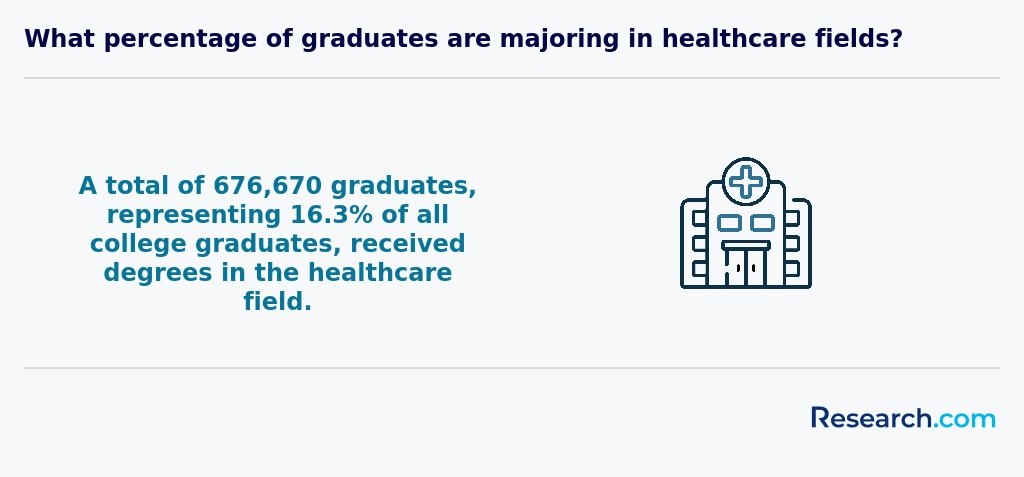
Students pursuing an online healthcare management degree in America often rely on federal financial aid, primarily accessed through the FAFSA application. Graduates from universities like the University of Southern California recall how federal Pell Grants, awarded based on financial need, significantly eased their tuition costs without the pressure of repayment. Others highlight using Direct Subsidized and Unsubsidized Loans, which offer lower interest rates and manageable repayment options compared to private loans.
State-specific aid programs also play a critical role, especially for those attending public institutions such as the University of North Carolina. These programs provide grants or loan forgiveness targeted at future healthcare professionals, though availability varies widely by state, demanding careful research by applicants.
Private scholarships from associations like the American College of Healthcare Executives have proven invaluable for some students excelling academically or demonstrating leadership in healthcare. Meanwhile, employers in hospitals and insurance companies occasionally support employees by covering part of tuition, reflecting an investment in workforce development.
Many online students appreciate the tailored financial aid counseling offered at established programs, helping them navigate options and deadlines. This personalized support often translates into a real reduction in financial stress during their studies, making the pursuit of a healthcare management degree more optimistic and attainable.
To enroll in an online healthcare management degree in America, students typically face a layered set of prerequisites that reflect the program's academic rigor and professional demands. For undergraduate programs at popular institutions like Arizona State University or the University of Florida, applicants usually need a high school diploma or GED and a GPA around 2.5 to 3.0. While some graduates recall submitting SAT or ACT scores, many schools now adopt test-optional policies, acknowledging diverse applicant strengths.
Graduate programs, such as those offered by Johns Hopkins or George Washington University, expect a completed bachelor's degree, ideally in healthcare or business, with a GPA near 3.0. Many graduates describe how submitting GRE or GMAT scores felt daunting, yet some programs waive these if applicants bring relevant healthcare experience, which adds practical insight valued in admissions.
Professional experience often seals the deal, especially for doctoral learners reflecting fondly on years spent in healthcare administration. Letters of recommendation and personal statements remain crucial, allowing candidates to express career aspirations and connect academic goals to real-world healthcare challenges. This multifaceted approach ensures students engage both intellectually and emotionally with their future roles.
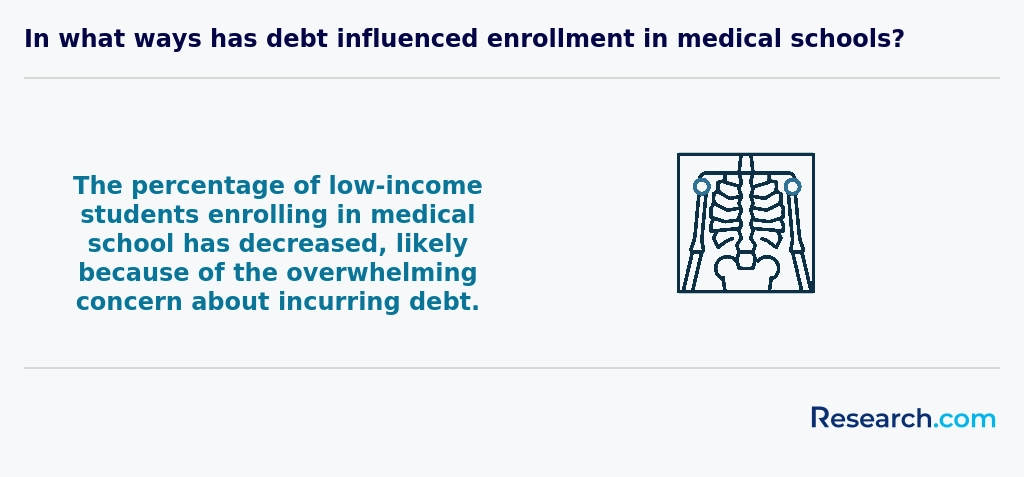
Online healthcare management degrees in America typically include courses that blend healthcare knowledge with essential business and leadership skills. Graduates from well-known institutions often highlight courses like healthcare law and ethics, which help them navigate complex regulatory landscapes while maintaining patient trust.
Financial management and budgeting classes are vital, teaching students how to allocate resources effectively, an indispensable skill given healthcare's significant share of the U.S. GDP. For example, students at prominent public universities appreciate learning budgeting strategies they can apply immediately in hospital or clinic settings.
Leadership and organizational behavior courses foster soft skills such as team communication and conflict resolution, which graduates frequently describe as transformative for their ability to lead healthcare teams amid fast-paced environments.
With technology's growing role, health informatics and data management classes prepare students to handle electronic health records and protect patient data, a practical skill set valued by employers in both private and public sectors.
- Healthcare law and ethics
- Healthcare finance and budgeting
- Health systems and policy analysis
- Organizational leadership and management
- Healthcare informatics and data management
- Quality improvement and patient safety
- Strategic planning and marketing in healthcare
Online healthcare management degrees in America typically offer a range of specializations designed to suit diverse career aspirations. Popular tracks include healthcare administration, focusing on managing hospitals and clinics; health informatics, involving data analytics to improve patient care; public health management, which addresses community health policies; healthcare finance, centered on budgeting and reimbursement; and quality and patient safety, which emphasizes improving healthcare outcomes. Graduates from universities known for their healthcare programs often report a strong sense of accomplishment when applying these skills in real-world settings, such as overseeing hospital operations or implementing safety initiatives.
For students considering these concentrations, it's important to weigh not only personal interest but also employment trends. Specializations like health informatics and healthcare finance are rising in demand due to healthcare's increasing reliance on data and complex financial models. This insight is crucial for those exploring healthcare management doctorate concentrations in America, where such expertise can distinguish candidates in a competitive job market. Some working professionals find that these specializations resonate with their career goals and offer meaningful engagement with the healthcare industry.
Those interested in advancing their education further might explore more advanced options including healthcare management phd programs, which often allow for deep dives into these specializations, promoting leadership growth within this expanding field.
When choosing the best online healthcare management degrees USA offers, accreditation must be your first checkpoint. Graduates from respected universities often emphasize how accreditation by bodies like CAHME ensured their education met rigorous industry standards, which made employers take their qualifications seriously. Yet, accreditation alone doesn't tell the whole story; curriculum relevance is equally crucial. Some programs excel by offering tailored concentrations such as health informatics or population health management, helping students align their studies with evolving healthcare demands.
Cost often influences decisions, especially for students seeking top affordable healthcare management doctorates America provides. Public universities can present more budget-friendly options without compromising quality, as some graduates have reported feeling relieved to access strong financial aid packages or employer assistance. Balancing flexibility also matters-many working professionals appreciate programs with asynchronous coursework, which fits a busy lifestyle better than rigid schedules.
Finally, prospects after graduation are a key factor. Programs that publish outcomes like employment rates and starting salaries offer transparency. Some graduates find motivation knowing that healthcare management roles typically command rewarding salaries; indeed, you can explore healthcare administration jobs with the highest salaries. These nuanced considerations shape a well-rounded decision beyond just ranking or price.
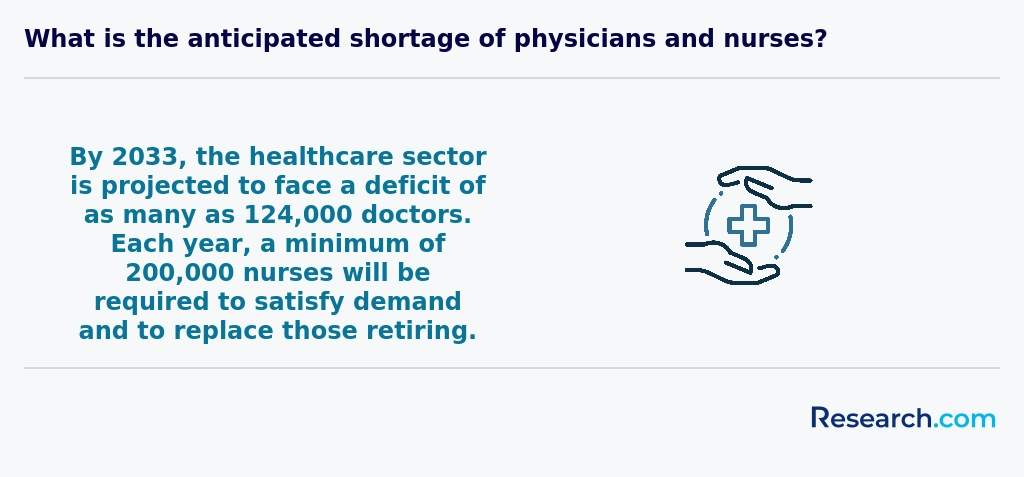
Graduates of online healthcare management degrees in America often find diverse career paths that reflect the sector's complexity and expansion. Many secure roles in hospital administration, where they handle daily operations and regulatory compliance, leveraging skills acquired through programs at popular universities like the University of Arizona or George Washington University. Others pursue healthcare consulting or quality improvement management, advising organizations on cost control or patient safety enhancements. These career choices illustrate the breadth of opportunities for those exploring online healthcare management careers USA, yet it's important to recognize that adaptability and ongoing learning greatly influence success in such dynamic roles.
Some graduates opt for emerging sectors such as health informatics management, combining healthcare knowledge with IT to optimize service delivery. This field's growth highlights the evolving nature of healthcare management job opportunities in America, demanding cross-disciplinary expertise. Students often mention how studying at institutions known for flexible, accredited programs helped them balance work and education effectively.
For those considering such paths, online programs offer financial and scheduling flexibility that supports career transitions. Exploring online healthcare management mba programs can illuminate specialized tracks aligning with individual career goals and the shifting healthcare landscape.
The job market for graduates holding online healthcare management degrees in America is notably strong, reflecting the sector's rapid expansion driven by demographic shifts and evolving healthcare systems. Many graduates from well-regarded universities find themselves quickly stepping into roles at hospitals, outpatient clinics, and insurance companies, where they apply skills learned online to manage staff and navigate complex regulatory environments. Stories from graduates at institutions offering flexible, affordable programs illustrate how they balance work, study, and family responsibilities, gaining practical experience while advancing their careers.
Demand for professionals with these degrees is influenced by the rapid aging of the U.S. population, healthcare policy reforms, and increasing technological integration such as telehealth innovations. This context shapes a favorable job outlook for healthcare management degrees in the USA, though competition remains, especially in urban centers with numerous qualified candidates. Graduates often report satisfaction with salary potential, which according to the American College of Healthcare Executives, averages around $104,280, underscoring the degree's economic value.
For prospective students, understanding the financial and professional implications is critical. Tuition varies widely, but online programs frequently reduce costs associated with relocation and campus fees, providing a more accessible pathway. Those weighing career options often explore median pay data and employment trends, which can be reviewed in detail at health administration degree salary, to align their ambitions with market realities.
2027 Fastest Online Doctorate in Healthcare Management Degree Programs Ranking in the USA
Investing in your education is a significant decision that can profoundly impact your career and personal development, and the Research.com team is dedicated to supporting you through this process. To provide prospective students with reliable guidance, we have carefully developed the "2027 Fastest Online Doctorate in Healthcare Management Degree Programs Ranking in the USA." Our unwavering commitment to quality, credibility, and accuracy is demonstrated through comprehensive research and detailed analysis.
We utilized the following reputable data sources to ensure a thorough evaluation of programs:
By exploring this ranking, readers will gain valuable insights into the fastest online doctorate programs in healthcare management, enabling informed decisions that align with their professional goals. For more information about our rigorous process, please visit our Research.com methodology page.


# 7 position
Walden University
Doctor of Healthcare Administration


# 9 position
A.T. Still University
Doctor of Health Administration

# 10 position
Eastern Virginia Medical School
Doctor of Health Sciences

Frequently Asked Questions About healthcare management
Online healthcare management degree students in America can maximize their learning experience by actively engaging with virtual class discussions and utilizing campus resources such as online libraries and tutoring centers. Studies show that students who participate in interactive elements retain information better, which is critical in a complex field like healthcare management (National Center for Education Statistics, 2023). Time management is essential; setting a consistent study schedule helps balance coursework with professional responsibilities, given that many students work full-time in healthcare settings.
Networking with peers and professionals through online forums and webinars can provide practical insights and career opportunities. Additionally, seeking programs accredited by the Commission on Accreditation of Healthcare Management Education (CAHME) ensures quality education aligned with industry standards. Finally, applying coursework to real-world healthcare scenarios through internships or case studies greatly enhances comprehension and job readiness.
Emerging niches within the healthcare management field reflect significant changes in technology, policy, and patient care. One key area is health informatics management, where professionals use data analytics to improve clinical outcomes and reduce costs. According to the U.S. Bureau of Labor Statistics, healthcare data analyst roles are expected to grow 17% from 2022 to 2032.
Another expanding niche is population health management, focusing on community-wide health improvement and chronic disease prevention. This aligns with increasing federal support for value-based care models under Medicare and Medicaid.
Additionally, roles in telehealth administration are rapidly growing due to increased adoption of remote care technologies since the COVID-19 pandemic. The American Hospital Association reports a 38-fold increase in telehealth use between 2019 and 2023.
Healthcare cybersecurity leadership is also critical, with frequent breaches targeting sensitive patient data. The demand for managers skilled in safeguarding health IT systems continues to rise.
These niches highlight the evolving landscape of healthcare management education in the U.S., making specialized online degrees attractive for career advancement.
Preparing for the job market after earning an online healthcare management degree in America involves strategic steps to enhance employability. First, obtain professional certifications such as Certified Healthcare Administrative Professional (cHAP) or Fellow of the American College of Healthcare Executives (FACHE), which can significantly boost your credentials.
Networking is crucial. Engage with healthcare organizations, attend industry conferences, and use platforms like the American College of Healthcare Executives for connections. According to the U.S. Bureau of Labor Statistics, healthcare management roles are projected to grow 32% from 2021 to 2031, making timing ideal for job seekers.
Lastly, gaining practical experience through internships or volunteer roles in healthcare settings improves job readiness and resumes.
Employers in the US healthcare sector prioritize several key skills when hiring graduates with healthcare management degrees. First, strong leadership and organizational abilities are essential, as managers must effectively coordinate teams and healthcare operations. According to the Bureau of Labor Statistics, communication skills rank high, since professionals often act as liaisons between medical staff, patients, and regulatory bodies.
Data analysis and proficiency in healthcare technology are increasingly important. The American College of Healthcare Executives highlights that knowledge of electronic health records and healthcare software tools improves decision-making.
Additionally, understanding healthcare laws and ethics is critical, ensuring compliance with US regulations such as HIPAA. Finally, financial skills and strategic planning enable managers to optimize resources and improve patient outcomes.
Finding internships in America relevant to a healthcare management degree involves several effective strategies. Start by exploring university career centers, as many schools partner with healthcare organizations to offer students internships tailored to management roles. Additionally, websites like Handshake and the National Association of Healthcare Management provide extensive listings.
Networking is crucial; joining professional groups like the American College of Healthcare Executives can connect students to internship opportunities. According to the Bureau of Labor Statistics, healthcare management roles are expected to grow 28% through 2031, increasing internship availability. Reach out directly to hospitals, clinics, and insurance companies in your region, as many offer structured programs for future managers.
An online healthcare management degree can significantly enhance career mobility and advancement in America's healthcare sector. According to the U.S. Bureau of Labor Statistics, employment for medical and health services managers is projected to grow 28% from 2021 to 2031, much faster than average. This growth increases the demand for professionals with advanced management skills.
Graduates with online degrees often find flexible career options, allowing shifts between hospitals, insurance firms, and public health organizations. Employers value the specialized knowledge in both healthcare operations and leadership, which online programs provide.
Moreover, earning a degree online enables working professionals to upskill without relocating, making career advancement more accessible.
Industry data from the American College of Healthcare Executives highlights that higher education correlates with higher salaries and leadership roles within healthcare management.
Studying for a healthcare management degree in America equips students with skills to navigate the complex, interdisciplinary nature of modern healthcare organizations. Programs blend courses in business administration, public health, and health informatics, fostering collaboration across clinical, financial, and operational functions.
According to the U.S. Bureau of Labor Statistics, healthcare managers must understand regulatory compliance, medical ethics, and data analytics to improve patient outcomes and system efficiency. Online degrees focus on real-world case studies, encouraging students to work with diverse teams from nursing, policy, and technology backgrounds.
This interdisciplinary training prepares graduates for leadership roles requiring strategic decision-making and communication across varied healthcare sectors.
Choosing between a thesis and a non-thesis healthcare management degree program in America depends on your career goals and learning preferences. Thesis programs emphasize original research and are suited for students interested in academic, policy, or research careers. Completing a thesis may also enhance your qualifications for leadership roles in healthcare organizations, as research skills are highly valued.
Non-thesis programs focus on practical skills and coursework, ideal for professionals aiming to advance quickly in clinical or administrative positions. According to the Bureau of Labor Statistics, executive and managerial roles in healthcare are expected to grow 28% from 2021 to 2031, reflecting demand for applied knowledge.
Consider your time commitment as thesis programs often require more months to complete. Also, check accreditation and support for remote research. Consulting academic advisors or program alumni can clarify which path aligns best with your career objectives.
American students interested in studying healthcare management abroad through online programs have several pathways. Many international universities partner with U.S. institutions to offer joint or dual degrees, combining global perspectives with American accreditation. Such programs often include coursework tailored to the U.S. healthcare system, which generated $4.3 trillion in 2021 according to the Centers for Medicare & Medicaid Services.
Students can also enroll directly in fully online healthcare management degrees offered by reputable international schools. These typically provide flexible schedules suitable for working professionals. When selecting programs, it is important to check for accreditation recognized in the U.S., like CAHME certification, which ensures quality education aligned with American standards.
Part-time job opportunities that complement healthcare management degree education in America often focus on roles within medical offices, hospitals, and insurance companies. Common positions include medical administrative assistants, healthcare billing specialists, and patient services coordinators. These jobs provide practical experience with healthcare operations and patient management, both critical for future healthcare managers.
According to the U.S. Bureau of Labor Statistics, medical administrative assistants earn a median hourly wage of around $18, making them accessible entry points for students. Additionally, internships or part-time roles in public health organizations offer valuable exposure to healthcare policy and data management.
Such experience enhances resume credentials while offering insight into real-world challenges in healthcare systems, aiding students to align academic theories with workplace realities.
Online healthcare management students in America benefit from various networking opportunities despite physical distance. Many accredited programs provide access to exclusive virtual events, such as webinars and panel discussions featuring industry leaders. According to the American College of Healthcare Executives (ACHE), membership often includes networking forums and local chapter events tailored to students and professionals.
Additionally, students can connect through online platforms linked to their universities, fostering peer collaboration and mentoring. LinkedIn groups focused on healthcare management in the U.S. also offer valuable connections with current practitioners and alumni.
Some programs partner with healthcare organizations, enabling virtual internships or project collaborations that expand professional networks.
Alumni networks play a crucial role for students pursuing online healthcare management degrees in America. These networks provide access to experienced professionals, opening doors to mentorship opportunities that support career growth in a competitive field. According to the American College of Healthcare Executives, nearly 60% of healthcare managers find new job opportunities through professional connections.
Joining alumni groups allows students to share insights about healthcare policies, technology advancements, and leadership strategies relevant to the U.S. healthcare system. Networking also facilitates invitations to exclusive events, workshops, and conferences that enhance practical skills.
Overall, a strong alumni network can significantly improve career prospects and professional development in healthcare management.
Customizing an online healthcare management degree in America allows students to align their education with personal career goals. Many programs offer elective courses in areas like health informatics, policy, or finance, enabling specialization according to industry demand. For example, the Bureau of Labor Statistics highlights increased demand for healthcare managers skilled in data analysis and regulatory compliance. Students can often select internships or capstone projects reflecting their interests, gaining practical experience. Additionally, some programs provide flexible pacing and concentrations in leadership or public health. Choosing accredited schools ensures the curriculum meets professional standards, helping graduates qualify for certifications such as the Certified Healthcare Manager (CHM).
Online healthcare management students in America often face a range of challenges related to balancing coursework and professional responsibilities. Many learners are working full-time in demanding healthcare roles, making time management crucial. According to the National Center for Education Statistics, over 50% of online learners juggle both work and study. Technical issues also pose difficulties, as students must navigate various digital platforms and software required for assignments and communication.
In addition, some students report limited opportunities for hands-on experience, which is essential in healthcare management education. Networking can be harder online, affecting career growth prospects. Finally, financial constraints and understanding complex financial aid options also challenge many prospective students.
With an online healthcare management degree, graduates can pursue several professional certifications to enhance their careers. A popular option is the Certified Professional in Healthcare Quality (CPHQ), recognized by the National Association for Healthcare Quality. This certification focuses on improving healthcare systems, and job prospects often increase for holders.
Another valuable credential is the Fellow of the American College of Healthcare Executives (FACHE), which requires demonstrated experience and education. It is well-regarded in the healthcare leadership field.
Additionally, the Certified Healthcare Administrative Professional (cHAP) credential, offered by the Association for Healthcare Administrative Professionals, supports administrative career growth.
These certifications signal expertise and can lead to higher salaries and leadership roles within the U.S. healthcare industry.
To write a winning application for an online healthcare management program in America, start by clearly demonstrating your understanding of the healthcare industry and its challenges. Highlight relevant work experience or internships to show practical knowledge. Academic performance matters, so include transcripts or GPA details that reflect your ability to handle rigorous coursework. Personal statements should focus on your career goals and how the degree aligns with them. According to the U.S. Bureau of Labor Statistics, healthcare management roles are expected to grow 32% through 2030, emphasizing the field's demand.
Strong letters of recommendation from supervisors or professors familiar with your skills can boost your application. Finally, tailor your application to each program's specific criteria, paying attention to required certifications or prerequisites.
Healthcare management is increasingly recognized worldwide as a critical field due to the rapid growth of healthcare systems. In the United States, the Bureau of Labor Statistics projects a 28% job growth for medical and health services managers from 2021 to 2031, highlighting strong domestic demand.
Globally, healthcare management careers emphasize similar skills: leadership, financial know-how, and understanding complex health policies. Countries like Canada, the UK, and Australia are expanding their healthcare administration sectors to meet aging populations and healthcare technology advances.
For US students pursuing online degrees, this global growth can offer diverse career opportunities, including roles with international organizations or companies managing multinational healthcare projects.
Gaining practical experience during an online healthcare management degree in America is essential to bridge theory and real-world skills. Many programs offer internships or externships with hospitals, clinics, and healthcare organizations. These opportunities provide direct exposure to management challenges in healthcare settings.
Additionally, students can participate in virtual simulations that replicate healthcare administration scenarios. According to the American College of Healthcare Executives (ACHE), nearly 70% of healthcare management programs integrate experiential learning to enhance student readiness.
Networking through professional associations and virtual conferences also helps students connect with industry leaders, expanding career prospects even before graduation.
Choosing the right concentration within an online healthcare management degree in America depends on your career goals and interests. Common concentrations include health informatics, policy, administration, and finance. Each area focuses on different skills, from managing electronic health records to navigating healthcare laws and budgets.
Consider industry demand when selecting a focus. For example, the U.S. Bureau of Labor Statistics projects a 28% growth in medical and health services managers from 2021 to 2031, indicating strong prospects across specialties. Additionally, accreditation by agencies like CAHME ensures program quality.
Research the curriculum to ensure it aligns with your professional aims. Some programs offer practical experiences or networking opportunities, which can enhance job readiness.
- What Are the Prerequisites for a Degree in Healthcare Management? - Healthcare Management Degree Guide https://www.healthcare-management-degree.net/faq/what-are-the-prerequisites-for-a-degree-in-healthcare-management/
- HEALTH MANAGEMENT (THESIS / NON-THESIS) - Lisansüstü Eğitim Enstitüsü https://lee.nisantasi.edu.tr/en/health-management-thesis-non-thesis/
- Trends and opportunities in healthcare across emerging markets - Inizio https://inizio.com/insights/trends-and-opportunities-in-healthcare-across-emerging-markets/
- What are the essential skills needed for health care management | UNF https://www.unfc.ca/blog/healthcare-management-skills
- Healthcare Administration Salary - Healthcare Administration Degree Programs https://www.healthcare-administration-degree.net/salary/
- 3 Degrees of Healthcare Management: MSHCM vs. MBA vs. MHA https://www.michiganstateuniversityonline.com/resources/healthcare-management/degrees-in-healthcare-management-mba-vs-mha-mshcm/
- Online Healthcare Administration Bachelors Degree | CHCP https://www.chcp.edu/degrees-certificates/healthcare-administration-bachelors-degree/online/
- How a Healthcare Management Degree Can Boost Your Career https://www.straighterline.com/blog/how-a-healthcare-management-degree-can-boost-your-career-prospects
- Healthcare Management vs. Healthcare Administration | University of Phoenix https://www.phoenix.edu/articles/healthcare/healthcare-management-vs-healthcare-administration.html
- Top 7 Career Paths with an International Health Management Degree | BSBI https://www.berlinsbi.com/blog/top-7-career-opportunities-after-an-international-health-management-degree