2027 Paying for an Online BS in Business Administration: A Local Chamber of Commerce Scholarship
Audited and Verified:
Our Editorial and Data Verification Process
Research.com uses government datasets, official education statistics and primary institutional information to support its career and degree guides. Our review process checks factual accuracy, occupational definitions, source dates and the requirements associated with the credentials discussed.
How This Article Was Fact-Checked
Our editorial team verifies salary estimates, employment projections, education requirements and program information against original data providers and official organizations. Salary figures are checked against the relevant occupational definitions and reporting periods. Information about licensure, accreditation and required in-person training is reviewed separately.
Fact-checked and verified on:

Co-Founder and Chief Data Scientist
A local chamber of commerce scholarship could reduce the cost of an online BS in Business Administration, but the award is useful only if you qualify and can apply it to your chosen program. Chambers set their own rules, and an award may not cover every expense or arrive before tuition is due. This guide explains how to find and evaluate a scholarship, calculate what you would still owe, and check the degree details that affect your decision. It is for students comparing online programs while managing work, family, or other financial commitments.
Key Things You Should Know
- Ask the local chamber whether its scholarship accepts online students, your intended school, and your enrollment status; eligibility varies by award.
- Compare the award with your remaining tuition and fees after transfer credit and other aid - not the school's advertised full-degree price.
- Confirm when the chamber pays and whether the college reduces other aid; a scholarship can lower total cost without eliminating an upfront tuition bill.
What Is an Online BS in Business Administration?
An online Bachelor of Science in Business Administration is an undergraduate degree covering business functions such as accounting, marketing, finance, operations, and management. "Online" describes how instruction is delivered, not a separate type of credential. Schools may award a BS, BBA, or another business degree with different requirements, so use the exact degree title and curriculum when comparing programs.
For a scholarship applicant, the practical issue is whether the chamber recognizes the institution and program - not whether the course website looks convenient. Check the award's school-eligibility language before committing to a program. You can compare business administration degrees for working learners, then confirm each school's current requirements directly.
How Can a Local Chamber Scholarship Help Pay for Your Degree?
A chamber of commerce is a local business membership organization. Some chambers or their affiliated foundations offer education awards, but there is no single national "chamber scholarship" with uniform rules. Search your city, county, and regional chambers' scholarship pages, and ask their offices about awards funded by member businesses. Check whether eligibility depends on residence, employment, graduation from a local school, chamber membership, or a connection to a member employer.
Before applying, get the written terms. Confirm that online enrollment and your degree level qualify; whether the award covers tuition, required fees, or other expenses; whether it is paid to you or the college; and when payment arrives. Ask whether the award requires full-time enrollment, a particular academic standing, an essay, a recommendation, or community involvement. If it is renewable, check the renewal rules rather than treating the first award as funding for the entire degree.
Submit scholarship information to the college's financial-aid office. Outside awards can change an aid package, and a school may apply them differently depending on other assistance and its cost-of-attendance rules. Review federal aid options at accredited business administration colleges alongside chamber funding, then request a revised aid offer showing what you must pay and when.
How Much Does an Online Business Administration Degree Cost?
There is no reliable single price for an online business administration degree. Schools may charge by credit, course, or term, and a student finishing transferred coursework faces a different bill from a first-time student. Request a degree audit and a written estimate for the courses you still need. Include required fees and materials rather than comparing tuition alone.
The table separates costs a chamber award might reduce from costs you may still need to finance. Use your own school's figures and the award's written restrictions to complete it.
| Cost component | What to verify | Scholarship consideration |
| Remaining tuition | Rate and required credits after the official degree audit | Is tuition an eligible expense? |
| Required fees and materials | Technology, course, proctoring, books, and software charges | Does the award permit these charges? |
| Timing and indirect costs | Payment deadlines, possible travel, and reduced work hours | Will funds arrive before the bill is due? |
Compare the remaining school charges with grants and scholarships, then separately assess any borrowing and income you might give up. If you are applying to several schools, explore fee-free online university applications as one way to limit upfront comparison costs; an application-fee policy does not indicate that the degree itself is inexpensive.
Confirm that the institution holds accreditation recognized by the U.S. Department of Education. This matters for federal student-aid eligibility and may matter under a chamber's scholarship rules. Check the institution's status in the Department of Education's accreditation database, and ask the financial-aid office whether your specific program and enrollment qualify for aid.
Business-specific accreditation, such as AACSB, ACBSP, or IACBE, is a separate consideration. If a school advertises it, verify which business unit or programs it covers; do not assume every degree at the institution is included. Accreditation does not establish that a chamber will fund the program or that graduates will obtain particular jobs. If you use a list of leading US colleges for online business study, verify accreditation and scholarship eligibility for the school you actually plan to attend.
Expect a mix of general education, foundational business courses, and upper-level work. Common subjects include financial and managerial accounting, economics, statistics, business law, marketing, finance, operations, organizational behavior, and strategy. Some programs offer formal concentrations, while others offer electives without awarding a named concentration.
Course choices affect the value of both the degree and the scholarship. If your goal is HR work, compare the program's HR courses, applied assignments, and internship opportunities with a human resources degree subject guide. A business degree can provide useful preparation, but an HR elective is not a professional certification. Ask whether a concentration adds credits or changes your expected graduation date before assuming the scholarship will cover it.
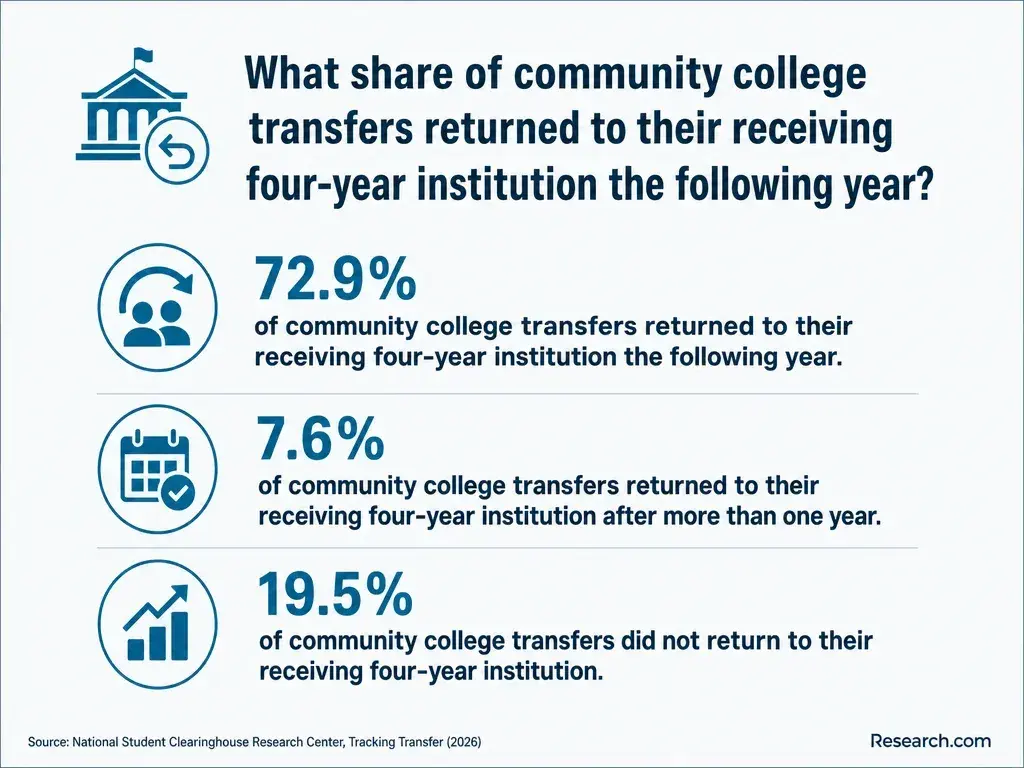
First-time applicants generally need evidence of secondary-school completion; transfer applicants generally submit prior college transcripts. A school may also set GPA or course prerequisites, and admission to the institution may be distinct from admission to its business major. Requirements vary, so check the current catalog rather than relying on another school's checklist. The guide to required credits before entering business administration study can help you identify questions for admissions.
Apply early enough to obtain an official transfer evaluation before the chamber's deadline, if possible. Accepted credits do not necessarily satisfy business-core requirements. Keep your admission offer, degree audit, and enrollment confirmation available: a chamber may request proof that you are pursuing an eligible degree, even if its application opens before classes begin.
Completion time depends on credits that apply to the degree, course sequencing, and how many classes you can take each term. Accelerated sessions may shorten the calendar, but they do not remove required work or guarantee a lower total price. Compare fast-paced online business degrees against your available study time, especially if you work while enrolled.
Duration also matters to a scholarship decision. An award limited to one academic term may cover a smaller share of a part-time student's remaining bill than expected. Ask the chamber which enrollment periods qualify and ask the school whether every required course will be offered on your proposed schedule.
Online study can remove a regular commute, but it may still require live meetings, group projects, proctored exams, or assignments due at fixed times. Campus programs may make in-person networking easier, while online students may be able to use a current workplace for an approved project. Neither format automatically offers a better scholarship opportunity: the chamber's eligibility rules control.
If scheduling is your reason for choosing online study, inspect a sample course schedule before accepting an award tied to continuous enrollment. Online bachelor's programs with short sessions may suit some working students, but concentrated deadlines can be difficult alongside employment or caregiving. Confirm whether the program permits part-time study or a leave without losing your scholarship or aid eligibility.
Business administration study can support applications for roles in operations, sales support, marketing coordination, HR support, procurement, and project coordination. The best entry point depends on your existing experience and evidence of relevant skills. For example, customer-facing work may strengthen an application for sales operations, while scheduling and budget-tracking experience may be more relevant to project coordination. A degree alone does not confer a management position.
If project work is your goal and you have prior college credit, a project management bachelor's transfer planning guide can help you compare a specialized route with a general business degree. Before using a chamber award, check which option applies more of your credits and gives you opportunities to document the work your target employers request.
What Salary and Job Outlook Can Business Graduates Expect?
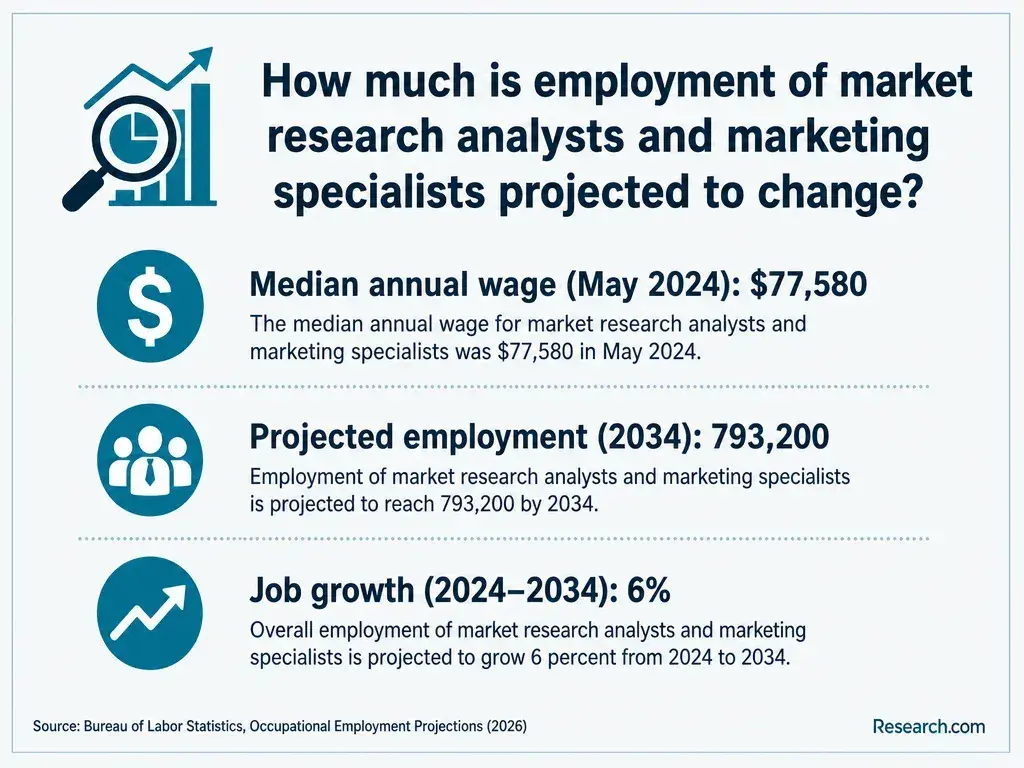
There is no single salary or job-growth figure for BS in Business Administration graduates: labor data tracks occupations, not everyone holding a particular degree. For context, the U.S. Bureau of Labor Statistics reports a May 2025 median annual wage of $75,940 for human resources specialists and projects 6% employment growth in that occupation from 2025 to 2035. The median reflects workers across experience levels; it is not a starting salary or a likely return on your scholarship.
Use the occupation you actually intend to enter when assessing whether borrowing for the degree is manageable. Compare your remaining cost and time commitment with your present skills, local openings, and the experience employers require. For a broader framework, review business administration tuition time commitment and career value. Treat a chamber award as a reduction in education cost, not evidence of a future pay increase.
Other Things You Should Know About Business Administration
Yes, if each chamber's rules allow it. Check geographic eligibility and disclose other awards wherever an application requests that information.
Only if the specific application requires one. If it does, confirm who qualifies as a recommender and give that person the deadline and submission instructions.
Notify the chamber before assuming the award will follow you. It may be restricted to an approved institution or require a new enrollment verification.
Possibly. Federal tax treatment depends in part on how the funds are used and your circumstances. Keep the award letter and expense records, and consult IRS guidance or a qualified tax professional.
- Qualified Ed expenses | Internal Revenue Service https://www.irs.gov/credits-deductions/individuals/qualified-ed-expenses
- Types of Financial Aid: Grants, Work-Study, and Loans | studentaid.gov https://studentaid.gov/understand-aid/types
- Accreditation in the U.S. | ed.gov http://www.ed.gov/laws-and-policy/higher-education-laws-and-policy/college-accreditation/accreditation-in-the-us
- Tuition-Free Degree Program: The Excelsior Scholarship | ny.gov https://www.ny.gov/programs/tuition-free-degree-program-excelsior-scholarship
- Will outside grants and scholarships affect my financial aid package? | miami.edu https://engagecanes.miami.edu/CC/s/article/Will-outside-grants-and-scholarships-affect-my-financial-aid-package
- Can I use employer tuition assistance along with scholarships or financial aid? | achs.edu https://faq.achs.edu/knowledge/can-i-use-employer-tuition-assistance-along-with-scholarships-or-financial-aid
- Institute Scholarships & Enrollment Incentives | CO- by US Chamber of Commerce https://www.uschamber.com/program/institute-for-organization-management/institute-scholarships-and-enrollment-incentives